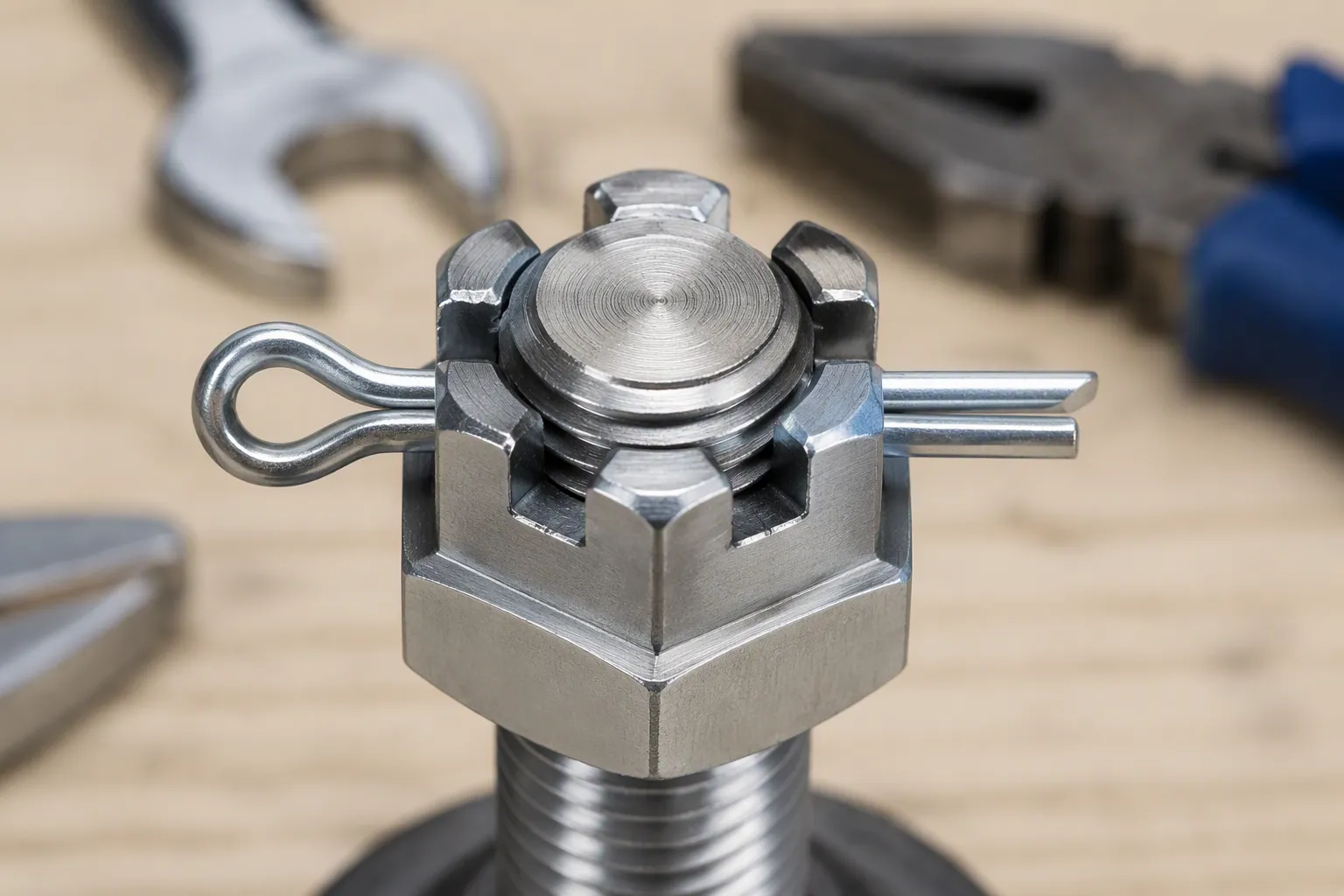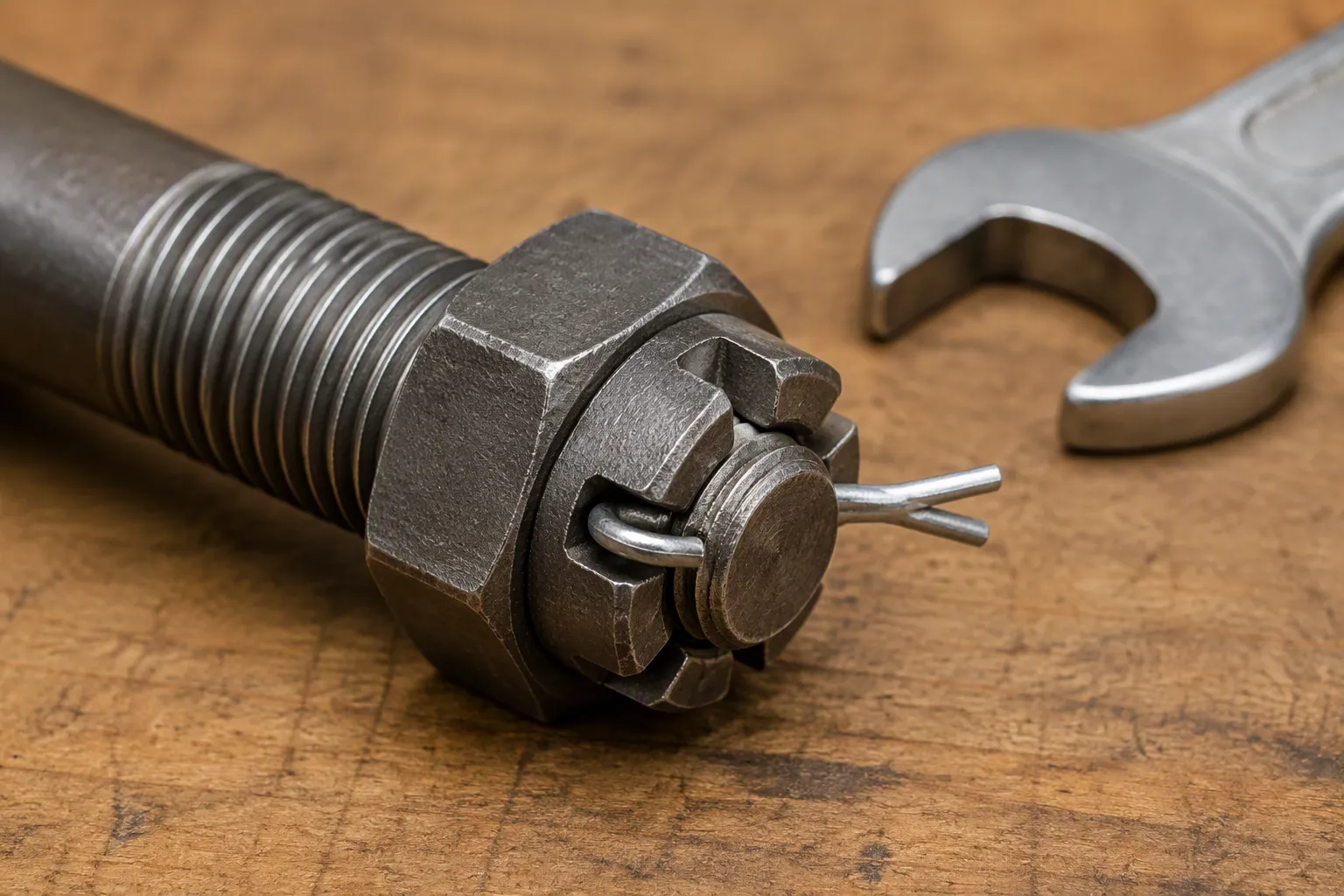
The global market for concrete anchor bolts is expanding, with projections showing significant growth toward 2033. For heavy-duty applications, selecting the correct anchor bolt is a critical engineering decision. The Hilti Kwik Bolt-TZ2 fastener excels in overall performance. The Hilti HIT-RE 500 V4 fastener is another leading fastener for maximum load capacity. The Simpson Titen HD fastener allows for rapid installation, while the Red Head Trubolt+ fastener is a versatile fastener. A custom fasteners manufacturer can supply custom anchor bolts or custom fasteners. This fastener choice is vital. This fastener is key. This fastener ensures safety. These anchor bolts demand a specific anchor bolt.
2026’s Best Heavy-Duty Concrete Anchor Bolts: In-Depth Reviews
Professionals require reliable and robust solutions for securing heavy loads to concrete. The choice of fastener directly impacts structural integrity and safety. This review dives into the top-performing concrete anchor bolts for 2026, analyzing their features, applications, and performance data. We will explore the leading options across different categories to help you select the ideal anchor bolt for your project’s demands.
Wedge Anchors: The Gold Standard
Wedge anchors remain the industry’s go-to fastener for heavy-duty, permanent installations in solid concrete. Their time-tested design provides exceptional reliability and high load capacities. The installation mechanism is a key part of their strength. Tightening the nut pulls the anchor bolt shaft, forcing an expansion clip over a tapered cone. This action expands the clip, creating immense friction against the walls of the drilled hole. This secure hold resists both pull-out and shear forces effectively.
Key advantages of wedge anchors include:
- Superior Strength: They offer high load capacities, making them ideal for connecting structural steel and heavy equipment.
- Vibration Resistance: The expansion mechanism creates a secure connection that resists loosening from vibratory loads.
- Cost-Effectiveness: This fastener type provides a time-tested, economical solution for permanent anchoring.
- Durability: Many wedge anchor bolts are available in galvanized or stainless steel, offering excellent corrosion resistance for longevity in harsh environments.
Hilti Kwik Bolt-TZ2
Simpson Strong-Tie Strong-Bolt 2
Powers Wedge-Bolt+
Hilti Kwik Bolt-TZ2: Detailed Analysis
The Hilti Kwik Bolt-TZ2 (KB-TZ2) continues its reign as a top-tier wedge anchor, renowned for its unmatched performance in cracked and uncracked concrete, especially under seismic conditions. This fastener sets the benchmark for safety and reliability in critical structural applications.
Key Features and Specifications
The KB-TZ2’s design incorporates several advanced features. Its proprietary expansion clip provides superior follow-up expansion, which helps the anchor bolt maintain its grip even if cracks form in the concrete over time. This makes it an exceptionally safe fastener choice.
| Anchor Type | Material Composition | Coating Options |
|---|---|---|
| Kwik Bolt TZ2 Wedge anchor | Carbon steel | Zinc plated (min. 5 microns) |
| Kwik Bolt TZ2 Wedge anchor SS316 | Stainless Steel | 316 (grade) |
Ideal Heavy-Duty Applications
This high-quality fastener excels in situations where safety is non-negotiable. Its performance in seismic zones makes it a primary choice for:
- Structural steel connections and base plates.
- Securing heavy machinery and industrial equipment.
- Anchoring racking and shelving in distribution centers.
- Façade systems and curtain walls.
Performance Data and Load Ratings
The KB-TZ2 boasts some of the highest load ratings in its class, particularly for tension and shear loads in cracked concrete. Its performance is extensively documented in its ICC-ES Report (ESR-4266). Engineers must consult this report for specific load values based on anchor diameter, embedment depth, and concrete conditions. The installation process for this anchor bolt is straightforward but crucial for performance.
Installation Tip: Proper installation is key to reliability.
- Drill a hole to the specified diameter and depth.
- Clean the hole thoroughly of all dust and debris.
- Insert the anchor bolt until the washer and nut are snug against the fixture.
- Tighten the nut to the required installation torque, which expands the clip and secures the fastener.
Pros and Cons
- Pros:
- Exceptional performance in seismic and cracked concrete conditions.
- Highest-in-class load values provide a high margin of safety.
- Comprehensive testing and code approvals (ICC-ES).
- Cons:
- Higher price point compared to other wedge anchors.
- Permanent installation; not suitable for temporary applications.
Screw Anchors: Speed and Reusability
Screw anchors have revolutionized concrete fastening with their unique combination of speed, strength, and removability. Unlike expansion anchors, a screw anchor cuts its own threads into concrete, creating a strong mechanical interlock. Modern thread designs are engineered with specific helix angles and thread counts that significantly boost tensile capacity and installation efficiency. This makes the fastener both strong and easy to install.
The primary advantage of this fastener type is its removability. This feature makes it an excellent choice for temporary applications like concrete formwork, scaffolding, and temporary bracing.
“Instead of grinding down abandoned wedge anchor heads at the old location, construction crews simply unscrew the Titen HD, then reposition the racking. This can save a lot of time and effort on the job.” – Andrew Brigham, Group Product Manager at Simpson Strong-Tie
Simpson Strong-Tie Titen HD
Hilti Kwik HUS-EZ
Powers Tapper+ Xtreme
Simpson Strong-Tie Titen HD: Detailed Analysis
The Simpson Strong-Tie Titen HD screw anchor stands out as a leader in productivity and reliability. This heavy-duty fastener provides strong, secure connections with a simple, fast installation process. Its design allows it to be installed closer to concrete edges than many traditional expansion anchors.
Key Features and Specifications
The Titen HD’s primary feature is its patented serrated thread design. These threads undercut the concrete as the fastener is driven, creating a mechanical interlock without expansion forces. This innovative design reduces the stress on the base material. The anchor is available in a wide range of materials to suit various environmental conditions.
- Carbon Steel Options:
- Zinc-plated carbon steel
- Mechanically galvanized carbon steel
- Stainless Steel Options:
- Type 304 Stainless Steel
- Type 316 Stainless Steel
This variety ensures a suitable fastener is available for everything from dry interior applications to highly corrosive marine environments.
Ideal Heavy-Duty Applications
The removability of the Titen HD makes it exceptionally versatile. It is an excellent choice for both permanent and temporary installations. Common applications include:
- Temporary bracing for walls and structural elements.
- Securing heavy-duty shelving and pallet racking.
- Anchoring sill plates and ledgers.
- Fastening equipment that may need to be relocated later.
The ability to remove this anchor bolt leaves a clean surface, saving significant labor on job sites.
Performance Data and Load Ratings
The Titen HD anchor bolt is fully code-listed under ICC-ES ESR-2713 for performance in cracked and uncracked concrete. Its load capacity is directly related to the anchor diameter, embedment depth, and the concrete’s compressive strength. Installers must always refer to Simpson Strong-Tie’s official load tables and software to determine the correct fastener specifications for a given application.
Pros and Cons
- Pros:
- ✅ Fast Installation: No secondary tightening step is required.
- ✅ Removable: Ideal for temporary applications and fixture adjustments.
- ✅ Code Approved: Extensively tested for cracked and uncracked concrete.
- ✅ Reduced Edge/Spacing Distance: The absence of high expansion forces allows for installation closer to edges.
- Cons:
- ❌ Lower Ultimate Loads: Generally offers lower ultimate load capacity than adhesive or high-performance wedge anchors.
- ❌ Not for High Vibration: May not be suitable for securing equipment that produces significant, constant vibration.
Adhesive Anchors: Ultimate Strength
When a project demands the highest possible load capacity and structural integrity, professionals turn to adhesive anchoring systems. These systems consist of two components: a threaded rod or rebar element and a high-strength epoxy or resin-based adhesive. The adhesive is injected into a properly prepared hole, and the anchor element is inserted. The mixture then cures, forming an incredibly strong, continuous bond with the concrete. This process makes the anchor bolt and concrete function as a single unit.
These concrete anchor bolts are invaluable for post-installed rebar connections and anchoring into questionable or lower-strength base materials. However, their performance is critically dependent on environmental conditions.
Critical Installation Note: Temperature and cure time are non-negotiable factors for adhesive anchors. ACI 355.4 and AC308 standards mandate rigorous testing to account for temperature’s effect on bond strength. The adhesive’s ability to cure properly is directly impacted by the concrete’s temperature during installation. Both low-temperature and high-temperature conditions can compromise the final strength of the fastener if not handled according to manufacturer specifications.
Hilti HIT-RE 500 V4
Simpson Strong-Tie SET-3G
Fischer FIS V Plus
Hilti HIT-RE 500 V4: Detailed Analysis
The Hilti HIT-RE 500 V4 is the industry benchmark for high-performance epoxy adhesive anchors. This system is engineered for the most demanding structural connections, offering unmatched reliability and the highest load values on the market. It is the go-to solution for projects where failure is not an option.
Key Features and Specifications
The HIT-RE 500 V4 is a slow-cure, two-component epoxy adhesive. Its formulation provides extended working time, which is essential for deep embedments or complex installations requiring precise anchor bolt adjustments. This high-quality fastener is approved for use in an exceptionally wide range of conditions.
| Feature | Specification |
|---|---|
| Base Materials | Cracked & Uncracked Concrete, Grout-Filled CMU |
| Hole Conditions | Dry, Water-Saturated, Water-Filled, Underwater |
| Approvals | ICC-ES (Concrete), ICC-ES (Masonry), Seismic |
| Cure Time | Slow Cure (Temperature Dependent) |
This fastener provides engineers with a robust solution for nearly any anchoring challenge.
Ideal Heavy-Duty Applications
The supreme strength of this fastener makes it ideal for applications beyond the scope of typical mechanical anchors.
- Post-installed rebar connections for structural extensions.
- Anchoring structural steel base plates with high tension and shear demands.
- Retrofitting and strengthening concrete structures.
- Securing heavy civil engineering elements like bridge bearings.
The ability of this anchor bolt to perform in diamond-cored and water-filled holes further expands its application range.
Performance Data and Load Ratings
The Hilti HIT-RE 500 V4 boasts the highest load-carrying capacities of any post-installed anchor bolt system, particularly in tension. Its performance is extensively documented in its ICC-ES report (ESR-4533). Engineers rely on Hilti’s PROFIS Engineering software to accurately calculate connection capacities based on the specific parameters of the project, ensuring a safe and compliant design.
Pros and Cons
- Pros:
- 🚀 Ultimate Strength: Offers the highest possible load values for any anchor system.
- 🚀 Versatility: Approved for cracked concrete, seismic zones, and water-filled holes.
- 🚀 Problem Solver: Seals the hole, protecting the anchor from corrosion and creating a watertight connection.
- Cons:
- 🐌 Long Cure Time: Requires significant waiting time before the anchor can be loaded, impacting project schedules.
- 🐌 Temperature Sensitive: Installation and cure times are highly dependent on ambient and concrete temperatures.
- 🐌 Higher Cost & Complexity: Requires specialized dispensing tools and meticulous hole preparation, increasing overall cost and skill requirements.
Sleeve Anchors: Versatile Performers
Sleeve anchors are renowned for their adaptability across a wide range of base materials. This fastener type is a versatile choice for securing items to concrete, brick, and block. Their unique design makes them a reliable option for applications in hollow or lower-strength masonry where wedge anchors might not be suitable. The working principle of this fastener is straightforward yet effective.
- Installers insert the anchor bolt into a pre-drilled hole.
- Tightening the nut or bolt head pulls the stud upward.
- This action causes the expansion sleeve to flare out, creating a secure grip against the interior walls of the base material.
This expansion creates a strong mechanical connection, making the sleeve anchor a dependable fastener for many medium-duty to heavy-duty jobs.
Red Head Trubolt+ Sleeve Anchor
DeWalt Sleeve-All
Powers Sleeve-All
Red Head Trubolt+ Sleeve Anchor: Detailed Analysis
The Red Head Trubolt+ Sleeve Anchor is a classic, trusted fastener known for its reliability and ease of use. This anchor bolt provides a secure hold in a variety of solid and hollow base materials, making it a staple in many toolkits for general-purpose anchoring.
Key Features and Specifications
The Trubolt+ fastener comes in several configurations to meet diverse project needs. Its pre-assembled nature simplifies handling and speeds up installation on the job site. This fastener is a solid choice for many situations.
| Feature | Specification |
|---|---|
| Head Styles | Acorn, Hex, Flat, Round |
| Material | Zinc-Plated Carbon Steel |
| Base Materials | Concrete, Concrete Block (CMU), Brick |
| Sizes | Diameters from 1/4″ to 3/4″ |
Ideal Heavy-Duty Applications
The versatility of this anchor bolt makes it suitable for a broad spectrum of applications, particularly in masonry. It is an excellent fastener for:
- Securing handrails and guardrails to concrete or block walls.
- Anchoring window and door frames.
- Fastening shelving and brackets in warehouses.
- Mounting signage and fixtures to brick facades.
This fastener is a go-to solution when working with varied or unknown base material conditions.
Performance Data and Load Ratings
The load capacity of the Red Head Trubolt+ anchor bolt depends heavily on the anchor diameter, embedment depth, and the compressive strength of the base material (concrete, block, or brick). Performance in hollow block is generally lower than in solid concrete.
Professional Tip: Always consult the manufacturer’s technical data sheets for specific load values. Performance can vary significantly between solid concrete and hollow CMU, so verifying the correct data for your specific application is critical for safety.
Pros and Cons
- ✅ Versatile: An excellent fastener that performs well in concrete, brick, and block.
- ✅ Easy to Install: The pre-assembled design is simple to use.
- ✅ Good for Masonry: The 360-degree contact of the sleeve provides a secure hold in hollow materials.
- ❌ Lower Load Capacity: This anchor bolt offers less strength than wedge or adhesive concrete anchor bolts.
- ❌ Not for Cracked Concrete: This fastener is not rated for use in cracked concrete or seismic applications.
- ❌ Large Hole Diameter: Requires a larger hole relative to its thread size compared to other anchor bolts.
Buyer’s Guide: Selecting the Right Heavy-Duty Anchor Bolts

Selecting the correct fastener involves more than just picking one from a box. Professionals must conduct a thorough analysis of the application’s demands. This guide outlines the critical factors to consider, ensuring a safe and durable connection. Understanding these variables helps specify the right anchor bolt for any heavy-duty job.
Understanding Load Requirements
The first step is a clear assessment of the load requirements. The forces acting on a fastener determine the necessary strength and type of anchor. Miscalculating these load requirements can lead to connection failure.
Static vs. Dynamic Loads
Engineers must consider both static and dynamic loads. Each type of force places different demands on a fastener.
- Static loads: These are forces that remain constant over time, like the weight of a permanently mounted machine.
- Dynamic loads: These forces change or fluctuate, such as those from wind, seismic activity, or vibrating equipment.
A fastener suitable for static weight may not perform well under constant dynamic loads.
Tension, Shear, and Combined Loads
Forces act on an anchor bolt in specific ways. Tension load is a force that tries to pull the fastener straight out of the concrete. Shear load is a force that acts perpendicular to the fastener, trying to slice it. Most applications involve a combination of both tension and shear forces.
Calculating Load Demands
Engineers must calculate the maximum anticipated loads for the connection. This calculation informs the selection of a fastener with adequate capacity. Manufacturer data sheets provide performance values for each anchor bolt, which must exceed the project’s calculated demands.
Assessing Concrete Condition
The base material itself is a major variable. The condition and type of concrete directly impact the performance of all concrete anchor bolts. A strong fastener is ineffective in weak concrete.
Cracked vs. Uncracked Concrete
Designers must determine if the fastener will be installed in concrete that is expected to crack over its service life. Cracked concrete significantly reduces the holding power of many anchor bolts. High-performance anchors like the Hilti KB-TZ2 or adhesive systems are specifically tested and approved for use in cracked concrete.
Concrete Compressive Strength (PSI)
Concrete strength is measured in pounds per square inch (PSI). A higher PSI indicates stronger concrete, which generally provides better holding values for a fastener. The standard method for testing the strength of existing concrete is ASTM C42, which involves testing drilled core samples.
Lightweight vs. Normal-Weight Concrete
Lightweight concrete offers reduced structural dead load but also has lower density. This lower density can reduce a fastener’s pull-out strength. Installers must consult manufacturer data to find load reduction factors for a fastener used in lightweight concrete.
Environmental and Exposure Factors
The installation environment dictates the required material and corrosion resistance of the anchor. The wrong choice can lead to premature failure of the fastener.
Interior vs. Exterior Use
Interior applications in dry, controlled environments have minimal corrosion risk. Exterior applications expose the fastener to moisture, temperature swings, and chemicals. These environmental conditions demand a higher level of protection.
Corrosion Resistance Levels
Choosing the right protection is critical for longevity.
- Electro Zinc Plating: This fastener coating offers basic protection and is suitable for dry, interior use.
- Hot-Dip Galvanizing: This process provides a thick, durable zinc coating. It is a cost-effective choice for moderate exterior exposure.
- Stainless Steel: This material offers the best protection. Grades like 316 are ideal for highly corrosive areas like coastal zones or chemical plants.
Seismic and Wind Considerations
Regions prone to earthquakes or high winds require special consideration. These events create significant dynamic forces. Projects in these areas must use a fastener specifically tested and qualified for seismic applications, as noted in its ICC-ES report.
Installation and Usability
A high-quality fastener performs only as well as its installation. Proper technique is not just a recommendation; it is a fundamental requirement for safety and performance. The usability of an anchor system, from hole preparation to the tools required, directly impacts project efficiency and structural reliability.
Hole Diameter and Embedment Depth
Every fastener requires a hole drilled to a specific diameter. An oversized hole prevents a mechanical anchor from expanding correctly, while an undersized hole prevents the fastener from being inserted. Beyond diameter, embedment depth is one of the most critical factors in anchor performance. The holding capacity of a fastener is directly correlated with its embedment depth. A deeper embedment significantly enhances the anchor’s holding power, improving its resistance to both shear and tension loads.
Research confirms that increasing a fastener’s embedded depth leads to a higher ultimate tensile load. For example, a fastener at a shallow depth might cause a concrete cone breakout failure under load. The same fastener embedded much deeper can achieve its full potential, leading to steel failure instead of a concrete failure, which demonstrates a direct link between depth and strength. Engineering formulas in design codes like ACI 318 use embedment depth as a primary variable to calculate the breakout strength of a fastener.
Removability and Reusability
Project requirements often dictate whether an anchor must be permanent or temporary. This choice directly influences the type of fastener selected.
- Permanent Anchors: Wedge anchors and adhesive anchors create permanent connections. Once installed and cured, they are not designed for removal and cannot be reused. Attempting to remove them can damage the concrete.
- Removable Anchors: Screw anchors are the leading choice for temporary applications. Their design allows them to be uninstalled, leaving a clean hole.
Application Note: The removability of a screw fastener is a major advantage for temporary structures like formwork, scaffolding, and event staging. Crews can easily remove the fastener and reuse it elsewhere, saving time and material costs.
Required Tools and Skill Level
The complexity of installation varies significantly between fastener types. Selecting a fastener also means committing to its required installation process, tools, and the necessary skill level of the installer.
| Anchor Type | Required Tools | Skill Level |
|---|---|---|
| Wedge Anchor | Rotary Hammer, Correct Bit, Wrench | Low to Moderate |
| Screw Anchor | Rotary Hammer, Correct Bit, Impact Wrench | Low |
| Adhesive Anchor | Rotary Hammer, Hole Cleaning Brushes & Air, Dispenser | High |
| Sleeve Anchor | Rotary Hammer, Correct Bit, Wrench | Low |
Adhesive systems demand the most from an installer. Meticulous hole cleaning and adherence to temperature-specific cure times are non-negotiable for this fastener. In contrast, a screw fastener offers a much simpler, more forgiving installation process.
Code Compliance for Heavy-Duty Concrete Anchors in 2026
Specifying a heavy-duty fastener goes beyond performance data. It requires strict adherence to building codes and standards. Code compliance ensures that every fastener meets established safety and reliability benchmarks, protecting both the structure and its occupants. Professionals must navigate these regulations to guarantee a successful and legally sound installation.
Key Regulatory Bodies and Standards
Several key organizations establish the rules for concrete anchoring. Their standards form the backbone of safe construction practices. Understanding their roles is essential for selecting a compliant fastener.
ICC-ES (International Code Council)
The ICC Evaluation Service (ICC-ES) evaluates building products to ensure they comply with code requirements. When ICC-ES evaluates a fastener, it issues an Evaluation Service Report (ESR). This report provides engineers and inspectors with third-party verification that the fastener performs as specified.
ACI (American Concrete Institute)
The American Concrete Institute (ACI) develops the primary design code for concrete structures in the United States, known as ACI 318. This document outlines the engineering principles for designing concrete anchorages. It dictates how to calculate loads and what safety factors to apply for any given fastener.
ASTM International (American Society for Testing and Materials)
ASTM International creates standards for materials, products, and testing methods. For anchors, ASTM standards define material composition (e.g., steel grades) and the procedures for testing a fastener’s performance. This ensures consistency and quality across different manufacturers.
Understanding ESR Reports
An ESR is a critical document for any specifier. It is the official record of a fastener’s approved uses and performance limits.
How to Read an ESR Report
An ESR contains a wealth of technical information. It details the fastener’s approved base materials, installation instructions, and environmental limitations. An ICC-ES Evaluation Service Report (ESR) contains tables, typically located at the back of the report, that provide the allowable load data. These tables are the primary source for determining the structural capacity of the fastener.
Pro Tip: Always download the latest ESR directly from the ICC-ES website. Using an outdated report can lead to non-compliant designs, as codes and product approvals change over time.
Importance of Up-to-Date Reports
Building codes evolve. A fastener approved under an old code may not meet the requirements of the current one. Using the most recent ESR ensures that the selected fastener aligns with the latest safety standards and testing protocols.
Seismic Design Categories (SDC)
Structures are assigned a Seismic Design Category (SDC) from A to F based on their location’s earthquake risk. This rating directly influences fastener selection.
Requirements for SDC A & B
These categories represent areas with low seismic risk. Many standard anchors are suitable for these applications. However, designers must still verify the fastener’s compliance with local building codes.
Requirements for SDC C, D, E, & F
These categories signify moderate to high seismic risk. Projects in these zones demand a fastener specifically tested and qualified for performance under seismic loads. This qualification is clearly stated in the fastener’s ESR. Using an unqualified fastener in these zones is a serious code violation.
Professionals must verify load needs, concrete conditions, and code compliance before selecting an anchor bolt. A quality fastener demands correct installation for structural safety. The future of the fastener industry points toward innovation. We will see smart anchors, sustainable materials, and enhanced manufacturing for every fastener. These advancements will produce a lighter, stronger, and more corrosion-resistant fastener. This new fastener will meet higher durability standards. The right anchor bolt is a critical fastener. This fastener choice ensures project success. This fastener is key. This fastener is vital. This fastener is a good anchor bolt. These anchor bolts are important.
FAQ
What is the strongest type of concrete fastener?
Adhesive anchors provide the highest strength. This fastener system creates a chemical bond. The resulting fastener connection is incredibly strong. This fastener is the ultimate fastener choice for heavy loads. A professional selects this fastener for critical applications. This fastener is a superior fastener.
Can I reuse a concrete fastener?
A screw fastener is often reusable. This specific fastener type allows for removal. A wedge fastener or adhesive fastener is a permanent fastener. Installers cannot reuse that fastener. Each fastener type has its purpose. This fastener is a temporary fastener. A permanent fastener is a different fastener.
How do I choose the right fastener for cracked concrete?
Professionals must use a qualified fastener for cracked concrete. An approved wedge fastener or adhesive fastener is necessary. The ESR report identifies a suitable fastener. Using the wrong fastener is unsafe. Every fastener must be rated. This fastener is a seismic fastener. This fastener is a special fastener.
Does hole cleaning really matter for a fastener?
Yes, hole cleaning is critical. Debris prevents a mechanical fastener from setting correctly. It ruins an adhesive fastener bond. A clean hole ensures the fastener achieves its full capacity. Every fastener installation requires this step. A clean fastener hole makes a strong fastener. This fastener needs a clean hole.
What does “embedment depth” mean for a fastener?
Embedment depth is how deep a fastener sits in the concrete. A deeper fastener has more holding power. This makes the fastener stronger against pull-out forces. A shallow fastener is a weaker fastener. The right depth makes a reliable fastener. This fastener is a deep fastener.
Why is a fastener’s ESR report important?
An ESR report is official proof of a fastener’s performance. It shows the fastener meets building codes. The report lists approved uses for the fastener. An engineer relies on this document to specify the correct fastener. This fastener is a compliant fastener. This fastener is a tested fastener.
What is the best fastener for brick or block?
A sleeve anchor is an excellent fastener for brick or block. This fastener expands to grip hollow materials securely. It is a versatile fastener for masonry. A professional often chooses this fastener for such jobs. This fastener is a reliable fastener. This fastener is a good fastener.