The choice between anchor bolts hinges on corrosion resistance. Galvanized bolts feature a zinc coating. This corrosion protective coating provides superior rust resistance and protection for the steel. Conversely, non-galvanized bolts are bare steel, leaving the steel highly susceptible to rust and corrosion. A custom fasteners manufacturer can produce custom anchor bolts and custom fasteners in either finish. Selecting galvanized steel over plain steel bolts is a decision that ensures long-term durability, as this resistance from the zinc is vital for the steel. Steel steel steel steel steel.
What Are Anchor Bolt Finishes and Why Do They Matter?
An anchor bolt’s finish is its first line of defense against environmental threats. This surface treatment, or lack thereof, is the single most important factor determining where and how the fastener can be used safely. Understanding the fundamental differences between plain and galvanized steel is critical for ensuring a project’s long-term structural integrity.
Defining “Plain Finish” Anchor Bolts
The Nature of Uncoated Steel
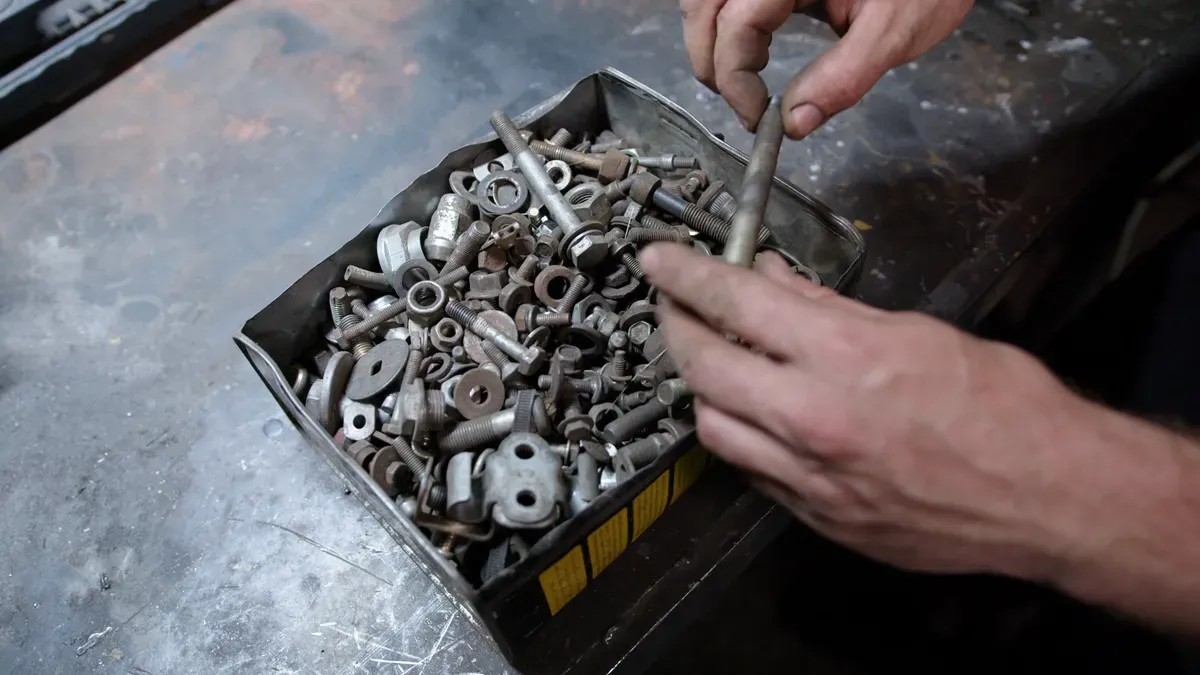
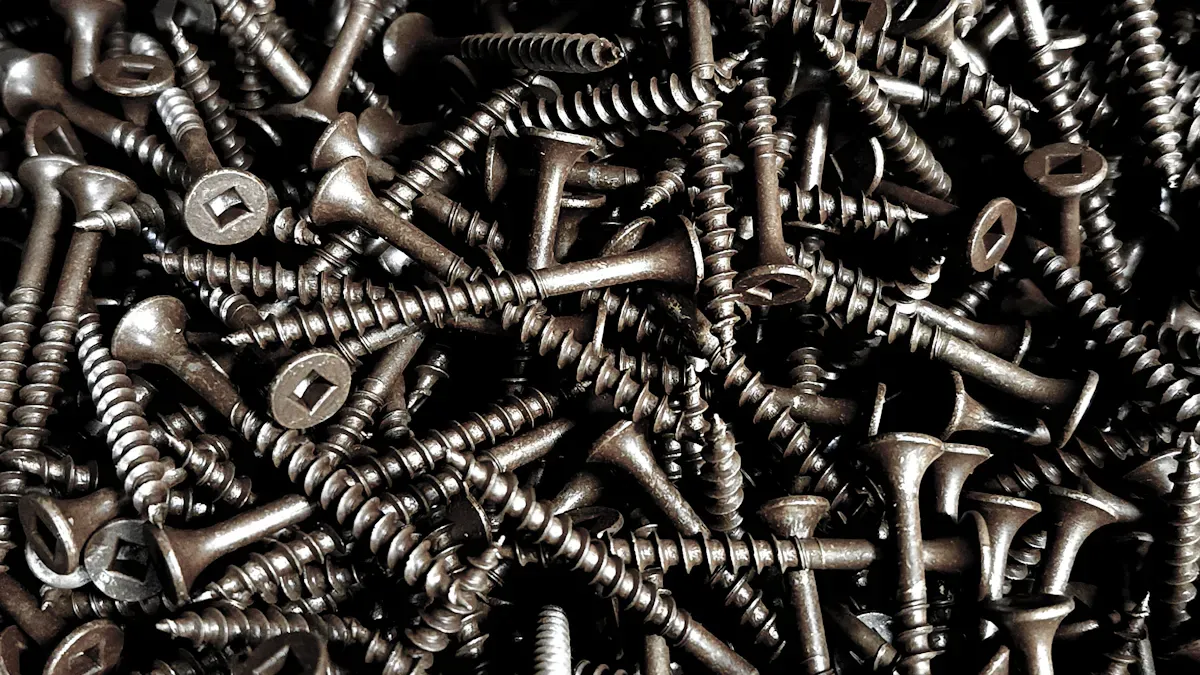
A “plain finish” or “black” bolt is simply manufactured steel. These anchor bolts have no protective coating applied after fabrication. Their surface is bare carbon steel, often with a light coating of oil to prevent rust during shipping and storage. This represents the most basic and least expensive form of a fastener.
Inherent Vulnerability to Oxidation
Uncoated steel possesses an inherent weakness: its susceptibility to oxidation. When exposed to oxygen and moisture, the iron in the steel begins to corrode, a process that forms iron oxide, commonly known as rust. This degradation is not just cosmetic; it actively reduces the steel’s cross-sectional area and compromises its strength.
Defining “Galvanized” Anchor Bolts
The Science of the Zinc Coating
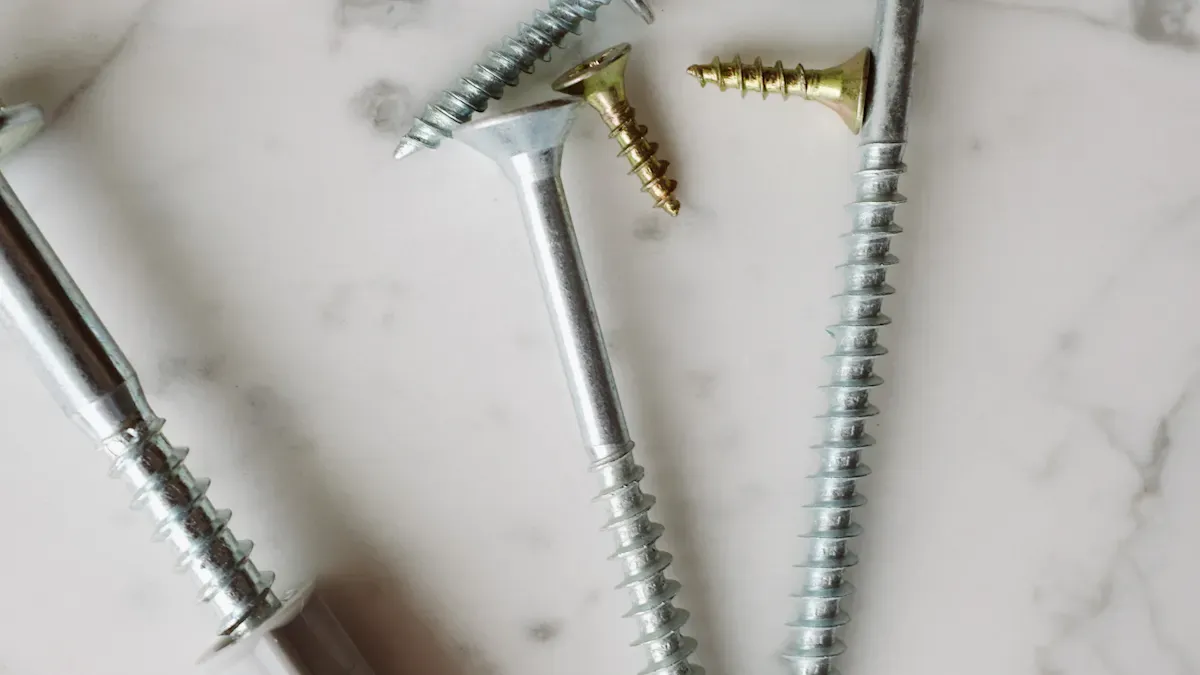
Galvanized steel bolts are coated with a layer of zinc to provide robust corrosion protection. The galvanization process creates a durable, multi-layered defense for the underlying steel. This zinc coating protects the steel in two powerful ways:
- It creates a physical barrier that prevents moisture and oxygen from reaching the steel surface.
- It provides cathodic (or sacrificial) protection. Zinc is more electrochemically active than steel, so if the coating is scratched or damaged, the zinc will corrode first, sacrificing itself to protect the exposed steel.
Did You Know? When a galvanized steel surface is exposed to the atmosphere, the zinc reacts with oxygen and carbon dioxide. This reaction forms a tough, stable, and insoluble layer called a zinc patina. This matte gray layer provides an additional barrier, dramatically slowing the corrosion rate.
Hot-Dip Galvanizing vs. Other Methods
The most common and effective method for fasteners is hot-dip galvanizing. This process involves immersing the steel bolts in a bath of molten zinc. For threaded fasteners, specific industry standards govern this process to ensure proper coating thickness without compromising thread function. ASTM F2329 is the primary specification for the hot-dip galvanization of high-strength bolts, while ASTM A153 covers general steel hardware, including some bolts. These standards ensure excess zinc is removed so nuts can be properly threaded.
The Core Function of a Finish: Protection
Shielding Steel from the Elements
Ultimately, the function of a finish is to shield the base steel from its service environment. A galvanized finish provides active resistance against moisture, humidity, and corrosive chemicals. A non-galvanized finish offers no such protection, leaving the steel completely exposed.
Impact on Structural Integrity
The choice of finish directly impacts structural safety. Corrosion on a plain finish bolt can lead to a loss of tensile strength and eventual failure. Galvanized steel, by preventing this degradation, ensures the fastener maintains its specified mechanical properties for a much longer service life, preserving the integrity of the entire assembly.
The Pros and Cons of Galvanized Steel Bolts
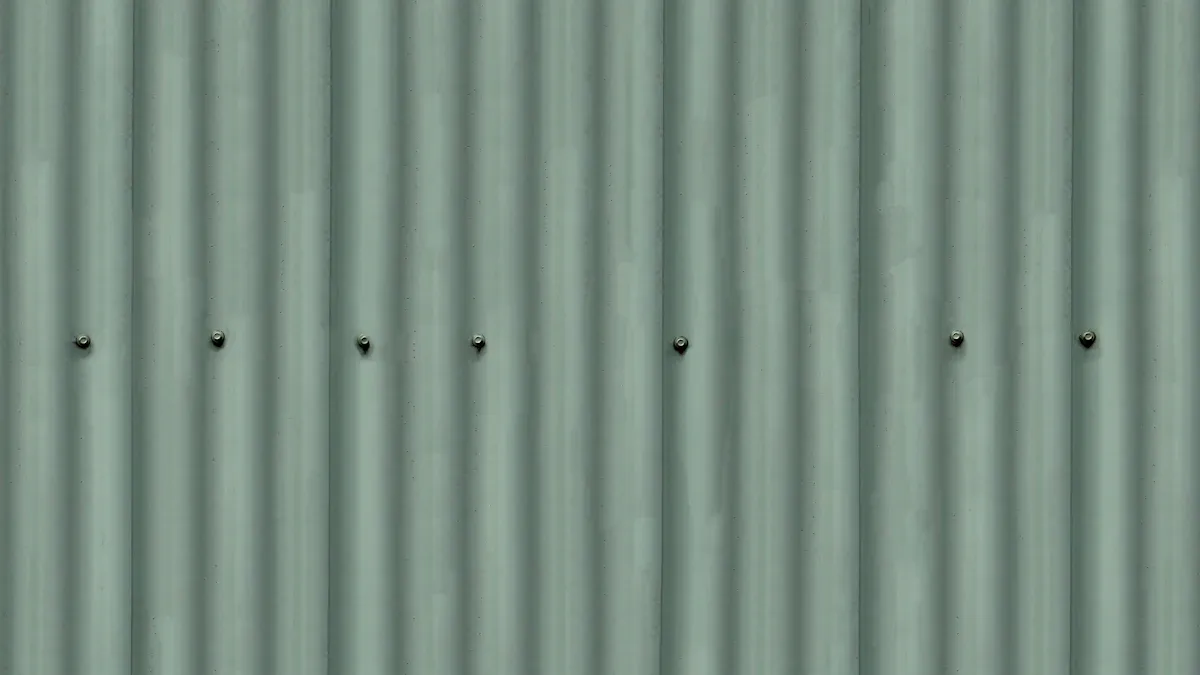
Engineers and builders must weigh the pros and cons of galvanized steel before specification. The decision involves balancing upfront costs against long-term performance and safety. While galvanized steel offers unmatched protection in many scenarios, it also presents unique challenges.
The Advantages of Going Galvanized
The benefits of using galvanized steel bolts are significant, especially for projects exposed to the elements. These advantages center on longevity and reliability.
Superior Corrosion Resistance
Galvanized steel provides exceptional corrosion resistance. The zinc coating acts as a barrier, preventing moisture from reaching the base steel. This barrier offers reliable rust protection that plain steel cannot match. The sacrificial nature of the zinc ensures the steel remains protected even if the coating sustains minor scratches. This resistance is the primary reason for choosing galvanized steel.
Extended Service Life and Durability
The protective zinc layer dramatically extends the service life of fasteners. Galvanized steel anchor bolts can last for decades in harsh environments where uncoated steel would fail in a short time. This enhanced durability ensures the structural connection remains secure and stable over the long term. The robust coating on galvanized steel withstands environmental stressors effectively.
Lower Long-Term Maintenance Costs
While galvanized steel has a higher initial cost, it saves money over the project’s lifespan. The excellent corrosion protection minimizes the need for costly inspections, repairs, and replacements. These long-term financial benefits often outweigh the initial investment. Choosing galvanized steel is a strategic decision for reducing total ownership costs.
The Disadvantages of Galvanized Bolts
Despite its clear benefits, galvanized steel also has some drawbacks. Users must consider these factors during the design and installation phases.
Higher Initial Purchase Price
The most immediate disadvantage is the higher upfront cost. The galvanizing process adds manufacturing steps and material costs, making galvanized bolts more expensive than plain finish bolts. This price difference can be a major factor for projects with tight budgets.
Thread Fitment and Oversized Nut Requirements
The hot-dip galvanizing process adds a measurable thickness to the bolt threads. To ensure a proper fit, galvanized bolts require nuts with oversized tapped threads.
Important Note: Standard nuts will not fit on a galvanized bolt. Attempting to force them can damage the threads and compromise the connection’s integrity. Always specify and use nuts that are tapped oversize (T.O.S.) specifically for galvanized steel.
Potential for Coating Damage During Installation
The zinc coating on galvanized steel, while tough, is not indestructible. Improper handling or the use of incorrect tools can chip or scrape away the protective layer. Any significant damage to the coating creates an opening for corrosion to begin, negating the primary advantage of using galvanized steel.
The Pros and Cons of Plain Finish Anchor Bolts
While galvanized steel offers superior protection, plain finish steel has its own specific applications. A project manager must carefully weigh the pros and cons before specifying these non-galvanized bolts. The decision hinges on balancing immediate cost savings against long-term performance and environmental risks.
The Advantages of a Plain Finish
The benefits of plain finish steel are centered on cost and simplicity, making it an attractive option for a narrow range of projects. These benefits are significant in the right context.
Lowest Upfront Material Cost
The most compelling advantage of plain finish steel is its low initial purchase price. Manufacturers produce these bolts without the additional steps and material costs of a coating process. This makes them the most economical fastener option available, a crucial factor for indoor projects with strict budget constraints.
Simplicity in Sourcing and Installation
Plain finish steel bolts are standard, widely available items. Their installation is straightforward in controlled environments. For the correct application, they provide excellent performance and reliable anchoring. The robust steel material ensures stability for structural loads. Key benefits include:
- They are ideal for indoor, climate-controlled environments.
- The carbon steel offers high tensile strength.
- They are more economical than coated or stainless steel.
- They provide reliable anchoring where corrosion is not a concern.
No Threading Complications
Unlike their galvanized counterparts, plain finish anchor bolts have no thread fitment issues. Standard nuts and washers fit perfectly without any special considerations. This simplicity eliminates the need to source oversized tapped nuts, streamlining both procurement and the assembly process on the job site.
The Disadvantages of a Plain Finish
The drawbacks of plain finish steel are severe and directly related to its lack of a protective coating. These disadvantages strictly limit its use.
High Susceptibility to Rust
The primary weakness of plain steel is its complete lack of corrosion resistance. The bare steel surface is highly vulnerable to oxidation. When exposed to any amount of moisture or humidity, the steel will begin to form rust, which actively degrades the material and reduces its structural capacity.
Strictly Limited Application Scope
Due to its vulnerability, the application scope for plain finish steel is extremely narrow. These non-galvanized structural bolts are only suitable for permanently dry, interior, and climate-controlled environments where exposure to moisture is impossible.
Warning: Never use plain finish steel for outdoor applications, in areas with high humidity, or where condensation may occur. The lack of protection makes it an unsafe choice for such environments.
Risk of Structural Failure in Wrong Environments
Using plain finish steel in an inappropriate setting poses a significant safety risk. The inevitable degradation of the steel compromises its tensile strength and can lead to catastrophic structural failure. This is not a risk worth taking for the sake of small upfront savings.
Direct Comparison: Galvanized Structural Bolts vs. Plain Finish
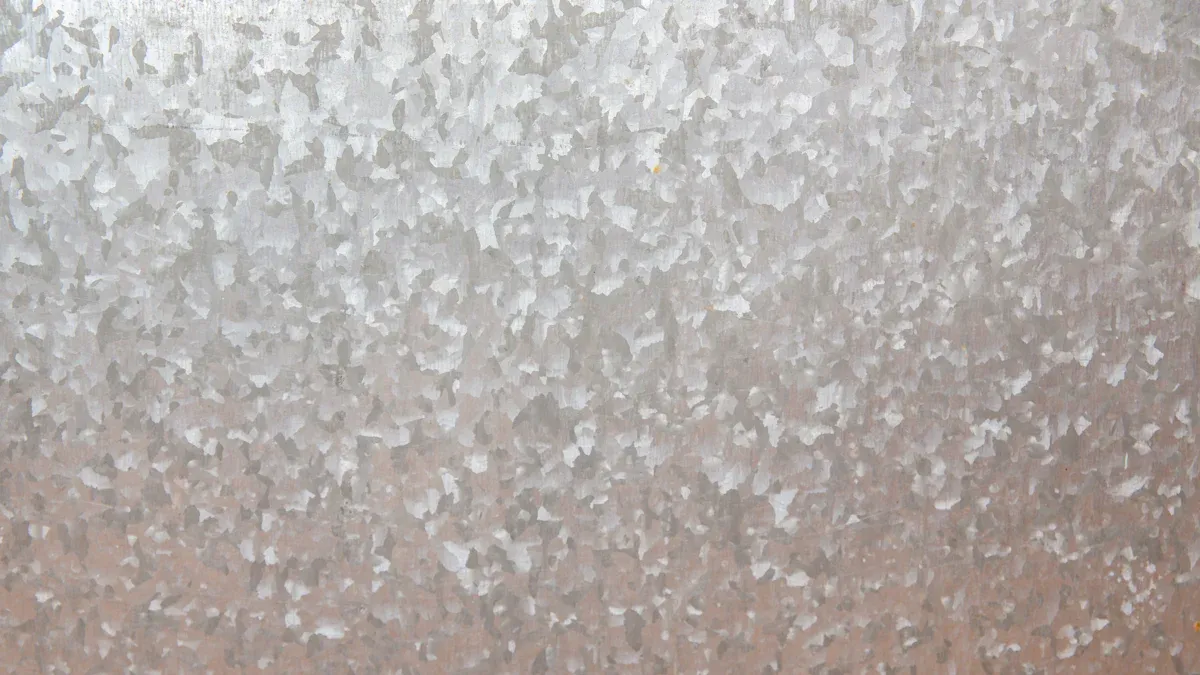
Choosing the correct anchor bolt finish requires a direct comparison of how each performs under specific conditions. The decision impacts everything from environmental resilience and long-term cost to the mechanical integrity of the fastener itself. This analysis pits galvanized structural bolts directly against their plain finish counterparts.
Performance in Different Environments
The service environment is the single most important factor in this decision. A finish that excels in one setting can lead to catastrophic failure in another.
Outdoor and High-Moisture Exposure
In outdoor settings, plain finish steel is not a viable option. Exposure to rain, humidity, and condensation causes the bare steel to oxidize rapidly. This process forms rust, which degrades the material and compromises its load-bearing capacity. In contrast, galvanized steel offers superior performance. The zinc coating provides a durable barrier against moisture. This robust corrosion resistance ensures the structural bolts maintain their integrity for decades, making galvanized steel the only appropriate choice for outdoor applications.
Coastal, Marine, and Saline Conditions
Coastal and marine environments introduce salt, a powerful corrosive agent that dramatically accelerates the degradation of steel. In these aggressive conditions, plain steel would fail in a very short time. Even standard galvanized steel faces a significant challenge. The zinc coating provides sacrificial protection, but the high salt concentration will consume it more quickly than in a typical outdoor setting.
Warning: For marine applications or areas with heavy salt spray, a standard galvanization may not be enough. Thicker coatings or even stainless steel might be necessary to ensure long-term structural safety. The presence of salt makes corrosion a primary design concern.
Dry, Climate-Controlled Indoor Use
Dry, indoor environments are the only place where non-galvanized structural bolts are acceptable. In a climate-controlled building with no exposure to moisture or corrosive chemicals, the risk of oxidation is minimal. Here, the primary advantage of plain steel—its low cost—can be realized without compromising safety. The performance of both finishes is functionally identical in a perfectly dry setting, making the non-galvanized option an economical choice.
Cost Analysis: Upfront vs. Lifetime Value
A comprehensive cost analysis reveals that the cheapest option upfront is rarely the most economical over the project’s lifespan.
Comparing Initial Material Costs
There is no debate on initial cost: plain finish bolts are significantly cheaper than galvanized bolts. The hot-dip galvanizing process adds material (zinc) and labor costs to manufacturing, increasing the price per unit. For projects with extremely tight budgets and a suitable indoor application, this upfront saving is the main appeal of plain steel.
Factoring in Replacement and Labor
Lifetime value flips the cost equation. If plain steel is used improperly outdoors, it will require frequent inspection, maintenance, and eventual replacement. The labor costs for removing failed bolts and installing new ones, combined with potential operational downtime, far exceed the initial savings. Galvanized steel, with its long service life, eliminates these future expenses.
Calculating Total Cost of Ownership
The total cost of ownership (TCO) considers all expenses over the asset’s life. While galvanized structural bolts have a higher purchase price, their TCO is significantly lower in any environment with moisture. The durability of galvanized steel prevents costly future interventions.
| Feature | Plain Finish Steel | Galvanized Steel |
|---|---|---|
| Initial Cost | Low | High |
| Maintenance Cost | High (in wrong environment) | Very Low |
| Replacement Frequency | High (in wrong environment) | Very Low |
| Total Cost of Ownership | High (in wrong environment) | Low |
Strength and Mechanical Properties
A common question is whether the coating process affects the fastener’s strength. Understanding the relationship between galvanization and the mechanical properties of steel is critical for proper specification.
Does Galvanizing Affect Bolt Strength?
For common structural steel grades, the hot-dip galvanizing process does not reduce the bolt’s strength. The molten zinc bath temperature (around 840°F or 450°C) is well below the tempering and transformation temperatures of these steels. Therefore, the galvanization process does not alter the core crystalline structure or the tensile strength of the steel. The specified tensile strength of the base steel remains unchanged after the zinc coating is applied.
Comparing ASTM Grades (e.g., A307, F1554)
Anchor bolts are specified to standards like ASTM F1554, which covers different grades (36, 55, and 105) denoting their minimum yield strength. A Grade 36 bolt has the same minimum strength requirements whether it is plain or has a galvanized finish. The galvanization provides surface protection; it does not change the underlying steel’s grade or its fundamental strength characteristics. The choice of finish is independent of the required steel strength.
Hydrogen Embrittlement Risks in High-Strength Bolts
A critical exception exists for very high-strength structural bolts, typically those with a tensile strength exceeding 150 ksi. These hardened steels can be susceptible to hydrogen embrittlement, a phenomenon where hydrogen atoms infiltrate the steel during chemical cleaning (pickling) before galvanization. This can cause a delayed, brittle fracture under load.
🔬 Technical Insight: Because of this risk, industry standards often prohibit the hot-dip galvanizing of certain high-strength bolts (e.g., ASTM A490). Alternative corrosion resistance methods, like mechanical galvanizing or specialized coatings, are used for these fasteners instead.
Installation and Hardware: Key Technical Differences
Proper installation is just as critical as selecting the right finish. The differences between galvanized steel and plain finish steel extend to the hardware and handling procedures required to ensure a safe and durable connection. Overlooking these technical details can compromise the entire structure.
The Critical Role of Nuts and Washers
Nuts and washers are not interchangeable accessories; they are integral components of the fastener assembly. Using the correct hardware for the chosen bolt finish is a fundamental requirement for structural safety.
Why Galvanized Bolts Need Oversized Tapped Nuts
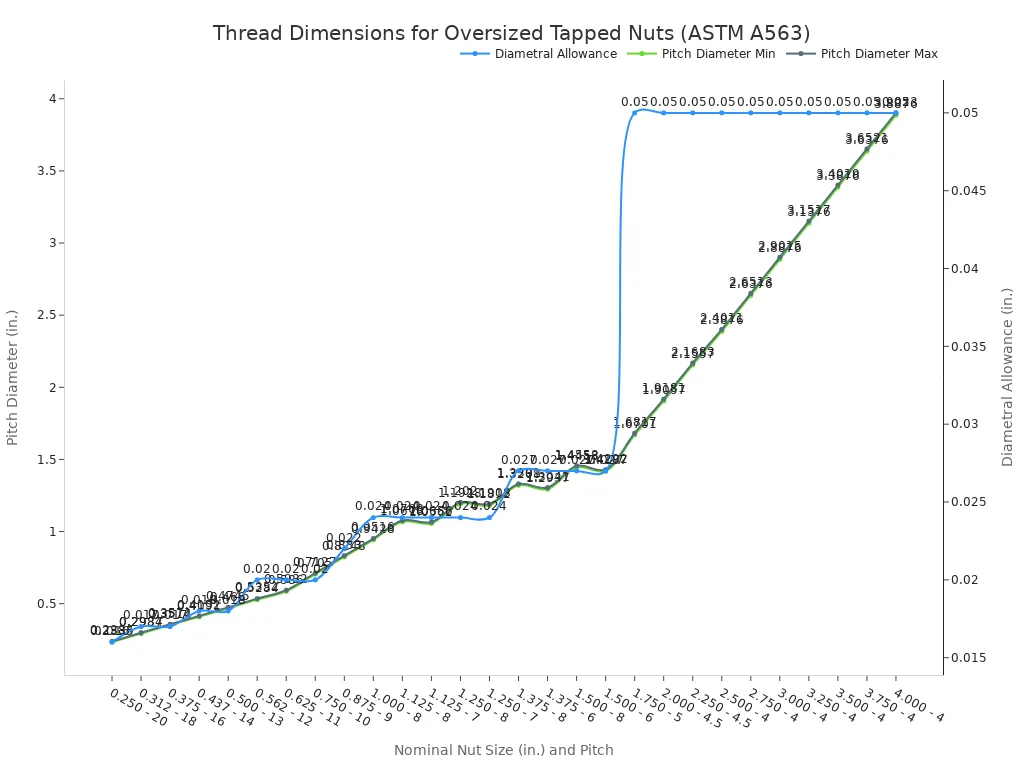
The hot-dip galvanization process adds a protective layer of zinc to the steel, which increases the thread diameter of the bolts. A standard nut will not fit on a galvanized bolt. Attempting to force it will damage the threads and the protective coating. To solve this, industry standard ASTM A563 requires nuts intended for galvanized bolts to be tapped oversize (T.O.S.). This process cuts the nut’s internal threads slightly larger to accommodate the added thickness of the zinc.
The Dangers of Mixing Finishes
An installer must never use a plain finish nut on a galvanized bolt or vice versa. This mismatch creates significant problems. Beyond the immediate thread fitment issue, mixing finishes introduces risks related to torque and galvanic corrosion. The only safe practice is to use nuts and washers with the same finish as the bolts.
Ensuring Proper Torque and Tension
Applying the correct torque achieves a specific clamping force, or tension. The relationship between torque and tension depends on a friction coefficient known as the K-factor. Plain steel and galvanized steel have different K-factors. A plain steel fastener has a K-factor around 0.20, while galvanized steel is higher, around 0.25-0.30. Using a plain nut on a galvanized bolt increases friction, meaning a standard torque value will produce a dangerously low clamping force.
Handling and Storage Best Practices
How anchor bolts are stored and handled on-site directly impacts their performance. Protecting the finish before installation is crucial.
Protecting the Galvanized Coating Pre-Installation
The zinc coating on galvanized steel is robust but not invincible. Installers must handle these components carefully to prevent damage that could compromise their corrosion resistance.
- Use lift rigging instead of dragging components with a forklift.
- Avoid dropping or striking the galvanized steel bolts.
- Store components in a way that prevents lubricant degradation from high temperatures.
Keeping Plain Finish Bolts Dry
Plain finish steel offers no protection against rust. These bolts must be stored in a completely dry, climate-controlled environment. Any exposure to moisture or humidity before installation will initiate rust, weakening the steel before it is even put into service.
Compatibility with Other Materials
Anchor bolts do not exist in isolation. Installers must consider their compatibility with the materials they connect, as chemical reactions can compromise the fastener.
Using Galvanized Anchor Bolts with Treated Lumber
Modern treated lumber, such as ACQ (Alkaline Copper Quaternary), contains high levels of copper. When galvanized steel comes into contact with this wood in the presence of moisture, a powerful chemical reaction occurs. This process, known as galvanic corrosion, essentially turns the assembly into a small battery. The zinc coating (the anode) sacrifices itself at an accelerated rate to protect the copper (the cathode), drastically reducing the service life of the galvanized fastener.
Understanding Galvanic Corrosion
Galvanic corrosion happens when two different metals are in electrical contact within a corrosive electrolyte, like moisture. The more active metal corrodes faster to protect the more noble metal.
💡 For example: When galvanized steel bolts are used on a weathering steel beam, the zinc coating will initially sacrifice itself until the weathering steel develops its own protective rust patina. For this reason, designers must carefully consider all materials in a connection.
Making the Right Choice: Application-Specific Guidelines
Selecting the correct finish is not a suggestion; it is a fundamental engineering requirement. The service environment dictates whether galvanized steel or plain steel is appropriate. Making the right choice ensures safety and long-term performance.
When Galvanized Anchor Bolts Are Non-Negotiable
For any application exposed to moisture, humidity, or corrosive elements, galvanized steel is the only safe and reliable option. Its protective zinc coating is essential for structural longevity.
Structural Steel for Buildings and Bridges
Exterior structural steel connections for buildings and bridges demand galvanized structural bolts. These components face constant exposure to weather. The galvanized steel provides the necessary corrosion resistance to prevent degradation and maintain the integrity of the steel structure over decades.
Highway Signage and Light Poles
Securing highway signs and light poles requires galvanized structural bolts. These structures must endure harsh outdoor conditions and significant environmental stress. The use of galvanized steel is critical for public safety.
- Corrosion Resistance: The zinc coating on galvanized steel prevents rust, extending the life of the bolts.
- High Tensile Strength: These structural bolts resist pulling forces, keeping poles upright.
- Shear Strength: The steel can withstand sideways forces from high winds.
- Fatigue Resistance: Galvanized steel provides long-term stability against constant vibrations.
Docks, Piers, and Coastal Construction
Coastal and marine environments are extremely corrosive due to high humidity and salt spray. In these settings, galvanized steel is the minimum requirement. The zinc coating provides sacrificial protection against accelerated corrosion, protecting the underlying steel from rapid failure.
Outdoor Equipment and Machinery Foundations
Foundations for outdoor equipment, HVAC units, and heavy machinery rely on galvanized anchor bolts. These connections are often at ground level, where they are exposed to moisture from soil and rain. The galvanized finish ensures the steel bolts maintain their strength.
When Plain Finish Anchor Bolts Are a Viable Option
Plain finish, or non-galvanized, bolts have a very limited but appropriate role. Their use is exclusively for dry, indoor, climate-controlled environments where corrosion is not a factor.
Interior Wall Framing and Shelving
For interior projects like steel framing or heavy-duty shelving inside a building, plain finish steel is a cost-effective choice. The controlled environment protects the bare steel from moisture, eliminating the risk of rust.
Temporary Structures in Dry Locations
Plain finish bolts are economical for temporary structures, such as indoor event staging or trade show displays. Their low cost is ideal for short-term use where the components will be disassembled and stored in a dry location.
Warning: Plain finish steel provides minimal protection against corrosion. Never use these bolts for temporary outdoor structures. Exposure to rain or humidity will cause the steel to rust, compromising safety.
Prototyping and Indoor Mock-ups
Engineers often use plain finish steel for indoor prototyping and full-scale mock-ups. In this controlled context, the focus is on fit and function, not long-term environmental resistance.
Projects in Climate-Controlled Buildings
Any project located permanently inside a climate-controlled building is a candidate for plain finish steel. This includes anchoring equipment or fixtures in temperature- and humidity-regulated warehouses, offices, and retail spaces.
Common Mistakes and How to Avoid Them
Even with a clear understanding of each finish, project teams can make critical errors that compromise structural integrity. Avoiding these common mistakes in specification and installation is essential for ensuring the long-term performance of anchor bolts.
Misjudging the Project Environment
The most frequent and dangerous error is underestimating the environmental conditions where the steel bolts will serve.
The “It’s Mostly Dry” Fallacy
Project managers sometimes justify using plain finish steel with the “it’s mostly dry” argument. This is a risky assumption. An area that is dry 95% of the time can still experience enough moisture during the other 5% to initiate rust. A single leak, seasonal humidity spike, or cleaning cycle can introduce the moisture needed to degrade the bare steel.
Forgetting About Condensation and Humidity
A building’s interior is not always as dry as it seems. Non-climate-controlled spaces like warehouses or garages can experience significant humidity fluctuations. Building envelopes that allow rainwater penetration or designs that fail to manage vapor pressure can create a ‘giant humidifier’ effect inside.
Technical Note: Poorly insulated pipes can sweat, dripping condensation onto nearby steel components. This localized moisture is enough to cause severe corrosion on unprotected steel. Proper insulation and vapor barriers are critical to control condensation and protect the steel structure.
Specification and Sourcing Errors
Mistakes made during the procurement phase can lead to major installation delays and safety hazards.
Failing to Specify Oversized Nuts for Galvanized Bolts
A common sourcing error is ordering galvanized bolts without also specifying the required oversized tapped (T.O.S.) nuts. Standard nuts will not fit on the thicker, coated threads of galvanized steel. This oversight brings work to a halt and requires a costly reorder, delaying the project schedule.
Assuming All “Coated” Bolts Are Equal
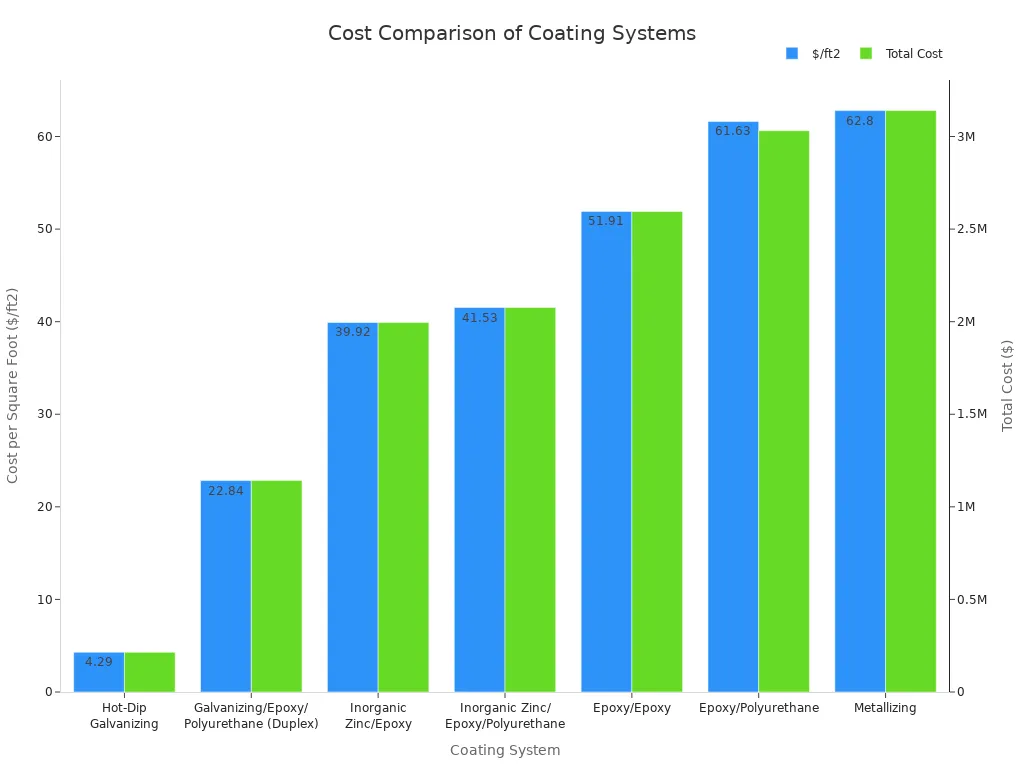
The term “coated” is not specific enough for a proper specification. Different coating methods offer vastly different levels of protection. For example, zinc plating is a thin, cosmetic coating suitable only for indoor use, while hot-dip galvanizing provides a thick, durable layer for harsh outdoor environments. Assuming all coatings provide equal resistance is a recipe for premature failure.
| Feature | Zinc Plated Steel | Galvanized Steel |
|---|---|---|
| Coating Thickness | ~5–10 microns | 45–100+ microns |
| Durability | Moderate (indoor use only) | High (outdoor/industrial use) |
| Typical Lifespan | 6 months – 2 years | 20 – 50+ years |
Installation Errors
Proper installation techniques are vital to maintain the integrity of the fastener and its finish.
Using Plain Nuts on Galvanized Bolts
An installer must never force a plain nut onto a galvanized bolt. This action damages both the nut and bolt threads, scrapes off the protective zinc, and creates an unreliable connection. It also alters the friction factor, making accurate torque application impossible.
Damaging the Zinc Coating with Improper Tools
The zinc coating on galvanized steel is tough but not indestructible. Installers can damage it with improper tools or careless handling.
- Use the correct socket size to prevent scraping the corners of bolt heads and nuts.
- Employ torque wrenches for controlled tightening instead of impact wrenches that can hammer the coating.
- Handle the steel components with care to avoid dropping or striking them, which can chip the protective layer.
The service environment dictates the choice between galvanized steel and plain finish steel. Galvanized steel provides superior corrosion resistance. This excellent corrosion resistance protects the steel from rust and corrosion, ensuring the steel maintains its strength. Engineers reserve plain finish steel structural bolts for dry, indoor settings where the steel is safe. Ultimately, selecting the correct steel finish is a fundamental requirement for the steel. It preserves the steel’s strength and the long-term strength of the steel structure.
FAQ
Can I use a plain nut on a galvanized bolt?
No. Installers must use oversized tapped nuts with galvanized bolts. The zinc coating adds thickness to the threads. A standard nut will not fit, and forcing it will damage the protective coating on the steel.
Does galvanizing weaken the steel bolt?
For common structural grades, the hot-dip galvanizing process does not reduce the bolt’s strength. The process temperature is too low to alter the mechanical properties of the base steel. The bolt retains its specified tensile strength.
What is the main cost difference?
Plain finish bolts have a lower initial purchase price. Galvanized bolts cost more upfront due to the added coating process. However, galvanized steel offers a lower total cost of ownership in environments where corrosion is a risk.
Can I paint over plain finish steel for protection?
Painting can provide a protective barrier. The steel surface requires proper preparation, including cleaning and priming, for the paint to adhere correctly. This method is less durable than hot-dip galvanizing for outdoor applications.
What happens if the galvanized coating gets scratched?
Minor scratches are not a major concern. The zinc coating provides sacrificial protection. The zinc around the scratch will corrode first, protecting the exposed steel from rust. Significant damage, however, requires repair.
Why is treated lumber a problem for galvanized steel?
Modern treated lumber contains high copper levels. Moisture creates a galvanic cell between the zinc coating and the copper. This reaction rapidly corrodes the zinc, reducing the service life of the galvanized steel fastener.
Are there alternatives to hot-dip galvanizing?
Yes, other options exist. Mechanical galvanizing is one alternative for high-strength steel bolts. Specialized coatings and stainless steel also provide excellent corrosion resistance for specific applications where hot-dip galvanizing is unsuitable for the steel.
How should I store plain finish bolts on a job site?
Plain finish bolts require a completely dry, climate-controlled storage area. Any exposure to humidity or moisture will cause the bare steel to rust, compromising its integrity before it is even installed.