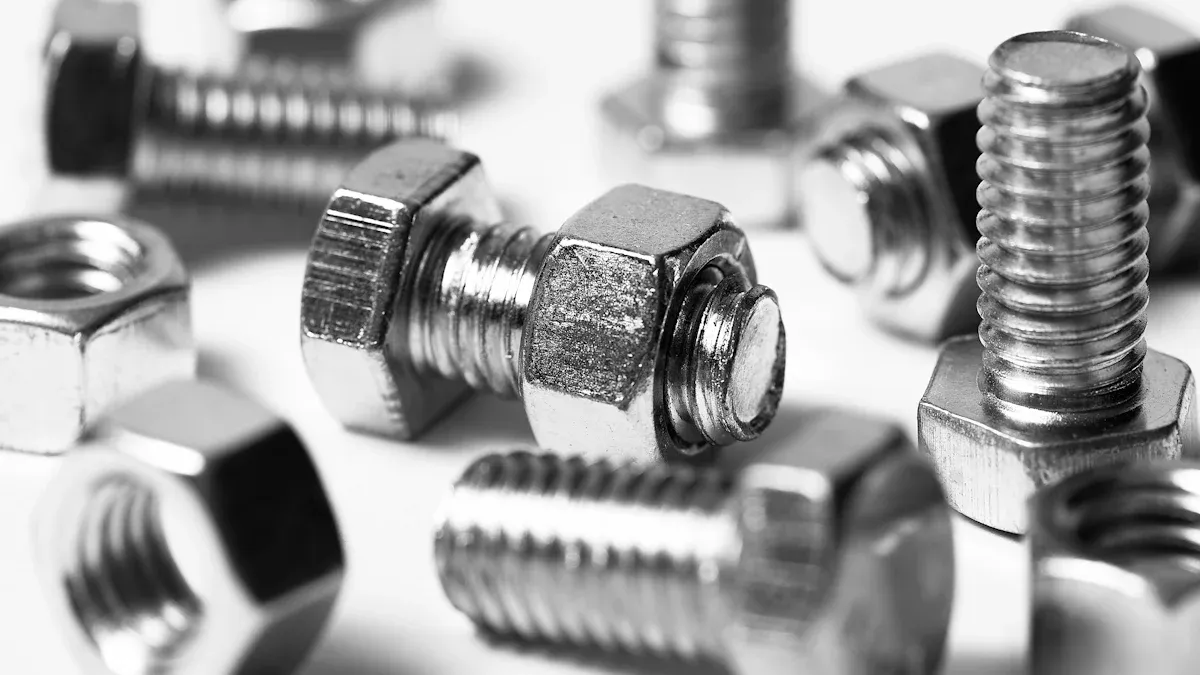
A screw and bolt extractor set is a specialized toolkit for removing damaged fasteners. Even a quality установить болт от производитель крепежных изделий на заказ can fail if its литье болтов is compromised or the head strips. When standard tools no longer grip these нестандартные крепежные элементы, a single screw extractor becomes invaluable. This extractor kit provides the essential solution, preventing project delays and material damage when all other methods are exhausted.
When to Use a Screw and Bolt Extractor Set
A screw and bolt extractor set becomes indispensable in several common yet frustrating scenarios. Technicians and hobbyists turn to these specialized tools when a fastener is compromised beyond the capabilities of a standard screwdriver or wrench. Recognizing these situations early can save significant time and prevent damage to the surrounding material.
For Stripped or Damaged Screw Heads
A stripped screw head is one of the most frequent problems encountered. The internal recesses of the screw head become worn or deformed, leaving a standard driver bit with nothing to grip. This is a clear signal to deploy an extractor.
Phillips and Flathead Screws
Phillips and flathead screws are highly susceptible to stripping, a process known as “cam out.” This occurs when the screwdriver bit slips out of the recess under torque, grinding down the metal edges. A stripped screw of this type presents a rounded, conical hole where the sharp driving surfaces used to be. An extractor is designed to bite into the remaining metal of this damaged head, creating a new grip point for removal.
Torx and Hex (Allen) Screws
Torx and hex screws offer better torque transmission but are not immune to damage. Using a slightly incorrect wrench size or applying force at an angle can round out the internal points of the fastener head. Once these points are worn down, a standard hex or Torx key will just spin freely. This situation with a stripped screw requires an extractor to create the necessary purchase to apply counter-clockwise torque.
For Broken-Off Bolts or Screws
A more severe problem is when a fastener breaks, leaving a portion of its shank embedded in the material. This often happens due to excessive force or material fatigue, leaving no head to grab.
When the Head Shears Off
Bolt heads can shear off for several reasons. Excess stress on bolts is a common cause of bolt failures, which can lead to shearing if the stress exceeds the bolt’s capacity. This can happen from over-tightening, which adds immense shear stress to the threaded part, or from prolonged use and repeated load cycles that lead to bolt fatigue. When the head snaps, the only remaining part is the threaded shank, which is flush with or recessed into the surface.
Требуемый диаметр твердосплавного сверла A sheared bolt often indicates an underlying issue. Once removed, investigate whether the bolt was under-designed for the load or if thread issues contributed to the failure. This prevents a repeat of the problem.
Removing the Embedded Shank
Removing the embedded shank of a broken screw or bolt is impossible without a specialized tool. The process involves drilling a pilot hole into the center of the broken fastener. An extractor is then inserted into this hole. The extractor’s reverse-threaded flutes grip the inside of the drilled hole, allowing a user to apply removal torque and back the broken shank out.
For Rusted or Seized Fasteners
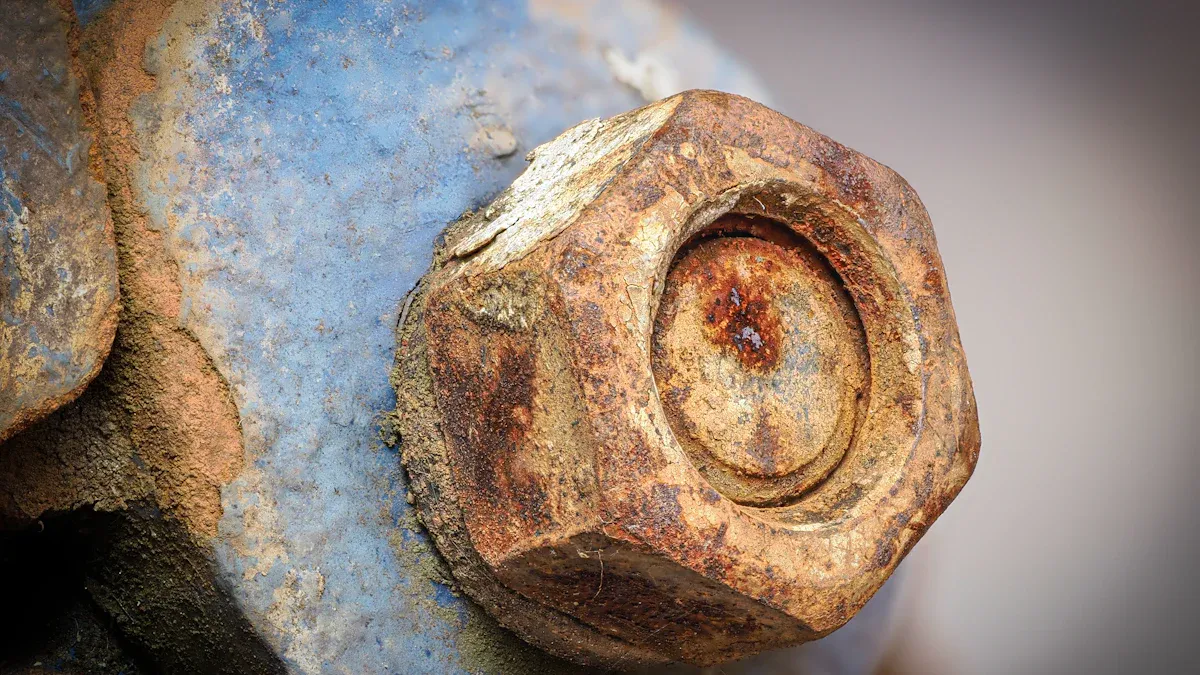
Corrosion is a formidable adversary that can lock fasteners in place with incredible force. This chemical process creates a bond that often surpasses the strength of the fastener’s head.
When Penetrating Oil Isn’t Enough
Applying a quality penetrating oil is always the first step for a rusted fastener. Products like Kroil, PB B’laster, and Liquid Wrench are highly effective at creeping into threads to dissolve rust. However, sometimes the corrosion is too extensive.
- Galling/Cold Welding: This process fuses threads together under pressure, especially with stainless steel. Microscopic high spots on the threads shear off and weld to the opposing surface.
- Corrosion Expansion: Rust byproducts expand to fill all gaps in the threads, acting like cement and creating a physical obstruction that oil cannot overcome.
When even the best penetrating oils fail after repeated applications, the fastener head is likely to strip or round off under the force required for removal. This is the point at which an extractor becomes the next logical tool.
Preventing Further Damage
Attempting to force a seized fastener with a standard wrench often leads to two outcomes: a rounded-off bolt head or a sheared-off bolt. Both scenarios make the problem worse. Using an extractor proactively, after penetrating oil has failed but before the head is completely destroyed, can prevent this escalation. The extractor provides a more secure grip than a slipping wrench, increasing the chance of a successful removal without breaking the fastener.
For Rounded-Off Bolt Heads and Nuts
External damage to a fastener is just as problematic as internal stripping. A rounded-off bolt head or nut occurs when the external hexagonal flats lose their sharp corners. This damage makes it impossible for a standard wrench or socket to get a secure hold, causing the tool to spin uselessly around the fastener.
When a Wrench or Socket Slips
A wrench or socket slips when it can no longer apply torque to the flat sides of a bolt head or nut. The tool slides over the worn, rounded corners instead of turning the fastener. This slippage rapidly worsens the damage, further rounding the head with each failed attempt. Technicians encounter this issue due to several factors:
- Using the wrong tool size: Applying a metric wrench to an SAE fastener (or vice versa) creates a small gap. This gap allows the tool to slip and damage the corners.
- Worn-out tools: An old, worn socket or wrench may have rounded internal edges that cannot grip a fastener securely, even if it is the correct size.
- Low-quality fasteners: Softer metals used in cheaper bolts and nuts are more prone to deforming under pressure.
- Applying force at an angle: A wrench should sit flush against the nut or bolt head. Applying torque at an angle concentrates force on the corners, leading to rounding.
Once a tool slips, the hexagonal profile of the fastener is compromised. At this point, continuing with a standard socket will only make the problem worse.
Restoring Grip on Damaged Nuts
A standard socket relies on making contact with the flat sides of a nut. A rounded nut lacks these defined surfaces, leaving the socket with nothing to push against. This is where a specialized bolt and nut extractor socket becomes essential. These sockets look similar to regular sockets but have a unique internal design.
Примечание: These external extractors are different from the internal spiral flute extractors used for broken bolts. They are designed to fit over a damaged head, not into a drilled hole.
Instead of a hexagonal shape, the inside of an extractor socket features helical or spiral flutes. When a user places the socket over the damaged nut and applies counter-clockwise torque, these flutes bite into the rounded metal. This action creates a powerful new grip, allowing the user to transfer enough force to loosen and remove the otherwise unmovable nut.
The Main Types of Screw Extractor and Bolt Extractor Tools
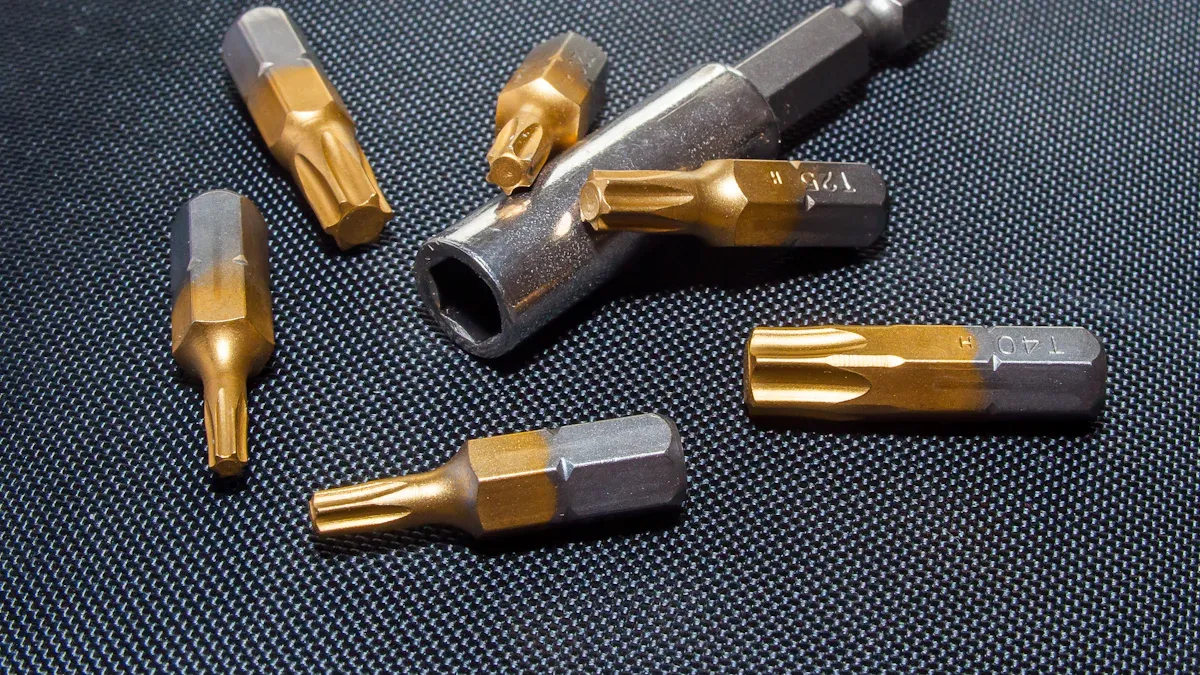
Not all damaged fasteners are the same, so technicians use different types of extractors to handle specific problems. Each tool has a unique design engineered for a particular kind of failure, from an internally stripped screw head to an externally rounded nut. Understanding these main types helps a person select the correct tool for a successful removal.
Spiral Flute Extractors (Easy-Outs)
Spiral flute extractors are the most common type found in general-purpose sets. They are often the first tool a person reaches for when dealing with a broken bolt or screw.
Конструкция и функция
This screw extractor features a tapered body with aggressive, left-handed (reverse) spiral flutes. The process begins after a user drills a pilot hole into the damaged fastener. The user then taps the extractor into the hole and turns it counter-clockwise with a tap wrench. As the extractor turns, its reverse threads bite deeper into the metal, creating a powerful grip. This continuous turning generates enough torque to back the stuck fastener out of its hole. A key characteristic of this design is that it can slightly expand the fastener as it digs in, which can sometimes make removal more difficult in very tight situations.
Наилучшие сферы применения
Spiral flute extractors excel in removing fasteners made from hard metals. Their aggressive bite is highly effective for deeply embedded screw or bolt shanks where a strong grip is paramount. They are the go-to solution for many automotive and machinery repairs involving high-strength bolts. However, their tapered, hardened design also makes them brittle. A user must apply torque carefully and evenly to avoid snapping the extractor itself inside the fastener, which creates a much more difficult problem.
Прямые экстракторы
Straight flute extractors offer a different mechanical approach to fastener removal. They are designed to provide a strong grip without the expansion risk associated with spiral designs.
Конструкция и функция
Unlike their spiral counterparts, these extractors have straight, vertical flutes or splines along their length. When a user taps this extractor into a pilot hole, the straight edges wedge firmly against the sides. This design provides multiple points of contact for excellent grip.
- Reduced Expansion: The straight-cut geometry is engineered to grip the fastener without applying outward pressure, which prevents making a stuck bolt even tighter.
- Precision Engagement: Стандарт DIN 933: объяснение sharp, precisely machined flutes engage the pilot hole securely, reducing the risk of slippage during removal.
The following table compares the fundamental differences between spiral and straight flute designs:
| Характеристика | Спиральные экстракторы | Прямые экстракторы |
|---|---|---|
| Конструкция | Tapered body with reverse-threaded, curved flutes. | Non-tapered body with straight, vertical flutes. |
| Действие | Bites deeper as it turns, can expand the fastener. | Grips without further digging or expansion. |
| Material Suitability | Excellent for hard metals like steel and titanium. | Ideal for softer metals, wood, or plastic. |
| Риск | Higher risk of breaking if twisted unevenly. | Lower risk of breaking; less likely to damage threads. |
Наилучшие сферы применения
Straight flute extractors are the superior choice for removing fasteners from softer materials like aluminum, brass, or plastic. They are also ideal for delicate applications where expanding the broken fastener could damage the surrounding material or its threads. Their design makes them less likely to break, offering a more forgiving option for technicians working with fragile components.
Bolt and Nut Extractors (Socket Style)
When the problem is an externally damaged head, a different tool is required. A bolt and nut extractor, which looks like a standard socket, is designed specifically for this task.
Конструкция и функция
This specialized bolt extractor fits over a rounded bolt head or nut, unlike internal extractors that fit into a drilled hole. The inside of the socket contains helical flutes or a unique geometry that grips the damaged fastener.
Примечание: These external extractors work on the outside of a fastener head. They are not interchangeable with the internal spiral or straight flute extractors used for broken shanks.
Key design features enable their powerful gripping action:
- Tapered Entry: A tapered opening helps the socket slide on and seat easily over a damaged, misshapen head.
- Helical Grooves: The internal reverse-spiral flutes bite into the rounded metal as a user applies counter-clockwise torque with a ratchet or breaker bar.
- Bi-directional Design: Some advanced models feature a non-tapered, straight-cut geometry. This allows them to grip a fastener for both removal (counter-clockwise) and temporary tightening (clockwise).
Наилучшие сферы применения
Socket-style extractors are indispensable in automotive and plumbing work, where fasteners are frequently exposed to corrosion and abuse. They are the perfect solution for:
- Removing frozen, rusted, or painted-over nuts and bolts.
- Dealing with fasteners damaged by using the wrong size wrench.
- Gripping stripped lug nuts on a wheel.
A common scenario is removing a rounded engine oil drain plug. A standard socket will just slip, but an extractor socket bites into the soft metal of the plug, allowing for easy removal. Their compatibility with impact wrenches and breaker bars allows a technician to apply the high torque needed to break free the most stubborn fasteners.
Drill-Out or Burnishing Extractors
Drill-out extractors, sometimes called burnishing extractors, represent a highly specialized and effective solution for removing difficult fasteners. They combine two tools into one, streamlining the removal process for particularly challenging situations.
Конструкция и функция
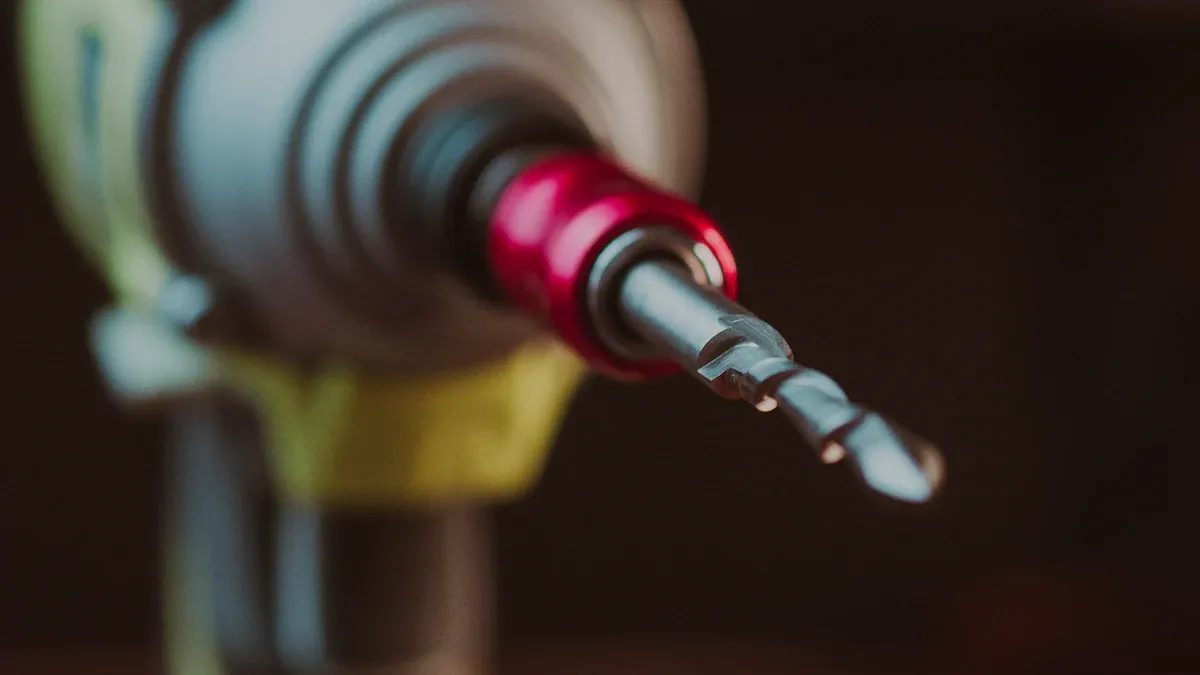
The primary feature of this tool is its dual-ended design. One end is a self-centering drill tip, while the other end is the extractor mechanism. Unlike standard drill bits that cut and remove material, the tip on this tool is often a burnisher. A burnishing tip uses friction and pressure to heat, soften, and displace metal rather than cutting it away. This action creates a perfect conical hole for the extractor end.
The process is remarkably efficient:
- A technician sets a power drill to its reverse (counter-clockwise) setting.
- The technician uses the burnishing tip to drill into the head of the damaged screw. The reverse rotation and specialized tip prevent the fastener from tightening further.
- Once the hole is formed, the technician removes the bit from the drill’s chuck, flips it around, and re-inserts it with the extractor end showing.
- The technician then drives the extractor end into the newly created hole, where it bites into the metal and backs the fastener out.
This integrated design eliminates the need to switch between a separate drill bit and an extractor, saving time and reducing the number of tools required.
Наилучшие сферы применения
Drill-out or burnishing extractors are the premier choice for removing small, hardened, or brittle fasteners. Their unique design makes them exceptionally effective in specific scenarios where other tools might fail or cause more damage.
Требуемый диаметр твердосплавного сверла Even though the burnishing process generates heat, applying a drop of cutting fluid can help preserve the tool’s tip and make drilling smoother, especially on high-strength steel bolts.
These tools are ideal for working on small screws found in electronics, appliances, and firearms. The self-centering tip provides the precision needed to drill into tiny fastener heads without slipping and damaging delicate circuit boards or components. Furthermore, they excel at removing high-strength alloy steel bolts (like Grade 8) that can shatter standard high-speed steel drill bits. The burnishing action is less aggressive than cutting, reducing the risk of breaking the fastener or the tool itself.
A Guide to Removing Bolts and Screws with an Extractor
The process of удаление болтов и винтов с помощью экстрактора требует точности и терпения. Системный подход обеспечивает наивысшие шансы на успех и предотвращает дальнейшее повреждение заготовки. В этом руководстве описаны основные этапы от подготовки до установки экстрактора.
Подготовка и безопасность прежде всего
Правильная подготовка — основа успешного извлечения. Техник должен подготовить необходимое оборудование и обеспечить безопасность до начала работ. Спешка на этом этапе часто приводит к ошибкам и возможным травмам.
Подготовка инструментов
Организованное рабочее пространство крайне важно. Перед началом пользователь должен собрать все необходимые инструменты, чтобы избежать перерывов. Стандартный набор включает:
- A полный набор экстракторов для сверл
- Электродрель (для сверления направляющего отверстия)
- Кернер и молоток
- Вороток для метчиков или разводной ключ для поворота экстрактора
- Проникающая смазка
- Средства защиты
Использование защитных очков и перчаток
Безопасность обязательна. Сверление закалённого металла создаёт мелкие острые осколки. Защитные очки оберегают глаза от летящих частиц. Прочные перчатки защищают руки от острых кромок и возможного соскальзывания инструмента.
Шаг 1: Сверление направляющего отверстия
Сверление направляющего отверстия — самый важный этап всего процесса. Качество этого отверстия напрямую определяет, сможет ли экстрактор надёжно зацепиться для правильной работы.
Точное центрирование отверстия
Направляющее отверстие должно быть строго по центру сломанного крепежа. Смещённое отверстие может ослабить одну из стенок крепежа, что приведёт к его поломке при извлечении. Также это мешает экстрактору приложить равномерный крутящий момент.
Требуемый диаметр твердосплавного сверла Всегда используйте кернер, чтобы сделать небольшое углубление точно в центре сломанного крепежа. Эта метка направляет сверло, предотвращая его “блуждание” по поверхности при начале вращения.
Выбор правильного размера сверла
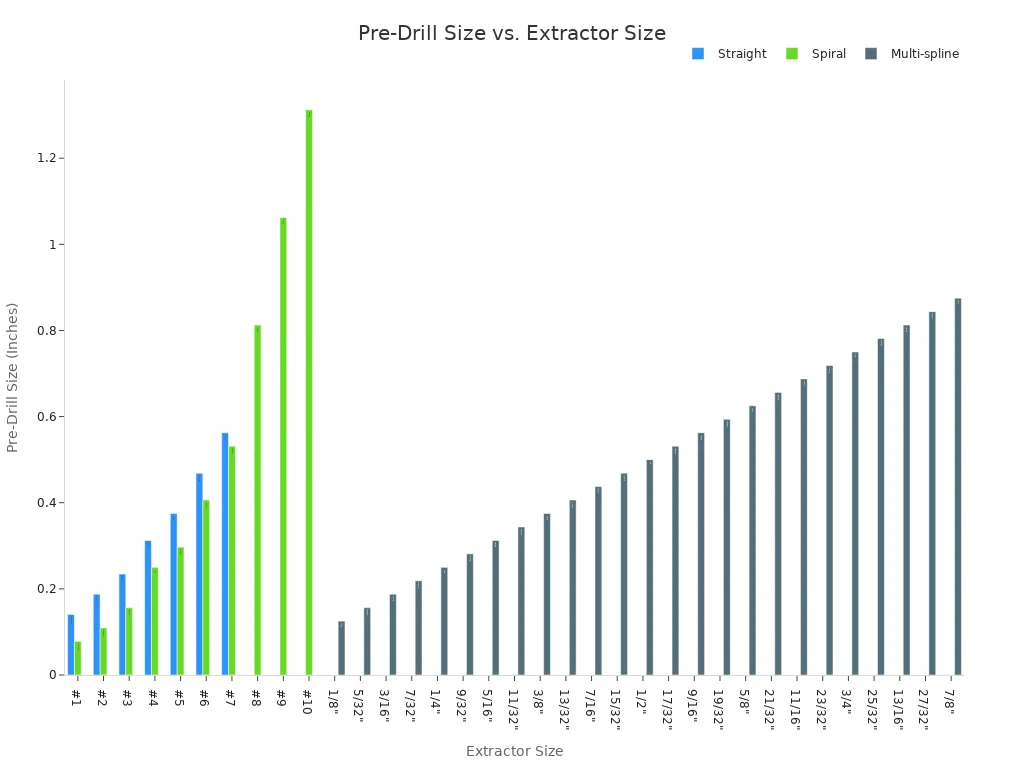
Правильный выбор сверла крайне важен. Слишком маленькое отверстие не позволит экстрактору достаточно углубиться, а слишком большое не оставит достаточно материала для зацепления. Производитель набора экстракторов предоставляет конкретные рекомендации по соответствию размера сверла и экстрактора.
| Размер удаляемого винта/болта | Размер предварительного сверла | Размер экстрактора |
|---|---|---|
| 3/32″ – 5/32″, 2.5 мм – 4 мм | 5/64″ | #1 спиральный |
| 5/32″ – 7/32″, 4 мм – 6 мм | 7/64″ | #2 спиральный |
| 7/32″ – 9/32″, 6 мм – 8 мм | 5/32″ | #3 спиральный |
| 9/32″ – 3/8″, 8 мм – 10 мм | 1/4″ | #4 спиральный |
| 3/8″ – 5/8″, 10 мм – 16 мм | 19/64″ | #5 спиральный |
| 5/8″, 16 мм, 3/8″ NPT | 3/8″ | #5 прямой |
| 3/4″, 20 мм, 1/2″ NPT | 15/32″ | #6 прямой |
Шаг 2: Установка винтового экстрактора
После создания чистого и отцентрованного направляющего отверстия следующий шаг — установка экстрактора. Это действие создаёт механическую фиксацию, необходимую для удаления крепежа.
Надёжная установка экстрактора
Техник помещает наконечник экстрактора правильного размера в направляющее отверстие. С помощью небольшого молотка он наносит несколько уверенных, но контролируемых ударов по торцу экстрактора. Цель — вогнать канавки экстрактора в стенки направляющего отверстия.
Обеспечение надёжного зацепления
Удары вклинивают экстрактор в крепёж. Пользователь должен почувствовать, что инструмент прочно сел на место. Это надёжное “закусывание” позволяет экстрактору передавать крутящий момент без проскальзывания. Если экстрактор сидит неплотно или шатается, он установлен неправильно и, скорее всего, не зацепится при повороте.
Шаг 3: Извлечение крепежа
После надёжной установки экстрактора финальный этап — аккуратное приложение крутящего момента для вывинчивания крепежа. Этот шаг требует больше тонкости, чем силы. Цель — преодолеть сопротивление, из-за которого крепёж заклинило, не сломав закалённый экстрактор. Успех на этом этапе напрямую зависит от терпения и правильной техники.
Применение медленного, плавного усилия против часовой стрелки
Ключ к успешному извлечению — плавное, постоянное давление. Техник должен избегать резких, рывковых движений. Слишком быстрое приложение силы может привести к потере сцепления экстрактора или, в худшем случае, к его поломке внутри болта. Сломанный экстрактор крайне сложно удалить, что значительно усложняет ремонт.
Пользователь должен сосредоточиться на постепенном увеличении крутящего момента против часовой стрелки. Такое медленное давление позволяет канавкам инструмента сохранять зацепление, плавно разрушая связь, созданную ржавчиной или повреждением резьбы. Основные принципы включают:
- Уловить движение: Внимательно следите за обратной связью от инструмента. Техник часто может почувствовать лёгкое “поддавание” или сдвиг непосредственно перед тем, как крепёж освободится.
- Сохранять соосность: Держите поворотный инструмент строго на одной линии с экстрактором. Приложение силы под углом может привести к поломке.
- Работать вперёд-назад: Если крепёж затянут очень сильно, можно попробовать слегка повернуть его по часовой стрелке (затянуть), прежде чем возобновить давление против часовой стрелки. Это небольшое движение может помочь разрушить сцепление коррозии.
Использование воротка для метчиков или трещотки
Выбор инструмента для поворота экстрактора влияет на степень контроля у техника. Хотя можно использовать несколько инструментов, для этой тонкой работы профессионально рекомендуется вороток для метчиков.
Т-образный вороток для метчиков обеспечивает наилучший контроль и тактильную обратную связь. Его конструкция позволяет пользователю прикладывать сбалансированное, равномерное давление двумя руками. Такой двуручный хват помогает удерживать инструмент прямо и снижает риск поломки насадки. Прямая связь позволяет технику точно чувствовать поведение крепежа.
Трещотка с головкой также может использоваться, особенно в труднодоступных местах, где вороток не помещается. Однако трещоткой легче приложить слишком большое усилие слишком быстро. Пользователь всегда должен выбирать стандартную трещотку без гибкой головки и вращать её медленно вручную, никогда не используя ударный гайковёрт. В момент освобождения крепежа сопротивление заметно снизится, и дальнейшее извлечение пройдёт легко.
Как использовать экстрактор для сорванных головок болтов
Использование экстрактора для сорванной головки требует иного подхода, чем удаление обломанного стержня. Этот процесс предполагает применение специальной головки, которая захватывает внешнюю сторону повреждённого крепежа. Техник должен следовать точной методике, чтобы инструмент надёжно зацепился и обеспечил достаточное усилие для выкручивания.
Подбор экстракторной головки правильного размера
Соответствие головки повреждённой головке болта
Правильный подбор размера — первый шаг к успешному извлечению. Техник должен выбрать экстракторную головку, которая немного меньше исходного размера головки болта. Цель — найти такой размер, который не будет легко надеваться, но сможет быть набит на повреждённую головку.
Требуемый диаметр твердосплавного сверла Примерьте несколько размеров. Правильная экстракторная головка не должна надеваться на сорванную головку вручную. Она должна останавливаться на самой широкой и наиболее повреждённой части головки, что указывает на достаточную малость для врезания в металл при набивании. Это отличается от внутренних экстракторных бит, которые требуют предварительно просверленного отверстия.
Техник должен визуально оценить посадку. Головка должна захватывать как можно больше оставшегося металла. Выбор слишком большого экстрактора приведёт к его проскальзыванию, как и в случае со стандартной головкой.
Установка экстракторной головки
Набивание головки на головку болта
После выбора правильного размера техник должен надёжно зафиксировать экстрактор на крепеже. Он надевает головку на сорванную головку и с помощью молотка плотно набивает её на место. Это заставляет внутренние спиральные канавки экстрактора врезаться в повреждённый металл головки болта, создавая прочный, надёжный захват. Пользователь должен продолжать набивание, пока головка не сядет плотно и не будет шататься. Эта надёжная фиксация необходима для передачи крутящего момента без проскальзывания.
Приложение крутящего момента для удаления
Использование силового ключа или трещоточного ключа
После надёжной фиксации экстракторной головки последний шаг — приложение крутящего момента против часовой стрелки. Выбор инструмента для этой задачи критически важен. Силовой ключ — лучший инструмент для сорванных заклинивших крепежей. Его длинная, цельная рукоятка обеспечивает максимальное усилие и позволяет технику прикладывать медленное, контролируемое усилие. Это предотвращает резкие, рывковые движения, которые могут привести к потере захвата экстрактором или повреждению инструмента.
В следующей таблице показаны ключевые различия между использованием силового ключа и стандартной трещотки для работ с высоким крутящим моментом:
| Характеристика | Силовой ключ | Трещоточный ключ |
|---|---|---|
| Конструкция | Длинная, цельная рукоятка без трещоточного механизма | Более короткая рукоятка с трещоточным механизмом |
| Назначение | Предназначен для максимального усилия при откручивании заклинивших крепежей | Предназначен для скорости и удобства |
| Прочность | Чрезвычайно прочен; создан для высокого крутящего момента | Менее прочен; может быть повреждён чрезмерным усилием |
| Механизм | Отсутствие подвижных частей; прямое приложение силы | Внутренние шестерни позволяют вращение в одном направлении |
| Рекомендуемое использование | Идеален для первоначального ослабления заклинивших болтов | Идеален для быстрого удаления крепежа после его ослабления |
Техник должен использовать силовой ключ для приложения постоянного давления, пока крепёж не ослабнет. После преодоления начального сопротивления можно переключиться на трещоточный ключ для более быстрого выкручивания болта.
Как выбрать правильный набор экстракторов для винтов и болтов
Выбор правильного набора экстракторов для винтов и болтов зависит от конкретной проблемы, с которой сталкивается техник. Пользователь должен оценить материал крепежа, его размер и тип повреждения. Правильный выбор с самого начала значительно увеличивает шансы на успешное извлечение.
Учитывайте материал крепежа
Металлический состав как крепежа, так и экстрактора является критическим фактором. Несоответствие по твёрдости может привести к поломке инструмента и усугублению проблемы.
Экстракторы для мягких и твёрдых металлов
Экстракторы изготавливаются из различных марок стали для работы с разными материалами крепежей. Быстрорежущая сталь — распространённый выбор для общего применения, в то время как кобальтовая сталь обеспечивает превосходные характеристики для более сложных задач.
| Материал | Уровень твёрдости | Ключевые характеристики | Рекомендуемое использование |
|---|---|---|---|
| Быстрорежущая сталь | Твёрже | Выдерживает высокие температуры; часто используется в свёрлах. | Извлечение крепежей из обычных металлов. |
| Кобальтовая сталь | Ещё твёрже | Превосходная термостойкость и прочность на растяжение. | Идеальна для закалённых или высокопрочных болтов. |
Работа с высокопрочными болтами (класса 8)
Техник должен использовать экстрактор, сделанный из более твёрдого металла, чем сам крепёж. Функция инструмента требует, чтобы он врезался в повреждённый винт. Экстрактор из более мягкого сплава не будет обладать необходимой твёрдостью для эффективного выполнения этой работы. Для высокопрочных болтов, таких как сталь класса 8, рекомендуется выбирать кобальтовый экстрактор из-за его исключительной твёрдости и термостойкости.
Оцените диапазон размеров крепежей
Наборы экстракторов доступны в широком диапазоне размеров: от микробит для электроники до больших головок для промышленного оборудования.
Наборы для мелких винтов в электронике
Работа с ноутбуками, телефонами или другими небольшими устройствами требует специализированного набора экстракторов для винтов. Эти наборы содержат очень маленькие, прецизионно обработанные биты, предназначенные для удаления мелких сорванных винтов без повреждения хрупких плат или пластиковых корпусов.
Наборы для крупных автомобильных болтов
Автомобильный и механический ремонт часто связан с более крупными и прочными крепежами. Стандартный набор экстракторов обычно покрывает наиболее распространённые размеры, с которыми сталкивается техник. Например, базовый набор может включать следующие размеры:
- 5/64 дюйма
- 7/64 дюйма
- 5/32 дюйма
- 1/4 дюйма
- 9/32 дюйма
Эти размеры покрывают большинство повседневных задач по извлечению в автомобилях, механизмах и бытовой технике.
Assess the Type of Damage
The location of the damage—either inside the head or on the outside—determines which type of extractor is needed.
Internal Damage (Stripped Head)
Internal damage occurs when the recesses of a Phillips, hex, or Torx screw head become rounded out. A standard driver bit can no longer grip the fastener. For this situation, a technician needs an internal screw extractor. A left-handed, reverse-tapered bit is the correct tool to drill into the stripped head and back it out.
External Damage (Rounded Head)
External damage affects the outer flats of a bolt head or nut, causing wrenches and sockets to slip. This problem requires an external extractor, often called a bolt or nut extractor socket. These tools fit over the damaged head. Their internal flutes bite into the rounded metal, creating the grip needed for removal.
Pro Tips for Successful Fastener Extraction
Even with the right tools, fastener extraction can be challenging. Professionals rely on proven techniques to maximize their chances of success and avoid creating bigger problems. These pro tips turn a difficult job into a manageable one.
Always Use a Center Punch
Accuracy is paramount when drilling the pilot hole. A drill bit that wanders off-center can damage the threads or weaken the fastener wall, causing it to break during extraction. A center punch is the essential tool for preventing this. It creates a small dimple that guides the drill bit precisely.
A technician follows a simple but critical process:
- A technician uses a center punch to mark the pilot hole.
- They aim to get the hole as dead center as possible when drilling out the damaged fastener.
- The punch’s indentation keeps the drill bit securely in place as it begins to cut.
Apply Penetrating Oil Liberally
Corrosion is often the primary reason a fastener is seized. A high-quality penetrating oil is a technician’s best first defense. This fluid has a very low viscosity, allowing it to creep deep into threads to dissolve rust and break the chemical bond. A user should apply the oil generously to the stuck fastener, allow it to soak for at least 15-30 minutes, and tap the area with a hammer to help the oil penetrate further. For extremely stubborn bolts, multiple applications over several hours may be necessary. This step significantly reduces the amount of force needed for removal.
Use Heat (With Caution)
When penetrating oil is not enough, heat is the next powerful tool. Applying heat causes the material around the fastener to expand more than the fastener itself. This expansion breaks the grip of rust and corrosion. While a propane torch is a common method, modern induction heating offers superior control and safety.
Induction heating provides significant benefits. Technicians can complete bolt removal tasks 60-80% faster, turning a multi-hour job into a 15-30 minute task. This speed drastically reduces labor costs and equipment downtime.
However, a technician must use heat cautiously, as it carries risks. Understanding these risks and their solutions is key to a safe and successful extraction.
| Риск | Symptom | Solutions |
|---|---|---|
| Thermal Damage | Adjacent materials show discoloration or distortion. | A technician can install heat shields, reduce power settings, and reposition the heating coil to concentrate the heat. |
| Insufficient Heating | The bolt remains seized despite extended heating. | A user should verify coil contact, increase power incrementally, and consider the fastener’s magnetic properties. |
| Electromagnetic Interference | Nearby electronic systems behave erratically. | A technician must maintain a minimum 3-meter clearance from sensitive electronics and use shielded cables if necessary. |
Go Slow and Be Patient
Patience is the most valuable tool in any extraction job. A technician must treat fastener removal as a delicate operation, not a test of strength. Rushing the process almost always leads to failure. The goal is to apply controlled, methodical force to persuade the fastener to release its grip. A slow and steady approach allows a user to feel the tool’s feedback and sense the moment the fastener begins to move. This careful technique prevents broken tools and damage to the workpiece.
Avoid Common Mistakes
Many extraction failures stem from a few common, preventable errors. A technician who understands these pitfalls can significantly increase their rate of success. Avoiding these mistakes is just as important as following the correct procedure.
Don’t Rush the Drilling Process
The pilot hole is the foundation for the entire extraction. A rushed drilling job creates a poor foundation. An off-center or angled hole prevents the extractor from seating correctly, leading to a weak grip and uneven torque application. This can cause the extractor to slip or break the remaining wall of the fastener.
A technician should let the drill do the work. Applying excessive downward pressure can cause the bit to overheat, wander, or break. A sharp drill bit combined with steady speed and light pressure yields a clean, perfectly centered hole.
Don’t Use a Power Drill for Extraction
A power drill is the correct tool for creating the pilot hole, but it is the wrong tool for turning the extractor. Using a power drill for the extraction phase is a recipe for disaster.
- Lack of Control: A drill delivers too much speed and torque, making it impossible to apply the slow, steady pressure required.
- No Tactile Feedback: A technician cannot feel the subtle movements of the fastener breaking free.
- High Risk of Breakage: The sudden torque from a drill can easily snap the brittle extractor, creating a much worse problem.
A manual tool, such as a T-handle tap wrench, provides the control and feedback necessary for a successful removal.
Don’t Break the Extractor Bit
The worst-case scenario in fastener removal is breaking the extractor inside the bolt. Extractor bits are made from extremely hard steel, which also makes them brittle. They are not designed to bend; they will shatter under improper stress. A technician must apply torque smoothly and keep the turning wrench perfectly aligned with the extractor bit. Any sideways pressure or sudden, jerky motion can cause it to snap. Removing a broken, hardened extractor from inside a fastener is an incredibly difficult task that often requires advanced machining or specialized tools.
A screw and bolt extractor set is an indispensable problem-solving toolkit for any DIYer, mechanic, or homeowner. This extractor kit offers the definitive solution for stripped heads, broken shanks, and rounded nuts when standard tools fail. A technician who understands the different types and correct techniques can turn a frustrating roadblock into a successful repair.
Investing in a quality screw extractor kit or a complete screw and bolt extractor set ensures a person is prepared for these inevitable challenges, turning potential project disasters into manageable tasks.
Частые вопросы
What happens if the extractor bit breaks?
A broken extractor creates a difficult problem because the material is extremely hard. A technician must use specialized tools like a carbide burr or seek professional help. Electrical Discharge Machining (EDM) is sometimes required for removal.
Can a user reuse a screw after extraction?
No. The extraction process destroys the fastener’s head or shank, making it unusable. A technician must always replace the extracted screw or bolt with a new one to ensure a safe and reliable connection.
Какое сверло лучше всего подходит для создания направляющего отверстия?
Левостороннее сверло является идеальным выбором. Его вращение против часовой стрелки иногда позволяет ослабить заклинивший крепёж в процессе сверления. Для закалённых болтов специалисту следует использовать прочное сверло из кобальтовой стали.
Требуемый диаметр твердосплавного сверла Всегда начинайте с кернения, чтобы точно направлять сверло и предотвратить его смещение.
Почему мой экстрактор для винтов проскальзывал?
Проскальзывание обычно происходит по двум основным причинам:
- Направляющее отверстие было просверлено слишком большим, оставив мало материала для надёжного зацепления экстрактора.
- Экстрактор не был плотно вбит в отверстие для создания надёжного зацепления перед началом вращения.
Как специалист извлекает застрявший болт из гнезда экстрактора?
После извлечения специалист может закрепить гнездо экстрактора в тисках. Затем, используя пробойник и молоток, он выбивает болт со стороны квадратного хвостовика гнезда.
Может ли стандартный экстрактор удалить болт с левой резьбой?
Нет, стандартный экстрактор только сильнее затянет болт с левой резьбой. Для таких болтов требуется редкий экстрактор с правой резьбой. Подобные инструменты не входят в большинство универсальных наборов для извлечения винтов и болтов.