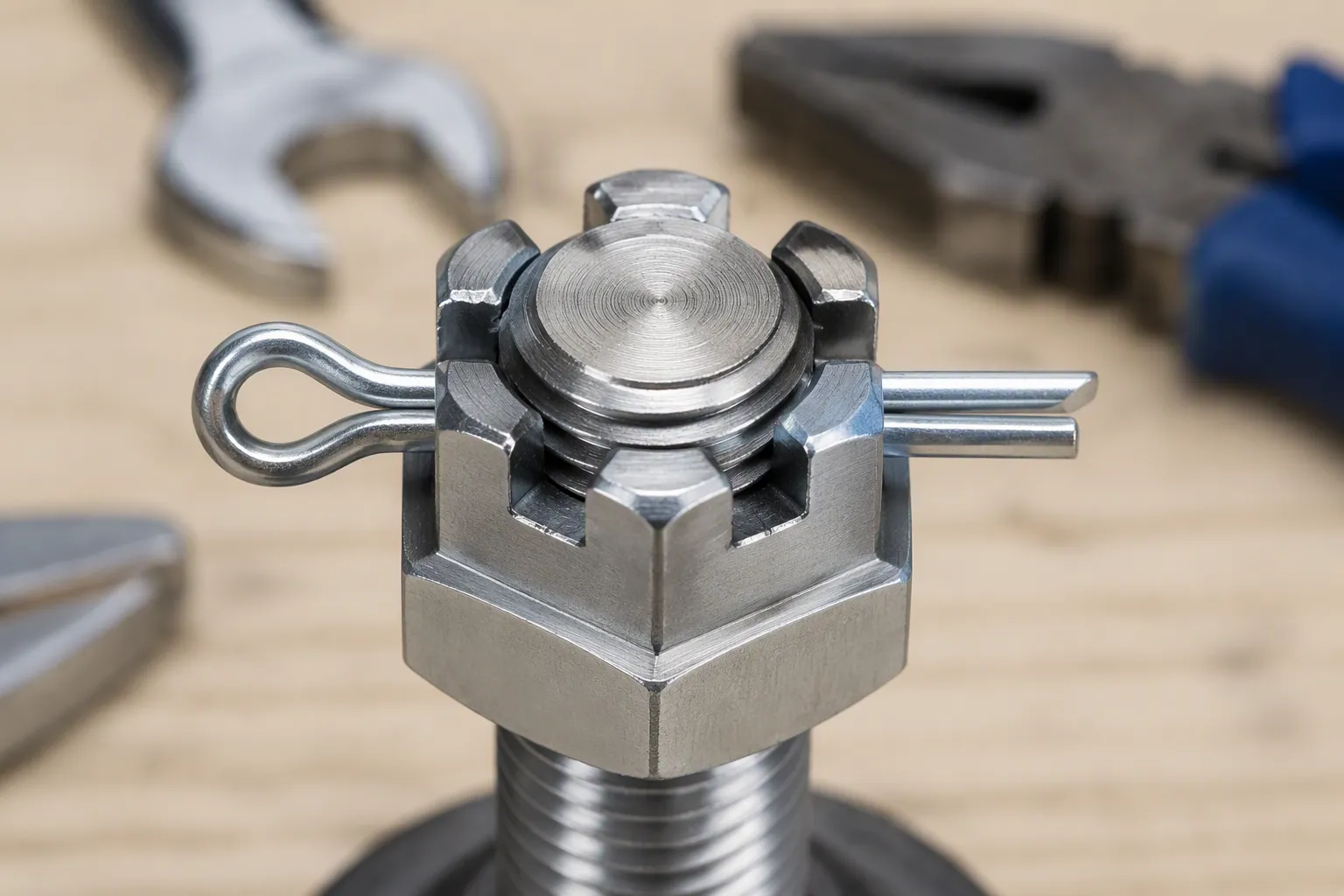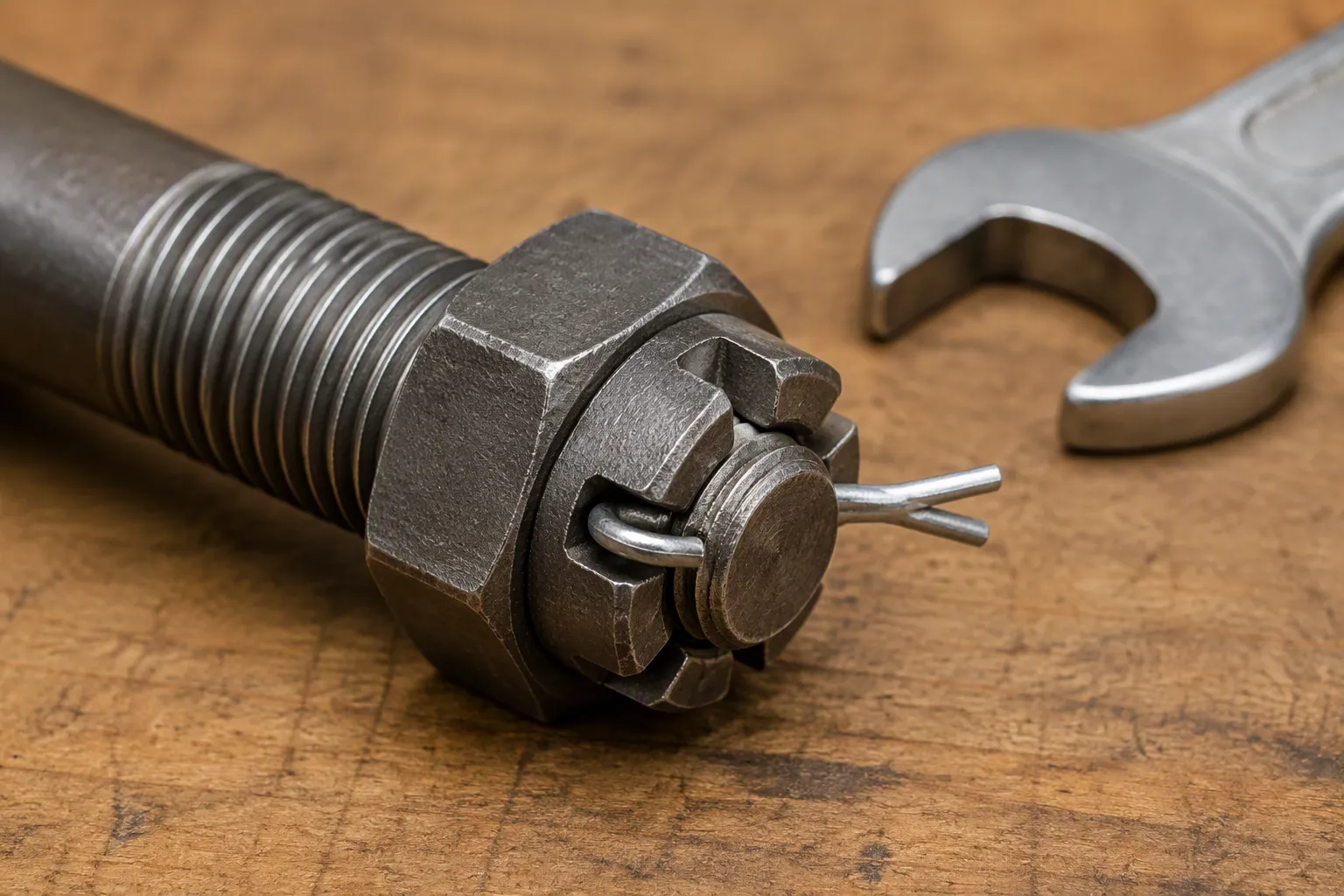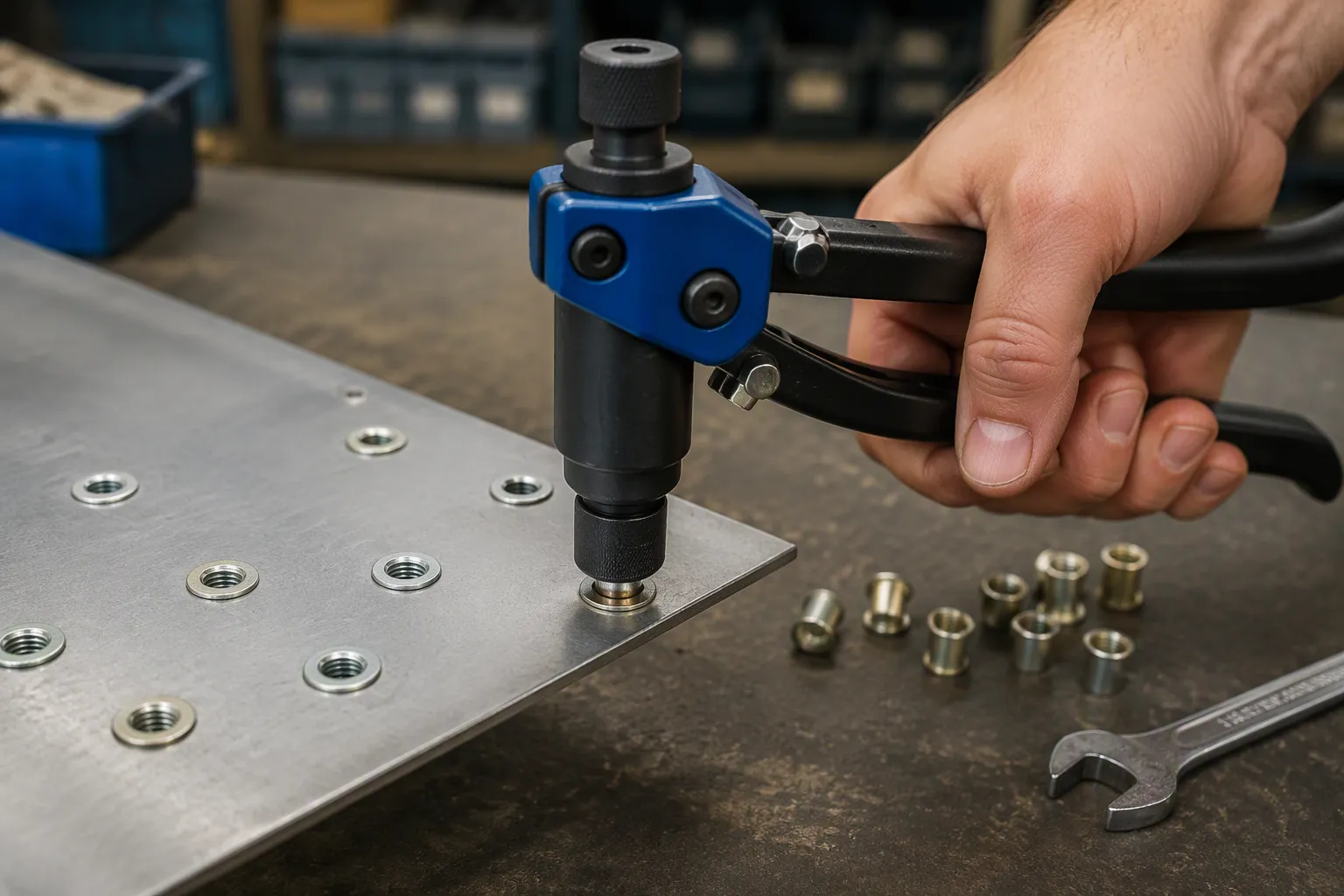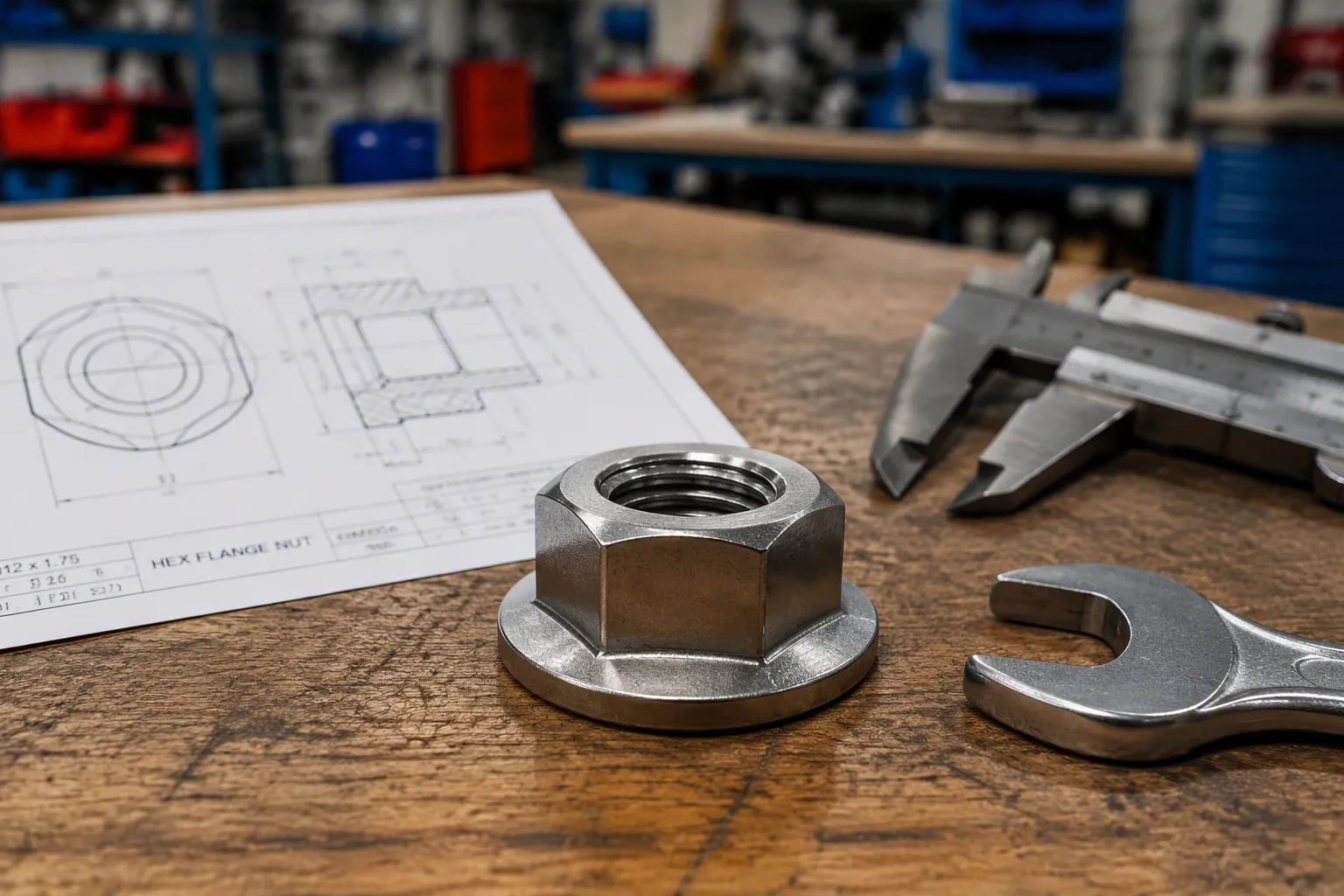
Квадратные гайки feature a four-sided design with a threaded hole, allowing secure fastening for various components. Their geometry increases surface contact, which helps resist loosening in high-vibration environments. Many industries rely on square nuts for stable fastening and higher torque resistance. Common applications include строительстве стальных конструкций, автомобилестроении, and electronics. These гаек и болтов ensure tight connections in beams or columns, providing even distribution of pressure. Нестандартные крепежные элементы manufacturers often supply square nuts for projects requiring specialized solutions.
- Used in:
- Автомобилестроение
- Строительстве
- Электроника
What Are Square Nuts?

Определение и базовая структура
Shape and Dimensions
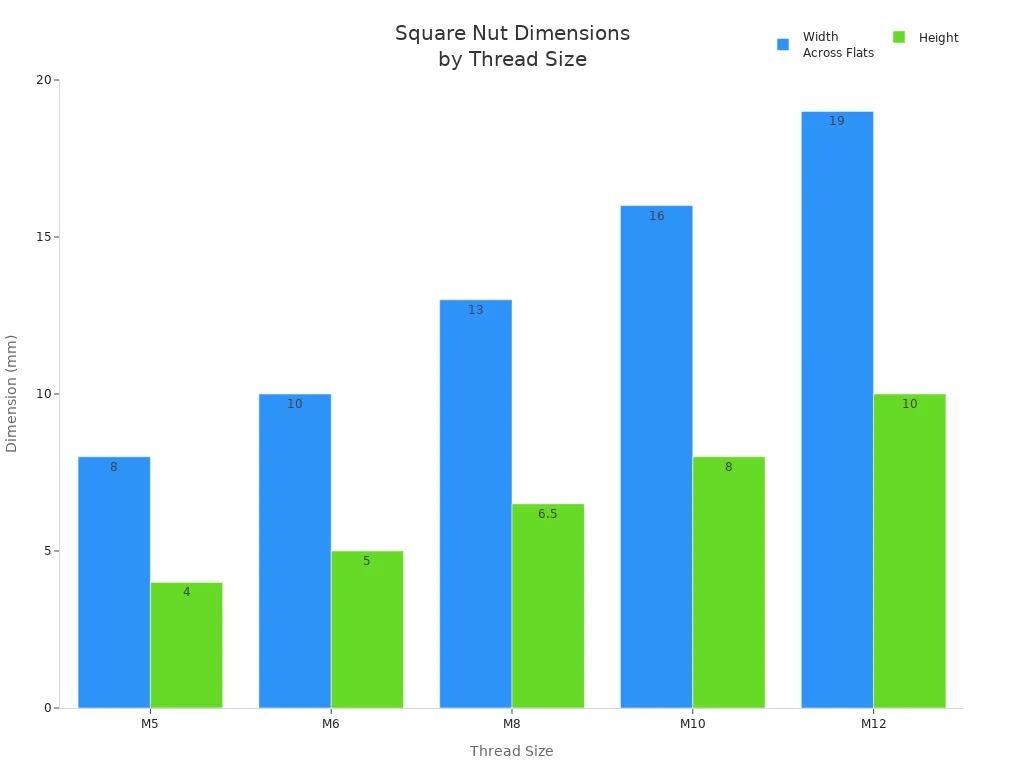
Square nuts feature a four-sided, symmetrical design with equal-length sides. This geometry distinguishes them from hexagonal nuts, which have six sides. The square shape provides a larger surface area in contact with the fastened material, which helps prevent loosening over time. Manufacturers produce square nuts in a range of standard sizes to suit different bolts and applications. The table below outlines typical dimensions and thread specifications for commonly used square nuts:
| Размер резьбы | Pitch (mm) | Размер под ключ (мм) | Высота (мм) | Corner Radius (mm) | Weight (g) Grade 5 Steel | Tensile Load (kN) | Std Torque (N⋅m) |
|---|---|---|---|---|---|---|---|
| M5 | 0.8 | 8 | 4 | 0.5 | 1.8 | 23.5 | 5 |
| M6 | 1.0 | 10 | 5 | 0.6 | 2.9 | 33.0 | 8 |
| M8 | 1.25 | 13 | 6.5 | 0.8 | 7.1 | 58.8 | 15 |
| M10 | 1.5 | 16 | 8 | 1.0 | 12.2 | 90.0 | 28 |
| M12 | 1.75 | 19 | 10 | 1.2 | 19.5 | 130.0 | 45 |
Threading and Compatibility
Manufacturers design square nuts with internal threading that matches the corresponding bolt or screw. The threading must align precisely to ensure a secure fit and reliable fastening. Standard thread sizes and pitches allow for compatibility with a wide range of bolts, making these nuts versatile in both industrial and DIY settings. The square nut’s flat sides also make it easy to grip with tools, which simplifies installation and removal.
Historical Context
Early Uses in Construction
Square nuts played a significant role in early construction and engineering projects. Craftsmen favored this shape because it was easy to produce by hand, especially before the advent of modern machining. Before the standardization of fasteners, square nuts appeared frequently in bridges, buildings, and machinery. The introduction of standardized nuts and bolts, such as those proposed by Joseph Whitworth in 1841, marked a turning point in the industry. The construction of the Crystal Palace in 1851 showcased the importance of standardized fasteners, including square nuts, in large-scale engineering.
Evolution in Modern Applications
- Square nuts gained popularity due to their robust design and straightforward manufacturing process.
- Their geometry allowed for easy tool access and provided a large surface area for distributing force, which made them a staple in early construction and machinery.
- Although hexagonal nuts have become more common in modern applications, square nuts remain essential for heavy-duty and vintage projects. Their durability and unique properties ensure continued use in restoration work, woodworking, and specialized machinery.
Note: Square nuts continue to serve as reliable fasteners in applications where their shape and strength offer distinct advantages over other nut types.
Key Features of Square Nuts
Physical Characteristics
Four-Sided Design
Square nuts stand out due to their four parallel sides and right angles. This shape allows them to fit securely with square bolts and provides a larger contact area compared to hex nuts. The increased surface contact distributes force evenly, which helps prevent loosening under vibration. Engineers often select square nuts for applications where stability and resistance to movement are essential.
Flat Surfaces for Tool Grip
The flat sides of square nuts offer a secure grip for wrenches and pliers. This feature simplifies installation and removal, especially in situations where access is limited. Workers can easily align tools with the nut, reducing the risk of slippage and damage. The design also supports higher torque during tightening, making these nuts suitable for heavy-duty tasks.
Note: The four-sided structure and flat surfaces contribute to the reliability and ease of handling that professionals expect from square nuts.
| Характеристика | Описание |
|---|---|
| Форма | Square with four parallel sides and right angles, designed for compatibility with square bolts. |
| Материал | Common materials include carbon steel, stainless steel, and brass, each suited for specific uses. |
| Specifications | Sizes include side length and thread specifications, such as M6, M8, M10. |
| Вид покрытия | Options like galvanizing, black oxidation, and electroplating enhance durability and appearance. |
Варианты материала
Сталь
Steel remains the most widely used material for square nuts. Manufacturers prefer steel for its strength and durability. These nuts perform well in structural applications and machinery where high load capacity is required.
Нержавеющая сталь
Stainless steel square nuts offer excellent corrosion resistance. They are ideal for environments exposed to moisture or chemicals. Many industries rely on stainless steel for outdoor installations and marine projects.
Латунь
Brass square nuts provide good conductivity and resistance to corrosion. Electricians often use brass nuts in electrical assemblies. The material also adds a decorative touch to restoration projects.
Нейлон
Nylon square nuts deliver lightweight performance and chemical resistance. These nuts suit applications where metal fasteners may not be appropriate, such as electronics or plastic assemblies.
Алюминий
Aluminum square nuts combine light weight with moderate strength. They are popular in aerospace and automotive industries, where reducing overall weight is important.
Стандарт DIN 933: объяснение primary materials used in the production of square nuts include steel, stainless steel, brass, and nylon. Manufacturers analyze these materials for their market share, growth trends, and future prospects. Each material offers unique strengths, corrosion resistance, and cost-effectiveness.
Surface Treatments and Coatings
Цинкование (гальваническое)
Zinc plating protects square nuts from rust and corrosion. This treatment extends the lifespan of the fastener and maintains its appearance.
Galvanization
Galvanized square nuts receive a protective zinc coating. This process enhances durability and suits outdoor or industrial environments.
Tin Plating
Tin plating improves corrosion resistance and provides a smooth finish. Tin-plated nuts are often used in electrical and electronic applications.
Кадмирование
Cadmium plating offers superior protection against corrosion and wear. Aerospace and military sectors sometimes specify cadmium-plated nuts for critical assemblies.
Чистое покрытие (без покрытия)
A plain finish leaves the nut untreated. This option is suitable for indoor projects or situations where corrosion is not a concern.
Tip: Selecting the right surface treatment ensures that square nuts maintain their performance and appearance over time.
Advantages of Square Nuts
Сопротивление ослаблению
Increased Surface Contact
Квадратные гайки provide a significant advantage in mechanical assemblies due to their increased surface contact. The four-sided design creates a larger area that touches the fastened part. This expanded contact area enhances grip and stability. As a result, these nuts resist loosening, even when exposed to vibration or shifting loads. Engineers often select square nut fasteners for machinery and structures where secure connections are critical.
Reduced Slippage
The geometry of square nuts helps reduce slippage during tightening and operation. The flat sides allow tools to maintain a firm hold, which minimizes the risk of rounding off corners. This feature proves especially valuable in environments where vibration or movement could cause other nut types to loosen. The combination of increased surface area and reliable tool grip makes these nuts a preferred choice for assemblies that demand long-term stability.
Простота монтажа
Tool Accessibility
Square nuts offer excellent tool accessibility. The flat surfaces provide ample space for wrenches or pliers, making it easier to apply force without slipping. The following table compares tool accessibility and installation features between square and шестигранными гайками:
| Характеристика | Квадратные гайки | Шестигранные гайки |
|---|---|---|
| Способ установки | Two-wrench methodology similar to hex nuts | Two-wrench methodology similar to square nuts |
| Tool Accessibility | Larger flat surfaces allow for better grip | Standard grip with three contact points |
| Torque Transfer Efficiency | Slightly inferior due to stress at corners | More efficient due to stress distribution |
| Re-torquing Requirements | Identical to hex nuts in vibration environments | Identical to square nuts in vibration environments |
The larger gripping area of square nuts simplifies easy installation, especially for workers who need to secure fasteners quickly and reliably.
Use in Tight Spaces
Square nuts excel in tight or confined spaces where tool movement is limited. Their shape allows for easier handling and installation compared to other nut types. The table below highlights the benefits of using square nuts in restricted environments:
| Характеристика | Benefit in Tight Spaces |
|---|---|
| Форма | Easier handling and installation |
| Grip | Better grip for tools, reducing slippage |
| Площадь поверхности | Larger contact area with wrenches, improving torque |
| Совместимость материалов | Effective with soft, brittle, or slippery materials |
| Frequent Adjustments | Easier to hold in place during assembly |
Workers often choose these nuts for applications where space constraints make other fasteners impractical.
Suitability for Certain Applications
Woodworking
Square nuts remain a staple in woodworking projects. Their large surface area distributes pressure evenly, which prevents damage to wood fibers. Carpenters rely on these nuts for furniture assembly and cabinetry, where a secure and lasting joint is essential.
Restoration Projects
Restoration specialists frequently use square nuts to match the hardware found in antique machinery and structures. The authentic appearance and robust design of these nuts help maintain historical accuracy while providing reliable performance. Many restoration projects require fasteners that blend strength with period-correct aesthetics, making square nuts an ideal solution.
Tip: For projects involving vintage equipment or delicate materials, square nuts deliver both functional and visual advantages.
Square Nut Usage in Common Industries
Woodworking and Carpentry
Сборка мебели
Woodworkers often select square nuts for furniture assembly because these fasteners provide a stable and secure joint. The four-sided design allows for easy gripping with tools, which helps when tightening or loosening in tight spaces. Carriage bolts paired with square nuts create strong connections between wooden components. This combination prevents rotation during installation, ensuring that the fastener remains in place over time.
| Компонент | Use in Woodworking and Carpentry |
|---|---|
| Квадратные гайки | Paired with carriage bolts for securing wood and metal. |
Antique Restoration
Restoration specialists rely on square nuts to maintain the authenticity of antique furniture and structures. Many historical pieces originally used these nuts, so matching the hardware preserves the period-correct appearance. The large bearing surface of square nuts also protects delicate wood fibers from crushing, which is essential when working with older materials.
Electrical and Mechanical Applications
Panel Fastening
Square nuts play a vital role in electrical panel assembly. Their flat sides allow for easy tool access, even in confined spaces behind panels. Electricians use these nuts to secure terminal blocks, brackets, and covers. The reliable grip and resistance to loosening make them suitable for environments where vibration or movement occurs.
Machinery Assembly
Mechanical engineers choose square nuts for machinery assembly because of their robust design. These nuts distribute force evenly across the fastened surfaces, which reduces the risk of loosening under operational stress. The straightforward shape also simplifies installation, especially when workers need to make frequent adjustments or replacements.
Construction and Infrastructure
Structural Connections
Construction professionals value square nuts for their superior load distribution capabilities. The larger bearing surface ensures even stress distribution across structural joints. This feature helps prevent loosening under heavy loads or vibration, which is common in large-scale infrastructure projects.
- Superior load distribution capabilities
- High resistance to loosening under stress
- Adaptability to various applications
- Larger bearing surfaces for even stress distribution
- Prevention of rotation during installation and operation
- Availability in various materials for different conditions
Railings and Fences
Installers use square nuts in railings and fences to create secure, long-lasting connections. The nuts resist rotation and loosening, which is important for outdoor installations exposed to wind and movement. Their adaptability allows use with both metal and wood posts.
Signage and Architectural Metalwork
Architects and builders specify square nuts for signage and architectural metalwork. The nuts provide a clean, industrial look while delivering reliable fastening. Their availability in different materials and finishes allows for customization based on environmental conditions and design requirements.
Примечание: Квадратные гайки remain a preferred choice in many common applications due to their versatility, strength, and ease of installation. Their usage spans woodworking, electrical, mechanical, and construction industries, making them essential fasteners for a wide range of projects.
Specialty and Niche Uses
Square nuts serve important roles in specialty and niche applications. Their unique geometry and reliable performance make them a preferred choice for projects that require both function and authenticity. Many professionals and hobbyists select square nuts for tasks that demand precision and historical accuracy.
Проекты "сделай сам"
DIY enthusiasts often choose square nuts for home improvement and custom builds. The four-sided design allows for easy gripping with basic tools. Square nuts work well in woodworking, metalworking, and craft projects. Builders use them to secure shelves, assemble garden structures, and repair furniture. The nuts provide a stable connection that resists loosening, even when subjected to frequent movement.
Типичный проект «сделай сам» может включать создание деревянного ящика для цветов. Сборщик выбирает глухие болты и квадратные гайки для соединения панелей. Плоские поверхности гаек позволяют быстро затянуть их гаечным ключом или плоскогубцами. Такой подход обеспечивает прочное соединение, устойчивое к внешним условиям.
Совет: Квадратные гайки упрощают сборку для новичков. Их форма снижает риск проскальзывания инструмента и повреждения материалов.
Многие любители ценят винтажный вид квадратных гаек. Они используют эти крепежные элементы в декоративных изделиях, таких как настенные панно или индивидуальные светильники. Гайки добавляют индустриальный штрих, который дополняет деревенский и современный дизайн.
Фурнитура для реставрации
Специалисты по реставрации полагаются на квадратные гайки для сохранения целостности старинной фурнитуры. Многие исторические сооружения и механизмы изначально использовали квадратные гайки. Соответствие оригинальным крепежным элементам сохраняет аутентичность и обеспечивает точную реставрацию.
Реставраторы мебели используют квадратные гайки для ремонта винтажных стульев, столов и шкафов. Гайки равномерно распределяют давление по деревянным поверхностям, предотвращая трещины и расколы. Эта особенность оказывается незаменимой при работе с хрупкими или старыми материалами.
Коллекционеры и музейные специалисты ценят квадратные гайки за их роль в сохранении исторических артефактов. Они заменяют отсутствующие или поврежденные крепежные элементы квадратными гайками соответствующего периода. Эта практика гарантирует, что отреставрированные предметы сохранят свой первоначальный вид и функциональность.
| Применение | Преимущество квадратных гаек |
|---|---|
| Старинное оборудование | Сохраняет историческую точность |
| Винтажная мебель | Предотвращает повреждение древесины при затяжке |
| Архитектурные элементы | Обеспечивает аутентичную реставрацию |
Квадратные гайки также используются в реставрационной фурнитуре для дверей, окон и перил. Их применение распространяется на проекты, где важны эстетика и долговечность. Гайки обеспечивают надежное крепление, выдерживающее испытание временем.
Примечание: Специализированные и нишевые применения подчеркивают универсальность квадратных гаек. Их дизайн подходит как для практических, так и для декоративных проектов, что делает их ценными в работах «сделай сам» и реставрации.
Квадратные гайки против шестигранных гаек
Различия в форме и обращении
Совместимость с инструментами
Инженеры признают, что форма гайки напрямую влияет на ее взаимодействие с инструментами при установке. Шестигранные гайки с их шестигранной конструкцией идеально совместимы со стандартными ключами и головками. Эта совместимость упрощает сборку и демонтаж в большинстве промышленных и бытовых условий. В отличие от них, квадратные гайки требуют специализированных инструментов, таких как ключи с квадратной головкой или плоскогубцы. Эта необходимость в специальном оборудовании может усложнить процесс сборки, особенно при работе в ограниченном пространстве.
| Тип гайки | Совместимость с инструментами | Сложность установки |
|---|---|---|
| Квадратная гайка | Требует специализированных инструментов, таких как ключи с квадратной головкой или плоскогубцы | Более сложна в тесных пространствах |
| Шестигранная гайка | Совместима со стандартными ключами или головками | Как правило, проще в установке и снятии |
Совет: Шестигранные гайки обеспечивают большее удобство для общего применения, в то время как квадратные гайки могут требовать более тщательного планирования выбора инструмента.
Доступность в ограниченном пространстве
Геометрия каждой гайки влияет на то, насколько легко рабочие могут получить к ней доступ и манипулировать ею в тесных пространствах. Шестигранные гайки требуют меньшего поворота на одну грань — всего 60 градусов — что облегчает их проворачивание при ограниченном движении инструмента. Квадратные же гайки требуют поворота на 90 градусов за грань, что может ограничить их использование в стесненных условиях. Монтажники часто считают шестигранные гайки более практичными, когда пространство ограничено.
Сравнение характеристик
Прочность и распределение нагрузки
Квадратные гайки обеспечивают более широкое основание и четыре плоские контактные поверхности, что позволяет им распределять усилие более равномерно по скрепляемому материалу. По сравнению с шестигранными гайками, такая конструкция обеспечивает более высокое сопротивление крутящему моменту и лучшее распределение нагрузки. Инженерные исследования показывают, что квадратные гайки могут достигать на 8–12% более высокого максимального контактного напряжения в углах, обеспечивая превосходную стабильность, особенно на неровных поверхностях.
| Метрическая | Квадратные гайки | Шестигранные гайки |
|---|---|---|
| Сопротивление крутящему моменту | Выше из-за большей контактной поверхности | Менее эффективно |
| Распределение нагрузки | Лучше, более широкое основание распределяет усилие | Стандартное распределение |
| Срок службы | Дольше, более устойчивы к износу | Короче при многократном использовании |
Сопротивление ослаблению
Повышенное трение от четырех плоских поверхностей делает квадратные гайки менее склонными к ослаблению под воздействием вибрации или переменных нагрузок. Их большая опорная площадь и более низкий центр тяжести повышают стабильность, снижая риск отказа крепежа. Шестигранные гайки, хотя и проще в обращении, могут легче ослабляться в условиях высокой вибрации.
| Характеристика | Квадратные гайки | Шестигранные гайки |
|---|---|---|
| Контактные поверхности | 4 плоские поверхности | 3 плоские поверхности |
| Распределение контактного напряжения | Более стабильно из-за 4 линий контакта | Менее стабильно с 3 линиями контакта |
| Стабильность на неровных поверхностях | Превосходная из-за большей опорной площади | Низкая стабильность |
Пригодность для применения
Когда использовать квадратные гайки
Квадратные гайки превосходны в применениях, требующих высокого сопротивления ослаблению и превосходного распределения нагрузки. Реставрационные проекты, деревообработка и тяжелые конструкционные соединения выигрывают от их стабильности и аутентичного вида. Их дизайн также делает их идеальными для использования с мягкими материалами, такими как дерево, где большая опорная поверхность предотвращает повреждения.
Когда использовать шестигранные гайки
Шестигранные гайки остаются предпочтительным выбором для большинства современных сборок. Их совместимость со стандартными инструментами, простота установки и способность помещаться в тесные пространства делают их подходящими для автомобильных, машинных и общих строительных задач. Когда скорость и удобство являются приоритетом, шестигранные гайки обеспечивают практичное решение.
Примечание: Выбор правильной гайки зависит от конкретных требований проекта, включая доступность инструментов, ограничения по пространству и желаемые эксплуатационные характеристики.
Как выбрать правильную квадратную гайку
Размер и параметры резьбы
Измерение для подгонки
Выбор правильного размера квадратной гайки обеспечивает надежное и безопасное соединение. Техники измеряют ширину между противоположными гранями, чтобы убедиться, что гайка помещается в отведенное пространство. Высота или толщина должны соответствовать длине болта, обеспечивая полное зацепление резьбы. Диаметр отверстия под болт должен соответствовать болту, чтобы предотвратить люфт или срезное напряжение. При встраивании квадратных гаек в панели, принимающая полость должна соответствовать профилю гайки.
| Фактор | Описание |
|---|---|
| Совместимость резьбы | Согласуйте спецификацию резьбы гайки с болтом (например, M8x1.25, 1/4″-20). |
| Ширина квадратной грани | Измерьте между гранями для правильной посадки. |
| Высота/Толщина | Ensure full thread engagement. |
| Bolt Hole Diameter | Prevent wobbling and shear stress. |
| Embedding Depth | Confirm cavity matches nut profile for panel insertion. |
Tip: Always use washers to distribute load, not to adapt mismatched fasteners.
Совместимость с болтами и винтами
Thread type and pitch must align precisely between nut and bolt. Standardization simplifies selection, with metric and imperial sizes available. Unified National Coarse (UNC) threads offer general-purpose use and resist stripping. Unified National Fine (UNF) threads provide finer adjustment and higher tensile strength. Metric coarse and fine threads are common globally. Specialty threads suit custom load or motion control requirements.
- UNC – General purpose, easier to assemble, resistant to stripping.
- UNF – Finer adjustment, higher tensile strength.
- Metric Coarse (M) and Fine (MF) – Widely used; ensure correct pitch.
- Specialty Threads – Custom for specific applications.
Выбор материала
Экологические соображения
Material choice impacts performance and longevity. Stainless steel resists corrosion in marine, chemical, and humid environments. Brass performs well in wet or saline conditions and offers decorative appeal. Low-carbon steel suits dry, controlled indoor settings but requires plating for corrosion resistance. Alloy steel delivers high mechanical strength for heavy-duty industrial use but needs protective coatings.
| Тип материала | Коррозионная стойкость | Механическая прочность | Типичный случай применения | Пригодность для условий окружающей среды |
|---|---|---|---|---|
| Low-Carbon Steel | Fair (with plating) | Средний | Indoor assembly | Dry, controlled environments |
| Нержавеющая сталь | Отличная | Высокая | Outdoor, corrosive settings | Marine, chemical, humid areas |
| Латунь | Очень хорошая | Low to Medium | Decorative, marine hardware | Wet, saline, visible installations |
| Легированная сталь | Fair (needs coating) | Очень высокий | Тяжелые промышленные условия | High-stress, high-vibration zones |
Extreme temperatures can alter material properties. Steel may become brittle in cold conditions.
Strength Requirements
Engineers assess mechanical strength based on application demands. Alloy steel provides superior strength for high-stress environments. Stainless steel offers both strength and corrosion resistance. Brass and low-carbon steel suit lighter loads or decorative purposes.
Coating and Finish Options
Коррозионная стойкость
Surface treatments extend the life of square nuts. Stainless steel forms a protective oxide layer, delivering excellent corrosion resistance. Galvanizing adds a sacrificial zinc layer, shielding the base metal. Electroplating enhances both appearance and resistance with a thin metal layer. Powder coating creates a durable barrier and allows for color customization.
| Материал | Коррозионная стойкость Описание | Surface Treatment Description |
|---|---|---|
| Нержавеющая сталь | Protective oxide layer prevents corrosion. | Galvanizing adds zinc for extra protection. |
| Латунь | Good resistance in non-aggressive environments; aesthetics matter. | Electroplating improves appearance and corrosion resistance. |
| Алюминий | Natural oxide layer offers some resistance; extra treatments needed in harsh environments. | Powder coating provides durability and color options, enhancing corrosion resistance. |
Aesthetic Preferences
Designers often select finishes based on visual appeal. Brass and electroplated nuts add decorative value to visible installations. Powder coating allows for custom colors and textures, matching architectural or furniture styles.
Note: Choosing the right square nut involves balancing fit, material, coating, and appearance to meet project requirements.
Application-Specific Tips
Wood vs. Metal Projects
Selecting the right square nut depends on the material of the project. Wood and metal each present unique challenges. Professionals evaluate load-bearing requirements, compatibility, and appearance before making a choice.
| Материал | Пригодность для применения |
|---|---|
| Нержавеющая сталь | Ideal for humid, marine, or outdoor applications due to excellent corrosion resistance. |
| Grade 316 | Offers enhanced protection against chlorides and saltwater, making it suitable for metal projects. |
| Углеродистая сталь | Commonly used for wood projects due to its strength and cost-effectiveness. |
| Латунь | Good for decorative wood applications due to its aesthetic appeal and corrosion resistance. |
- For wood projects, they consider the load-bearing capacity and compatibility with wood screws. Carbon steel square nuts often provide a cost-effective and strong solution. Brass square nuts add visual appeal to furniture or restoration work. These nuts also resist corrosion, which helps preserve wooden structures.
- For metal projects, they focus on corrosion resistance and strength under stress. Stainless steel and Grade 316 square nuts perform well in harsh environments. These materials withstand exposure to moisture, chemicals, and saltwater. Engineers select these options for bridges, railings, and machinery.
Tip: Always match the nut material to the fastener and the base material. This practice prevents galvanic corrosion and ensures a secure joint.
Использование внутри и снаружи помещений
Project location influences the choice of square nut material and finish. Indoor environments usually present fewer risks from moisture and temperature changes. Outdoor settings expose fasteners to weather, humidity, and pollutants.
- Indoor projects often use plain or zinc-plated carbon steel square nuts. These options provide adequate strength and durability for furniture, shelving, and interior fixtures. Brass square nuts also suit indoor decorative applications.
- Outdoor projects require enhanced protection. Stainless steel and galvanized square nuts resist rust and corrosion. Grade 316 stainless steel offers superior performance in marine or coastal installations. Builders use these nuts for fences, decks, and exterior metalwork.
Note: Regular inspection and maintenance extend the service life of square nuts in outdoor applications. Applying protective coatings or lubricants can further reduce the risk of corrosion.
By considering the project material and environment, professionals ensure that square nuts deliver reliable performance and long-term durability.
Installation and Maintenance Tips for Square Nuts
Правильные методы монтажа
Tool Selection
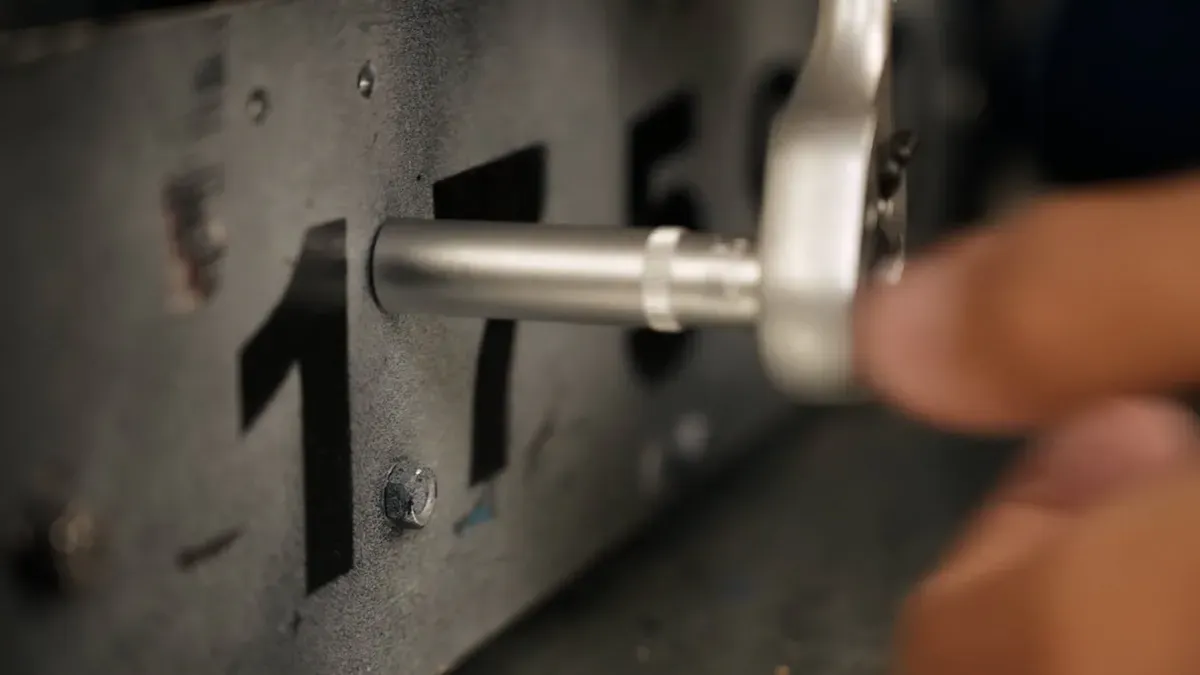
Technicians select tools based on the size and material of square nuts. Wrenches with flat jaws provide a secure grip on the four-sided design. Pliers offer flexibility for smaller nuts or situations where access is limited. Square socket wrenches fit snugly and reduce the risk of rounding corners. Workers often use torque wrenches for assemblies requiring high torque capacity. The right tool ensures easy assembly and disassembly, especially in environments where frequent adjustments occur.
Tip: Always inspect tools for wear before use. Damaged tools can slip and cause injury or damage to the nut.
Torque Guidelines
Applying the correct torque prevents over-tightening and ensures a secure connection. Manufacturers publish recommended torque values for each nut size and material. Technicians reference these guidelines to avoid damaging threads or deforming the fastened material. For critical applications, workers use calibrated torque wrenches to achieve precise results. The table below shows typical torque values for common square nut sizes:
| Размер гайки | Recommended Torque (N⋅m) | Материал |
|---|---|---|
| M6 | 8 | Сталь |
| M8 | 15 | Нержавеющая сталь |
| M10 | 28 | Латунь |
| M12 | 45 | Легированная сталь |
Before installation, workers prepare surfaces to remove debris and corrosion. They follow strict procedure controls, especially when welding nuts to metal structures. Thorough inspections verify the quality of the installation. Protective coatings help in corrosive environments. Compatibility between nut material and base metal prevents galvanic corrosion. Accurate records of installation parameters support future maintenance.
Техническое обслуживание и проверка
Проверка на износ
Регулярные осмотры продлевают срок службы квадратных гаек. Техники проверяют признаки износа, такие как скругленные углы, сорванную резьбу или деформацию. Они осматривают опорную поверхность на наличие трещин или коррозии. Если гайки имеют чрезмерный износ, рабочие заменяют их для сохранения структурной целостности. Графики проверок зависят от условий эксплуатации и частоты использования.
Примечание: Раннее обнаружение износа предотвращает внезапные отказы и сокращает время простоя.
Предотвращение коррозии
Коррозия представляет значительный риск для крепежных элементов в уличных или промышленных условиях. Рабочие наносят защитные покрытия, такие как цинкование или гальванизация, чтобы защитить гайки от влаги и химикатов. Гайки из нержавеющей стали и латуни естественным образом устойчивы к коррозии. Для установок в суровых условиях техники регулярно проверяют покрытия и при необходимости наносят их повторно. Содержание поверхностей чистыми и сухими также снижает риск появления ржавчины.
| Шаг обслуживания | Преимущество |
|---|---|
| Нанесение защитного покрытия | Увеличивает срок службы гайки |
| Регулярная проверка | Выявляет ранние признаки коррозии |
| Замена изношенных гаек | Обеспечивает безопасность и надежность |
Совет: Храните запасные гайки в сухих герметичных контейнерах, чтобы предотвратить коррозию во время хранения.
Техники ведут точные записи о проверках и работах по техническому обслуживанию. Эти записи помогают отслеживать состояние и обеспечивать долгосрочную надежность.
Квадратные гайки обеспечивают уникальные преимущества в креплении, включая устойчивость к самоотвинчиванию и удобство захвата инструментом. Отраслевые эксперты выделяют несколько особенностей, которые отличают эти гайки:
| Преимущество/Особенность | Описание |
|---|---|
| Геометрия | Квадратная форма обеспечивает более легкую центровку и захват инструментом в ограниченном пространстве. |
| Тонкий дизайн | Тонкие квадратные гайки обеспечивают прочность и преимущества экономии пространства. |
| Свариваемость | Приварные квадратные гайки упрощают крепление в крупных проектах. |
| Совместимость материала | Соответствие материала гайки условиям эксплуатации обеспечивает долговечность. |
| Учет размера | Правильный подбор размера гарантирует безопасность и прочность. |
Профессионалы используют квадратные гайки в деревообработке, строительстве, электротехнике и специальных областях. Выбор правильного размера, материала и покрытия обеспечивает надежную работу.
Частые вопросы
Чем квадратные гайки отличаются от шестигранных?
Квадратные гайки имеют четыре стороны, а шестигранные — шесть. Квадратная форма обеспечивает большую площадь контакта, что помогает предотвратить ослабление. Шестигранные гайки благодаря большему количеству граней обеспечивают более легкий доступ инструмента в тесных пространствах.
Можно ли использовать квадратные гайки на улице?
Да, квадратные гайки из нержавеющей стали или с оцинкованным покрытием устойчивы к коррозии. Эти варианты хорошо работают в уличных условиях, включая морскую среду и строительные площадки.
Какие инструменты лучше всего подходят для установки квадратных гаек?
Техники часто используют рожковые ключи, разводные ключи или плоскогубцы. Квадратные головки (ключи) обеспечивают наиболее надежный захват и снижают риск скругления углов.
Подходят ли квадратные гайки для деревянных конструкций?
Плотники часто используют квадратные гайки в деревообработке. Большая опорная поверхность предотвращает повреждение древесных волокон и обеспечивает стабильное соединение, особенно при сборке мебели.
Как предотвратить самоотвинчивание квадратных гаек?
Используйте стопорные шайбы, фиксаторы резьбы или метод двойной гайки. Увеличенная площадь контакта квадратных гаек сама по себе помогает противостоять ослаблению, особенно при вибрации.
Какие материалы доступны для квадратных гаек?
| Материал | Ключевое преимущество |
|---|---|
| Сталь | Высокая прочность |
| Нержавеющая сталь | Коррозионная стойкость |
| Латунь | Декоративные, электропроводящие |
| Нейлон | Лёгкие, неметаллические |
| Алюминий | Лёгкий вес |
Можно ли повторно использовать квадратные гайки?
Да, квадратные гайки можно использовать повторно, если на них нет признаков износа, срыва резьбы или деформации. Перед повторным использованием проверяйте каждую гайку, чтобы обеспечить безопасность и надёжность.