Checking the nylon insert before installing nylock nuts prevents premature failure. Many industries, including automotive and aerospace, rely on nylon lock nuts for critical applications. . nylon insert can degrade from temperature shifts or chemical exposure, which leads to loosening and structural issues. A производитель крепежных изделий на заказ recommends never reusing worn nylon lock nuts, especially when working with гаек и болтов in high-stakes environments. These tips help ensure нестандартные крепежные элементы maintain reliability and safety.
Essential Tips for Installing Nylock Nuts
Choosing the Right Nylon Lock Nuts
Matching Size and Thread Type
Selecting the correct size and thread type forms the foundation of a reliable connection. Engineers and technicians should always match the nut size and thread pitch to the corresponding bolt. This practice prevents thread stripping and ensures proper engagement. For vibration-prone applications, nylon lock nuts provide superior resistance to loosening. In some cases, prevailing torque nuts or standard nuts with split lock washers may serve as alternatives. For critical assemblies, a thread-locking compound can add another layer of security. Matching the nut grade to the bolt grade remains essential for optimal performance and secure fastening.
Совместимость материалов
Совместимость материалов directly impacts the performance and longevity of nylon lock nuts. The table below outlines the key properties of common materials and their ideal environments:
| Тип материала | Метод покрытия | Подходящие среды |
|---|---|---|
| Нержавеющая сталь | Excellent rust resistance, maintains integrity in humid or salt-laden conditions | Corrosive environments (marine, chemical) |
| Углеродистая сталь | High tensile strength, often coated for corrosion resistance | General industrial applications |
| Латунь | Non-magnetic, conductive, aesthetically pleasing, lower strength than steel | Electrical and plumbing applications |
| Легированная сталь | Superior strength and heat resistance | High-stress environments (aerospace, racing) |
Technicians should always consider the working environment, including temperature, moisture, and chemical exposure. For example, stainless steel nylon lock nuts excel in marine or chemical settings, while alloy steel options suit high-stress or high-temperature applications.
Grade and Strength Considerations
Grade and strength play a critical role in the selection process. High-stress environments require lock nuts that match the load type—static, dynamic, or cyclic—and the bolt grade. Compliance with recognized standards such as DIN, ISO, or ASTM ensures reliability. Material certifications provide additional assurance. Cost should never outweigh the importance of safety and performance. In applications with frequent disassembly, technicians must remember that nylon inserts lose locking ability with repeated use.
Preparing Threads and Surfaces for Installing Nylock Nuts
Cleaning Threads Thoroughly
Clean threads are vital for accurate torque readings and effective locking. Contamination, rust, or damaged threads can increase friction and lead to unpredictable results. Maintenance teams should inspect and clean threads before installing nylock nuts. If threads show damage, they should chase them with a die or replace the fastener.
- Inspect bolt threads for cleanliness and integrity.
- Remove debris or contaminants from all surfaces.
- Replace or repair damaged threads before proceeding.
Проверка на повреждения или износ
Inspection prevents installation issues and future failures. Workers should check both bolts and nuts for visible signs of wear, such as flattened threads or deformed surfaces. Damaged components compromise the locking action and may lead to premature loosening.
Ensuring Proper Alignment
Proper alignment ensures smooth assembly and prevents cross-threading. The installation process should begin by manually threading the lock nut onto the bolt. If resistance occurs, stop and realign the components. Surfaces must remain flat and even to provide a stable seating area for the fastener.
Correct Installation Techniques for Nylon Lock Nuts
Using the Right Tools
Using the correct tools protects both the fastener and the assembly. Wrenches or sockets that fit snugly prevent rounding of the nut corners. Power tools should operate at low speeds to avoid overheating the nylon insert.
Applying Proper Torque Settings
Applying the correct torque is essential for reliable performance. Over-tightening can damage the nylon insert, while under-tightening reduces the locking effect. The table below provides recommended torque values for common metric sizes:
| Nut Size (mm) | Recommended Torque (Nm) | Макс. крутящий момент (Нм) |
|---|---|---|
| M4 | 3–4 | 5 |
| M5 | 5–6 | 8 |
| M6 | 10–12 | 15 |
| M8 | 20–25 | 30 |
| M10 | 40–45 | 55 |
| M12 | 70–75 | 90 |
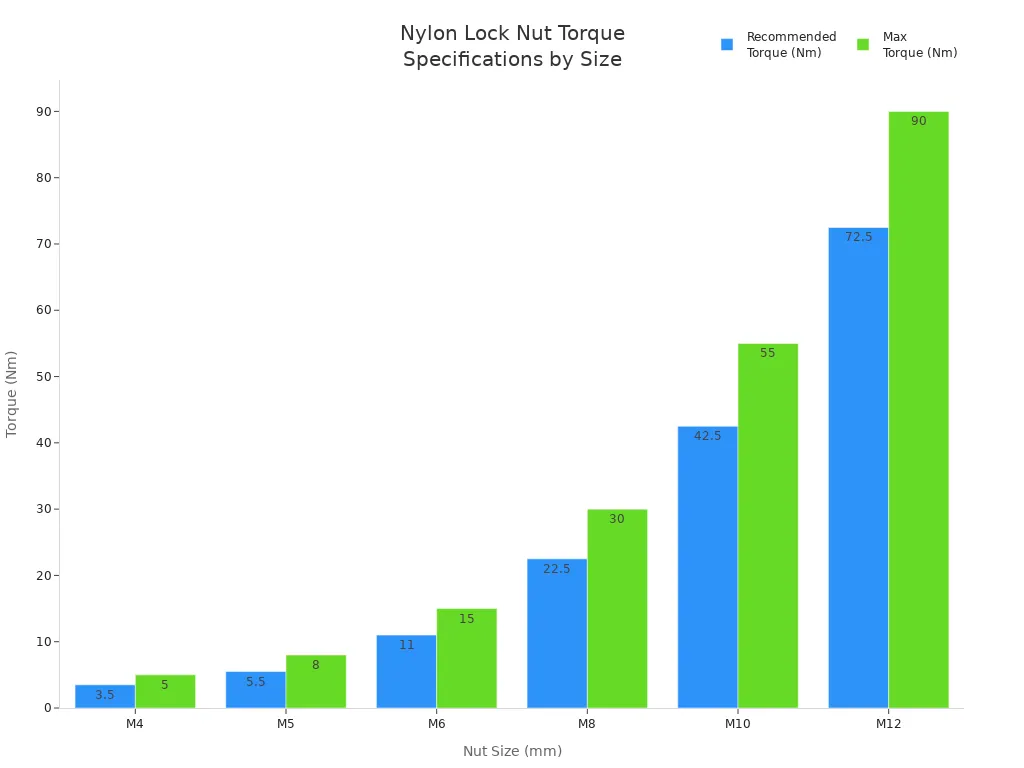
Different materials and surface conditions can affect torque requirements. For example, hot-dip galvanized fasteners need approximately 25% more torque due to increased friction from the zinc coating.
Correct Nut Orientation
Installers should always position the nylon insert at the end of the nut, facing away from the mating surface. This orientation allows the bolt threads to engage the nylon insert last, maximizing the locking effect. Following proper installation instructions reduces the risk of premature loosening and ensures long-term reliability.
Tip: Always follow manufacturer guidelines for installing nylock nuts to maintain safety and performance.
Common Installation Mistakes to Avoid with Nylock Nuts
Proper installation of nylon lock nuts ensures safety and reliability in any assembly. However, professionals often encounter several recurring mistakes during the installation process. Recognizing these errors helps prevent failures and extends the lifespan of lock nuts.
Over-tightening or Under-tightening
Applying the correct torque remains critical when working with nylon lock nuts. Over-tightening can deform the nylon insert, reducing its ability to grip the bolt threads. This damage compromises the locking function and may lead to premature loosening. Under-tightening, on the other hand, fails to engage the nylon insert fully. The nut may back off under vibration or load, creating a safety hazard. Technicians should always use calibrated torque wrenches and follow manufacturer specifications for each application.
Tip: Always check the torque chart for the specific size and material of lock nuts before tightening.
Cross-threading Issues
Cross-threading occurs when the nut does not align properly with the bolt threads. This mistake damages both the nut and the bolt, making it impossible to achieve a secure fit. Cross-threaded nylon lock nuts lose their locking ability and may fail under stress. To avoid this problem, installers should start threading the nut by hand and ensure smooth engagement before using tools. If resistance appears early in the process, realignment is necessary.
Using Damaged or Worn Nylock Nuts
Nylon lock nuts rely on the integrity of the nylon insert for their locking action. Reusing nuts with worn or damaged inserts significantly reduces their effectiveness. Signs of wear include flattened or deformed nylon, cracks, or missing sections. Damaged lock nuts cannot maintain proper tension and may loosen over time. Professionals recommend discarding any nut that shows visible signs of wear or has been previously installed multiple times.
Смешивание несовместимых материалов
Совместимость материалов играет ключевую роль в работе самоконтрящихся гаек. Использование гайки и болта из разных материалов может привести к коррозии, заклиниванию или преждевременному выходу из строя. Например, сочетание болтов из нержавеющей стали с самоконтрящимися гайками из углеродистой стали может вызвать гальваническую коррозию, особенно во влажных или морских условиях. Специалисты также отмечают частые ошибки, такие как неправильный подбор размеров гаек и болтов, или несоответствие типов резьбы (например, использование дюймовой резьбы 7/16″ с гайками на 1/2″). Эти ошибки могут привести к срыву резьбы и ненадёжным соединениям.
- Распространённые ошибки, отмечаемые специалистами, включают:
- Неправильный подбор размеров гаек и болтов, что может вызвать срыв резьбы.
- Использование неподходящих компонентов, например, несоответствующих размеров резьбы.
Правильный выбор материала и обеспечение соответствия всех компонентов по размеру и типу резьбы предотвращает эти проблемы. Монтажники всегда должны проверять совместимость перед началом установки.
Примечание: Регулярная проверка и внимание к деталям во время монтажа помогают избежать дорогостоящих ошибок и обеспечить долгосрочную надёжность самоконтрящихся гаек с нейлоновой вставкой.
Советы по обслуживанию самоконтрящихся гаек с нейлоновой вставкой
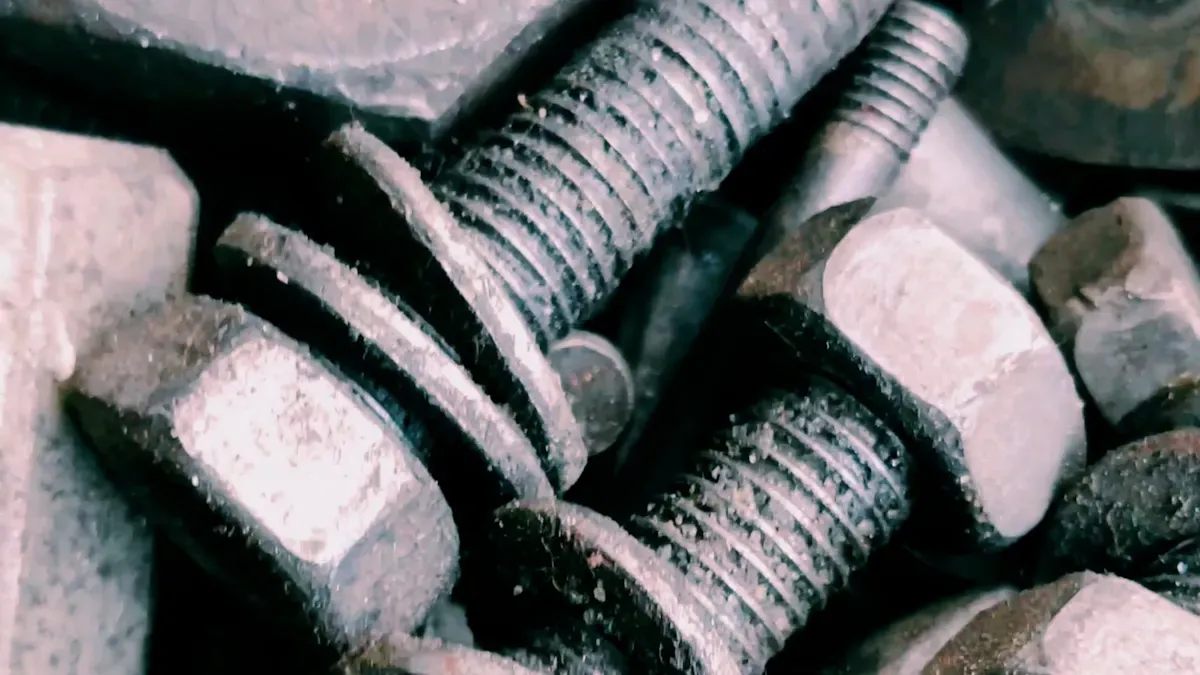
Проверка самоконтрящихся гаек с нейлоновой вставкой на износ и повреждения
Проверка нейлоновой вставки
Техники всегда должны проверять нейлоновую вставку перед повторным использованием. Исправная нейлоновая вставка обеспечивает необходимое сопротивление для фиксации. Если вставка выглядит сплющенной, треснутой или имеет повреждённые участки, гайка не будет надёжно держаться. В критических применениях, таких как автомобилестроение или аэрокосмическая отрасль, даже незначительные повреждения нейлоновой вставки могут поставить безопасность под угрозу.
Проверка на коррозию или трещины
Коррозия и трещины ослабляют самоконтрящиеся гайки и снижают их эффективность. Регулярный визуальный осмотр помогает выявить ржавчину, точечную коррозию или поверхностные трещины. Эти проблемы часто возникают в суровых условиях, включая воздействие влаги или химических веществ. Замена повреждённых самоконтрящихся гаек предотвращает неожиданные отказы.
Контроль ослабления
Самоконтрящиеся гайки могут со временем ослабнуть, особенно в узлах с высокой вибрацией или несущих нагрузку. Технические службы должны проверять наличие люфта или потери натяжения во время плановых осмотров. В таблице ниже указаны рекомендуемые интервалы проверки для распространённых компонентов:
| Компонент | Рекомендуемый интервал проверки |
|---|---|
| Болты гусеничных траков | Каждые 250–500 рабочих часов |
| Болты звёздочек | Каждые 250–500 рабочих часов |
| Высокопрочные болты | 1–2 года, чаще в суровых условиях |
Методы очистки и смазки самоконтрящихся гаек с нейлоновой вставкой
Безопасные методы очистки
Чистые самоконтрящиеся гайки сохраняют свою производительность и продлевают срок службы. Используйте мягкую щётку или сжатый воздух для удаления грязи и мусора. Избегайте агрессивных химикатов, которые могут повредить нейлоновую вставку. Для стойких загрязнений хорошо подходит мягкий моющий раствор с водой, после чего необходимо тщательно просушить гайки.
Когда использовать смазку, а когда нет
Смазка может облегчить установку, но чрезмерное использование может снизить эффект фиксации. Наносите лёгкое масло только если это рекомендовано производителем. Никогда не смазывайте саму нейлоновую вставку, так как это может вызвать проскальзывание и потерю удерживающей способности.
Предотвращение загрязнений
Защищайте самоконтрящиеся гайки от масла, смазки и других загрязнителей. Эти вещества могут нарушить работу механизма фиксации. Храните гайки в чистых, сухих контейнерах, чтобы предотвратить воздействие пыли и влаги.
Рекомендации по повторному использованию и замене самоконтрящихся гаек с нейлоновой вставкой
Сколько раз можно повторно использовать самоконтрящуюся гайку с нейлоновой вставкой?
Отраслевые рекомендации советуют ограничивать повторное использование самоконтрящихся гаек. Учитывайте следующие моменты:
- Если нейлоновая вставка повреждена, не используйте гайку повторно.
- Оцените тип самоконтрящегося механизма; самоконтрящиеся гайки с нейлоновой вставкой следует проверять на повреждения после снятия.
- В критических применениях, таких как двигатели или несущие конструкции, избегайте повторного использования самоконтрящихся гаек с нейлоновой вставкой для обеспечения безопасности.
Признаки необходимости замены
Самоконтрящиеся гайки с нейлоновой вставкой теряют свой начальный момент затяжки после многократного использования. Заменяйте их, когда сопротивление ослабевает или нейлоновая вставка показывает признаки износа. Ключевые признаки включают:
- Использование в критических или несущих нагрузку применениях.
- Воздействие тепла, влаги или вибрации.
- Гайка не предназначена для многократного использования.
- Видимые повреждения, такие как изношенная резьба или трещины.
- Потеря сопротивления при затяжке.
Правильное хранение запасных самоконтрящихся гаек с нейлоновой вставкой
Правильное хранение продлевает срок службы запасных самоконтрящихся гаек. Храните их в герметичных контейнерах вдали от прямого солнечного света, влаги и химикатов. Маркируйте контейнеры по размеру и материалу для лёгкой идентификации и предотвращения путаницы при установке самоконтрящихся гаек с нейлоновой вставкой.
Предотвращение ослабления со временем у самоконтрящихся гаек с нейлоновой вставкой
Использование правильных настроек момента затяжки
Применение правильного момента затяжки остаётся одним из самых эффективных способов предотвратить ослабление в узлах с использованием самоконтрящихся гаек. Когда техник затягивает Контргайка с нейлоновым кольцом с рекомендуемым моментом, нейлоновая вставка слегка деформируется. Эта деформация создаёт высокофрикционный интерфейс между гайкой и резьбой болта. Получившийся фрикционный самоконтрящийся механизм сопротивляется вибрации и сохраняет плотную посадку. В условиях высокой вибрации, таких как автомобилестроение или промышленное оборудование, этот метод помогает обеспечить надёжное крепление и снижает риск ослабления болта более чем на 50%. Техники всегда должны использовать калиброванный динамометрический ключ и обращаться к спецификациям производителя для каждого применения.
Совет: Всегда проверяйте таблицу моментов затяжки для конкретного размера и материала самоконтрящихся гаек перед затяжкой. Правильный момент защищает нейлоновую вставку и максимизирует эффект фиксации.
Учёт условий эксплуатации (вибрация, температура)
Факторы окружающей среды могут влиять на работу самоконтрящихся гаек. Вибрация, температура и воздействие химикатов играют роль в том, насколько хорошо нейлоновая вставка сохраняет свою хватку. Самоконтрящиеся гайки с нейлоновой вставкой хорошо работают в условиях высокой вибрации, потому что нейлоновая вставка создаёт амортизирующий эффект, уменьшая повреждение резьбы и сохраняя стабильность. Однако, экстремальные температуры или агрессивные химикаты могут разрушить нейлон, что приведёт к потере фиксирующей функции.
| Фактор | Impact on Nylon Lock Nuts |
|---|---|
| Воздействие химических веществ | Strong acids and alkalis can degrade nylon, leading to loss of locking function. |
| Mild chemicals may not affect nylon, allowing continued functionality. | |
| Температурный диапазон | Maximum operating temperature is around 80-100°C; exceeding this can soften nylon, reducing grip. |
Technicians should avoid using nylock nuts in environments where temperatures exceed 250°F (121°C), as nylon loses its strength and elasticity. For applications exposed to chemicals, selecting a lock nut material compatible with the environment ensures long-term reliability.
Supplementary Locking Methods
In some cases, nylock nuts alone may not provide enough security, especially in extreme conditions or critical assemblies. Several supplementary locking methods can enhance performance:
- Thread-locking adhesive
- Double stacked wedge type anti-loosening locking washers
- Slotted nut with cotter pin
- Tandem wire anti-loosening
- Stop washer
- Spring washers
- Pre-tensioning techniques
These additional measures work alongside lock nuts to further prevent loosening and maintain secure fastening. For example, a thread-locking adhesive adds chemical resistance, while a slotted nut with a cotter pin provides a mechanical backup. Maintenance teams should evaluate the specific requirements of each application and select the most appropriate combination of locking methods.
Note: Combining nylock nuts with supplementary locking devices increases safety and reliability, especially in high-stress or safety-critical environments.
Troubleshooting and FAQs for Installing Nylock Nuts
What to Do if a Nylock Nut Loosens
Immediate Steps to Take
Technicians often encounter situations where a nylock nut loosens unexpectedly. Immediate action prevents further damage and ensures safety. First, they should stop the operation and inspect the assembly. Next, they must check the nut for visible signs of wear or damage. If the nylon insert appears deformed or missing, replacement becomes necessary. Workers should remove the nut and examine the bolt threads for contamination or corrosion. Cleaning the threads with a wire brush restores proper engagement. After inspection, they should reinstall a new nylock nut and apply the recommended torque.
Tip: Always use a calibrated torque wrench to achieve the correct clamping force when reinstalling lock nuts.
Assessing for Underlying Issues
Loosening often signals deeper problems within the assembly. Technicians must investigate the root causes to prevent recurrence. Common factors include corrosion from moisture or chemicals, chemical degradation of the nylon insert, thermal expansion, and vibration fatigue. These issues weaken the locking mechanism and reduce holding power. The following list highlights frequent causes:
- Corrosion from moisture, salt, or chemicals weakens the metal body.
- Chemical degradation of the nylon insert occurs after exposure to strong solvents, acids, or alkalis.
- Thermal expansion and cycling cause micro-movements and soften nylon at high temperatures.
- Vibration fatigue from continuous shaking compromises the nylon insert’s grip.
Addressing these factors involves selecting lock nuts with suitable materials, improving environmental protection, and using supplementary locking methods in high-vibration settings.
Signs a Nylon Lock Nut Should Be Replaced
Visual Indicators
Technicians rely on visual inspection to determine if a nylon lock nut requires replacement. They look for cracks, flattened nylon inserts, or missing sections. Rust or pitting on the metal body also signals the need for a new nut. If the nylon insert appears shiny or worn, it no longer provides adequate resistance. A table below summarizes key visual signs:
| Indicator | Action Required |
|---|---|
| Cracked nylon insert | Replace immediately |
| Flattened nylon insert | Replace immediately |
| Rust or pitting | Replace immediately |
| Missing nylon section | Replace immediately |
Performance Issues
Performance issues often reveal problems before visual signs appear. If the nut spins freely without resistance, the locking function has failed. Technicians notice loss of tension during tightening or frequent loosening after installation. In critical assemblies, even minor performance changes warrant replacement. They must always prioritize safety and reliability by using new lock nuts when in doubt.
Note: Regular inspection and prompt replacement of worn lock nuts prevent unexpected failures and maintain secure fastening.
Proper installation and regular maintenance of nylon lock nuts protect assemblies from unexpected failures. Technicians should always inspect the nylon insert and apply the correct torque to ensure a secure hold. Replacing worn or damaged nylock nuts improves system reliability and safety, especially in critical applications where performance can decrease after each use. Attention to detail during every step of the process helps maintain long-term performance and prevents costly downtime.
Частые вопросы
How many times can a technician reuse a nylock nut?
A technician should reuse a Контргайка с нейлоновым кольцом only once or twice. The nylon insert loses grip after repeated use. For critical applications, they should always use a new nut.
What temperature range can nylon lock nuts handle?
Nylon lock nuts perform best below 100°C (212°F). At higher temperatures, the nylon insert softens and loses its locking ability. For high-heat environments, technicians should select all-metal lock nuts.
Can a worker use lubricants on nylock nuts?
A worker should avoid lubricating the nylon insert. Lubricants can reduce friction and weaken the locking effect. They may use a light oil on metal threads if the manufacturer approves.
What tools work best for installing nylock nuts?
Technicians should use a calibrated torque wrench and the correct size socket or spanner. Power tools may damage the nylon insert if used at high speed.
How does a technician know when to replace a nylock nut?
They should replace the nut if the nylon insert appears cracked, flattened, or missing. Loss of resistance during tightening also signals replacement.
Are nylock nuts suitable for outdoor or marine environments?
Нейлоновые самоконтрящиеся гайки из нержавеющей стали устойчивы к коррозии и хорошо подходят для использования на открытом воздухе или в морских условиях. Латунные или углеродистые стальные гайки в таких средах могут корродировать быстрее.
Что приводит к ослаблению нейлоновых самоконтрящихся гаек со временем?
Вибрация, термические циклы и воздействие химических веществ могут вызывать ослабление. Регулярная проверка и правильное приложение крутящего момента помогают предотвратить эту проблему.
Совет: Всегда следуйте рекомендациям производителя по установке и техническому обслуживанию для обеспечения безопасности и надежности.