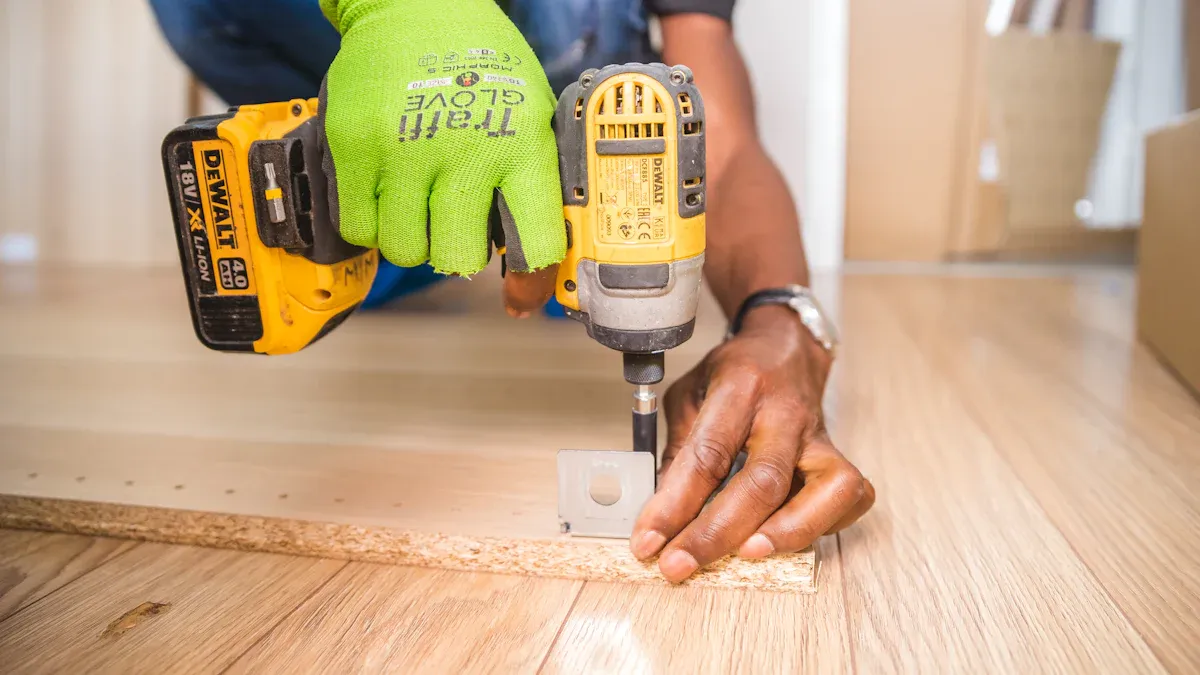
Установка профессионалами анкерные болты с использованием точного процесса. Два основных типа анкеров для бетона — механические и клеевые. Правильная установка бетонных анкеров критически важна для структурной целостности бетона. Неправильный монтаж сопряжен со значительным риском, поскольку ошибки при анкеровке являются причиной высокого процента инцидентов на стройплощадках.
- Почти 30% отказов, связанных со строительством, обусловлены недостатками при установке анкерных болтов.
- Американский институт бетона сообщает, что на неправильную анкеровку приходится 30% всех инцидентов, связанных со строительством.
A производитель крепежных изделий на заказ содержит важнейшие инструкции по их Анкерным Болтам. Соблюдение этих инструкций является обязательным для всех специальные анкерные болты, нестандартные крепежные элементы, и других анкеров для обеспечения безопасности.
Перед началом: безопасность и выбор анкера
Правильное планирование — основа успешной установки анкера. Перед сверлением бетона монтажник должен в первую очередь обеспечить безопасность, выбрать подходящий анкер и понять, какие нагрузки будет испытывать соединение. Эти первоначальные шаги предотвращают аварии и гарантируют надежное и долговечное крепление.
Основные меры предосторожности
Безопасность всегда должна быть главным приоритетом. Работа с электроинструментом и бетоном создает потенциальные опасности, требующие тщательного контроля.
Средства индивидуальной защиты (СИЗ)
Сверление бетона создает мелкодисперсную кремниевую пыль, опасную при вдыхании, а разлетающиеся осколки могут привести к серьезным травмам глаз. К необходимым СИЗ относятся:
- Защитные очки: Защищают глаза от пыли и бетонной крошки.
- Респиратор или противопылевая маска: Предотвращает вдыхание вредной кремниевой пыли.
- Средства защиты органов слуха: Перфораторы работают на высоком уровне децибел, что может повредить слух.
- Рабочие перчатки: Улучшают сцепление и защищают руки от истирания.
Безопасность рабочей зоны
Чистая и организованная рабочая зона минимизирует риски. Монтажник должен убрать с площадки ненужные инструменты и материалы, чтобы исключить риск споткнуться. Также важно обеспечить адекватную вентиляцию, особенно при работе в помещении, для рассеивания бетонной пыли.
Выбор правильного анкерного болта для фундамента
Выбор между механическими и клеевыми анкерами зависит от требований к нагрузке, условий окружающей среды, и основного материала. Каждый тип предлагает определенные преимущества для крепления объектов к существующему бетонному фундаменту.
Объяснение механических анкеров
Механические анкеры создают надежное соединение за счет расширения в бетоне. Они известны своей высокой несущей способностью и подходят для ответственных применений. Распространенные типы включают клиновые и втулочные анкеры. Клиновые анкеры идеальны для тяжелых условий эксплуатации в цельном бетоне, например, для крепления несущих элементов. Втулочные анкеры более универсальны и хорошо подходят для легких и средних нагрузок в бетоне, кирпиче или строительных блоках.
Объяснение клеевых анкеров
Клеевые анкеры, также называемые химическими, используют двухкомпонентную эпоксидную смолу или полиэфирную смолу для приклеивания резьбовой шпильки к бетону. Как правило, они обладают более высокой несущей способностью, чем механические анкеры того же размера, и демонстрируют превосходную устойчивость к вибрациям. Это делает их идеальными для значительных растягивающих и сдвигающих нагрузок в конструкционных применениях.
| Тип анкера | Грузоподъемность |
|---|---|
| Механические анкеры | Легкие–Средние |
| Химические анкеры | Средние–Тяжелые–Экстремальные |
Факторы выбора анкера
На выбор анкеров влияет несколько факторов.
Условия окружающей среды: Температура и влажность существенно влияют на работу анкера.. Высокая влажность может вызвать коррозию металлических анкеров, поэтому выбор изделия с антикоррозионным покрытием критически важен для долговечности..
Основной материал — еще одно ключевое соображение. В то время как некоторые анкеры предназначены только для цельногобетона, другие подходят для пустотелых блоков или кирпича.
Понимание требований к нагрузке
Основная задача анкера — противостоять силам, которые пытаются выдернуть его или срезать. Понимание этих сил критически важно для выбора анкера, который не выйдет из строя.
Сдвигающие нагрузки vs. Растягивающие нагрузки
- Растягивающая нагрузка: Сила, которая вытягивает анкер прямо из отверстия. Представьте подвешивание тяжелого объекта на потолочный анкер. Растягивающая нагрузка
Pрассчитывается какP = St × As, гдеSt— предел прочности материала на растяжение, аAs— площадь напряжения. - Сдвигающая нагрузка: Сила, действующая параллельно поверхности бетона, пытающаяся разрезать анкер пополам. Пример — опорная доска, прикрепленная болтами к фундаментной стене.
Консультация со спецификациями производителя
Самый надежный способ обеспечить безопасность — следовать рекомендациям производителя. Эти документы содержат подробные таблицы нагрузок, параметры установки и информацию, соответствующую отраслевым стандартам, таким как Международный строительный кодекс (IBC) и ASTM E488. Всегда сверяйтесь с этими спецификациями, чтобы подтвердить, что анкер соответствует нагрузочным требованиям проекта.
Шаг 1: Подготовьте инструменты и материалы
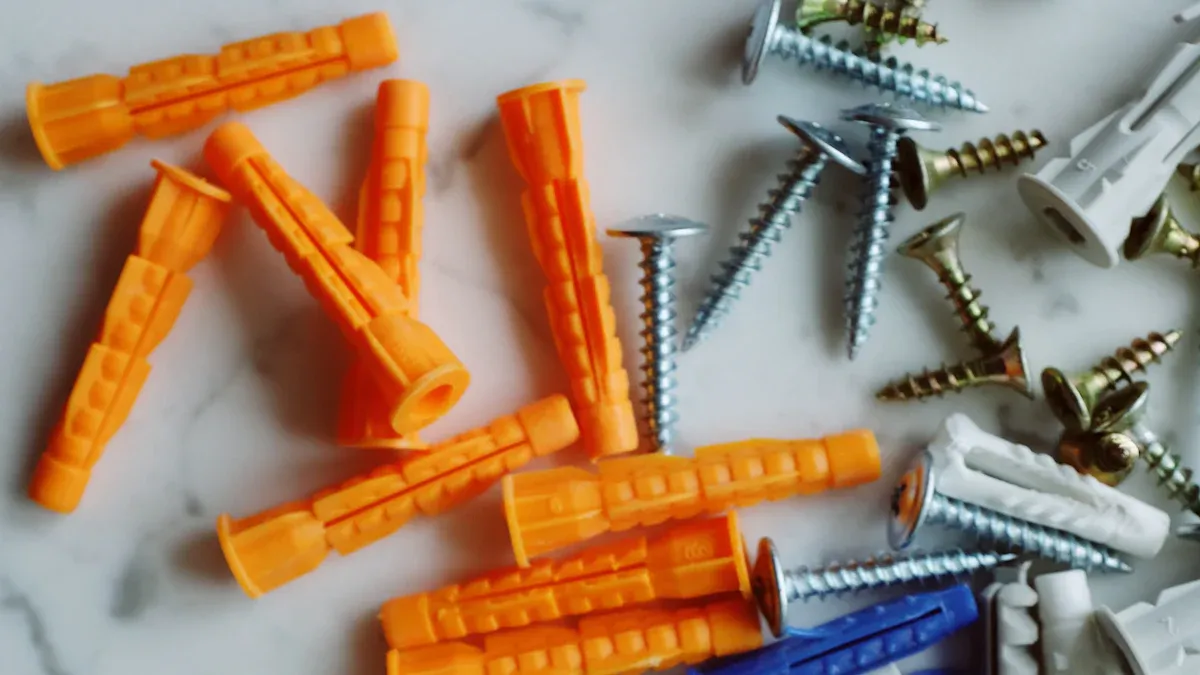
Успешная установка начинается задолго до сверления первого отверстия. Монтажник обеспечивает гладкий, эффективный и безопасный процесс, заранее собрав все необходимые инструменты и материалы. Эта подготовка предотвращает задержки и гарантирует, что каждый компонент подходит для работы.
Основные электроинструменты и ручной инструмент
Наличие правильных инструментов является обязательным условием для установки профессионального уровня. Каждый инструмент служит определенной цели для достижения надежной точки анкеровки.
Перфоратор и сверла по бетону
Роторный молоток или перфоратор необходимы для сверления бетона. Он сочетает вращение с ударным действием для эффективного создания отверстий. Монтажник должен использовать высококачественные твердосплавные сверла по бетону. Диаметр сверла должен точно соответствовать спецификации производителя для выбранных анкеров, чтобы обеспечить правильную посадку.
Динамометрический ключ и головки
Динамометрический ключ — это критически важный инструмент для механических анкеров. Он позволяет монтажнику затянуть гайку с точным усилием, известным как значение крутящего момента. Это действие правильно активирует распорный механизм анкера. Использование динамометрического ключа предотвращает как недотяжку, которая приводит к ослаблению анкера, так и перетяжку, которая может повредить анкер или бетон.
Инструменты для очистки отверстий (сжатый воздух, проволочная щетка)
Чистое отверстие является обязательным условием для достижения максимальной несущей способности анкера. Основной набор для очистки включает:
- Сжатый воздух или ручной насос: Для выдувания рыхлой пыли и мусора.
- Проволочная щетка: Подобранная по диаметру отверстия, она очищает внутренние стенки от мелких частиц.
- Промышленный пылесос для бетона: Необязательный, но высокоэффективный инструмент для удаления пыли.
Необходимые материалы и расходные средства
Выбранные материалы должны соответствовать структурным и экологическим требованиям проекта. Это включает сами анкеры и любые дополнительные элементы.
Анкерные болты (клиновые, гильзовые, J/L-образные)
Тип требуемых анкеров, таких как клиновые, гильзовые или закладные J/L-образные болты, определяется проектом. Материальный состав анкеров является критически важным решением, особенно для наружного применения или коррозионных сред. Стандартные стальные анкеры часто требуют защитных покрытий, в то время как нержавеющая сталь или другие сплавы обладают собственной стойкостью.
| Тип анкерного болта | Материальный состав | Коррозионная стойкость | Примечания |
|---|---|---|---|
| Стандартный | Сталь (углеродистая или легированная) | Низкая (требует покрытий) | Наиболее распространена; часто покрывается цинком или оцинковывается для защиты от коррозии. |
| Коррозионная среда | Нержавеющая сталь (316) | Высокая | Идеальна для воздействия морской воды и химикатов благодаря своей врожденной стойкости. |
| Коррозионная среда | Кремниевая бронза | Превосходная | Сплав меди и кремния, часто предпочтительный в морских применениях. |
| Покрытие по стандарту | Горячеоцинкованная сталь | Превосходная | Толстое цинковое покрытие обеспечивает отличную защиту для наружного использования. |
Картриджи с клеем и насадки
Для установки химических анкеров монтажнику необходим правильный двухкомпонентный клеевой картридж. Для каждого картриджа требуется специальный монтажный пистолет и статическая смесительная насадка. Насадка имеет решающее значение, так как она смешивает смолу и отвердитель во время инъекции, инициируя химическую реакцию.
Разметочные и измерительные инструменты
Точность начинается с точной разметки.
Требуемый диаметр твердосплавного сверла Используйте качественную рулетку, разметочный шнур для прямых линий и перманентный маркер или мелок, чтобы четко отметить каждую точку сверления. Двойная проверка замеров на этом этапе предотвращает дорогостоящие ошибки в дальнейшем.
Шаг 2: Подготовка бетона и сверление отверстия
Точность на этапах подготовки и сверления задает стандарт для всей установки. Этот пошаговый процесс обеспечивает оптимальные условия для достижения анкером полной несущей способности. Любые упрощения здесь могут поставить под угрозу конечное соединение.
Разметка и маркировка
Точная разметка — это план успешной установки. Монтажник должен тщательно измерить и отметить каждое место установки анкера перед сверлением отверстий.
Измерения для правильного размещения
Монтажник определяет местоположение каждого анкера на основе проектных планов. Он должен учитывать минимальные расстояния до края и между анкерами, чтобы предотвратить выкрашивание бетона. Хотя для анкерных стержней на растяжение часто существуют конкретные требования, общее правило заключается в обеспечении наличия достаточного материала между отверстием и краем пластины. Для крепления стальных элементов монтажнику следует обратиться к отраслевым стандартам.
- Руководство по стальному строительству AISC (AISC Steel Construction Manual) определяет минимальные расстояния до края для болтов в таблице J3.4.
- Руководство по проектированию алюминиевых конструкций (Aluminum Design Manual) требует минимального расстояния до края в 1,5 раза больше диаметра винта.
Маркировка точки сверления
После подтверждения замеров монтажник использует перманентный маркер или мелок, чтобы сделать четкую, хорошо видимую метку для каждого отверстия. Небольшое направляющее углубление, сделанное кернером, может предотвратить “увод” или скольжение сверла при начале сверления в существующем бетонном основании.
Сверление отверстия
Правильное сверление отверстий — это безусловная часть процесса. Диаметр, глубина и прямолинейность отверстия напрямую влияют на работу анкеров.
Установка правильной глубины сверления
Монтажник должен просверлить отверстие на правильную глубину и диаметр, указанные производителем анкера. Использование сверла неправильного размера — распространенная ошибка. Глубина отверстия всегда должна быть больше требуемой глубины заделки анкера, чтобы обеспечить место для пыли и мусора.
Руководство по сверлению: Для многих распространенных клиновых анкеров отверстие должно быть как минимум на 1/2 дюйма (≈12,7 мм) глубже глубины заделки анкера.
| Размер клинового анкера | Recommended Drill Bit Diameter |
|---|---|
| на 1/2 дюйма (≈12,7 мм) | 5/8 дюйма |
| 3/8 дюйма (≈9,5 мм) | Меньше 5/8 дюйма (≈15,9 мм) |
Техника сверления для прямого отверстия
Монтажник должен держать перфоратор перпендикулярно поверхности бетона. Вертикальность просверленного отверстия является критическим фактором. Неправильный угол установки вызывает неравномерное распределение нагрузки на анкерную систему. Это смещение создает чрезмерное напряжение на отдельных частях анкера, что может снизить его несущую способность и привести к разрушению.
Критический процесс очистки отверстия
Чистое отверстие необходимо как для механических, так и для клеевых анкеров. Остаточная кремниевая пыль действует как смазка, препятствуя сцеплению анкера с бетоном и ослабляя соединение. Неправильная очистка отверстия может снизить эффективность анкера на величину до 70%..
Первоначальное удаление загрязнений с помощью пылесоса или воздуха
Сразу после сверления монтажник использует ручной обдувочный пистолет или безмасляный сжатый воздух, чтобы выдуть всю рыхлую пыль и загрязнения из отверстия. На этом этапе он должен носить защитные очки для защиты глаз.
Очистка внутренних стенок щеткой
Затем монтажник использует проволочную щетку, соответствующую диаметру отверстия. Он вводит щетку до дна отверстия и очищает внутренние стенки вращательными движениями, чтобы удалить любые оставшиеся мелкие частицы.
Финальная очистка для обеспечения максимальной фиксации
Монтажник выполняет финальную очистку, выдувая отверстие в последний раз. Этот двухэтапный метод “выдув-чистка-выдув” гарантирует полное отсутствие загрязнений в отверстии. Чистая поверхность позволяет анкерам полностью контактировать с основным материалом, обеспечивая надежное и прочное крепление в бетоне.
Шаг 3: Установка анкерных болтов
После сверления и очистки отверстий монтажник может приступать к установке. Метод значительно различается для механических и клеевых анкеров. Строгое соблюдение правильного пошагового процесса для выбранного типа анкера необходимо для создания надежного соединения. На этом этапе формируется несущая способность анкера.
Установка механических анкеров
Механические анкеры создают фрикционное крепление за счет расширения. Монтажник активирует это расширение, затягивая гайку или забивая пробку. Это действие заставляет часть анкера плотно прижиматься к внутренним стенкам отверстия в бетоне.
Установка клиновых анкеров
Клиновые анкеры — популярный выбор для тяжелых креплений. Установка проста, но требует точности, особенно при затяжке.
- Подготовка анкера: Монтажник устанавливает шайбу на анкер и накручивает гайку на несколько оборотов. Гайка должна защищать резьбу от повреждений во время установки.
- Установка анкера: Он вбивает анкер через отверстие в монтажном элементе в предварительно просверленное отверстие в основании. Используется молоток, чтобы вбивать анкер до тех пор, пока шайба и гайка не будут плотно прилегать к монтажному элементу. Анкер должен достигать минимально требуемой глубины заделки.
- Фиксация анкера: С помощью откалиброванного динамометрического ключа монтажник затягивает гайку до указанного производителем значения крутящего момента. Это действие подтягивает шпильку вверх, заставляя расширительный клин внизу плотно заклиниваться в бетоне.
Критическое действие: Применение правильного крутящего момента не является опцией. Это механизм, который правильно устанавливает анкер. Перетягивание может повредить анкер или расколоть основной материал, а недостаточная затяжка приводит к слабому креплению.
Установка гильзовых анкеров
Гильзовые анкеры универсальны и могут использоваться в различных основных материалах. Их установка включает расширение гильзы по длине корпуса анкера.
- Установка крепимого элемента: Монтажник размещает закрепляемый объект у стены и совмещает его отверстия с предварительно просверленными отверстиями.
- Установка анкера: Он вставляет гильзовый анкер через монтажный элемент в отверстие до тех пор, пока шайба и гайка не будут заподлицо с материалом.
- Затяжка для расширения: Монтажник затягивает гайку ключом. Это подтягивает головку болта через гильзу, заставляя гильзу расширяться и сцепляться со стенками отверстия. Для большинства применений, затягивание гайки на два-три полных оборота после ручной затяжки достаточно. Для критических соединений он должен использовать динамометрический ключ для соответствия спецификациям производителя.
Установка забивных анкеров
Забивные анкеры устанавливаются заподлицо с поверхностью бетона и требуют специального инструмента для правильной установки. Они имеют внутреннюю резьбу для принятия болта или шпильки.
| Шаг | Действие | Деталь |
|---|---|---|
| 1 | Вставка анкера | Монтажник помещает анкер в чистое отверстие резьбовым концом вверх. |
| 2 | Установка инструмента | Он вставляет инструмент для установки правильного размера в резьбовое отверстие анкера. |
| 3 | Установка анкера | Он наносит несколько сильных ударов молотком по концу установочного инструмента. Это забивает внутреннюю пробку вниз, полностью расширяя корпус анкера относительно стенок отверстия. Анкер правильно установлен, когда буртик установочного инструмента встречается с буртиком анкера. |
| 4 | Установка монтажного элемента | Монтажник размещает монтажный элемент над теперь установленным анкером и закрепляет его, вставляя и затягивая болт правильного размера. |
Установка клеевых анкеров
Клеевые (химические) анкеры образуют связь с основным материалом, которая часто прочнее самого бетона. Этот метод установки бетонных анкеров идеален для больших нагрузок или когда важна вибрационная стойкость.
Подготовка эпоксидной смолы
Правильная подготовка эпоксидной смолы критически важна для достижения прочной связи. Два компонента — смола и отвердитель — должны быть идеально смешаны.
Температура — ключевой фактор: Температура окружающей среды и температура бетона существенно влияют на отверждение эпоксидной смолы. Общее правило: при повышении температуры на каждые 10°C, время работы сокращается вдвое. И наоборот, понижение температуры на 10°C удвоит время работы и полное время отверждения. Монтажник всегда должен проверять технический паспорт производителя для получения конкретных рекомендаций по времени и температуре.
Перед заполнением отверстия монтажник выдавливает небольшое количество клея из нового картриджа на кусок картона до тех пор, пока цвет не станет однородным. Это гарантирует, что смола и отвердитель правильно смешаны в насадке.
Заполнение клеем
Правильное заполнение клеем предотвращает образование воздушных пустот, которые могут ослабить соединение.
- Монтажник вводит смесительную насадку в самое дно очищенного отверстия.
- Он начинает заполнять отверстие клеем, медленно извлекая насадку по мере заполнения отверстия.
- Он заполняет отверстие примерно на две трети, чтобы обеспечить место для вытеснения при вставке анкеров.
Установка анкерного стержня
Заключительный шаг — вставка анкеров в отверстие, заполненное клеем.
Монтажник медленно вставляет резьбовую шпильку или арматурный стержень в отверстие, вращая его. Это вращательное движение обеспечивает полное покрытие резьбы клеем и устраняет любые воздушные карманы. После вставки стержня на правильную глубину вокруг верхней части отверстия должно быть видно небольшое количество излишков клея. Он не должен тревожить анкер в течение указанного производителем времени гелеобразования и отверждения. На этом процесс установки установить анкерные болты с использованием клея завершен.
Шаг 4: Окончательное закрепление, отверждение и завершение установки бетонных анкеров
Заключительные этапы процесса установки имеют решающее значение для обеспечения безопасного и долговечного соединения. Для механических анкеров это предполагает точное затягивание. Для клеевых анкеров требуется терпение в течение фазы отверждения. Понимание этих заключительных процедур и типичных ошибок крайне важно для правильной установки анкеров в бетон.
Установка и затяжка механических анкеров
Правильная установка механического анкера активирует его удерживающий механизм. Этот шаг превращает свободный металлический элемент в надежный конструктивный компонент.
Установка крепежной детали
Монтажник размещает крепежную деталь над предварительно просверленными отверстиями. Затем он вставляет анкер через деталь в бетон. Анкер должен быть заглублен на правильную глубину, чтобы функционировать в соответствии с проектом. Этот процесс закрепления крепежных элементов обеспечивает правильную передачу нагрузки от крепежной детали к анкеру.
Правильное приложение крутящего момента
Приложение правильного крутящего момента является наиболее критической частью установки механических анкеров. Монтажник использует калиброванный динамометрический ключ для затягивания гайки до значения, указанного производителем. Это действие расширяет анкер, создавая необходимое трение о бетон.
Спецификации крутящего момента: Соблюдение указанных значений крутящего момента обязательно. Эти значения различаются в зависимости от диаметра анкера. В следующей таблице приведены типичные значения крутящего момента для клиновых анкеров.
| Размер | Крутящий момент |
|---|---|
| 1/4” | 2 – 6 фут-фунтов. |
| 3/8” | 15 – 18 фут-фунтов. |
| 1/2” | 18 – 26 фут-фунтов. |
| 5/8” | 30 – 40 фут-фунтов. |
| 3/4” | 60 – 90 фут-фунтов. |
Отверждение клеевых анкеров
В отличие от механических анкеров, клеевые анкеры набирают прочность за счет химической реакции. Этот процесс требует непрерывного периода отверждения.
Понимание времени отверждения
Время отверждения — это период, необходимый клею для достижения полной прочности. Температура существенно влияет на это время. Более теплые условия ускоряют отверждение, в то время как более низкие температуры значительно замедляют его. Монтажник всегда должен сверяться с техническим паспортом производителя для определения конкретного времени отверждения в зависимости от температуры окружающей среды и основания.
Время гелеобразования и полное время отверждения
Монтажник должен понимать два ключевых временных промежутка. Время гелеобразования — это рабочее время, когда эпоксидная смола начинает густеть, переходя из жидкого состояния в твердое. Анкер нельзя трогать в течение этой фазы. Полное время отверждения — это общее время, необходимое для достижения клеем максимальной химической стойкости и несущей способности, что может занять несколько дней.
Распространенные ошибки при установке анкерных болтов
Ошибки, допущенные во время установки, могут поставить под угрозу все соединение. Монтажник должен знать о распространенных ошибках, которых следует избегать при установке анкерных болтов.
Перетягивание гайки
Слишком сильная затяжка механического анкера создает чрезмерное внутреннее напряжение. Это может привести к катастрофическому разрушению.
- Это может вызвать растрескивание или раскалывание бетона, особенно если прочность бетона на сжатие низкая.
- Это может привести к вырыву анкера с конусообразным фрагментом основания.
Неполная очистка отверстия
Неправильная очистка отверстия — частая ошибка при установке анкеров в бетон. Пыль и мусор препятствуют полному контакту анкеров с основным материалом. Для химических анкеров эта ошибка может снизить прочность сцепления более чем на 50%, не позволяя смоле правильно сцепиться. Это критически важный шаг для надежной установки анкерных болтов.
Сверление отверстия неправильного размера
Использование изношенного или неподходящего по размеру сверла создает отверстие неправильного размера. Отверстие, которое слишком велико, не позволит механическим анкерам правильно установиться. Отверстие, которое слишком мало, увеличивает напряжение во время установки. Это затрудняет закрепление крепежных элементов и может повредить анкер или окружающий материал.
Контроль после установки и техническое обслуживание
Установка не считается завершенной, пока монтажник не проверит ее целостность. Контроль после установки и долгосрочный план технического обслуживания необходимы для обеспечения того, чтобы соединение оставалось безопасным и надежным в течение всего срока службы. Эти заключительные проверки качества защищают конструкцию и инвестиции.
Проверка надежности установки
Сразу после установки монтажник должен подтвердить, что анкер установлен правильно. Этот процесс проверки включает в себя как визуальный осмотр, так и, для критически важных применений, физические испытания под нагрузкой.
Проверки визуальным осмотром
Тщательный визуальный осмотр может выявить типичные ошибки установки. Монтажник должен искать несколько ключевых показателей правильной установки:
- Анкер установлен на правильную глубину заделки.
- Шайба и гайка плотно прилегают к поверхности крепежной детали.
- В окружающем бетоне нет признаков трещин или сколов.
- Анкер перпендикулярен поверхности и не установлен под углом.
Основы испытаний под нагрузкой
Для конструкционных или других критически важных соединений испытание пробной нагрузкой дает окончательное подтверждение несущей способности анкера. Монтажник проводит это испытание с помощью гидравлического домкрата, прикладывая определенную растягивающую нагрузку.
- Определение испытательной нагрузки: Пробная растягивающая нагрузка обычно рассчитывается как удвоенная максимально допустимая растягивающая нагрузка или как 1.25 от расчетной прочности анкера..
- Применить ограничение нагрузки: Испытательная нагрузка ни в коем случае не должна превышать 80% номинального предела текучести анкерного элемента.
- Провести испытание: Монтажник прикладывает нагрузку и выдерживает ее не менее 15 секунд. Не должно наблюдаться заметного движения или смещения.
- Соблюдать периодичность испытаний: Количество испытываемых анкеров варьируется. Монтажник может испытать 100% конструкционных анкеров, в то время как для неконструкционных применений может потребоваться испытание только 50%.
Советы по долгосрочному обслуживанию
Бетон и сталь подвержены воздействию факторов окружающей среды и динамике нагрузок с течением времени. Проактивный график технического обслуживания предотвращает превращение мелких проблем в серьезные аварии.
Периодическая проверка момента затяжки
Механические анкеры могут ослабнуть из-за вибрации, термических циклов и колебаний нагрузки. Монтажник должен периодически проверять гайку калиброванным динамометрическим ключом, чтобы убедиться, что момент затяжки соответствует заданному значению. Это особенно важно для машин или оборудования, создающих вибрацию.
Проверка на коррозию или повреждения
Регулярные проверки являются краеугольным камнем долгосрочного обслуживания анкеров. Монтажник должен проверять признаки коррозии, особенно в условиях улицы или повышенной влажности. Также следует осматривать окружающий бетон на предмет новых трещин или повреждений. Последовательный график обслуживания обеспечивает долговечность соединения.
| Задача | Периодичность |
|---|---|
| Общий осмотр | Не реже одного раза в год |
| Подтяжка | Каждые 6–12 месяцев |
| Повторное нанесение защитного покрытия | Каждые 2–3 года (для улицы/зон повышенного риска) |
| Проверка соосности | При каждом осмотре |
Устранение типичных проблем монтажа
Даже при тщательном планировании монтажник может столкнуться с непредвиденными проблемами во время установки. Умение устранять типичные проблемы, такие как короткие болты, ослабленные анкеры или попадание в арматуру, является критически важным навыком. Правильное решение этих проблем гарантирует надежность конечного соединения и его соответствие проектным требованиям.
Решение проблемы коротких анкерных болтов
Обнаружение того, что анкерный болт слишком короток для надежного крепления конструкции, является серьезной проблемой. Монтажник должен использовать одобренное инженерное решение для ее устранения.
Использование соединительных гаек
Соединительная гайка является распространенным и эффективным решением для удлинения короткого анкерного стержня. Эта длинная резьбовая гайка соединяет существующий анкер с новым отрезком резьбовой шпильки. Монтажник должен убедиться, что соединительная гайка обеспечивает полное зацепление резьбы как на существующем анкере, так и на удлинителе для достижения требуемой прочности.
Сверление для установки распорного анкера
Когда использование соединительной гайки невозможно, доступны другие конструкционные методы ремонта. Наилучший способ действий зависит от материала анкера и требований проекта.
Монтажник всегда должен проконсультироваться с инженером перед выполнением серьезного ремонта. Одобренные решения часто включают:
- Использование эпоксидной анкерной системы: Монтажник может удалить короткий болт. Затем он сверлит новое отверстие большего диаметра и устанавливает резьбовую шпильку с использованием высокопрочной эпоксидной смолы.
- Приварка удлинителя: Если материал анкера поддается сварке (например, ASTM F1554 Grade 36), монтажник может приварить встык резьбовой удлинитель к существующему болту.
- Сверление новых отверстий: Самым простым решением может быть отказ от короткого анкера. Затем монтажник сверлит новые отверстия для полностью новых устанавливаемых анкеров при условии, что новая компоновка конструкционно обоснована.
Что делать, если анкер ослаблен
Ослабленный анкер не обеспечивает надежной удерживающей способности и ставит под угрозу безопасность. Монтажник должен определить причину и немедленно принять корректирующие меры.
Процедуры повторной затяжки
Первым шагом является попытка повторной затяжки. Монтажник использует калиброванный динамометрический ключ для приложения момента затяжки, указанного производителем. Если анкер затягивается и удерживает момент, соединение может быть надежным. Если анкер продолжает проворачиваться без затяжки, отверстие, вероятно, имеет увеличенный размер или произошло разрушение бетона.
Когда необходимо заменить анкер
Монтажник должен заменить анкер, который не затягивается. Проворачивающийся анкер указывает на неработоспособное соединение, которое нельзя доверять для восприятия какой-либо нагрузки. Наилучшей практикой является оставление неисправного анкера на месте. Затем монтажник сверлит новое отверстие на безопасном расстоянии от отказавшего и устанавливает новый анкер.
Попадание в арматуру при сверлении
Попадание в стальную арматуру является распространенным препятствием при сверлении железобетона. Монтажник должен немедленно прекратить сверление, чтобы избежать повреждения сверла и конструкционной арматуры.
Оценка ситуации
После остановки сверления монтажник оценивает ситуацию. Он должен определить, позволяют ли проектные планы перенести отверстие. Резка арматуры почти никогда не допускается без явного одобрения инженера-конструктора, так как это может нарушить целостность бетонной конструкции.
Перенос отверстия
Наиболее распространенным решением является перенос отверстия. Монтажник должен сместить новую точку сверления достаточно далеко, чтобы избежать арматуры. Ему также необходимо соблюдать требуемое минимальное расстояние до других анкеров и краев бетона. Эта новая попытка сверления требует такой же точности, как и первая.
Монтажник должен правильно установить анкерные болты для обеспечения надежного соединения. Успешный монтаж в существующем бетонном фундаменте зависит от четырех ключевых этапов: планирования, точного сверления, правильной установки и надлежащей затяжки. Полевые исследования подтверждают, что недостаточная затяжка является основной причиной отказов.. Следование инструкциям производителя не является опциональным.. Правильно закрепленный анкер в бетоне обеспечивает долгосрочную устойчивость всего фундамента, создавая надежную и безопасную фиксацию на весь срок службы конструкции.
Частые вопросы
Может ли монтажник повторно использовать механические анкерные болты?
Монтажник не должен повторно использовать механические анкеры. Процесс извлечения повреждает распорный механизм анкера. Поврежденный анкер не сможет обеспечить заявленную несущую способность в новом отверстии, что создает серьезную угрозу безопасности.
В чем основное различие между клиновым и втулочным анкером?
Клиновой анкер обеспечивает превосходную несущую способность для тяжелых нагрузок в цельном бетоне. Втулочный анкер является более универсальным. Он хорошо подходит для легких и средних нагрузок в различных материалах, включая бетон, кирпич и блоки.
Насколько близко к краю бетона монтажник может сверлить отверстие?
Монтажник должен соблюдать минимальное расстояние до края, указанное производителем анкера. Это расстояние предотвращает разрушение бетона по краю. Общее правило рекомендует минимальное расстояние в пять диаметров анкера от неукрепленного края.
Что произойдет, если монтажник не очистит отверстие?
Остатки в отверстии значительно снижают несущую способность анкера. Пыль препятствует сцеплению механического анкера с бетоном. Для химических анкеров она загрязняет эпоксидную смолу, что приводит к слабому сцеплению и возможному разрушению.
Может ли монтажник использовать обычную дрель для бетона?
Монтажнику следует использовать ударную дрель или перфоратор. Обычной дрели не хватает необходимого ударного действия для эффективного сверления бетона. Ее использование будет медленным, приведет к сгоранию сверла и может не создать отверстие надлежащего качества.
Какой тип бетонного анкера самый прочный?
Клеевые (химические) анкеры, как правило, обеспечивают наивысшую несущую способность. Они образуют молекулярную связь с бетоном, которая может быть прочнее самого основного материала, что делает их идеальными для экстремальных нагрузок и структурных соединений.
Почему так важно прикладывать правильный крутящий момент?
Правильное приложение крутящего момента, указанного производителем, обеспечивает корректную установку механического анкера. Это действие раскрывает механизм анкера, создавая необходимое трение для достижения его полной несущей способности. Неправильный момент затяжки приводит к непрочному или несостоятельному соединению.