Выбор правильных U-образный болт Хомут имеет решающее значение и требует тщательного рассмотрения. Руководителям проектов необходимо оценить конкретное применение, произвести точные замеры, выбрать подходящий тип и материал U-образного болта, а также обеспечить правильную установку для максимальной безопасности и долговечности. Исследования показывают, что около 30% отказов оборудования в производстве происходят из-за недостаточного крепления или неправильной установки хомутов. Чтобы избежать этих проблем, крайне важно подбирать U-образный хомут, литье болтов, и нестандартные крепежные элементы в соответствии с уникальными требованиями каждого проекта. Сотрудничество с надежным партнером производитель крепежных изделий на заказ может помочь вам выбрать правильный U-образный хомут и обеспечить слаженную работу всех компонентов. В таблице ниже описаны типичные области применения U-образных хомутов в различных отраслях:
| Строительство | Область применения Описание |
|---|---|
| Строительстве | Строительство: Используется для фиксации балок, колонн и конструкционных опор для обеспечения устойчивости зданий. |
| Автомобилестроение | Крепит листовые рессоры и выхлопные системы для надежной фиксации в транспортных средствах. |
| Сантехника | Стабилизирует трубы и каналы для предотвращения смещения или повреждения в установках. |
| Судостроение | Фиксирует палубное оборудование и крепит компоненты, особенно в условиях соленой воды. |
| Электротехника | Электротехника: Поддерживает системы каналов и управляет электрическими кабелями в различных условиях. |
| Сельское хозяйство | Крепит компоненты в сельскохозяйственной технике для долговечности в полевых условиях. |
Что такое U-образный болт и как он работает?
Определение U-образного хомута
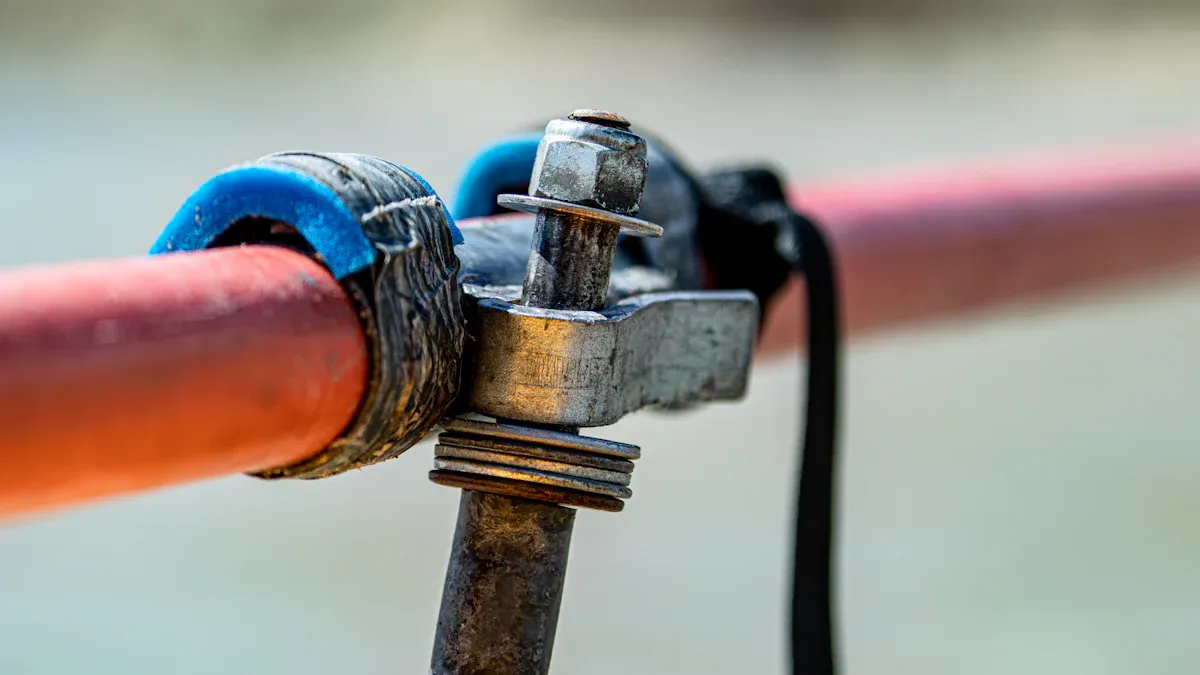
A U-образный хомут является основным крепежным элементом во многих отраслях. Согласно инженерным стандартам, U-образный болт имеет U-образное поперечное сечение. Эта конструкция включает два параллельных резьбовых стержня, соединенных изогнутой скобой. Производители обычно используют металл, такой как сталь или нержавеющая сталь, для производства этих крепежных элементов. Резьбовые стержни позволяют затягивать гайки, что фиксирует хомут на месте. Такая конфигурация обеспечивает значительную прочность на растяжение и сдвиг, делая U-образный болт подходящим для проектов, требующих надежной поддержки.
- U-образный болт состоит из:
- U-образного корпуса, который охватывает трубы или стержни.
- Двух резьбовых плеч для крепления гаек.
- Соединительной скобы, которая сохраняет форму и прочность.
- Конструкция хомута позволяет легко устанавливать и снимать его.
- Инженеры полагаются на этот крепеж из-за его способности выдерживать большие нагрузки и сопротивляться деформации.
Принцип работы U-образного болта
Механическая конструкция U-образного болта позволяет ему эффективно фиксировать трубы, стержни или другие цилиндрические объекты. U-образная конфигурация охватывает объект, в то время как резьбовые плечи проходят через опорную конструкцию. При затягивании гаек на резьбу хомут сжимается и прочно удерживает объект на месте.
| Характеристика | Описание |
|---|---|
| U-образная конструкция | Конфигурация U-образного болта охватывает трубу или трубку, создавая надежное крепление. |
| Резьбовые плечи | Эти плечи позволяют затягивать гайки, сжимая U-образный болт вокруг зажимаемого объекта. |
| Материал | Материал: Обычно изготавливается из стали или нержавеющей стали, подходит для различных применений и условий. |
Этот простой, но эффективный механизм позволяет U-образному болту поддерживать трубы, крепить кабели и присоединять оборудование к стационарным конструкциям. Хомут также создает подвески для труб в сантехнических и HVAC-установках. Универсальность U-образного болта делает его предпочтительным выбором для инженеров и подрядчиков.
Совет: Всегда выбирайте правильный размер и материал для вашего U-образного болта, чтобы обеспечить максимальную безопасность и долговечность в ваших применениях.
Типичные области применения U-образных болтов
U-образные болты служат для широкого спектра применений в строительных, автомобильных и промышленных проектах. Их прочность и адаптивность делают их незаменимыми во многих условиях.
- Строительство: Поддержка балок, лесов и трубопроводов.
- Крепление труб, балок и конструкционных опор в зданиях и мостах.
- Анкеровка компонентов на месте для устойчивости и структурной целостности.
- Автомобилестроение: Крепление листовых рессор и осей в подвесных системах автомобилей.
- Способствует производительности автомобилей, грузовиков и внедорожников.
Инженеры используют U-образные болты в мостах и крупномасштабных строительных проектах. Эти крепежные элементы превосходны в тяжелых условий эксплуатации тяжелых условиях благодаря своей прочности и долговечности. Хомут гарантирует, что трубы, стержни и другие компоненты остаются надежно закрепленными даже в сложных условиях.
Почему важно выбрать правильный U-образный хомут
Безопасность и поддержка нагрузки
Выбор правильного U-образного хомута гарантирует, что конструкции и оборудование остаются безопасными и стабильными. Инженеры полагаются на U-образный болт из-за его способности выдерживать тяжелые нагрузки в сложных условиях. Несущая способность U-образного болта зависит от нескольких факторов, включая прочность материала, площадь поперечного сечения, зацепление резьбы и методы установки. В таблице ниже выделены эти критические аспекты::
| Фактор | Описание |
|---|---|
| Прочность материала | U-образный болт должен быть изготовлен из материалов, способных выдерживать требуемые растягивающие и сдвигающие усилия. |
| Площадь поперечного сечения | Большая площадь поперечного сечения увеличивает нагрузочную способность U-образного болта. |
| Зацепление резьбы | Правильное зацепление резьбы обеспечивает надежное крепление, что критически важно для несущих применений. |
| Методы установки | Правильные методы установки повышают надежность и безопасность крепежной системы. |
Правильно подобранный U-образный болт предотвращает структурные отказы и защищает персонал и оборудование. Безопасность остается главным приоритетом во всех применениях, особенно в строительстве и автомобилестроении.
Производительность и долговечность U-образных болтов
Производительность и долговечность U-образного болта зависят от качества хомута и пригодности его материала для окружающей среды. Инженеры выбирают нержавеющую или оцинкованную сталь для устойчивости к коррозии в морских или наружных применениях. Дефекты материала, заедание резьбы, перетяжка и неправильная калибровка инструмента часто вызывают отказы U-образных болтов. Человеческий фактор также способствует износу хомута. Регулярное техническое обслуживание и правильная установка продлевают срок службы U-образного болта, делая его популярным выбором для различных проектов.
Note: Routine inspections and proper torque application help prevent premature wear and ensure reliable performance.
A well-chosen u-bolt supports pipes, beams, and machinery for years without frequent replacement. This reliability reduces maintenance costs and downtime in industrial settings.
Mistakes to Avoid When Selecting a U Clamp Bolt
Many project managers overlook critical factors when they choose the right u bolt clamp. Common mistakes include ignoring the operating environment, using the wrong type of clamp, selecting inadequate materials, and incorrect sizing. These errors can lead to equipment failure, safety hazards, and increased maintenance expenses. The list below outlines frequent mistakes and their consequences:
- Overlooking the operating environment can cause brittleness in cold or creep in heat, resulting in catastrophic failures.
- Using the wrong type of clamp compromises joint integrity, leading to leaks and failures.
- Material and durability issues increase maintenance costs and safety risks.
- Incorrect sizing results in loose connections and eventual equipment failure.
- Equipment failure due to improper material selection in extreme environments.
- Safety hazards from leaks caused by using the wrong type of clamp.
- Increased maintenance costs from wear and tear due to incorrect sizing.
Using a u-bolt clamp in applications that require a V-band clamp can cause boost leaks in turbocharged systems. This mismatch compromises the connection and may result in catastrophic failures. Engineers must always match the clamp type to the specific requirements of the project.
Types of U-Bolt Clamps for Different Projects
Стандартные U-образные хомуты
Standard u-bolt clamps remain the most widely used option for general fastening needs. These clamps feature a simple yet effective design that suits a variety of applications. The typical construction includes a U-shaped bolt with threaded ends and a bent plate. This configuration allows users to secure channels or pipes by tightening the clamp, which attaches to the underside or inside of a beam. The versatility of standard u-bolt clamps makes them suitable for both temporary and permanent installations.
- U-style beam clamps consist of a bent plate and a u-bolt threaded on both sides.
- They secure a channel in place by tightening the u-bolt, which can attach to either the underside or inside of a beam.
- This design allows for versatile applications in securing channels.
Manufacturers offer these clamps in a variety of sizes and configurations to accommodate different pipe diameters and load requirements. Standard u-bolt clamps provide reliable support for construction, plumbing, and electrical projects.
Square and Specialty U Clamp Bolts
Square u-bolt clamps serve as the preferred choice for fastening square pipes or beams. Their unique square corner design ensures a tight fit, which prevents loosening during use. This feature improves safety and durability in demanding environments. Square u-bolts provide enhanced stability and precision, making them ideal for high-intensity fastening needs in mechanical manufacturing, construction engineering, and vehicle modification. Specialty u clamp bolts, such as those with custom bends or coatings, address unique project requirements where standard clamps may not suffice. These options allow engineers to match the clamp to the exact size and shape of the component.
Tip: Square and specialty u-bolts offer better alignment and grip for non-cylindrical objects, reducing the risk of slippage.
Heavy-Duty and Cushioned U-Bolts
Heavy-duty u-bolt clamps support larger loads and withstand harsh conditions. Manufacturers use thicker materials and reinforced threads to increase strength. These clamps come in larger sizes to handle industrial pipes, beams, and machinery. Cushioned u-bolts include a protective lining, such as rubber or plastic, which reduces vibration and prevents damage to the clamped object. This feature proves valuable in applications where noise reduction and surface protection are critical.
The table below compares different u-bolt clamp types in terms of cost-effectiveness for large-scale projects:
| Clamp Type | Материал | 5000 тонн/месяц | Применение |
|---|---|---|---|
| Нержавеющая сталь | Высокая | Более высокая стоимость | Demanding environments (oil & gas, marine) |
| Углеродистая сталь | Умеренная | Доступный по цене | Construction, water distribution, budget-sensitive |
| Легированная сталь | Высокая | Более высокая стоимость | Specialized applications (power generation) |
| Insulated/Coated | Высокая | Более высокая стоимость | Specific applications requiring insulation |
| Другие | Переменная | Переменная | Weight reduction, electrical insulation |
Heavy-duty and cushioned u-bolts are available in multiple sizes, ensuring compatibility with a wide range of equipment. Selecting the right size and type of clamp improves safety, performance, and cost-efficiency.
Coated vs. Uncoated U-Bolt Clamps
Project managers often face the decision between coated and uncoated u-bolt clamps. This choice impacts the longevity and performance of fastening systems, especially in environments exposed to moisture, chemicals, or extreme temperatures.
Coated u-bolt clamps feature protective layers that shield the underlying metal from environmental hazards. Manufacturers apply coatings such as цинкование,, galvanization, polyolefin, or PTFE (Teflon) to enhance corrosion resistance. These coatings create a barrier that prevents direct metal-to-metal contact, reducing the risk of rust and degradation. Polyolefin coatings resist abrasion and suit harsh environments, while PTFE coatings improve the lifespan and strength of the clamp during installation.
Uncoated u-bolt clamps lack these protective barriers. They remain vulnerable to corrosion, especially in settings with high humidity or chemical exposure. Stainless steel u-bolts offer natural corrosion resistance due to their chromium content, which forms a passive oxide layer. This layer protects against rust even in demanding conditions, making stainless steel a preferred material for marine and outdoor applications.
Tip: Coated clamps provide superior protection in corrosive environments, while uncoated clamps may suffice for indoor or low-risk applications.
The table below compares coated and uncoated u-bolt clamps:
| Характеристика | Coated U-Bolt Clamps | Uncoated U-Bolt Clamps |
|---|---|---|
| Коррозионная стойкость | High (due to protective barrier) | Moderate to low (depends on material) |
| Пригодность для условий окружающей среды | Ideal for harsh or outdoor environments | Suitable for dry, indoor settings |
| Maintenance Needs | Lower (less frequent replacement) | Higher (prone to rust and wear) |
| Common Coatings | Zinc, galvanization, polyolefin, PTFE | Отсутствует |
Engineers select coated clamps for projects that demand durability and resistance to environmental stressors. They choose uncoated clamps when cost and simplicity outweigh the need for corrosion protection. The presence or absence of a coating directly affects the clamp’s ability to withstand harsh conditions and maintain structural integrity.
Uncoated clamps require regular inspection and maintenance to prevent rust and ensure safety. Coated clamps reduce maintenance needs and extend service life, making them a cost-effective solution for many industrial applications.
How to Measure for a U-Bolt Clamp
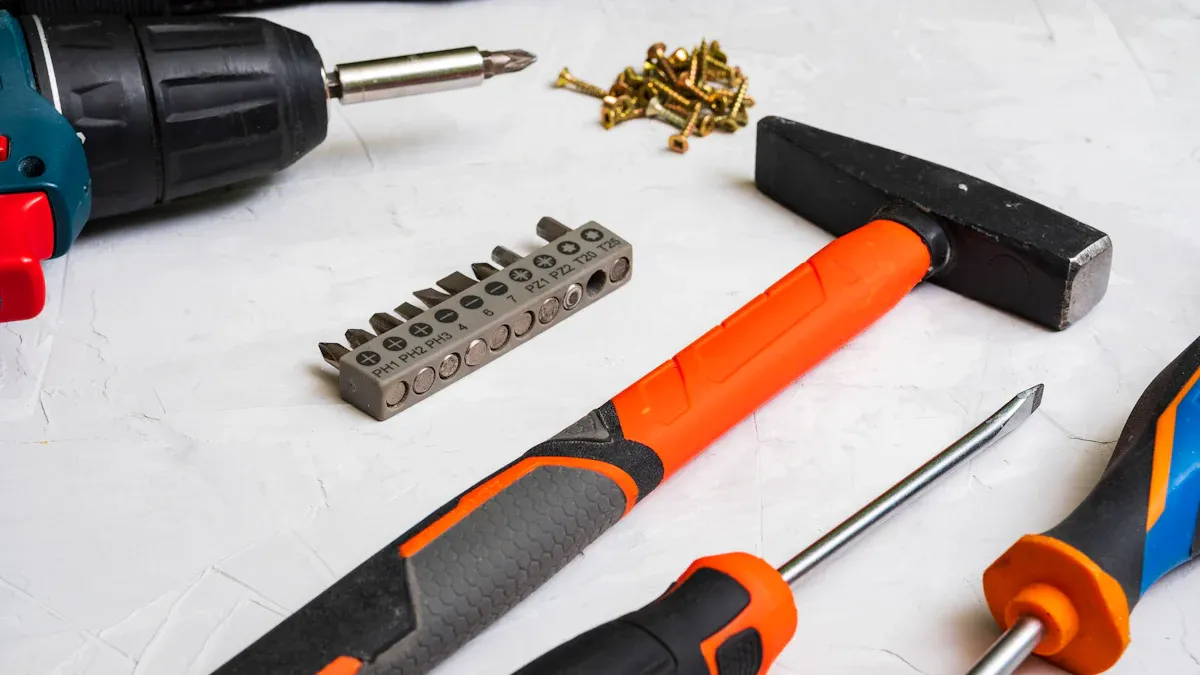
Accurate measurement forms the foundation for selecting the correct u-bolt clamp. Engineers and project managers must understand the key dimensions and use reliable tools to ensure a secure fit. This section explains the essential measurements, the role of a u-bolt size chart, and practical tips for fieldwork.
Key U-Bolt Measurements
Selecting the right clamp starts with understanding the critical measurements. Each dimension impacts the clamp’s performance and compatibility with the application.
Measuring Diameter for U Clamp Bolts
The u-bolt diameter refers to the thickness of the rod forming the U shape. This measurement determines the strength and load capacity of the clamp. Engineers use calipers or micrometers to measure the diameter accurately. A thicker diameter increases the clamp’s ability to withstand heavy loads and resists deformation under stress. Always record the u-bolt diameter before referencing a chart or ordering replacements.
Determining U-Bolt Length
U-bolt length measures the straight portion of the legs extending from the curve to the threaded ends. This length must accommodate the thickness of the material being clamped, plus any washers or mounting hardware. If the u-bolt length is too short, the clamp cannot secure the object properly. If the length is too long, it may interfere with other components or prevent proper tightening. Engineers ensure at least two full threads extend beyond the nut for maximum strength.
Thread Size and Fit
Thread size and fit play a crucial role in the clamp’s holding power. The thread size must match the nuts and washers used in the assembly. Proper thread engagement ensures the clamp remains tight under load. Insufficient thread length can lead to slippage or failure, while excessive thread length may cause installation issues. Always verify the thread size and fit before finalizing the selection.
Inside Width and Pipe Compatibility
Inside width measures the distance between the inner sides of the u-bolt. This dimension must match the width or diameter of the object being secured. For pipe applications, the inside width and inside diameter determine how well the clamp fits around the pipe. A mismatch can result in loose connections or damage to the pipe. Engineers consult a u-bolt size chart to confirm compatibility with specific pipe sizes.
Tip: Always measure a u-bolt at room temperature to avoid errors caused by thermal expansion or contraction.
Using a U-Bolt Size Chart for Accurate Selection
A u-bolt size chart simplifies the selection process by matching common pipe sizes with the appropriate u-bolt diameter and length. These charts provide a quick reference for engineers and installers, reducing the risk of errors. The table below illustrates typical pairings:
| U-Bolt Diameter | Pipe Size |
|---|---|
| 1/2″ | 1″ |
| 3/4″ | 1-1/4″ |
| 1″ | 1-1/2″ |
The u-bolt size chart also includes information on u-bolt length, hook length, and thread length. By comparing the object’s dimensions to the chart, users can select the correct u-bolt size for their project. This approach ensures a secure fit and optimal performance.
Note: The inside width and inside diameter listed in the chart are essential for confirming that the clamp will fit snugly around the pipe or beam.
Many manufacturers provide a u-bolt length chart to help users visualize the available sizes and select the best option for their application. Always cross-reference the chart with actual measurements to avoid costly mistakes.
Tools and Tips for Measuring U Clamp Bolts
Accurate measurement requires the right tools and attention to detail. The following instruments help engineers measure a u-bolt with precision:
- Vernier calipers provide accuracy up to 0.02 mm and work well for most dimensions.
- Micrometers offer high precision, especially for measuring u-bolt diameter.
- Tape measures allow for quick checks but may lack the precision needed for critical applications.
- Digital calipers and digital micrometers combine accuracy with easy-to-read displays.
- U-bolt measurement gauges offer a user-friendly solution for consistent results in the field.
When measuring, engineers avoid common errors by following these best practices:
- Always measure a u-bolt with clean, calibrated tools.
- Avoid using bolts that are too short or too long for the application.
- Ensure at least two full threads engage beyond the nut for maximum strength.
- Do not reuse old or worn bolts without inspection.
- Apply the correct tightening sequence and torque to prevent uneven tension or misalignment.
- Consider temperature effects, as thermal expansion or contraction can alter bolt tension.
Callout: Consistent and accurate measurement prevents equipment failure and ensures the safety and longevity of the fastening system.
By following these guidelines and using a reliable u-bolt size chart, engineers can measure a u-bolt accurately and select the best clamp for any project.
Choosing the Right Material and Finish for U-Bolts
Material Options for U Clamp Bolts
Selecting the right material for a U-bolt clamp determines its strength, durability, and suitability for specific environments. Engineers evaluate several options based on project requirements.
Stainless Steel U-Bolts
Stainless steel U-bolts offer high resistance to oxidation and chemicals. They perform well in food processing, wastewater treatment, and marine applications. Grade 316 stainless steel stands out for its superior коррозионной стойкости, making it ideal for chemical processing and saltwater environments. Stainless steel U-bolts provide reliable strength and endure heavy loads and vibrations. However, they cost more and possess lower tensile strength compared to carbon steel.
Galvanized Steel U Clamp Bolts
Galvanized steel U-bolts feature a protective zinc coating that shields the underlying metal from rust. Горячее цинкование delivers excellent коррозионной стойкости, especially in outdoor and marine settings. Electro-galvanizing applies a thinner layer, which suits indoor or less demanding environments. Galvanized U-bolts cost slightly more than carbon steel but require less maintenance in harsh conditions.
Brass, Carbon Steel, and Other U-Bolt Materials
Carbon steel U-bolts remain affordable and widely available. They suit general-purpose use but lack corrosion resistance unless coated. Brass U-bolts resist corrosion and provide aesthetic appeal, though they are less common in heavy-duty applications. High-strength alloy U-bolts excel in extreme temperatures and heavy-duty projects, but they demand precise installation and professional expertise.
Tip: Engineers should match the material to the environment and load requirements for optimal performance.
| Тип материала | Сильные стороны | Недостатки |
|---|---|---|
| U-образные болты из углеродистой стали | Доступные по цене, широко распространены, подходят для общего применения. | Склонны к ржавлению без покрытия; не рекомендуются для использования на открытом воздухе. |
| Оцинкованные U-образные болты | Отличная защита от ржавчины; идеальны для использования на открытом воздухе и в морских условиях. | Немного дороже; оцинковка со временем может изнашиваться. |
| U-образные болты из нержавеющей стали | Устойчивы к окислению и химическим веществам; подходят для пищевой промышленности. | Более высокая стоимость; более низкая прочность на растяжение по сравнению с углеродистой сталью. |
| U-образные болты из высокопрочных сплавов | Исключительная прочность и термостойкость; используются в тяжелых условиях эксплуатации. | Дорогие; требуют точного контроля крутящего момента; часто нуждаются в профессиональной установке. |
Коррозионная стойкость и факторы окружающей среды
Выбор материала напрямую влияет на коррозионную стойкость и пригодность для различных сред. U-образные болты из нержавеющей стали устойчивы к коррозии благодаря защитному оксидному слою, образуемому хромом. Нержавеющая сталь марки 316 обеспечивает повышенную защиту в морских условиях и в химической промышленности. Оцинкованные стальные U-образные болты выдерживают воздействие солевого тумана и влаги, что делает их подходящими для прибрежных и наружных проектов. U-образные болты из углеродистой стали не обладают коррозионной стойкостью и не должны использоваться в морских или прибрежных районах, если не имеют покрытия.
| Тип материала | Уровень прочности | Коррозионная стойкость | Подходящие среды |
|---|---|---|---|
| Углеродистая сталь | Высокая | Низкая | Не подходит для морских или прибрежных районов |
| Нержавеющая сталь | Умеренная | Высокая | Подходит для морских условий и сточных вод |
| Инконель/Легированная сталь | Высокая | Умеренная | Экстремальные температуры выше 400°C |
| Цинкование (гальваническое) | Низкая | Минимальная | Допустимо для сухого использования внутри помещений |
| Горячее цинкование | Умеренная | Высокая | Подходит для сред с солевым туманом |
| Эпоксидное покрытие | Умеренная | Высокая | Предотвращает гальваническую коррозию |
Примечание: Инженеры всегда должны учитывать факторы окружающей среды, такие как влажность, воздействие химических веществ и температура, при выборе материала U-образных болтов.
Выбор лучшего покрытия для U-образного хомута
Покрытие, наносимое на U-образный хомут, влияет на его долговечность и требования к техническому обслуживанию. Горячее цинкование обеспечивает отличную коррозионную стойкость и снижает потребность в обслуживании при наружном применении. Электроцинкование обеспечивает более тонкое цинковое покрытие, которое может требовать более частого обслуживания в суровых условиях. Порошковое покрытие обеспечивает хорошую стойкость к коррозии и истиранию, что делает его подходящим для проектов, где важны эстетика и защита. Черное оксидирование улучшает внешний вид, но обеспечивает ограниченную коррозионную стойкость, увеличивая потребность в обслуживании.
- Горячее цинкование: Идеально для наружного использования, повышает долговечность, снижает затраты на обслуживание.
- Электроцинкование: Подходит для внутренних или мягких условий, требует большего ухода.
- Порошковое покрытие: Сочетает защиту и эстетику, снижает затраты на обслуживание.
- Черное оксидирование: В основном для внешнего вида, менее эффективно против коррозии.
Важно: Выбор правильного покрытия продлевает срок службы U-образных хомутов и минимизирует затраты на техническое обслуживание.
Инженеры выбирают покрытия на основе условий эксплуатации, желаемого срока службы и бюджета проекта. Правильный выбор материала и покрытия обеспечивает надежную работу и безопасность U-образных хомутов.
Обеспечение надежной и долговечной установки U-образного болта
Передовой опыт установки U-образных хомутов
Правильная установка U-образного болта обеспечивает надежное и стабильное соединение для любого проекта. Отраслевые специалисты рекомендуют несколько передовых методов для максимальной надежности и безопасности:
- Выберите правильный размер болта, длину, класс прочности и материал, сверяясь с таблицей, соответствующей требованиям проекта.
- Точно совместите все детали перед началом процесса установки.
- Соблюдайте правильное расстояние между болтом и гайкой, чтобы предотвратить неравномерную нагрузку.
- Используйте шайбы для распределения нагрузки и защиты поверхностей.
- Нанесите смазку на резьбу для уменьшения трения и предотвращения заедания.
- Следуйте спецификациям производителя по крутящему моменту и убедитесь, что динамометрический ключ откалиброван.
- Используйте методы затяжки, такие как плотная затяжка, предварительная нагрузка и метод поворота гайки, для получения стабильных результатов.
- Устраняйте распространенные проблемы своевременно, чтобы избежать долгосрочных проблем.
Совет: Тщательная подготовка перед установкой и внимание к деталям во время монтажа облегчают установку и снижают риск будущих отказов.
Рекомендации по крутящему моменту и затяжке для U-образных болтов
Правильное приложение крутящего момента играет критическую роль в работе U-образного болта. Перетягивание может повредить резьбу или деформировать хомут, а недотягивание может привести к ослаблению и небезопасным условиям. Всегда сверяйтесь с таблицей производителя для получения рекомендуемых значений крутящего момента в зависимости от размера и материала болта. Используйте откалиброванный динамометрический ключ для достижения точных результатов.
| Размер U-образного болта | Материал | Рекомендуемый крутящий момент (фунт-фут) |
|---|---|---|
| 1/2″ | Нержавеющая сталь | 55-60 |
| 3/4″ | Оцинкованная сталь | 120-130 |
| 1″ | Углеродистая сталь | 200-210 |
Затягивайте гайки равномерно и поэтапно, попеременно с разных сторон, чтобы обеспечить равномерное давление. Этот метод предотвращает деформацию и обеспечивает надежную посадку. Для критических применений используйте метод поворота гайки, как указано в таблице установки, для достижения правильной предварительной нагрузки.
Примечание: Следование рекомендациям по крутящему моменту из таблицы помогает сохранить целостность соединения и продлевает срок службы U-образного болта.
Советы по техническому обслуживанию для долговечных U-образных хомутов
Регулярное техническое обслуживание поддерживает U-образные болты в оптимальном состоянии и предотвращает неожиданные отказы. Отраслевые стандарты рекомендуют следующие шаги:
- Проводите визуальные осмотры часто, чтобы проверять наличие признаков повреждения, коррозии или износа.
- Установите график технического обслуживания , который включает периодические проверки всех U-образных болтов, сверяясь с таблицей для отслеживания интервалов проверок.
- При необходимости очищайте и смазывайте болты для предотвращения коррозии и обеспечения плавной работы.
- При необходимости подтягивайте болты, используя значения крутящего момента из таблицы.
- Немедленно заменяйте любые поврежденные или изношенные U-образные болты для обеспечения безопасности.
Выноска: Регулярное техническое обслуживание и своевременная замена изношенных компонентов обеспечивают долгосрочную надежность и сокращают время простоя.
Правильно обслуживаемая система U-образных болтов, основанная на точных данных таблиц и правильной установке, обеспечивает надежную работу и безопасность в широком спектре применений.
Краткий контрольный список для выбора правильного хомута с U-образным болтом
Пошаговое руководство по выбору U-образного болта
Руководитель проекта должен следовать системному подходу при выборе правильного хомута с U-образным болтом. Этот контрольный список помогает обеспечить совместимость и надежность для любого применения:
- Определите требования проекта. Установите нагрузку, условия эксплуатации и потребности в безопасности.
- Выберите подходящий тип хомута. Определитесь между стандартными, квадратными, усиленными или специальными хомутами с U-образным болтом.
- Проводите точные измерения. Зафиксируйте диаметр, длину, размер резьбы и внутреннюю ширину с помощью калиброванных инструментов.
- Выберите правильный материал. Оцените варианты, такие как нержавеющая сталь, оцинкованная сталь или углеродистая сталь, исходя из условий окружающей среды.
- Оцените покрытие. Выберите покрытия или обработки, обеспечивающие коррозионную стойкость и долговечность.
- Подтвердите совместимость с основанием. Убедитесь, что хомут подходит для труб, балок или механизмов, не вызывая повреждений.
- Изучите руководство по установке. Проверьте спецификации крутящего момента и методы затяжки для надежного крепления.
- Запланируйте техническое обслуживание. Установите интервалы проверки и графики замены для предотвращения отказов.
Совет: Тщательный контрольный список снижает риск ошибок и повышает долговечность крепежной системы.
Финальные проверки перед покупкой хомута с U-образным болтом
Перед совершением покупки руководитель проекта должен выполнить несколько финальных проверок. Эти меры предосторожности помогают избежать распространенных проблем при установке и гарантируют, что хомут соответствует всем требованиям.
| Меры предосторожности | Предложения |
|---|---|
| Убедитесь в совместимости с основанием | Проконсультируйтесь со специалистами |
| Учитывайте условия окружающей среды | Проверьте стандарты качества |
| Обслуживайте по мере необходимости | Выбирайте надежных поставщиков |
| Учитывайте вопросы охраны труда и техники безопасности | Оцените соотношение затрат и выгод |
| Выбирайте устойчивые варианты |
Руководитель должен убедиться, что хомут соответствует уникальным спецификациям проекта. Он или она должны консультироваться со специалистами по сложным установкам. Они должны подтвердить стандарты качества и выбрать надежных поставщиков. Оценка соотношения затрат и выгод и вариантов устойчивости гарантирует, что хомут поддерживает как рабочие характеристики, так и экологические цели.
Выноска: Следование этим финальным проверкам помогает руководителям проектов выбрать правильный хомут с U-образным болтом и избежать дорогостоящих ошибок.
Грамотно составленный контрольный список и тщательная проверка гарантируют безопасное, долговечное и эффективное крепежное решение для любого проекта.
Выбор правильного хомута с U-образным болтом требует тщательного внимания к области применения, точным измерениям, типу хомута, марке материала и практике монтажа. Отраслевые примеры показывают, что хомуты из нержавеющей стали обеспечивают надежность, марка материала влияет на производительность, а правильная установка предотвращает отказы:
- Хомуты из нержавеющей стали устойчивы к коррозии и сокращают время простоя.
- Выбор марки продлевает срок службы в суровых условиях.
- Правильный тип хомута решает эксплуатационные задачи.
- Правильный размер и крутящий момент предотвращают повреждение труб.
Руководители проектов, которые следуют контрольному списку, обеспечивают надежный монтаж, стабильную работу и долгосрочную защиту оборудования. Регулярные проверки и техническое обслуживание дополнительно повышают безопасность и долговечность.
Частые вопросы
Какие факторы определяют правильный хомут с U-образным болтом для проекта?
Руководители проектов оценивают требования к нагрузке, условия окружающей среды, совместимость материалов и тип хомута. Точные измерения и правильная установка обеспечивают безопасность и долговечность. Консультация с таблицей размеров помогает подобрать хомут к трубам или балкам.
Как хомут с U-образным болтом предотвращает отказ оборудования?
Хомут с U-образным болтом фиксирует трубы и балки, равномерно распределяя усилие. Правильный размер и выбор материала снижают напряжение и вибрацию. Регулярные проверки и правильное приложение крутящего момента поддерживают надежность.
Какой материал обеспечивает наилучшую коррозионную стойкость?
Нержавеющая сталь обеспечивает отличную коррозионную стойкость, особенно в морской или химической среде. Оцинкованная сталь подходит для наружных проектов. Углеродистая сталь требует защитных покрытий.
Можно ли повторно использовать хомут с U-образным болтом после демонтажа?
Инженеры рекомендуют проверять хомуты с U-образными болтами на износ или повреждения перед повторным использованием. Если на резьбе или поверхностях видны признаки коррозии или деформации, замена обеспечивает безопасность.
Какие инструменты помогают точно измерить хомуты с U-образными болтами?
Штангенциркули, микрометры и цифровые штангенциркули обеспечивают точные измерения. Руководители проектов используют эти инструменты для фиксации диаметра, длины и размера резьбы.
Как часто следует проводить техническое обслуживание хомутов с U-образными болтами?
Отраслевые стандарты рекомендуют визуальный осмотр каждые шесть месяцев. Графики технического обслуживания зависят от воздействия окружающей среды и условий нагрузки. Немедленно заменяйте поврежденные хомуты.
Необходимы ли хомуты с U-образными болтами с покрытием для внутренних применений?
Хомуты с U-образными болтами с покрытием обеспечивают дополнительную защиту во влажной или коррозионной внутренней среде. Хомуты без покрытия подходят для сухих условий с низким уровнем риска. Выбор материала зависит от потребностей проекта.
Какой крутящий момент рекомендуется для затяжки хомутов с U-образными болтами?
Производители предоставляют значения крутящего момента в зависимости от размера и материала хомута. Использование калиброванного динамометрического ключа обеспечивает правильную затяжку. Обратитесь к таблице установки для получения конкретных указаний.