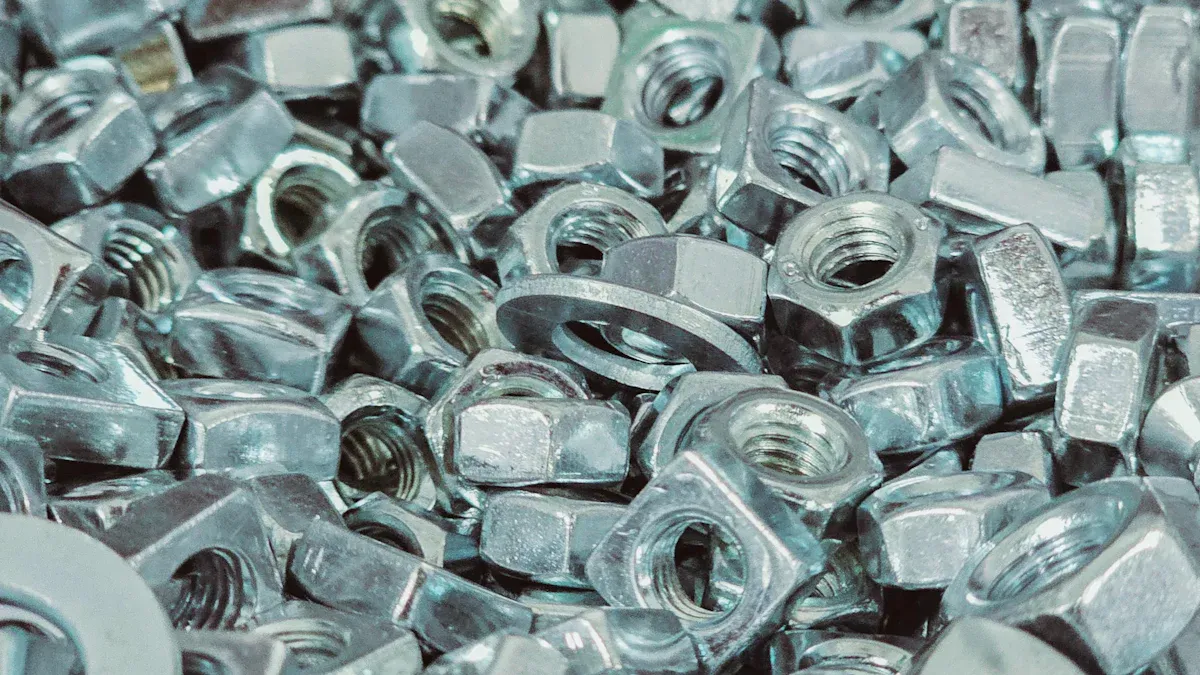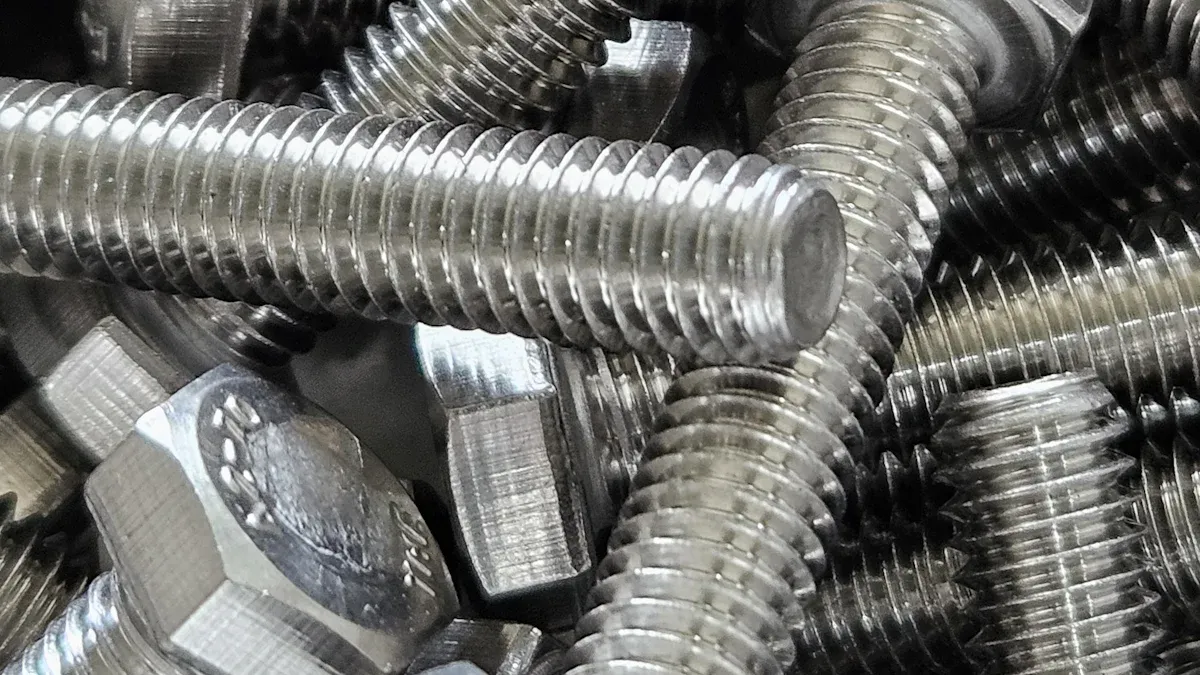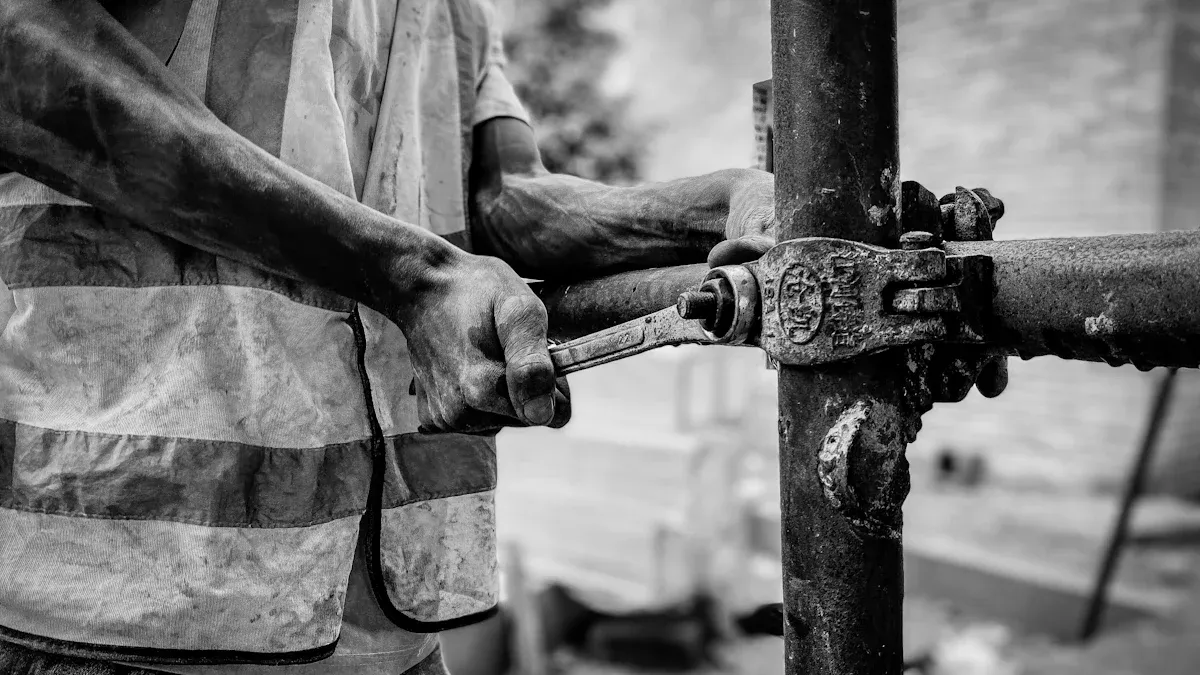
An experienced DIY enthusiast or professional mechanic understands that a project can quickly halt due to a single stubborn fastener. Broken fasteners often result from issues like overtightening, corrosion, or thread galling, where friction essentially welds threads together. Choosing the right bolt extractor set requires a clear process. First, a user must identify the fastener’s damage, whether it’s a rounded head or a sheared shank. Next, they match this specific problem to the correct extractor design. Finally, selecting the proper extractor set involves confirming the material, size range, and tool compatibility for the job. This ensures the correct extractor is ready for any challenge, from a simple установить болт to complex нестандартные крепежные элементы from a specialized производитель крепежных изделий на заказ. A quality tool can make the difference between a quick fix and a prolonged headache, especially when dealing with delicate литье болтов.
Step 1: Assess the Damage to Your Fastener
Before selecting an extractor, a user must first perform a careful diagnosis of the fastener’s condition. The type and extent of the damage directly dictate the most effective removal tool and strategy. A close inspection reveals whether the problem is external, affecting the head, or internal, involving a broken shank.
Identifying External Damage on Bolt and Screw Heads
External damage is the most common issue. It prevents standard wrenches or drivers from getting a secure grip. This type of damage often requires an extractor that bites into the outside of the fastener head.
Rounded or Stripped Hex and Torx Heads
Hex and Torx heads fail when their sharp corners wear away, becoming rounded. This usually happens from using a worn or incorrectly sized tool, or applying torque at an angle. The wrench or bit can no longer engage the flats, spinning uselessly. A specialized stripped hex screw extractor is designed specifically for this scenario.
Damaged or Deformed Drive Sockets (e.g., Phillips, Allen)
Drive sockets present unique failure modes. Phillips drives tend to “cam-out” under low torque, causing the driver to slip and strip the recess. Allen (hexagon) drives can strip if an incorrect wrench size is used. These drives may also engage a fastener too well, leading to damage from over-tightening. In these cases, damaged socket screw extractors become necessary for removal.
Heavily Rusted or Corroded Heads
Rust presents a dual challenge. It chemically fuses the fastener to the surrounding material, increasing the torque needed for removal. It also degrades the bolt head itself, causing it to crumble under pressure from a tool. A heavily corroded head may not have enough solid material left for a standard socket to grip.
Identifying Internal or Sheared Damage
Internal damage occurs when the fastener’s shank breaks due to excessive force or metal fatigue. This leaves no head to grab, requiring a different approach.
Требуемый диаметр твердосплавного сверла For any sheared bolt, applying penetrating oil and gentle heat to the surrounding area can help break the bond of rust or thread galling, making the extraction process significantly easier.
Bolts Sheared Flush with the Work Surface
A bolt sheared flush with the surface is a common and frustrating problem. The top of the damaged screw is level with the material it is threaded into. This situation makes gripping impossible and requires drilling into the center of the remaining bolt shank to use a screw-type extractor.
Bolts Broken Deep Below the Surface
This is one of the most difficult extraction scenarios. The fastener fragment sits recessed inside the threaded hole, far from easy reach. Removal often demands advanced techniques. Professionals might weld a washer and nut onto the fragment to create a new head. The heat from welding also helps loosen the threads, aiding the extractor tool.
Fasteners with Snapped-Off Shanks Inside a Threaded Hole
A snapped-off shank is functionally identical to a sheared bolt. The break occurs below the head, leaving the threaded portion stuck in the hole. The primary task is to create a purchase point in the center of the broken shank for the extractor to bite into and apply reverse torque.
Step 2: Match the Extractor Type to the Problem
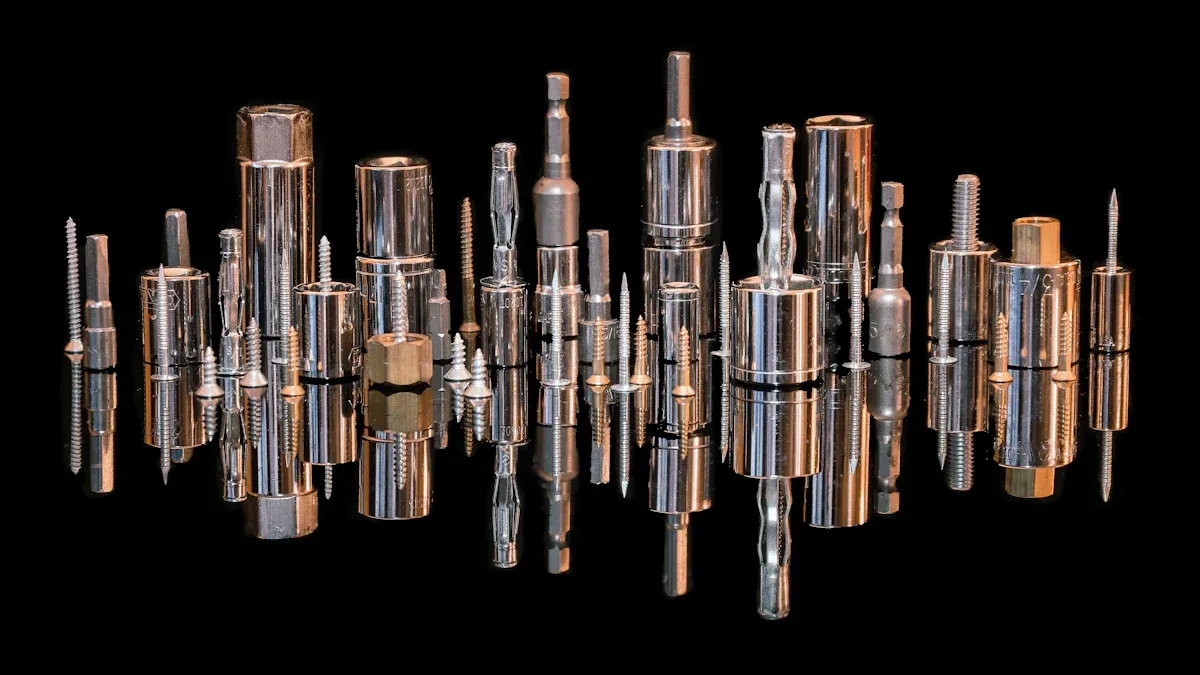
After diagnosing the fastener damage, a user can select the appropriate tool. Each extractor design excels in a specific scenario. Matching the tool to the problem is the most critical factor for a successful removal. Extractor tools are broadly categorized based on whether they grip the outside of an intact head or the inside of a broken shank.
For Damaged But Intact Bolt Heads
When the bolt head is still present but stripped, rounded, or rusted, the goal is to grip its exterior. These screw extractors function like specialized sockets, biting into the damaged metal to create a new gripping surface.
Spiral Flute Extractors (Socket-Style)
These tools resemble standard sockets but feature internal, left-handed spiral flutes. A user places the extractor over the damaged head and turns it counter-clockwise with a ratchet. The spiral flutes dig into the head, tightening their grip as more torque is applied. This design is highly effective for rounded hex bolts and is a common component in many extractor kits.
Multi-Spline (Helical) Extractors
Multi-spline extractors offer an even more aggressive bite than spiral flute designs. They use numerous small, straight splines that wedge tightly against the fastener head. This design provides multiple points of contact, making it excellent for severely deformed heads or fasteners made of softer metal.
The tighter threading of the splines just seemed to bite better into drilled-out holes than the spiral extractors.
Bolt-Out (Fluted Cam) Extractors
Also known as fluted cam or lobular extractors, these tools use a unique internal design. As a user applies reverse torque, angled flutes or cams wedge against the flats of a bolt head, creating immense gripping force. This makes them an ideal stripped hex screw extractor, as they can often remove fasteners that other external extractors fail to budge.
For Broken, Sheared, or Recessed Bolts
When the head is gone, the strategy shifts to an internal grip. This process almost always involves drilling a pilot hole into the center of the broken bolt shank. The extractor is then inserted into this hole to apply removal torque. A quality bolt extractor set will include the necessary components for this task.
Drill-Out (Tapered Screw-Type) Extractors
This is the classic extractor design. It features a tapered body with a coarse, left-handed thread. After drilling a pilot hole, a user inserts the extractor and turns it counter-clockwise. The tool threads itself into the hole, and as it bottoms out, it begins to turn the broken fastener.
Straight Flute (Pry-Out) Extractors
Straight flute extractors offer a robust alternative to tapered designs. A user drives this extractor into the drilled pilot hole with a hammer, seating its four straight flutes firmly. A tap wrench then applies turning force. This design is less likely to expand the fastener within the hole.
- Straight flute extractors are durable and reusable.
- They provide excellent grip on larger fasteners.
- Tapered fluted sets can expand the screw/bolt, making extraction harder.
- Straight flute extractors are less prone to breaking compared to spiral (tapered) types.
Pin-Type Extractors for Small or Delicate Fasteners
For tiny screws found in electronics or eyeglasses, a pin-type screw extractor set is necessary. These micro-sized tools operate on the same drill-and-extract principle but are scaled for precision work. Due to the delicate nature of the task, following proper safety procedures is paramount.
- Always wear safety glasses or goggles to protect against flying debris.
- Secure the workpiece with clamps or a vise to prevent movement.
- Use the correct size extractor to prevent slippage and damage.
- Apply steady, consistent pressure, avoiding jerking or forcing the tool.
- Always read and follow the manufacturer’s instructions.
Specialty Extractors for Unique Situations
Some scenarios demand highly specialized tools. These extractors solve unique problems that standard designs cannot address, from plumbing repairs to high-torque industrial applications.
Cam-Out Extractors for High-Torque Removal
Not to be confused with Bolt-Out types, these are designed for damaged internal drive sockets like Phillips or Pozidriv. When a driver bit cams out and strips the recess, this tool provides a way to regain grip. It often requires a hammer strike to seat the tool before applying turning force, effectively re-shaping the drive socket for one final turn.
Pipe Nipple Extractors for Plumbing
Plumbing presents unique challenges, such as removing a broken pipe nipple from a fitting without damaging the threads. A standard bolt extractor, with its ‘super-coarse left-handed thread’ design, is not suitable for this. Instead, a pipe nipple extractor is used. One type features an internal cam mechanism that expands to grip the inside wall of the pipe. Another uses a ‘left hand tapered flute’ design specifically for this purpose, allowing for quick removal even from delicate chrome piping.
The Role of Left-Handed Drill Bits as Extractors
A left-handed drill bit is a valuable tool in any extraction process. Since it cuts in a counter-clockwise direction, the friction and biting action of the drill bit can sometimes be enough to loosen and back out a seized fastener. In these lucky instances, the drill bit itself becomes the extractor, completing the job before a separate tool is even needed.
Step 3: How to Select the Best Bolt Extractor Set Material
The material of an extractor set directly impacts its performance, durability, and suitability for specific tasks. A tool made from inferior steel will likely fail by breaking or losing its edge when confronting a hardened or heavily seized fastener. Understanding the different types of steel, their properties, and their protective coatings helps a user select a high-quality set that will last.
Choosing the Right Extractor Steel
Manufacturers use extremely hard metals for extractors to ensure they can bite into other metals without deforming. The choice of steel determines the tool’s strength and application.
High-Carbon Steel (HCS) for General Use
High-carbon steel provides the necessary strength for most common extraction tasks. This material is engineered to maintain a sharp, aggressive edge, allowing the extractor to grip damaged screws effectively. It is a cost-effective choice for general-purpose kits intended for household or light automotive work.
Chrome-Molybdenum Steel (Cr-Mo) for Impact Use
Chrome-molybdenum steel, often called chromoly, offers exceptional strength and toughness. These features make it the ideal choice for use with high-torque impact drivers and wrenches. Sets made from Cr-Mo can withstand the repeated, powerful forces of impact tools without shattering, making them a staple for professional mechanics.
Cobalt-Blended Steel for Hardened Fasteners
When dealing with high-strength or heat-treated fasteners, cobalt-blended steel is superior. Alloys like M2 high-speed steel (HSS) with cobalt offer greater strength and heat resistance. These durable materials are often double-tempered, a process that significantly increases hardness and makes them less likely to break under extreme torque.
Understanding Hardness, Toughness, and Durability
The best tools balance hardness (resistance to deforming) with toughness (resistance to breaking). These properties are critical for an extractor’s success.
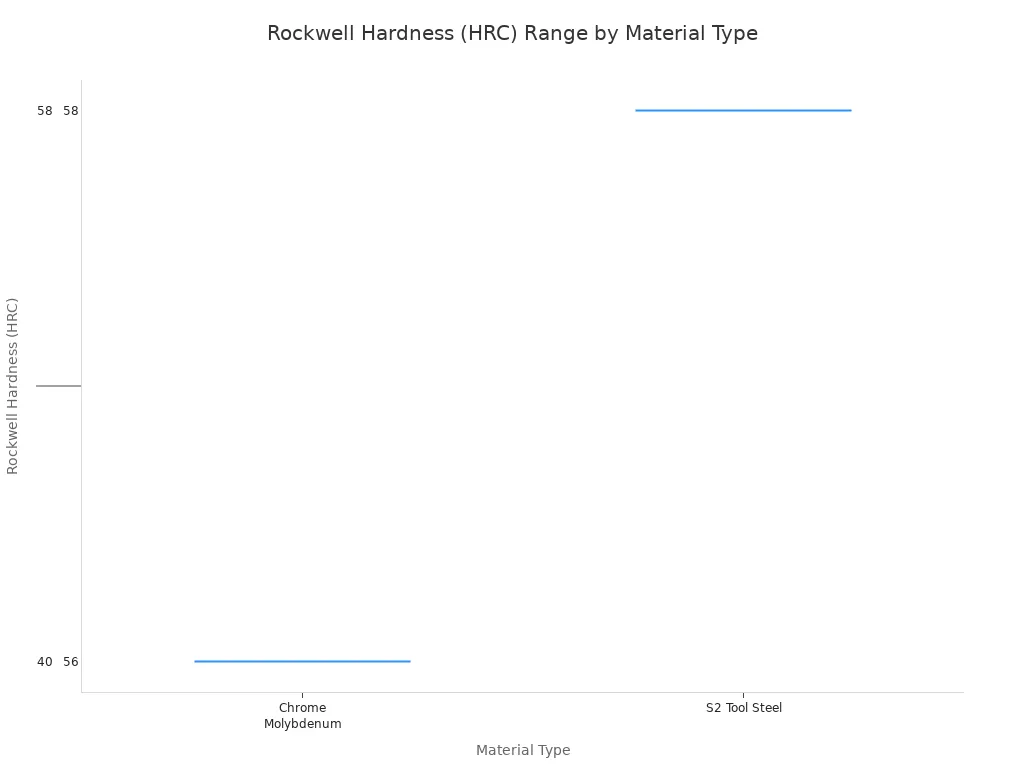
Interpreting Rockwell Hardness (HRC) Ratings
The Rockwell Hardness Scale (HRC) measures a material’s resistance to indentation. For an extractor, a higher HRC rating generally indicates a tool that can maintain its sharp gripping edges. A rating of 63 HRC or above is recommended for reliable performance on tough jobs.
The Trade-Off Between Hardness and Brittleness
Примечание: Extreme hardness can lead to brittleness. A tool that is too hard may shatter under sudden impact or torque. Manufacturers balance hardness with toughness to create a tool that bites effectively without being fragile.
The Role of Heat Treatment in Tool Quality
Heat treatment is a crucial manufacturing step that enhances a tool’s mechanical properties. Processes like tempering increase a tool’s hardness and durability. A well-treated tool resists wear and breakage, providing reliable performance over many uses.
The Importance of Protective Coatings
Coatings protect the base metal from rust and can also improve performance. The right coating extends the life of the tool, especially in professional environments.
Black Oxide for Corrosion Resistance
A black oxide finish provides good corrosion resistance and is a common choice for industrial tools. It is a conversion coating, meaning it chemically alters the surface of the steel. It requires occasional oiling to maintain its protective properties.
Phosphate Coating for Grip and Wear Resistance
A manganese phosphate coating creates a crystalline, porous surface that excels at holding lubricants. This finish reduces friction and improves wear resistance, making it a popular choice for impact-rated sockets and extractors.
Chrome Plating for Easy Cleanup and Rust Prevention
Chrome plating offers excellent protection against rust and corrosion. Its smooth, hard surface is easy to wipe clean of oil and grime, making it a favorite in automotive shops. While more expensive, its longevity and low maintenance are valuable benefits.
Step 4: Sizing, Compatibility, and Your Ideal Screw Extractor Set
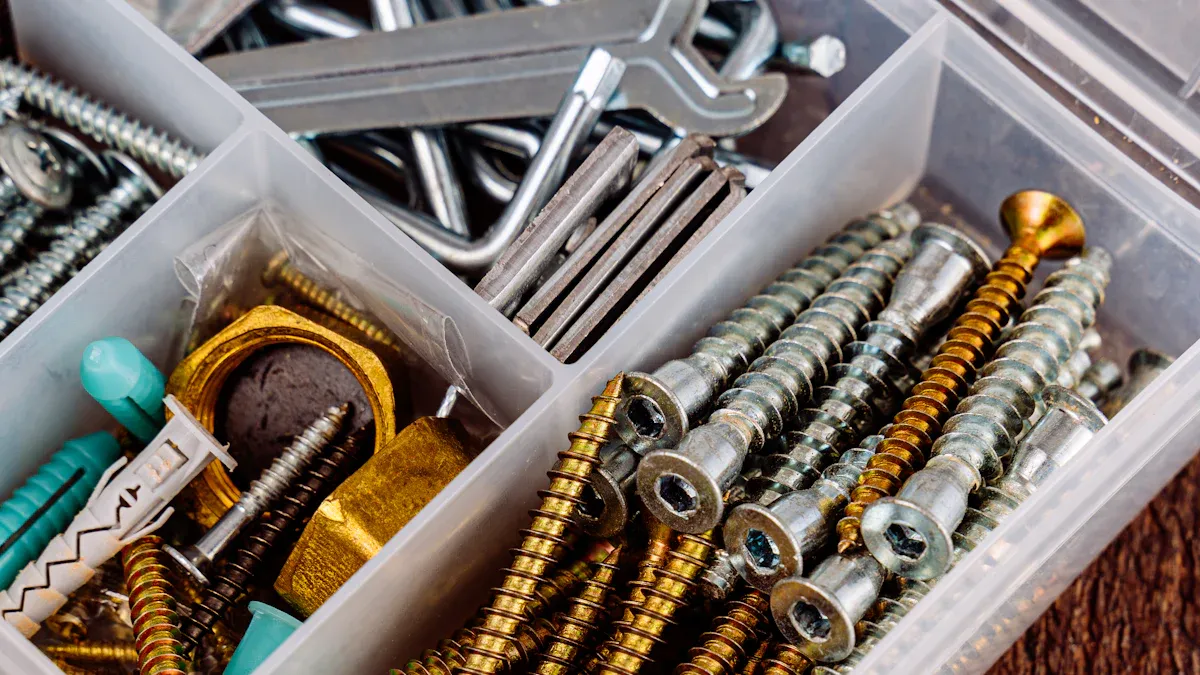
Beyond material quality, the practical utility of a bolt extractor set depends on its size range, tool compatibility, and completeness. A user must ensure the chosen kit aligns with the fasteners and tools they already own. Selecting the right features transforms a simple collection of tools into a comprehensive solution for any DIY or professional project.
Verifying the Size Range for Your Needs
An extractor is useless if it does not fit the damaged fastener. A quality screw extractor set provides a wide range of sizes to handle various jobs.
Matching SAE (Imperial) and Metric Sizes
Modern equipment often uses a mix of SAE and metric fasteners. A versatile kit should include sizes for both systems. This dual coverage prevents the need for multiple sets and ensures the user is prepared for any situation, from working on an older American car to assembling imported furniture.
Ensuring Coverage for Common Automotive and Household Fasteners
Стандарт DIN 933: объяснение best extractor kits cover the most frequently encountered fastener sizes. A user should look for a set that includes sizes for common tasks.
- Автомобильная промышленность: 10mm, 13mm, 17mm, and 19mm for metric; 3/8″, 1/2″, and 9/16″ for SAE.
- Household & Plumbing: 8mm, 10mm, and 13mm for metric; 7/16″ and 1/2″ for SAE.
- General Repairs: A range from 1/4” to 3/4” (or M5 to M16) will cover most needs.
Reading the Size Chart for Drill Bit and Extractor Pairing
For drill-out screw extractors, success hinges on drilling the correct pilot hole.
Важно: Always consult the manufacturer’s chart. It pairs each extractor with a specific drill bit size. Using the wrong bit can prevent the extractor from gripping or cause it to break.
Checking Drive Tool Compatibility
An extractor must connect to the tools that apply turning force. Checking drive compatibility is essential for effective use.
Square Drive for Ratchets and Breaker Bars
Many socket-style extractors feature a 3/8-inch square drive. This universal design allows them to connect directly to standard hand tools like ratchets, breaker bars, and torque wrenches, providing excellent leverage for manual removal.
Hex Shank for Drills, Impact Drivers, and Wrenches
A hex shank offers maximum versatility. This design allows the extractor to be used with power tools like drills and impact drivers for fast removal. It also enables use with standard wrenches and pliers, making it a highly adaptable option.
What to Look for in a Complete Kit
Comprehensive extractor kits provide more than just the extractors themselves. These additional components streamline the removal process and add significant value.
Included Left-Handed Drill Bits
High-quality screw extractors often come in kits that include left-handed drill bits. Since these bits cut counter-clockwise, they can sometimes bite into a stuck fastener and back it out before an extractor is even needed, saving time and effort.
Drill Guides or Centering Bushings
Drilling a perfectly centered pilot hole is the most critical step for removing sheared bolts. Some advanced kits include drill guides or bushings. These tools ensure the drill bit stays centered, preventing it from wandering and damaging the surrounding threads.
A Durable and Organized Storage Case
A sturdy case protects the tools from damage and rust. It also keeps them organized for quick access. Look for cases with high-visibility, laser-etched markings on each tool. This feature makes size identification effortless and ensures the right tool is always at hand.
Step 5: Advanced Techniques and Best Practices for Success
Owning a quality tool is only half the battle. Success in fastener removal often depends on proper preparation and technique. These advanced practices help a user maximize their chances of a clean extraction while minimizing the risk of damaging the tool or the workpiece. Following these steps can turn a potentially frustrating job into a straightforward diy project.
Preparing the Fastener for Extraction
Proper preparation can significantly loosen a seized fastener, making the job much easier. A user should always take these preliminary steps before attempting to apply force.
Applying Penetrating Oil
Corrosion is often the primary cause of a stuck bolt. A user should liberally apply a high-quality penetrating oil to the seized threads. The oil needs time to work its way into the threads to dissolve rust and reduce friction. For best results, one should let it soak for at least 30 minutes, or even overnight for severely stuck fasteners.
Using Heat to Break Seized Threads
Heat is a powerful ally. Applying heat causes the metal to expand. The key is to create differential expansion, where the material around the bolt expands faster than the bolt itself. This temperature difference helps break the bond of rust or thread galling.
Требуемый диаметр твердосплавного сверла When using heat, focus on the material surrounding the bolt (the female side). Heating the fastener to a “cherry red” state causes it to expand rapidly. As it cools and shrinks, the seizure bond often breaks.
- Induction heaters offer a fast and controlled method for applying heat.
- An oxy-acetylene torch provides ample heat for tough jobs, while MAPP or propane torches may be insufficient.
- If heating only the surrounding material is not possible, a user can heat the entire assembly and allow it to cool completely.
Cleaning the Damaged Area
A clean work area is essential for safety and precision. A user should use a wire brush to remove any loose rust, dirt, or grime from the fastener head and the surrounding surface. This provides a clear view for drilling and ensures the extractor can get a solid grip.
Proper Tool Usage to Avoid Breakage
Extractors are made of very hard, brittle metal. Improper use can easily cause them to snap, creating a much more difficult problem. Careful and precise technique is critical.
Center Punching for Accurate Drilling
Drilling a centered pilot hole is the most important step for internal extraction. A user should use an automatic or manual center punch to create a small dimple in the exact center of the broken bolt. This dimple guides the drill bit, preventing it from “walking” and damaging the threads.
Выбор правильного размера сверла
Using the correct drill bit is non-negotiable. A user must always refer to the manufacturer’s size chart that pairs each extractor with a specific drill bit. A hole that is too small will prevent the tool from seating, while a hole that is too large will provide a weak grip and may lead to breakage.
Applying Steady, Even Torque
When turning the extractor, a user must apply slow, steady, and even pressure. Jerky movements or sudden impacts can shatter the tool. Using a tap wrench provides the best control. The goal is to feel the fastener begin to move and maintain that smooth turning motion until it is free.
A user can confidently select the right tool by following a simple checklist.
- Assess the damage.
- Match the extractor type.
- Select a durable material.
- Confirm size compatibility.
Investing in a quality bolt extractor set provides excellent long-term value. A comprehensive screw extractor set prepares a user for any situation with broken fasteners. Remember, success depends on good preparation and proper technique as much as the bolt extractor set itself.
Частые вопросы
What happens if the bolt extractor breaks inside the bolt?
A user must drill out the hardened extractor fragment, which is a difficult task. This process typically requires a specialized carbide or diamond-tipped drill bit. It demands extreme patience and precision to avoid damaging the workpiece threads.
Can a user reuse a bolt extractor?
Yes, a user can reuse high-quality extractors. They should inspect the tool’s gripping edges for wear after each job. A dull or damaged extractor loses its effectiveness and risks failure, so it should be replaced.
What is the most versatile extractor set for a beginner?
A beginner benefits most from a combination kit. A set containing both socket-style extractors for rounded heads and drill-out types for sheared bolts offers the best versatility for common household and automotive repairs.
Is an expensive, professional-grade extractor set worth the cost?
For frequent or professional use, a high-end set is a worthwhile investment. These kits use superior materials like cobalt steel, offering greater durability and performance on hardened fasteners. They provide better long-term value and reliability.
Why are left-handed drill bits included in some kits?
A user drills counter-clockwise with a left-handed bit. This drilling action can generate enough reverse torque to loosen and remove a stuck fastener. The drill bit itself sometimes completes the extraction, saving a step.
Can a user operate an extractor with an impact driver?
A user should only use an impact driver with extractors specifically marked as “impact-rated.” These tools are made from tough materials like Chrome-Molybdenum (Cr-Mo) steel. Using a non-rated extractor with an impact tool can cause it to shatter.
What is the most important first step before attempting an extraction?
Напоминание: Preparation is key. A user must first clean the area and apply a quality penetrating oil. Allowing the oil to soak into the threads significantly reduces friction and increases the chance of a successful removal.