Choosing the right square U bolt size starts with understanding the application and the forces involved. Accuracy in measuring the diameter, width, and length ensures proper fit and reliable performance. When choosing the right U bolt, engineers must prioritize accuracy to prevent failures. Choosing the right square U bolt supports safety and extends equipment life. Many industries rely on нестандартные крепежные элементы и литье болтов, so choosing the right product often requires consulting a производитель крепежных изделий на заказ. Choosing the right size involves identifying the load, taking precise measurements, and matching them to standards for optimal accuracy.
Choosing the Right Square U-Bolt: The Essential Steps
Identify Your Application and Load Requirements
Determining the Type of Load and Forces
Selecting the correct square u-bolt starts with understanding the forces involved in the application. Engineers must evaluate whether the bolt will support static loads, dynamic loads, or a combination. The type of load determines the required diameter and length of the u-bolt. Heavy-duty industrial machinery often demands bolts with larger diameters and increased strength. Automotive frames require u-bolts that withstand vibration and stress. Infrastructure projects use bolts to secure beams and prevent movement. Agricultural equipment relies on square u-bolts to fasten row units to toolbars. Plumbing and electrical installations need bolts for rectangular conduit and square duct systems.
- Agriculture Applications: Securing row units to toolbars for agricultural equipment.
- Securing Metal Beams & Framing: Used in infrastructure projects to secure beams and prevent movement.
- Automotive Applications: Critical for truck and trailer frames, ensuring optimal performance in high-strength applications.
- Plumbing & Electrical Uses: Supports rectangular conduit and square duct systems.
- Heavy-Duty Industrial Applications: Provides secure fastening for industrial machinery, heavy equipment, and structural supports.
Assessing the Mounting Surface and Shape
The mounting surface influences the selection of the square u-bolt. Engineers must examine the shape and material of the surface. A square surface requires bolts with matching inside width and leg length. Irregular surfaces may need custom u-bolts. The bolt must fit tightly to prevent movement and ensure safety. The width and length of the bolt must match the dimensions of the mounting surface. Accurate measurements prevent misfits and installation failures.
Take Accurate Measurements for Square U-Bolts
Accurate measurements ensure the square u-bolt fits the application and performs reliably. Measurement errors can lead to costly delays and structural failures. Engineers must measure diameter, inside width, inside leg length, and thread length.
Measuring Diameter
Diameter measures the thickness of the bolt rod. The correct diameter ensures the bolt can handle stress and load. Calipers or micrometers provide precise measurements. Selecting the right diameter prevents bolt failure under load.
Measuring Inside Width
Inside width measures the distance between the legs of the square u-bolt. The width must match the mounting surface. Calipers or rulers help achieve accurate measurements. A bolt with incorrect width may not fit or may allow movement.
Measuring Inside Leg Length
Inside leg length measures from the bottom of the square to the end of the legs. The length must accommodate the thickness of the mounting surface. Rulers provide accurate measurements. The correct leg length ensures the bolt clamps securely.
Measuring Thread Length
Thread length measures the portion of the bolt leg with threads. The thread length must allow secure fastening with nuts and washers. Thread gauges help measure this length. Insufficient thread length can compromise clamping strength.
| Measurement Technique | Описание | Recommended Tool |
|---|---|---|
| Диаметр | Measure the thickness of the rod to ensure it can handle stress. | Caliper or micrometer |
| Внутренняя ширина | Measure the inside distance between the legs, ensuring no deformation. | Caliper or ruler |
| Inside Leg Length | Measure from the bottom of the square to the end of the legs for proper fit. | Линейка |
| Длина резьбы | Measure the length of thread on each leg to ensure secure clamping. | Thread gauge (optional) |
Tip: Always double-check measurements to avoid misfits and installation failures.
Match Measurements to Standard U-Bolt Sizes
Using Sizing Tables and Manufacturer Charts
After taking accurate measurements, engineers must compare them to standard u-bolt sizes. Manufacturer charts list diameter, length, width, grades, and finishes. Most standard u-bolts range from 1/2″ to 4″ in diameter. Lengths vary and can be customized. Grades include F1554-Grade 55 S1, F1554-Grade 105, A354-BD, A449, A193, 303 SS, and 316 SS. Finishes include plain, galvanized, and stainless steel.
| Диапазон диаметров | Длина | Классы прочности | Виды отделки |
|---|---|---|---|
| 1/2″ to 4″ | Any Length | F1554-Grade 55 S1, F1554-Grade 105, A354-BD, A449, A193, 303 SS, 316 SS | Plain, Galvanized, Stainless Steel |
| Диапазон диаметров | Длина | Виды отделки |
|---|---|---|
| 1/2″ to 4″ | Custom Lengths | Plain, Hot-Dip Galvanized, Stainless Steel |
| Диапазон диаметров | Длина | Примечания |
|---|---|---|
| 1/2″ to 4″ | Custom Lengths | Not provided under 1/2″ diameter |
Standard u-bolts cover most applications. Engineers must select the bolt size that matches their measurements. Choosing the correct diameter, length, and width ensures safety and performance.
When to Consider Custom Square U-Bolts
Custom square u-bolts become necessary when standard sizes do not fit the application. Irregular surfaces, unique load requirements, or special finishes may require custom bolts. Engineers must provide accurate measurements and specifications to manufacturers. Custom bolts prevent misfits and installation failures. They ensure the bolt meets the demands of the application.
Note: Inaccurate measurements can cause misfits, installation failures, and costly project delays. A bolt that is too small may not install properly. A bolt that is too large may fail under stress and compromise structural integrity.
Understanding Square U-Bolts and Their Uses
What is a Square U-Bolt?
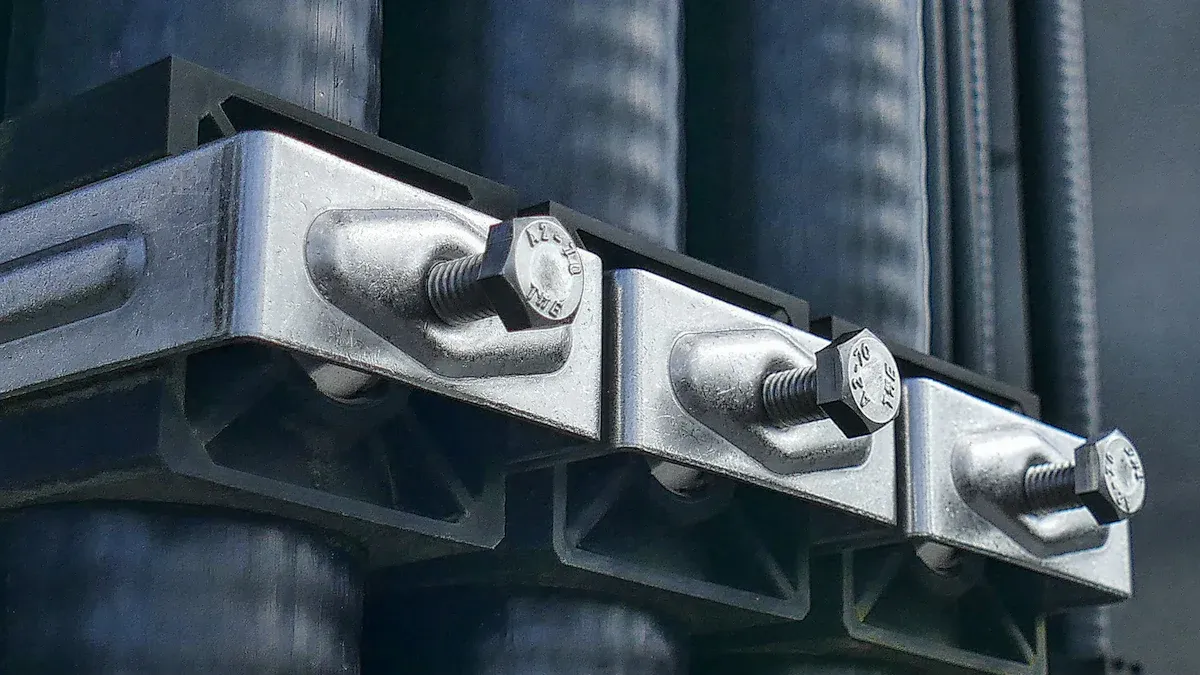
A square u-bolt is a fastening device shaped like the letter “U” with a squared-off curve. This design allows the bolt to fit securely around square or rectangular objects. Manufacturers produce these bolts with threaded ends, which accommodate nuts for clamping. The square shape distinguishes this bolt from other types of u-bolts, which often feature a rounded curve. Square u-bolts provide a stable grip on flat surfaces, making them ideal for applications that require precise alignment and firm attachment.
Square u-bolts come in a range of sizes and materials. Engineers select the appropriate size based on the dimensions of the object and the load requirements. The material choice depends on the environment and the need for corrosion resistance. These bolts play a critical role in many industries due to their versatility and strength.
Common Applications for Square U-Bolts
Square u-bolts serve a variety of functions in construction, automotive, and industrial settings. Their unique shape makes them suitable for securing flat-sided components. The following list highlights frequent uses in major industries:
- Securing square and rectangular tubing for building frames, supports, or railings. The bolt ensures a snug fit around flat sides.
- Attaching trailer components, such as suspension systems and axles, to trailer frames. The bolt provides even clamping force.
- Mounting engine components and exhaust systems in automotive applications. The bolt secures exhaust pipes and mufflers to flat surfaces, preventing rattling.
- Holding conduit and pipework against flat surfaces in electrical and plumbing installations. The bolt reduces slippage and maintains alignment.
- Fastening fencing and structural supports by securing fence posts to flat surfaces. The bolt ensures a tight fit without rotation.
These applications demonstrate the importance of choosing the correct u-bolt size and type for each project. The right selection improves safety and extends the lifespan of the installation.
Tip: When selecting a square u-bolt, always consider the specific requirements of the application, including load, vibration, and environmental exposure.
Key Features of Square U-Bolts
Square u-bolts offer several features that set them apart from other fasteners. The squared shape provides a stable grip on flat or angular surfaces. This design minimizes movement and prevents rotation, which is essential for structural integrity. The threaded ends allow for easy adjustment and secure fastening with nuts and washers.
Manufacturers offer these bolts in various grades and finishes. Common materials include steel and stainless steel, which provide strength and resistance to corrosion. Some bolts feature protective coatings for added durability in harsh environments. The availability of custom sizes ensures that engineers can find the right bolt for unique applications.
Different types of u-bolts exist to meet diverse needs. Square u-bolts remain the preferred choice for projects involving flat-sided components. Their reliability and adaptability make them a staple in many industries.
How to Measure Square U-Bolts Correctly
Tools Needed for Measuring U-Bolts
Accurate measurement forms the foundation for selecting the right square U-bolt. Professionals rely on specific tools to ensure each measurement is precise and repeatable. The following tools are commonly recommended by manufacturers:
- Calipers provide precise readings for both diameter and inside width.
- Micrometers offer accurate sizing, especially for smaller bolts.
- Rulers or measuring tapes help determine the length of the bolt legs.
- Thread pitch gauges allow users to count threads per inch with confidence.
These tools help measure a square u-bolt with consistency, reducing the risk of errors during installation. Using the right equipment ensures that each measurement reflects the true dimensions of the bolt.
Step-by-Step Measuring Guide for Square U-Bolts
A step-by-step guide helps users measure a square u-bolt efficiently. Industry manuals outline a clear process for gathering all necessary measurements:
- Determine the diameters of the bolts. Use a caliper or bolt gauge to measure a square u-bolt across the widest part of the thread.
- Count threads per inch (TPI). Use a thread pitch gauge to count the number of threads that fit within one inch. This measurement ensures compatibility with nuts and other hardware.
- Measure the lengths of bolts. Place a ruler or measuring tape from the base of the bolt’s head to the tip. This step captures the full length required for the application.
- Measure the inside width. Position the caliper between the legs to measure a square u-bolt at its widest internal point.
- Measure the inside leg length. Use a ruler to measure a square u-bolt from the inside of the curve to the end of the leg.
- Record the thread length. Measure a square u-bolt from the start of the thread to the end of the leg.
Tip: Always double-check each measurement before finalizing your selection. Small errors can lead to misfits or compromised safety.
Interpreting Manufacturer Sizing Charts for U-Bolts
After gathering all measurements, users must interpret manufacturer sizing charts to select the correct product. These charts list standard dimensions for each square U-bolt, including diameter, inside width, inside leg length, and thread length. Users should match their recorded measurements to the closest available size. If the exact size does not appear, custom options may be necessary.
Manufacturers often provide tables that display the full range of available dimensions. Users should review these charts carefully to ensure the selected U-bolt will fit the application. Accurate measurement and proper interpretation of sizing charts help prevent installation issues and ensure long-term performance.
Note: When in doubt, consult with the supplier or manufacturer. They can confirm if the chosen U-bolt matches the required specifications.
Key Factors When Choosing the Right U-Bolts
Load Capacity and Strength of Square U-Bolts
Расчет требований к нагрузке
Engineers must determine the load requirements and strength ratings before selecting the right bolt for any application. They analyze the forces that the u-bolts will encounter, including tension, shear, and vibration. Calculating the correct strength ensures the bolt will not deform or fail under pressure. The following table outlines common engineering formulas used to evaluate the strength of square u-bolts:
| Strength Type | Formula Description |
|---|---|
| Предел текучести | Minimum yield in psi of the ASTM grade multiplied by the stress area of the specific diameter. |
| Ultimate Tensile Strength | Minimum tensile strength in psi of the ASTM grade multiplied by the stress area of the diameter. |
| Shear Strength | Ultimate tensile strength multiplied by 60% (0.60) for an estimate, as no published values exist for ASTM. |
These calculations help engineers select u-bolts that match the expected load and provide reliable performance.
Safety Margins for U-Bolts
Safety margins play a critical role in the bolt selection guide. Engineers add a safety factor to the calculated load to account for unexpected stresses or material flaws. This practice ensures the u-bolts maintain integrity even in extreme conditions. A higher safety margin increases the reliability of the installation and protects both equipment and personnel.
Material Selection for Square U-Bolts
Common Materials (Steel, Stainless Steel, etc.)
Material selection directly impacts the durability and performance of u-bolts. Engineers often choose between steel, stainless steel, and alloy grades. Each material offers unique benefits:
- Grade 5 u-bolts provide strong clamping but may deform in harsh environments. They often require additional coatings for corrosion resistance.
- Grade 8 u-bolts deliver superior durability and resist deformation and fatigue. These bolts perform well in demanding conditions and last longer under stress.
Selecting the right bolt material ensures the installation meets both strength and longevity requirements.
Material Strength and Durability
The strength of the material determines how well the u-bolts withstand repeated loads and environmental challenges. Stainless steel resists corrosion and maintains strength in marine or chemical settings. Alloy steel offers high tensile strength for heavy-duty applications. The right material choice extends the lifespan of the bolt and reduces maintenance needs.
Corrosion Resistance in U-Bolts
Экологические соображения
Environmental factors can significantly affect the lifespan of u-bolts. Engineers must evaluate the installation site for humidity, salt exposure, and chemical contact.
- Road salts and moisture can quickly corrode standard steel, reducing bolt integrity.
- Hot-dip galvanized coatings provide sacrificial protection, shielding the underlying steel from corrosion.
- This protection is essential in high-risk environments, such as coastal or industrial areas.
Other factors, such as UV radiation and abrasive chemicals, also accelerate corrosion. Marine applications require u-bolts made from high-grade stainless steel or those with specialized coatings.
Coatings and Finishes for Square U-Bolts
Epoxy coatings or paints can provide an effective barrier against rust. Epoxy coatings are durable and offer excellent adhesion to the U-bolt surface, preventing moisture and oxygen penetration.
Engineers often specify hot-dip galvanized, zinc-plated, or epoxy-coated finishes to enhance corrosion resistance. The right coating extends the service life of the u-bolts and ensures reliable performance in outdoor or industrial environments.
Compatibility with Other Hardware
Nuts, Washers, and Plates for U-Bolts
Square u-bolts require compatible hardware to ensure secure installation and optimal performance. Engineers select nuts, washers, and plates based on the bolt size and thread specifications. Nuts must match the thread type and pitch of the bolt to prevent loosening during operation. Washers distribute the load evenly, reducing the risk of damage to the mounting surface. Plates reinforce the connection, especially in applications with high vibration or heavy loads.
- Nuts: Engineers choose hex nuts or lock nuts for square u-bolts. Lock nuts provide extra resistance against vibration.
- Washers: Flat washers protect the mounting surface and help maintain bolt tension. Spring washers add extra security in dynamic environments.
- Plates: Reinforcing plates increase the stability of the bolt connection. They are essential for structural applications.
Tip: Always verify that the hardware matches the bolt specifications. Mismatched components can compromise safety and reduce the lifespan of the installation.
Thread Type and Pitch in Square U-Bolts
Thread type and pitch play a critical role in the compatibility of square u-bolts with other hardware. Engineers must identify whether the bolt uses coarse or fine threads. Coarse threads offer faster installation and greater resistance to stripping. Fine threads provide better adjustment and higher tensile strength. The pitch, measured in threads per inch, must match the nuts and washers used.
A mismatch in thread type or pitch can cause installation failures. Engineers use thread pitch gauges to confirm compatibility. Manufacturers often specify thread details in product documentation. Proper selection ensures that the bolt maintains its clamping force and resists loosening under load.
Industry Standards and Certifications for U-Bolts
Industry standards and certifications guarantee the quality and safety of square u-bolts. Manufacturers follow strict guidelines to ensure each bolt meets performance requirements. The following table summarizes key standards and certifications:
| Стандарт/Сертификация | Описание |
|---|---|
| ASTM A276, A479 | Standards for chemical composition and mechanical properties of raw materials used in U-bolts. |
| ISO 9001 | Certification for quality management systems ensuring traceability and compliance. |
| EN 10204 3.1 MTC | Mill Test Certificates verifying chemical composition and mechanical properties. |
| Third-Party Inspections | Inspections by agencies like TUV, Bureau Veritas, and SGS for compliance verification. |
| Industry-Specific Compliance | Compliance with standards for marine, oil & gas, construction, and chemical processing applications. |
Certified u-bolts differ from non-certified products in both performance and safety. Rough Country highlights the importance of certification compliance with Federal Motor Vehicle Safety Standards (FMVSS). Certified bolts meet specific safety and performance standards, which is crucial for applications like Electronic Stability Control (ESC) systems. Non-certified products may lack these assurances, increasing the risk of failure and compromising safety.
Note: Engineers should always request documentation for certified u-bolts. Certification ensures traceability, reliability, and compliance with industry regulations.
Practical Tips for Selecting and Ordering Square U-Bolts
Double-Checking Measurements for U-Bolts
Engineers always verify measurements before selecting a bolt for any application. They use calipers, rulers, and thread gauges to measure the diameter, inside width, leg length, and thread length of u-bolts. Accurate measurements prevent installation errors and ensure the bolt fits the mounting surface. Professionals recommend recording each measurement and comparing it to manufacturer sizing charts. They often measure twice to confirm accuracy. This practice reduces the risk of misfits and improves the reliability of the bolt connection.
Tip: Engineers should keep a record of all measurements for future reference. Consistent documentation helps when replacing bolts or upgrading equipment.
Consulting with Suppliers or Manufacturers about Square U-Bolts
Suppliers and manufacturers provide valuable guidance during the selection process. Engineers contact suppliers to discuss application requirements and share measurements. Manufacturers review specifications and recommend the best bolt for the project. They answer questions about material grades, finishes, and load capacity. Engineers often request technical datasheets to verify bolt properties. Suppliers also help with ordering custom square u-bolts when standard sizes do not fit. They ensure the bolt meets industry standards and performs reliably in the intended environment.
A table can help organize questions for suppliers:
| Question | Назначение |
|---|---|
| What material options are available? | Ensures the bolt matches environmental needs |
| What finishes or coatings do you offer? | Improves corrosion resistance |
| Can you provide technical datasheets? | Verifies bolt specifications |
| Do you supply custom sizes? | Confirms availability for unique applications |
Note: Engineers should communicate clearly with suppliers to avoid misunderstandings and ensure the correct bolt is delivered.
Custom vs. Off-the-Shelf Square U-Bolts
Engineers choose between custom and off-the-shelf u-bolts based on project requirements. Off-the-shelf bolts suit standard applications and offer quick delivery. They come in common sizes and materials. Custom bolts address unique challenges, such as irregular surfaces or special load demands. Engineers specify exact measurements and finishes for custom bolts. Manufacturers produce these bolts to match precise requirements.
The following list highlights the differences:
- Off-the-shelf bolts: Available in standard sizes, cost-effective, and ready for immediate use.
- Нестандартные болты: Разработаны для конкретных применений, могут требовать более длительных сроков изготовления и предлагают индивидуальные решения.
Инженеры оценивают масштаб проекта и определяют, какой вариант наилучшим образом обеспечивает безопасность и производительность. Они учитывают такие факторы, как нагрузка, условия эксплуатации и совместимость с другим оборудованием. При заказе нестандартных квадратных U-образных болтов инженеры предоставляют производителям подробные спецификации. Этот процесс гарантирует идеальную посадку болта и соответствие всем эксплуатационным требованиям.
Важный момент: Нестандартные болты решают проблемы, которые не могут быть устранены стандартными изделиями. Инженеры полагаются на индивидуальные решения для сложных монтажных работ.
Распространенные ошибки при выборе U-образных болтов, которых следует избегать
Выбор квадратных U-образных болтов для любого применения требует тщательного внимания к деталям. Многие инженеры и техники сталкиваются с типичными проблемами в процессе выбора и заказа. Избегание этих ошибок повышает безопасность, надежность и производительность.
1. Неверные замеры
Многие специалисты упускают из виду важность точных измерений. Они часто оценивают диаметр, ширину или длину ножки на глаз, вместо использования надлежащих инструментов. Эта ошибка приводит к несоответствию размеров и сбоям при установке. Инженеры всегда должны использовать штангенциркули, линейки и резьбомеры для точного измерения каждого параметра.
2. Игнорирование требований к нагрузке
Некоторые выбирают U-образные болты, не учитывая нагрузку или напряжение, которые будет испытывать болт. Они могут выбрать болт, основываясь на внешнем виде или цене. Такой подход чреват разрушением конструкции. Инженеры должны рассчитать требования к нагрузке и выбирать болты с соответствующими классами прочности.
3. Пренебрежение материалом и покрытием
Выбор неправильного материала или покрытия может привести к преждевременной коррозии или усталости. Инженеры иногда выбирают стандартные стальные болты для сред, требующих коррозионной стойкости. Они должны оценивать факторы окружающей среды и выбирать такие материалы, как нержавеющая сталь, или указывать специальное покрытие для суровых условий.
4. Несоблюдение совместимости с крепежом
Специалисты иногда игнорируют тип и шаг резьбы при выборе гаек и шайб. Эта ошибка вызывает задержки монтажа и ставит под угрозу безопасность. Инженеры должны убедиться, что весь крепеж соответствует спецификациям U-образного болта. Им следует заказывать нестандартные гайки или шайбы, если стандартные варианты не подходят.
5. Пренебрежение отраслевыми стандартами и сертификатами
В некоторых проектах для снижения затрат используют несертифицированные болты. Это решение увеличивает риск отказа и может нарушать правила безопасности. Инженеры должны гарантировать, что все U-образные болты соответствуют отраслевым стандартам и имеют надлежащие сертификаты. Им следует запрашивать документацию у поставщиков, особенно для нестандартных заказов.
6. Заказ без консультации с поставщиками
Многие инженеры размещают заказы, не обсудив требования с поставщиками или производителями. Эта ошибка часто приводит к получению болтов, не подходящих для применения. Инженеры всегда должны консультироваться с поставщиками, делиться замерами и запрашивать рекомендации. Поставщики могут предложить индивидуальные решения для уникальных задач.
7. Выбор стандартных болтов для нестандартных применений
Стандартные U-образные болты подходят не для каждого применения. Инженеры иногда пытаются использовать готовые болты для неровных поверхностей или особых нагрузок. Такой подход приводит к несоответствию и снижению производительности. Для сложных монтажных работ они должны заказывать нестандартные болты.
8. Недостаточная документация и ведение записей
Специалисты иногда не документируют замеры и спецификации. Это упущение осложняет будущее техническое обслуживание или замену. Инженеры должны вести подробные записи по каждому проекту, особенно при заказе нестандартных болтов.
Совет: Инженерам следует проверять каждый этап процесса выбора и консультироваться с поставщиками, чтобы избежать дорогостоящих ошибок. Индивидуальные решения часто устраняют проблемы, которые не могут быть решены стандартными изделиями.
| Ошибка | Влияние | Решение |
|---|---|---|
| Неверные замеры | Несоответствие размеров, сбои при установке | Используйте надлежащие инструменты, перепроверяйте |
| Игнорирование требований к нагрузке | Разрушение конструкции | Рассчитайте нагрузку, выберите соответствующую прочность |
| Пренебрежение материалом/покрытием | Коррозия, усталость | Оцените среду эксплуатации, укажите специальное покрытие |
| Несовместимость крепежа | Задержки, риски для безопасности | Согласуйте тип резьбы, закажите нестандартный крепеж |
| Несертифицированные болты | Нарушения безопасности, отказ | Запрашивайте сертификаты |
| Отсутствие консультации с поставщиком | Поставлены неподходящие болты | Консультируйтесь с поставщиками, запрашивайте рекомендации по нестандартным решениям |
| Использование стандартных для нестандартных применений | Несоответствие, снижение производительности | Заказывайте нестандартные болты |
| Плохая документация | Проблемы с техобслуживанием | Ведите подробные записи |
Инженеры, избегающие этих ошибок, гарантируют надежную и безопасную работу каждого U-образного болта. Индивидуальные решения обеспечивают гибкость для уникальных применений и предотвращают проблемы с монтажом.
Устранение неисправностей и регулировка квадратных U-образных болтов
Что делать, если квадратный U-образный болт не подходит
Инженеры иногда сталкиваются с ситуациями, когда квадратные U-образные болты не подходят для предполагаемого применения. Они должны быстро решать эти проблемы, чтобы сохранить безопасность и производительность. Несколько практических шагов помогают устранить проблемы с посадкой:
- Они могут рассверлить отверстия, чтобы разместить новые квадратные U-образные болты из нержавеющей стали 5/8″. Данная регулировка обеспечивает надежную посадку болта и необходимую прочность.
- Они применяют метод фиксации на гайках, чтобы гарантировать плотное затягивание. Стопорные гайки предотвращают ослабление во время работы и сохраняют целостность соединения.
- Они избегают использования П-образных болтов с дефектами, такими как острые зазубрины, которые могут нарушить посадку и привести к преждевременному выходу из строя. Многие специалисты рекомендуют избегать болтов низкого качества, особенно с видимыми дефектами.
Идеальная посадка остается крайне важной для структурной стабильности. Инженеры всегда проверяют размеры и осматривают монтажную поверхность перед регулировкой. Они выбирают высококачественные болты, чтобы снизить риск ошибок при установке.
Модификация или изготовление квадратных П-образных болтов на заказ
Когда стандартные П-образные болты не подходят для уникальных применений, инженеры модифицируют или заказывают болты по индивидуальным параметрам. Они предоставляют производителям точные замеры и запрашивают индивидуальное изготовление. Болты на заказ решают проблемы неровных поверхностей, особых требований к нагрузке и уникальных условий окружающей среды.
- Инженеры указывают точный диаметр, ширину и длину ножек для достижения идеальной посадки.
- Они запрашивают специальные покрытия, такие как горячее цинкование или эпоксидные покрытия, для повышения долговечности.
- Они подбирают совместимую оснастку, включая гайки и шайбы, в соответствии с типом резьбы и шагом болта.
Индивидуальные решения решают проблемы, которые не могут быть устранены стандартными болтами. Инженеры сотрудничают с поставщиками, чтобы обеспечить соответствие болта применению и выполнение всех эксплуатационных требований.
Обеспечение долгосрочной работоспособности П-образных болтов
Долгосрочная работоспособность зависит от правильного обслуживания и обращения. Инженеры следуют нескольким лучшим практикам для продления срока службы П-образных болтов:
- Они используют эпоксидные покрытия или устойчивые к коррозии краски для защиты болтов от ржавчины.
- Они проводят регулярные визуальные проверки на признаки ржавчины, такие как изменение цвета или отслаивание.
- Они периодически очищают болты мягким моющим средством для удаления загрязнений.
- Они при необходимости наносят защитные покрытия повторно для поддержания устойчивости к коррозии.
- Они контролируют влажность, обеспечивая надлежащий дренаж и вентиляцию вокруг болтов.
- Они поддерживают стабильную температуру и влажность для предотвращения образования ржавчины.
- Они защищают болты от воздействия коррозионных химических веществ.
- Они обращаются с болтами осторожно, используя перчатки и избегая волочения по шероховатым поверхностям.
- Они хранят болты в сухих, хорошо вентилируемых помещениях и избегают штабелирования, чтобы предотвратить повреждения.
Регулярное техническое обслуживание гарантирует, что П-образные болты продолжают надежно фиксироваться и безотказно работать. Инженеры уделяют первостепенное внимание этим практикам, чтобы предотвратить отказы и продлить срок службы каждого болта.
Выбор правильного квадратного П-образного болта включает несколько ключевых шагов. Инженеры определяют требования применения, проводят точные замеры и подбирают спецификации в соответствии с отраслевыми стандартами. Точность обеспечивает безопасность и надежную работу. Каждый проект требует тщательного учета нагрузки, материала и факторов окружающей среды. Консультации с поставщиками или экспертами помогают решить уникальные задачи и гарантировать оптимальное решение.
Правильный подбор размера защищает оборудование и способствует долгосрочному успеху. Для сложных применений совет эксперта предоставляет ценное руководство.
Частые вопросы
В чем разница между квадратным П-образным болтом и круглым П-образным болтом?
Квадратный П-образный болт подходит для плоских или угловых поверхностей, таких как квадратный профиль. Круглый П-образный болт подходит для труб или круглых объектов. Форма обеспечивает надежный захват и предотвращает смещение.
Как измерить квадратный П-образный болт для замены?
Следует измерить диаметр стержня, внутреннюю ширину, внутреннюю длину ножки и длину резьбы. Использование штангенциркуля и линейки дает наиболее точные результаты.
Какой материал лучше всего подходит для уличного применения квадратных П-образных болтов?
Нержавеющая сталь устойчива к коррозии и дольше служит на открытом воздухе. Горячеоцинкованная сталь также хорошо проявляет себя во влажной или сырой среде.
Совет: Всегда учитывайте окружающую среду при выборе материала.
Можно ли обрезать или модифицировать квадратный П-образный болт на месте?
Ножки можно обрезать по длине, но это может ослабить болт или повредить резьбу. Индивидуальный заказ у производителя является более безопасным решением.
Какая оснастка должна использоваться с квадратными П-образными болтами?
Гайки, шайбы и пластины должны соответствовать типу резьбы и размеру болта. Стопорные гайки и плоские шайбы повышают надежность и распределение нагрузки.
| Оснастка | Назначение |
|---|---|
| Гайки | Надежное крепление |
| Шайбы | Распределить нагрузку |
| Листы | Усилить соединение |
Как предотвратить ржавление квадратных П-образных болтов?
Следует выбирать нержавеющую сталь или указывать защитные покрытия, такие как горячее цинкование или эпоксидное покрытие. Регулярные проверки и обслуживание помогают предотвратить ржавчину.
Когда следует заказывать квадратный П-образный болт на заказ?
Болты на заказ необходимы для неровных поверхностей, нестандартных размеров или особых требований к нагрузке. Следует предоставить производителю точные замеры.