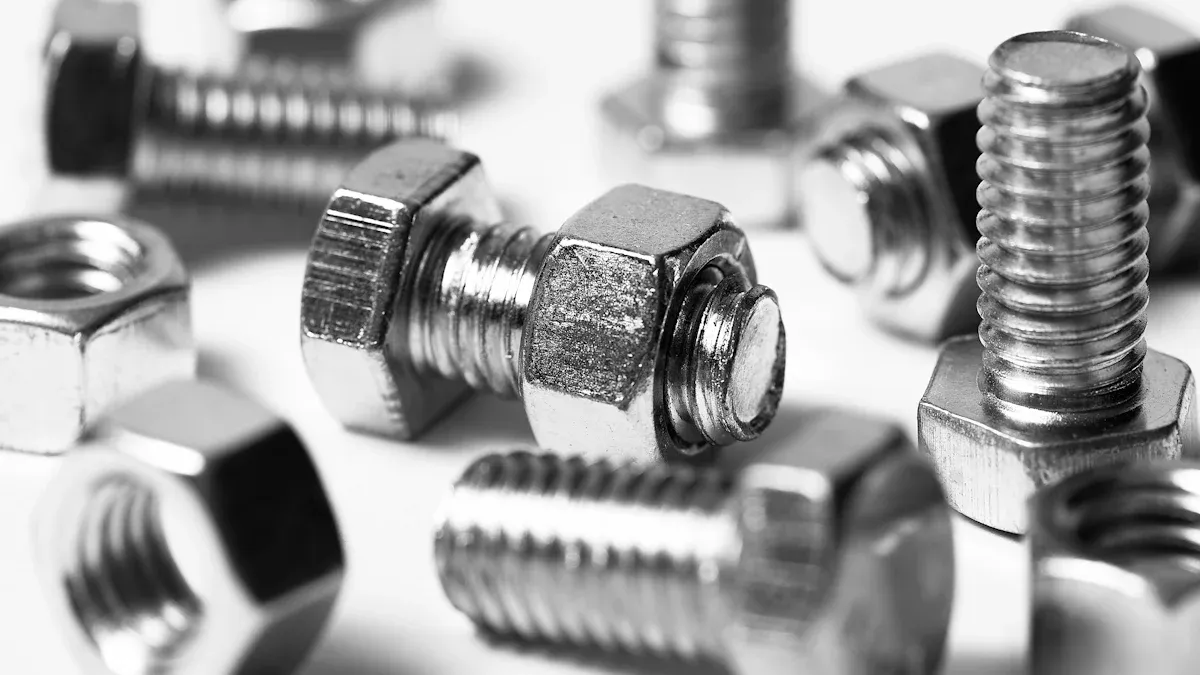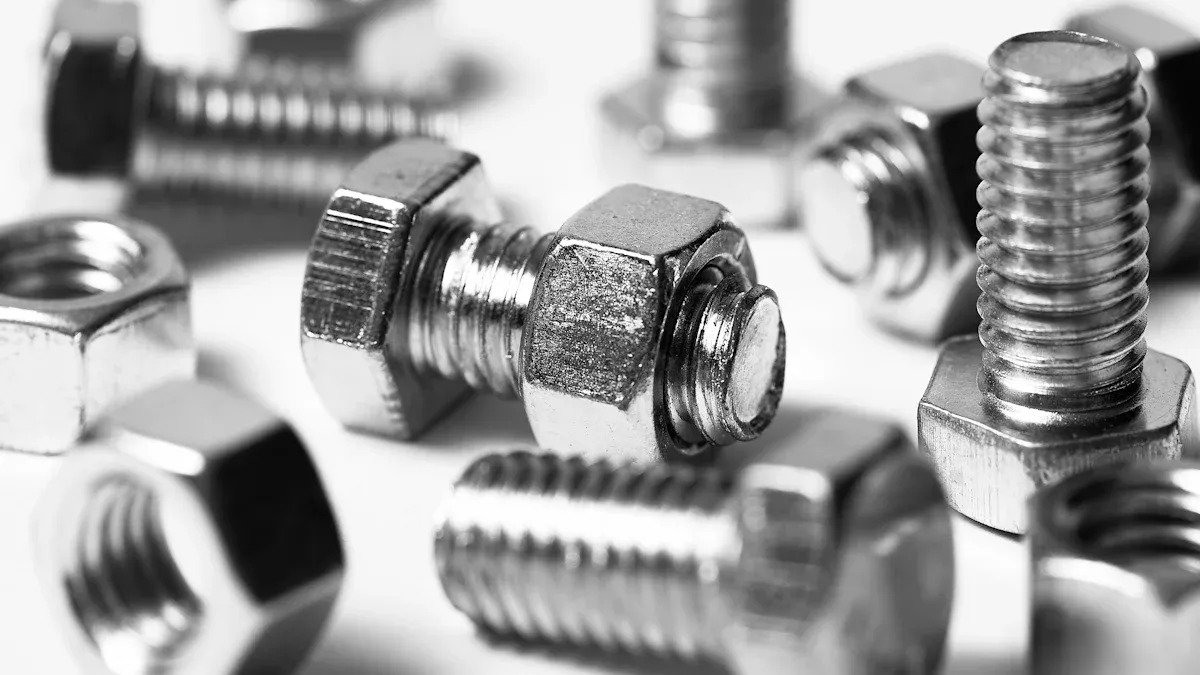
Safety remains a top concern when installing U-образный болт fasteners in industrial or нестандартные крепежные элементы applications. Workers encounter risks such as hazardous leaks, injury, and fire hazards during литье болтов or when handling stubborn fasteners. The following table highlights common incidents that a производитель крепежных изделий на заказ may encounter:
| Incident Type | Описание |
|---|---|
| Hazardous Leaks and Explosions | Loose or failed bolts can lead to dangerous leaks, creating risks of fire or explosions in industrial settings. |
| Injury Risks During Maintenance | Handling stubborn bolts can cause injuries such as sprains or falls, highlighting the physical dangers involved. |
| Hot Work and Fire Hazards | Using cutting tools introduces fire risks and health hazards from fumes, necessitating strict safety protocols. |
| Compromised Startup Safety | Overtightened or improperly installed bolts can fail during system pressurization, leading to severe accidents. |
A precise guide ensures every u bolt and custom fastener receives proper installation, reducing the chance of failure and supporting long-term system integrity.
Understanding U-Bolt Fasteners and Their Safety Applications
Что такое U-образный болт?
Definition and Design of U-Bolts
A u-bolt is a U-shaped metal fastener with threaded ends. This design allows it to wrap around pipes, beams, or other objects, securing them to a surface or another component. Construction u-bolts provide a reliable method for attaching structural elements, especially when stability and safety are priorities. The shape of a u-bolt distributes force evenly, which helps maintain structural integrity in demanding environments.
Types of U-Bolts and Their Features
Construction u-bolts come in several types, each suited for specific applications. The most common types include round, square, and semi-round u-bolts. Round u-bolts fit pipes and round objects, while square u-bolts secure rectangular or flat components. Some u-bolts feature protective coatings or are made from corrosion-resistant materials, which extend their service life in harsh conditions. Selecting the right type ensures the fastener matches the application’s requirements.
Typical Uses for U-Bolt Fasteners
Industrial Applications of U-Bolts
Construction u-bolts play a critical role in many industrial settings. Their primary safety applications include:
- Structural support for beams, columns, and trusses.
- Pipe and conduit fastening to prevent shifting and maintain functionality.
- Cable management to reduce damage risks and tripping hazards.
- Securing scaffolding and temporary structures for worker safety.
- Maintaining formwork stability during concrete pouring.
- Infrastructure and bridge construction, such as securing railings.
Construction u-bolts also serve as the preferred u bolt for concrete attachments, ensuring stability and safety in high-stress environments.
Home and DIY Uses for U-Bolts
Homeowners and DIY enthusiasts use construction u-bolts for a variety of projects. Common uses include securing piping, supporting garden structures, and attaching items to walls or ceilings. In these settings, the u bolt for concrete attachments provides a simple solution for mounting shelves, swings, or equipment, especially when working with masonry or concrete surfaces.
Choosing the Right U-Bolt for Safety
Material Selection for U-Bolts
Choosing the right u bolt involves evaluating the environment and load requirements. The table below outlines recommended materials for construction u-bolts in different conditions:
| Тип материала | Corrosion Resistance Level | Подходящие среды |
|---|---|---|
| Нержавеющая сталь | Высокая | Marine, chemical environments |
| Оцинкованная сталь | Умеренная | HVAC, outdoor plumbing |
| Оцинкованная углеродистая сталь | Высокая | Moisture, chemicals, saltwater |
Stainless steel construction u-bolts are ideal for marine or chemical environments, while galvanized steel works well for outdoor plumbing. Coated carbon steel offers high resistance in moist or salty conditions.
Size and Load Considerations When Installing U-Bolt Fasteners
Стандарт DIN 933: объяснение working load limit determines the grade and size of the construction u-bolts required. Heavy loads demand higher-grade fasteners to prevent failure. The u bolt for concrete attachments must meet both static and dynamic load requirements to ensure safety. Правильная установка and even torque application help maintain structural integrity and extend the lifespan of the fastener. When choosing the right u bolt, always consider the working load limit and environmental factors to ensure long-term performance.
U-bolts distribute load over a larger area, which enhances safety. However, stress concentration at the bend radius can create weak points, so users must select the correct size and material for each application.
Tools and Materials Needed to Install U-Bolts Safely
Essential Tools for Installing U-Bolt Fasteners
Wrenches and Sockets for U-Bolt Installation
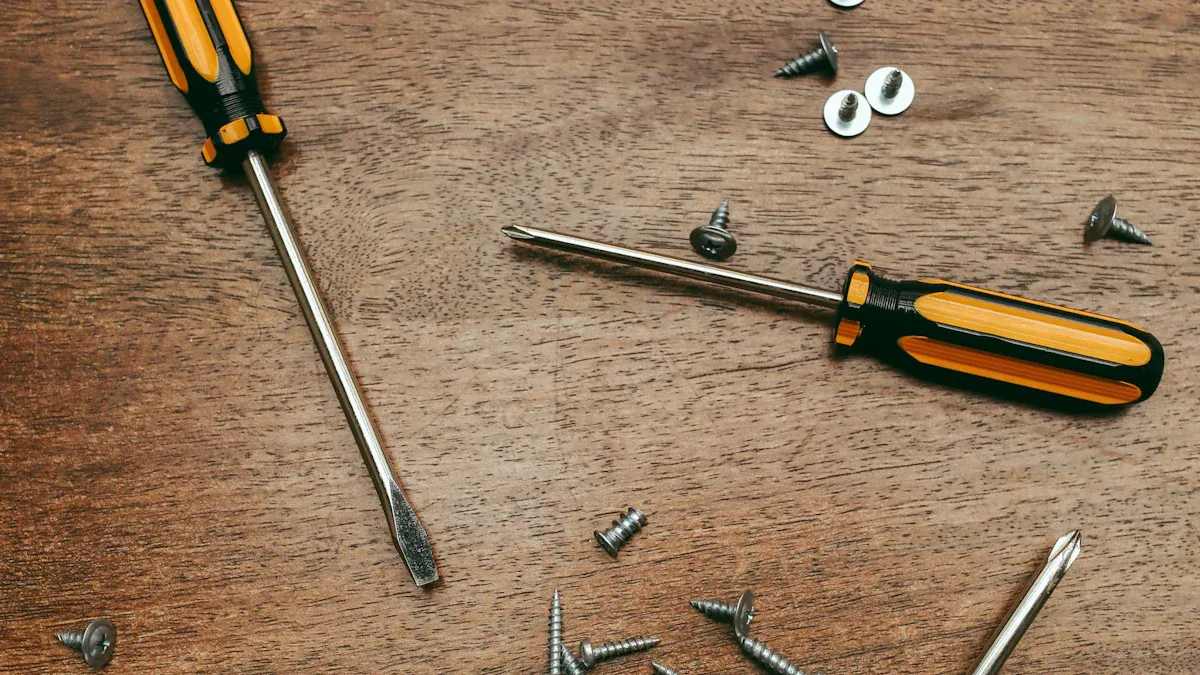
Installers rely on high-quality wrenches and sockets to achieve a secure fit for u-bolts. These tools allow workers to grip the nuts and apply even pressure. Deep sockets help reach recessed nuts, especially when working with pipes or in tight spaces. Box-end wrenches provide better leverage and reduce the risk of rounding fastener edges. Professionals select the correct size to match the hardware, which prevents slippage and damage.
Using a Torque Wrench for Proper Tightening
A torque wrench ensures that u-bolts receive the correct amount of force during installation. This tool helps prevent over-tightening, which can damage threads or deform pipes. Under-tightening can lead to loose connections and safety hazards. Installers consult manufacturer specifications for recommended torque values. They adjust the torque wrench accordingly and tighten each nut in small increments, alternating sides for even pressure.
Additional Materials for Secure U-Bolt Installation
Washers and Nuts for U-Bolts
Washers distribute the load and protect surfaces from damage. They also help prevent nuts from loosening due to vibration. Installers use lock nuts or double-nut arrangements for added security in high-vibration environments. Selecting the right washers and nuts improves the reliability of u-bolts, especially when securing pipes or structural components.
Lubricants and Anti-Seize Compounds
Lubricants and anti-seize compounds reduce friction and prevent galling during installation. These materials make it easier to achieve accurate torque and simplify future maintenance. In heavy-duty applications, installers often choose additional materials for enhanced performance:
- Stainless steel u-bolts for superior corrosion resistance in harsh environments.
- Coated u-bolts, such as PTFE or epoxy, for added corrosion resistance and reduced friction.
- Neoprene coatings to reduce vibration and protect pipes from abrasion.
These enhancements extend the service life of u-bolts and improve safety in demanding conditions.
Safety Equipment for Installing U-Bolts
Gloves and Eye Protection
Installers wear gloves to protect hands from sharp edges and metal burrs. Eye protection shields against flying debris during tightening or cutting. These precautions reduce the risk of injury and ensure a safe work environment.
Hearing Protection and Protective Clothing
Noisy environments require hearing protection, especially when using power tools near u-bolts or pipes. Protective clothing, such as long sleeves and sturdy pants, guards against cuts and burns. Workers prioritize safety by wearing the appropriate gear for each task.
Tip: Always inspect safety equipment before use to ensure maximum protection during u-bolt installation.
Preparation Before You Install U-Bolts
Inspecting the Work Area for Safety
Checking Surface Condition
A safe installation begins with a thorough inspection of the mounting surface. Workers examine the area for dirt, rust, oil, or old paint. These contaminants can reduce the holding power of U-bolts and compromise safety. They use a wire brush or a clean rag to remove debris. If corrosion appears, they address it with a rust remover or replace the affected section. A smooth, clean surface ensures that the U-bolt seats properly and maintains a secure grip.
Ensuring Clearance and Accessibility
Adequate clearance around the installation site allows for proper tool use and reduces the risk of injury. Workers check for obstructions such as pipes, wires, or structural elements. They confirm that wrenches and sockets can reach the nuts without interference. Good accessibility also helps maintain correct alignment during tightening. If space is limited, workers may select specialized tools or adjust the installation plan to ensure safety and efficiency.
Совет: Mark the installation area with chalk or tape to guide alignment and prevent errors during U-bolt placement.
Preparing U-Bolts and Hardware
Cleaning and Inspecting U-Bolt Fasteners
Before installation, workers clean U-bolts and related hardware. They remove dirt, grease, and corrosion from the threads and surfaces. Clean threads allow for smooth nut engagement and accurate torque application. Workers inspect each U-bolt for signs of damage, such as bent legs, stripped threads, or worn coatings. Damaged fasteners should not be used, as they can fail under load and create safety hazards.
Pre-Assembly Checks for U-Bolts
A systematic approach to pre-assembly reduces the risk of installation errors. Workers follow these steps:
- Clean the yoke and U-joint surfaces to remove all contaminants.
- Inspect U-bolt threads for damage or wear.
- Position the U-joint in the yoke, ensuring that bearing caps seat correctly.
- Align U-bolts with the yoke holes for a proper fit.
- Hand-tighten nuts onto the U-bolt threads to seat them evenly.
- Use a torque wrench to tighten nuts to the manufacturer’s specified value.
- Tighten nuts in a cross pattern to distribute clamping force evenly.
This process ensures that each U-bolt receives proper attention before final tightening. Consistent pre-assembly checks help prevent failures and extend the service life of the fastener.
Примечание: Always consult the manufacturer’s guidelines for torque values and installation procedures. Proper preparation supports a safe and reliable U-bolt installation.
Step-by-Step Guide to Installing U Bolt Fasteners
Positioning the U-Bolt for Secure Installation
Aligning U-Bolts with the Object
Installers begin the process by aligning the u-bolt with the object that requires secure mounting. They place the u-bolt so that both legs wrap evenly around the pipe, beam, or fixture. Proper alignment ensures that the load distributes evenly and prevents stress concentration at the bend. Workers check the orientation and confirm that the u-bolt sits flush against the surface. This step supports easy installation and reduces the risk of misalignment during tightening.
Tip: Mark the mounting location with chalk or tape to maintain accuracy throughout the installation of u bolts.
Ensuring Proper Fit of U-Bolts
A proper fit is essential for the safety and longevity of the installation. Installers verify that the u-bolt matches the diameter and shape of the object. They avoid forcing the u-bolt into position, which can cause deformation or uneven pressure. The legs should pass smoothly through the mounting holes or around the object. If the fit is too tight or loose, they select a different size to achieve optimal performance. This careful approach helps install u-bolts as an anchor for pipes, beams, or other components.
Inserting and Securing U-Bolts
Placing Washers and Nuts on U-Bolts
After positioning the u-bolt, workers place washers over the threaded ends. Washers protect the mounting surface and distribute the load. They then thread nuts onto the u-bolt legs. Installers use lock nuts or apply Loctite to prevent loosening over time. They avoid using grease or anti-seize on the threads and nuts, but a light application of oil is acceptable. These steps contribute to easy installation and enhance the reliability of the fasteners.
- Avoid grease or anti-seize on threads; use light oil if needed.
- Apply Loctite to lock nuts for added security.
- Используйте шайбы для распределения нагрузки и защиты поверхностей.
Hand-Tightening U-Bolt Fasteners
Installers hand-tighten the nuts to seat the u-bolt evenly. They alternate between sides to maintain balance and prevent skewing. This method ensures that the u-bolt remains aligned and reduces the risk of uneven load distribution. Hand-tightening prepares the fasteners for final torque application and supports secure mounting. Workers check for proper seating and adjust as needed before proceeding.
Tightening U-Bolts and Torque Specifications
Using a Torque Wrench on U-Bolts
A torque wrench provides precise control during the installation of u bolts. Installers set the wrench to the manufacturer’s recommended torque value. They tighten each nut in small increments, alternating sides to achieve uniform stress distribution. Correct torque prevents over-tightening, which can strip threads or break bolts. Under-tightening increases the risk of loose joints, leaks, or structural instability. Proper torque application is critical for safety and longevity.
Note: Incorrect torque can cause uneven load distribution, leading to premature failure and compromising the integrity of the installation.
Recommended Torque Values for U-Bolt Fasteners
Industry standards specify torque values based on u-bolt diameter and thread size. Installers consult these guidelines to ensure safe and secure mounting. The table below lists recommended torque values for common u-bolt sizes:
| U-Bolt Diameter | Размер резьбы | Рекомендуемый крутящий момент (фут-фунты) |
|---|---|---|
| 1/2" | 13 TPI | 90–100 ft-lbs |
| 9/16″ | 18 TPI | 120–130 ft-lbs |
| 5/8" | 18 TPI | 170–180 ft-lbs |
| 3/4" | 16 TPI | 280–300 ft-lbs |
| 7/8″ | 14 TPI | 450–480 ft-lbs |
| 1" | 14 TPI | 680–720 ft-lbs |
| 1-1/8″ | 12 TPI | 950–1,000 ft-lbs |
| 1-1/4″ | 12 TPI | 1,300–1,400 ft-lbs |
Installers follow these torque specifications to prevent stripping, loosening, and fatigue failure. They ensure that the u-bolt holds components securely and maintains stability. This step-by-step guide supports easy installation and helps install u-bolts as an anchor for critical applications.
Callout: Always check the manufacturer’s instructions for specific torque requirements and adjust the torque wrench accordingly.
Final Checks After Installing U-Bolts
Inspecting Alignment of U-Bolts
After tightening the fasteners, installers conduct a thorough visual examination. They check each u-bolt for signs of damage, such as cracks or rust. Workers inspect the alignment, confirming that the u-bolt sits flush against the mounting surface and wraps evenly around the object. Correct alignment prevents stress concentrations and ensures the load distributes properly. Installers look for uneven wear patterns, which may indicate misalignment or excessive movement. If the u-bolt does not align with leaf springs or axles, they adjust its position to prevent future failures.
Installers follow these steps to verify alignment:
- Examine the u-bolt for visible damage or corrosion.
- Confirm that both legs of the fastener are parallel and evenly spaced.
- Check that the u-bolt aligns with the intended mounting points, such as leaf springs or beams.
- Inspect for uneven wear or deformation, which signals improper installation.
Tip: Marking the mounting location before installation helps maintain alignment and simplifies final checks.
Verifying Tightness and Security
Installers use a torque wrench to confirm that each nut meets the specified torque value. Proper tightness ensures the u-bolt maintains clamping force and prevents loosening under vibration. Workers inspect the threads for signs of stripping or damage. If they find any issues, they replace the affected components immediately. Lubrication plays a crucial role in preventing rust and ensuring smooth operation. Installers apply the appropriate lubricant to exposed threads and contact surfaces.
To verify tightness and security, installers perform the following checks:
- Use a torque wrench to re-torque nuts after initial installation and after the system has been in use.
- Inspect nuts and bolts for threading issues, replacing damaged parts as needed.
- Apply lubricant to prevent rust and facilitate future maintenance.
- Schedule regular maintenance inspections to ensure long-term reliability.
Note: Re-torquing the u-bolt after initial use helps maintain clamping force and prevents loosening caused by settling or vibration.
Installers prioritize these final checks to guarantee the safety and integrity of the installation. Consistent inspection and maintenance extend the service life of the fastener and support reliable performance in demanding environments.
Safety Tips for Installing U-Bolt Fasteners
Personal Safety Precautions When Installing U-Bolts
Wearing Protective Gear for U-Bolt Installation
Installers must prioritize safety by wearing the correct protective gear. Safety glasses shield eyes from flying debris during tightening or cutting. Gloves protect hands from sharp edges and metal burrs. Workers who operate under vehicles should always use jack stands to prevent accidents. These precautions reduce the risk of injury and help maintain a secure work environment. Working on a level surface ensures stability and prevents slips or falls. Each piece of gear plays a vital role in minimizing potential safety hazards.
- Safety glasses protect against debris.
- Gloves reduce the risk of cuts and abrasions.
- Jack stands provide support when working under vehicles.
- Level surfaces prevent instability.
Tip: Inspect all protective equipment before use to ensure maximum effectiveness.
Safe Handling of Tools During U-Bolt Installation
Proper tool handling prevents accidents and damage. Workers select the correct wrench or socket for the job, ensuring a snug fit on the fastener. They avoid using damaged or worn tools, which can slip and cause injury. Installers keep hands clear of pinch points and maintain a firm grip on tools. They follow manufacturer instructions for torque application and avoid rushing the process. Careful handling of tools supports a safe installation and reduces the risk of mistakes.
Preventing Damage and Injury with U-Bolts
Avoiding Over-Tightening U-Bolt Fasteners
Over-tightening u-bolts can lead to stripped threads, broken bolts, or deformation of the mounting surface. Installers use a torque wrench set to the manufacturer’s recommended value. They tighten nuts in small increments, alternating sides to distribute force evenly. This approach prevents overload failure and fatigue fracture, which are common causes of damage. Regular maintenance and monitoring of load conditions help identify issues before they become serious.
Checking for Sharp Edges on U-Bolts
Sharp edges on u-bolts pose a risk of cuts and abrasions. Workers inspect each fastener for burrs or rough spots before installation. They use a file or abrasive pad to smooth any sharp areas. This step protects hands and ensures a safer installation process. Quality control during manufacturing reduces the likelihood of defects that compromise the fastener’s integrity.
| Cause of Damage/Injury | Описание | Prevention Strategy |
|---|---|---|
| Overload Failure | Applied load exceeds the bolt’s designed strength limit. | Careful design and material selection. |
| Fatigue Fracture | Develops gradually due to repeated cyclic loading. | Regular maintenance and monitoring of load conditions. |
| Improper Installation | Results from human error or inadequate procedures. | Proper installation techniques and training. |
| Manufacturing Defects | Flaws in the material or design compromise integrity. | Quality control during manufacturing processes. |
Installers who follow these safety tips reduce the risk of injury and prevent damage to u-bolts. Careful preparation and attention to detail help avoid potential safety hazards and ensure reliable performance.
Common Mistakes to Avoid When You Install U-Bolts
Incorrect U-Bolt Selection and Its Risks
Choosing the Wrong Size or Material U-Bolt
Selecting the wrong size or material for u-bolts creates serious safety concerns. Installers sometimes choose fasteners that do not match the weight capacity or environmental conditions. This mistake can lead to premature failure, especially in pipe and conduit fastening applications. Small u-bolts provide insufficient clamping force, causing movement and damage. Large u-bolts may not fit properly, resulting in uneven stress and potential failure. Material selection also matters. Corrosion-prone metals weaken over time, increasing the risk of accidents.
| Risk Type | Impact on Installation Safety |
|---|---|
| Перегрузка | Can lead to U-bolt failure, jeopardizing stability and safety. |
| Коррозия | Weakens U-bolts, increasing the risk of failure. |
| Improper Torque | May cause U-bolts to loosen, leading to instability. |
| Fatigue | Repeated stress can lead to failure over time. |
| Material Defects | Defective U-bolts can fail unexpectedly, causing accidents. |
Installers must avoid these mistakes by matching the u-bolt size and material to the application’s requirements.
Ignoring Load Requirements for U-Bolts
Ignoring load requirements stands out as one of the most common mistakes when installing wire rope clips and u-bolts. When installers overlook the working load limit, they risk overloading the fastener. Overloading leads to u-bolt failure, jeopardizing stability and safety. Fatigue from repeated stress can cause failure over time. Installers must always check the load specifications before installation.
Improper Tightening of U-Bolt Fasteners
Under-Tightening U-Bolts
Under-tightening u-bolts leaves connections loose. Loose fasteners allow movement, which damages components and reduces structural integrity. Insufficient torque can cause u-bolts to loosen, leading to instability. Installers must use a torque wrench and follow manufacturer guidelines to avoid this mistake.
Over-Tightening U-Bolts
Over-tightening u-bolts creates another set of problems. Excessive force can deform or fracture the bolt, compromising its clamping force and weakening the mechanical connection. This mistake reduces the fatigue life of the bolt and increases the risk of premature failure. Stress concentrations around the joint may cause cracking or distortion over time. Installers must tighten u-bolts to the specified torque value and avoid applying too much force.
Skipping Safety Steps During U-Bolt Installation
Not Using Washers with U-Bolts
Installers sometimes skip washers during installation. This mistake leads to uneven load distribution and surface damage. Washers help distribute force and protect mounting surfaces. Without them, nuts may loosen due to vibration, increasing the risk of failure. Using washers remains essential for secure and safe installations.
Failing to Check U-Bolt Alignment
Failing to check alignment ranks among the most common mistakes when installing wire rope clips and u-bolts. Misaligned fasteners create uneven stress and reduce holding power. Installers must inspect alignment before and after tightening. Skipping this step can result in stripped threads, misalignment, and potential installation failure.
Tip: Always use a torque wrench and check alignment to prevent mistakes and ensure long-term reliability.
Troubleshooting Issues When Installing U-Bolt Fasteners
Loose U-Bolts After Installation
Causes and Solutions for Loose U-Bolts
Loose u-bolts present a significant risk in rigging and lifting operations. Several factors can cause this issue, especially when securing pipes or structural elements. The table below outlines common causes and recommended solutions:
| Причина | Решение |
|---|---|
| Gasket creep | Use gaskets designed for high heat and corrosive environments. Ensure even tightening during rigging. |
| Differential Thermal Expansion | Select materials with similar thermal expansion properties to minimize loosening from temperature changes. |
| Shock | Add shock-absorbing mechanisms or locking devices to prevent slippage during lifting and rigging. |
| Шайбы | Choose locking washers that withstand vibration without damaging the joint surface. |
| Mechanical devices | Use locking fastener systems or tab washers to maintain clamp force in rigging assemblies. |
| Гайки типа prevailing torque | Consider lock nuts with nylon or metal inserts, but evaluate their suitability for harsh rigging conditions. |
| Double nuts | Apply a dual-nut system to prevent loosening from transverse motions in lifting and rigging. |
Preventive Measures for U-Bolt Security
Rigging professionals can prevent loose u-bolts by following best practices:
- Use locknuts or thread-locking compounds to secure nuts during rigging and lifting.
- Schedule regular inspections and maintenance to ensure u-bolt integrity in pipes and lifting assemblies.
- Clean and lubricate u-bolts as needed to prevent corrosion and binding.
- Re-tighten u-bolts periodically to maintain proper tension in rigging systems.
- Employ jam nuts to lock standard nuts in place, reducing the risk of loosening during lifting.
- Select flanged nuts to distribute pressure evenly and resist vibration in rigging.
- Install spring washers to maintain preload and increase friction, enhancing security.
- Ensure proper initial tightening to prevent loosening from vibration in lifting and rigging applications.
Note: Consistent maintenance and correct hardware selection play a crucial role in the long-term security of u-bolts in rigging and lifting.
Stripped Threads or Damaged U-Bolt Hardware
Identifying Issues with U-Bolt Threads
Stripped threads or damaged hardware can compromise the safety of rigging and lifting operations. Common causes include:
- Misaligned bolts and components, which lead to stripped threads from vibration in rigging.
- Using mismatched hardware, increasing friction and causing thread stripping during lifting.
- Corrosion from moisture or environmental exposure, making repairs more complex in pipes and rigging.
- Insufficient preload, allowing dynamic loads to exceed clamping force in lifting assemblies.
- Improper installation techniques, such as inadequate lubrication, resulting in thread binding and galling during rigging.
Rigging teams should inspect threads for signs of wear, deformation, or corrosion before every lifting operation.
Replacement Options for Damaged U-Bolts
When damage occurs, replacement remains the safest option for rigging and lifting:
- Always replace u-bolts after removal. Never reuse old hardware in critical rigging or lifting applications.
- Replace u-bolts that show rust, bends, or visible damage during routine inspections of pipes and rigging.
- Inspect and replace u-bolts after any accident or significant impact in lifting operations.
- Use new u-bolts when modifying vehicle suspension or changing rigging configurations.
Select replacements with the correct size, length, and material for the rigging environment. Steel offers strength, stainless steel provides corrosion resistance, and aluminum suits lightweight lifting. Choose the appropriate thread type and protective coating, and ensure compliance with standards such as SAE J429 or DIN/EN.
Misalignment Problems When Installing U-Bolts
Adjusting U-Bolt Position
Misalignment during rigging can reduce the effectiveness of u-bolts in lifting and securing pipes. Correction methods include:
- Slotting the base plate and using a plate washer to span the slot for proper alignment in rigging.
- Cutting and repositioning the base plate to match the bolt layout in lifting assemblies.
- Installing new drilled-in epoxy-type anchor rods if existing anchors are significantly misaligned in rigging.
These adjustments restore alignment and maintain the safety of lifting and rigging systems.
Ensuring Proper Fit of U-Bolts
A proper fit ensures that u-bolts perform reliably in rigging and lifting. Rigging professionals should:
- Verify that the u-bolt matches the diameter and shape of pipes or beams before installation.
- Avoid forcing u-bolts into position, which can cause deformation and reduce holding power in lifting.
- Confirm that both legs pass smoothly through mounting holes, ensuring even load distribution in rigging.
Tip: Careful alignment and fit checks before tightening help prevent future failures in lifting and rigging applications.
How to Properly Install U-Bolt Wire Rope Clips for Safety
Selecting the Right U-Bolt Wire Rope Clip
Matching Clip Size to Wire Rope
Selecting the correct wire rope clips starts with matching the clip size to the wire rope diameter. This step ensures a secure grip and prevents slippage under load. Installers should always:
- Choose wire rope clips that fit the exact diameter of the wire rope.
- Use the number of wire rope clips recommended for the specific rope size.
- Confirm that the dead end of the wire rope extends far enough to accommodate all required clips.
Incorrect sizing or insufficient clips can lead to improper wire rope clip installation, which increases the risk of failure.
Material and Corrosion Resistance
Material selection plays a critical role in the longevity and reliability of wire rope clips. Installers should select clips made from materials that resist corrosion, especially in marine or outdoor environments. Stainless steel wire rope clips offer superior corrosion resistance, while galvanized clips provide moderate protection. Regular inspection for damage or rust helps maintain safety and performance.
Step-by-Step Installation of U-Bolt Wire Rope Clips
Positioning the U-Bolt Clip Correctly
Installers must follow a precise process to properly install u-bolt wire rope clips. The saddle of the u-bolt clip should always rest on the live end of the wire rope, while the u-bolt section covers the dead end. This method follows the industry rule: “Never saddle a dead horse.” The first wire rope clip should sit one saddle width from the dead end, securing the thimble and forming the eye.
Tightening and Securing the Clip
A step-by-step approach ensures a secure installation:
- Position the first wire rope clip one saddle width from the dead end.
- Place the second wire rope clip as close to the thimble or loop as possible.
- If more than two wire rope clips are required, space them evenly along the rope.
- Use a torque wrench to tighten the nuts evenly, alternating sides, and follow the manufacturer’s torque specifications.
- Test the assembly by applying the initial load, then re-tighten the nuts to account for any changes in rope diameter.
Installers should always use the correct number of wire rope clips and follow torque guidelines to maintain holding power and prevent damage.
Safety Checks for U-Bolt Wire Rope Clip Installation
Inspecting for Proper Grip
After installation, installers must inspect each wire rope clip for proper grip. They should verify that the saddle covers the live end and the u-bolt covers the dead end. Even tightening of the nuts ensures consistent clamping force. Regular inspections help identify any signs of loosening, corrosion, or wear.
Re-Tightening After Load Application
Wire rope clips may settle or shift after the first load is applied. Installers should re-torque all nuts to the recommended value after loading. Periodic checks and re-tightening maintain the integrity of the connection and support long-term safety. Consistent maintenance prevents failures and extends the service life of the wire rope assembly.
Tip: Always follow the manufacturer’s recommendations for the number of wire rope clips, torque values, and inspection intervals to properly install u-bolt wire rope clips and avoid common installation errors.
A guide for installing u bolt fasteners helps workers achieve secure and reliable results. They select the correct u-bolt, use proper tools, and follow maintenance and safety tips. Careful tightening and routine inspection support long-lasting performance. Workers who install u-bolt fasteners with precision ensure long-lasting performance and reduce risks. Regular maintenance and safety tips keep u-bolts in top condition.
Consistent attention to detail during installation and maintenance leads to safer operations and extends the life of every fastener.
Частые вопросы
What tools does an installer need for U-bolt installation?
Installers need a torque wrench, sockets, box-end wrenches, washers, and lock nuts. They should also use safety gear like gloves and eye protection. These tools ensure a secure and safe installation.
How often should workers inspect U-bolt fasteners?
Workers should inspect U-bolts during routine maintenance or after heavy use. Regular checks help identify wear, corrosion, or loosening. Early detection prevents failures and extends the service life of the fastener.
Можно ли повторно использовать U-образные болты после демонтажа?
Reusing U-bolts is not recommended. Removal can cause thread damage or deformation. Installers should always use new U-bolts for critical applications to maintain safety and reliability.
What causes U-bolt fasteners to loosen over time?
Vibration, thermal expansion, and improper torque application can cause U-bolts to loosen. Installers should use lock nuts, thread-locking compounds, and follow torque specifications to prevent this issue.
How does an installer select the correct U-bolt size?
Installers measure the diameter of the object and check the load requirements. They select a U-bolt that matches both the size and the application’s strength needs. Manufacturer charts provide guidance.
Are there special considerations for outdoor or marine U-bolt installations?
Yes. Installers should choose stainless steel or coated U-bolts for corrosion resistance. Regular inspection and lubrication help protect against rust and environmental damage.
What is the “Never saddle a dead horse” rule for wire rope clips?
This rule means the saddle of the wire rope clip must always sit on the live end of the rope. The U-bolt section covers the dead end. This ensures a secure grip and prevents slippage.