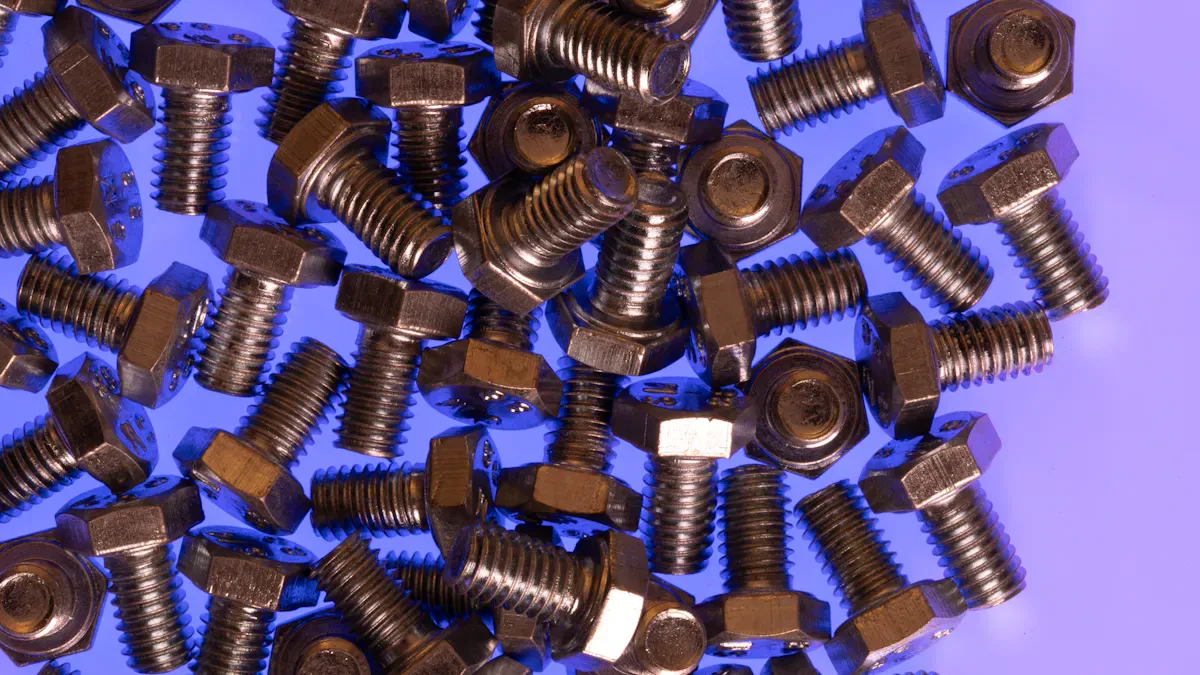

Правильный монтаж анкерные болты является обязательным условием для обеспечения конструктивной устойчивости и безопасности. Неправильно установленный анкер создает критическую точку отказа, что грозит обрушением конструкции и значительными финансовыми потерями. Безупречный монтаж анкерных болтов в бетоне начинается с выбора правильных анкеров. производитель крепежных изделий на заказ может предоставить специальные анкерные болты или другие нестандартные крепежные элементы для конкретных нужд. Освоение правильного выбора и монтажа анкерных болтов гарантирует создание прочного и долговечного соединения, обеспечивая долгосрочную целостность и устойчивость конструкции.
Знаете ли вы? Ошибки монтажа являются основной причиной выхода анкеров из строя. Даже незначительные ошибки могут иметь серьезные последствия для целостности болтов.
Статистика Стоимость Отказы анкерных болтов из-за ошибок монтажа 34% Превышение напряжения сдвига из-за болтов малого размера 22% Снижение несущей способности при угловом отклонении в 1° 18%
Понимание и выбор правильных анкерных болтов
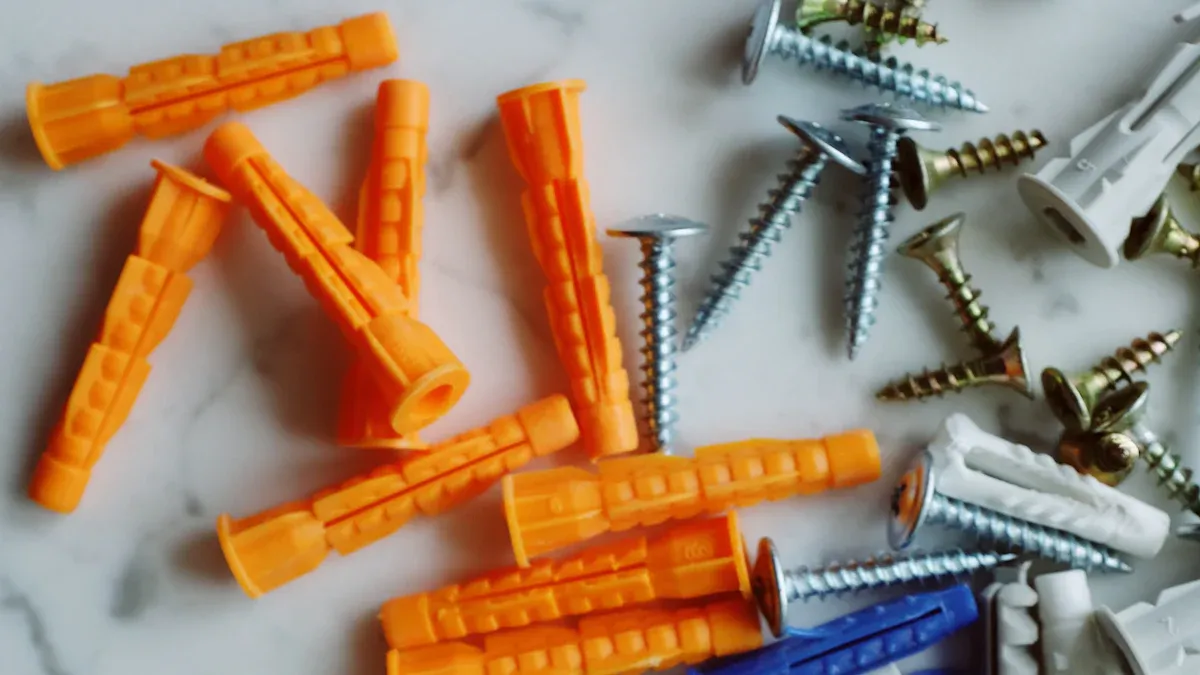
Выбор правильного анкера — это первый шаг к обеспечению целостности конструкции. Широкий ассортимент доступных анкерных болтов может озадачить, но понимание их фундаментальных различий упрощает процесс выбора. Каждый тип анкера разработан для конкретных условий и требований к нагрузке.
Что такое анкерные болты для бетона и почему они критически важны?
Анкерные болты для бетона — это важнейшие крепежные элементы. Они обеспечивают критическую связь между конструктивным элементом и его бетонным основанием. Стабильность всего соединения зависит от характеристик этих болтов.
Фундаментальная роль в конструктивных соединениях
Анкерные болты — это стальные стержни с резьбой, заделанные в бетон. Их основное назначение — передавать нагрузки, такие как силы растяжения (выдергивания) и сдвига (поперечные), с присоединенной конструкции на бетонный фундамент. Сталь в болтах обеспечивает прочность на растяжение, а окружающий массив бетона — устойчивость и сопротивление. Это взаимодействие создает надежное несущее соединение, которое является основополагающим для общей целостности конструкции.
Последствия отказа анкера
Отказ анкера может иметь катастрофические последствия. Понимание потенциальных видов разрушения подчеркивает необходимость правильного выбора и монтажа. К распространенным видам разрушения относятся:
- Разрушение стали: Сам анкерный болт ломается под действием чрезмерной растягивающей нагрузки.
- Вырыв (отрыв): Анкер выдергивается из отверстия, что указывает на нарушение сцепления.
- Конусное разрушение бетона: Конусообразный фрагмент бетона откалывается от поверхности.
- Раскалывание: Трещины в бетонном основании, часто возникающие, когда анкер расположен слишком близко к краю.
Ключевые категории: Заливаемые (устанавливаемые до бетонирования) и устанавливаемые в готовый бетон
Существует две основные категории анкерных болтов, каждая со своим методом монтажа и областью применения. Выбор между ними зависит от сроков проекта и проектных требований.
Закладные анкеры: Решение для установки до бетонирования
Монтажники устанавливают заливаемые анкерные болты на место до заливки бетона. Эти болты становятся неотъемлемой частью конструкции по мере отверждения бетона вокруг них. Этот метод, как правило, обеспечивает наивысшую несущую способность и надежность, что делает его идеальным для тяжелых несущих колонн и оборудования, требующего максимальной устойчивости.
Анкеры, устанавливаемые в готовый бетон: Универсальность для существующих конструкций
Монтажники устанавливают такие анкеры в отверстия, просверленные в затвердевшем бетоне. Этот метод обеспечивает отличную гибкость для модернизации, реконструкции и применений, где расположение анкеров не было окончательно определено во время первоначальной заливки. Рабочие характеристики такого анкера в значительной степени зависят от правильности процедуры монтажа. В этой категории существует множество типов анкерных болтов.
Более подробный обзор типов анкеров, устанавливаемых в готовый бетон
Различные типов анкерных болтов предлагают уникальные преимущества. Выбор правильного типа имеет решающее значение для безопасности и производительности.
Механические распорные анкеры (клиновые, гильзовые, забивные)
Эти распространенные анкерные болты создают соединение, расширяясь в стенках просверленного отверстия. Их можно нагружать сразу после установки. Однако распорное усилие создает напряжение в бетоне, что требует тщательного соблюдения расстояний между анкерами и до края, чтобы предотвратить растрескивание.
Анкеры с подрезкой для высоких нагрузок
Анкерные болты с подрезкой создают механическое зацепление, расширяясь в специально просверленную “подрезанную” камеру в нижней части отверстия. Эта конструкция обеспечивает превосходные характеристики для применений с высокими нагрузками и в сейсмических условиях.
Винтовые анкеры по бетону для временного и постоянного крепления
Эти универсальные болты, часто называемые шурупами по бетону, нарезают собственную резьбу в бетоне и кладке. Они быстро устанавливаются и могут быть демонтированы, что делает их пригодными как для временных, так и для постоянных конструкций.
Клеевые (химические) анкеры для максимальной прочности
Клеевые анкерные болты используют двухкомпонентную эпоксидную смолу или полиэфирную смолу для склеивания резьбового стержня с бетоном. Эти болты являются “безнапорными” во время установки, что позволяет уменьшить расстояние между анкерами. При правильной установке клеевые анкерные системы обеспечивают максимально возможную прочность сцепления и отлично подходят для сопротивления вибрационным нагрузкам.
Как выбрать правильный анкер для вашего применения
Выбор правильного анкера — это не просто выбор из коробки. Профессионал должен оценить несколько критических факторов, чтобы гарантировать, что соединение обеспечит долговременную стабильность и безопасность. Конкретные требования применения диктуют идеальный тип анкера.
Оценка требований к нагрузке: Статические, динамические и сейсмические
Монтажник должен сначала понять, каким силам будут противостоять анкерные болты. Эти требования к нагрузке определяют необходимую прочность и тип анкера.
- Статические нагрузки: Это постоянные, неизменные силы, такие как вес стационарного оборудования.
- Динамические нагрузки: Эти силы изменяются, включают вибрацию или внезапное движение, например, от работающего оборудования.
- Сейсмические нагрузки: Это экстремальные циклические силы, возникающие во время землетрясения.
Для сложных проектов выбор анкера, соответствующего отраслевым стандартам, таким как ASTM F1554 , имеет решающее значение. Клиновые анкеры могут выдерживать как статические, так и динамические нагрузки, в то время как химические анкеры предлагают превосходную прочность для критически важных применений с высокими динамическими силами. Инженер-строитель всегда должен участвовать в проверке расчетов нагрузок и обеспечении соответствия местным строительным нормам.
Evaluating Concrete Condition: Cracked vs. Uncracked
The condition of the base material is a primary consideration. Concrete can be classified as either cracked or uncracked. Many anchor bolts are only rated for use in uncracked concrete. Using an unrated anchor in cracked concrete significantly reduces its load capacity and can lead to failure. Installers must choose an anchor specifically tested and approved for the concrete’s condition.
Considering Environmental Factors: Corrosion and Temperature
Environmental exposure affects the longevity of anchor bolts. In damp or corrosive environments, such as coastal areas or chemical plants, standard carbon steel bolts will rust and fail. In these cases, stainless steel or hot-dip galvanized bolts are necessary to resist corrosion. Extreme temperatures can also affect the performance of both mechanical and adhesive anchor bolts, making material choice critical for long-term stability.
Matching Anchor to Application: Wall, Floor, and Overhead
The installation orientation influences the forces acting on the anchor. A floor anchor primarily resists shear and tension, while an overhead anchor must support a constant tensile load. Certain bolts are designed with features that make them better suited for overhead use. Matching the anchor to its specific placement is essential for a secure installation.
Sizing Your Anchor: Diameter, Length, and Embedment
Proper anchor bolt sizing is fundamental to achieving the required load capacity. The diameter, length, and embedment depth of the bolts work together to create a strong connection. A failure in anchor bolt sizing can compromise the entire structure.
The Importance of Minimum Embedment Depth
Embedment depth is the distance the anchor is installed into the concrete. Deeper embedment allows the anchor to engage more concrete, which dramatically increases its holding power. Following the manufacturer’s specified minimum embedment depth is non-negotiable. As a general rule, increasing the embedment depth increases the load capacity.

Calculating Required Anchor Diameter and Length
The diameter of the anchor bolts directly impacts their tensile and shear strength. A larger diameter provides greater resistance to a given load. The required length depends on the embedment depth and the thickness of the fixture being attached. Proper anchor bolt sizing requires calculating the expected load requirements and selecting bolts that exceed those needs with an appropriate safety factor.
| Тип анкерного болта | Диаметр (дюймы) | Несущая способность на растяжение (фунты) | Несущая способность на сдвиг (фунты) |
|---|---|---|---|
| Клин-анкер | 1/2″ | 2,500 | 3,200 |
| Клин-анкер | 3/4″ | 4,800 | 5,600 |
| Эпоксидный анкер | 1/2″ | 3,000 | 3,500 |
| Эпоксидный анкер | 3/4″ | 5,000 | 6,200 |
Примечание: These values are illustrative and depend on factors like concrete strength and embedment depth. Always consult manufacturer data for specific load capacities.
Критически важные правила расстояний между анкерами и до края
Installers must respect minimum spacing and edge distance rules. Placing bolts too close to each other or too near a concrete edge can cause the concrete to crack and fail, especially with expansion-style anchor bolts. Adhering to these guidelines prevents overlapping stress cones in the concrete, ensuring each anchor achieves its full load-bearing potential.
The Definitive Guide to Concrete Anchor Bolt Installation
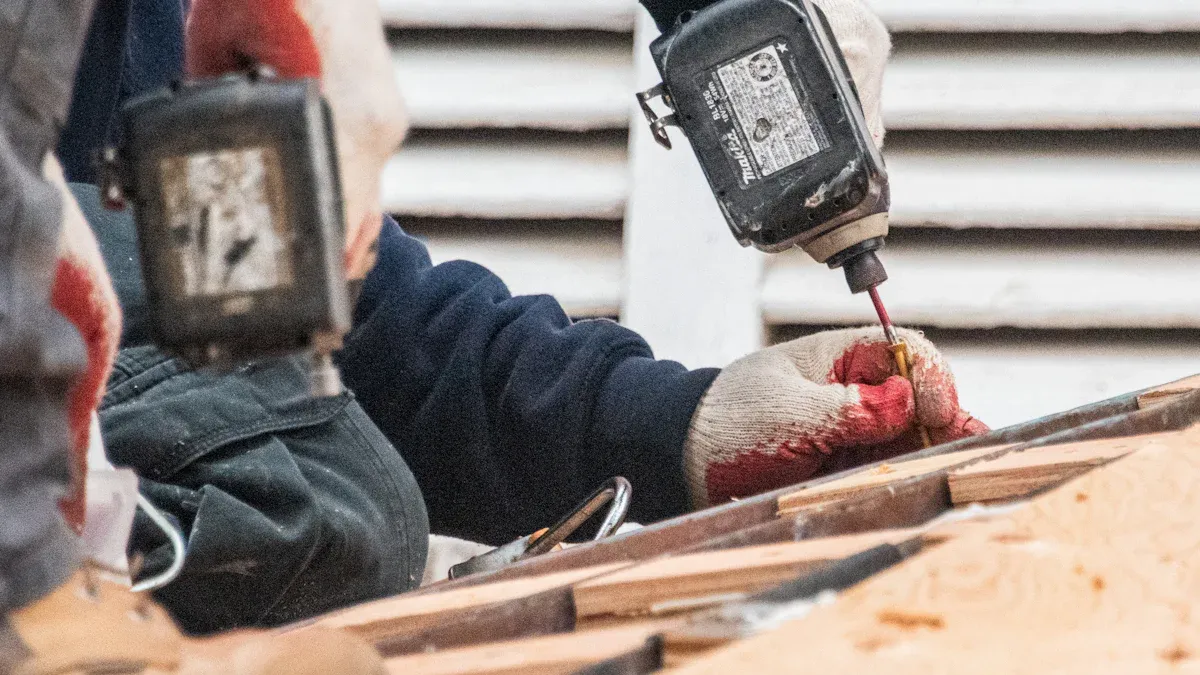
A successful concrete anchor bolt installation depends on precision and adherence to proven procedures. Following a systematic, step-by-step process eliminates guesswork and ensures that every anchor performs to its maximum engineered capacity. From initial preparation to final cleaning, each phase is critical for structural safety.
Step 1: Pre-Installation Checklist and Preparation
Proper preparation is the foundation of a flawless installation. Before drilling the first hole, an installer must gather the correct tools and materials and thoroughly review all relevant documentation. This initial step prevents costly delays and critical errors.
Essential Tools: Hammer Drill, Bits, Torque Wrench
Having the right equipment on hand is non-negotiable. A professional toolkit ensures efficiency and accuracy throughout the anchor bolt installation process. Key tools include:
- Перфоратор: A drill with a hammering function is essential for creating holes in concrete efficiently.
- Carbide-Tipped Masonry Bits: These bits are specifically designed to withstand the abrasive nature of concrete.
- Динамометрический ключ: A calibrated torque wrench is the only tool that can guarantee the bolts are tightened to the manufacturer’s exact specification.
- Оборудование для очистки отверстий: A wire brush, compressed air source or blow-out pump, and a vacuum are necessary for removing debris.
- Measurement Tools: A tape measure and a level ensure accurate placement and alignment of the anchor bolts.
Required Materials: Anchors, Adhesives, Cleaning Supplies
The materials list is straightforward but critical. An installer must have the specified anchor bolts for the job, along with any required chemical adhesives for that anchor type. Cleaning supplies, such as nylon brushes and absorbent cloths, are also essential, particularly for adhesive applications.
Always Review Manufacturer’s Installation Instructions (MII)
Every anchor is part of a system, and its performance is only guaranteed when installed according to the Manufacturer’s Installation Instructions (MII). These documents provide non-negotiable specifications for drill bit diameter, hole depth, cleaning procedures, and torque values.
Профессиональный совет: Before starting, an installer must clean the installation site of all dirt, oil, and contaminants. A clean work surface prevents debris from falling into freshly drilled holes and ensures the fixture seats properly against the concrete. Ignoring the MII is a direct path to anchor failure.
Step 2: Drilling the Hole with Absolute Precision
Drilling is more than just making a hole; it is about creating a perfectly sized and aligned cavity for the anchor. The quality of the drilled hole directly impacts the holding power of the final installation.
Selecting the Correct ANSI-Standard Carbide Drill Bit
Using the correct drill bit is not optional. For post-installed anchor bolts, installers must use a carbide-tipped masonry drill bit that complies with ANSI Standard B212.15. This standard ensures the bit’s diameter falls within a strict tolerance range, creating a hole that is neither too tight nor too loose for the anchor. An incorrectly sized hole will compromise the anchor’s ability to expand or bond correctly.
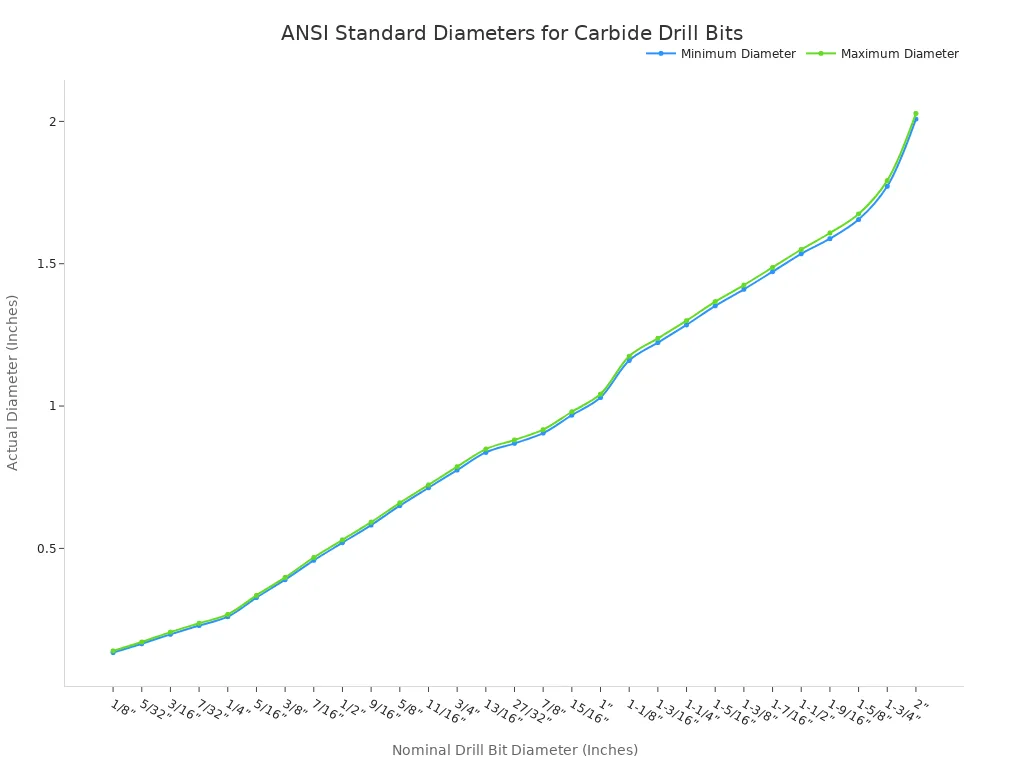
| . Этот стандарт определяет точные диапазоны диаметров сверл, гарантируя, что сверло от любого соответствующего производителя создаст отверстие с правильным допуском для надежной установки. | Диаметр сверла | Минимальный диаметр |
|---|---|---|
| 1/4” | .Максимальный диаметр” | .260” |
| 3/8” | .335” | .390” |
| 1/2” | .398” | .520” |
| 5/8” | .650” | .660” |
| 3/4” | .775” | .787” |
| 1” | 1.030” | 1.042” |
Примечание: This table shows a sample of ANSI B212.15 tolerances. Always verify the required bit diameter in the anchor’s MII.
Techniques for Drilling to the Specified Depth
The hole must be drilled to the depth specified in the MII to achieve the required embedment for the anchor. A simple and effective technique is to use the drill’s depth stop. If one is not available, an installer can mark the correct depth on the drill bit with a piece of tape. It is crucial not to over-drill, as this can interfere with the proper setting of certain types of anchor bolts.
How to Maintain Perpendicularity for Optimal Hold
A hole drilled at an angle reduces the anchor’s performance. The anchor must be installed perpendicular (at a 90-degree angle) to the concrete surface. To ensure a straight hole, professionals use several techniques:
- Start the hole with a center punch to prevent the drill bit from “walking.”
- Use a pre-drilled wooden block or a drill guide to keep the bit steady and perpendicular.
- Periodically pull the bit out while drilling to clear dust, which helps maintain a straighter path.
What to Do When You Hit Rebar
Hitting steel reinforcement (rebar) is a common problem. The first rule is to stop drilling immediately. Never try to power through rebar with a standard hammer drill bit, as this will destroy the bit and may damage the rebar’s integrity. The proper procedure is:
- Relocate: The simplest solution is to move the anchor location by the minimum distance allowed by the project plans and MII.
- Drill Through: If relocating is not an option, a structural engineer must approve cutting the rebar. Specialized tools, such as a diamond core bit или a dedicated “rebar eater” bit, must be used in a rotary-only drill (no hammer function) to cut through the steel. Once through, the installer can switch back to the standard bit and hammer drill to complete the hole.
Step 3: The Critical Hole Cleaning Process
A perfectly drilled hole is useless if it is not perfectly clean. This step is the most frequently skipped and is a leading cause of anchor failure. Dust and debris act as a lubricant, preventing mechanical anchors from gripping and chemical anchors from bonding.
Why Improperly Cleaned Holes Guarantee Failure
Concrete dust left in a hole creates a barrier between the anchor and the base material. For mechanical expansion bolts, this dust crushes and prevents the expansion sleeve from making solid contact with the concrete walls. For adhesive anchors, dust contaminates the epoxy, drastically reducing its bond strength and leading to pull-out failure under a fraction of the expected load.
The Blow-Brush-Blow Method Explained
The industry-standard cleaning procedure is a simple but effective cycle known as the “Blow-Brush-Blow” method. These installation techniques ensure all debris is removed.
- Продувка: Use a source of oil-free compressed air or a manual blow-out pump to force loose dust out of the hole from the bottom up.
- Чистка щеткой: Use a stiff wire or nylon brush with a diameter matched to the hole. Insert the brush to the bottom and twist and pull it out, repeating this several times to dislodge stubborn particles from the sides.
- Продувка: Perform a final blow-out to remove all the dust loosened by the brush. The hole is clean only when no more dust emerges.
Essential Tools for Debris Removal: Wire Brushes and Air Nozzles
Professional results require professional tools. A proper cleaning kit includes steel or nylon brushes sized for each hole diameter and an air nozzle long enough to reach the bottom of the deepest hole. Using a brush that is too small or an air source that is too weak will not clean the hole effectively.
Special Cleaning Needs for Adhesive Anchor Installation
Adhesive anchors are the most sensitive to hole cleanliness. Because their capacity relies entirely on the chemical bond, the hole must be pristine. Manufacturers often require a more rigorous cleaning cycle, such as a “2x2x2” method (Blow-Brush-Blow, repeated twice).
Важно: For many high-strength adhesive anchors, manufacturers specify compressed air at a minimum of 90 PSI. A hand pump or vacuum cleaner is not an acceptable substitute. Some modern systems, like the Hilti SafeSet, use a hollow drill bit connected to a vacuum to clean the hole simultaneously as it is drilled, satisfying these stringent requirements in one step.
Step 4: Anchor Installation Techniques by Type
With a clean, precisely drilled hole, the installer can proceed with the final installation. The specific installation techniques vary significantly depending on the type of anchor being used. Each method requires careful execution to ensure the anchor functions as designed.
Installing Mechanical Expansion Anchors
Mechanical expansion anchors, like wedge and sleeve anchors, rely on friction to achieve their holding power. The installation process is straightforward but demands precision.
An installer follows these critical steps for a successful installation:
- Drill the Hole: Use a hammer drill and a carbide-tipped bit matching the anchor diameter. The hole must be drilled at least 1/2-inch deeper than the required embedment to provide space for dust and debris.
- Clean the Hole: Remove all dust and debris from the hole. A combination of a wire brush and compressed air or a vacuum is essential for a clean surface.
- Prepare the Anchor: Position the washer on the anchor and thread the nut just a few turns. This protects the threads during installation.
- Drive the Anchor: Insert the anchor through the fixture and into the hole. Gently tap it with a hammer until the washer and nut are snug against the fixture.
- Set the Anchor: Use a calibrated torque wrench to tighten the nut. This action pulls the anchor shaft up, forcing the expansion clip to wedge itself firmly against the concrete walls.
⚠️ Предостережение: Over-tightening a mechanical anchor can cause the concrete to crack or lead to steel failure in the bolt itself. Always stop at the manufacturer’s specified torque value.
Driving and Setting Screw Anchors
Concrete screw anchors, like Tapcon® bolts, cut their own threads into the base material. This makes them fast to install, but they are susceptible to stripping if not driven correctly.
To prevent stripping and ensure a secure hold, professionals follow these guidelines:
- Use the Correct Driver: Match the driver bit to the screw head. Using the wrong size can strip the head, making proper tightening impossible.
- Drive Slowly: Use a rotation drill (not a hammer drill) on a low-speed setting. Drive the screw steadily with minimal downward pressure, allowing the threads to do the work.
- Avoid Over-Torquing: Overtightening is the primary cause of failure. It will strip the threads cut into the concrete, causing the anchor to spin freely and lose all holding value.
- Finish by Hand: For the final few rotations, switch to a hand wrench. This gives the installer a better feel for when the anchor is tight against the fixture, preventing over-torquing.
Injecting and Setting Adhesive Anchors
Adhesive anchors offer the highest load capacities but are the most technique-sensitive. The process creates a chemical bond between the threaded rod and the concrete.
The installation of adhesive anchor bolts involves several unique steps:
- Prepare the Cartridge: Attach the mixing nozzle to the adhesive cartridge. Dispense the initial amount of adhesive (typically the first two or three trigger pulls) onto a piece of scrap material until the color is uniform. This ensures the two parts of the epoxy are properly mixed.
- Inject the Adhesive: Insert the nozzle to the bottom of the clean hole. Slowly inject the adhesive while withdrawing the nozzle to avoid creating air pockets. Fill the hole approximately two-thirds full.
- Insert the Anchor Rod: Вращательным движением медленно введите резьбовую штангу в отверстие, заполненное клеящим составом. Это обеспечивает полное покрытие резьбы составом и устраняет любые оставшиеся пустоты.
- Дайте составу затвердеть: Оставьте анкер для отверждения на время, указанное производителем, без каких-либо воздействий. Не перемещайте, не регулируйте и не прикладывайте нагрузку к болтам в этот критический период.
Шаг 5: Установка, затяжка и отверждение для надежной фиксации
Заключительные этапы установки анкерных болтов в бетоне фиксируют рабочие характеристики анкера. Правильная затяжка и отверждение являются обязательными условиями для достижения указанной несущей способности и обеспечения долгосрочной безопасности.
Применение правильного момента затяжки с помощью калиброванного ключа
Применение правильного крутящего момента необходимо для установки механических анкерных болтов и для окончательной затяжки анкеров всех типов. Крутящий момент создает силу зажима, которая удерживает крепежный элемент на месте, а для распорных анкеров — вызывает расширение, обеспечивающее сцепление с бетоном.
Монтажник должен использовать калиброванный динамометрический ключ для приложения точного значения момента, указанного в Инструкции по монтажу производителя (MII).
Для многих универсальных анкерных болтов Американский институт стальных конструкций (AISC) определяет условие ‘плотной затяжки’ . Однако для фирменных устанавливаемых после бетонирования анкеров единственным допустимым стандартом является значение момента, указанное производителем. Если требуется значение, превышающее ‘плотную затяжку’, конкретную информацию о моменте должен предоставить инженер.
Понимание пробной нагрузки и натяжения
Для критически важных применений инженер может назначить пробную нагрузку для проверки качества монтажа. Пробная нагрузка — это неразрушающее испытание , подтверждающее правильность установки анкера. Процесс включает приложение к анкеру заданной растягивающей нагрузки для проверки на наличие перемещений или признаков разрушения.
Ключевые аспекты пробной нагрузки включают:
- Назначение: Проверка правильности монтажа без повреждения правильно установленного анкера.
- Периодичность: Частота испытаний зависит от критичности объекта. Она может варьироваться от случайной выборки в 5% для второстепенных применений до 100% для критически важных с точки зрения безопасности соединений.
- Уровень нагрузки: Пробная нагрузка обычно составляет процент от предельной несущей способности анкера (например, 50%), достаточно высокий для выявления ошибок монтажа, но достаточно низкий, чтобы избежать повреждения анкера или бетона. Эта нагрузка проверяет прочность анкерного болта на растяжение.
- Оборудование: Для испытаний требуется специальное калиброванное оборудование, такое как гидравлические домкраты или динамометрические ключи, для приложения точного и измеряемого натяжения анкерного болта.
Соблюдение времени гелеобразования и отверждения клеевых анкеров
Прочность клеевых анкеров обеспечивается химической реакцией, которая сильно зависит от температуры. Монтажники должны соблюдать два критических временных промежутка:
- Время гелеобразования (Рабочее время): Период после инъекции, в течение которого можно вставить и отрегулировать резьбовую штангу.
- Время отверждения (Время до приложения нагрузки): Общее время, необходимое для того, чтобы клеящий состав достиг полной несущей способности.
Приложение нагрузки до полного отверждения анкера приведет к разрушению связи. Как время гелеобразования, так и время отверждения сокращаются с повышением температуры окружающей среды и бетона.
Типичное время отверждения клеевых анкеров (эпоксидно-акрилатных)
| Температура основного материала (°F/°C) | Время гелеобразования | Время полного отверждения |
|---|---|---|
| 110°/43° | 1.5 минуты | 45 минут |
| 90°/32° | 2.5 минуты | 45 минут |
| 70°/21° | 5 минут | 45 минут |
| 50°/10° | 16 минут | 90 минут |
| 32°/0° | 35 минут | 4 часа |
| 14°/-10° | 35 минут | 24 часа |
Примечание: Приведенная выше таблица является примером. Всегда сверяйтесь с техническим паспортом конкретного используемого клеящего состава от производителя, так как время может значительно различаться в зависимости от состава.
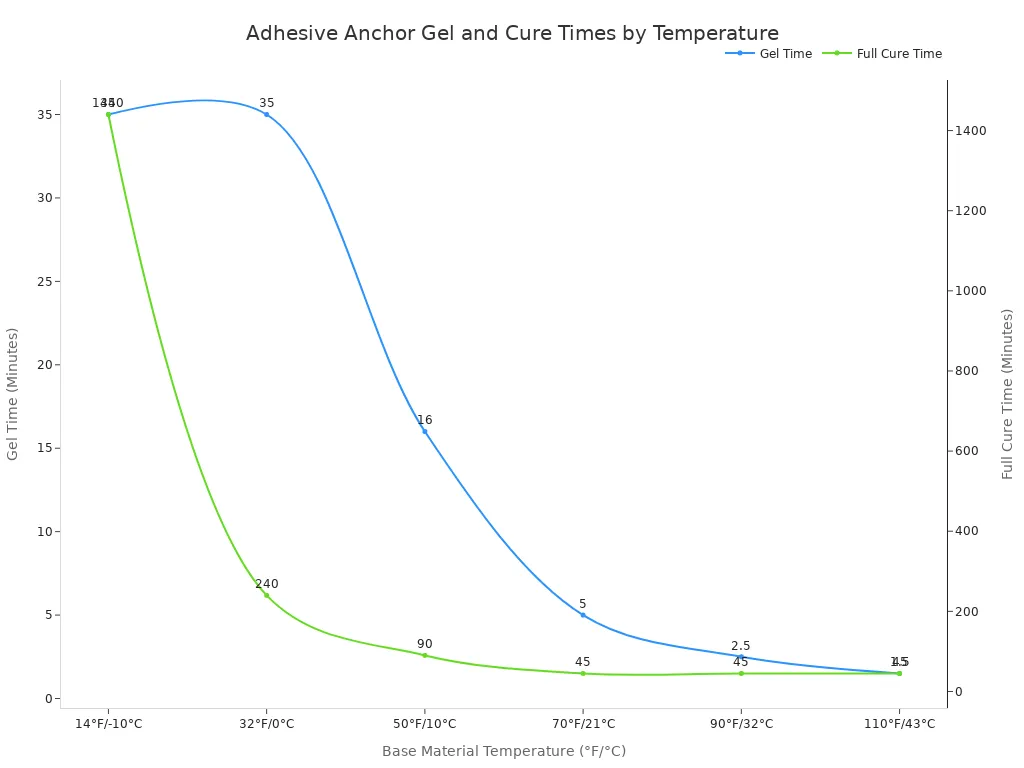
Строгое соблюдение этих окончательных процедур установки, затяжки и отверждения превращает набор отдельных компонентов в надежное, безопасное и прочное конструктивное соединение.
Основные правила безопасности и избежание распространенных ошибок
Успешный монтаж анкерных болтов в бетоне выходит за рамки технических навыков; он требует глубокой приверженности безопасности и осведомленности о распространенных ошибках. Следование установленным передовым практикам защищает рабочих от непосредственных опасностей и обеспечивает долгосрочную стабильность и целостность конструкции.
Средства индивидуальной защиты (СИЗ) при монтаже анкерных болтов
Правильное СИЗ является первой линией защиты от травм на рабочем месте. Каждый элемент экипировки предназначен для защиты от конкретного риска, связанного со сверлением бетона и установкой анкерных болтов.
Защита глаз и лица от осколков
Сверление бетона приводит к разлету осколков и пыли на высокой скорости. Монтажник должен носить защитные очки или маску, соответствующие стандарту ANSI Z87.1, для защиты глаз от ударов. Полнолицевой щиток обеспечивает дополнительную защиту при работе на высоте.
Защита органов дыхания от пыли кристаллического кремнезема
Бетонная пыль содержит вдыхаемый кристаллический кремнезем, опасное вещество, которое может вызывать тяжелые и необратимые заболевания легких. Вдыхание этой пыли представляет значительный риск для здоровья.
- Силикоз: Предотвратимое, но неизлечимое заболевание легких that causes scarring and stiffening of the lungs.
- Lung Cancer: A serious disease linked to occupational exposure to silica dust.
- Chronic Obstructive Pulmonary Disease (COPD)
- Kidney Disease
To mitigate these risks, installers must use a NIOSH-approved respirator, often in conjunction with a dust-collection system attached to the drill. This is a non-negotiable safety measure.
Hand and Hearing Protection During Drilling
A hammer drill generates intense vibrations and noise. Padded, anti-vibration gloves protect an installer’s hands from fatigue and nerve damage. Earplugs or earmuffs are essential for protecting hearing from the high-decibel noise produced during drilling.
Top 5 Common Installation Mistakes and How to Avoid Them
Even experienced professionals can make mistakes. Recognizing these common errors is the key to preventing them and ensuring a flawless installation.
Mistake 1: Incorrect Hole Diameter or Depth
Using a worn or wrong-sized drill bit creates an improperly sized hole, compromising the anchor’s performance. A hole that is too shallow prevents the anchor from reaching its required embedment depth, drastically reducing its load capacity.
Решение: Always use an ANSI-standard carbide bit specified in the MII and measure the hole depth before cleaning.
Mistake 2: Inadequate or Skipped Hole Cleaning
Debris left in the hole prevents the anchor from making solid contact with the concrete. This is a leading cause of anchor failure, as the resin bonds to dust instead of the substrate. The 2006 “Big Dig” tunnel collapse in Boston was a tragic example, where faulty epoxy application led to a 26-ton ceiling section falling.
Решение: Strictly follow the “Blow-Brush-Blow” cleaning method until the hole is completely free of dust.
Mistake 3: Over-Torquing or Under-Torquing the Bolt
Applying the wrong amount of torque can be disastrous. Under-torquing leaves the connection loose, while over-torquing can strip the threads or fracture the concrete, leading to a loss of stability.
Решение: Always use a calibrated torque wrench to tighten bolts to the manufacturer’s exact specification. This ensures proper tension without damaging the anchor or the concrete.
Mistake 4: Ignoring Edge and Spacing Distance Requirements
Placing anchor bolts too close to an edge or to each other creates overlapping stress zones in the concrete. This can cause the concrete to crack and spall, a failure known as “concrete cone breakout,” which compromises the stability of the entire connection.
Решение: Adhere to the minimum edge and spacing distances detailed in the anchor’s technical data sheet.
Mistake 5: Using the Wrong Anchor Type for the Load or Concrete
Not all anchor bolts are created equal. Using an anchor not rated for cracked concrete in a tension zone, or a light-duty anchor for a heavy dynamic load, is a recipe for failure.
Решение: Carefully assess the load requirements, concrete condition, and environmental factors before selecting an anchor. When in doubt, consult a structural engineer.
Post-Installation Inspection and Long-Term Maintenance
The job is not finished after the final torque. Regular inspection and maintenance are crucial for ensuring the continued safety and integrity of the anchor system.
The Initial Post-Installation Inspection Checklist
Immediately after installation, a qualified person should conduct a visual inspection. This check confirms that the correct anchor was used, spacing and edge distances are correct, and the bolts have been tightened properly. For adhesive anchors, the inspector verifies that the epoxy has cured correctly with no voids.
How to Conduct Long-Term Maintenance Checks
The frequency of maintenance depends on the structure’s risk level. High-risk structures like bridges may require checks every six months, while low-risk residential applications might be inspected every two years. The basic maintenance practices involve:
- Cleaning: Remove any dirt or debris from around the bolts with a brush.
- Tightening: Check the torque on the bolts to ensure they have not loosened over time.
- Coating: Reapply protective coatings or corrosion inhibitors as needed, especially in coastal or industrial environments.
Identifying Early Signs of Potential Anchor Failure
Vigilance can prevent catastrophic failure. Installers and maintenance personnel should look for tell-tale signs of distress:
- Коррозия: Rust stains on the concrete or visible rust on the anchor itself.
- Cracking: Fine cracks radiating from the anchor location.
- Spalling: Chipped or flaking concrete around the anchor head.
- Looseness: Any movement in the fixture or the anchor when tested.
Identifying these issues early allows for timely repairs, preserving the structure’s stability and safety.
The foundation of structural integrity lies in selecting the correct anchor bolts for the specific load and environment. A meticulous installation ensures these bolts achieve full capacity, which is critical for the structure’s stability and integrity. Consistent adherence to safety protocols and manufacturer guidelines, like those reflected in ACI 318, guarantees the long-term integrity of the anchor system. This commitment to the bolts’ integrity preserves the building’s overall structural integrity and stability.
Частые вопросы
Can an installer reuse a concrete anchor?
Most mechanical anchors are single-use items. Removing them damages the expansion mechanism, making reinstallation unsafe. Concrete screw anchors are an exception, as manufacturers design some for temporary use and removal. An installer should always check the product specifications before attempting to reuse any anchor.
Какой анкер лучше всего подходит для потолочного монтажа?
Adhesive anchors and undercut anchors provide the highest reliability for overhead use. Their design creates a strong bond or mechanical interlock, making them ideal for sustained tension loads. Installers must select an anchor specifically rated for overhead applications to ensure safety and long-term performance.
Why is a calibrated torque wrench so important?
A calibrated torque wrench guarantees the correct clamping force. It prevents under-tightening, which leaves the connection loose. It also avoids over-tightening, which can damage the anchor or crack the concrete. Proper torque is essential for achieving the anchor’s specified load capacity and ensuring a secure installation.
How long do adhesive anchors need to cure?
Cure times vary significantly based on the adhesive type and the concrete’s temperature. Colder conditions require much longer cure times.
Важно: An installer must always consult the Manufacturer’s Installation Instructions (MII) for the specific gel and full cure times. Applying a load prematurely will cause failure.
What should an installer do when the drill hits rebar?
The installer must stop drilling immediately. The best practice is to abandon the hole and relocate the anchor according to the project plans. If relocation is not possible, a structural engineer must approve cutting the rebar with a specialized rebar-cutting or diamond core drill bit.
Можно ли устанавливать анкеры в легком бетоне?
Да, но монтажник должен использовать анкеры, специально испытанные и сертифицированные для легкого бетона. Этот материал обладает более низкой прочностью на сжатие, что снижает удерживающую способность стандартных анкеров. Использование неподходящего типа анкера в легком бетоне может привести к значительной потере несущей способности и потенциальному разрушению.