The Irwin Hanson Spiral Extractor and Drill Bit Set is the best bolt extractor set for beginners. It stands as our top pick among various bolt extractor sets because its spiral design is easy to use and bites effectively into a damaged установить болт. The tool can handle a standard литье болтов or even нестандартные крепежные элементы sourced from a specialized производитель крепежных изделий на заказ. This all-in-one kit removes the guesswork from a first bolt removal project, making it a reliable choice.
Our Top 3 Recommended Bolt Extractor Sets for Beginners
Choosing the right tool can make the difference between a quick fix and a major headache. We have analyzed numerous bolt extractor sets to identify the top three options for anyone new to removing damaged fasteners. Each recommendation balances performance, value, and user-friendliness.
Best Overall: Irwin Hanson Spiral Extractor and Drill Bit Set
Why It’s Perfect for Beginners
The Irwin Hanson set is our top pick because it simplifies a potentially intimidating task. The spiral flute design is the most common and intuitive type, making it incredibly easy to use. A beginner drills a hole, taps the extractor in, and turns it counter-clockwise. This set removes the guesswork by including the matching left-handed drill bits, ensuring you have the correct size for each extractor.
What’s Included in the Set
This kit provides a focused and effective collection of tools for common repair scenarios.
- 5 Spiral Flute Extractors: Sizes EX-1 through EX-5.
- 5 Left-Hand Drill Bits: Sizes 5/64″, 7/64″, 5/32″, 1/4″, and 19/64″.
- Durable Storage Case: A plastic case keeps the components organized.
💡 Pro Tip: The left-hand drill bits in this kit can sometimes remove the damaged screw on their own. As they drill counter-clockwise, the friction and bite can be enough to back the fastener out before you even need the extractor.
Real-World Performance
This set performs reliably on the soft to medium-hardness bolts typically found in home and automotive applications. The extractors are constructed from high-carbon steel, a material known for providing excellent durability and resistance to wear under torque. While the manufacturer does not specify a Rockwell Hardness (HRC) rating, the tools offer a good balance of hardness for grip and toughness to prevent shattering. User satisfaction reflects this reliability; for example, the Irwin/Hanson 53545 6 Piece Spiral Flute Screw Extractor Set holds a 5.0 out of 5-star rating on Walmart Business Supplies, confirming its effectiveness in the field.
Potential Downsides
The primary limitation of this set is its size range. It is designed for smaller bolts and screws, so it may not be suitable for large, heavy-duty industrial or agricultural equipment. Additionally, high-carbon steel, while durable, may not stand up to extremely hardened or severely seized bolts, which could cause the extractor to break if excessive force is applied.
Best Budget-Friendly Option: Topec Screw Extractor Set
Great Value for Occasional Use
For the DIYer who only anticipates needing a screw extractor set for a one-off project, the Topec set offers incredible value. It provides a wide array of tools for a fraction of the cost of premium brands. Surprisingly, the tools are crafted from heat-treated, high-quality CR-MO (chromium-molybdenum) steel, a material praised for its superior strength and toughness, often found in more expensive kits.
Performance on Softer Metals
This set excels when working with softer fasteners like those made from aluminum or mild steel, which are common in electronics, furniture, and some automotive trim. The extractors bite well without requiring excessive force, making them a great choice for delicate jobs where you want to avoid damaging the surrounding material. The included drill bits are made of standard HSS (High-Speed Steel), which is perfectly adequate for these applications.
Limitations of a Budget Set
The trade-off for the low price is long-term durability. While made from strong material, the manufacturing tolerances and heat treatment may not be as precise as premium brands. Under high torque or on very hard bolts, these extractors are more likely to strip, deform, or even break. The case is also typically less robust, so care is needed to keep the components secure.
Who Should Buy This?
This is the best screw extractor for the homeowner or hobbyist who needs a tool for a single emergency. If you have a stripped screw on a deck, a broken bolt on a lawnmower, or a damaged fastener on a piece of furniture, this affordable screw extractor kit will get the job done without a major investment.
Most Versatile Starter Kit: Neiko 04204A Extractor and Left-Hand Drill Bit Set
The Advantage of Left-Hand Drill Bits
The Neiko 04204A is a true heavy-hitter that introduces beginners to a more advanced, multi-spline design. Unlike spiral flutes that can sometimes expand a stuck fastener, the straight splines on these extractors wedge into the material for a powerful, non-slip grip. This design provides significantly more torque, making it ideal for stubborn bolts. Professional mechanics often prefer this style for its raw gripping power.
Covering a Wide Range of Sizes
This kit’s primary advantage is its immense versatility. It includes 25 extractor pieces, covering a massive range of sizes.
- Дюймовая система: 1/8″ up to 7/8″
- Метрическая система: M3.5 up to M23
This extensive range ensures you will have the right size for nearly any job, from small engine repair to larger automotive work. The sizes are laser-etched on each extractor for quick identification.
| Характеристика | Описание |
|---|---|
| Extractor Count | 25 Pieces |
| Диапазон размеров | 1/8″ (3.2mm) to 7/8″ (22mm) |
| Тип привода | Hex Head for use with wrenches and sockets |
Built for Long-Term Durability
Neiko builds this set for demanding use. Each piece is forged from high-hardness chrome-molybdenum (Cr-Mo) steel, ensuring exceptional durability and resistance to high-torque applications. The kit comes in a heavy-duty blow-molded case that protects the tools. This industrial-grade construction makes it a set you can grow with, transitioning from beginner projects to more advanced repairs. It is a professional-grade tool that remains easy to use.
Is It Too Much for a First-Timer?
While this set is powerful, it is not overly complicated. The hex head design allows it to be used with standard wrenches or sockets, tools most beginners already own. However, some users note a couple of minor flaws.
- Стандарт DIN 933: объяснение pieces sometimes don’t stay securely in their slots inside the case.
- Under repeated, heavy professional use, some mechanics report that they can wear out.
For a beginner, these issues are minor. The sheer range of sizes and superior gripping power make this an excellent investment for anyone who plans to do more than one or two repairs and wants a kit that will last.
How to Choose the Best Bolt Extractor Set for Your Needs
Selecting the best bolt extractor set involves more than just picking the first box on the shelf. A user must consider the type of extractor, the sizes included, and the material quality. Understanding these factors ensures you buy a tool that will solve your problem effectively.
Extractor Type: Spiral vs. Bolt-Grip
Spiral Flute Extractors Explained
Spiral flute extractors are designed for bolts where the head has sheared off completely. A technician first drills a pilot hole into the center of the broken bolt. The extractor, which has aggressive reverse threads, is then tapped into the hole. As the user turns the extractor counter-clockwise, its threads bite deeper into the bolt, eventually loosening and removing it.
Bolt-Grip (Socket-Style) Extractors Explained
Bolt-grip extractors, also known as socket-style extractors, work on a different principle. They are designed for situations where the bolt head is still accessible but is too rounded or stripped for a standard socket or wrench to grip. These tools function like a socket but have internal helical flutes that grip the outside of the damaged fastener.
- They are highly effective when a bolt head has external damage.
- They require no drilling, which saves a significant amount of time.
- They are generally reusable and work well on rounded hex-head bolts.
Our Recommendation for Beginners
For a first-time user, the spiral flute extractor is the most versatile choice. It handles the worst-case scenario of a completely broken bolt. While bolt-grip styles are useful, a beginner’s most common and frustrating problem is often a fastener with no head left to grab. A good screw extractor set with spiral flutes prepares you for this challenge.
Size and Compatibility
Matching Extractors to Bolt Sizes
The most critical step in using a spiral extractor is pairing it with the correct drill bit. A hole that is too small will not allow the extractor to seat properly. A hole that is too large will weaken the bolt’s walls, causing it to break apart during extraction. The best screw extractor will have clear guidance on this.
Common Sizes for Home and Auto
Most DIY projects involve a predictable range of fastener sizes. Having a kit that covers these common dimensions is essential.
| Screw/Bolt Type | Common Sizing | Typical Application |
|---|---|---|
| Шестигранные болты | 1/4″–1″ diameter | Furniture, Machinery |
| Common Screws | #8, #10, M4 | Cabinets, Electronics |
Reading the Size Chart on the Case
Nearly all bolt extractor sets include a size chart inside the case lid or etched onto the tools. This chart tells the user exactly which drill bit to use for each extractor. Always follow this guide to prevent mistakes.
Material and Durability
Why High-Speed Steel (HSS) is a Must
An extractor must be harder than the bolt it is removing. Manufacturers use high-speed steel (HSS) or even stronger alloys like chrome-molybdenum (Cr-Mo) for this reason. These materials can withstand high torque and bite into hardened metal fasteners without shattering or deforming.
Understanding Coatings like Black Oxide
Many quality tools feature a black oxide coating. This is not just for appearance. The coating provides a crucial layer of protection.
- It significantly improves corrosion and rust resistance.
- It enhances lubricity, which reduces friction and wear.
- It extends the tool’s lifespan, especially when combined with a light oil treatment.
The Importance of a Good Case
A durable, well-organized case is an underrated feature. It protects the precision-ground tools from damage and moisture. It also keeps the small drill bits and extractors from getting lost in a larger toolbox, ensuring they are ready when needed.
Essential Companion Tools You’ll Need for Your Screw Extractor Set
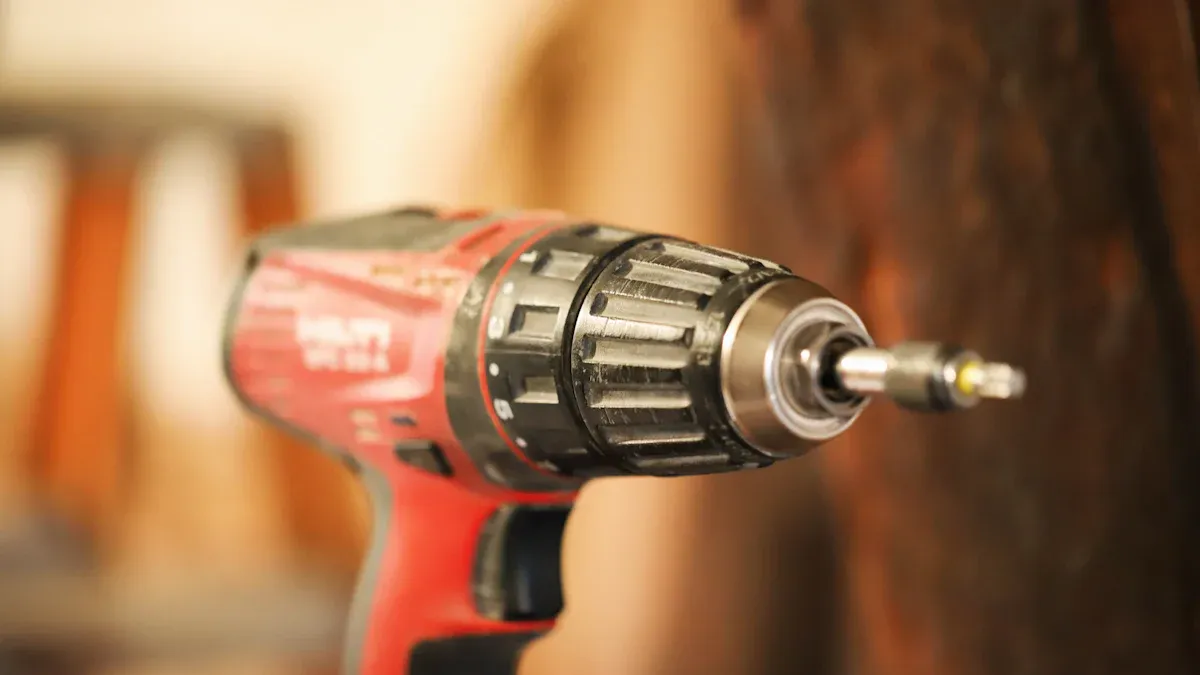
An exceptional screw extractor set is only one part of the equation. A successful extraction requires a few other essential tools. Gathering these items before starting ensures the process goes smoothly and safely. Most of these tools are common in a well-stocked DIY toolbox.
Drilling and Preparation Tools
Proper preparation is the foundation of a successful bolt removal. These tools ensure the pilot hole is accurate and the work is performed safely.
A Reliable Power Drill
A power drill is non-negotiable for creating the pilot hole. A variable-speed drill offers the best control, allowing the user to start slowly and maintain a steady, straight bore. Both corded and cordless models work well, but a cordless drill provides greater flexibility when working in tight spaces like engine bays.
Center Punch for Accuracy
A center punch is a small, pointed tool used to create a divot in the center of the broken bolt. This indentation prevents the drill bit from “walking” or wandering off-center. An accurate starting point is crucial for a successful extraction. Automatic center punches, which create a mark with a simple downward press, are especially user-friendly.
Защитные очки и перчатки
Safety is paramount when working with metal. Drilling creates small, sharp metal shavings that can easily cause eye injury.
Безопасность прежде всего! 🛡️
Always wear safety glasses that meet the ANSI Z87.1 standard. For metalworking, look for the “Z87+” marking. This indicates the glasses passed high-impact testing, where a 1/4-inch steel ball was shot at them at 150 feet per second. This level of protection is essential against high-velocity debris. A good pair of work gloves will also protect hands from sharp metal edges and hot surfaces.
Turning and Gripping Tools
Once the extractor is seated, the right tool is needed to apply the turning force required to remove the bolt.
Adjustable Wrench or Tap Wrench
Most extractors have a square or hex-shaped head. An adjustable wrench is a versatile tool that can grip these heads securely. For even better control and leverage, a T-handle tap wrench is the ideal choice. It provides a balanced, two-handed grip that helps apply even, steady torque.
Locking Pliers as an Alternative
In a pinch, a good pair of locking pliers can grip the end of an extractor. While not the ideal tool, they can provide the necessary torque if a wrench is unavailable. Their powerful clamping force makes them a useful addition to any toolkit.
Helpful Extras
A few additional items can make a difficult extraction significantly easier. These extras help break the bond of rust and corrosion.
Penetrating Oil like PB Blaster or WD-40 Specialist
A seized bolt is often held in place by rust or corrosion. Applying a quality penetrating oil and allowing it to soak for at least 15-30 minutes can work wonders. The oil seeps into the threads, lubricating them and breaking the rust’s grip. This single step dramatically increases the chances of a successful extraction.
A Hammer or Mallet
A hammer is essential for two key steps. First, it is used to gently tap the center punch to create the initial divot. Second, it helps seat the extractor firmly into the drilled pilot hole. A light, firm tap ensures the extractor’s flutes bite securely into the metal before any turning force is applied. A complete screw extractor kit combined with these companion tools prepares any beginner for success.
A Simple Guide to Using a Bolt Extractor
Using a bolt extractor is a straightforward process when a user follows a few key steps. This guide breaks down the procedure into manageable actions, making the tool easy to use for any beginner. Proper preparation and patience are the keys to success.
Step 1: Prepare the Damaged Bolt
Clean the Area
A technician must first prepare the work surface. Use a wire brush and a rag to remove all dirt, grease, and debris from the top of the broken fastener. This cleaning process ensures a clear view and prevents contaminants from interfering with the tools. For painted screws, a user may need to scrape away the paint layer to expose the bare metal.
Apply Penetrating Oil
Next, apply a generous amount of penetrating oil to the fastener. This step is especially critical for rusted bolts, as the oil seeps into the threads and helps break the bond of corrosion.
💡 Pro Tip: Patience is a virtue here. Allow the penetrating oil to soak for at least 15-30 minutes. For severely seized bolts, a user might let it sit for several hours or even overnight, reapplying as needed.
Create a Divot with a Center Punch
The final preparation step is creating a starting point for the drill. Place the tip of a center punch directly in the middle of the broken bolt. Give the punch a firm tap with a hammer. This action creates a small indentation, which will guide the drill bit and prevent it from wandering off-center.
Step 2: Drill a Pilot Hole
Selecting the Right Drill Bit Size
Proper bit selection is crucial. Every extractor set includes a guide that matches each extractor to a specific drill bit size. A user must consult this chart. Using the wrong size can either prevent the extractor from gripping or weaken the bolt, causing it to fracture during removal.
Drilling Slow and Straight
Insert the correct drill bit into a variable-speed power drill. Set the drill to a low speed and reverse (counter-clockwise) if using a left-hand drill bit.
- Position the bit in the center punch divot.
- Apply steady, firm pressure.
- Keep the drill perfectly straight and perpendicular to the bolt surface.
Drilling slowly prevents overheating the bit and gives the user maximum control.
How Deep to Drill the Hole
The pilot hole must be deep enough for the extractor to get a solid grip. A good rule of thumb is to drill a hole approximately two-thirds the length of the extractor’s threaded portion. This depth provides enough surface area for the flutes to bite securely.
Step 3: Insert the Extractor
Tapping the Extractor into the Hole
Select the damaged screw extractor that corresponds to the pilot hole just drilled. Place its tapered tip into the hole. Use a hammer to give the end of the extractor a few light but firm taps. This action seats the extractor’s flutes into the walls of the pilot hole.
Ensuring a Snug Fit
The extractor should feel snug and secure after tapping. It should not wobble or feel loose. A solid fit confirms that the flutes have bitten into the metal, preparing it for the final removal step.
Step 4: Turn Counter-Clockwise to Remove
This final step requires patience and control. The user applies turning force to the extractor, which transfers that torque to the broken bolt. The reverse threads of the extractor tighten their grip as the user turns, ultimately backing the fastener out of its hole.
Attaching Your Wrench
A technician must first secure a turning tool to the extractor’s head. A T-handle tap wrench offers the best control, as it allows for balanced, even pressure. An adjustable wrench is also a suitable alternative. The user should adjust the wrench jaws for a tight, non-slip fit around the square or hex end of the extractor. A loose-fitting wrench can slip and round off the extractor head, complicating the removal process. A secure connection ensures all the applied force transfers directly into turning the extractor.
Applying Slow, Steady Pressure
The user should now turn the wrench counter-clockwise. The key is to apply slow, steady, and consistent pressure. A sudden, jerky motion can snap the hardened extractor, creating a much more difficult problem. As the user turns the tool, they will feel the extractor’s threads bite deeper into the pilot hole. The bolt will begin to rotate and back out of the threaded hole. The technician continues this smooth, deliberate motion until the bolt is completely free. This method is surprisingly easy to use once the initial setup is correct.
⚠️ Caution: If the bolt offers extreme resistance, stop turning. Forcing it can break the extractor. In this case, a user should apply more penetrating oil and let it soak longer. Sometimes, gently tapping the area around the bolt with a hammer can also help break the corrosion’s grip.
What to Do If It Slips
An extractor might slip inside the pilot hole if it does not have a sufficient grip. A technician should first check the fit. The user can try tapping the extractor a bit more firmly into the hole to seat it better. If it continues to slip, the pilot hole may be too large for that specific extractor. The user should consult the kit’s guide and confirm they used the correct drill bit. If the hole is indeed too large, the only solution is to drill a larger pilot hole and move up to the next size extractor in the set.
Common Mistakes Beginners Make (And How to Avoid Them)
Even the best bolt extractor sets can fail if a user makes a few common errors. Understanding these pitfalls ahead of time is the key to a successful and stress-free repair. A technician can avoid most problems by focusing on precision and patience.
Drilling the Pilot Hole Off-Center
The Problem with Off-Center Holes
Drilling an off-center pilot hole is a frequent mistake that almost guarantees failure. An off-center hole creates an uneven, weak wall on one side of the bolt. When a user applies turning force, the extractor pushes against this thin wall, which can cause the bolt to break apart rather than turn. This action can also prevent the damaged screw extractor from getting a symmetrical grip, causing it to slip.
Tips for Perfect Centering
Achieving a perfectly centered hole is straightforward with the right preparation.
- File the Surface Flat: If the bolt’s break is uneven, use a small metal file to create a flat surface.
- Use a Center Punch: A center punch is the most critical tool for accuracy. A firm tap creates a divot that guides the drill bit.
- Start the Drill Slowly: A user should begin drilling at a very low speed to ensure the bit stays within the punch mark.
Using Too Much Speed or Force
Why Breaking an Extractor is a Disaster
A broken extractor inside a bolt is a catastrophic failure. Extractors are made from extremely hard steel, often harder than standard drill bits. Once one snaps off inside a fastener, it is nearly impossible to drill out. This error turns a simple removal into a complex machining problem that may require professional help.
⚠️ Critical Warning: The number one rule of extraction is to never break the extractor. If a bolt does not move with reasonable force, stop. Do not apply more torque.
The “Slow is Smooth, Smooth is Fast” Mentality
A technician should always apply slow, steady, and even pressure when turning the extractor. This deliberate motion allows the extractor’s flutes to bite deeper and maintain their grip. Quick, jerky movements are what cause hardened tools to snap. By turning the tool smoothly, a user allows the torque to do the work, which is both safer and more effective.
Choosing the Wrong Size Extractor or Screw Extractor Set
Too Small vs. Too Large
Selecting the incorrect extractor size from a screw extractor kit is another common error. An extractor that is too small for the pilot hole will not have enough surface area to grip effectively and may break under pressure. Conversely, an extractor that is too large requires a pilot hole so wide that it compromises the structural integrity of the bolt, causing it to crumble during removal.
Following the Manufacturer’s Guide
The most reliable way to avoid a size mismatch is to follow the guide provided with the screw extractor set. The case or included instructions will have a chart that pairs each extractor with the correct drill bit size. Adhering to these recommendations removes all guesswork and ensures the components work together as designed.
When NOT to Use a Bolt Extractor
Knowing when to use a tool is as important as knowing how. Bolt extractor sets are powerful but not suitable for every situation. Attempting an extraction in the wrong scenario can lead to more damage and frustration. A technician must recognize these limits.
For Extremely Hardened Bolts like Grade 8
Why Extractors Can Fail
High-strength bolts, such as Grade 8 fasteners, present a significant challenge. These bolts are heat-treated to achieve extreme hardness and a minimum tensile strength of 150,000 PSI. This makes them much stronger than the standard steel bolts found in many applications. An extractor, also made of hardened steel, may not be significantly harder than the bolt itself. This similarity in hardness makes it difficult for the extractor to bite into the metal. Applying excessive torque in this situation will likely snap the extractor, not remove the bolt.
Alternative Methods like Welding a Nut
Professionals often turn to other methods for hardened bolts. One effective technique involves welding a new nut onto the broken bolt’s remnant.
- A technician places a nut over the broken bolt.
- They weld the inside of the nut to the bolt.
- The intense heat from welding helps break the corrosion’s grip.
- The new nut provides a fresh surface for a standard socket or wrench.
This method requires welding equipment and skill but is highly effective.
When the Bolt Head is Accessible
Using Locking Pliers First
If a bolt head is rounded but still accessible, an extractor may be unnecessary. A technician should first try a simpler tool. A high-quality pair of locking pliers can often provide enough grip to remove a damaged fastener. Clamping the pliers tightly onto the bolt head and turning slowly can save the time and effort of drilling a pilot hole.
The Hammer and Chisel Trick
Another classic mechanic’s trick works well for larger bolts with accessible heads. A technician places a sharp metal chisel at an angle against the edge of the bolt head. They then strike the chisel firmly with a hammer in a counter-clockwise direction. These sharp impacts can shock the bolt loose and slowly rotate it out.
For Delicate or Expensive Components
The Risk of Causing More Damage
A technician must exercise extreme caution when a broken bolt is in a delicate or high-value part, like an engine block or cylinder head. An off-center pilot hole can damage the surrounding component. A broken extractor can turn an affordable repair into a costly machining job. The risk of causing irreparable damage to an expensive part often outweighs the benefit of a DIY extraction.
Knowing When to Call a Professional
Recognizing the limits of one’s skills and tools is a sign of a smart DIYer. If the bolt is extremely hardened, located in a critical component, or if initial attempts fail, it is time to seek professional help. A machine shop has specialized tools and expertise to handle these difficult removals safely.
A stripped bolt should not ruin a project; the Irwin Hanson Spiral Extractor Set is an excellent tool for beginners. A user turns a frustrating problem into a satisfying fix by choosing the right screw extractor set and following a few simple steps. The best screw extractor set for a specific situation gives a user the power to tackle this common repair with confidence. The best screw extractor set is also easy to use, empowering any DIYer to achieve a successful outcome.
Частые вопросы
Can an extractor be reused?
Yes, a user can reuse an extractor if it is not damaged. A technician should inspect the flutes for any signs of wear, chipping, or stripping after each use. A quality tool from a reputable brand will withstand multiple extractions when used correctly.
What is the difference between a screw and a bolt extractor?
The terms are often used interchangeably for tools that remove damaged fasteners. A comprehensive screw extractor kit provides tools capable of handling both screws and bolts, focusing on removing fasteners where the head has sheared off or become stripped beyond use.
What happens if the extractor breaks?
A broken extractor creates a significant problem. The hardened steel is extremely difficult to drill out. A user should stop immediately and consider seeking professional help from a machine shop to avoid causing more damage to the component.
Can I use a regular drill bit instead of a left-hand one?
Yes, a standard right-hand drill bit can create the necessary pilot hole. A left-hand bit simply offers an advantage. Its counter-clockwise rotation can sometimes grip the broken fastener and remove it during the drilling phase, saving the user an extra step.
Do I need penetrating oil for every extraction?
A technician should always use penetrating oil. It is a critical step, not an optional one.
- It helps break the bond of rust and corrosion.
- It lubricates the threads for easier removal.
- It significantly increases the chances of success.
Which extractor type is better: spiral or multi-spline?
Each type serves a purpose. Spiral flutes are excellent for general use and are very intuitive for beginners. Multi-spline (or straight flute) extractors provide a stronger, more aggressive grip that is ideal for extremely stubborn or high-torque applications.