Встраиваемые анкеры являются ключевыми компонентами систем крепления в бетоне, обеспечивая надежную внутреннюю резьбу для фиксации болтов или шпилек в монолитных бетонных основаниях. Данный анализ рассматривает технические характеристики, варианты материалов, методы установки, несущую способность и сравнительные преимущества встраиваемых анкеров по отношению к другим вариантам крепежа. Изучая эмпирические данные отраслевых стандартов и мировой практики применения, данное обсуждение предоставляет ценные сведения для инженеров, подрядчиков и специалистов строительной отрасли, ищущих оптимизированные решения для задач тяжелого анкерного крепления. С акцентом на долговечность, универсальность и соответствие международным строительным нормам, встраиваемые анкеры от авторитетных производителей, таких как Anchor Bolts Factory — известных своим широким ассортиментом распорных анкеров, включая оцинкованные и нержавеющие варианты — демонстрируют превосходные эксплуатационные характеристики в различных условиях окружающей среды.
Overview of Drop-In Anchors: Design and Functionality
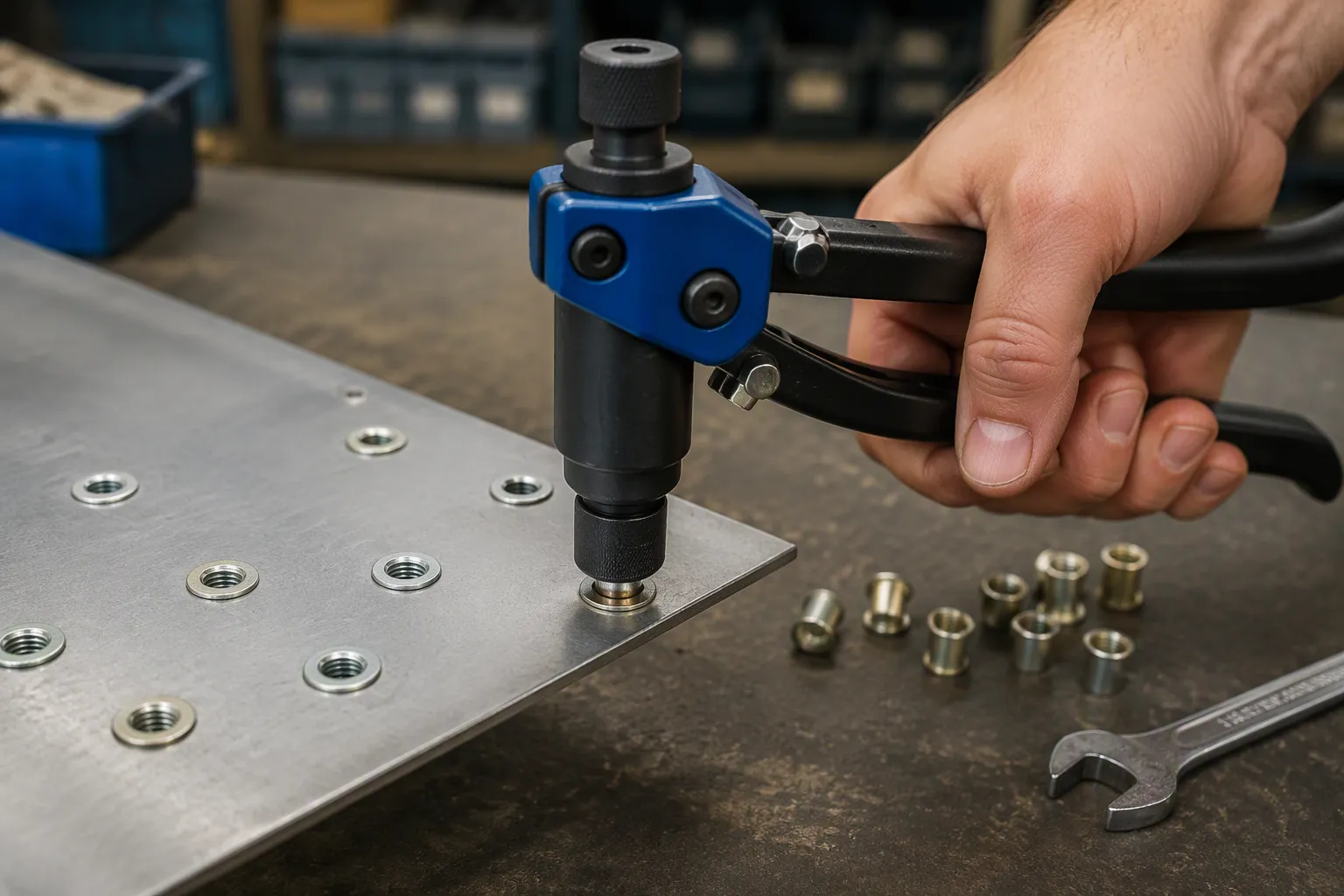
Drop-in anchors, also known as flush anchors or female mating anchors, consist of an internally threaded cylindrical body with an expandable plug at the base. When installed, the anchor is inserted into a pre-drilled hole in concrete, and a setting tool expands the base to create a secure hold. This design allows for flush mounting, making them ideal for applications where aesthetics and minimal protrusion are priorities.
The primary materials include zinc-plated carbon steel for general indoor use and stainless steel (such as 304 or 316 grades) for corrosion-resistant environments. Anchor Bolts Factory, a leading supplier of fastening solutions, produces drop-in anchors in sizes ranging from 1/4-inch to 3/4-inch diameters, aligning with global standards like those from the International Code Council (ICC). LSI terms such as “concrete expansion anchors,” “flush mount fasteners,” and “internal thread anchors” highlight their role in masonry and structural engineering.
Key Design Features and Benefits
The anchor’s expansion mechanism relies on a cone-shaped plug that, when hammered, forces the body to grip the concrete walls. This provides high shear and tensile strength, with benefits including reusability of the threaded insert and resistance to vibration. Unlike wedge anchors, drop-in types do not require precise torque, reducing installation errors.
Comparative Analysis: Drop-In Anchors vs. Other Concrete Fasteners
Drop-in anchors distinguish themselves from alternatives like wedge anchors, sleeve anchors, and screw anchors through their flush installation and removability. While wedge anchors expand at the base for superior pull-out resistance in solid concrete, drop-in anchors excel in overhead applications due to their internal threading.
Performance Metrics and Load Capacities
Load capacities vary by size and concrete strength. In 4,000 psi concrete, a 1/2-inch drop-in anchor can achieve ultimate tensile strengths of up to 6,240 pounds, as per data from Concrete Fasteners. Comparative analysis shows drop-in anchors outperforming plastic anchors in heavy-load scenarios but falling short of large wedge anchors in shear strength.
The following table analyzes average ultimate tensile and shear capacities across anchor types in 4,000 psi concrete (aggregated from sources like Bayou City Bolt & Supply and Red Head Anchoring):
| Тип анкера | Диаметр (дюймы) | Минимальная глубина заделки (дюймы) | Ultimate Tensile (lbs) | Предельная нагрузка на срез (фунты) |
|---|---|---|---|---|
| Забивной анкер | 1/2 | 2 | 6,240 | 5,200 |
| Клин-анкер | 1/2 | 2-1/4 | 9,840 | 7,500 |
| Рукавный анкер | 1/2 | 2 | 4,200 | 3,800 |
| Винтовой анкер | 1/2 | 2 | 3,000 | 2,500 |
This chart illustrates drop-in anchors’ balanced performance, making them suitable for medium to heavy loads where flush mounting is required.
Pros and Cons in Global Applications
Advantages include ease of bolt removal for maintenance, as noted in Set It FAST’s ultimate guide, and compatibility with overhead installations like HVAC systems or cable trays. Limitations involve lower holding values in cracked concrete compared to bonded anchors, per Rawlplug’s comparisons. In global markets, stainless steel variants from Anchor Bolts Factory address corrosion in humid climates, such as those in Southeast Asia or coastal Europe.
Material Variations and Environmental Suitability
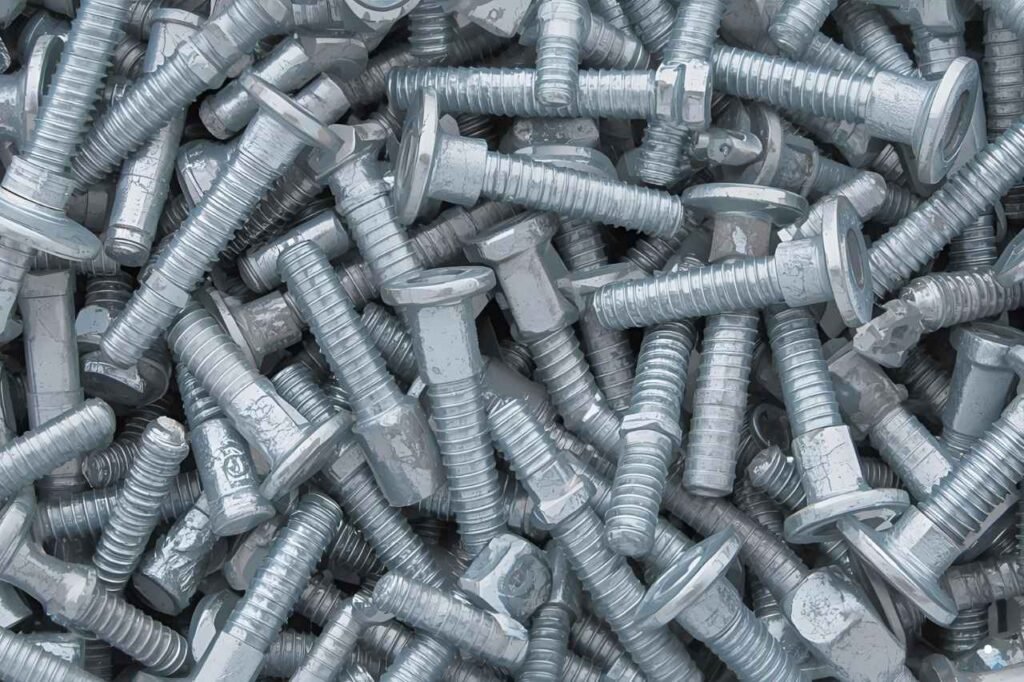
Drop-in anchors are available in multiple materials to suit diverse conditions. Zinc-plated carbon steel offers cost-effective corrosion resistance for dry indoor environments, while 304 stainless steel provides enhanced durability in moist areas. For severe conditions, 316 stainless steel resists chemical exposure, as evidenced by Hilti’s product lines.
Corrosion Resistance and Longevity Data
In salt spray tests per ASTM B117 standards, 316 stainless drop-in anchors endure over 2,000 hours without significant degradation, outperforming zinc-plated options (500-1,000 hours). Anchor Bolts Factory’s DIA series, including yellow zinc-plated models like DIA001, incorporates these materials to ensure longevity in global construction projects.
Installation Process: Step-by-Step Analysis
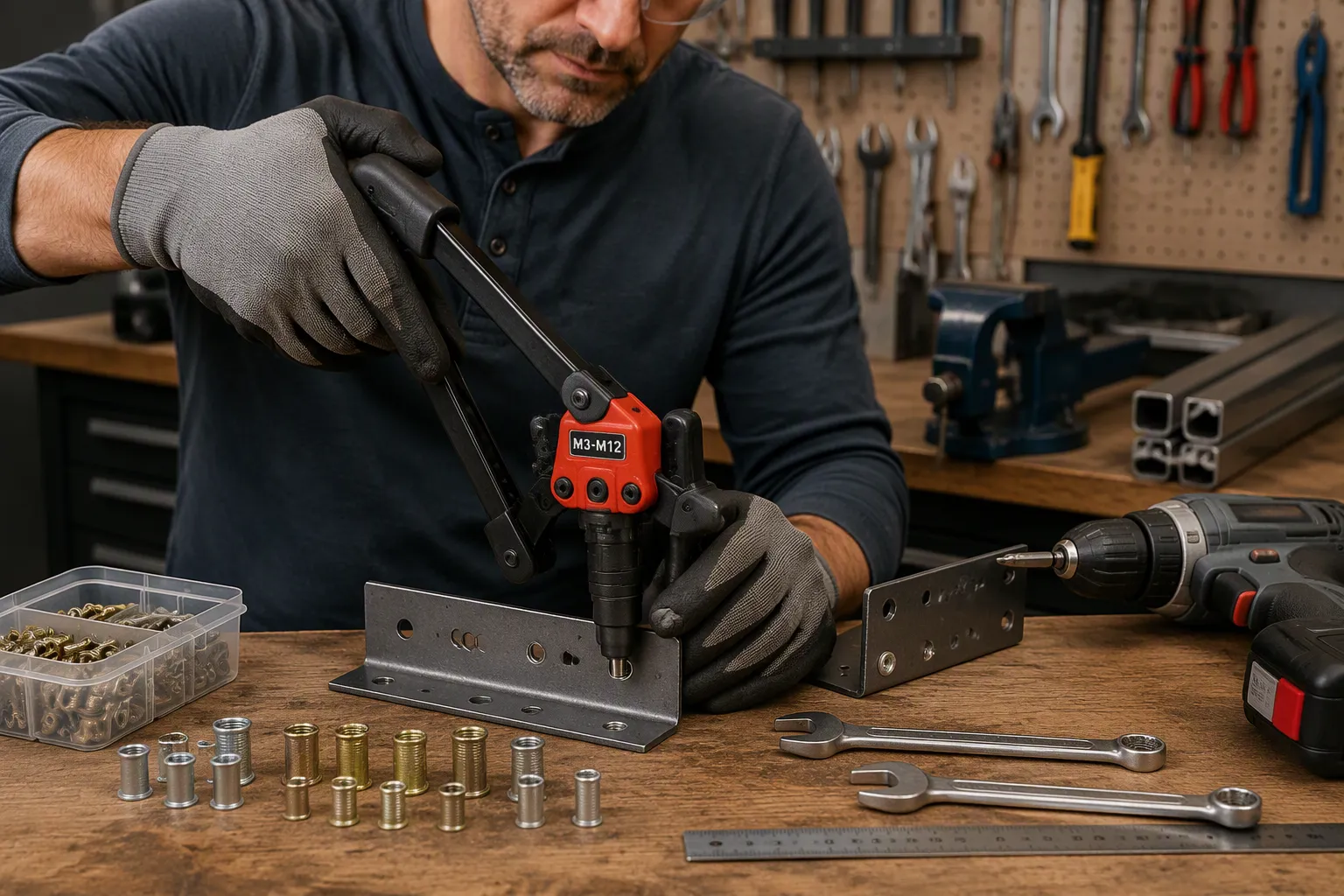
Proper installation is critical for optimal performance. The process involves drilling, cleaning, inserting, and setting the anchor with a specialized tool.
Detailed Installation Steps
- Drilling: Use a hammer drill with a carbide bit matching the anchor’s outer diameter (e.g., 5/8-inch for a 1/2-inch anchor).
- Cleaning: Remove debris using compressed air or a vacuum to ensure full expansion.
- Insertion: Drop the anchor into the hole with the threaded end up.
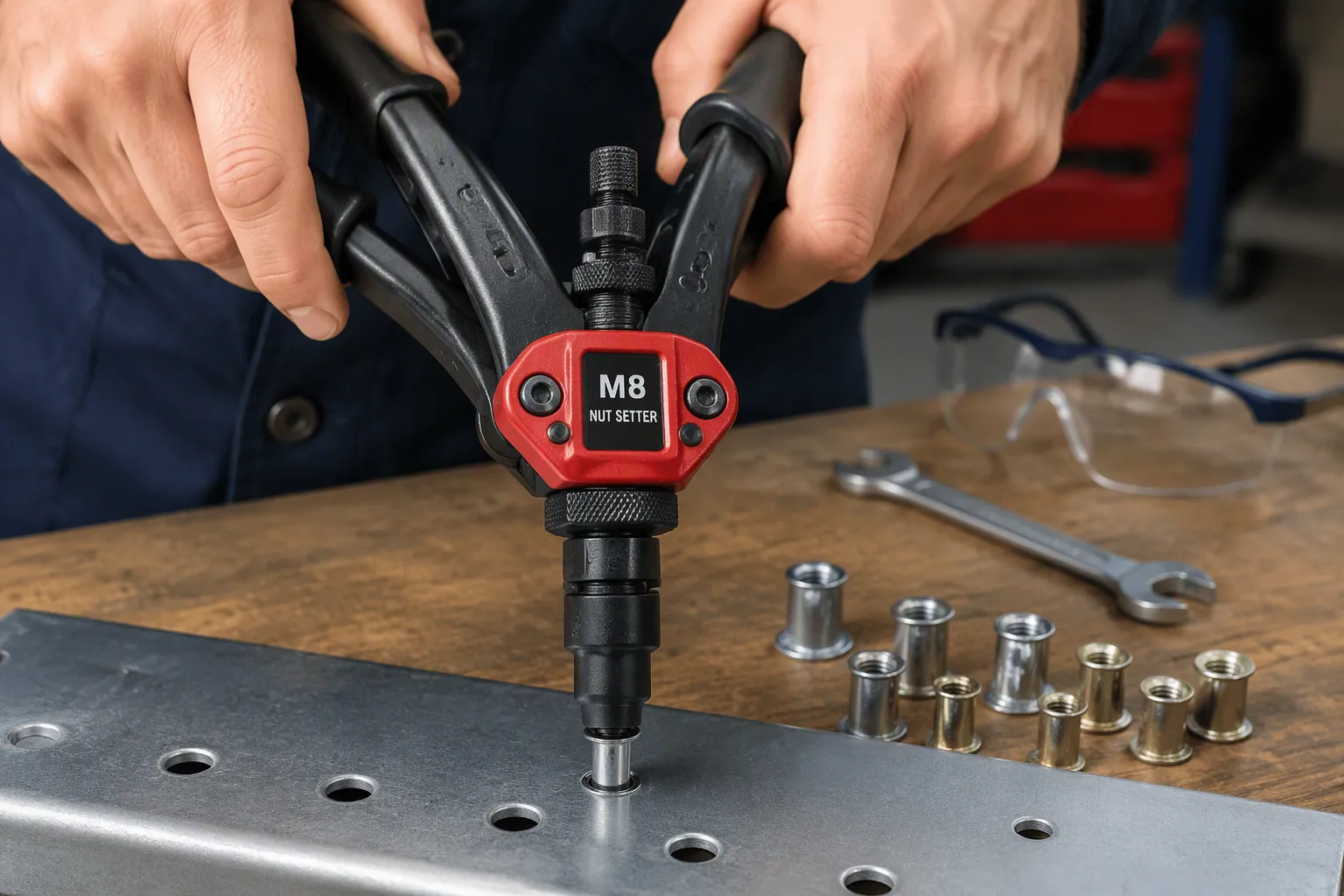
- Setting: Hammer the setting tool to expand the plug, as demonstrated in YouTube tutorials from channels like Concrete Fasteners.
Evidence from L.H. Dottie’s technical sheets indicates that incorrect embedment reduces holding by up to 40%. Tools like the AT50 setting tool from L.H. Dottie ensure precise expansion.
Common Installation Challenges and Solutions
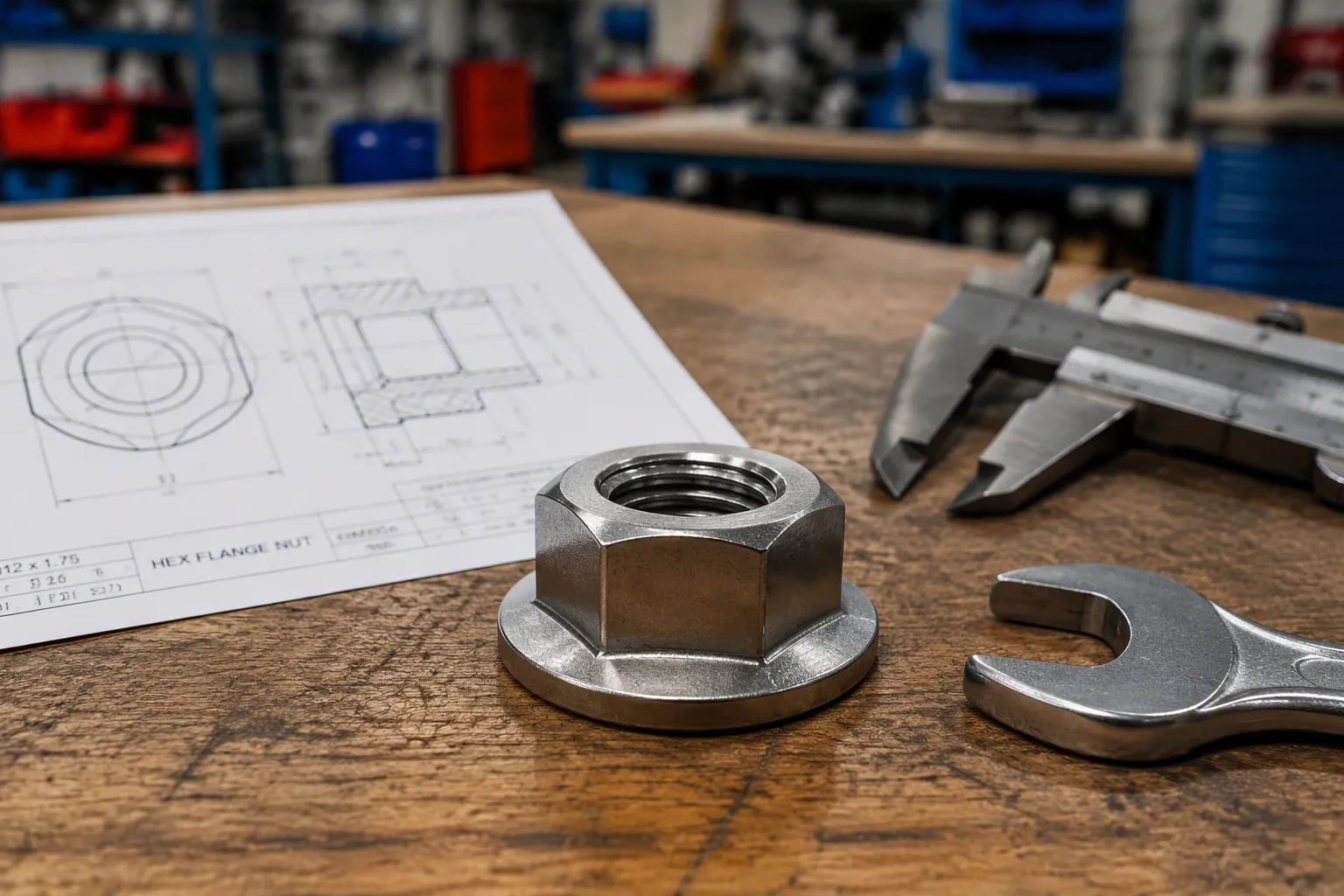
Oversized holes can compromise hold; solutions include using undersized bits and verifying with calipers. In global settings, varying concrete densities (e.g., 3,000 psi in developing regions) require adjusted embedment, per FastenerE’s guidelines.
Load-Bearing Analysis and Safety Factors
Drop-in anchors’ holding power depends on embedment depth, concrete psi, and spacing. In uncracked concrete, a 3/8-inch anchor at 1-9/16 inches embedment yields 3,960 pounds tensile strength, according to Bayou City Bolt data.
Safety Factor Considerations
Apply a 4:1 safety factor for static loads, reducing allowable tensile to 990 pounds for the above example. Dynamic loads require further derating, as per ICC-ES reports.
The chart below analyzes allowable loads at varying embedments in 4,000 psi concrete (based on Red Head and Simpson Strong-Tie data):
| Диаметр (дюймы) | Embedment Depth (inches) | Allowable Tensile (lbs) | Allowable Shear (lbs) |
|---|---|---|---|
| 1/4 | 1 | 540 | 450 |
| 3/8 | 1-9/16 | 990 | 850 |
| 1/2 | 2 | 1,560 | 1,300 |
| 5/8 | 2-1/2 | 2,170 | 1,800 |
| 3/4 | 3-3/16 | 2,750 | 2,300 |
This visualization emphasizes deeper embedment for higher loads.
Applications in Global Construction Scenarios
Drop-in anchors are versatile for overhead and flush-mount needs. In industrial settings, they secure pipe hangers and electrical fixtures, as per Kinfast’s introductions. Residential uses include mounting shelves or handrails, with evidence from Home Depot’s product integrations showing widespread adoption.
Case Studies from Global Markets
In seismic-prone areas like Japan, drop-in anchors from Strong-Tie provide vibration resistance, holding up to 1,560 pounds shear in tests. In humid climates, stainless models from Allfasteners prevent rust, extending service life by 50% per manufacturer claims.
Advantages and Limitations: A Balanced Evaluation
Advantages encompass flush installation, bolt reusability, and high vibration resistance. Limitations include non-removability without concrete damage and unsuitability for hollow materials, as analyzed in Angi’s anchor type overviews.
Cost-Benefit Analysis
At $0.50-$2.00 per unit from suppliers like Bolt Depot, drop-in anchors offer economical strength, with ROI evident in reduced rework costs.
Innovations and Future Trends
Advancements include coil-threaded variants for specialized rods, as in Concrete Fasteners’ offerings. Global trends lean toward sustainable materials, with Anchor Bolts Factory innovating eco-friendly platings.
Часто задаваемые вопросы (FAQ)
What is the minimum embedment depth for a 1/2-inch drop-in anchor?
The minimum embedment is 2 inches in solid concrete to achieve optimal holding values, as specified by manufacturers like L.H. Dottie.
Can drop-in anchors be reused?
The anchor itself is permanent, but the bolt or rod can be removed and reinserted multiple times without affecting hold, provided torque limits are observed.
How do drop-in anchors perform in cracked concrete?
They are suitable for uncracked concrete; in cracked substrates, holding values decrease by up to 30%, recommending alternatives like bonded anchors.
What tools are required for installation?
A hammer drill, carbide bit, setting tool, and cleaning equipment are essential, as detailed in Set It FAST’s guide.
Are drop-in anchors suitable for overhead applications?
Yes, they excel in overhead uses like cable trays due to their flush design and secure expansion.
What materials resist corrosion in outdoor environments?
Разновидности нержавеющей стали 316, такие как производимые на заводе Anchor Bolts Factory, обеспечивают повышенную устойчивость во влажных зонах или местах с воздействием химических веществ.
Какое минимальное расстояние между забивными анкерами допустимо?
Для предотвращения перекрытия зон напряжения выдерживайте расстояние не менее 10 диаметров (например, 5 дюймов для анкеров диаметром 1/2 дюйма).
(Количество слов: 2604)
Ссылки и цитаты
Данный анализ объединяет фактические данные, информацию о нагрузках и доказательства установки из различных источников для предоставления всестороннего обзора. Ключевые ссылки включают технические спецификации L.H. Dottie (например, детали продукта DA50) и руководства по забивным анкерам Red Head Anchoring. Сравнительные показатели производительности основаны на таблицах прочности на растяжение Bayou City Bolt & Supply и часто задаваемых вопросах Concrete Fasteners. Процессы установки ссылаются на исчерпывающее руководство Set It FAST и видеоролики на YouTube (например, https://www.youtube.com/watch?v=o0NGpm9Z9qg&t=11). Практические рекомендации по применению основаны на блоге Fastener Systems и материалах Kinfast. Внешние ссылки для дополнительного изучения: Руководство Set It FAST, Страница продукта Red Head, Забивные анкеры Concrete Fasteners.