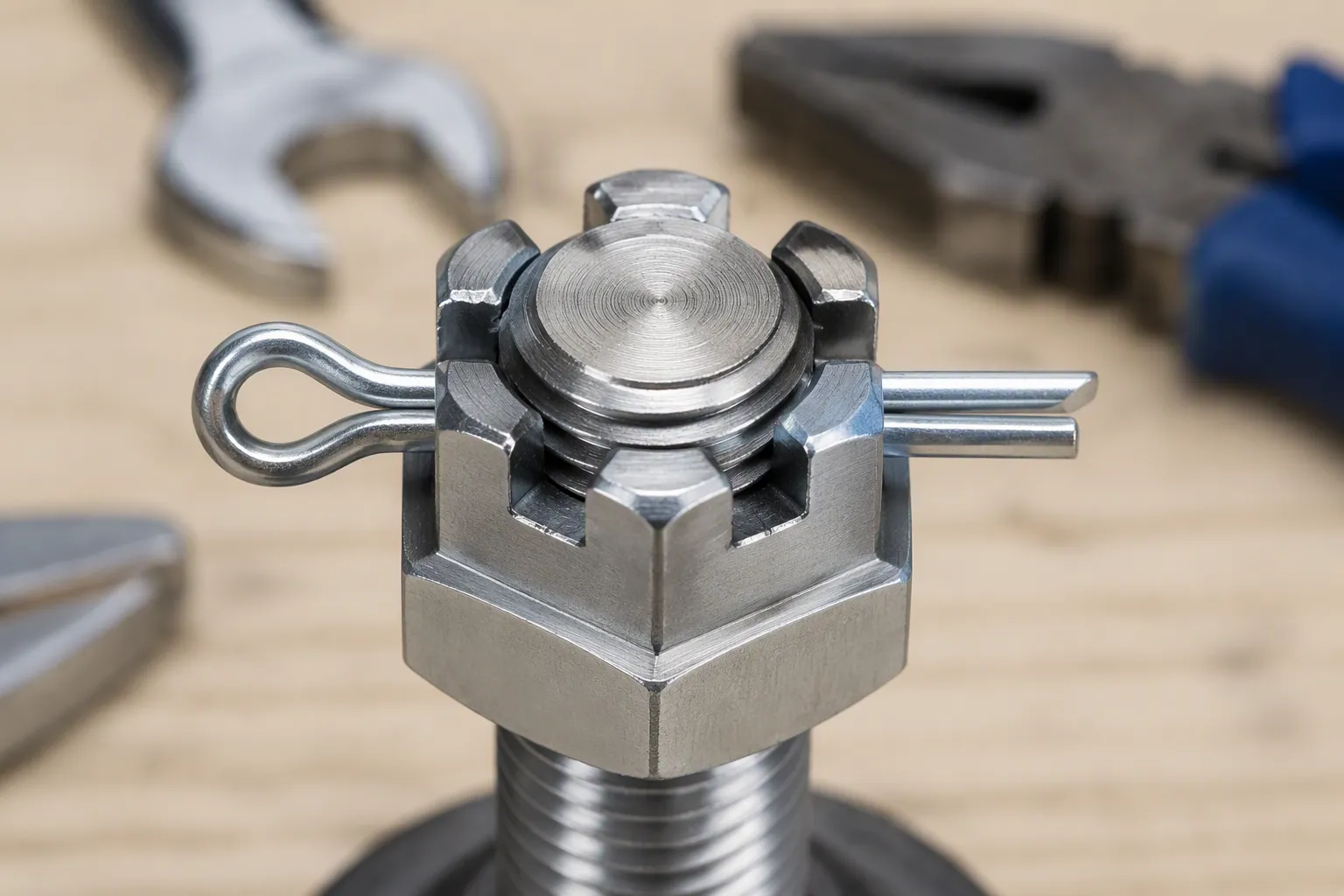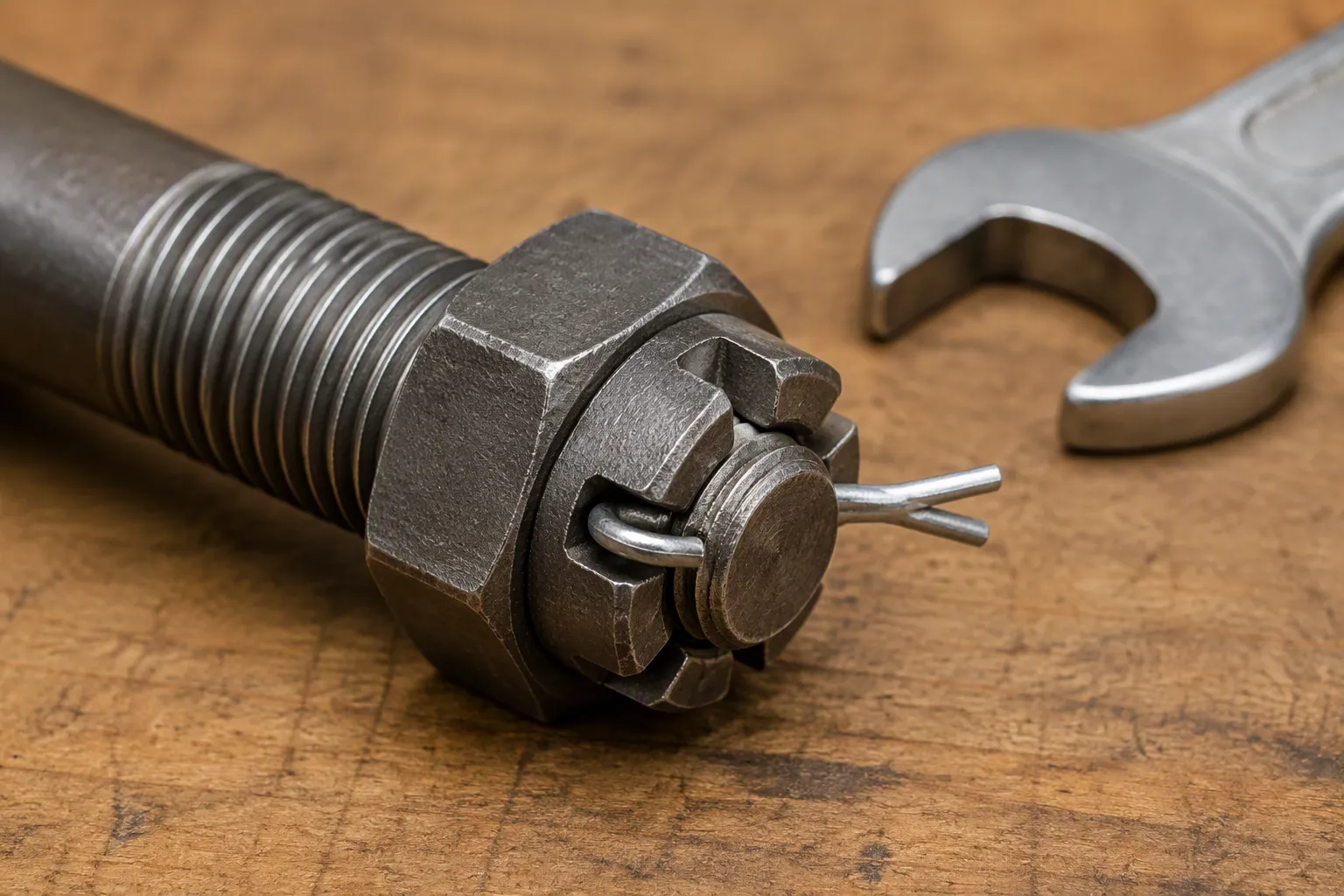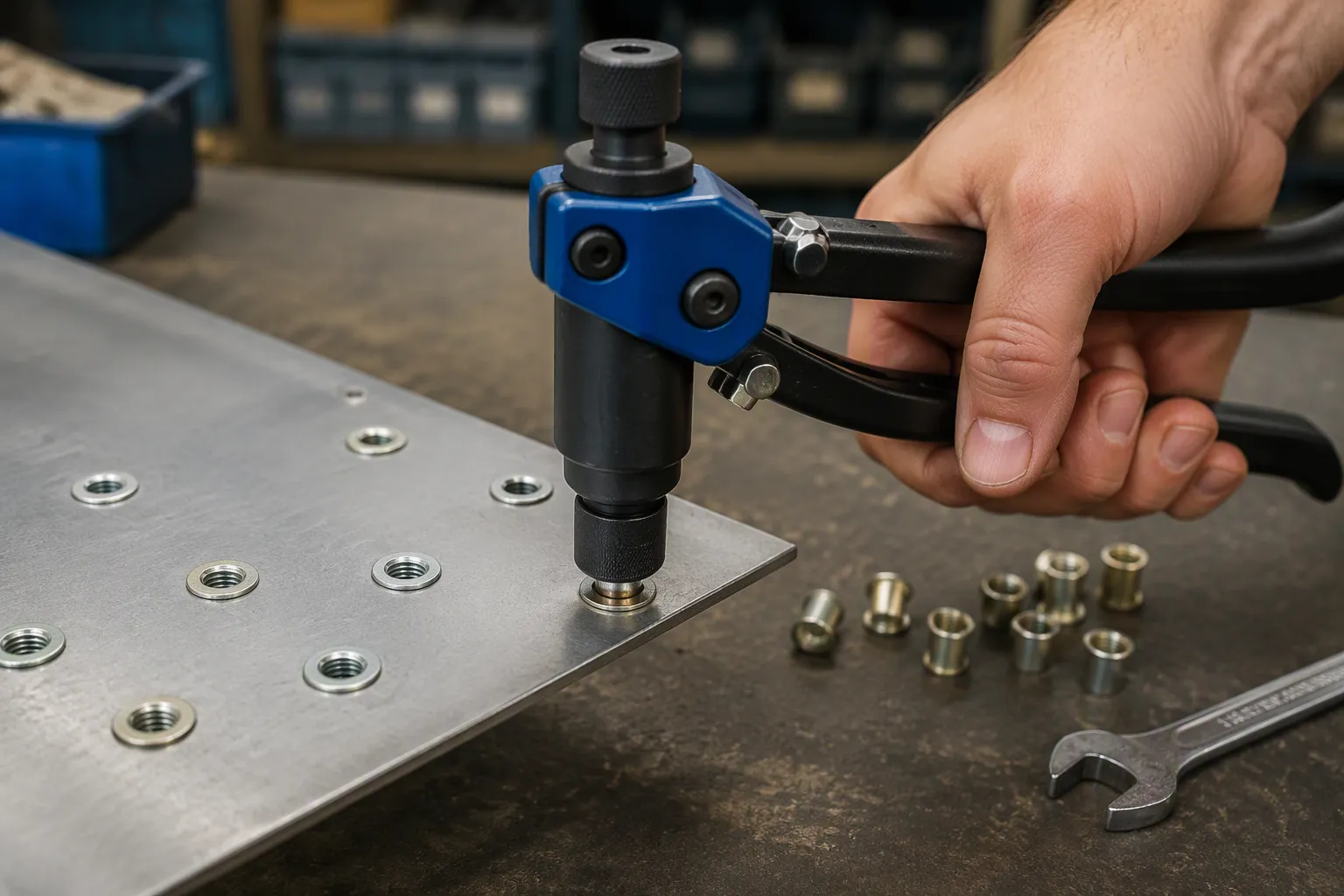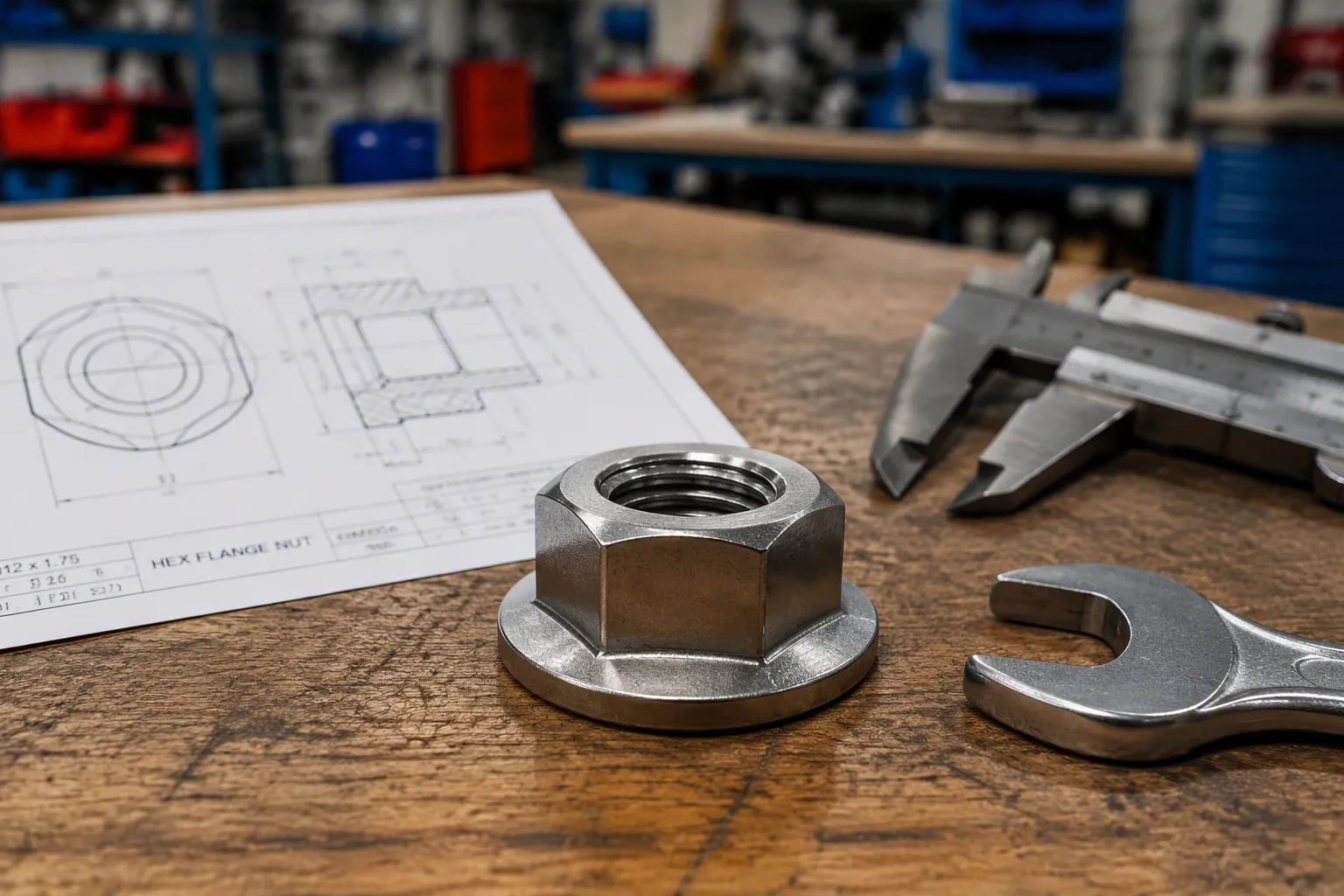
Квадратные гайки play a crucial role in the development of гаек и болтов, offering a distinct shape and reliable fastening method. Their history of square nuts reveals how industries such as railroads and machinery benefited from their strong grip and resistance to stripping. Today, нестандартные крепежные элементы manufacturers continue to supply square nuts for restoration projects and specialized applications. The evolution of square nuts demonstrates why understanding their journey remains vital for those seeking custom fasteners.
| Time Period | Usage Contexts | Advantages Today |
|---|---|---|
| 19th and early 20th century | Railroads, bridges, early machinery | Resistance to stripping, strong grip, vintage restoration aesthetic |
| Присутствует | Furniture assembly, railway equipment, electrical panels | Large bearing surface, maintains standards, fits limited tool spaces |
Defining Square Nuts and Their Importance
What Are Square Nuts?
Shape, Structure, and Function
Square nuts feature a four-sided, symmetrical design that distinguishes them from other fasteners. Each side presents a flat surface, creating a larger contact area compared to hexagonal nuts. This geometry allows for a secure grip and reduces the risk of rounding off corners during tightening or loosening. The structure of square nuts supports high torque applications, making them suitable for heavy-duty machinery and structural connections. Their simple shape also enables easier manufacturing, especially in earlier periods when hand-forging was common.
| Характеристика | Квадратные гайки | Шестигранные гайки |
|---|---|---|
| Contact Surface Area | Larger, reduces rounding off corners | Smaller, more prone to rounding |
| Frictional Resistance | More resistance against loosening due to vibration | Less resistance, may rotate freely |
| Torque Handling | Can handle higher torque without damage | Limited torque handling |
| Installation in Tight Spaces | Easier due to fewer points and larger faces | Harder due to angular resets |
This table highlights the defining characteristics that set square nuts apart from hex nuts. The larger contact surface and enhanced frictional resistance provide mechanical advantages in many fastening scenarios.
How Square Nuts Work in Fastening
Square nuts operate by threading onto a bolt or screw, creating a strong and stable connection. The flat sides of the nut allow for easy gripping with basic tools such as wrenches or pliers. This design proves especially useful in confined spaces, where fewer points and larger faces make installation and removal more manageable. The mechanical advantages of square nuts include increased surface area, better resistance to rounding, and enhanced frictional resistance. These features help prevent loosening under vibration and allow for higher torque without damaging the nut.
| Mechanical Advantage | Описание |
|---|---|
| Larger Contact Surface | Increases surface area, reducing the chance of rounding off corners during tightening or loosening. |
| Better Resistance to Rounding | More durable under repeated adjustments, minimizing wear and tear. |
| Enhanced Frictional Resistance | Flat sides create a natural locking effect, improving hold under vibration. |
| Suitability for High Torque Applications | Allows for higher torque values without damaging the nut, ideal for heavy machinery and structural connections. |
| Ergonomic Advantage in Tight Spaces | Easier to grip and turn in confined areas due to fewer points and larger faces. |
These advantages explain why square nuts remain relevant in applications that demand reliability and durability.
Why the History of Square Nuts Matters
Influence on Early Engineering
The introduction of square nuts marked a turning point in the history of nuts and bolts. Early engineers found that square nuts provided a more stable fastening solution, which was essential for manual assembly processes. This innovation improved the handling and installation of fasteners. It also contributed to the standardization of fasteners, which played a key role in the advancement of engineering during the Industrial Revolution. The stability and reliability of square nuts allowed builders and machinists to create stronger, more consistent structures.
Impact on Modern Fastening Solutions
The development of square head bolts in the 18th and 19th centuries increased the importance of square nuts. These bolts were easier to forge and matched the tools available at the time. Industries such as construction and agriculture adopted square nuts extensively, pairing them with square head bolts for reliable connections. Even after the introduction of hex head bolts in the 20th century, square nuts continued to serve in heavy-duty industrial applications, military contexts, and agricultural equipment. Their lasting significance demonstrates the continued reliance on square nuts for specific tasks where their unique advantages remain unmatched.
Note: The history of square nuts provides valuable insight into the evolution of fastening technology. Understanding their journey helps engineers and manufacturers appreciate the role of design in solving practical challenges.
The Origins and Early History of Square Nuts
Ancient Beginnings of Square Nuts
Early Fastening Methods
Early civilizations required reliable ways to join materials. They used wooden pegs, leather straps, and primitive metal pins to secure objects. As metalworking advanced, blacksmiths began to create threaded fasteners. These early fasteners did not always use nuts, but the need for removable and reusable connections grew. Craftsmen experimented with different shapes to improve grip and strength. The square form emerged as a practical solution because it provided flat surfaces for tools and resisted slipping during tightening.
First Uses of Square Nuts in History
The first square nuts appeared when artisans realized the advantages of a four-sided design. Square nuts offered a simple geometry that allowed for easy production with basic tools. Blacksmiths could forge them from available metals such as iron, brass, and copper. These materials were common in ancient workshops and suited a variety of applications, including military equipment and large machines. The square shape made it easier to hold the nut with pliers or wrenches, which improved assembly and maintenance. Over time, the use of square nuts spread across regions and industries, laying the foundation for the history of square nuts.
Square Nuts in Pre-Industrial Times
Hand-Forging and Early Manufacturing
Before the Industrial Revolution, square nuts were produced by hand. Blacksmiths heated bars of iron, brass, or copper and shaped them into squares. They punched or drilled a hole in the center, then cut threads using simple tools. This process required skill and patience. Square nuts were easier to forge than hexagonal shapes because the straight edges and right angles matched the tools and techniques of the time. The development of rolling mills allowed manufacturers to produce square and hex bar stock, which made it possible to create nuts in larger quantities and with greater consistency.
- Square nuts were easier to forge compared to hex shapes.
- Rolling mills enabled the production of square and hex bar stock, supporting early manufacturing efforts.
Reasons for Early Popularity
Several factors contributed to the early popularity of square nuts. Their straightforward design reduced manufacturing time and material waste. The large, flat sides provided a secure grip for tools, which was essential when workers relied on simple wrenches and pliers. Square nuts also distributed force evenly across surfaces, reducing the risk of damage to wooden or metal parts. These advantages made square nuts the preferred choice for assembling bridges, ships, and machinery. The introduction of turret lathes later improved production efficiency by taking advantage of round and hex bar stock, but the square nut remained a staple in many industries.
Note: The history of nuts and bolts shows that square nuts played a vital role in early engineering. Their durability and ease of use ensured their place in the evolution of fastening technology.
Square Nuts During the Industrial Revolution
Widespread Adoption in Industry
Role in Machinery and Construction
The Industrial Revolution marked a turning point in the history of square nuts. Factories, railways, and bridges required reliable fasteners for heavy machinery and structural frameworks. Square nuts became the preferred choice for engineers and builders. Their large, flat sides allowed workers to grip them securely with basic tools, even in challenging environments. The robust design of square nuts provided the strength needed for steam engines, textile machines, and early locomotives. Construction crews used them extensively in iron bridges and building frameworks, where durability and ease of installation mattered most.
Standardization Efforts for Square Nuts
During the 19th century, the demand for interchangeable parts grew rapidly. Manufacturers recognized the need for consistent sizing and threading in square nuts. Standardization efforts transformed the industry:
- The standardization of square nuts facilitated mass production and interchangeable components, crucial for the industrial growth of the 19th century.
- Engineers like Joseph Whitworth played a key role in establishing standardized measures, enhancing precision and consistency in manufacturing.
- This standardization led to reduced costs and improved productivity, essential for meeting the demands of a rapidly industrializing society.
Standardized square nuts allowed factories to produce machines faster and repair them more efficiently. This shift supported the expansion of railroads, shipbuilding, and large-scale manufacturing.
Advancements in Materials and Production
Use of Iron and Steel
Manufacturers began to use iron and steel for square nuts as these materials became more available. Iron provided the necessary strength for industrial applications. Steel, with its improved hardness and resistance to wear, further increased the reliability of square nuts. The transition from wrought iron to steel marked a significant improvement in the quality and performance of fasteners. This change allowed square nuts to withstand higher pressures and more demanding conditions in factories and construction sites.
Improvements in Manufacturing Techniques
The Industrial Revolution introduced new manufacturing techniques that revolutionized the production of square nuts. The integration of automation and advanced machinery increased efficiency and consistency. Factories adopted rolling mills and threading machines, which enabled the mass production of square nuts with precise dimensions. The adoption of Industry 4.0 practices has further accelerated the growth of square nuts by promoting smarter manufacturing processes. Innovations such as additive manufacturing and smart features are expected to enhance the quality and functionality of these products, aligning with the evolving needs of the industry.
The digital transformation in the square nut market is reshaping traditional manufacturing and distribution channels. Companies are utilizing advanced digital technologies to streamline operations and improve collaboration, resulting in faster decision-making and reduced lead times, which ultimately increases the availability of square nuts.
The history of square nuts during the Industrial Revolution highlights the importance of innovation and standardization in shaping modern fastening technology.
Evolution of Square Nuts and Transition to Other Shapes
Design Changes and Standardization
Changes in Shape and Size
Square nuts have experienced significant changes in their design as standardization became a priority in the fastener industry. Early square nuts varied widely in size and proportions, which created challenges for engineers and manufacturers. As international standards developed, organizations such as ISO and DIN introduced guidelines to ensure consistency and reliability. The table below highlights the main differences between ISO and DIN standards for square nuts:
| Design Aspect | Стандарт ISO | Стандарт DIN |
|---|---|---|
| Размер под ключ | 1mm narrower for consistency | Inconsistent across sizes |
| Bearing Pressure | More consistent | Varied pressures |
| Thread Depth | Increased for better hold | Standard depth |
| Overall Design Improvement | Reflects decades of engineering progress | Older design without recent updates |
These improvements in square nuts design have resulted in better performance and easier interchangeability. Modern square nuts now offer more predictable bearing pressure and improved thread engagement, which enhances their reliability in demanding applications.
Introduction of Hexagonal Nuts
The introduction of hexagonal nuts marked a major milestone in the evolution of square nuts. Hexagonal nuts provided six sides, which allowed for finer adjustments and easier use with wrenches in tight spaces. This new shape quickly gained popularity in industries that required faster assembly and disassembly. Hexagonal nuts also distributed force more evenly, reducing the risk of damage to both the nut and the connected materials. As a result, many manufacturers began to favor hexagonal nuts for new machinery and construction projects, although square nuts remained essential for specific uses.
Factors Driving the Evolution of Square Nuts
Tool Development and Efficiency
Tool development played a key role in the evolution of square nuts. Early tools, such as simple wrenches and pliers, worked well with the flat sides of square nuts. As technology advanced, manufacturers produced more sophisticated tools that could handle different shapes. The rise of socket wrenches and power tools made it easier to use hexagonal nuts, which required less rotation to tighten or loosen. This shift increased efficiency on assembly lines and construction sites, making hexagonal nuts more attractive for mass production.
Industrial Needs and Mass Production
The demands of industrialization drove the transition from square nuts to other shapes. Square nuts had a simple design that suited early manufacturing methods. However, as factories adopted new technologies, they needed fasteners that could support higher speeds and greater precision. Advances in manufacturing technology enabled the production of more complex shapes, such as hexagonal nuts, which offered superior torque transfer and versatility. This change reflected the growing need for efficient fastening solutions in modern industry. Despite these trends, square nuts continue to serve important roles in restoration work, electrical panels, and railway equipment, where their unique advantages remain unmatched.
The evolution of square nuts demonstrates how engineering, standardization, and technological progress shape the tools and components used in everyday life.
Materials and Manufacturing Processes in the History of Square Nuts
Traditional Materials and Methods
Wrought Iron and Early Steels
Early manufacturers relied on wrought iron to produce квадратные гайки. Blacksmiths valued wrought iron for its malleability and toughness. They shaped square nuts by heating iron bars and hammering them into form. As steelmaking advanced, craftsmen began to use early steels, which offered greater strength and durability. These materials allowed square nuts to withstand heavy loads and harsh environments. Builders used square nuts in bridges, railways, and machinery, trusting their reliability.
Hand-Forged vs. Machine-Made Square Nuts
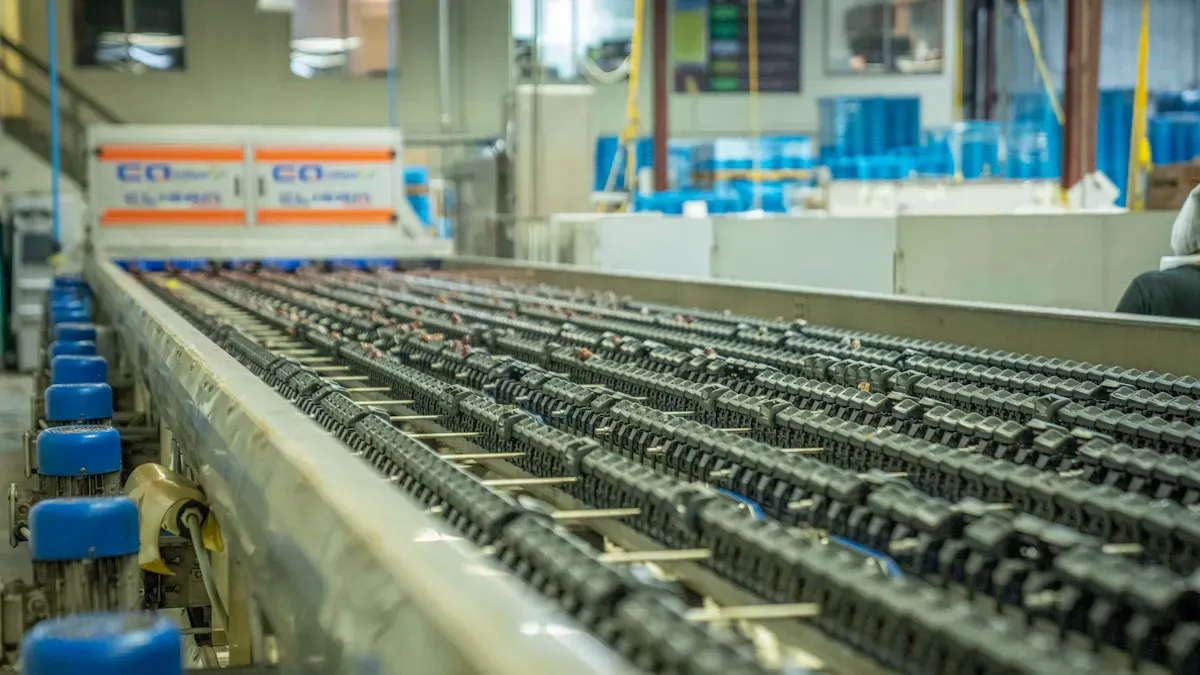
Hand-forged square nuts dominated the market before industrialization. Blacksmiths crafted each nut individually, ensuring quality but limiting production speed. Machine-made square nuts emerged as factories adopted new technologies. Rolling mills and threading machines enabled mass production. Machine-made square nuts provided consistent dimensions and threading, which improved interchangeability. The shift from hand-forged to machine-made square nuts marked a significant step in manufacturing efficiency.
The transition to machine-made square nuts increased output and reduced costs, making them accessible for large-scale projects.
Modern Materials and Manufacturing
Нержавеющая сталь и сплавы
Современные квадратные гайки изготавливаются из различных материалов для удовлетворения разнообразных требований. Производители выбирают материалы на основе прочности, коррозионной стойкости и потребностей применения. Нержавеющая сталь остается популярным выбором благодаря своей способности противостоять ржавчине и сохранять целостность в суровых условиях. Сталь среднего класса, горячеоцинкованная сталь и оцинкованная сталь также служат определенным целям. Эти материалы повышают производительность и долговечность квадратных гаек в различных отраслях промышленности.
| Тип материала | Описание |
|---|---|
| Сталь | Часто используется благодаря своей прочности и долговечности. |
| Нержавеющая сталь | Обеспечивает коррозионную стойкость для различных применений. |
| Сталь среднего класса | Используется для определенных применений, требующих специфических свойств. |
| Горячеоцинкованная сталь | Обеспечивает дополнительную защиту от ржавчины. |
| Сталь с гальваническим цинкованием | Используется благодаря защитному покрытию от коррозии. |
- Сталь среднего класса
- Горячеоцинкованная сталь
- Оцинкованная сталь
- Нержавеющая сталь
Достижения в производственных технологиях
Производители внедрили передовые производственные технологии для улучшения квадратных гаек. Высокопрочные сплавы повышают долговечность и несущую способность. Коррозионностойкие покрытия продлевают срок службы квадратных гаек в сложных условиях. Технологии холодной ковки повышают прочность и точность, обеспечивая надежную работу. Автоматизация оптимизирует производство, снижает затраты и повышает эффективность. Эти инновации позволяют квадратным гайкам соответствовать современным инженерным стандартам.
| Тип усовершенствования | Описание |
|---|---|
| Высокопрочные сплавы | Повышают долговечность и несущую способность. |
| Коррозионностойкие покрытия | Улучшают долговечность и надежность в различных средах. |
| Холодная ковка | Повышает прочность и точность. |
| Автоматизация в производстве | Оптимизирует производство и снижает затраты. |
- Использование высокопрочных сплавов повышает долговечность.
- Коррозионностойкие покрытия улучшают надежность.
- Технологии холодной ковки повышают прочность и точность.
- Автоматизация в производстве оптимизирует процессы и снижает затраты.
Современные производственные процессы обеспечивают, что квадратные гайки продолжают демонстрировать надежную работу в реставрации, строительстве и специальных применениях.
Квадратные гайки в современных применениях
Текущее использование квадратных гаек
Реставрационные и ремонтные работы
Квадратные гайки остаются незаменимыми в проектах по реставрации и ремонту. Специалисты по сохранению исторических объектов используют их для соблюдения исторической точности в мостах, железных дорогах и винтажной технике. Их геометрия соответствует оригинальной фурнитуре, что обеспечивает совместимость с существующими шаблонами. Большая опорная поверхность квадратных гаек обеспечивает стабильность и прочность во время ремонта. Мастера полагаются на эти гайки при производстве мебели и реставрации исторических транспортных средств. Строительные бригады выбирают квадратные гайки для восстановления старых конструкций, где важны аутентичность и механическая надежность.
| Характеристика | Описание |
|---|---|
| Геометрия | Квадратные гайки разработаны для применений, требующих квадратной формы, что важно для исторической точности. |
| Совместимость | Они подходят к существующим шаблонам фурнитуры, что критически важно для сохранения целостности исторических конструкций. |
| Площадь поверхности | Обеспечивают большую опорную поверхность, повышая эффективность в реставрационных и ремонтных работах. |
- Используются в производстве мебели
- Необходимы для реставрации исторических транспортных средств
- Применимы в строительстве и на железных дорогах
Электротехнические и железнодорожные применения
Квадратные гайки играют жизненно важную роль в электротехнической и железнодорожной отраслях. Электрики используют их в старых панелях и распределительных коробках, где их форма соответствует устаревшему оборудованию. Команды по обслуживанию железных дорог полагаются на квадратные гайки для сборки и ремонта путей. Большая опорная поверхность гаек равномерно распределяет усилие, что предотвращает повреждение компонентов. Их прочная конструкция выдерживает вибрацию и высокие нагрузки, делая их идеальными для требовательных условий.
| Область применения | Описание |
|---|---|
| Электротехника | Используются в старых панелях и распределительных коробках |
| Железные дороги | Необходимы для сборки и обслуживания путей |
| Строительстве | Используются в каркасах, металлоконструкциях и реставрации зданий |
| Производство | Применяются в машиностроении и сельскохозяйственном оборудовании |
| Изготовление мебели | Фиксирует соединения в столярных изделиях |
| Ремесленное производство | Добавляет стиль и функциональность в художественных и винтажных проектах |
Почему квадратные гайки остаются актуальными
Уникальные преимущества сегодня
Квадратные гайки предлагают несколько преимуществ в современном машиностроении. Производители изготавливают их с использованием экологически чистых процессов, что соответствует природоохранным нормам. Высокопрочные материалы позволяют этим гайкам выдерживать тяжелую технику и высоконагруженные применения. Каждая гайка может быть прослежена до исходного сырья, что обеспечивает контроль качества. Постоянные улучшения в конструкции повышают производительность и удобство использования. Эффективное управление производством сохраняет низкую стоимость при поддержании высоких стандартов.
| Преимущество | Описание |
|---|---|
| Экологичное производство | Квадратные гайки производятся с использованием экологически чистых процессов, что соответствует природоохранным нормам. |
| Высокая прочность | Эти гайки предназначены для высоконагруженных и напряжённых применений, идеальны для тяжёлой техники. |
| Прослеживаемость качества | Каждую гайку можно отследить до исходного сырья и производственного процесса, что обеспечивает контроль качества. |
| Инновационный дизайн | Постоянные улучшения в конструкции повышают производительность и удобство использования квадратных гаек. |
| Экономически эффективная продукция | Эффективное управление производством позволяет снижать затраты при сохранении качества. |
| Высокие стандарты качества | Использование высококачественных материалов и передовых процессов обеспечивает долговечность и точность. |
Специализированное и нишевое применение
Многие отрасли полагаются на квадратные гайки в специализированных и нишевых применениях. Строительные бригады используют их в проектах высокой архитектуры, медных кровлях и декоративных конструкциях. Морская и уличная отрасли выбирают квадратные гайки для морской электроники, уличного освещения и систем орошения благодаря их коррозионной стойкости. Автомобильные и аэрокосмические инженеры применяют их для заземления, электрического соединения и терморегулирования. Художники и дизайнеры включают квадратные гайки в ювелирные изделия, скульптуры и мебель для эстетической привлекательности. Медицинское оборудование, зелёные технологии и проекты исторической реставрации также выигрывают от уникальных свойств квадратных гаек.
| Строительство | Применение |
|---|---|
| Строительстве | Используются в проектах высокой архитектуры,, медных кровлях и декоративных конструкциях. |
| Морская и уличная сферы | Идеальны для морской электроники, уличного освещения и систем орошения благодаря коррозионной стойкости. |
| Автомобильная и аэрокосмическая промышленность | Специализированные функции заземления, электрического соединения и терморегулирования в транспортных средствах и самолётах. |
| Искусство и ремесла | Включаются в ювелирные изделия, скульптуры и дизайн мебели для эстетической привлекательности. |
| Дополнительные новые применения | Используются в медицинском оборудовании, зелёных технологиях и исторической реставрации благодаря своим уникальным свойствам. |
Квадратные гайки продолжают служить надёжными, универсальными крепёжными элементами как в традиционных, так и в инновационных применениях.
Непреходящее значение квадратных гаек
Историческое влияние квадратных гаек
Влияние на инженерию и дизайн
Квадратные гайки формировали стандарты инженерии и дизайна почти два столетия. Их внедрение привело к развитию единых производственных практик и повышению надёжности в строительстве и машиностроении. Хронология ниже выделяет ключевые вехи, демонстрирующие влияние квадратных гаек на инженерию:
| Год | Описание события |
|---|---|
| 1841 | Джозеф Уитворт предложил стандартизацию гаек и болтов, что привело к улучшению взаимозаменяемости. |
| 1851 | Хрустальный дворец был построен с использованием стандартизированных гаек и болтов, продемонстрировав эффективность этого метода. |
| 1905 | Был принят официальный британский стандарт на гайки и болты, закрепивший влияние квадратных гаек на инженерную практику. |
Эти события показывают, как история квадратных гаек способствовала основам современной инженерии. Стандартизация позволила инженерам проектировать конструкции с уверенностью, зная, что детали будут подходить и функционировать как задумано.
Наследие в крепёжных технологиях
Квадратные гайки Установленные принципы продолжают направлять крепёжные технологии. Их четырёхсторонняя конструкция обеспечивала надёжный захват и равномерно распределяла нагрузку, что установило ориентир для будущего развития крепежа. Многие отрасли до сих пор используют квадратные гайки в реставрации, специальном оборудовании и применениях, где их геометрия даёт уникальные преимущества. Наследие квадратных гаек продолжает жить в стандартах и практиках, определяющих современную крепёжную промышленность.
Постоянная актуальность и будущие перспективы
Уроки эволюции квадратных гаек
Эволюция квадратных гаек предлагает ценные уроки для современных крепёжных технологий. Их конструктивные особенности, такие как четыре плоские контактные поверхности и превосходная стабильность на неровных поверхностях, остаются актуальными. В таблице ниже сравниваются квадратные и шестигранные гайки, выделяя их отличительные характеристики:
| Характеристика | Квадратные гайки | Шестигранные гайки |
|---|---|---|
| Контактные поверхности | Четыре плоские поверхности | Три плоские поверхности |
| Распределение нагрузки | Превосходная стабильность на неровных поверхностях | Менее стабильны на неровных поверхностях |
| Способность к захвату | Двойное зацепление на плоскостях и углах | Одинарное зацепление на углах |
| Напряжение смятия | На 8-12% выше на углах | Ниже в точках контакта |
- Квадратные гайки использовались в традиционном строительстве и специальном оборудовании.
- Их конструкция позволяет использовать специфические геометрические преимущества, полезные в определённых применениях.
- Историческое использование подчёркивает важность совместимости и эстетики в современных крепёжных технологиях.
Эти уроки побуждают инженеров учитывать как функциональность, так и форму при выборе крепежных элементов для новых проектов.
Будущее квадратных гаек
Квадратные гайки продолжают адаптироваться к меняющимся потребностям промышленности. Ожидается, что рынок квадратных гаек будет расти по мере того, как технологические достижения стимулируют спрос в автомобильной, аэрокосмической и секторах возобновляемой энергетики. Производители сосредотачиваются на высокопрочных и коррозионностойких квадратных гайках, что соответствует глобальным трендам в области устойчивого развития. Квадратные гайки сохранят свою актуальность, поскольку отрасли промышленности ищут надежные, экологичные крепежные решения как для традиционных, так и для новых областей применения.
Квадратные гайки на протяжении всей своей истории демонстрировали устойчивость и способность к адаптации. Их непреходящая актуальность гарантирует, что они и впредь будут играть жизненно важную роль в инженерии и дизайне.
Квадратные гайки формировали крепежные технологии на протяжении поколений. Их наследие сохраняется, потому что они обеспечивают превосходное сцепление и устойчивы к ослаблению в условиях сильной вибрации. Отрасли промышленности ценят их равномерное распределение нагрузки и надежность в конструкционных применениях.
- Используются в автомобильных шасси и системах подвески
- Незаменимы для конструкций из стального проката и деревянного каркаса
- Критически важны для сборки промышленного оборудования
Понимание их эволюции помогает инженерам выбирать правильный крепеж для каждого проекта и сохранять лучшие практики в современном строительстве.
Частые вопросы
Чем квадратные гайки отличаются от шестигранных?
Квадратные гайки имеют четыре плоские стороны, что обеспечивает большую площадь контакта. Такая конструкция обеспечивает лучшую устойчивость к закруглению и ослаблению. Шестигранные гайки, имеющие шесть сторон, позволяют легче затягивать их в труднодоступных местах, но могут не обеспечивать такого же надежного сцепления.
Где сегодня в промышленности все еще используют квадратные гайки?
Квадратные гайки используются в реставрационных проектах, при обслуживании железных дорог, в электрощитах и винтажном оборудовании. Их форма соответствует историческому оборудованию и обеспечивает надежное крепление в применениях, требующих долговечности и аутентичности.
Совместимы ли квадратные гайки с современным инструментом?
Да. Большинство современных гаечных ключей и плоскогубцев легко захватывают квадратные гайки. Плоские стороны делают их совместимыми как с ручным, так и с механизированным инструментом, особенно в ситуациях с ограниченным доступом.
Почему реставраторы предпочитают квадратные гайки?
Реставраторы выбирают квадратные гайки для соблюдения исторической достоверности. Эти гайки соответствуют оригинальным крепежным элементам в мостах, железнодорожных путях и антикварной мебели. Использование квадратных гаек сохраняет аутентичность и структурную целостность восстанавливаемых объектов.
Доступны ли квадратные гайки из коррозионностойких материалов?
Производители выпускают квадратные гайки из нержавеющей стали, оцинкованной стали и с цинковым покрытием. Эти материалы устойчивы к ржавчине и коррозии, что делает квадратные гайки пригодными для использования на открытом воздухе, в морской среде и в промышленных условиях.
Каковы основные преимущества квадратных гаек?
- Большая опорная поверхность
- Высокая стойкость к крутящему моменту
- Простой монтаж
- Совместимость с базовым инструментом
Квадратные гайки предлагают уникальные преимущества в применениях, требующих прочности и надежности.