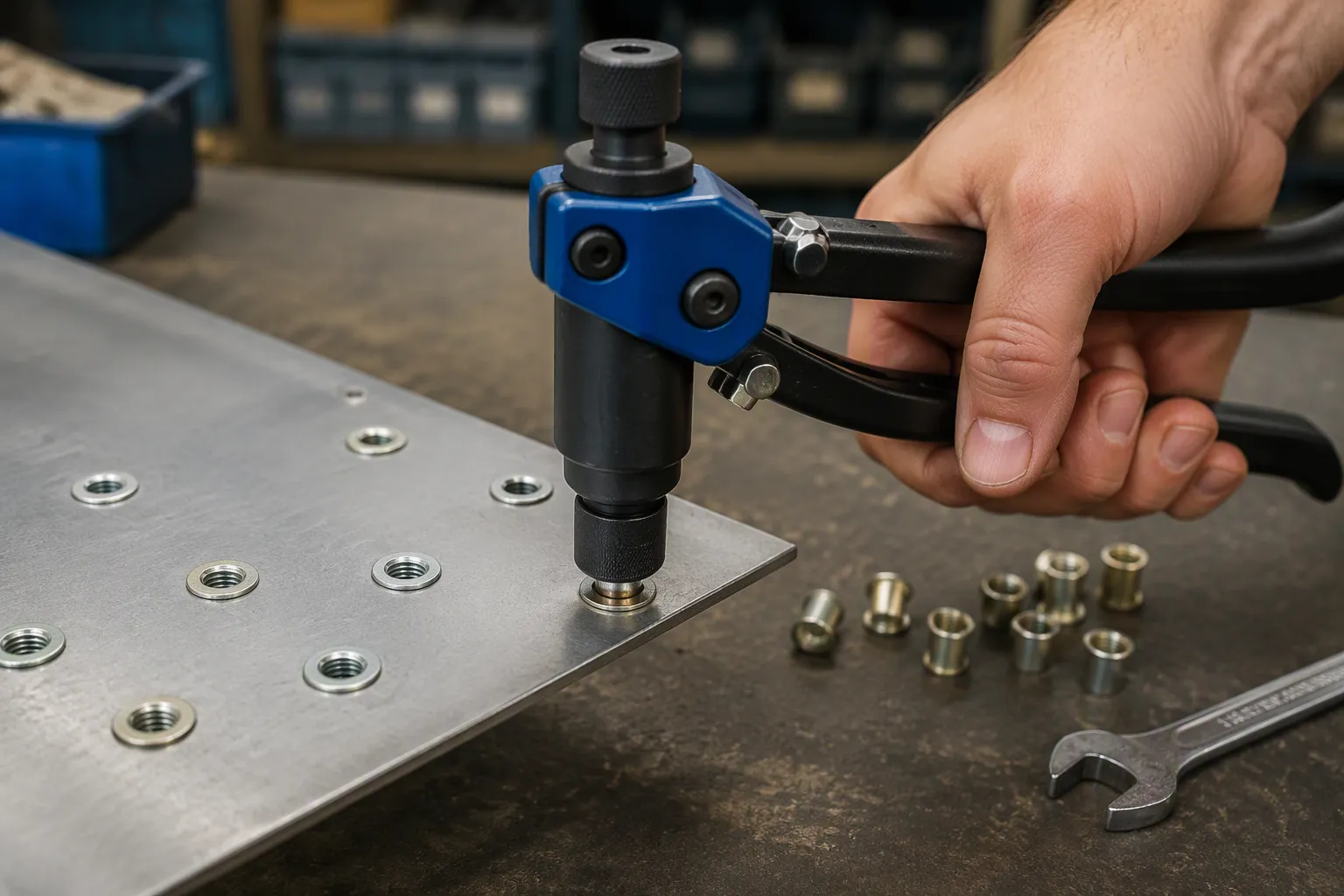
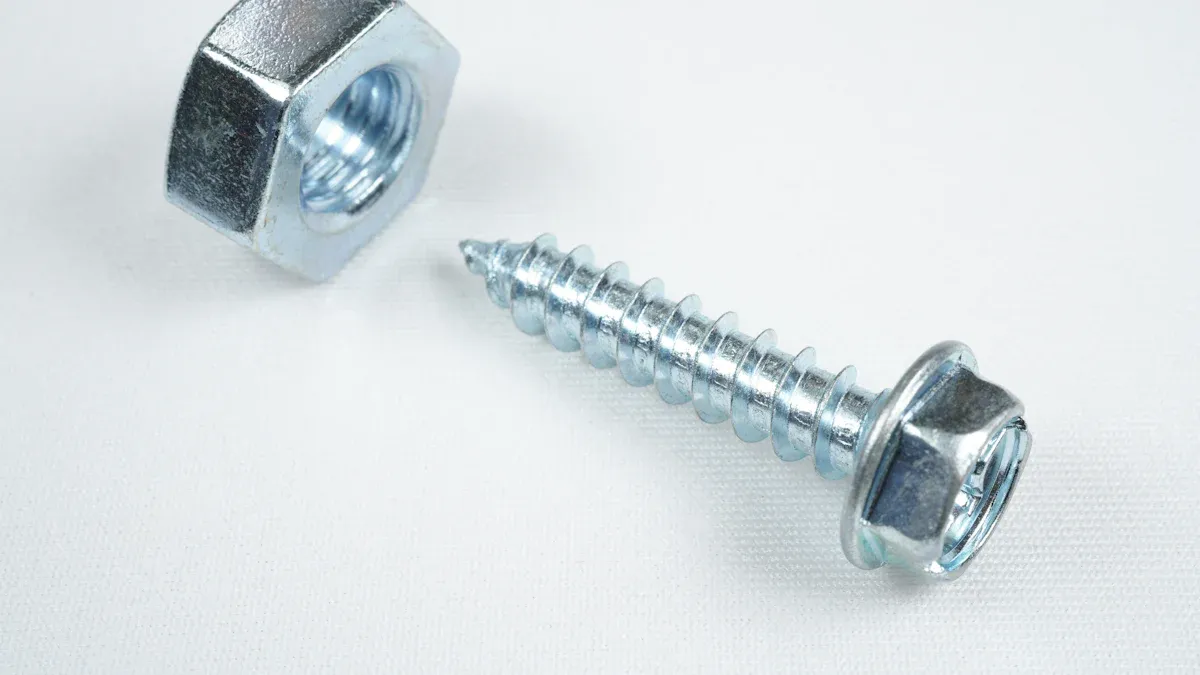
A шестигранная гайка Выступает в качестве шестигранного крепежного элемента с внутренней резьбой. Этот компонент фиксирует детали, соединяясь с болтами или винтами, образуя прочные соединения в строительстве и инфраструктуре. Строители полагаются на гаек и болтов для сборки каркасов и повышения устойчивости конструкций. Нестандартные крепежные элементы от авторитетного производитель крепежных изделий на заказ помогают удовлетворить уникальные требования проекта. Шестигранные гайки вносят вклад в структурную целостность несколькими способами:
- Они обладают надежное крепление для критически важных конструктивных элементов.
- Их форма обеспечивает удобный захват и приложение крутящего момента.
- Прочные соединения выдерживают значительные нагрузки и напряжения.
- Правильная установка предотвращает ослабление из-за вибрации или воздействия окружающей среды.
Ключевые характеристики шестигранных гаек
Шестигранная конструкция
Форма и захват
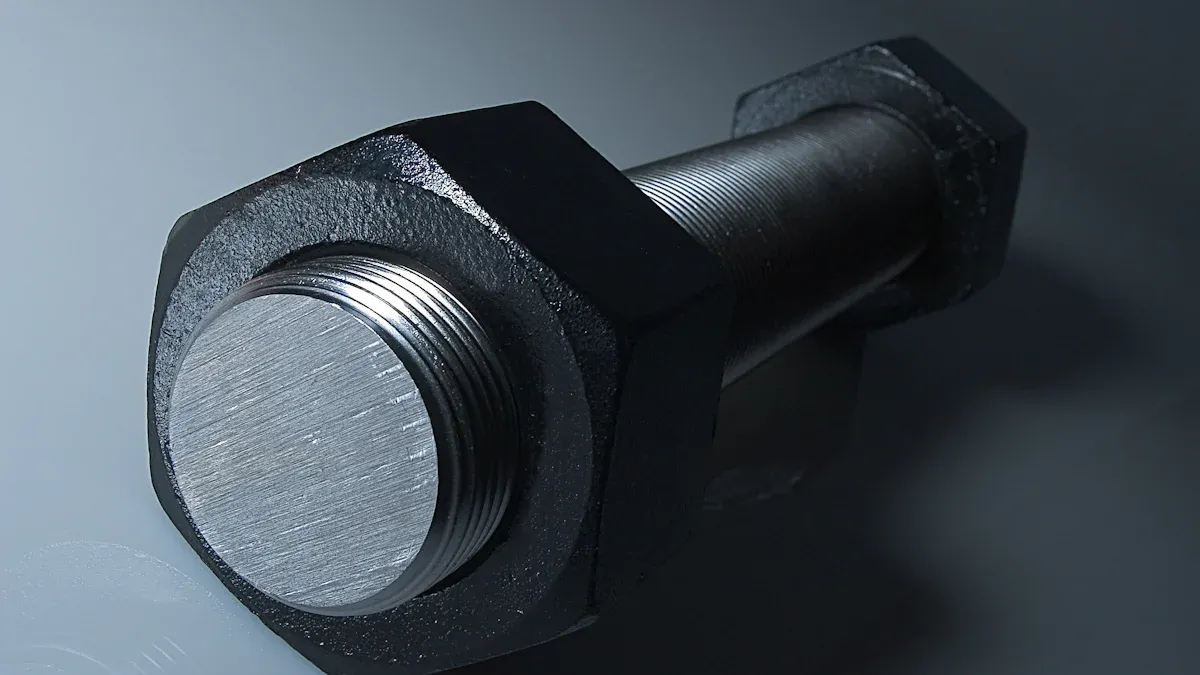
Шестигранные гайки имеют шестигранную форму , которая обеспечивает несколько механических преимуществ. Шестигранная конструкция позволяет рабочим легко захватывать гайку под разными углами. Такая форма упрощает установку и демонтаж, особенно в труднодоступных местах. Строительные специалисты получают выгоду от улучшенного распределения нагрузки, которое обеспечивает шестигранная геометрия. По сравнению с другими формами крепежа, шестигранные гайки распределяют усилие более равномерно, что помогает сохранять структурную стабильность.
Шестигранная форма обеспечивает эффективное приложение крутящего момента, снижая риск проскальзывания при затяжке.
Совместимость с инструментами
Шестигранный профиль соответствует стандартным инструментам, таким как гаечные ключи и головки. Рабочие могут использовать эти инструменты для приложения точного крутящего момента, обеспечивая надежное крепление. Совместимость с распространенными инструментами оптимизирует процессы сборки на строительных площадках. Шестигранные гайки плотно подходят как для ручных, так и для механизированных инструментов, что повышает производительность и снижает количество ошибок при установке.
Резьба и посадка
Внутренняя резьба
Шестигранные гайки содержат внутреннюю резьбу, спроектированную для соответствия шаблонам соответствующих болтов и винтов. Эта точная резьба обеспечивает прочное и надежное соединение. При соединении с болтом гайка образует плотную посадку, устойчивую к ослаблению под нагрузкой. Строительные бригады полагаются на эту надежную посадку для сохранения целостности конструктивных соединений.
Совместимость с болтами и винтами
Резьба внутри шестигранных гаек идеально совпадает с болтами и винтами, используемыми в строительстве. Такое соответствие создает надежную систему крепления. Надежное соединение предотвращает ослабление стыка из-за движения и вибрации. Шестигранные гайки играют критически важную роль в обеспечении прочного крепления компонентов, что необходимо для безопасности и долговечности.
Материалы и покрытия
Распространенные материалы для шестигранных гаек
Производители изготавливают шестигранные гайки из различных материалов для удовлетворения различных строительных потребностей. В таблице ниже приведены наиболее распространенные материалы и их рейтинги доли рынка:
| Тип материала | Описание | Рейтинг доли рынка |
|---|---|---|
| Сталь | Наиболее широко используется благодаря прочности и экономической эффективности в строительстве. | 1 |
| Нержавеющая сталь | Набирает популярность благодаря коррозионной стойкости в агрессивных средах. | 2 |
| Латунь | Ценится за электропроводность и используется в сантехнических работах. | 3 |
| Алюминий | Предпочтителен для легких применений в аэрокосмической и автомобильной отраслях. | 4 |
| Пластик | Используется для непроводящих свойств и химической стойкости в электронике. | 5 |
Защитные покрытия и обработки
Покрытия и обработка поверхности существенно влияют на характеристики шестигранных гаек. Выбор материала и обработка поверхности повышают долговечность и коррозионную стойкость. Шестигранные гайки часто имеют покрытия, такие как цинкование,, которое обеспечивает протекторную защиту от ржавчины. Гальваническое покрытие и горячее цинкование предлагают различные уровни долговечности. Покрытия улучшают стабильность крутящего момента при установке и облегчают демонтаж по окончании срока службы. Эти защитные меры гарантируют, что шестигранные гайки выдерживают суровые условия окружающей среды и сохраняют свою структурную роль с течением времени.
Строительные специалисты выбирают шестигранные гайки с соответствующими покрытиями для максимального увеличения срока службы и надежности в сложных условиях.
Типы шестигранных гаек, используемых в строительстве
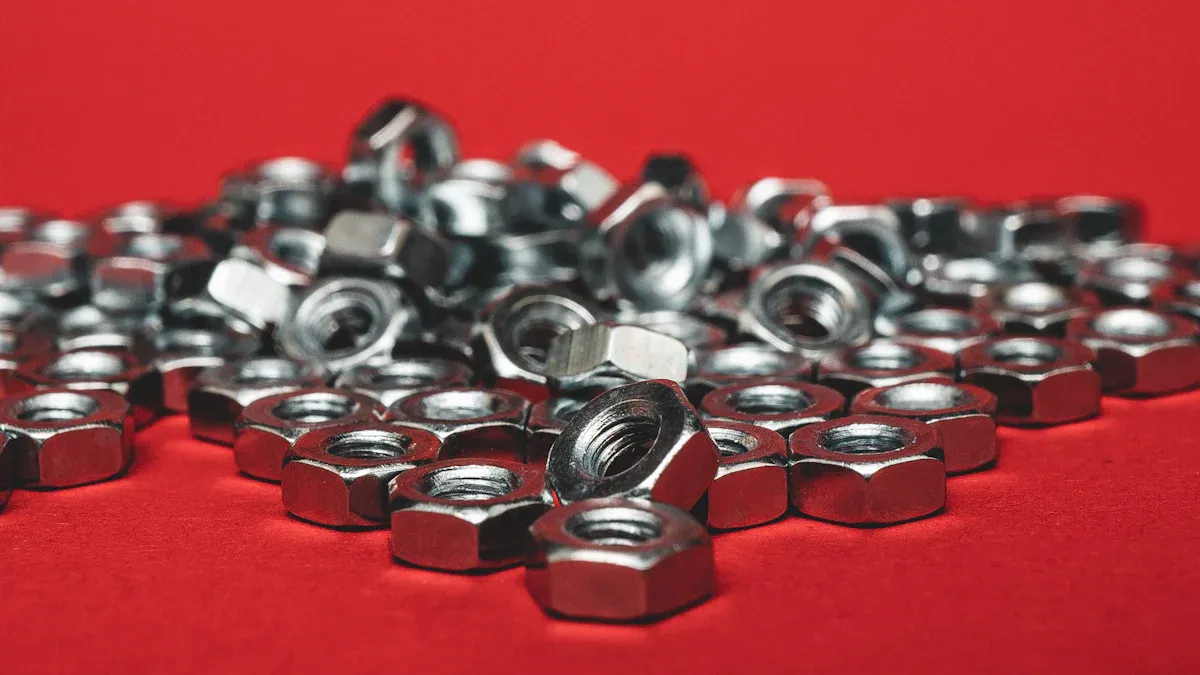
Строительные специалисты полагаются на несколько типов шестигранных гаек для удовлетворения требований различных проектов. Каждый тип обладает уникальными особенностями, подходящими для конкретных применений — от общего крепления до высоконагруженных конструктивных соединений.
Стандартные шестигранные гайки
Общие применения в строительстве
Стандартные шестигранные гайки являются наиболее распространенным выбором для повседневных задач крепления. Рабочие используют эти гайки в широком спектре строительных работ, включая сборку каркасов, крепление оборудования и фиксацию легких механизмов. Их компактный размер и умеренная прочность делают их подходящими для универсальных применений, где отсутствуют экстремальные нагрузки или напряжения. Стандартные шестигранные гайки обеспечивают надежную работу в бытовых, автомобильных и легких промышленных условиях.
Тяжелые шестигранные гайки
Конструкционные применения и среды с высокими нагрузками
Тяжелые шестигранные гайки отличаются более крупной и массивной конструкцией по сравнению со стандартными версиями. Инженеры выбирают эти гайки для конструкционных применений, требующих более высокой несущей способности и большей устойчивости к деформации. Тяжелые шестигранные гайки часто изготавливаются из стальных сплавов более высокого класса, что повышает их прочность и долговечность. В таблице ниже показаны ключевые различия между стандартными и тяжелыми шестигранными гайками в конструкционных применениях:
| Характеристика | Стандартные шестигранные гайки | Тяжелые шестигранные гайки |
|---|---|---|
| Размер | Меньше, компактнее | Крупнее, массивнее |
| Приложение крутящего момента | Умеренный крутящий момент | Большее приложение крутящего момента |
| Несущая способность | Подходит для универсальных применений | Более высокая несущая способность |
| Устойчивость к деформации | Умеренная устойчивость | Лучшая устойчивость к деформации |
| Прочность материала | Обычно материалы более низкого класса | Часто изготавливаются из стальных сплавов более высокого класса |
| Типичные области применения | Бытовые, автомобильные, легкие механизмы | Высоконагруженные применения, конструкционные использования |
Тяжелые шестигранные гайки играют критически важную роль в стальном строительстве, возведении мостов и других средах с высокими нагрузками. Их надежная конструкция гарантирует, что соединения остаются прочными под значительными нагрузками.
Locking Hex Nuts
Locking hex nuts address the challenge of loosening caused by vibration or movement. Construction sites often experience heavy machinery operation and dynamic loads, making secure fastening essential.
Nylon Insert Lock Nuts
Nylon insert lock nuts use a nylon ring to create friction against the bolt threads. This friction helps maintain bolt tension and prevents the nut from backing off, even in high-vibration environments. Self-locking nuts like these can reduce bolt loosening by over 50%, which greatly improves safety and reliability.
Полностью металлические стопорные гайки
All-metal lock nuts rely on mechanical deformation to achieve a secure fit. These nuts do not use any non-metallic components, making them suitable for high-temperature or chemically aggressive environments. The Crushlock Permanent Nut, for example, can hold up to 525% more torque than standard nuts, demonstrating exceptional resistance to loosening.
Lock nuts maintain secure connections by increasing friction or creating a mechanical interlock. Their effectiveness in high-vibration scenarios makes them indispensable for critical construction assemblies.
Construction teams select from these types of hex nuts based on project requirements, environmental conditions, and the need for vibration resistance.
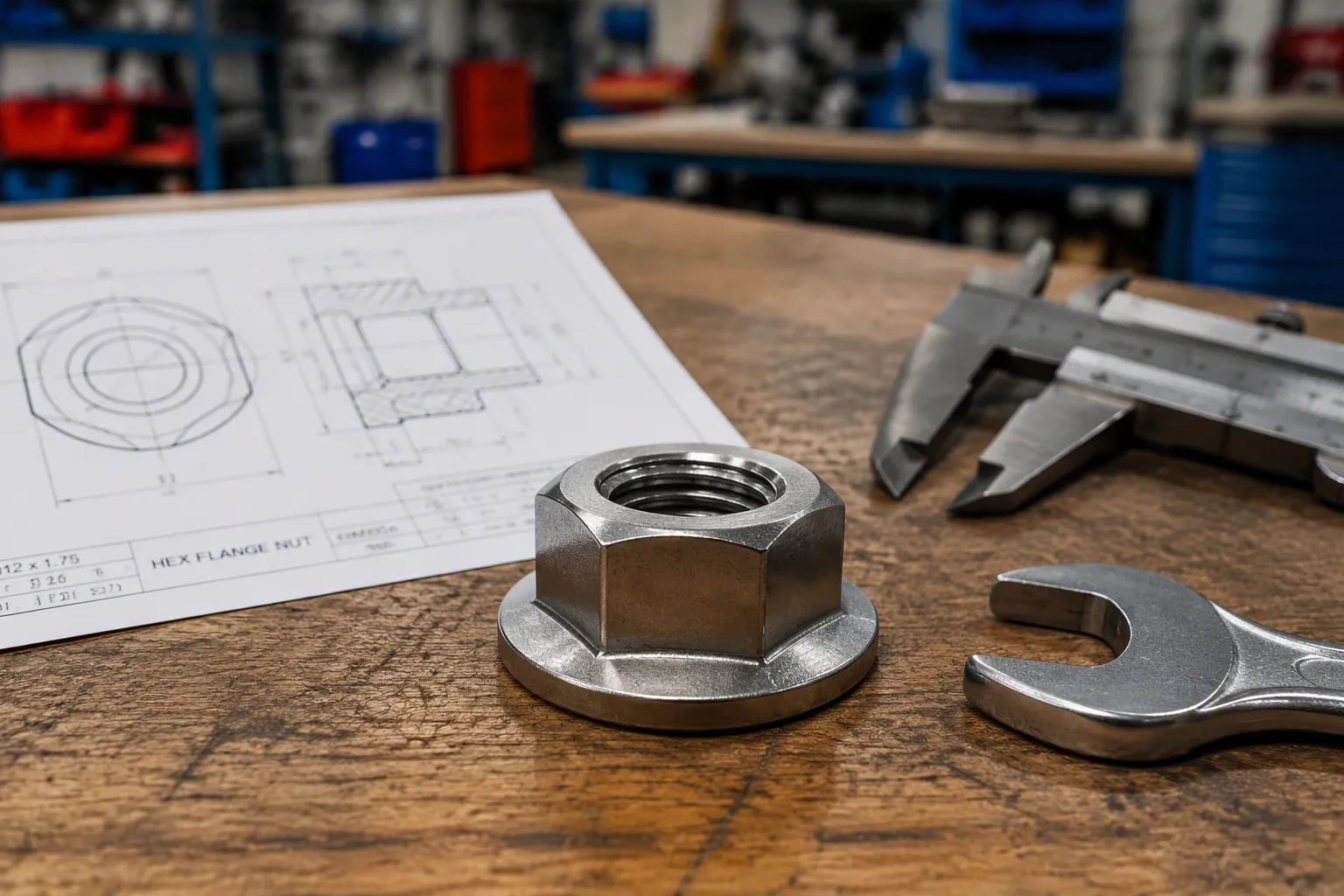
Flange Hex Nuts
Built-In Washer Feature for Secure Fastening
Flange hex nuts stand out among the types of hex nuts used in construction. Their design includes a wide flange at the base, which acts as a встроенная стиральная машина. This feature offers several advantages for securing construction components. The flange distributes the load over a larger area, reducing pressure and minimizing the risk of damage to materials. Many flange nuts incorporate serrated bases, which enhance grip and provide resistance to vibration. These characteristics make flange hex nuts ideal for environments where movement and vibration threaten joint stability.
Construction crews often select flange nuts for applications where quick installation is necessary. The integrated washer eliminates the need for a separate component, saving time and simplifying assembly in tight spaces. The larger bearing surface ensures even distribution of clamping loads, preventing material deformation. Flange nuts also create a locking effect, which helps maintain fastening integrity over time. This locking action proves essential in high-vibration settings, such as machinery mounts or steel frameworks.
Flange hex nuts combine efficiency and reliability, making them a preferred choice for secure fastening in demanding construction projects.
- Flange nuts distribute load, reducing material damage.
- Serrated bases improve grip and vibration resistance.
- Built-in washer speeds up installation in confined areas.
- Larger bearing surface prevents deformation.
- Locking effect minimizes loosening in high-vibration environments.
Specialty Hex Nuts
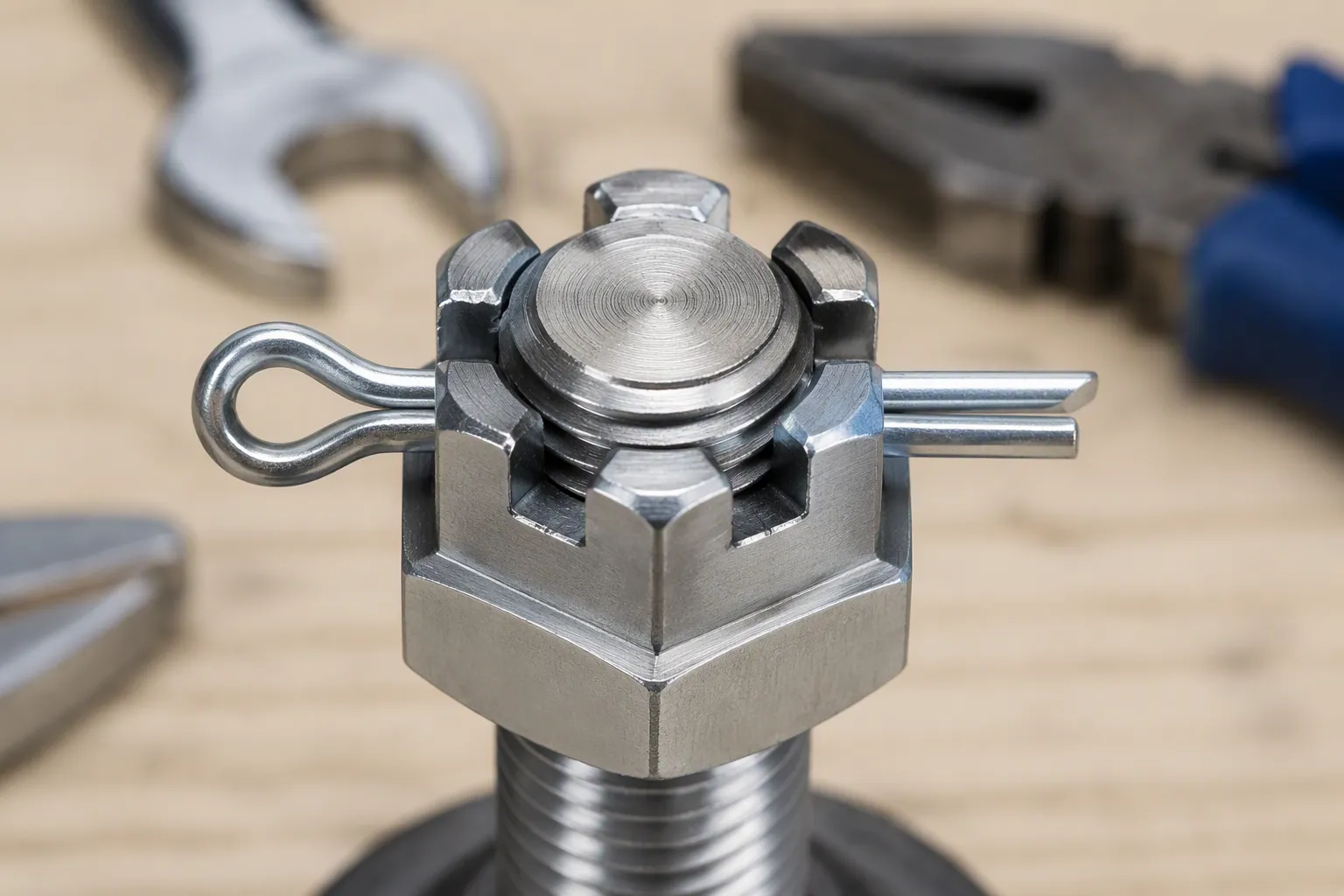
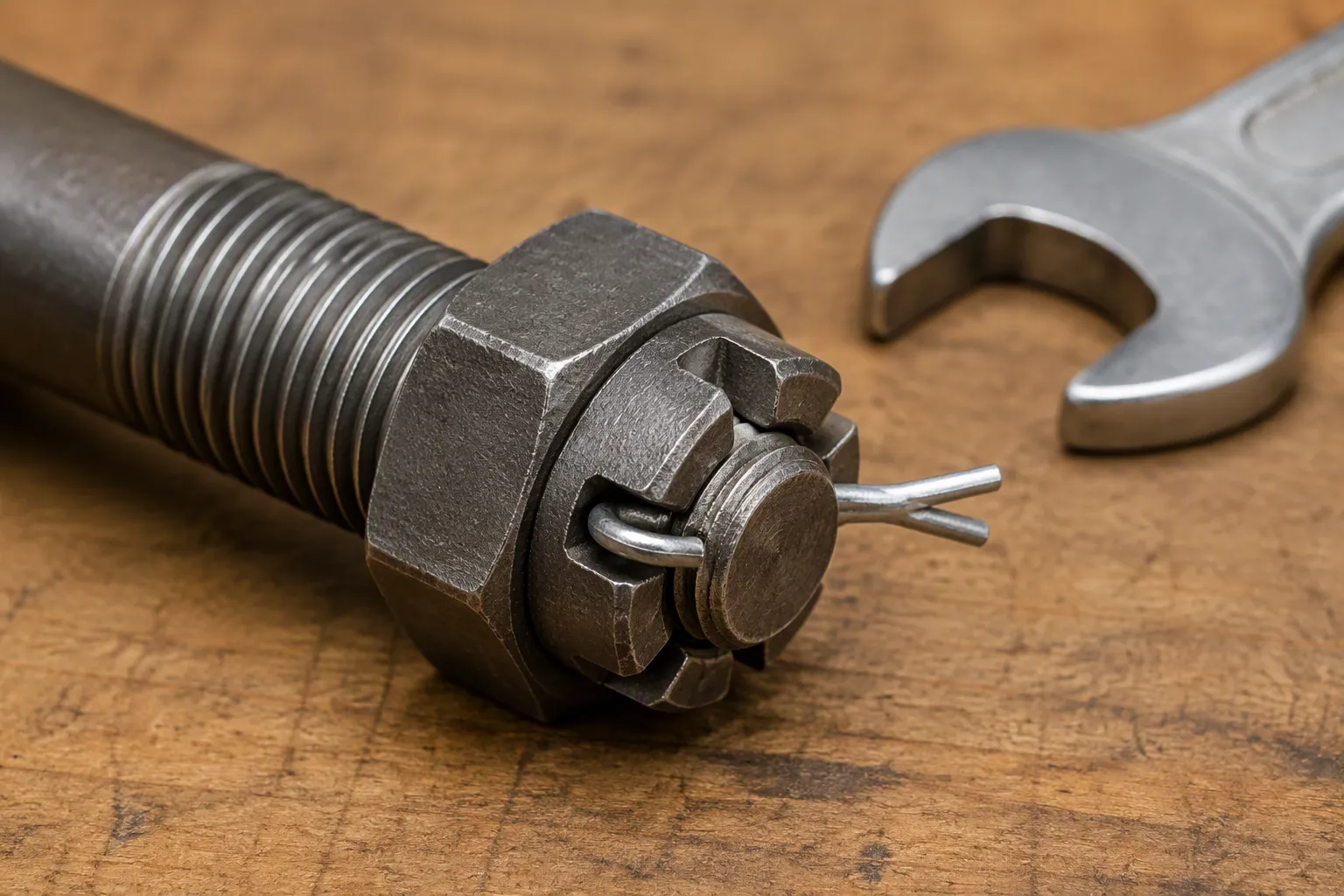
Slotted Hex Nuts for Cotter Pin Use
Slotted hex nuts feature slots cut into their top surface. Workers use these slots to insert cotter pins, which lock the nut in place and prevent rotation. This design proves valuable in applications where safety and security are paramount. Slotted nuts often appear in bridge construction, heavy machinery, and structural assemblies. The cotter pin ensures the nut remains tight, even under dynamic loads or shifting conditions.
Prevailing Torque Hex Nuts for Vibration Resistance
Prevailing torque hex nuts address the challenge of vibration and thermal cycling. These nuts use deformed threads or inserts to create resistance against loosening. They maintain clamping force in environments subject to movement or temperature changes. Construction teams rely on prevailing torque nuts for critical joints in heavy equipment, steel structures, and areas exposed to harsh conditions.
| Область применения | Описание |
|---|---|
| High-Load Structural Integrity | Specialty hex nuts secure components in heavy machinery, preventing joint slippage. |
| Vibration and Thermal Resistance | These nuts maintain clamping force under vibration and thermal cycling. |
| Environmental Durability | Many specialty nuts receive treatments for corrosion resistance, ensuring reliability in harsh environments. |
Specialty hex nuts address unique construction challenges. Their designs enhance safety, durability, and performance in demanding settings. Construction professionals evaluate project requirements to select the most suitable types of hex nuts for each application.
How Hex Nuts Are Used in Construction
Securing Structural Elements
Steel Beams and Columns
Construction teams depend on шестигранными гайками to join steel beams and columns. These fasteners create a secure connection that supports the weight of the structure. Workers align steel components and insert bolts through pre-drilled holes. They then tighten hex nuts to lock the beams and columns together. This process ensures stability and prevents movement during heavy loads. Hex nuts resist loosening caused by vibration or shifting, which protects the structural framework.
Hex nuts play a vital role in maintaining the integrity of steel frameworks. Their strength and durability help prevent failures in critical load-bearing areas.
Framing Connections
Шестигранные гайки also serve as essential fasteners in framing connections. Builders use them to attach wood or metal frames for walls, floors, and ceilings. The six-sided design allows easy access with tools, even in confined spaces. Hex nuts distribute force evenly across the joint, reducing the risk of material damage. Construction crews rely on these fasteners to create strong and stable frames that support the overall structure.
Mechanical Assemblies
Equipment Installation
Hex nuts provide reliable fastening for mechanical assemblies during equipment installation in commercial construction. Their design enables workers to grip and tighten them efficiently, which is crucial for high-precision tasks. Hex nuts form strong and reusable connections, allowing for adjustments or maintenance when needed. They come in various materials and finishes, enhancing durability and corrosion resistance in demanding environments.
- Hex nuts create strong and reusable connections for mechanical assemblies.
- Their shape allows easy gripping and efficient fastening.
- Different materials and finishes improve durability and corrosion resistance.
Machinery Mounting
Machinery mounting requires secure and stable joints. Hex nuts help anchor heavy equipment to floors or platforms. Workers use these fasteners to ensure machines remain fixed during operation. The internal threads of hex nuts match bolts, forming a tight fit that resists loosening. This stability protects machinery from vibration and movement, reducing maintenance needs and improving safety.
Temporary and Permanent Fastening
Removable Joints
Hex nuts enable temporary fastening in construction projects. Workers use them for joints that require disassembly for maintenance or upgrades. The removable nature of these fasteners allows easy access to internal components. Hex nuts make it possible to replace parts without damaging the surrounding structure.
Permanent Fixtures
Permanent fastening involves creating lasting joints that are not intended to be removed. Hex nuts secure fixtures such as support brackets, anchors, and structural plates. Builders select these fasteners for applications where long-term stability is essential. The tight fit and resistance to loosening ensure the fixture remains in place throughout the life of the structure.
| Type of Fastening | Описание |
|---|---|
| Temporary Fastening | Can be easily removed after use; used for parts that require disassembly for maintenance. |
| Permanent Fastening | Designed for single use; creates a lasting joint that is not intended to be removed. |
Choosing the right fastening method depends on the project requirements. Hex nuts offer flexibility for both temporary and permanent applications.
Установка и обслуживание шестигранных гаек
Правильные методы монтажа
Ручной инструмент против электроинструмента
Специалисты в строительстве выбирают между ручным и электроинструментом в зависимости от требований проекта. Ручной инструмент, такой как гаечные ключи, позволяет контролировать затяжку и снижает риск перетяжки. Электроинструмент, включая ударные гайковерты, ускоряет процесс, но требует тщательного контроля, чтобы избежать повреждения резьбы или приложения чрезмерного усилия. Рабочие проверяют инструмент перед использованием, чтобы убедиться в его исправности. Защитные очки и перчатки защищают от травм во время установки и обслуживания.
Совет: Используйте ручной инструмент для точности, а электроинструмент для эффективности, но всегда проверяйте настройки крутящего момента, чтобы предотвратить повреждения.
Спецификации крутящего момента для шестигранных гаек
Инженеры рассчитывают спецификации крутящего момента, чтобы гарантировать структурную целостность. Максимальный крутящий момент для шестигранных гаек зависит от размера и материала. Более крупные гайки выдерживают больший крутящий момент благодаря большей прочности материала. Стальные гайки выдерживают более высокий крутящий момент, чем более мягкие материалы, такие как ПВХ. Строительные бригады соблюдают указанные значения крутящего момента, чтобы предотвратить повреждения и обеспечить безопасность.
- Значения крутящего момента поддерживают производительность и безопасность шестигранных гаек.
- Материал и размер влияют на несущую способность по крутящему моменту.
- Правильный крутящий момент предотвращает ослабление и структурные разрушения.
| Размер гайки | Материал | Макс. крутящий момент (Нм) | Применение |
|---|---|---|---|
| M12 | Сталь | 70 | Структурные соединения |
| M12 | ПВХ | 20 | Легкие светильники |
| M20 | Сталь | 250 | Соединения мостов |
Проверка и затяжка
Проверка на ослабление
Регулярная проверка является критически важной частью установки и обслуживания. Рабочие проводят визуальную проверку качества поверхности, качества резьбы и маркировки. Измерительные инструменты подтверждают соответствие размеров заданным допускам. Проверка резьбы калибрами и оптический контроль оценивают качество резьбы. Эти шаги помогают выявить дефекты до того, как они поставят под угрозу безопасность.
- Визуальный осмотр выявляет трещины или поврежденную резьбу.
- Проверка размеров обеспечивает правильную посадку.
- Проверка резьбы поддерживает надежность крепления.
Процедуры повторной затяжки
Строительные бригады следуют системному подходу при затяжке шестигранных гаек. Они выравнивают компоненты перед затяжкой. Рабочие начинают с ручной затяжки, чтобы избежать перекоса резьбы. Гаечный ключ применяет правильный крутящий момент. Бригады используют крестообразную или звездообразную схему для равномерного распределения давления. Периодические проверки гарантируют, что гайки остаются затянутыми, особенно в условиях сильной вибрации.
- Расположите компоненты для выравнивания.
- Затяните гайку вручную, чтобы предотвратить перекос резьбы.
- Используйте ключ для приложения указанного крутящего момента.
- Затягивайте по крестообразной схеме для равномерной нагрузки.
- Повторно проверяйте затяжку во время планового обслуживания.
Распространенные ошибки при установке
Перекос резьбы
Перекос резьбы происходит, когда гайка не совмещается с резьбой болта. Эта ошибка ослабляет соединение и может повредить оба компонента. Рабочие предотвращают перекос резьбы, начиная закручивать гайку вручную и проверяя совмещение перед использованием инструментов.
Перетяжка
Перетяжка приводит к повреждению резьбы и сокращает срок службы крепежа. Бригады избегают этой ошибки, следуя спецификациям крутящего момента и используя калиброванный инструмент. Регулярный осмотр и обслуживание помогают рано обнаружить признаки перетяжки.
- Проверяйте на наличие видимых дефектов перед установкой.
- Подбирайте гайку и болт по размеру и шагу резьбы.
- Выбирайте правильный материал для конкретного применения.
- Используйте подходящие инструменты, чтобы избежать повреждений.
- Применяйте правильный крутящий момент, чтобы предотвратить отказ.
- Соблюдайте последовательность затяжки для равномерной нагрузки.
- Проверяйте на ослабление или повреждение после установки.
- Очищайте и смазывайте гайки для увеличения срока службы.
Примечание: Понимание того, как правильно установить шестигранную гайку, снижает риск распространенных ошибок и повышает надежность строительных узлов.
Преимущества использования шестигранных гаек в строительстве
Прочность и долговечность
Несущая способность
Шестигранные гайки обладают впечатляющей несущей способностью, что делает их незаменимыми для структурных соединений. Инженеры выбирают шестигранные гайки для стальных балок, колонн и опалубки, потому что эти крепежные элементы сохраняют стабильность под тяжелыми нагрузками. В таблице ниже сравнивается прочность и долговечность шестигранных гаек с другими крепежными элементами, обычно используемыми в строительстве:
| Тип крепежа | Прочность | Долговечность | Возможность повторного использования |
|---|---|---|---|
| Шестигранные гайки | Зависит от класса | Высокая | Да (если резьба цела) |
| Стопорные гайки | Высокая (для вибрации) | Умеренная | Часто одноразовые |
| Тяжелые шестигранные гайки | Выше стандартной | Высокая | Да (если резьба цела) |
Тяжелые шестигранные гайки, благодаря своей увеличенной толщине и более широкой опорной поверхности, выдерживают более высокий крутящий момент и устойчивы к деформации. Строительные бригады полагаются на эти гайки в высокопрочных применениях, таких как строительство мостов и монтаж тяжелого оборудования.
Устойчивость к вибрации и нагрузкам
Шестигранные гайки превосходно работают в условиях воздействия вибрации и нагрузок. Тяжелые шестигранные гайки распределяют нагрузку более эффективно, снижая концентрацию напряжений и предотвращая преждевременную усталость. Гайки из углеродистой и легированной стали обеспечивают высокую прочность на растяжение, что необходимо для тяжелого оборудования. Гайки из нержавеющей стали обладают коррозионной стойкостью, что делает их идеальными для использования на открытом воздухе. Тяжелые шестигранные контргайки, используемые парами, создают стопорный эффект , который ограничивает осевое перемещение и увеличивает трение на резьбе болта.
Форма тяжелой шестигранной гайки обеспечивает более широкую опорную поверхность, которая может выдерживать более высокий крутящий момент при сборке и сопротивляться деформации под нагрузкой.
Универсальность и совместимость
Использование с различными болтами и винтами
Шестигранные гайки демонстрируют совместимость с широким спектром болтов и винтов. Их шестигранная форма обеспечивает превосходный захват и прочность на кручение. Специалисты в строительстве используют шестигранные гайки с болтами и шпильками ASTM A307A и ASTM F1554-36. В таблице ниже выделены ключевые особенности совместимости:
| Характеристика | Описание |
|---|---|
| Форма | Шестигранная форма для захвата и прочности на кручение |
| Материал | Низкоуглеродистая сталь |
| Совместимость | Совместима с болтами и шпильками ASTM A307A, ASTM F1554-36 |
| Применение | Строительство, автомобилестроение, машиностроение, универсальное крепление |
| Размеры резьбы | Различные размеры для разных областей применения болтовых соединений |
Шестигранные гайки дают всесторонний обзор совместимости, помогая командам выбрать правильный крепеж для конкретных строительных нужд.
Адаптивность к различным материалам
Шестигранные гайки адаптируются к различным материалам, включая конструкционную сталь, строительные леса и опалубку. Их универсальность обеспечивает надежное крепление в разнообразных строительных проектах. Шестигранные гайки играют критически важную роль в креплении стальных балок и колонн, обеспечивая структурную стабильность зданий и мостов.
- Шестигранные гайки используются в конструкционной стали, строительных лесах и опалубке.
- Шестигранные гайки критически важны для крепления стальных балок и колонн.
Простота использования и обслуживания
Простой процесс установки
Шестигранные гайки обеспечивают быстрое зацепление инструмента, что значительно сокращает время сборки. Рабочие выигрывают от стандартизированной конструкции, делающей установку простой и эффективной. Более легкий профиль стандартных шестигранных гаек подходит для универсального применения, в то время как усиленные шестигранные гайки служат для высокопрочных нужд.
Доступность для ремонта и регулировок
Обслуживающие бригады считают шестигранные гайки легкодоступными для периодических проверок и регулировок. Стандартизированная конструкция гарантирует легкую доступность запасных частей, сводя к минимуму время простоя. Шестигранные гайки облегчают ремонт и регулировки, способствуя долгосрочной надежности строительных узлов.
Преимущества использования шестигранных гаек включают прочность, универсальность и простоту обслуживания, что делает их незаменимыми для строительных специалистов.
Выбор правильной шестигранной гайки для вашего проекта
Оценка нагрузочных требований
Выбор подходящего шестигранная гайка начинается с оценки нагрузочных требований проекта. Инженеры учитывают, является ли применение конструкционным или неконструкционным. Конструкционные соединения требуют гаек с более высокой прочностью и долговечностью. Неконструкционные применения, такие как крепление оборудования, требуют менее мощных крепежных элементов.
Конструкционные и неконструкционные применения
Конструкционное применение предполагает поддержку значительного веса или сопротивление динамическим силам. Неконструкционные применения ориентированы на более легкие нагрузки и менее ответственные соединения. В следующей таблице представлены ключевые факторы, влияющие на процесс выбора:
| Фактор | Описание |
|---|---|
| Классы материалов | Различные марки нержавеющей стали обеспечивают различную производительность в разных средах. |
| Прочность | Предел прочности материала влияет на общую долговечность проекта. |
| Условия окружающей среды | Воздействие химических веществ или экстремальных погодных условий может повлиять на выбор материала гайки. |
| Правильный подбор размера | Обеспечение правильного размера гайки имеет решающее значение для несущей способности. |
| Типы резьбы | Тип резьбы может влиять на способность гайки эффективно выдерживать нагрузки. |
| Коэффициент запаса прочности | Рекомендуется коэффициент безопасности не менее 1.5 для предотвращения неожиданных отказов. |
Инженеры рекомендуют использовать коэффициент безопасности для обеспечения надежности в конструкционных применениях.
Материал и экологические соображения
Выбор материала играют решающую роль в производительности и долговечности шестигранных гаек. Условия окружающей среды, такие как влажность, химические вещества и экстремальные температуры, влияют на выбор материала.
Коррозионная стойкость
Шестигранные гайки из нержавеющей стали устойчивы к ржавчине и коррозии, что делает их идеальными для наружного применения и воздействия окружающей среды. Углеродистая сталь обеспечивает высокую прочность, но требует защитных покрытий для предотвращения разрушения. Латунь обеспечивает коррозионную стойкость в определенных условиях, часто используется в сантехнических или электрических приложениях. Нейлоновые шестигранные гайки обеспечивают изоляцию и химическую стойкость, подходя для специализированных нужд.
- Нержавеющая сталь обеспечивает долговечность в суровых погодных условиях.
- Углеродистая сталь нуждается в покрытиях для защиты.
- Латунь подходит для сред с умеренным риском коррозии.
- Нейлон хорошо работает для изоляции и воздействия химических веществ.
Температурная стойкость
Экстремальные температуры влияют на производительность шестигранных гаек. Нержавеющая сталь сохраняет прочность при высоких температурах. Нейлон теряет целостность при воздействии тепла. Углеродистая сталь хорошо работает в умеренных условиях, но может требовать дополнительной обработки для экстремальных сред. Латунь остается стабильной в широком диапазоне температур, обеспечивая надежные соединения.
Строительные специалисты оценивают факторы окружающей среды, чтобы максимизировать срок службы крепежных элементов.
Размеры и стандарты
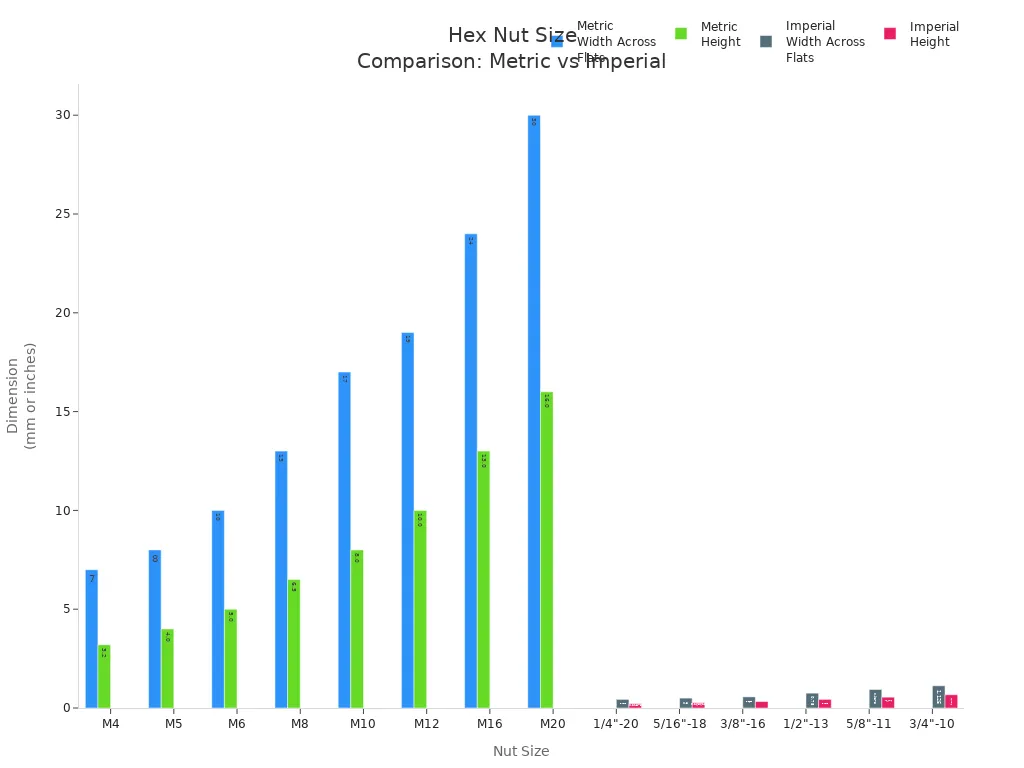
Правильный подбор размера обеспечивает совместимость и безопасность в строительных узлах. Шестигранные гайки выпускаются в метрических и дюймовых размерах, каждый с определенными размерами.
Метрические и дюймовые размеры
Метрические размеры используют миллиметры для измерения, в то время как дюймовые размеры основаны на дюймах. В таблице ниже приведено сравнение распространенных размеров:
| Тип | Размер | Размер под ключ | Высота |
|---|---|---|---|
| Метрическая | M4 | 7 мм | 3.2 мм |
| Метрическая | M5 | 8 мм | 4.0 мм |
| Метрическая | M6 | 10 мм | 5.0 мм |
| Метрическая | M8 | 13 мм | 6.5 мм |
| Метрическая | M10 | 17 мм | 8.0 мм |
| Метрическая | M12 | 19 мм | 10.0 мм |
| Метрическая | M16 | 24 мм | 13.0 мм |
| Метрическая | M20 | 30 мм | 16.0 мм |
| Дюймовая система | 1/4″-20 | 7/16″ | 7/32″ |
| Дюймовая система | 5/16″-18 | 1/2″ | 17/64″ |
| Дюймовая система | 3/8″-16 | 9/16″ | 21/64″ |
| Дюймовая система | 1/2″-13 | 3/4″ | 7/16″ |
| Дюймовая система | 5/8″-11 | 15/16″ | 35/64″ |
| Дюймовая система | 3/4″-10 | 1-1/8″ | 43/64″ |
Industry Standards for Hex Nuts
Industry standards ensure consistency and safety in construction. Metric nuts follow ISO and DIN specifications. Imperial nuts adhere to ANSI and ASTM standards. These standards define dimensions, thread types, and material requirements. Builders reference these guidelines to guarantee compatibility and performance.
Choosing the right hex nut involves evaluating load requirements, material properties, environmental conditions, and sizing standards. Construction professionals rely on these criteria to achieve strong, reliable, and durable connections.
Practical Tips for Using Hex Nuts on Site
Storage and Handling
Preventing Rust and Physical Damage
Construction teams must protect hex nuts from environmental hazards to maintain their performance. Moisture exposure leads to rust, while improper handling causes physical damage. Workers store hex nuts in clean, dry environments to prevent oxidation. Sealed containers shield nuts from moisture and corrosion during long-term storage. Dust and chemicals accelerate corrosion, so teams keep nuts away from these contaminants. Loose stacking damages threads and deforms hex faces. Organizing nuts by size and material ensures quick access and reduces mix-ups. Rotating stock prevents aging and degradation.
| Рекомендуемая практика | Описание |
|---|---|
| Store in a clean, dry environment | Prevents rust and oxidation by reducing moisture exposure. |
| Use sealed containers | Protects nuts from moisture and corrosion during long-term storage. |
| Keep away from dust and chemicals | Reduces the risk of contamination and corrosion. |
| Avoid loose stacking | Prevents thread damage and deformation of hex faces. |
| Organize by size and material | Ensures quick access and prevents mix-ups. |
| Rotate stock | Prevents aging and degradation of stored nuts. |
Workers also use airtight containers and desiccants to absorb moisture. Storing fasteners off the ground avoids contact with water. Controlling humidity and temperature in storage areas preserves the integrity of hex nuts.
Меры предосторожности
Средства индивидуальной защиты
Safety remains a priority during hex nut installation. Workers conduct pre-installation safety checks by inspecting bolts for damage and verifying size and grade. Clean and flat installation surfaces ensure proper fit. Teams always wear safety glasses, gloves, and ear protection. Fall protection becomes necessary when working at heights. Proper installation techniques include using torque wrenches for correct tightening and following a specific sequence for even stress distribution. Regular visual inspections and non-destructive testing methods help detect internal defects. Compatibility between nuts, washers, and bolts prevents loose connections.
Safety glasses and gloves protect workers from sharp edges and debris. Ear protection reduces noise exposure during power tool use.
Устранение распространенных проблем
Stripped Threads
Stripped threads occur when insufficient torque, low-grade screws, or excessive vibration compromise the connection. Workers use torque-controlled tools and select high-quality screws to prevent this issue. Anti-vibration measures maintain the security of the joint. Proper torque application ensures the nut stays tight without over-tightening. When removing a stripped hex nut, workers often use specialized extraction tools or apply penetrating oil to loosen the nut.
Stuck or Seized Hex Nuts
Stuck or seized hex nuts result from corrosion or overtightening. Workers apply penetrating oil to loosen the nut and use heat to expand the metal if necessary. Impact tools help break the bond. Preventing this issue involves using corrosion-resistant materials and maintaining proper storage conditions. Environmental control remains key to avoiding seized nuts.
| Проблема | Cause(s) | Solution(s) |
|---|---|---|
| Stripped Threads | Insufficient torque, low-grade screws, excessive vibration | Use torque-controlled tools, select high-quality screws, implement anti-vibration measures. Proper torque application ensures security without over-tightening. |
| Коррозия | Moisture exposure, improper storage, low-quality materials | Apply protective coatings, use corrosion-resistant materials, maintain proper storage conditions. Environmental control is key to preventing corrosion. |
| Несоосность | Rough surfaces, insufficient space, poor installation techniques | Prepare the installation area, use guides or templates, employ the right tools. Checking surfaces and using correct installation methods can prevent this issue. |
Teams address common issues by following best practices for installation, storage, and maintenance. These steps ensure hex nuts perform reliably throughout the project lifecycle.
A hex nut serves as a vital fastener in construction, securing components and supporting structural integrity. Hex nuts offer strength, reliability, and versatility across a range of building applications. Selecting the correct type and ensuring правильной установки directly influence the durability and performance of connections. Compatibility of materials, accurate sizing, and correct techniques help maintain the integrity and longevity of every project. Construction professionals achieve optimal results by prioritizing regular inspection and maintenance.
Частые вопросы
What is the main purpose of a hex nut in construction?
A hex nut secures bolts or screws, creating strong joints in structural assemblies. Construction teams use hex nuts to maintain stability and prevent movement in frameworks, machinery, and fixtures.
How do workers choose the correct size hex nut?
Workers match the nut size to the bolt diameter and thread pitch. They consult sizing charts or manufacturer specifications to ensure compatibility and proper fit.
Can hex nuts be reused after removal?
Yes, workers can reuse hex nuts if the threads remain undamaged and free from corrosion. Inspection before reuse ensures safety and reliability in new assemblies.
What materials offer the best corrosion resistance for hex nuts?
Stainless steel and brass provide excellent corrosion resistance. Stainless steel suits outdoor or wet environments, while brass works well in plumbing and electrical applications.
Why do some hex nuts have a nylon insert?
A nylon insert creates friction against bolt threads. This feature prevents loosening from vibration or movement, making nylon insert lock nuts ideal for high-vibration environments.
How do workers prevent hex nuts from loosening over time?
Workers use lock nuts, apply thread-locking compounds, or select nuts with serrated flanges. Regular inspection and re-tightening also help maintain secure connections.
What tools do professionals use to install hex nuts?
Professionals use wrenches, sockets, and torque wrenches for installation. Power tools speed up the process, but hand tools allow for precise torque control.