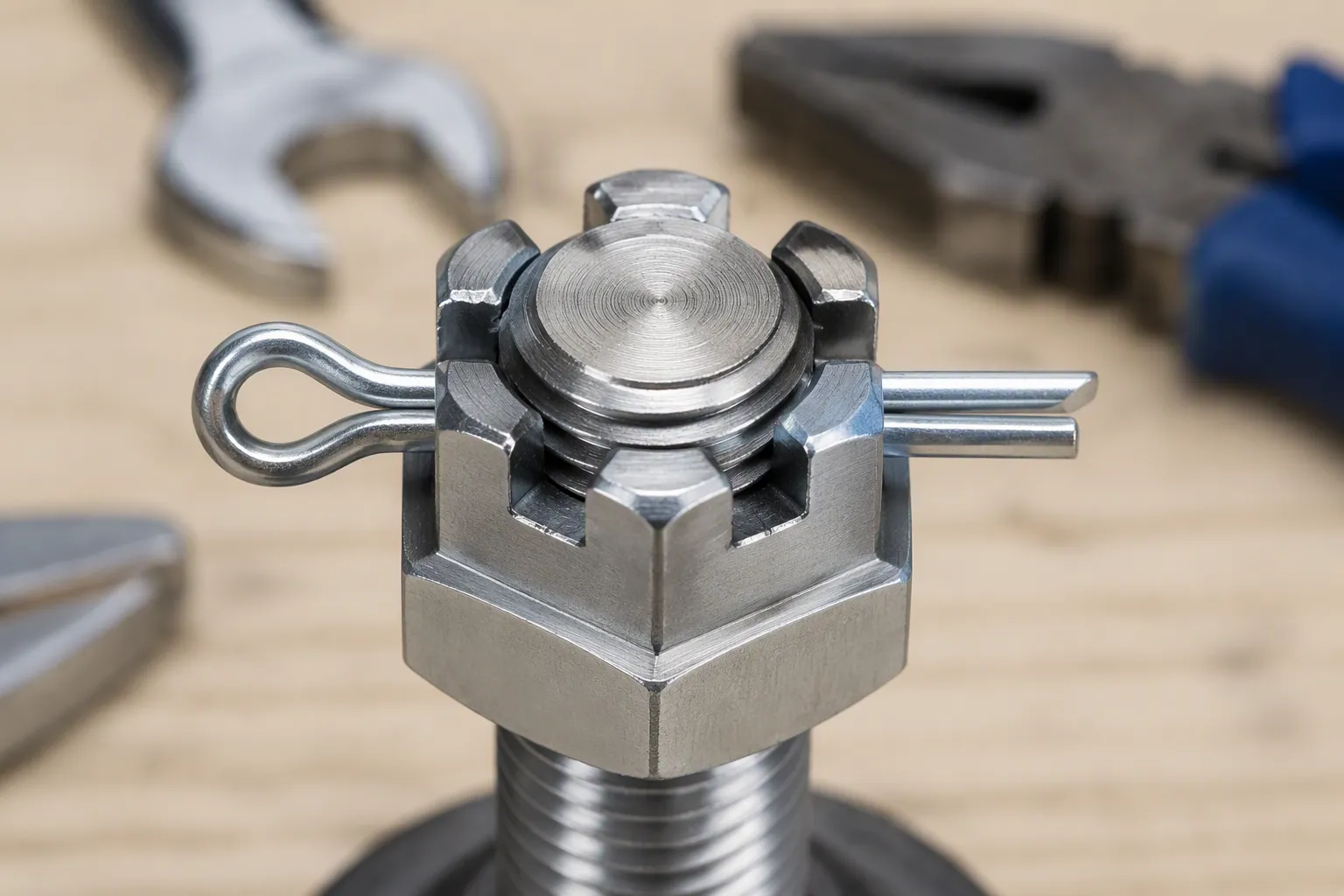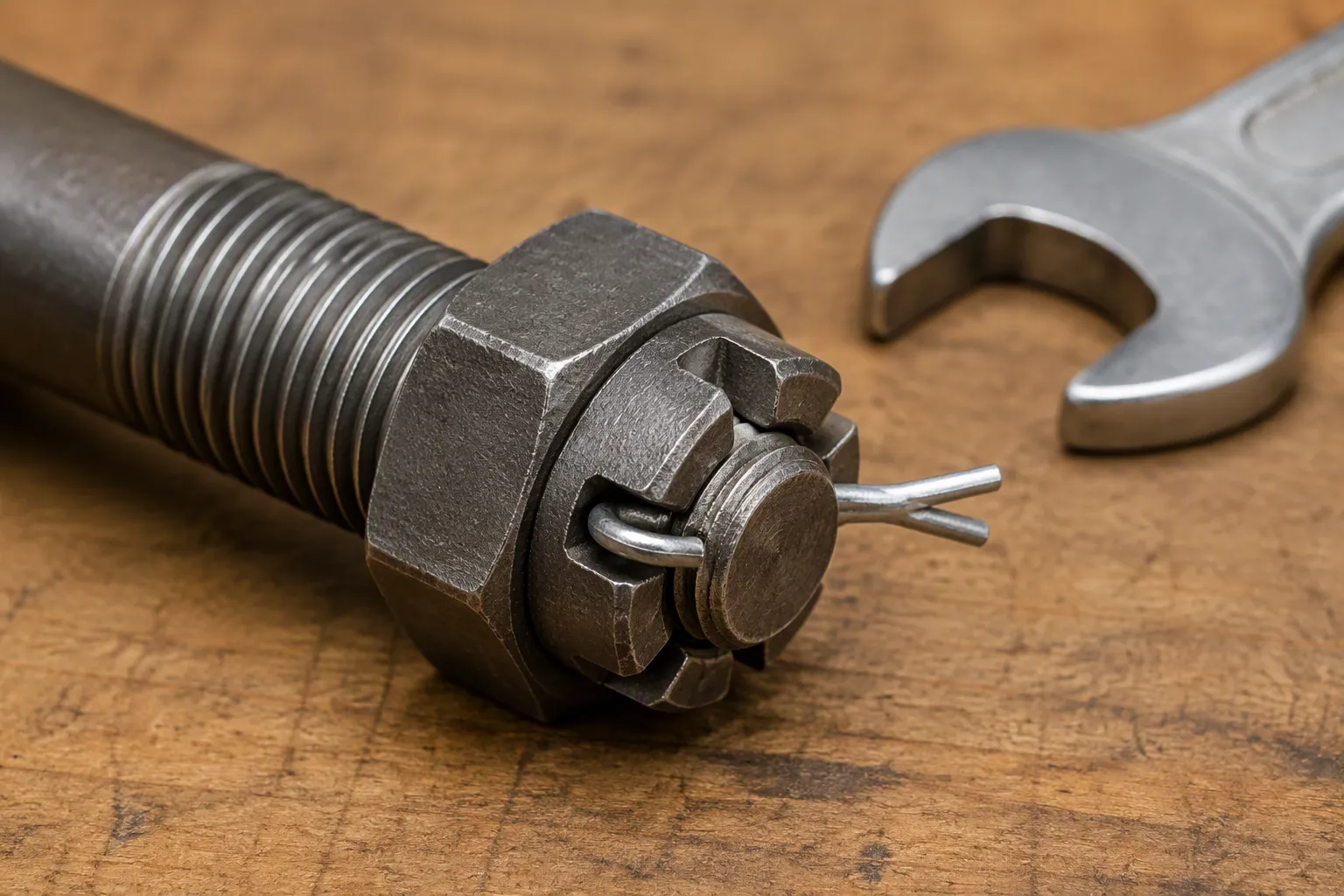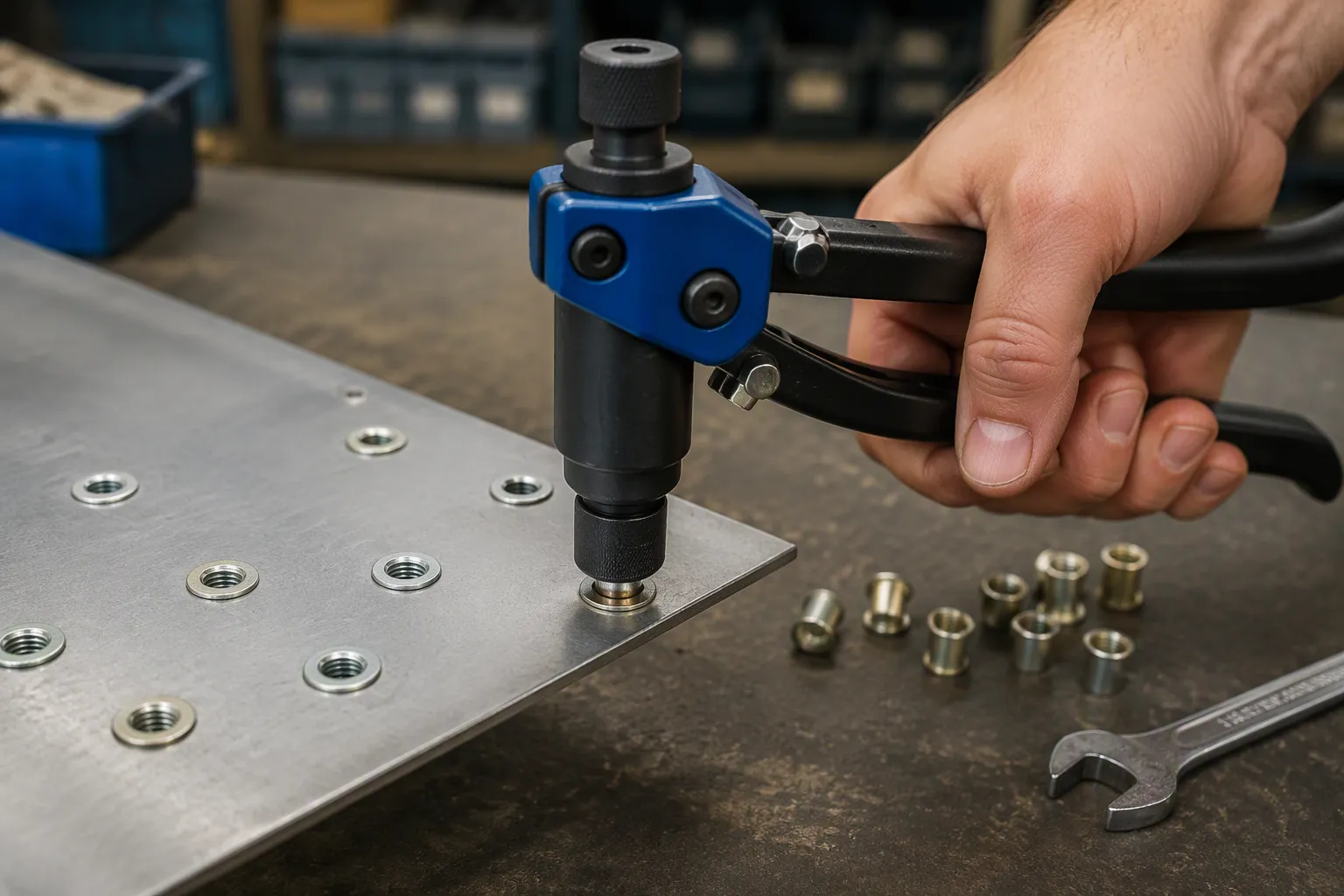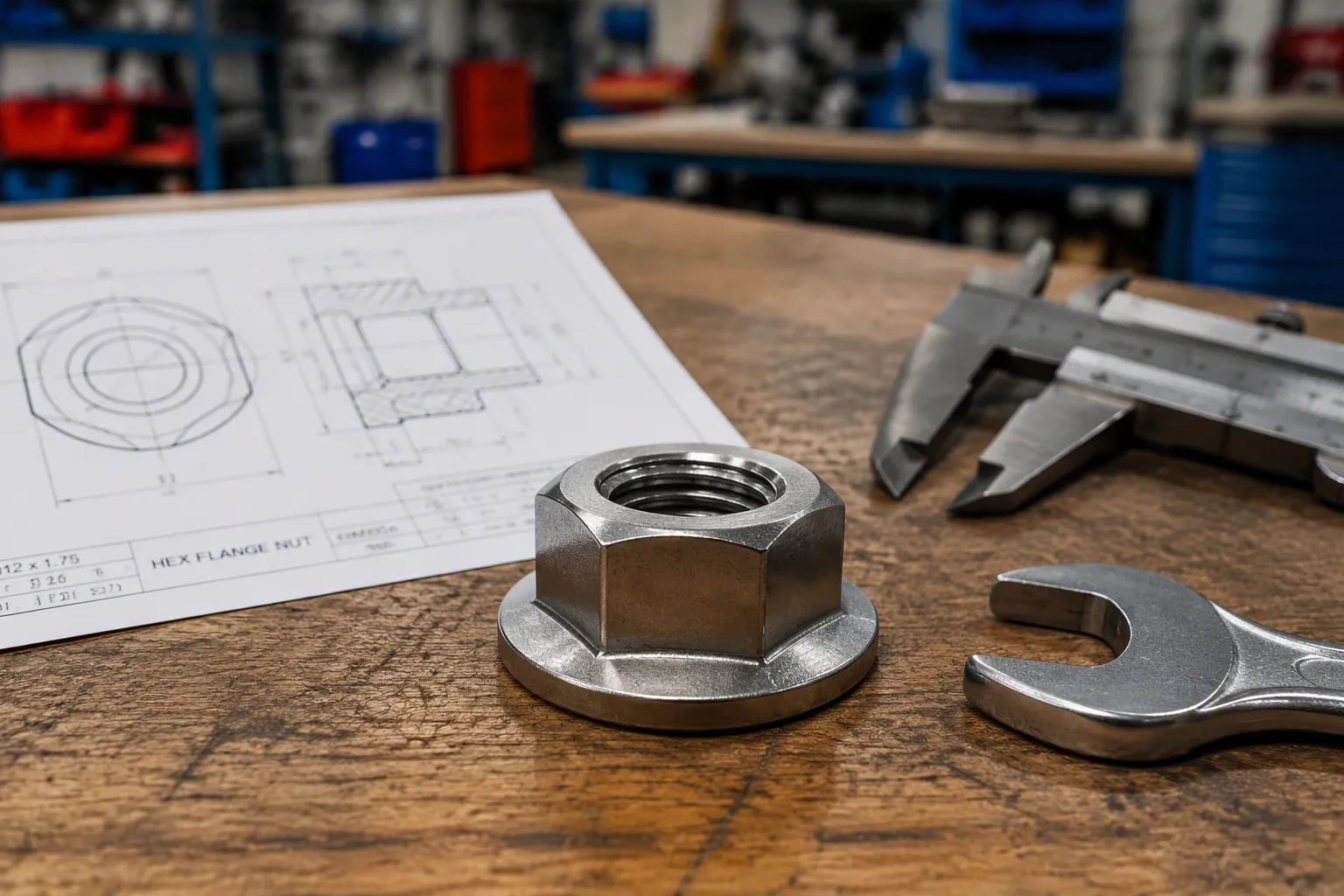
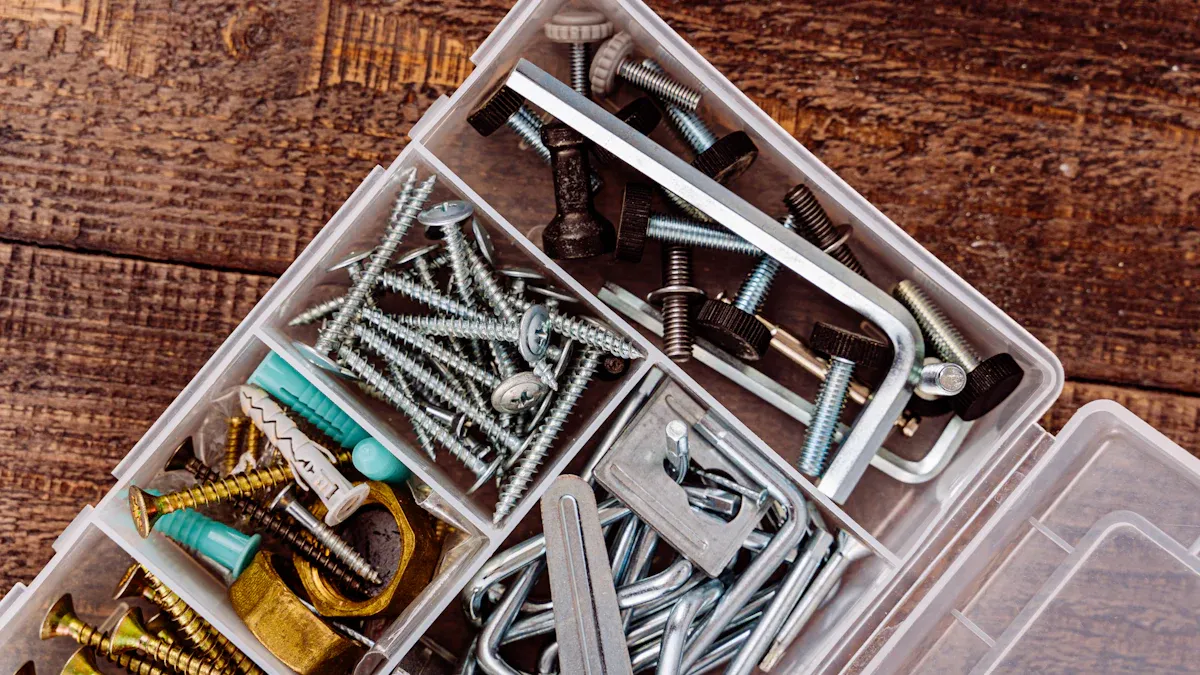
Выбор правильной гайки U bolt plays a critical role in ensuring safety and performance for all projects. When individuals choose the right fastener, they directly influence the structural integrity and durability of their assemblies. Industry studies show that improper bolt selection accounts for nearly 20% of mechanical failures in high-stress environments. The use of high-quality fasteners, such as those provided by a производитель крепежных изделий на заказ, helps reduce maintenance costs over time. For applications requiring нестандартные крепежные элементы или литье болтов, professionals must always choose the right fastener for the intended environment and load. The right fasteners support reliable operation and extend the service life of every project.
- choose the right fastener to match the specific requirements of the application.
- choose the right fastener to prevent early failures and costly repairs.
- choose the right fastener to ensure compliance with industry standards.
- choose the right fastener to achieve optimal durability and safety.
- choose the right fastener for both standard and specialized needs.
What Are U Bolts and Types of U Bolts?
Basic Definition of U Bolts
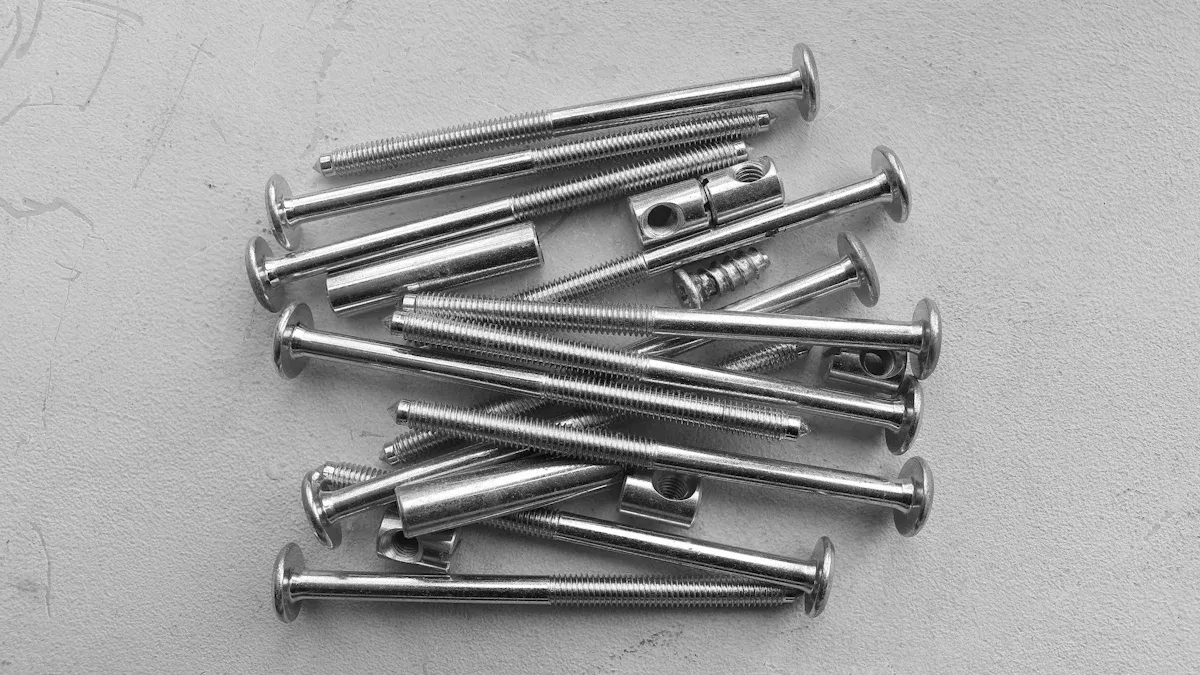
U bolts are essential u shaped fasteners designed to secure and support pipes, rods, and other cylindrical objects. These fasteners feature a curved profile that forms a “U” shape, with threaded ends on both legs. U bolts provide a reliable clamping force, making them suitable for a wide range of applications. The unique geometry of u shaped fasteners allows them to wrap around objects and hold them firmly in place. Manufacturers produce u bolts in various sizes and materials to meet diverse project requirements. The versatility of these fasteners ensures their presence in both industrial and residential settings.
Common Applications for U-Bolts
U bolts serve as critical components in many industries. They support pipe works and help maintain the alignment of piping systems. U bolts also play a role in hanging pipes, which reduces the risk of structural failure caused by gravity. These u shaped fasteners act as restraints, preventing pipes from shifting and causing damage. The following list highlights common applications for u bolts:
- Supporting and securing pipes in plumbing and HVAC systems
- Hanging pipes from ceilings or beams in construction projects
- Providing stability in roofing and foundation installations
- Securing motor and engine shaft components in automotive and machinery assemblies
- Reinforcing structural frameworks in building and infrastructure projects
U bolts offer a wide range of applications due to their adaptability and strength. Their use extends to marine, agricultural, and electrical installations. The reliability of these fasteners makes them a preferred choice for engineers and contractors.
Key Features of U Bolts
U bolts possess several features that set them apart from other fasteners. The u shaped fasteners deliver consistent clamping pressure, which helps maintain the integrity of assemblies under load. The threaded ends allow for easy adjustment and secure attachment with nuts and washers. U bolts come in different grades, each offering specific tensile strength and application suitability. The table below compares common grades of u bolts:
| U-Bolt Grade | Предел прочности на растяжение | Пригодность для применения |
|---|---|---|
| Класс 2 | Низкая | Light loads, cost-effective applications |
| Класс 5 | Умеренная | Moderate stress environments, automotive, agriculture, construction |
| Класс 8 | Высокая | Heavy-duty applications, safety-critical uses, industrial equipment |
U bolts are available in round, square, and custom shapes to match the needs of different projects. The corrosion resistance of these fasteners depends on the material and coating selected. U bolts remain a dependable solution for securing pipes, beams, and machinery across various industries.
Types of U Bolts by Shape and Use
Selecting the correct type of u bolts ensures reliable performance in a wide range of applications. Each shape of u shaped fasteners offers unique advantages for specific uses. Understanding these differences helps engineers and contractors match fasteners to project requirements.
Round Bend U Bolts
Round bend u bolts represent the most common style of u shaped fasteners. Manufacturers design these fasteners with a smooth, rounded curve that fits snugly around pipes, tubes, and cylindrical objects. This shape distributes clamping force evenly, reducing the risk of deformation or damage to the secured item.
Tip: Round bend u bolts work best for supporting pipes in plumbing, HVAC, and industrial systems.
Common applications for round bend u bolts include:
- Securing pipes to structural beams
- Attaching exhaust systems in vehicles
- Поддержка кабелепроводов в электроустановках
A table below summarizes the typical uses for round bend u bolts:
| Область применения | Типичный случай применения |
|---|---|
| Сантехника | Pipe support and restraint |
| Автомобилестроение | Exhaust and suspension systems |
| Электротехника | Conduit and cable management |
Square Bend U Bolts
Square bend u bolts feature a flat, angular profile. This design allows these u shaped fasteners to grip flat surfaces, such as channel beams or square tubing, more effectively than round bend types. The square shape provides a stable hold, making these fasteners ideal for structural applications.
Key applications for square bend u bolts:
- Fastening metal framing in construction
- Securing wooden beams in decking projects
- Mounting equipment to square posts
Note: Square bend u bolts offer increased stability for flat-sided objects compared to round bend designs.
Custom and Specialty U Bolts
Some projects require custom or specialty u bolts to address unique challenges. Manufacturers can produce u shaped fasteners in non-standard sizes, materials, or coatings to meet demanding specifications. Specialty u-bolts may include extra-long legs, unique thread patterns, or corrosion-resistant finishes.
Custom u bolts serve critical roles in:
- Marine and offshore applications where corrosion resistance is vital
- Heavy machinery that demands high-strength fasteners
- Electrical and telecommunications installations with specific mounting needs
Engineers often consult with fastener specialists to design custom u-bolts for complex applications. These tailored solutions ensure safety and longevity in environments where standard fasteners may fail.
Choosing the right type of u bolts for each application maximizes safety, durability, and performance.
Understanding Project Requirements to Choose the Right Fastener
Selecting the correct u bolts for any project begins with a thorough understanding of the application and the specific requirements involved. Engineers and contractors must evaluate several critical factors to ensure that the chosen u shaped fasteners deliver optimal performance, safety, and durability. The following sections outline the essential steps in this process.
Identify the Application and Load
Every project presents unique challenges, and the first step involves identifying the intended application and the expected load. U bolts serve a wide range of applications, from securing pipes in plumbing systems to supporting heavy machinery in industrial settings. The type of u clamp bolt required depends on the specific use case and the forces involved.
The primary factors to consider when choosing u bolts for a project include:
- Требования к нагрузке: The amount of load a u clamp bolt will bear determines the necessary grade and strength. Heavy-duty applications demand higher-grade u bolts to prevent failures.
- Environmental Conditions: Moisture, temperature changes, and exposure to corrosive substances can impact the integrity of u shaped fasteners. Selecting materials and coatings that resist these conditions is essential.
- Vibration and Shock: Applications exposed to frequent vibration or shock require u bolts with high fatigue resistance to avoid premature failure.
- Industry Standards: Many industries enforce strict standards for fasteners. Adhering to these standards ensures compliance and safety.
- Cost Considerations: Higher-grade u bolts offer superior performance but may increase project costs. Balancing performance and budget is a key consideration.
Tip: Always match the grade and material of the u clamp bolt to the specific load and environmental demands of the application.
Determine Load and Stress Factors
Understanding the load and stress factors is crucial for selecting the right u bolts. Engineers analyze the structure’s stress mode and assess how the u shaped fasteners will perform under real-world conditions. They consider the following aspects:
- Engineers evaluate the stress mode of the structure to determine the best u clamp bolt for the job.
- They assess the actual use environment, including temperature, humidity, and exposure to chemicals.
- Maintenance requirements influence the selection of u bolts, as some applications may need easier access for inspection or replacement.
- Computer simulations help verify stress conditions in critical areas, ensuring that the chosen fasteners can withstand expected loads.
- In some cases, engineers install sensors to monitor bolt tightness and corrosion, providing real-time data for maintenance and safety.
These steps help ensure that the selected u bolts provide the necessary strength and reliability for the intended application. Proper analysis of load and stress factors reduces the risk of failure and extends the service life of the fasteners.
Assess Environmental and Corrosive Conditions
Environmental and corrosive conditions play a significant role in the performance and longevity of u bolts. The choice of material and coating for u shaped fasteners must align with the specific challenges of the installation environment. The table below summarizes common environmental factors and their effects on u clamp bolt performance:
| Состояние | Effect on U-bolt Performance |
|---|---|
| Влажность | Causes corrosion, weakening structural integrity and leading to potential bolt failure. |
| Temperature Fluctuations | Can cause expansion or contraction of materials, putting stress on bolts and weakening their hold. |
| Воздействие химических веществ | Hazardous chemicals can corrode bolts, leading to rapid deterioration and failure. |
| UV Radiation | Continuous exposure can degrade materials, making bolts prone to cracking or breaking over time. |
Selecting corrosion-resistant u bolts is essential for outdoor or industrial applications where moisture, chemicals, or UV exposure are present. Stainless steel u shaped fasteners or those with specialized coatings often provide the best protection in harsh environments.
Note: Ignoring environmental factors can lead to premature failure of u clamp bolts, resulting in costly repairs and safety risks.
By carefully evaluating the application, load, and environmental conditions, engineers and contractors can select the most suitable u bolts for their projects. This approach ensures compliance with industry standards, maximizes safety, and delivers long-term value.
Choosing the Right Material for U Bolts
Selecting the right material for u bolts determines their performance, longevity, and suitability for specific applications. When choosing the right u nut fastener, engineers must consider the environment, load, and required durability. The material impacts corrosion resistance, strength, and cost, making it a critical factor in both standard and specialized uses.
Steel U Bolts
Steel u bolts remain the most common choice for a wide range of applications. These u shaped fasteners offer strength and reliability in demanding environments. The table below outlines the main advantages and disadvantages of steel u-bolts compared to other materials:
| Advantages of Steel U-Bolts | Disadvantages of Steel U-Bolts |
|---|---|
| Strong and Secure Hold | Limited to Specific Shapes |
| Versatile Applications | Complex Installation |
| Долговечность | Стоимость |
Plain Carbon Steel U Bolts
Plain carbon steel u bolts provide high strength and a secure hold. They suit heavy-duty clamping and structural support. However, these u nut fastener options may require protective coatings to prevent rust in moist or corrosive environments. Many construction and industrial applications rely on carbon steel for its balance of strength and affordability.
U-образные болты из нержавеющей стали
Stainless steel u bolts excel in environments where corrosion resistance is essential. The chromium content in stainless steel forms a protective layer, making these u nut fastener choices ideal for marine, chemical, and outdoor applications. Stainless steel u shaped fasteners also offer an attractive finish, which suits decorative or visible installations. These fasteners maintain their integrity even when exposed to moisture or harsh chemicals.
Coated and Plated U Bolts
Coated and plated u bolts extend the lifespan of u nut fastener products by adding layers that resist corrosion and wear. These treatments improve performance in harsh or outdoor environments.
Оцинкованные U-образные болты
Galvanized u bolts feature a zinc coating that acts as a sacrificial barrier. This layer protects the underlying steel from rust and corrosion. Galvanized u nut fastener options are popular in construction, fencing, and automotive applications due to their affordability and durability.
Zinc-Plated U Bolts
Zinc-plated u bolts provide a shiny finish and moderate corrosion resistance. These u nut fastener types suit indoor or light-duty applications where exposure to moisture is limited. Plating also enhances the appearance of u shaped fasteners, making them suitable for visible installations.
Tip: Coated and plated u bolts increase corrosion resistance, improve electrical conductivity, and strengthen the material for longer service life.
| Тип покрытия | Преимущества | Области применения |
|---|---|---|
| Epoxy Coatings | Durable barrier against rust, prevents moisture and oxygen penetration | Highly corrosive environments |
| Galvanized Coating | Sacrificial barrier, protects steel from corrosion | Construction, fencing, automotive |
Specialty Materials for U Bolts
Some applications require specialty materials for u bolts to meet unique performance needs. When selecting a u nut fastener for high-performance or corrosive environments, engineers often choose from the following options:
Brass U Bolts
Brass u bolts offer good corrosion resistance and an appealing appearance. These u nut fastener products work well in plumbing, marine, and decorative applications. Brass resists tarnishing and provides a long-lasting solution for specialty uses, though it comes at a higher cost.
Silicon Bronze and Other Alloy U Bolts
Silicon bronze and other alloy u bolts deliver exceptional strength and corrosion resistance. These u nut fastener types suit marine, chemical, and high-stress environments. Alloys such as titanium, Monel, and Inconel provide superior performance in extreme conditions, including aerospace and chemical processing applications.
When choosing the right material for u-bolts, engineers must match the u nut fastener to the demands of the application. The right choice ensures safety, durability, and compliance with industry standards.
How to Measure U-Bolts for Pipes and Other Applications
Accurate measurement of u bolts ensures a secure fit and reliable performance in all applications. Proper sizing of u-bolts prevents installation issues and extends the service life of u shaped fasteners. This section explains how to measure u-bolts for pipes and other uses, focusing on the key dimensions that affect fit and function.
Measuring U Bolt Dimensions
Correct measurement of u bolts involves several steps. Each dimension plays a role in the effectiveness of u shaped fasteners for pipe mounting and other applications.
Inside Diameter and Pipe Sizing
The inside diameter determines how well u bolts fit around pipes or other cylindrical objects. To measure this dimension:
- Position the u-bolt flat on a stable surface with both legs parallel.
- Use a caliper or ruler for accuracy. Place the tool between the inside edges of the legs, as close to the top curve as possible.
- Record the distance from one inner edge to the other. Double-check the measurement to ensure precision.
This measurement should match the outside diameter of the pipe or object for a secure grip. In pipe mounting, selecting the correct inside diameter prevents slippage and ensures the u shaped fasteners hold the pipe firmly.
Leg Length and Material Thickness
Leg length affects how deeply u bolts can secure objects. Measure from the inside of the curve to the end of each leg. This length must accommodate the thickness of the material being clamped, plus any washers or mounting brackets. For structural applications, engineers select leg lengths that provide enough thread engagement without excess protrusion.
Tip: Always verify leg length to avoid interference with other components during installation.
Thread Length and Engagement
Thread length refers to the portion of each leg that is threaded to accept nuts and washers. Adequate thread engagement ensures that u shaped fasteners maintain clamping force under load. Measure the threaded section from the end of the leg upward. For most applications, the thread should extend far enough to allow full tightening but not so far that it weakens the fastener.
Sizing Tips for Common U-Bolt Applications
Выбор right size for u bolts improves safety and performance in all applications. Consider these tips when choosing u shaped fasteners:
- Measure all dimensions precisely using calipers or micrometers.
- Choose u bolts with dimensions that match the specific application, such as pipe diameter or beam width.
- Refer to a reliable u bolt torque chart to ensure proper tightening.
- Avoid mixing sizes or torque values within the same assembly.
- Consult experts for custom u bolts if standard sizes do not meet project needs.
- Invest in quality fasteners and double-check all measurements before ordering or installing.
- For trailer and vehicle suspension, select u bolts that match axle tube diameter and spring pack height.
- In plumbing and mechanical piping, focus on inside width and leg length to match the pipe’s outside diameter.
A table below summarizes the key dimensions for u bolts:
| Dimension | Описание |
|---|---|
| Длина ножки | Distance from inside curve to end of leg |
| Внутренняя ширина | Span between inner sides of the legs |
| Inside Length | Clearance from bottom of curve to end of leg |
| Диаметр | Thickness of the rod used for the u bolt |
| Длина резьбы | Portion of leg threaded for nuts and washers |
Understanding how to measure u-bolts for pipes and other applications helps engineers and contractors select the best fasteners for every project. Accurate sizing supports proper installation, reduces maintenance, and ensures the long-term reliability of u shaped fasteners.
Selecting the Correct Size and Thread Type for U Bolts
Understanding U Bolt Sizing Standards
Selecting the right size for u bolts ensures a secure and reliable connection in all applications. Industry standards require that the inside diameter of u shaped fasteners matches the outside diameter of the pipe or object being secured. This prevents loose supports and reduces the risk of pipe damage. Accurate sizing involves measuring the inside diameter, thread length, and leg length of the u bolts. These measurements guarantee a precise fit for both pipes and beams.
Professionals follow a clear process when determining the correct sizing for u shaped fasteners:
- Identify the size and shape of the object to be secured.
- Measure the diameter, width, and length of the u bolts for proper fit.
- Refer to manufacturer specifications or a sizing chart to confirm compatibility.
- Consider the material based on the environment, such as stainless steel or galvanized steel for outdoor applications and standard steel for indoor use.
Proper sizing of u shaped fasteners prevents installation issues and extends the service life of fasteners in demanding applications.
Thread Types: Coarse vs. Fine
Thread type plays a significant role in the performance of u bolts. Coarse and fine threads each offer unique advantages for different applications. Coarse threads provide greater strength and are easier to assemble, making them suitable for most u shaped fasteners. Fine threads allow for finer adjustments and better self-locking properties, which help resist vibration and loosening.
The table below compares the characteristics of coarse and fine threads in u bolts:
| Тип резьбы | Strength Characteristics | Installation Characteristics |
|---|---|---|
| Coarse | Generally stronger, larger pitch, fewer threads | Easier to assemble, specified for most applications |
| Fine | Better self-locking, finer adjustments | More difficult to obtain, susceptible to damage |
Fine-thread u shaped fasteners work well for locking thin-walled parts and provide higher resistance to vibration. However, they are less capable of withstanding greater pulling forces compared to coarse threads. Selecting the right thread type for u bolts depends on the specific requirements of the applications and the expected load.
Matching Nuts and Washers for U-Bolts
Nuts and washers play a critical role in the secure fastening of u bolts. Proper measurement ensures compatibility between these components and the u shaped fasteners. Installation techniques also influence the effectiveness of the joint. Using the right tools and accessories helps achieve a secure and long-lasting connection.
When matching nuts and washers to u bolts, professionals consider several factors:
- Assess the load requirements of the fasteners.
- Evaluate the environmental conditions the fasteners will face.
- Choose the correct type of bolt or nut based on project specifications.
- Consult with an engineer to identify the best fasteners for specific applications.
- Understand how different fasteners work together to form a strong joint.
- Consider thread patterns and material options for optimal performance.
Tip: Always use nuts and washers that match the thread type and material of the u bolts to ensure consistent performance in all applications.
Correct selection and installation of nuts and washers enhance the reliability of u shaped fasteners, especially in high-stress or outdoor applications. This approach supports the long-term durability and safety of all fasteners used in critical projects.
Evaluating Load and Strength Requirements for U Bolts
Calculating Load Capacity
Engineers must calculate the load capacity of u bolts to ensure safe and reliable performance in all applications. The load capacity determines how much force u shaped fasteners can withstand before failure. In engineering practice, professionals use specific formulas to determine both shear and tension capacity for u bolts. The table below outlines the most common formulas:
| Formula Type | Формула |
|---|---|
| Shear Capacity | ( phi V_f = phi times 0.62 times k_r times f_{uf} (n_n A_c + n_x A_o) ) |
| Tension Capacity | ( phi N_{tf} = phi A_s f_{uf} ) |
These calculations help engineers select u shaped fasteners with the right strength for high-load applications. They must consider the diameter, thread size, and material of the fasteners to ensure the load capacity matches the demands of the project. Accurate measurement and calculation prevent structural failures and extend the service life of u bolts.
Applying Safety Factors
Safety factors play a critical role in the selection of u bolts for load-bearing structures. Engineers follow a systematic approach to ensure that u shaped fasteners provide adequate strength and reliability:
- Material strength forms the foundation for determining the load capacity of u bolts.
- Engineers assess both static and dynamic loads, including vibration and thermal expansion, to evaluate the total demand on the fasteners.
- They calculate the required safety factor based on industry design standards to guarantee reliability.
- U bolts experience various stress patterns, so heavy-duty options are necessary for critical applications.
- Proper installation methods, including correct embedding and compatibility with the structure, help maintain safety margins.
By applying these safety factors, engineers ensure that u shaped fasteners can handle unexpected increases in load or changes in environmental conditions. This approach reduces the risk of failure and supports long-term safety in all applications.
Tip: Always include a safety factor when calculating the strength and capacity of u bolts for critical installations.
Matching U Bolt Strength to Application Needs
Matching the strength of u bolts to the specific requirements of each project ensures optimal performance and safety. Engineers use several criteria to select the right u shaped fasteners for different applications:
- Material selection is crucial. Carbon steel or stainless steel u bolts offer different levels of strength and corrosion resistance for various environments.
- Size and dimensions must fit the intended application. Proper thread size, diameter, and length guarantee that the fasteners align and secure components effectively.
- Load capacity must match the anticipated load and stress levels. Choosing the correct grade and strength rating prevents deformation or failure under pressure.
- Coatings and finishes, such as galvanization or epoxy, enhance corrosion resistance and extend the lifespan of u bolts in challenging environments.
Professionals always evaluate these factors to ensure that u shaped fasteners deliver the required strength for all applications. This careful selection process supports the integrity of structures and machinery, especially in high-load applications.
Considering Environmental Factors When Choosing U Bolts

Indoor vs. Outdoor U Bolt Use
Engineers must evaluate the environment before selecting u shaped fasteners for any project. Indoor applications often involve controlled conditions, which reduce the risk of corrosion and material degradation. In these settings, standard steel u bolts and other fasteners typically perform well. Outdoor applications present greater challenges. Weather, UV radiation, and chemical exposure can weaken fasteners over time. Contractors choose u bolts with enhanced corrosion resistance for outdoor installations. Stainless steel and galvanized u shaped fasteners offer superior protection against moisture and environmental stress. Outdoor projects require careful material selection to ensure long-term reliability.
Tip: For outdoor applications, always consider the impact of weather and environmental exposure on u bolts.
Exposure to Chemicals, Moisture, and Temperature Extremes
Environmental hazards can significantly affect the performance of u shaped fasteners. Moisture often leads to corrosion, which shortens the lifespan of u bolts. Temperature fluctuations stress fasteners, impacting their load-bearing capacity. Chemical exposure accelerates deterioration, especially in industrial applications. Engineers must assess these risks when choosing u bolts for demanding environments.
- Moisture causes corrosion and reduces the durability of u shaped fasteners.
- Temperature changes create expansion and contraction, which can weaken u bolts.
- Chemical exposure accelerates material breakdown, particularly in industrial applications.
Stainless steel u bolts provide a protective oxide layer, enhancing strength and durability. Titanium u shaped fasteners offer exceptional corrosion resistance and a high strength-to-weight ratio, making them ideal for harsh environments. Contractors select these materials for projects that face frequent moisture, chemicals, or temperature extremes.
Selecting Corrosion-Resistant U Bolts
Choosing corrosion-resistant u bolts ensures safety and longevity in challenging environments. Marine and coastal applications require fasteners that withstand saltwater and humidity. Stainless steel u bolts secure deck fittings and rigging, providing high corrosion resistance. Oil and gas industry projects rely on these fasteners for pipelines and offshore platforms, where harsh substances threaten structural integrity.
Manufacturers produce u bolts from 316 stainless steel, which contains molybdenum and nickel. This composition offers enhanced corrosion resistance, making these u shaped fasteners suitable for chemical processing and other corrosive environments. Engineers select titanium u bolts for extreme conditions, benefiting from their high strength-to-weight ratio and resistance to deterioration.
- Outdoor applications demand u bolts with advanced corrosion resistance.
- Marine and chemical industry projects favor stainless steel and titanium u shaped fasteners.
- Selecting the right material protects fasteners from environmental hazards and extends service life.
Note: Always match the material of u bolts to the environmental conditions of the application for optimal performance.
Installation Best Practices for U Bolts
Preparing for U Bolt Installation
Proper preparation ensures that u bolts deliver maximum durability and performance in all applications. Before installation, technicians should clean the u shaped fasteners to remove any dirt, grease, or mill scale. Sandblasting can help eliminate impurities and create a rough surface, which improves coating adhesion and extends the life of the fasteners. Surfaces that come into contact with u bolts must remain clean, dry, and free from rust or contaminants. These steps help prevent premature failure and support the long-term reliability of u shaped fasteners in demanding environments.
Checklist for Preparation:
- Clean all u bolts thoroughly.
- Sandblast surfaces if necessary for better coating adhesion.
- Ensure all contact surfaces are dry and free from rust.
Tip: Proper preparation increases the durability of u shaped fasteners and reduces maintenance needs in critical applications.
Proper Tightening Techniques for U-Bolts
Correct tightening methods play a vital role in the safe and effective use of u bolts. Technicians should always use a torque wrench to achieve the manufacturer’s recommended torque value. Regular calibration of the torque wrench ensures accuracy during installation. Applying force in a steady, smooth motion prevents exceeding the specified torque and protects the integrity of the u shaped fasteners. Tightening u-bolts in a cross pattern distributes clamping force evenly, which helps avoid stress concentrations and potential damage. Using an anti-seize compound on threads can prevent galling and make future adjustments easier.
Best Practices for Tightening:
- Use a torque wrench for precise tightening.
- Calibrate the torque wrench regularly.
- Set the correct torque value for each application.
- Tighten in a cross pattern for even force distribution.
- Apply anti-seize compound to threads.
These techniques ensure that u shaped fasteners maintain their clamping force and durability across a wide range of applications.
Preventing Over-Tightening and Damage
Over-tightening can compromise the strength and durability of u bolts, leading to damage in pipes or structural components. To prevent this, technicians should always use a torque wrench and follow the recommended torque values. Checking the torque in a cross pattern ensures that no single u shaped fastener receives excessive force. Regular inspection of u-bolts helps identify wear or damage early, allowing for timely maintenance. Selecting the correct grade of u bolts for each application also reduces the risk of failure due to over-tightening.
Prevention Tips:
- Use a torque wrench to avoid over-tightening.
- Check torque in a cross pattern.
- Inspect u bolts regularly for signs of wear.
- Choose the appropriate grade of u shaped fasteners for each application.
Note: Following these best practices protects fasteners and extends their service life, especially in high-stress applications.
Maintenance and Inspection Tips for U Bolts
Routine maintenance and inspection of u bolts play a vital role in extending the service life of u shaped fasteners. These practices help ensure that fasteners continue to perform reliably in all applications, from industrial machinery to plumbing systems. Engineers and maintenance teams can follow several proven strategies to maximize durability and safety.
- Регулярные проверки allow early detection of wear, corrosion, or damage. Technicians should visually examine u bolts and nuts for signs of rust, discoloration, flaking, or pitting. This process proves especially important in moist or outdoor environments where u shaped fasteners face higher risks.
- Cleaning remains essential for maintaining the integrity of u bolts. Teams should remove dirt, debris, and rust using a non-abrasive brush and mild detergent. After cleaning, drying the fasteners thoroughly prevents moisture buildup that can lead to corrosion.
- Lubrication reduces friction and protects u shaped fasteners from rust. Applying a suitable lubricant to the threads and contact surfaces ensures smooth tightening during installation and simplifies future adjustments or replacements.
- Protective coatings provide an additional layer of defense. Maintenance personnel should check the condition of any existing coatings on u bolts and reapply as needed. This step helps maintain corrosion resistance, especially in demanding applications.
- Timely replacement of damaged or heavily corroded u shaped fasteners prevents unexpected failures. If inspections reveal significant wear or compromised integrity, replacing the affected fasteners ensures continued safety and performance.
Tip: Consistent maintenance routines not only improve the durability of u bolts but also reduce long-term repair costs in critical applications.
Maintenance teams should document each inspection and cleaning session. Keeping records supports compliance with industry standards and helps track the condition of u shaped fasteners over time. In high-stress or safety-critical applications, more frequent inspections may be necessary to address accelerated wear.
U bolts serve as essential fasteners in a wide range of applications. Their ongoing reliability depends on proactive care and attention to detail. By following these maintenance and inspection tips, engineers and contractors can protect their investments and ensure the long-term durability of all u shaped fasteners.
Common Mistakes to Avoid When You Choose the Right Fastener
Selecting the correct u bolts for structural and mechanical applications requires careful attention to detail. Many engineers and contractors encounter common pitfalls that compromise the safety and longevity of their assemblies. Understanding these mistakes helps professionals make informed decisions and avoid costly errors.
Using the Wrong Size or Material U Bolt
Choosing the wrong size or material for u shaped fasteners remains a frequent issue in industrial and construction projects. When the size does not match the application, the fasteners may not provide adequate support, leading to instability or failure. Material selection also plays a critical role. For example, using standard steel u bolts in corrosive environments can result in rapid rusting and weakened connections. Mismatched materials between fasteners and the components they secure often cause galvanic corrosion, which further reduces the strength of the assembly.
Common mistakes включают:
- Selecting u bolts that are too small or too large for the intended load.
- Using materials that cannot withstand environmental exposure.
- Pairing fasteners with incompatible metals, increasing the risk of corrosion.
- Ignoring the weight capacity of u shaped fasteners, which can lead to structural failures.
Professionals should always verify both size and material specifications before installation.
Ignoring Environmental and Load Factors
Many failures in u shaped fasteners occur when engineers overlook environmental and load considerations. Environmental conditions such as humidity, temperature fluctuations, and chemical exposure can degrade fasteners over time. For instance, installing u bolts made from standard steel in coastal regions exposes them to salt and moisture, causing rapid corrosion and compromising the integrity of the assembly. Studies show that temperature and humidity significantly affect the durability of fasteners, making it essential to select materials like stainless steel for challenging environments.
Neglecting load requirements also poses serious risks. When the load exceeds the capacity of the u bolts, the fasteners may deform or break, resulting in unexpected downtime or safety hazards. Proper assessment of both environmental and load factors ensures that u shaped fasteners perform reliably in all applications.
Improper U Bolt Installation
Improper installation of u bolts can undermine even the best material and sizing choices. Technicians often encounter issues such as tensile overload, fatigue, and thread stripping due to incorrect installation practices. Over-tightening fasteners can strip threads and reduce joint tension, while under-tightening may allow movement and vibration, leading to fatigue and cracks. Environmental degradation, such as corrosion, further weakens improperly installed u shaped fasteners.
Key consequences of poor installation include:
- Внезапное разрушение от растягивающей перегрузки.
- Cracks and failures caused by repeated stress cycles.
- Потеря прочности материала из-за коррозии.
- Ослабление соединений из-за срыва резьбы.
Regular training and adherence to manufacturer guidelines help prevent these installation errors and extend the service life of u shaped fasteners in all applications.
Selecting u bolts for engineering projects demands careful attention to size, material, and strength. Professionals evaluate u shaped fasteners based on the pipe or object size, load requirements, and environmental exposure. They choose fasteners with suitable coatings and ensure proper alignment for all applications. Regular maintenance and correct torque application maximize the safety and longevity of u-bolts. When uncertainty arises, consulting a hardware specialist or engineer helps match u shaped fasteners to complex applications. Reliable u bolts support the integrity of fasteners in both standard and demanding environments.
U shaped fasteners play a vital role in the performance and safety of all applications.
Частые вопросы
What are the main uses for u bolts in industrial applications?
U bolts secure pipes, conduit, and machinery to structural supports. They stabilize heavy equipment and prevent movement in high-vibration environments. Many industries rely on these u shaped fasteners for safe and reliable installations.
How do u shaped fasteners differ from other fasteners?
U shaped fasteners wrap around cylindrical or square objects, providing a clamping force. Other fasteners, such as screws or anchors, usually penetrate materials. U bolts offer unique support for pipes and beams in specialized applications.
Can u bolts be used outdoors?
Yes, u bolts work well outdoors when made from corrosion-resistant materials. Stainless steel and galvanized u shaped fasteners resist rust and weathering. Outdoor applications often require these fasteners for long-term durability.
What materials are best for u shaped fasteners in corrosive environments?
Stainless steel and silicon bronze u shaped fasteners perform best in corrosive environments. These fasteners resist chemical damage and moisture. Many marine and chemical processing applications specify these materials for safety.
How should technicians install u-bolts for maximum safety?
Technicians should clean all surfaces, use a torque wrench, and tighten u-bolts in a cross pattern. Proper installation prevents over-tightening and ensures even clamping force. These steps protect both the fasteners and the objects they secure.
Are custom u shaped fasteners available for unique applications?
Manufacturers produce custom u shaped fasteners for non-standard sizes or challenging environments. Engineers often request these fasteners for specialized applications in marine, electrical, or heavy machinery projects.
What maintenance do u bolts require in critical applications?
Regular inspection, cleaning, and lubrication extend the service life of u bolts. Technicians should check for corrosion or wear. Maintenance ensures that u shaped fasteners continue to perform reliably in demanding applications.
Tip: Always match the material and size of u shaped fasteners to the specific requirements of your applications for best results.