Выбор правильного квадратного U-образный болт материала обеспечивает надежность в различных отраслях. Строительные бригады используют П-образные болты для крупных каркасов, а объекты энергогенерации полагаются на них литье болтов для тяжелого оборудования. Нестандартные крепежные элементы Производители поставляют крепежные изделия на заказ для удовлетворения уникальных требований. Выбор материалов и покрытий влияет на коррозионную стойкость, прочность и стоимость. В следующей таблице выделены типичные условия, где важен выбор П-образного болта:
| Отрасль/Среда применения | Описание |
|---|---|
| Строительстве | Используется для фиксации крупных каркасов и обеспечения устойчивости в строительных конструкциях. |
| Энергетика | Применяется в тяжелом оборудовании для обеспечения несущей способности и соответствия стандартам безопасности. |
Обзор материалов для квадратных П-образных болтов
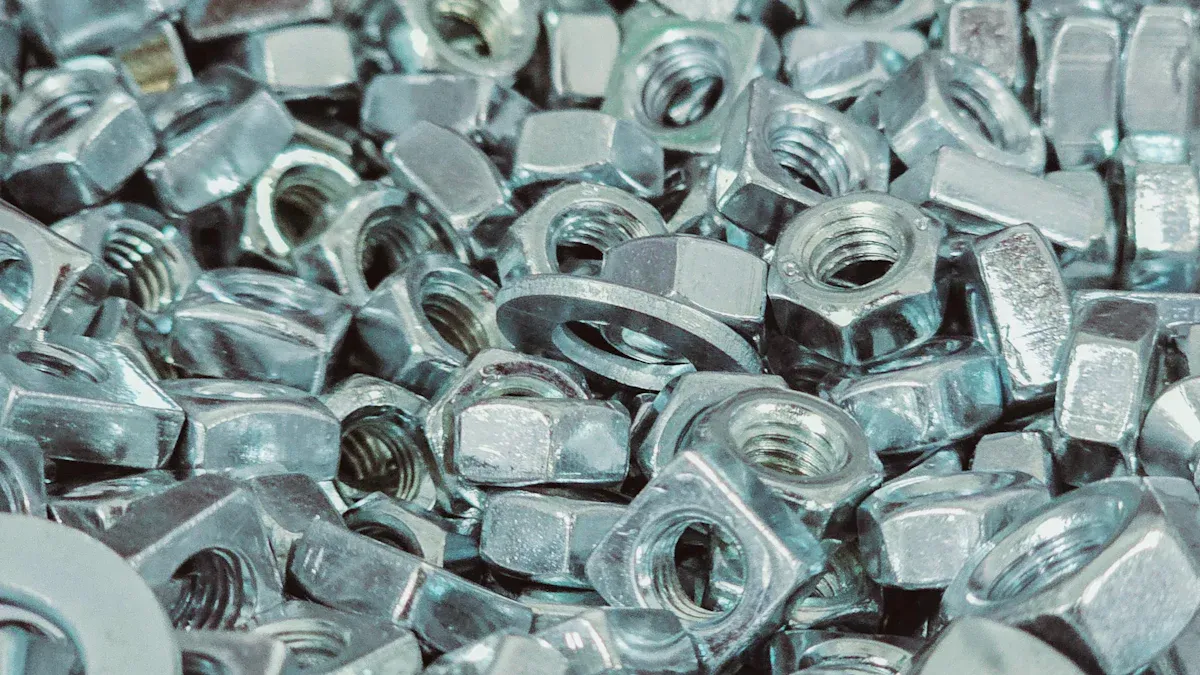
Материалы квадратных П-образных болтов играют ключевую роль в определении производительности и долговечности болтов. Инженеры и производители выбирают материалы для П-образных болтов на основе механических свойств, коррозионной стойкости, и требований применения. В следующей таблице обобщены распространенные спецификации материалов и их механические свойства:
| Тип материала | Механические свойства |
|---|---|
| Углеродистая сталь | Прочность, долговечность, стойкость к коррозии |
| Нержавеющая сталь (304) | Отличная прочность, превосходная коррозионная стойкость |
| Сталь с горячим цинкованием | Превосходная коррозионная стойкость, увеличенный срок службы |
| Высокопрочная легированная сталь | Повышенная твердость, долговечность благодаря легирующим элементам |
| Сталь класса прочности 8 | Исключительная твердость, высокая прочность на растяжение |
Квадратные П-образные болты из углеродистой стали
Свойства
Квадратные П-образные болты из углеродистой стали отличаются высокой прочностью и долговечностью. Производители часто используют углеродистую сталь для универсального применения. Этот материал обладает умеренной коррозионной стойкостью, особенно в сочетании с защитными покрытиями.
Сильные стороны
- П-образные болты из углеродистой стали обеспечивают надежную несущую способность.
- Они предлагают экономически эффективные решения для строительных и промышленных проектов.
- Углеродистая сталь класса 8 демонстрирует исключительную твердость и прочность на растяжение, достигающую 800 МПа.
Недостатки
- П-образные болты из углеродистой стали могут ржаветь во влажных или коррозионных средах без надлежащей обработки.
- Они требуют дополнительных покрытий для улучшения коррозионной стойкости.
П-образные болты из оцинкованной стали
Свойства
П-образные болты из оцинкованной стали проходят процесс горячего цинкования, который покрывает сталь слоем цинка. Этот процесс повышает коррозионную стойкость и продлевает срок службы. Оцинкованная сталь сочетает прочность углеродистой стали с улучшенной защитой.
Сильные стороны
- П-образные болты с горячим цинкованием устойчивы к коррозии в наружных и промышленных условиях.
- Они служат дольше, чем простые П-образные болты из углеродистой стали.
- П-образные болты из оцинкованной стали подходят для строительства, сантехники и электроустановок.
Недостатки
- Цинковое покрытие со временем может стираться, особенно в абразивных средах.
- Оцинкованные П-образные болты могут быть менее пригодны для морских применений из-за воздействия соленой воды.
Квадратные П-образные болты из нержавеющей стали
Свойства
Квадратные П-образные болты из нержавеющей стали, особенно изготовленные из марки 304, обладают отличной прочностью и коррозионной стойкостью. Нержавеющая сталь предлагает большую пластичность и способность к деформационному упрочнению по сравнению с углеродистой сталью. Кривая напряжение-деформация для нержавеющей стали показывает более высокую прочность на растяжение и гибкость.
| Тип материала | Класс прочности | Предел прочности на растяжение (МПа) |
|---|---|---|
| Углеродистая сталь | 8.8 | 800 |
| Нержавеющая сталь | Различный | Различается (выше, чем у углеродистой стали) |
Сильные стороны
- П-образные болты из нержавеющей стали устойчивы к ржавчине и воздействию химических веществ.
- Они хорошо работают при растягивающих напряжениях и тяжелых нагрузках.
- Эти болты подходят для морских, наружных и коррозионных сред.
Недостатки
- П-образные болты из нержавеющей стали стоят дороже, чем варианты из углеродистой или оцинкованной стали.
- Они могут не соответствовать твердости высокопрочных П-образных болтов из легированной стали.
Совет: Всегда проверяйте спецификации материалов перед выбором материалов для квадратных П-образных болтов для критически важных применений.
П-образные болты из легированной стали
Свойства
П-образные болты из легированной стали содержат дополнительные элементы, такие как хром, молибден или никель. Эти элементы улучшают механические свойства и повышают износостойкость. Производители часто выбирают легированную сталь для применений, требующих высокой прочности и долговечности. Спецификации материалов для П-образных болтов из легированной стали включают повышенную твердость и улучшенную усталостную прочность. Инженеры полагаются на П-образные болты из легированной стали, когда среда подвергает крепежные элементы тяжелым нагрузкам или повторяющимся напряжениям.
Сильные стороны
- П-образные болты из легированной стали обеспечивают превосходную прочность на растяжение по сравнению со стандартной углеродистой сталью.
- Они выдерживают среды с высоким давлением и сопротивляются деформации под тяжелыми нагрузками.
- Повышенная вязкость позволяет этим П-образным болтам надежно работать в промышленном оборудовании и строительных каркасах.
- Инженеры используют П-образные болты из легированной стали в автомобильных подвесках и тяжелом оборудовании благодаря их надежным характеристикам.
Недостатки
- П-образные болты из легированной стали требуют защитных покрытий для предотвращения коррозии, особенно во влажных или наружных условиях.
- Стоимость П-образных болтов из легированной стали выше, чем из углеродистой, что может повлиять на бюджет проекта.
- Эти болты могут стать хрупкими при воздействии экстремального холода, в зависимости от состава сплава.
Квадратные П-образные болты из титанового сплава
Свойства
Квадратные П-образные болты из титанового сплава предлагают уникальные преимущества для специализированных отраслей. Исключительное соотношение прочности к весу makes titanium u-bolts ideal for applications where reducing weight is critical while maintaining structural integrity. The natural corrosion resistance of titanium, due to its protective oxide layer, ensures suitability for harsh environments such as marine and chemical processing. Titanium u-bolts maintain structural integrity across a wide temperature range, providing reliability in extreme conditions. The biocompatibility of titanium allows its use in medical applications, reducing the risk of rejection in implants and surgical instruments.
- Exceptional strength-to-weight ratio supports lightweight designs without sacrificing durability.
- Natural corrosion resistance protects u-bolts in marine, chemical, and outdoor environments.
- Reliable performance across wide temperature ranges ensures stability in aerospace and industrial settings.
- Biocompatibility enables use in medical devices and surgical hardware.
Сильные стороны
- Titanium alloy u-bolts resist corrosion better than most metals, even in saltwater and chemical exposure.
- They weigh less than steel u-bolts, which benefits aerospace, automotive, and medical applications.
- The material specifications for titanium u-bolts include high fatigue resistance and long-term durability.
- These u-bolts maintain mechanical properties in extreme temperatures, supporting critical operations.
Недостатки
- Titanium alloy u-bolts cost significantly more than steel or alloy steel alternatives.
- Specialized manufacturing processes increase lead times and complexity.
- Availability may be limited compared to standard u-bolt materials.
Note: Engineers should review material specifications and environmental requirements before selecting titanium alloy square u-bolts for specialized projects.
Square U Bolt Finishes Explained
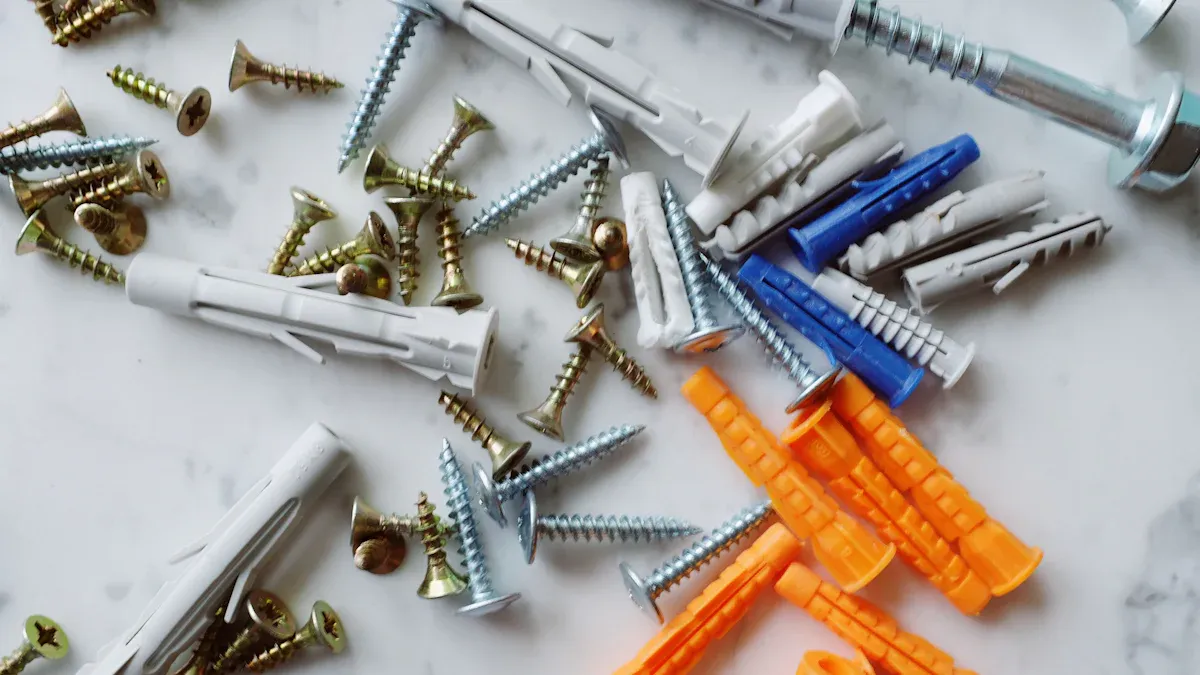
Plain Finish U-Bolts
Характеристики
Plain finish u-bolts display the raw surface of the base material. Manufacturers do not apply additional coatings or treatments. These u-bolts retain their original mechanical properties and dimensions. The absence of a protective layer allows for direct contact between the u-bolt and other hardware. Plain finish u-bolts offer a decorative appearance and a smooth surface. They provide better lubrication between parts, reducing friction during installation. The finish resists peeling, chipping, and cracking, making it suitable for applications where minimal surface alteration is required.
Best Uses
Plain finish u-bolts perform well in dry, indoor environments. Engineers select these u-bolts for electrical installations and machinery where corrosion is not a concern. The finish suits applications that require precise dimensions and low impact on conductivity. Maintenance teams use plain finish u-bolts for temporary fixtures and prototypes. The finish allows easy inspection and replacement.
Zinc-Plated U-Bolts
Характеристики
Zinc-plated u-bolts feature a thin layer of zinc applied through an electroplating process. The zinc coating enhances corrosion resistance and provides a decorative barrier. Zinc plating improves abrasion resistance and offers better lubrication between moving parts. The finish remains resistant to peeling and cracking. Zinc-plated u-bolts maintain their integrity in light-duty indoor applications. The method of application and coating thickness affect performance and durability.
- Zinc plating provides a protective barrier against moisture.
- The finish suits square u-bolts used in electrical parts due to its low effect on conductivity.
- Zinc-plated u-bolts offer improved corrosion resistance compared to plain finish u-bolts.
Best Uses
Zinc-plated u-bolts excel in indoor environments with minimal exposure to moisture. Facility managers use these u-bolts for HVAC systems, electrical panels, and furniture assembly. The finish supports light-duty applications where appearance and basic protection matter. Zinc-plated u-bolts are not suitable for outdoor or marine environments. They are prone to rust when exposed to humidity or harsh conditions.
Hot-Dip Galvanized U-Bolts
Характеристики
Hot-dip galvanized u-bolts receive a thick, durable coating by immersion in molten zinc. The process creates a robust barrier that protects the u-bolt from corrosion and abrasion. Hot-dip galvanization offers superior resistance to harsh environments. The finish withstands heavy-duty outdoor conditions and prevents rust formation. The coating remains intact under mechanical stress and exposure to chemicals.
- Hot-dip galvanizing provides better corrosion resistance than zinc plating.
- The finish suits u-bolts used in construction, plumbing, and industrial installations.
- The method of application and coating thickness significantly impact performance.
Best Uses
Hot-dip galvanized u-bolts perform reliably in outdoor and industrial settings. Construction teams use these u-bolts for frameworks, pipelines, and heavy equipment. The finish protects u-bolts in environments with high humidity, salt spray, or chemical exposure. Hot-dip galvanized u-bolts are preferred for long-term installations where durability and corrosion resistance are critical. Maintenance crews select these u-bolts for infrastructure projects and utility systems.
Tip: Always match the finish to the environment and application to maximize the lifespan and performance of the u-bolt.
Stainless Finish U-Bolts
Характеристики
Stainless finish u-bolts deliver a clean, polished appearance while providing excellent resistance to corrosion. Manufacturers typically use stainless steel for these u-bolts, ensuring durability in demanding environments. The finish does not require additional coatings, which preserves the natural properties of the metal. Stainless steel u-bolts maintain their strength and integrity even when exposed to moisture, chemicals, or extreme temperatures. The smooth surface of the stainless finish reduces the risk of contamination and makes cleaning easier. This type of u-bolt resists staining and discoloration, which helps maintain a professional look in visible installations.
Note: Stainless finish u-bolts often meet strict industry standards for hygiene and safety, making them suitable for sensitive applications.
Best Uses
Stainless finish u-bolts work best in environments where corrosion resistance is critical. Engineers select these u-bolts for marine hardware, food processing equipment, and outdoor structures. The finish supports applications that require frequent cleaning or exposure to harsh chemicals. Facility managers often choose stainless steel u-bolts for water treatment plants and laboratories. These u-bolts also perform well in architectural projects where aesthetics matter. The combination of strength and corrosion resistance makes stainless finish u-bolts a top choice for long-term installations.
Powder-Coated Square U-Bolts
Характеристики
Powder-coated square u-bolts feature a protective layer applied through an electrostatic process. The powder coating creates a thick, uniform finish that shields the u-bolt from moisture, UV rays, and chemicals. This process allows for a wide range of colors, which helps with color-coding or matching specific design requirements. The coating increases the lifespan of the u-bolt by preventing rust and surface damage. Powder-coated u-bolts maintain their appearance over time, even in outdoor or industrial settings. The finish also provides a non-conductive barrier, which can be important in electrical applications.
| Характеристика | Преимущество |
|---|---|
| Color variety | Supports design flexibility |
| Enhanced durability | Extends service life |
| Non-conductive surface | Improves electrical safety |
Best Uses
Powder-coated square u-bolts serve well in outdoor installations, playground equipment, and fencing systems. Maintenance teams use these u-bolts for projects that require both protection and visual appeal. The finish suits environments with exposure to sunlight, rain, or chemicals. Facility managers often specify powder-coated u-bolts for public infrastructure and recreational facilities. These u-bolts also help prevent accidental electrical contact in sensitive installations. The versatility of powder-coated finishes makes them a practical solution for many modern construction and industrial needs.
Performance Factors: Corrosion Resistance, Strength, and Cost
Corrosion Resistance Comparison for U-Bolt Materials
Material Impact
Коррозионная стойкость determines the longevity and reliability of u-bolts in demanding environments. Engineers evaluate square u bolt materials based on their performance in standardized tests such as ASTM B117. This salt spray test simulates oceanic conditions using a 5% sodium chloride solution. The test accelerates corrosion and reveals how each material responds to exposure. Stainless steel u-bolts exhibit superior resistance, showing minimal rust even after prolonged testing. Galvanized steel u-bolts rely on a zinc layer that acts as a sacrificial anode, corroding first to protect the steel beneath. Alloy steel u-bolts require protective coatings to withstand corrosive atmospheres. Titanium alloys maintain integrity due to their natural oxide layer, making them ideal for marine and chemical environments. Carbon steel u-bolts, without additional protection, develop red rust quickly in salt spray tests.
- The salt spray test highlights the formation of white rust (zinc corrosion) and red rust (iron corrosion).
- ASTM B117 provides a neutral benchmark for comparing corrosion resistance across materials.
- Stainless steel and titanium alloys outperform carbon and alloy steels in harsh conditions.
Finish Impact
Стандарт DIN 933: объяснение finish applied to u-bolts significantly influences corrosion resistance. Zinc plating enhances protection but loses effectiveness if the coating sustains damage. Hot-dip galvanizing delivers robust defense due to a thicker zinc layer, making it suitable for outdoor and industrial applications. Powder coating offers good resistance, though performance depends on the quality of the application. Plain finish u-bolts lack any additional barrier, leaving them vulnerable to rust.
| Тип отделки | Коррозионная стойкость Описание |
|---|---|
| Чистое покрытие (без покрытия) | No additional protection against corrosion. |
| Оцинкованная сталь | Provides some corrosion resistance; however, damage to the coating increases rust risk. |
| Горячее цинкование | Offers превосходную коррозионную стойкость due to a thicker zinc coating, ideal for outdoor use. |
| Powder-Coated | Generally provides good corrosion resistance, but performance can vary based on the coating quality. |
Engineers select finishes based on exposure levels and maintenance requirements. Hot-dip galvanized and powder-coated finishes extend service life in challenging environments.
Strength and Load Capacity of Square U-Bolts
Material Impact
Strength and load capacity depend on the mechanical properties of square u bolt materials. Carbon steel u-bolts provide reliable performance for general construction. Alloy steel u-bolts deliver enhanced tensile strength and resist deformation under heavy loads. Stainless steel u-bolts combine high strength with corrosion resistance, making them suitable for marine and outdoor installations. Titanium alloy u-bolts offer exceptional strength-to-weight ratios, supporting lightweight designs in aerospace and medical fields.
- Engineers choose materials based on load requirements and environmental stress.
- Alloy steel u-bolts withstand repeated mechanical stress and fatigue.
- Stainless steel u-bolts maintain strength in corrosive environments.
Finish Impact
Finishes affect the surface integrity and durability of u-bolts. Hot-dip galvanizing adds a protective layer that prevents surface degradation, preserving structural strength over time. Powder coating shields the u-bolt from abrasion and chemical exposure, maintaining load capacity. Zinc plating provides moderate protection but may compromise strength if the coating wears away. Plain finish u-bolts retain original mechanical properties but risk corrosion-related weakening.
Maintenance teams monitor finish quality to ensure u-bolts retain their load-bearing capacity throughout their service life.
Cost Considerations for U-Bolt Materials and Finishes
Material Cost
Material selection impacts both upfront costs and long-term expenses. Carbon steel u-bolts offer the lowest price, making them attractive for large-scale projects. Alloy steel and titanium alloy u-bolts command higher prices due to enhanced properties and specialized manufacturing. Stainless steel u-bolts cost more but reduce maintenance and replacement frequency.
| Поставщик | Цена за единицу | Additional Features |
|---|---|---|
| Supplier A | $0.38 | No free samples, MOQ 5,000, limited customization |
| Supplier B | $0.45 | Free sample set, mold development support, full certification package, flexible MOQ starting at 1,000 units |
Buyers consider minimum order quantities and customization options when comparing suppliers.
Finish Cost
Finishes contribute to the total cost of ownership. Hot-dip galvanizing and powder coating increase initial costs but extend service life, lowering maintenance expenses. Zinc plating offers a balance between price and protection. Plain finish u-bolts require frequent replacement in corrosive environments, raising long-term costs.
| Материал/Покрытие | Преимущества | Impact on Cost of Ownership |
|---|---|---|
| SS316 Stainless Steel | Exceptional chloride resistance, high strength, and durability | Reduces maintenance costs and replacement frequency |
| Горячее цинкование | Provides sacrificial protection and barrier against corrosion | Extends service life, lowering total cost of ownership |
| Standard Plated Carbon | Lower corrosion resistance and strength | Higher maintenance and replacement costs |
Facility managers evaluate both material and finish costs to optimize budgets and minimize downtime.
Application-Specific Recommendations for Square U-Bolts
Automotive Applications
Best Material
Automotive engineers select square u-bolts based on strength, durability, and cost efficiency. Carbon steel remains a popular choice for general-purpose automotive applications. This материала. provides reliable performance in suspension systems and chassis assemblies. Нержавеющая сталь offers enhanced resistance to corrosion and heat, making it suitable for vehicles operating in harsh environments. Galvanized steel, with its zinc coating, delivers improved protection against moisture and road salts.
| Материал | Описание | Типичные области применения |
|---|---|---|
| Углеродистая сталь | Strong and affordable, ideal for general-purpose applications. | Construction and automotive industries. |
| Нержавеющая сталь | Excellent resistance to corrosion and heat, suitable for harsh environments. | Marine, chemical, and food processing. |
| Оцинкованная сталь | Coated with zinc for enhanced corrosion resistance. | Outdoor and industrial applications. |
Best Finish
Automotive applications demand finishes that withstand exposure to moisture, chemicals, and temperature fluctuations. Горячее цинкование provides a robust barrier against corrosion, extending the lifespan of u-bolts in undercarriage and exhaust systems. Zinc plating offers moderate protection for interior components. Stainless finish u-bolts excel in high-performance vehicles where both strength and corrosion resistance are essential.
Tip: Engineers recommend hot-dip galvanized or stainless finish u-bolts for critical automotive applications to minimize maintenance and ensure safety.
Marine Applications
Best Material
Marine environments expose u-bolts to saltwater, humidity, and constant movement. Stainless steel stands out as the preferred material due to its superior resistance to rust and degradation. Carbon steel, when paired with hot-dip galvanizing, can also perform well in less demanding marine applications. Galvanized iron provides good corrosion resistance, especially when finished with protective coatings.
| Материал/Покрытие | Описание |
|---|---|
| Нержавеющая сталь | High-grade material known for superior strength and corrosion resistance. |
| Galvanized Iron | Offers good corrosion resistance, especially when finished with protective coatings. |
| Горячее цинкование | Provides a durable barrier against corrosion, ideal for harsh marine environments. |
Best Finish
Hot-dip galvanizing creates a strong bond with zinc, forming a protective layer that extends the lifespan of u-bolts in marine applications. Stainless finish u-bolts resist rust and maintain structural integrity even after prolonged exposure to saltwater. Engineers often specify these finishes for boat hardware, docks, and offshore platforms.
Note: Marine applications require u-bolts with finishes that prevent rust and withstand constant moisture.
Construction Applications
Best Material
Construction projects rely on u-bolts for securing frameworks, pipelines, and heavy equipment. High-strength steel provides excellent tensile strength and anti-vibration performance, supporting high-load applications. Stainless steel offers durability and corrosion resistance in harsh environments. Galvanized steel remains a cost-effective option for general construction needs.
| Материал/Покрытие | Описание |
|---|---|
| High-strength steel | Provides excellent tensile strength and anti-vibration performance, suitable for high loads. |
| Нержавеющая сталь | Offers corrosion resistance and durability in harsh environments. |
| Galvanizing | Enhances corrosion resistance, extending service life. |
Best Finish
Galvanizing enhances the corrosion resistance of u-bolts, making it ideal for outdoor and industrial construction applications. Nickel plating adds aesthetic appeal and additional protection. Blackening improves wear resistance and reduces glare, while Dacromet offers superior corrosion protection in damp conditions.
Engineers select finishes based on environmental exposure and structural requirements to ensure long-term reliability.
Plumbing Applications
Best Material
Plumbing professionals select square u-bolts based on the environment and the demands of the installation. Stainless steel stands out for weather resistance and high коррозионной стойкости. Carbon steel provides reliable performance for general-purpose fastening in indoor plumbing applications. The choice depends on whether the installation faces moisture, chemicals, or temperature fluctuations.
| Экологический фактор | Рекомендуемый материал |
|---|---|
| Устойчивость к погодным условиям | Нержавеющая сталь |
| General Use | Углеродистая сталь |
Stainless steel u-bolts deliver long-term durability in plumbing systems exposed to water and humidity. Carbon steel u-bolts offer cost-effective solutions for installations where corrosion is not a primary concern. Plumbing teams often use stainless steel for outdoor or high-moisture environments, while carbon steel suits indoor, dry locations.
| Тип материала | Коррозионная стойкость | Рекомендуемое использование |
|---|---|---|
| Нержавеющая сталь | Высокая | Applications requiring corrosion resistance |
| Углеродистая сталь | Умеренная | General-purpose fastening |
Note: Stainless steel u-bolts reduce maintenance needs and prevent leaks caused by rust.
Best Finish
The finish of a u-bolt influences its performance in plumbing applications. Galvanized finishes protect against corrosion and extend the lifespan of the hardware. Zinc-plated finishes enhance durability and longevity, especially in environments with occasional moisture exposure.
| Тип отделки | Преимущество |
|---|---|
| Оцинкованные | Protects against corrosion |
| Оцинкованная сталь | Enhances durability and longevity |
Plumbers select galvanized u-bolts for pipelines and fixtures exposed to water. Zinc-plated u-bolts work well in indoor plumbing applications where moisture is limited. Both finishes help prevent premature failure and ensure reliable operation.
Tip: Always match the finish to the expected moisture level in plumbing applications to maximize service life.
Электрические установки
Best Material
Electrical installations require square u-bolts that resist corrosion and maintain structural integrity. Stainless steel offers high corrosion resistance and suits outdoor, marine, and high-humidity environments. Galvanized steel provides moderate protection and fits construction and infrastructure projects. Carbon steel works best in indoor installations with limited moisture exposure. Zinc-plated u-bolts deliver moderate corrosion resistance and lower cost for occasional moisture environments.
| Материал | Коррозионная стойкость | Стоимость | Подходящие среды |
|---|---|---|---|
| Нержавеющая сталь | Высокая | Выше | Outdoor, marine, high humidity |
| Оцинкованная сталь | Умеренная | Умеренная | Construction, infrastructure, mild exposure |
| Углеродистая сталь | Низкая | Ниже | Indoor, limited moisture exposure |
| Оцинкованная сталь | Умеренная | Ниже | Occasional moisture exposure |
Stainless steel u-bolts ensure safety and reliability in electrical applications exposed to harsh conditions. Galvanized steel u-bolts provide a balance between cost and protection for infrastructure installations. Carbon steel u-bolts remain suitable for dry, indoor environments.
Best Finish
The finish determines the longevity and safety of u-bolts in electrical applications. Galvanized finishes protect against corrosion and maintain conductivity. Zinc-plated finishes enhance durability and reduce maintenance needs. Electrical teams use galvanized u-bolts for outdoor installations and zinc-plated u-bolts for indoor panels and conduits.
- Galvanized finish prevents rust and supports long-term reliability.
- Zinc-plated finish offers cost-effective protection for indoor electrical applications.
Callout: Select the finish based on exposure to moisture and chemicals to ensure safe and durable electrical installations.
Advanced Selection Criteria for U-Bolts
Thread Types for Square U-Bolts
Coarse vs. Fine Threads
Selecting the right thread type for a u-bolt affects both installation and long-term performance. Coarse threads have a thicker root and fewer threads per inch. Fine threads feature a thinner root and more threads per inch. The choice between these thread types of u-bolts depends on the application’s load and vibration requirements.
The table below compares coarse and fine thread square u-bolts:
| Характеристика | Coarse Threads | Fine Threads |
|---|---|---|
| Предел прочности на растяжение | Higher tensile load capacity (10-15% more) | Lower tensile load capacity |
| Shear Strength | Greater shear resistance due to thicker root | Smaller shear area, needs more threads |
| Fatigue Life | Longer fatigue life (20%-30% higher) | Shorter fatigue life due to thin root |
Coarse thread u-bolts handle higher loads and resist fatigue better. Fine thread u-bolts suit applications that require precise adjustment but may not perform as well under heavy stress.
Compatibility with Nuts and Washers
Compatibility between u-bolts, nuts, and washers ensures secure fastening. Coarse thread u-bolts pair best with standard nuts and washers, which are widely available. Fine thread u-bolts require matching fine-thread nuts and washers. Mismatched hardware can cause thread stripping or loosening. Always verify thread pitch and diameter before assembly.
Tip: Use matching hardware to prevent premature failure and maintain the integrity of the u-bolt connection.
Hardware Compatibility for U-Bolt Materials
Совместимость материала
Material compatibility prevents galvanic corrosion and extends the lifespan of u-bolts. When selecting hardware, match the material of the u-bolt with nuts and washers. Stainless steel u-bolts should pair with stainless steel hardware. Carbon steel u-bolts work best with carbon steel nuts and washers. Mixing metals can accelerate corrosion, especially in outdoor or marine environments.
Finish Matching
Finish compatibility also impacts performance. Hot-dip galvanized u-bolts should use galvanized nuts and washers. Zinc-plated u-bolts require zinc-plated hardware. Using mismatched finishes can create weak points where corrosion starts. Consistent finishes across all components help maintain the protective barrier.
Environmental Factors Affecting U-Bolt Selection
Indoor vs. Outdoor
Environmental conditions play a major role in the selection of u-bolts. Indoor environments expose u-bolts to less moisture and fewer temperature changes. Outdoor settings introduce rain, humidity, and UV exposure. Outdoor applications require u-bolts with corrosion-resistant materials and finishes.
Воздействие химических веществ
Chemical exposure increases the risk of rust and material degradation. Facilities that use chemicals or operate near saltwater must choose u-bolts with high resistance to corrosion. Stainless steel and certain types of u-bolts with protective coatings perform best in these conditions.
The table below summarizes environmental factors and their impact on u-bolts:
| Экологический фактор | Impact on U-Bolts |
|---|---|
| Moisture Management | Prevents rust formation by controlling moisture levels. |
| Temperature and Humidity | Резкие перепады температур ускоряют образование ржавчины. |
| Воздействие химических веществ | Повышает риск коррозии; необходимы защитные меры. |
Примечание: Перед выбором типа П-образных шпилек и покрытий оцените условия монтажа, чтобы обеспечить долгосрочную надежность.
Справочная таблица и контрольный список для квадратных П-образных шпилек
Таблица выбора материала и покрытия
Выбор подходящей П-образной шпильки для проекта требует тщательной оценки нескольких критериев. Инженеры и технические службы часто используют справочные таблицы для сравнения вариантов материалов и покрытий. Эта таблица помогает пользователям оценить пригодность П-образных шпилек на основе нагрузки, прочности, стойкости к воздействиям и температурного диапазона. Каждый критерий играет важную роль в обеспечении надежной работы крепежа в конкретных условиях.
| Критерий: Сертификаты | Описание |
|---|---|
| Нагрузка или напряжение | Минимально допустимая нагрузка, которую выдержит П-образная шпилька, измеряется в фунтах на квадратный дюйм. |
| Прочность | Нагрузка, при которой П-образная шпилька получит необратимую деформацию или разрушится. |
| Стойкость к воздействиям | Способность материала и покрытия П-образной шпильки противостоять таким факторам окружающей среды, как коррозия. |
| Температуры | Диапазон температур, который П-образная шпилька может выдерживать без потери своих свойств. |
Эта таблица позволяет специалистам быстро сравнить варианты и выбрать наиболее подходящую П-образную шпильку для их задачи. Например, П-образные шпильки из нержавеющей стали обладают высокой стойкостью к воздействиям и хорошо работают в экстремальных температурах. Оцинкованные стальные П-образные шпильки обеспечивают надежную прочность и умеренную коррозионную стойкость для наружных установок.
Совет: Всегда сверяйтесь с таблицей перед окончательным выбором, чтобы избежать дорогостоящих ошибок и обеспечить долгосрочную надежность.
Контрольный список для выбора квадратных П-образных шпилек
Структурированный контрольный список упрощает процесс выбора правильной П-образной шпильки для любого применения. Следование этим шагам помогает инженерам и техникам избежать распространенных ошибок и обеспечить оптимальную производительность.
- Определите объект для крепления: Точно измерьте внешний диаметр объекта, чтобы определить правильный размер П-образной шпильки.
- Определите требования к нагрузке: Оцените вес и динамические силы. Для критических применений обратитесь к инженерным таблицам.
- Выберите материал в зависимости от среды: Выбирайте П-образные шпильки из нержавеющей стали для прибрежных зон или химических заводов. Оцинкованные стальные П-образные шпильки подходят для общего наружного использования.
- Подберите размер резьбы и длину ножек: Убедитесь в достаточном зацеплении резьбы и наличии места для шайб.
- Проверьте совместимость с монтажной оснасткой: Используйте накладные пластины или хомуты соответствующего размера для фиксации П-образной шпильки.
- Избегайте этих тревожных признаков: Не используйте шпильки недостаточного размера для больших нагрузок. Никогда не игнорируйте риск коррозии. Воздержитесь от повторного использования поврежденных П-образных шпилек.
Этот контрольный список служит практическим руководством как для профессионалов, так и для студентов. Следуя каждому шагу, пользователи могут выбрать П-образные шпильки, отвечающие как техническим, так и экологическим требованиям. Правильный выбор предотвращает преждевременный отказ и снижает затраты на обслуживание.
Примечание: Тщательное соблюдение контрольного списка гарантирует, что каждая установка П-образной шпильки обеспечит максимальную безопасность и долговечность.
Выбор правильной П-образной шпильки для конкретных применений обеспечивает оптимальную производительность и долговечность. Инженеры оценивают условия окружающей среды, требования к нагрузке и стоимость при выборе П-образных шпилек для требовательных применений. В таблице ниже сравниваются распространенные материалы:
| Тип материала | Коррозионная стойкость | Прочность | Экономическая эффективность |
|---|---|---|---|
| Углеродистая сталь | Низкая (требует покрытия) | Высокая | Низкая до умеренной |
| Оцинкованная сталь | Умеренная | Высокая | Умеренная |
| Нержавеющая сталь 304 | Высокая | Умеренная до Высокой | Высокая |
| Нержавеющая сталь 316 | Очень высокий | Умеренная до Высокой | Очень высокий |
Профессионалы избегают ошибок, таких как несоответствие размеров П-образных шпилек, пропуск шайб или неравномерная затяжка. Справочный контрольный список помогает пользователям выбрать П-образные шпильки, соответствующие их применениям и условиям.
- Оцените воздействие окружающей среды для каждой П-образной шпильки.
- Подберите материал и покрытие П-образной шпильки в соответствии с применением.
- Убедитесь в правильности установки всех П-образных шпилек.
Тщательный подбор и правильная установка П-образных шпилек обеспечивают максимальную безопасность и срок службы во всех применениях.
Частые вопросы
В чем разница между квадратной и круглой П-образной шпилькой?
Квадратная П-образная шпилька подходит для плоских поверхностей, таких как балки или швеллеры. Круглая П-образная шпилька крепит трубы или цилиндрические объекты. Инженеры выбирают форму исходя из геометрии объекта и требуемой стабильности.
Какой материал обеспечивает наилучшую коррозионную стойкость для наружного использования?
Нержавеющая сталь обеспечивает наивысшую коррозионную стойкость для наружных сред. Она выдерживает влагу, химические вещества и перепады температур. Горячеоцинкованная сталь также хорошо себя показывает, но может не прослужить так долго в суровых условиях.
Как покрытие влияет на производительность П-образной шпильки?
Покрытие защищает П-образную шпильку от ржавчины и поверхностных повреждений. Горячее цинкование и порошковая окраска продлевают срок службы в сложных условиях. Гальваническое цинкование подходит для внутреннего использования. Необработанные поверхности требуют частой проверки и замены.
Можно ли повторно использовать П-образные шпильки после демонтажа?
Производители рекомендуют заменять П-образные шпильки после демонтажа. Напряжение и деформация могут ослабить крепеж. Повторное использование может поставить под угрозу безопасность и надежность, особенно в несущих конструкциях.
Какие факторы определяют правильный размер U-образного болта?
Инженеры измеряют диаметр объекта, требуемую длину резьбы и несущую способность. Они консультируются с техническими таблицами, чтобы обеспечить правильную посадку и прочность. Точный подбор размера предотвращает преждевременный выход из строя и гарантирует надежное крепление.
Подходят ли U-образные болты с порошковым покрытием для электроустановок?
U-образные болты с порошковым покрытием обеспечивают непроводящую поверхность. Они помогают предотвратить случайный электрический контакт. Руководители объектов используют их в установках, где приоритетом является электробезопасность.
Как следует подбирать крепежные элементы к материалам U-образных болтов?
Подбор гаек и шайб к материалу U-образного болта предотвращает гальваническую коррозию. Нержавеющий крепеж используется с U-образными болтами из нержавеющей стали. Оцинкованный крепеж подходит для оцинкованных U-образных болтов. Единообразие материалов повышает долговечность и производительность.