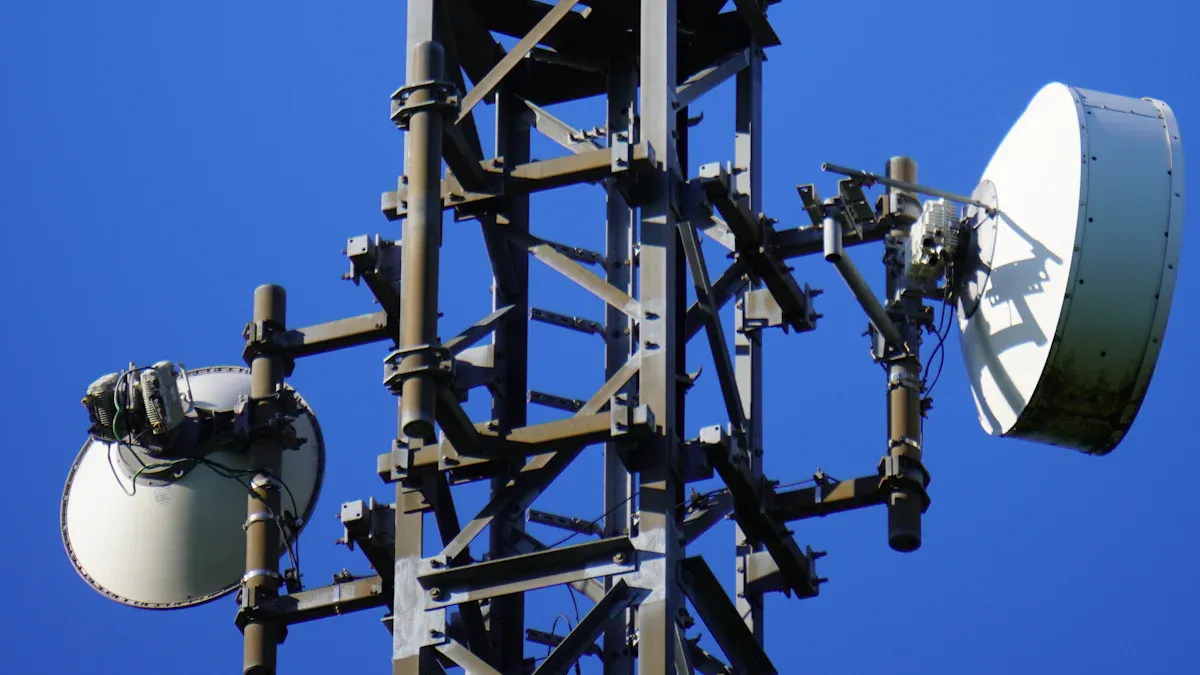
Mounting kits offer comprehensive hardware solutions for securing towers, while the U-образный болт provides a simpler approach with basic литье болтов. Most ROHN tower installations benefit from mounting kits due to superior mounting strength, reliability, and compatibility with нестандартные крепежные элементы от производитель крепежных изделий на заказ. Choosing the correct hardware directly impacts safety and ensures long-term durability.
Overview of Mounting Kits and U-Bolts
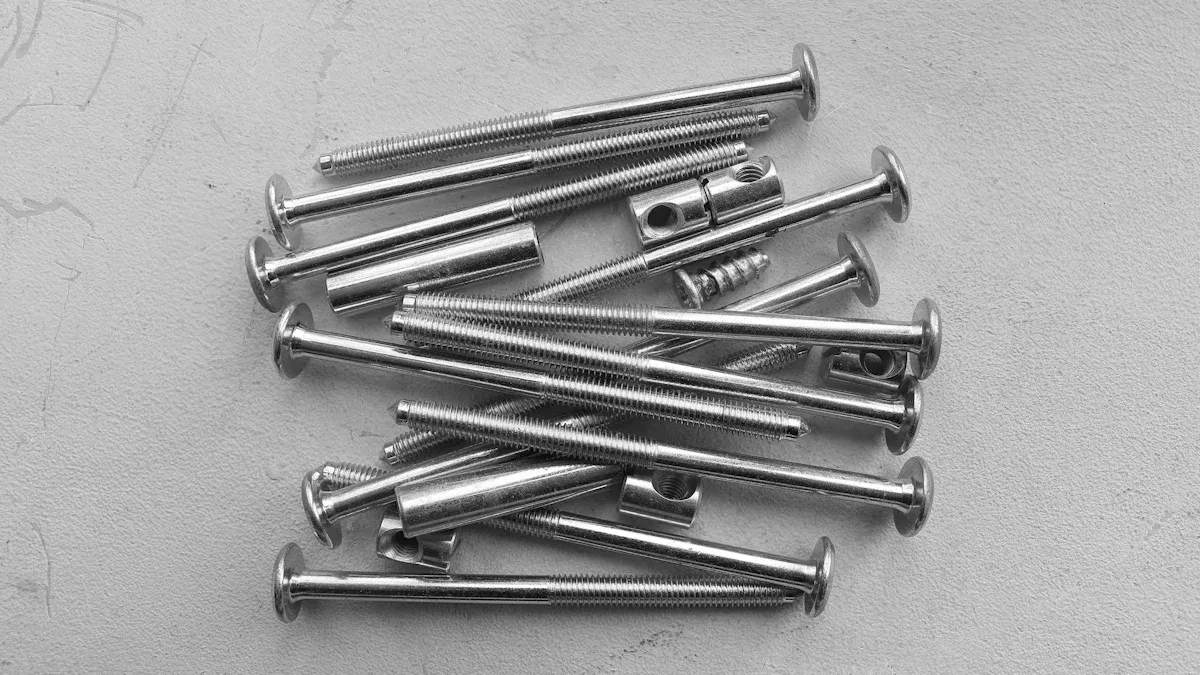
What Are Mounting Kits?
Mounting kits serve as comprehensive solutions for securing towers in a variety of environments. These kits provide all necessary hardware for a reliable tower installation. Manufacturers design them to meet strict safety standards and to withstand challenging site conditions.
Components Included in Mounting Kits
A typical mounting kit contains several essential components.
- Brackets
- Included u-bolts
- Шайбы
- Гайки
- Pre-punched plates
- Крепежные элементы
These components work together to ensure a secure connection between the tower and its base or supporting structure. The included u-bolts help anchor the mounting brackets, while the pre-punched plates simplify alignment and speed up the installation process.
Typical Applications for Mounting Kits
Mounting kits find use in both rooftop and ground-based installations. They support communications towers in urban and rural settings. Many kits, such as the Rohn RSL20H90 compact tower package, offer flexibility for different site conditions. They accommodate loading requirements and provide durability under wind loads. Hot-dip galvanized protection extends service life, especially in harsh environments. These kits also allow for expansion with optional accessories, making them suitable for customized communication needs.
What Are U-Bolts?
U-bolts represent a simpler hardware option for tower installation. They feature a U-shaped design with threaded ends, allowing them to clamp pipes, rods, or tower legs securely.
U-Bolt Design and Function
The design of u-bolts enables them to wrap around cylindrical objects and fasten them to flat surfaces. Installers use nuts to tighten the bolts, creating a firm grip. This design makes u-bolts versatile for various mounting tasks.
Common Uses of U-Bolts in Tower Installations
U-bolts often secure antenna masts, cross arms, and other tower accessories. Their straightforward installation process appeals to users who need quick and effective mounting solutions. However, u-bolts may not provide the same level of engineered support as complete mounting kits.
Key Differences at a Glance
Hardware Composition Comparison
| Feature/Function | Mounting Kits | U-образных болтов |
|---|---|---|
| Components | Brackets, included u-bolts, plates, fasteners, washers, nuts | U-shaped bolts, nuts, washers |
| Protection | Hot-dip galvanized, corrosion-resistant | Galvanized or stainless steel |
| Safety Compliance | Pre-punched holes for safety systems, meets codes | Basic safety, less compliance |
| Expandability | Supports optional accessories | Limited expandability |
Intended Use Cases for Each Option
Mounting kits suit installations that require engineered strength, safety compliance, and adaptability. U-bolts work best for simple mounting tasks or temporary setups. Tower owners should consider the specific requirements of their tower and site before selecting hardware.
Tip: For long-term durability and safety, mounting kits often provide better value than relying solely on bolts or basic hardware.
Installation Process Comparison
Installing Mounting Kits
Step-by-Step Installation of Mounting Kits
Professionals begin the installation by reviewing the manufacturer’s instructions. They lay out all components and inspect each part for defects. The next step involves positioning the brackets at the designated mounting points on the tower base. Installers align pre-punched plates with the tower legs and secure them using the included bolts, washers, and nuts. They tighten each connection to the recommended torque specification. After securing the brackets, they attach any optional accessories or grounding hardware. The final step includes a thorough inspection to confirm that every fastener is properly seated and that the mounting kits meet safety standards.
Tools Required for Mounting Kits
Installers use a variety of tools during mounting kit installation.
- Socket wrench set
- Динамический ключ
- Этот электронный прибор критически важен для обнаружения и избегания настенных стоек (деревянных/металлических каркасов), использование которых исключило бы необходимость в
- Tape measure
- Отвертки
- Safety gloves
These tools help ensure precise alignment and secure fastening. The torque wrench plays a critical role in achieving the correct tightness for each bolt.
Installing U-Bolts
Step-by-Step Installation of U-Bolts
The installation process for u-bolts starts with selecting the correct size for the tower leg or accessory. Installers position the u-bolt around the cylindrical section and insert the threaded ends through the mounting surface. They place washers and nuts onto the threads and tighten them evenly. The installer checks for proper alignment and ensures that the u-bolt does not pinch or deform the tower structure. After tightening, they inspect the connection for stability and make adjustments as needed.
Tools Required for U-Bolts
The installation of u-bolts requires fewer tools than mounting kits.
- Adjustable wrench
- Socket wrench
- Tape measure
- Safety gloves
Installers rely on the adjustable wrench to tighten nuts and confirm a secure fit. The tape measure helps verify correct placement on the tower.
Простота монтажа
Time and Skill Level Needed
Mounting kits demand more time and a higher skill level than u-bolts. Installers must follow detailed instructions and use specialized tools. The process often takes several hours, especially for large towers or complex mounting configurations. U-bolts offer a faster installation, usually completed in less than an hour. Individuals with basic mechanical skills can install u-bolts, while mounting kits require experience with tower hardware and safety procedures.
| Installation Type | Average Time Required | Skill Level Needed |
|---|---|---|
| Mounting Kits | 2-4 hours | Advanced |
| U-образных болтов | 30-60 minutes | Basic |
Common Installation Challenges
Installers encounter several challenges during mounting kit installation. They may struggle with aligning brackets or achieving the correct torque on bolts. Weather conditions can complicate outdoor installations. U-bolt installation presents fewer challenges, but improper sizing or uneven tightening can lead to instability. Installers must avoid over-tightening, which can damage the tower structure.
Note: Careful planning and attention to detail help prevent common installation errors. Always verify hardware compatibility before beginning the installation process.
Прочность и долговечность

Load Capacity of Mounting Kits
Material Quality in Mounting Kits
Mounting kits use high-grade materials to ensure maximum strength for tower installations. Manufacturers often select hot-dipped galvanized steel for brackets and stainless steel bolts. This combination provides excellent resistance to corrosion and maintains strength even in harsh outdoor environments. Stainless steel bolts play a critical role in supporting the tower structure. They resist rust and maintain their mechanical properties over time. The use of stainless steel bolts in mounting kits also reduces the risk of hardware failure during high wind conditions. Multiple mounts distribute wind and weight loading, which increases overall strength and reduces the need for frequent tower maintenance.
Performance of Mounting Kits Under Stress
Mounting kits demonstrate superior strength when subjected to stress. The engineered design allows the hardware to withstand high wind conditions and heavy antenna loads. Stainless steel bolts maintain their grip and do not deform under pressure. The brackets and plates in mounting kits work together to provide a stable base for the tower. This stability is essential for towers located in regions with frequent wind storms. The strength of mounting kits ensures that the tower remains upright and secure, even during severe weather events. Regular tower maintenance checks confirm that the stainless steel bolts retain their strength and show minimal signs of wear.
Load Capacity of U-Bolts
Material Quality in U-Bolts
U-bolts typically use galvanized or stainless steel bolts for mounting applications. Stainless steel bolts offer high strength and resist corrosion, making them suitable for outdoor use. However, the overall strength of a single u-bolt is lower than that of a complete mounting kit. The design of u-bolts focuses on clamping force rather than distributing wind and weight loading. Installers must select the correct size and grade of stainless steel bolts to achieve the desired strength. U-bolts designed for mounting tubing and square brackets support WiFi, PCS, Cellular, and TV antennas, but their strength depends on the quality of the stainless steel bolts used.
Performance of U-Bolts Under Stress
U-bolts provide reliable strength for light to moderate loads. Stainless steel bolts in u-bolts resist deformation and maintain their clamping force under stress. However, the strength of a single u-bolt may not match the engineered strength of a mounting kit. High wind conditions can place extra stress on u-bolts, especially if installers do not distribute the load evenly. In some cases, u-bolts may require more frequent tower maintenance to ensure that the stainless steel bolts remain tight and free from corrosion. Installers should inspect u-bolts regularly to confirm that the strength of the connection meets safety standards.
Long-Term Reliability
Corrosion Resistance of Hardware
Long-term reliability depends on the corrosion resistance of the hardware. Hot-dipped galvanized steel and stainless steel bolts provide the best protection against rust and environmental damage. Stainless steel bolts maintain their strength and appearance even after years of exposure to wind, rain, and temperature changes. The use of multiple mounts in mounting kits helps reduce the impact of wind and weight loading, which lowers the risk of corrosion-related failures. U-bolts made from stainless steel bolts also offer good corrosion resistance, but they may require more frequent inspection during tower maintenance.
Tip: Always choose hardware with hot-dipped galvanized or stainless steel bolts for outdoor tower installations. This choice increases strength and reduces long-term tower maintenance needs.
Maintenance Needs Over Time
Tower maintenance plays a vital role in preserving the strength and durability of both mounting kits and u-bolts. Stainless steel bolts require less maintenance than other materials, but regular inspections remain necessary. Installers should check for signs of corrosion, loose bolts, or weakened connections during each tower maintenance visit. Mounting kits with multiple mounts and stainless steel bolts often need less frequent maintenance because they distribute wind and weight loading more effectively. U-bolts may need more attention, especially in high wind conditions, to ensure that the stainless steel bolts retain their strength and do not loosen over time.
- Hot-dipped galvanized steel and stainless steel bolts extend the service life of mounting hardware.
- Multiple mounts in mounting kits reduce the frequency of tower maintenance by increasing strength and stability.
- Regular tower maintenance ensures that all stainless steel bolts and connections remain secure, especially after severe wind events.
Compatibility with ROHN Towers
Mounting Kits for ROHN Models
Fit for Different ROHN Tower Types
ROHN manufactures several tower models, each with unique structural requirements. Mounting kits offer tailored solutions for these models. For example, the ROHN 25G model supports both mounting kits and u-bolts. Installers can select hardware that matches the tower’s leg diameter and configuration. Proper fit ensures that the mounting hardware distributes loads evenly and maintains the tower’s integrity. Many mounting kits include pre-engineered brackets and plates that align with the bolt holes on standard ROHN sections. This alignment reduces installation errors and improves safety.
Manufacturer Recommendations for Mounting Kits
Manufacturers advise consulting local structural engineers and building codes before installing any tower hardware. They recommend using mounting kits that meet or exceed the specifications for the chosen ROHN model. The table below summarizes compatibility and guidance for the ROHN 25G tower:
| ROHN Tower Model | Compatible Mounting Kits | U-образных болтов | Manufacturer Recommendations |
|---|---|---|---|
| 25G | Да | Да | Consult local structural engineers and building codes for proper installation and grounding. |
Installers should always verify that the selected mounting kit matches the tower’s design and site conditions. Following manufacturer guidelines helps prevent structural failures and ensures compliance with safety standards.
U-Bolts for ROHN Towers
Sizing and Fit Issues with U-Bolts
U-bolts provide a versatile option for securing accessories to towers. However, sizing presents a common challenge. Installers must measure the tower leg diameter accurately to select the correct u-bolt size. An incorrect fit can lead to loose connections or damage to the tower structure. U-bolts work best when they match the curvature of the tower leg and allow for even tightening of the bolts. Using washers helps distribute pressure and prevents deformation.
Adaptability to Various ROHN Tower Setups
U-bolts adapt to a range of tower configurations. They secure antenna masts, cross arms, and other mounting accessories. Their simple design allows for quick adjustments and repositioning. Installers often use u-bolts in temporary setups or when adding new equipment to an existing tower. Despite their flexibility, u-bolts may not provide the engineered support required for heavy loads or critical installations.
Customization and Modifications
Adjusting Hardware for Unique Installations
Some tower sites present unique challenges, such as non-standard leg sizes or custom antenna mounts. Installers may need to modify mounting hardware to achieve a secure fit. Custom-fabricated brackets or plates can address these needs. When standard mounting kits or u-bolts do not fit, professionals often consult with hardware manufacturers to design specialized solutions. These modifications ensure that the tower remains stable and safe under all conditions.
Environmental and Site-Specific Considerations
Environmental factors influence hardware selection and installation methods. Coastal regions require corrosion-resistant bolts due to salt exposure. High-wind areas demand reinforced mounting solutions. Installers must assess the site and choose hardware that withstands local weather and soil conditions. Regular inspections help maintain the tower’s safety and performance over time.
Tip: Always match the mounting hardware to the specific tower model and site environment. This practice increases reliability and extends the service life of the installation.
Cost Analysis
Price Range of Mounting Kits
Initial Purchase Cost of Mounting Kits
Mounting kits for ROHN towers present a wide range of initial costs. The price depends on the complexity of the kit and the specific tower model. For example, a 1LG Universal One-Legged Mount retails for $60.59 per unit. Larger kits, such as those designed for guyed towers, often have higher prices, though some packages do not specify retail costs. Buyers should expect to pay more for kits that include multiple brackets, plates, and specialized fasteners. The upfront investment reflects the engineered design and comprehensive hardware included in each mounting kit.
| Item Description | Suggested Retail Price | Unit of Measure |
|---|---|---|
| 1LG Universal One-Legged Mount | $60.59 | EA |
| 65G 100 ft Guyed Tower Kit | Price not specified | Н/Д |
Long-Term Value of Mounting Kits
Mounting kits deliver strong long-term value. Their robust construction and corrosion-resistant materials reduce the need for frequent replacements. Owners benefit from lower maintenance costs and fewer repairs over the life of the tower. The engineered mounting solutions also help prevent structural failures, which can lead to expensive downtime or emergency service calls. Investing in a quality mounting kit supports the tower’s reliability and safety for years.
Price Range of U-Bolts
Initial Purchase Cost of U-Bolts
U-bolts offer a lower initial purchase cost compared to mounting kits. Most standard U-bolts for tower applications cost between $2 and $10 each, depending on size and material. Buyers can purchase these bolts individually or in bulk, which further reduces the per-unit price. The simplicity of the design keeps manufacturing costs low, making U-bolts an attractive option for budget-conscious projects.
Long-Term Value of U-Bolts
The long-term value of U-bolts depends on the installation environment and load requirements. While galvanized or stainless steel bolts resist corrosion, single U-bolt connections may require more frequent inspections and replacements. Towers exposed to high winds or heavy loads can experience loosening or deformation of U-bolts over time. Owners should factor in the potential for increased maintenance and replacement costs when evaluating the overall value.
Стоимость vs. Производительность
Budget Considerations for Tower Owners
Tower owners must balance upfront costs with long-term performance. Mounting kits require a higher initial investment but offer superior durability and reduced maintenance. U-bolts provide a cost-effective solution for simple or temporary installations. Owners should consider the specific needs of their towers, including environmental conditions and load requirements, before selecting hardware.
Value for Money Comparison
Mounting kits deliver better value for money in most permanent installations. Their engineered design and comprehensive hardware support the tower’s stability and safety. U-bolts suit projects with limited budgets or less demanding requirements. Owners who prioritize reliability and reduced maintenance often choose mounting kits despite the higher initial cost.
Tip: Investing in quality mounting hardware pays off in reduced maintenance and increased safety over the life of the tower.
Practical Considerations and Common Scenarios
Choosing the Right Option for Your Tower
Factors to Consider When Selecting Hardware
Selecting the correct hardware for a tower installation requires careful evaluation of several practical factors.
- Structural integrity must be verified to ensure the chosen components can support the tower’s weight.
- Load-bearing capabilities should match or exceed the expected demands of the site.
- Соответствие стандартам such as ANSI/TIA-222-G is necessary for both safety and legal reasons.
- Site-specific requirements, including environmental conditions and local codes, influence hardware selection.
ROHN Industries provides a variety of mounts and brackets for different applications, including antenna mounts and lightning protection. The ROHN 25G brackets, constructed from solid galvanized steel, offer the strength needed for significant loads. Consulting a local structural engineer helps confirm that the supporting structure can handle the anticipated forces.
Matching Hardware to ROHN Tower Type
Each ROHN tower model features unique design elements. Matching the hardware to the specific tower type ensures a secure and lasting installation. For example, the ROHN 25G series accepts both mounting kits and U-bolts, but the hardware must fit the leg diameter and configuration. Installers should always reference manufacturer guidelines and verify compatibility before proceeding with any tower installation.
Типичные случаи применения
Residential ROHN Tower Installations
Homeowners often choose U-bolts for smaller, less demanding projects. These installations typically involve lighter antennas or temporary setups. U-bolts provide a quick and cost-effective solution for residential needs. However, for permanent or high-load applications, mounting kits deliver greater stability and safety.
Commercial and Professional ROHN Tower Setups
Commercial and professional tower installations demand higher performance and reliability. Mounting kits serve as the preferred choice in these scenarios. Their engineered design, robust materials, and compliance with industry standards make them suitable for supporting heavy antennas and critical communications equipment. Professional installers rely on mounting kits to ensure long-term durability and minimal maintenance.
Mistakes to Avoid
Common Installation Errors with Mounting Kits and U-Bolts
| Mistake Description | Prevention Method |
|---|---|
| Asymmetry of anchor placement | Address during site selection before construction. |
| Gauge error or tower misalignment | Ensure levelness of the site to avoid unequal angles. |
| Neglecting regular inspections | Conduct regular checks for rust, cracks, and other flaws. |
Overlooking Compatibility and Fit
Installers sometimes overlook the importance of compatibility and proper fit. Using hardware that does not match the tower’s specifications can lead to instability or premature failure. Always measure carefully and consult manufacturer documentation. Regular inspections help identify issues early, preventing costly repairs or safety hazards.
Tip: Careful planning and adherence to best practices during mounting and tower installation reduce the risk of errors and extend the life of the structure.
Expert Recommendations
When to Use Mounting Kits
Best Scenarios for Mounting Kits
Mounting kits deliver the highest level of engineered support for towers in demanding environments. Professionals recommend these kits for permanent installations, especially when the tower must withstand heavy wind loads or support large antennas. Commercial projects, broadcast facilities, and critical communication sites benefit from the comprehensive hardware and safety compliance that mounting kits provide. Installers choose these kits when reliability and long-term durability are essential.
Limitations of Mounting Kits
Mounting kits require a higher initial investment and advanced installation skills. Some kits may not fit non-standard tower designs without modification. Installers must follow manufacturer instructions closely to avoid errors. In temporary or low-load scenarios, the complexity of mounting kits may exceed project requirements.
When to Use U-Bolts
Best Scenarios for U-Bolts
U-bolts offer a practical solution for simple mounting tasks. Residential installations, temporary setups, and accessory mounting often rely on these bolts. Installers select u-bolts when speed and cost are priorities. Smaller towers with light antennas can use u-bolts effectively, provided the hardware matches the tower’s specifications.
Ограничения U-образных болтов
U-образные болты не обеспечивают такого же уровня инженерной поддержки, как монтажные комплекты. Их конструкция ограничивает распределение нагрузки, что может привести к нестабильности при высоких нагрузках. Монтажники должны обеспечивать правильный размер и выравнивание, чтобы предотвратить повреждения. U-образные болты требуют более частых проверок технического обслуживания, особенно в районах с сильными ветрами.
Рекомендации отраслевых специалистов
Советы по безопасности для монтажа башен ROHN
Эксперты подчеркивают важность безопасности на протяжении всего процесса монтажа.
- Для любой конструкции высотой более 10 футов требуется устройство безопасности для монтажника..
- Проверяйте пригодность комплекта башни, используя данные по конкретной площадке и стандарт ANSI/TIA-222-G.
- Пользователи несут ответственность за установку, техническое обслуживание и соблюдение всех местных, государственных и федеральных нормативных требований.
Рекомендации по техническому обслуживанию оборудования
Отраслевые специалисты советуют соблюдать строгие протоколы технического обслуживания для всего монтажного оборудования.
- Все монтажные работы должны выполняться обученным персоналом со специальными навыками..
- Используйте новые материалы; гарантия не распространяется на бывшие в употреблении компоненты.
- Заземляйте все установки в соответствии с местными и национальными нормами.
- Планируйте регулярные проверки квалифицированным персоналом не реже двух раз в год.
- Маркируйте все зоны знаками опасности и предупреждения для повышения безопасности.
Монтажники, следующие этим рекомендациям, помогают обеспечить безопасность и функциональность башни. Правильное техническое обслуживание и внимание к стандартам безопасности защищают как персонал, так и оборудование.
Монтажные комплекты обеспечивают инженерную поддержку и включают в себя все необходимое оборудование для башен, в то время как U-образные болты предлагают более простое решение для легких нагрузок. Большинство установок башен ROHN выигрывают от использования монтажных комплектов благодаря их превосходной надежности и совместимости. При выборе монтажного оборудования, профессионалы рекомендуют следующее:
- Соблюдайте спецификации производителя по установке и материалам.
- Избегайте перегрузок, чтобы снизить риск отказа.
- Учитывайте местные стандарты скорости ветра и закладывайте повышенный запас прочности для безопасности.
- Используйте продукты ROHN и совместимые аксессуары.
- Планируйте ежегодные проверки для поддержания надежности.
Приоритизация безопасности, надежности и совместимости обеспечивает долгосрочную производительность.
Частые вопросы
Каково основное преимущество использования монтажного комплекта перед U-образными болтами?
Монтажный комплект обеспечивает инженерную поддержку и включает в себя все необходимое оборудование для безопасной установки. Этот подход повышает надежность и безопасность, особенно для постоянных установок башен.
Можно ли использовать U-образные болты для всех типов башен ROHN?
U-образные болты подходят для многих применений, но могут не подходить для каждой модели башни. Монтажники всегда должны проверять совместимость с конкретной конструкцией башни перед выбором U-образных болтов.
Как часто следует проверять монтажное оборудование?
Отраслевые специалисты рекомендуют проверять монтажное оборудование не реже двух раз в год. Регулярные проверки помогают выявить коррозию, ослабление соединений или другие проблемы, которые могут повлиять на устойчивость башни.
Устойчивы ли монтажные комплекты к коррозии больше, чем U-образные болты?
Монтажные комплекты часто используют детали с горячим цинкованием или из нержавеющей стали. Эти материалы обеспечивают превосходную коррозионную стойкость по сравнению со стандартными U-образными болтами, особенно в суровых условиях.
Какие инструменты требуются для установки монтажного комплекта?
Монтажникам обычно необходим набор торцевых ключей, динамометрический ключ, уровень, рулетка и защитные перчатки. Эти инструменты обеспечивают точное выравнивание и надежное крепление во время установки.
Можно ли настроить монтажные комплекты для уникальных установок?
Производители предлагают индивидуальные решения для площадок с особыми требованиями. Монтажники могут запросить специализированные кронштейны или пластины для нестандартных конструкций башен или сложных условий.
Можно ли впоследствии перейти с U-образных болтов на монтажный комплект?
Да, монтажники могут перейти с U-образных болтов на монтажный комплект, если башня требует усиленной поддержки или если условия на площадке изменились. Такое обновление повышает долгосрочную надежность.
Увеличивают ли монтажные комплекты срок службы башен?
Монтажные комплекты равномерно распределяют нагрузки и используют долговечные материалы. Такая конструкция помогает продлить срок службы башен, снижая нагрузку и минимизируя потребности в техническом обслуживании.