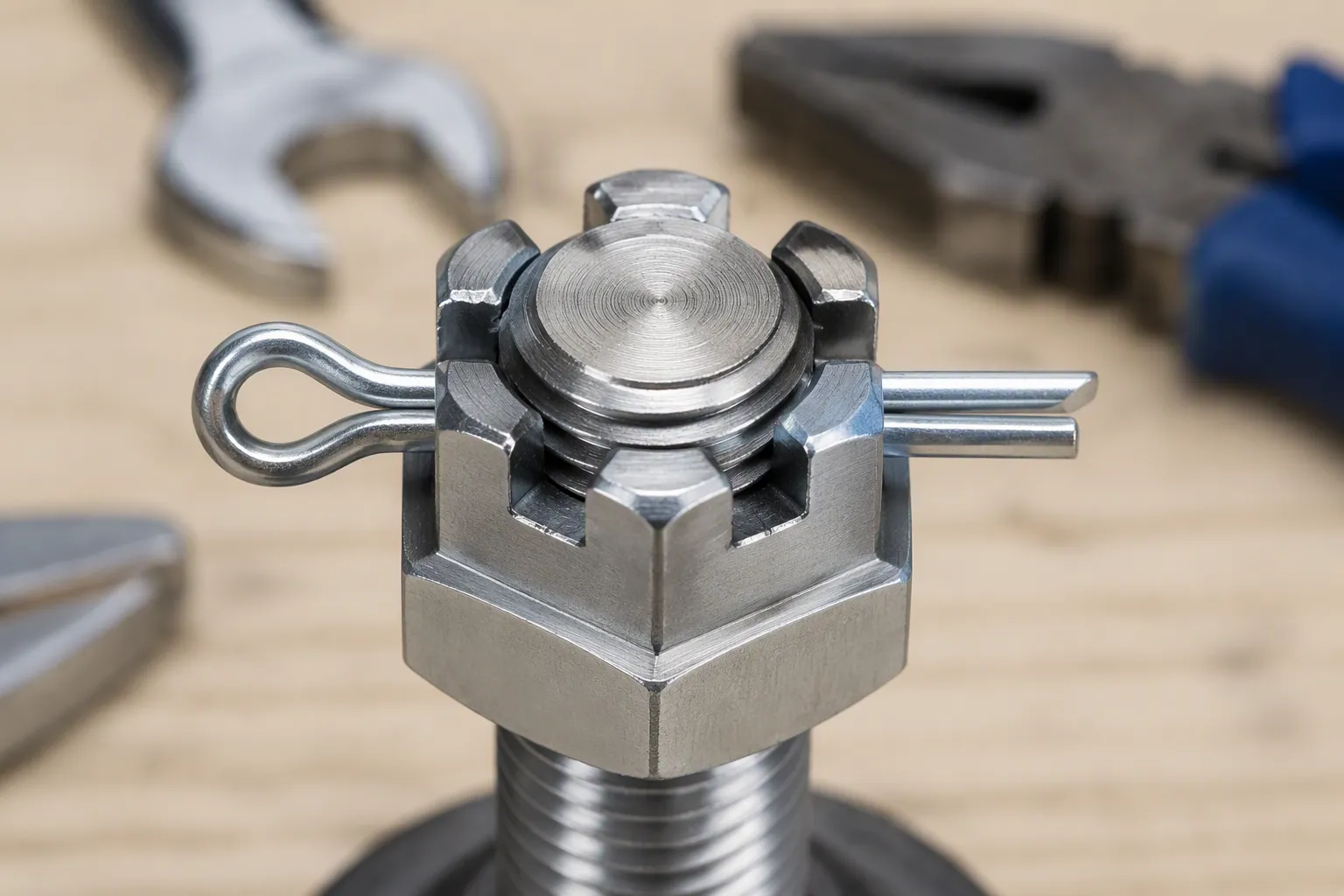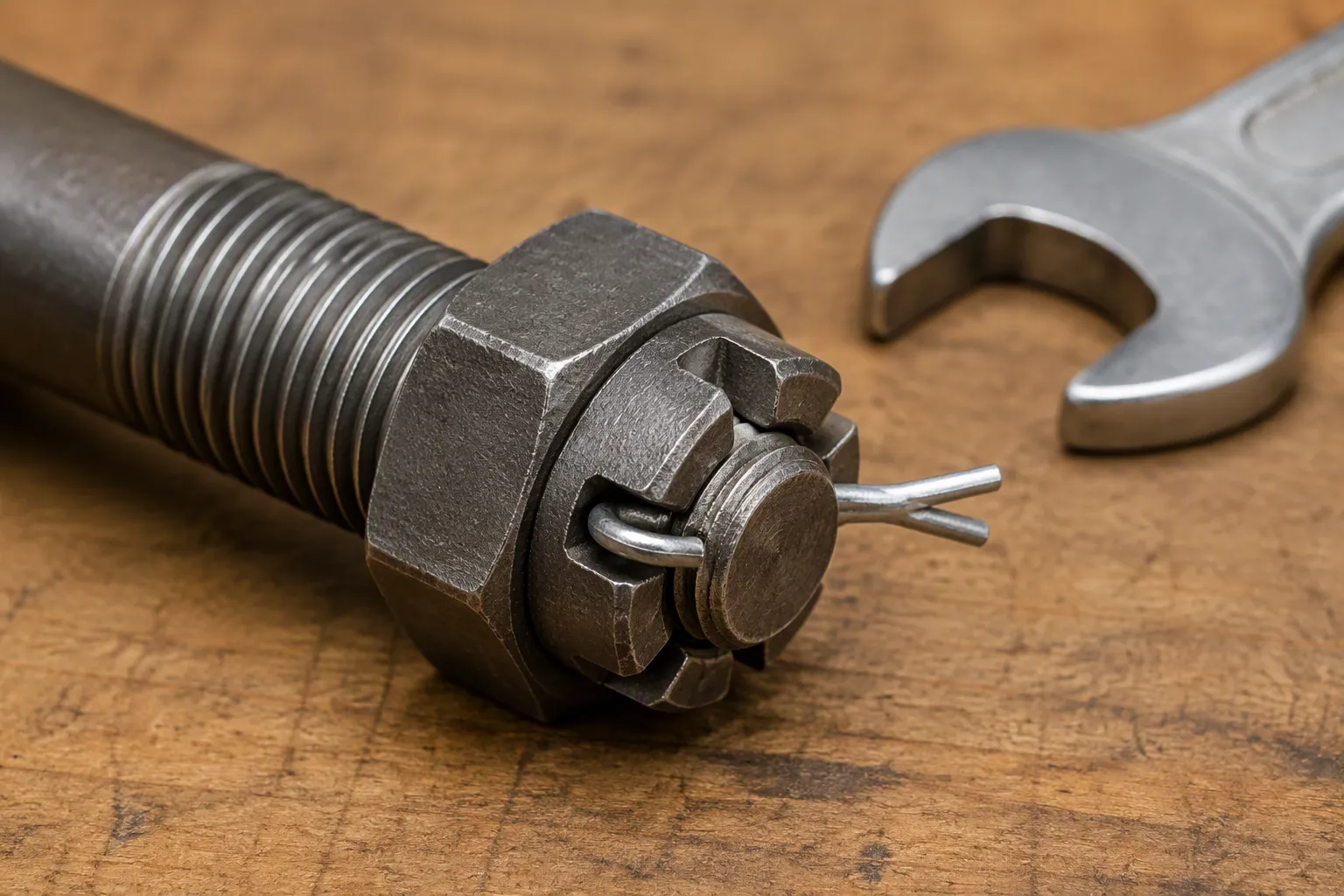
U-bolts compatible with ROHN 20 towers feature hot-dipped galvanized steel and a round bend, designed to match the tower leg diameter, typically between 1.25″ and 1.5″. Engineers select the correct U-образный болт to maintain safety and structural integrity. Choosing the right литье болтов and material prevents corrosion and ensures a secure fit. Many производитель крепежных изделий на заказ options exist for unique installations, and нестандартные крепежные элементы provide reliability for long-term tower performance.
U-bolts Compatible with ROHN 20 Towers: Sizes and Types
Standard ROHN 20 Tower Leg Dimensions
Leg diameter specifications
ROHN 20 towers feature legs with a consistent diameter, which determines the correct U-bolt size for secure attachment. Most ROHN 20 tower legs measure between 1.25 inches and 1.5 inches in diameter. This specification ensures that U-bolts compatible with these towers fit snugly and provide reliable support. Accurate measurement of the leg diameter remains essential before selecting hardware.
Typical leg shape and material
Engineers design ROHN 20 tower legs with a round tubular shape. This geometry allows for even distribution of stress when securing components. Manufacturers use high-strength galvanized steel for the legs, which resists corrosion and maintains structural integrity in outdoor environments. The round shape and robust material contribute to the tower’s long-term durability.
Exact U-bolt Size Requirements for ROHN 20 Towers
Diameter and length measurements
U-bolts compatible with ROHN 20 towers must match the leg diameter and provide sufficient length for secure fastening. The most common U-bolt sizes for these towers include:
- Inside width: 1.25″ to 1.5″
- Depth: 2.25″
- Diameter: 0.25″
These measurements ensure that the U-bolt wraps around the leg without excessive clearance or tightness. Selecting the correct size prevents movement and reduces the risk of hardware failure.
Thread type and pitch
Manufacturers typically use standard coarse threads for U-bolts compatible with ROHN 20 towers. The most common thread pitch is 1/4-20, which offers a balance between strength and ease of installation. Coarse threads resist stripping and allow for quick tightening, which is important during tower assembly. Always verify thread specifications to ensure compatibility with nuts and washers.
Material Recommendations for U-bolts Compatible with ROHN 20 Towers
Galvanized steel vs. stainless steel
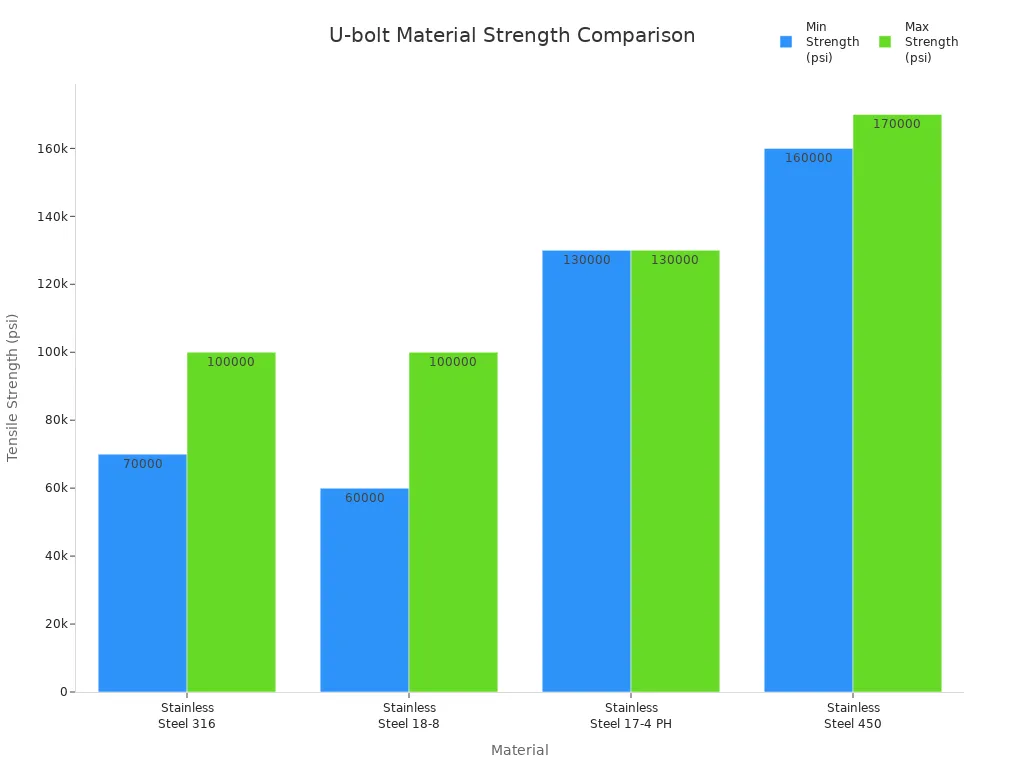
Material selection plays a critical role in the performance of U-bolts compatible with ROHN 20 towers. Galvanized steel remains the industry standard due to its cost-effectiveness and corrosion resistance. Stainless steel offers superior rust protection, especially in coastal or high-humidity environments. The following table compares common materials used for U-bolts in outdoor tower applications:
| Материал | Коррозионная стойкость | Strength (psi) |
|---|---|---|
| Нержавеющая сталь 316 | Отличная | 70,000 – 100,000 |
| Stainless Steel 18-8 | Очень хорошая | 60,000 – 80,000 (up to 100,000) |
| Stainless Steel 17-4 PH | Хорошая | ~130,000 |
| Stainless Steel 450 | Хорошая | ~160,000 – 170,000 |
Corrosion resistance considerations
U-bolts compatible with ROHN 20 towers must withstand harsh weather and environmental exposure. Galvanized steel resists rust through its protective zinc coating, making it suitable for most outdoor installations. Stainless steel U-bolts provide even greater corrosion resistance, which is ideal for marine or coastal towers. Specialty U-bolts made from high-grade stainless steel offer robust support and stability, ensuring long-term reliability. Their design allows for easy installation and adjustment, which benefits tower maintenance crews.
Tip: Always choose U-bolts with proven corrosion resistance for outdoor tower applications. This practice extends the lifespan of both the hardware and the tower structure.
U-bolt Type Options for ROHN 20 Towers
Standard round bend U-bolts
Standard round bend U-bolts serve as the most common choice for ROHN 20 tower installations. These U-bolts feature a smooth, rounded curve that matches the tower leg’s tubular shape. Installers prefer this type because it distributes clamping force evenly around the leg, which helps prevent deformation or localized stress. Standard round bend U-bolts typically come with two hex nuts and washers, allowing for secure attachment of brackets, braces, or mounting plates.
Note: Standard round bend U-bolts provide reliable performance for most antenna, cross-arm, and accessory installations on ROHN 20 towers.
Key features of standard round bend U-bolts include:
- Consistent fit for 1.25″ to 1.5″ diameter tower legs
- Hot-dipped galvanized finish for corrosion resistance
- Compatibility with a wide range of tower hardware
Heavy-duty U-bolts
Heavy-duty U-bolts offer enhanced strength and durability for demanding applications. These U-bolts feature a thicker rod diameter and deeper threads, which increase their load-bearing capacity. Installers select heavy-duty U-bolts when mounting large antennas, heavy brackets, or equipment that generates significant wind load. The robust construction ensures that the hardware maintains a secure grip, even under high stress.
A comparison table highlights the differences between standard and heavy-duty U-bolts:
| Характеристика | Standard U-bolt | Heavy-duty U-bolt |
|---|---|---|
| Rod Diameter | 0.25″ | 0.3125″ or larger |
| Грузоподъемность | Умеренная | Высокая |
| Typical Application | Light to medium duty | Heavy antennas, masts |
| Коррозионная стойкость | Хорошая | Excellent (galvanized) |
Heavy-duty U-bolts compatible with ROHN 20 towers often include reinforced plates or saddle clamps for added stability.
Custom-fabricated U-bolts for unique applications
Some tower installations require custom-fabricated U-bolts. These specialized fasteners address unique challenges such as non-standard leg diameters, unusual mounting angles, or the need for additional corrosion protection. Fabricators can produce U-bolts in various shapes, lengths, and materials to match specific project requirements.
Custom U-bolts may feature:
- Extended legs for thick mounting surfaces
- Special coatings for extreme environments
- Unique bends to fit irregular tower geometry
Tip: Engineers should consult with a reputable fastener manufacturer when standard or heavy-duty options do not meet the project’s needs. Custom solutions ensure that all hardware remains compatible with ROHN 20 tower specifications and site conditions.
Installers who select the correct type of U-bolts compatible with ROHN 20 towers ensure both safety and long-term reliability for their communication infrastructure.
How to Select U-bolts Compatible with ROHN 20 Towers
Measuring Your ROHN 20 Tower Leg
Tools needed for accurate measurement
Technicians require precise tools to measure tower legs before selecting hardware. The following tools help ensure accuracy:
- Caliper (digital or manual)
- Tape measure with clear markings
- Marker or chalk for reference points
- Notepad for recording measurements
A caliper provides the most accurate reading for round tubular legs. Tape measures work well for quick checks but may not capture small differences.
Step-by-step measuring process
- Clean the tower leg to remove dirt and debris.
- Place the caliper or tape measure around the widest part of the leg.
- Record the outside diameter to the nearest 1/16 inch.
- Repeat the measurement at several points to confirm consistency.
- Mark the measurement location for future reference.
Tip: Always measure twice to avoid errors. Consistent measurements ensure the selected U-bolt fits securely.
Matching U-bolts to ROHN 20 Tower Legs
Sizing chart for ROHN 20 tower legs
A sizing chart helps match the correct U-bolt to the tower leg diameter. The table below lists common leg sizes and recommended U-bolt dimensions:
| Tower Leg Diameter | U-bolt Inside Width | U-bolt Depth | Rod Diameter |
|---|---|---|---|
| 1.25″ | 1.31″ | 2.25″ | 0.25″ |
| 1.5″ | 1.56″ | 2.25″ | 0.25″ |
Installers should select a U-bolt with an inside width slightly larger than the leg diameter. This approach allows for easy installation and proper clamping force.
Ensuring proper fit and clearance
Proper fit prevents movement and reduces stress on the tower leg. Installers must check for adequate clearance between the U-bolt and the leg. The U-bolt should not compress or deform the leg. Washers and nuts must seat evenly on the mounting surface. If the fit appears too tight or loose, technicians should select a different size.
Considering Load and Application for U-bolts Compatible with ROHN 20 Towers
Weight and stress factors
Each installation presents unique load requirements. Large antennas, heavy brackets, or equipment with high wind exposure increase stress on the U-bolt. Engineers must calculate the total weight and consider dynamic forces such as wind or vibration. Overloading a U-bolt can lead to failure and compromise tower safety.
Choosing U-bolt strength and grade
Manufacturers rate U-bolts by material grade and tensile strength. For most ROHN 20 tower applications, hot-dipped galvanized steel with a minimum tensile strength of 60,000 psi provides reliable performance. Heavy-duty installations may require higher grades or thicker rods. Installers should always verify the manufacturer’s specifications before purchase.
Note: U-bolts compatible with ROHN 20 towers must meet both size and strength requirements for safe, long-term operation.
Recommended U-bolt Brands and Sources for ROHN 20 Towers
Trusted Manufacturers of U-bolts Compatible with ROHN 20 Towers
ROHN official parts and accessories
ROHN manufactures official tower hardware designed to meet strict industry standards. Their catalog includes U-bolts, mounting brackets, and other accessories engineered for compatibility with ROHN 20 towers. ROHN’s official parts offer assurance of quality and fit. Installers often select these components for critical infrastructure projects because they meet the manufacturer’s specifications and pass rigorous testing.
DX Engineering, Hillman, and Grainger
DX Engineering supplies a wide range of tower hardware, including U-bolts compatible with ROHN 20 towers. Their products feature hot-dipped galvanized finishes and precise sizing. Hillman provides fasteners for industrial and commercial use, offering both standard and heavy-duty U-bolts. Grainger stocks tower hardware from multiple brands, making it a reliable source for professionals seeking quick delivery and verified quality. Each manufacturer maintains detailed product specifications, which help installers select the correct hardware for their projects.
Supplier Listings for U-bolts Compatible with ROHN 20 Towers
Online retailers (DX Engineering, Grainger, McMaster-Carr)
Online retailers simplify the process of sourcing U-bolts compatible with ROHN 20 towers. DX Engineering’s website lists tower hardware with clear sizing charts and material details. Grainger’s online catalog allows users to filter by diameter, length, and finish. McMaster-Carr offers custom ordering options for unique applications. These platforms provide technical support and fast shipping, which benefits installers working on tight schedules.
The following table highlights frequently recommended sources for purchasing U-bolts and related hardware suitable for ROHN 20 towers:
| : Компания может выполнять чрезвычайно крупные заказы с впечатляющим месячным объёмом выпуска. Это гарантирует, что они могут удовлетворить потребности масштабных проектов. | Описание | Link |
|---|---|---|
| U-Bolts Galvanized | Galvanized U-bolts suitable for Rohn towers available from ISP Supplies. | ISP Supplies U-Bolts |
| Other Hardware | Includes bolt assemblies, guy wire, J-bolts, nuts, washers, and more. | ISP Supplies Rohn Products |
Local hardware stores and industrial suppliers
Local hardware stores and industrial suppliers offer convenience for installers who need immediate access to U-bolts and related fasteners. Many stores stock galvanized and stainless steel U-bolts in standard sizes. Industrial suppliers often provide bulk purchasing options and custom fabrication services. Installers can inspect products in person, ensuring proper fit and finish before installation.
Part Numbers and Ordering Tips for U-bolts Compatible with ROHN 20 Towers
Common part numbers for ROHN 20 compatible U-bolts
Manufacturers assign part numbers to U-bolts based on size, material, and thread type. For ROHN 20 towers, common part numbers include:
- ROHN 1.25″ U-bolt: R-UB125G
- ROHN 1.5″ U-bolt: R-UB150G
- DX Engineering 1.25″ U-bolt: DXE-UB-125
- Grainger 1.5″ U-bolt: 5UHV2
Installers should reference these part numbers when ordering to avoid confusion and ensure compatibility.
How to verify compatibility before purchase
Installers must verify U-bolt compatibility by checking leg diameter, thread pitch, and material specifications. Reviewing manufacturer datasheets and sizing charts helps confirm the correct fit. Contacting technical support or consulting with sales representatives provides additional assurance. Matching the U-bolt’s inside width and depth to the tower leg ensures a secure installation.
Tip: Always double-check measurements and part numbers before placing an order. This practice prevents delays and ensures the hardware meets project requirements.
Installation Tips for U-bolts Compatible with ROHN 20 Towers
Подготовка к монтажу
Safety equipment and precautions
Technicians must prioritize safety before beginning any tower work. They should wear a full-body harness, helmet, and non-slip gloves. Fall arrest systems protect workers at height. Safety glasses shield eyes from debris. Each team member should inspect their equipment for wear or damage before climbing. Communication devices allow for constant contact with ground personnel. A clear work plan reduces confusion and prevents accidents.
Cleaning and prepping tower legs
Proper preparation of the tower legs ensures a secure and lasting installation. Workers should remove dirt, grease, and old paint from the leg surface using a wire brush or solvent. They must inspect the bottom of the tower legs and bolt holes for excess galvanizing flash, which can interfere with hardware fit. A taper punch, also known as a drift pin, helps clear slag from bolt holes without enlarging them. Greasing the inside of the bottom legs of tubular towers makes assembly easier and helps reduce corrosion. Only stainless or galvanized hardware should be used, as cadmium-plated options do not meet industry standards. Bringing extra nuts, bolts, and washers up the tower prevents delays if hardware is dropped or damaged.
Step-by-Step Installation Guide for U-bolts Compatible with ROHN 20 Towers
Positioning the U-bolt correctly
Installers should align the U-bolt with the mounting bracket or accessory before placing it around the tower leg. The curve of the U-bolt must match the round profile of the leg. Both legs of the U-bolt should pass through the mounting plate or bracket holes without forcing or bending. Proper alignment ensures even distribution of clamping force and prevents damage to the tower structure.
Tightening sequence and torque specs
After positioning, installers should hand-tighten the nuts onto the U-bolt threads. They must alternate tightening each side in small increments to maintain even pressure. This method prevents distortion of the bracket and ensures a secure fit. A calibrated torque wrench should be used to achieve the manufacturer’s recommended torque specification, usually between 20 and 30 ft-lbs for 1/4-inch diameter U-bolts. Over-tightening can crush the tower leg or strip threads, while under-tightening may allow movement.
Post-Installation Checks for U-bolts Compatible with ROHN 20 Towers
Inspecting for secure fit
After installation, technicians should visually inspect each U-bolt for proper seating and alignment. The nuts must sit flush against the mounting surface, and the U-bolt should not deform the tower leg. Any signs of movement or looseness require immediate correction. Workers should verify that all hardware matches the specified size and material.
Ongoing maintenance recommendations
Routine maintenance extends the life of U-bolts compatible with ROHN 20 towers. Inspectors should check hardware annually for signs of corrosion, rust, or loosening. Re-torque nuts as needed to maintain proper clamping force. Replace any hardware showing significant wear or damage. Keeping a maintenance log helps track inspections and repairs, ensuring the tower remains safe and reliable.
Common Mistakes to Avoid with U-bolts Compatible with ROHN 20 Towers
Using Incorrect U-bolt Size
Risks of undersized or oversized U-bolts
Selecting the wrong U-bolt size can compromise the safety and stability of a ROHN 20 tower. An undersized U-bolt may not fully wrap around the tower leg, leading to weak clamping force and potential slippage. Oversized U-bolts can create excessive clearance, causing movement and vibration that may damage both the hardware and the tower structure. These issues can result in premature wear, equipment failure, or even structural collapse during severe weather.
Note: Always match the U-bolt size to the exact diameter of the tower leg to ensure a secure and stable installation.
How to double-check measurements
Technicians should always verify measurements before purchasing or installing U-bolts. The following checklist helps prevent sizing errors:
- Use a calibrated caliper to measure the outside diameter of the tower leg.
- Compare the measurement with the manufacturer’s sizing chart.
- Confirm the U-bolt’s inside width and depth match the leg dimensions.
- Re-measure at multiple points on the leg to ensure consistency.
Double-checking these details reduces the risk of selecting the wrong hardware and ensures a proper fit.
Overlooking Material Quality for U-bolts Compatible with ROHN 20 Towers
Problems with non-galvanized or low-grade steel
Material quality plays a critical role in the performance of U-bolts compatible with ROHN 20 towers. Non-galvanized or low-grade steel U-bolts lack the corrosion resistance needed for outdoor environments. These materials can rust quickly, weakening the hardware and increasing the risk of failure. Low-grade steel may also deform under load, reducing the effectiveness of the clamping force.
| Тип материала | Коррозионная стойкость | Долговечность |
|---|---|---|
| Hot-dipped Galvanized | Высокая | Отличная |
| Нержавеющая сталь | Очень высокий | Превосходная |
| Plain Steel | Низкая | Плохо |
Signs of premature corrosion
Premature corrosion often appears as rust spots, flaking, or discoloration on the U-bolt surface. Technicians may notice pitting or roughness, which indicates the protective coating has failed. If left unaddressed, corrosion can spread to the tower leg and compromise the entire structure. Regular inspections help identify these issues early and prevent costly repairs.
Improper Installation Techniques for U-bolts Compatible with ROHN 20 Towers
Неравномерная затяжка
Uneven tightening of U-bolt nuts can lead to uneven pressure distribution. This mistake may cause the bracket or accessory to tilt, resulting in stress concentrations on the tower leg. Over time, this can deform the leg or loosen the hardware. Installers should always alternate tightening between nuts in small increments to maintain balance.
Skipping safety checks
Skipping safety checks after installation can have serious consequences. Technicians who fail to inspect for proper fit, alignment, and torque may overlook loose or misaligned hardware. This oversight increases the risk of equipment failure during operation. A thorough post-installation inspection ensures all U-bolts remain secure and the tower structure stays safe.
Tip: Consistent attention to detail during installation and maintenance helps prevent common mistakes and extends the life of the tower.
Ignoring Manufacturer Recommendations for U-bolts Compatible with ROHN 20 Towers
Importance of following ROHN guidelines
ROHN provides detailed guidelines for hardware selection and installation. These recommendations ensure that every component meets strict safety and performance standards. When installers ignore these instructions, they risk compromising the tower’s structural integrity. ROHN engineers design each tower and accessory to work together. Using non-approved U-bolts can lead to misalignment, excessive stress, or premature failure.
Installers who follow ROHN guidelines benefit from:
- Verified compatibility: Every part fits as intended.
- Maximum safety: Hardware meets load and stress requirements.
- Long-term reliability: Components resist corrosion and wear.
- Warranty protection: ROHN honors warranties only when installers use approved hardware.
Совет: ROHN guidelines help prevent costly mistakes and ensure that the tower performs as designed. Ignoring these standards may void warranties and increase liability.
A comparison table highlights the difference between following and ignoring manufacturer recommendations:
| Практика | Resulting Outcome |
|---|---|
| Following ROHN guidelines | Safe, reliable installation |
| Ignoring ROHN recommendations | Increased risk of failure |
| Using approved U-bolts | Warranty remains valid |
| Using non-approved hardware | Warranty may be voided |
ROHN’s engineering team tests each hardware combination under real-world conditions. They publish torque specifications, material requirements, and installation procedures. Installers who deviate from these instructions often encounter unexpected problems, such as hardware incompatibility or accelerated corrosion.
Where to find official documentation
ROHN makes official documentation available through several channels. Installers can access product manuals, technical bulletins, and installation guides on the ROHN website. These resources include sizing charts, part numbers, and step-by-step instructions. Distributors such as DX Engineering and Grainger also provide ROHN documentation with hardware orders.
Installers should look for:
- ROHN product manuals: Detailed instructions for each tower model.
- Technical bulletins: Updates on hardware specifications and safety alerts.
- Installation guides: Step-by-step procedures for assembly and maintenance.
- Online support: ROHN’s website offers downloadable PDFs and contact information for technical assistance.
Примечание: Always verify that documentation matches the specific tower model and installation environment. ROHN updates guidelines regularly to reflect new engineering standards.
Installers who consult official documentation avoid common mistakes and ensure that every U-bolt meets ROHN’s requirements. They protect the tower’s longevity and maintain compliance with industry regulations. Reliable sources of documentation include:
ROHN’s commitment to safety and quality depends on strict adherence to manufacturer recommendations. Installers who use approved U-bolts and follow official documentation help maintain the tower’s performance and safety for years to come.
Selecting the correct U-bolt for ROHN 20 towers requires attention to size, material, and application. Installers should use hot-dipped galvanized or stainless steel U-bolts with precise measurements for a secure fit. They must consult manufacturer specifications and double-check compatibility before purchase. Proper installation and routine maintenance extend tower life. Key safety practices include:
- Assigning a supervisor for each operation
- Using trained personnel
- Wearing safety gear
- Avoiding mixed hardware
- Planning procedures carefully
These steps ensure both safety and long-term reliability for every tower project.
Частые вопросы
What size U-bolt fits a ROHN 20 tower leg?
Most ROHN 20 tower legs require U-bolts with an inside width of 1.25″ to 1.5″, a depth of 2.25″, and a rod diameter of 0.25″. Always measure the leg before selecting hardware.
Can installers use stainless steel U-bolts on ROHN 20 towers?
Installers can use stainless steel U-bolts for superior corrosion resistance, especially in coastal or high-humidity areas. Galvanized steel remains the industry standard for most environments due to its cost-effectiveness.
Where can installers buy compatible U-bolts for ROHN 20 towers?
Installers can purchase compatible U-bolts from trusted suppliers such as ROHN, DX Engineering, Grainger, and McMaster-Carr. Local industrial hardware stores may also stock suitable options.
How do installers verify U-bolt compatibility?
Installers should check the U-bolt’s inside width, depth, thread type, and material. Comparing these specifications with the tower leg measurements ensures a proper fit and safe installation.
What tools help measure a ROHN 20 tower leg?
A digital or manual caliper provides the most accurate measurement. A tape measure works for quick checks. Technicians should also use a notepad to record measurements.
What are the risks of using the wrong U-bolt size?
Using the wrong size can cause poor clamping force, movement, or damage to the tower leg. These issues may lead to equipment failure or compromise tower safety.
How often should U-bolts on ROHN 20 towers be inspected?
Technicians should inspect U-bolts at least once a year. They must check for corrosion, loosening, or wear and replace any damaged hardware promptly.