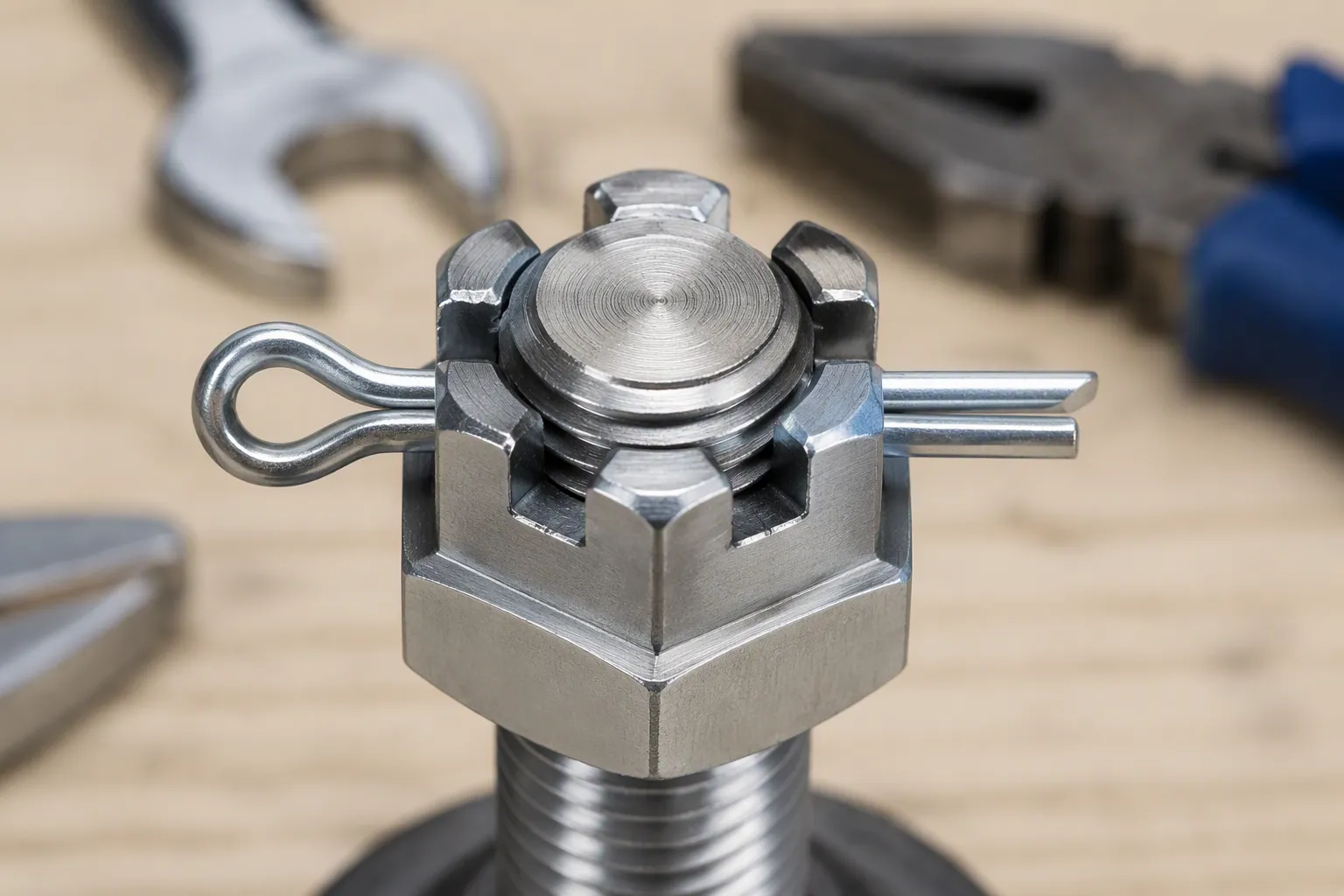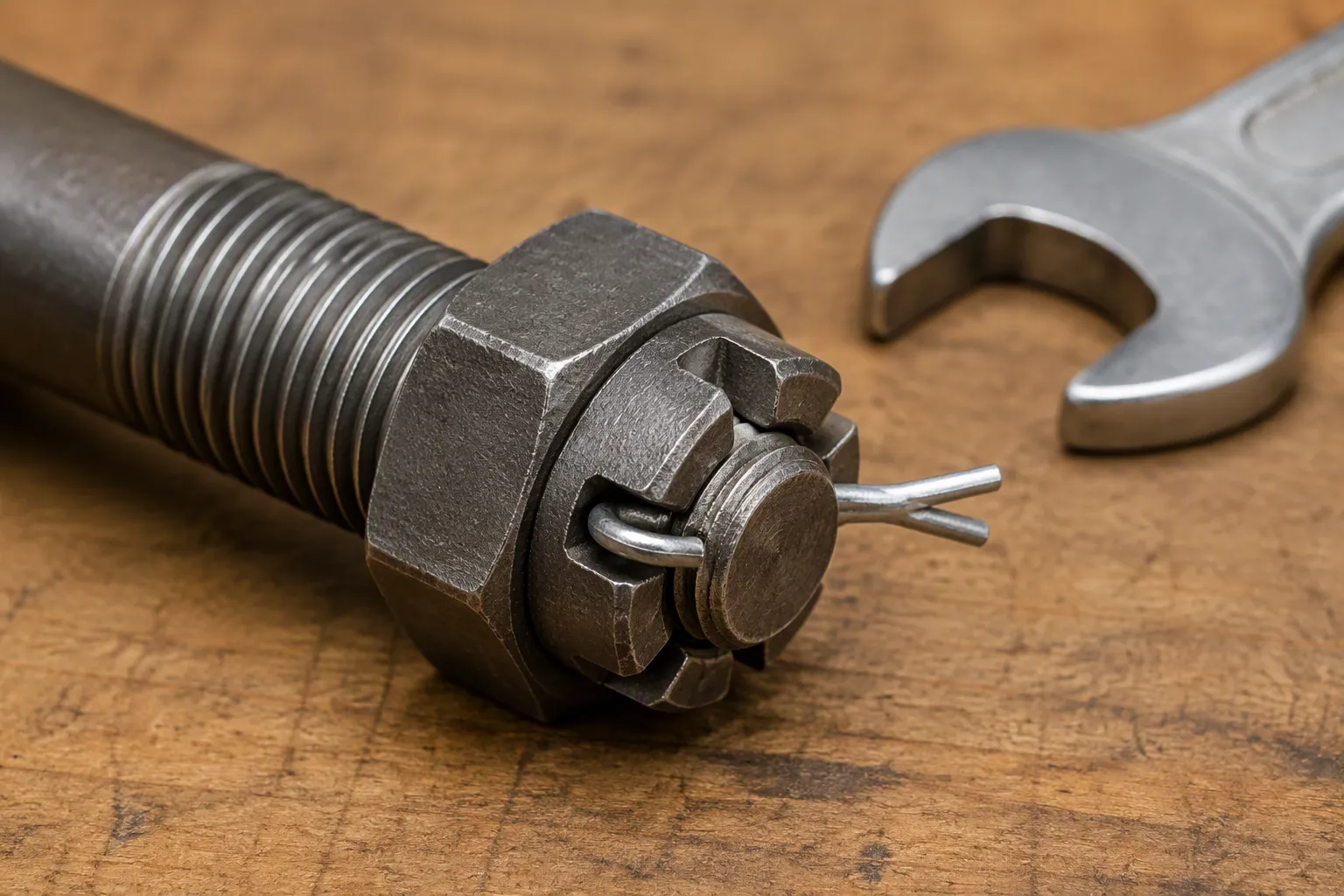
U-bolts in construction play a vital role in stabilizing structural frameworks and mechanical systems. The unique shape of a U-образный болт allows engineers to secure pipes, beams, and cables with confidence. Bolt casting technology ensures strength and durability, even under heavy loads. Many project leaders rely on нестандартные крепежные элементы to meet specific requirements for safety and reliability. A производитель крепежных изделий на заказ delivers precision components that support long-term performance in demanding environments.
Reliable fastening solutions like U-bolts remain essential for maintaining structural integrity in buildings and vehicles.
Unique Design and Mechanical Advantages of U-bolts
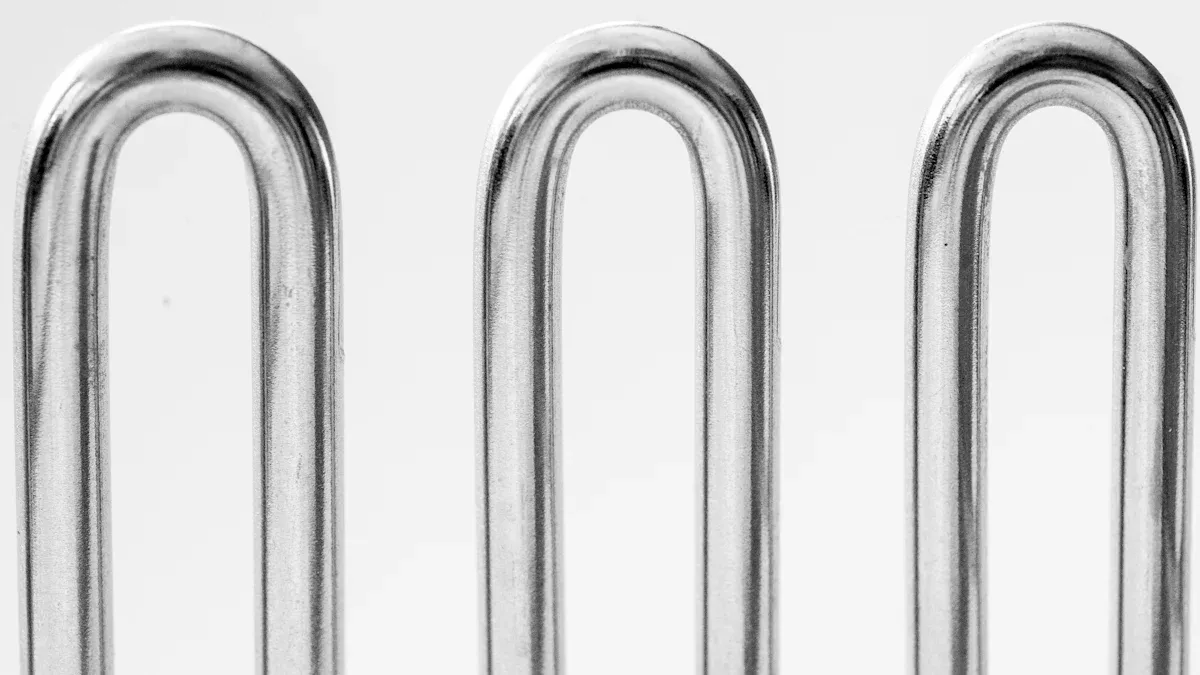
U-shaped Structure and Versatility
Adaptability to Multiple Materials
The U-shaped design of U-bolts provides several mechanical advantages over traditional fasteners. This unique shape allows the bolt to wrap around and secure objects, which enhances load distribution and stability. U-bolts in construction support a wide range of materials, including pipes, beams, and cables. Their adaptability makes them suitable for both round and flat surfaces, accommodating different shapes and sizes with ease.
- U-bolts provide secure support and restraint for various shapes and sizes of pipes, beams, or cables.
- They allow for axial movement while preventing unwanted vibrations, which is essential in construction and automotive applications.
- U-bolts can function as tube or pipe restraints, preventing movement and wear from contact with other structures.
- They are used for hanging pipes, limiting vibrations and securing elevated structures.
This versatility ensures that engineers and builders can rely on U-bolts for many different applications, from plumbing systems to heavy machinery.
Simple Installation and Removal
U-bolts feature a straightforward installation process. Workers can easily position the bolt around the object and secure it with nuts on both ends. This simplicity reduces installation time and labor costs. Removal is just as efficient, allowing for quick adjustments or replacements when necessary. The ease of use makes U-bolts a preferred choice for projects that require frequent maintenance or reconfiguration.
Load-Bearing Capacity and Vibration Resistance
Stability Under Heavy Loads
U-bolts deliver robust support and stability, making them ideal for heavy-duty applications. The mechanical properties of the bolt depend on its grade. For example:
- Grade 5 U-bolts have a tensile strength of 120,000 psi.
- Grade 8 U-bolts offer a tensile strength of 150,000 psi.
- Grade 8 U-bolts are preferred for high-stress applications in automotive and heavy-duty machinery.
These high-strength options ensure that U-bolts can handle significant loads without deformation or failure, which is critical for safety in both construction and automotive sectors.
Absorbing Vibrations and Dynamic Forces
U-bolts not only support heavy loads but also absorb vibrations and dynamic forces. Their design allows for some axial movement, which helps prevent damage from constant motion or shifting loads. This feature is especially important in environments with machinery, vehicles, or elevated structures, where vibration can lead to wear or failure over time.
U-bolts in construction help maintain the integrity of structures by minimizing the impact of vibrations and dynamic forces, extending the lifespan of critical components.
Material Choices and Corrosion Protection
Stainless Steel and Galvanized Options
Manufacturers produce U-bolts from a разнообразие материалов to suit different environments and requirements. The most common materials include carbon steel, stainless steel, and high-strength alloy steel. Each material offers distinct advantages in terms of strength and corrosion resistance.
| Тип материала | Corrosion Resistance Properties | Идеальный случай применения |
|---|---|---|
| Carbon Steel (Zinc-Plated) | Provides a baseline level of corrosion resistance, suitable for dry, indoor environments. | Securing pipes and framing indoors. |
| Горячеоцинкованная сталь | Superior corrosion resistance, especially in outdoor environments due to a thicker coating. | Outdoor applications. |
| Нержавеющая сталь 304 | Good corrosion resistance, suitable for most atmospheric conditions. | General-purpose applications. |
| Нержавеющая сталь 316 | Excellent resistance to chlorides, ideal for marine environments. | Marine applications. |
| Высокопрочная легированная сталь | High strength but very susceptible to corrosion; minimal protection against moisture. | High load-bearing applications. |
Performance in Harsh Environments
The choice of coating significantly impacts the performance and lifespan of U-bolts in harsh environments. Hot-dipped galvanizing, for example, involves submerging U-bolts in molten zinc. This process creates a thick, durable coating that acts as a barrier against rust, making it ideal for outdoor and marine applications. Thicker coatings provide excellent corrosion protection and toughness, which is crucial for long-term projects exposed to moisture, salt, or chemicals.
- Thicker coatings offer superior corrosion protection, essential in harsh environments.
- Enhanced longevity reduces the need for frequent replacements.
- Tough coatings resist physical damage, making them suitable for rough handling and demanding conditions.
Selecting the right material and coating ensures that U-bolts maintain their strength and reliability, even in the most challenging settings.
U-bolts in Construction Applications
Securing Pipes, Cables, and Conduits
Plumbing and HVAC Systems
U-bolts in construction serve as reliable fasteners for plumbing and HVAC systems. They secure pipes, conduits, and ducts to structural elements, maintaining alignment and preventing movement. This stability ensures that plumbing and HVAC systems operate efficiently and safely. Specialty U-bolts hold pipes and tubes in place, especially in environments where vibration or shifting could compromise system integrity. Zinc U-bolts provide a strong and stable connection, which prevents shifting and supports long-term reliability.
Properly installed U-bolts help maintain the safety and functionality of building systems by keeping pipes and ducts securely anchored.
Electrical Conduit Support
Electricians rely on U-bolts in construction to support electrical conduits. These fasteners keep cables and conduit runs firmly attached to walls, ceilings, or framing. Zinc U-bolts are frequently used to secure beams, posts, and pipes, ensuring a stable connection that resists movement. This support protects wiring from damage and reduces the risk of electrical faults. U-bolts also allow for easy adjustments or replacements during maintenance, which streamlines project timelines.
- U-bolts prevent cables and conduits from sagging or shifting.
- They simplify installation and maintenance for electrical systems.
- Specialty U-bolts accommodate various conduit sizes and materials.
Structural Support and Alignment
Beams, Columns, and Framing
U-bolts in construction play a critical role in supporting beams, columns, and framing. Builders embed U-bolts, including L-shaped anchor bolts, in walls and columns to provide essential support for beams and plates. These fasteners anchor both load-bearing and non-load-bearing walls, ensuring that structural elements remain securely connected. U-bolts stabilize beams and posts, which helps maintain proper alignment throughout the lifespan of the building.
U-bolts contribute to the overall strength and stability of structural frameworks, reducing the risk of misalignment or failure.
Anchoring to Concrete and Steel
Contractors use U-bolts to anchor beams and columns to concrete and steel structures. The bolts are embedded in masonry or concrete, where they provide a secure connection for structural components. This anchoring method enhances the load-bearing capacity of the building and prevents unwanted movement. U-bolts also reinforce concrete structures, making them suitable for both residential and commercial projects.
- U-bolts anchor beams and plates to concrete and masonry.
- They support structural elements in both new construction and retrofits.
- Builders rely on U-bolts for their strength and ease of installation.
Infrastructure and Heavy Equipment
Bridges and Roadways
U-bolts in construction are indispensable in infrastructure projects such as bridges and roadways. Engineers use these fasteners to secure cables, pipes, and cylindrical elements to bridge structures. Custom-bent U-bolts fit around pipes or conduit brackets, providing a tailored solution for complex installations. The following table highlights common applications:
| Область применения | Описание |
|---|---|
| Строительстве | Used to secure piping, reinforce concrete structures, and stabilize beams. |
| Bridge Construction | Secures cables, pipes, and cylindrical elements to the bridge structure. |
| Urban Infrastructure | Custom-bent U-bolts secure mechanical systems to bridge undersides or walls. |
- U-bolts reinforce concrete structures and stabilize beams.
- They secure cables and pipes in bridge construction.
- Custom-bent U-bolts fit unique infrastructure needs.
Machinery and Equipment Mounting
Heavy machinery and equipment require robust mounting solutions. U-bolts fasten components in cranes, excavators, and other equipment, securing hydraulic lines and engine mounts. These fasteners hold hydraulic cylinders in place, ensuring operational stability and withstanding vibration and environmental factors. High-strength, corrosion-resistant U-bolts enhance operational uptime and safety compliance, making them a preferred choice for long-term performance.
| Применение | Описание | Преимущества |
|---|---|---|
| Тяжелое оборудование | U-bolts are used to fasten components in cranes and excavators. | Secure hydraulic lines and engine mounts. |
| Operational Stability | They hold hydraulic cylinders in place, ensuring stability during operation. | Withstand vibration and environmental factors. |
| Safety Compliance | High-strength, corrosion-resistant U-bolts are favored for long-term performance. | Enhance operational uptime and safety compliance. |
U-bolts provide the strength and reliability needed for mounting heavy equipment, supporting safe and efficient operation in demanding environments.
U-bolts in the Automotive Industry
Suspension and Axle Support
Leaf Spring Attachment
U-bolts play a critical role in vehicle suspension systems, especially in vehicles equipped with leaf springs. These fasteners keep the leaf springs tightly bundled, which is essential for absorbing shocks from rough terrain. When leaf springs lack spring clips, U-bolts maintain the integrity of the spring pack, allowing it to function as a single unit. This bundling protects the axle from potential damage and ensures that the suspension system can handle the demands of daily driving or off-road conditions. U-bolts also serve as a permanent fixture, connecting the leaf springs directly to the axle and providing consistent stability throughout the lifespan of the vehicle.
Axle Housing Stability
U-bolts contribute significantly to the stability and safety of axle housings in automotive applications. Their secure clamping action delivers several key benefits:
- U-bolts securely clamp leaf springs to axle housings.
- They directly influence vehicle handling, load capacity, and ride comfort.
- Properly torqued U-bolts help maintain precise alignment and reduce the risk of component failure.
A well-installed U-bolt ensures that the axle remains in the correct position, which is vital for safe operation and optimal performance.
Exhaust and Drivetrain Systems
Exhaust Pipe Mounting
U-bolts are a preferred choice for mounting exhaust pipes due to their ability to create a tight, reliable seal. Mechanics often select U-bolts over band clamps when a better seal is required, even though removal may be more challenging. The following table compares U-bolts and band clamps for exhaust system applications:
| Характеристика | U-образные болты | Band Clamps |
|---|---|---|
| Seal Quality | Better seal | Moderate seal |
| Ease of Removal | Difficult (may require cutting) | Easier (can separate pipes) |
This comparison highlights why U-bolts remain popular for permanent exhaust connections, especially in high-performance or heavy-duty vehicles.
Driveshaft and Stabilizer Bar Support
U-bolts also provide essential support for drivetrain components such as driveshafts and stabilizer bars. Their robust design ensures that these parts remain securely attached, even under the stress of acceleration, braking, or uneven road surfaces. By maintaining alignment and reducing unwanted movement, U-bolts help extend the lifespan of critical drivetrain elements.
Custom and Aftermarket Solutions
Off-road and Performance Upgrades
Automotive enthusiasts and professionals often seek custom or aftermarket U-bolt solutions for off-road and performance upgrades. Manufacturers offer robust suspension upgrades for popular trucks like the Ford F150, F250, and F350. These U-bolts feature 3/8″ plate steel construction, engineered for both durability and ease of installation. Many designs ensure compatibility with OEM and aftermarket bump stops, providing flexibility for various build requirements.
Прочее custom-fit U-bolts cater to vehicles such as the Chevrolet Express Van. These heavy-duty options withstand the demands of lifted applications and make adding rear lift blocks straightforward. Users can select the appropriate U-bolt size to match their specific lift needs, ensuring a secure and reliable fit.
Trailer and Towing Applications
U-bolts enhance the safety and durability of trailer and towing setups. Vehicle owners and fleet operators should follow these best practices:
- Conduct regular visual inspections for damage or wear to identify issues early.
- Follow installation guidelines to ensure U-bolts are securely tightened.
- Use U-bolts that match the trailer’s weight limits to prevent excessive strain.
- Apply protective coatings and clean U-bolts regularly to prevent rust.
Properly maintained U-bolts help prevent failures, support heavy loads, and ensure safe towing operations in a variety of environments.
Key Benefits of U-bolts in Construction and Automotive Sectors
Durability and Longevity
Withstanding Environmental Stress
U-bolts deliver exceptional durability, even when exposed to harsh environments. Stainless steel U-bolts contain high levels of chromium, which forms a protective layer that resists rust in moist conditions. Galvanized U-bolts feature a zinc coating that acts as a sacrificial barrier, shielding the underlying metal from corrosion. Coated or painted U-bolts add another layer of defense, preventing moisture and oxygen from reaching the metal surface. These features allow U-bolts to maintain their structural integrity over long periods, even in challenging outdoor or industrial settings.
- Stainless steel U-bolts resist rust in wet environments.
- Galvanized U-bolts use zinc to protect against corrosion.
- Coated or painted U-bolts block moisture and oxygen.
Low Maintenance Needs
Custom fasteners, including U-bolts, can be engineered for specific applications, which often leads to lower maintenance requirements. The tailored design and careful material selection contribute to a longer service life compared to standard fasteners. Engineering that resists corrosion and wear further reduces the frequency of maintenance. As a result, U-bolts in construction and automotive settings help minimize downtime and keep systems running smoothly.
- Custom designs meet unique application needs.
- Enhanced durability reduces maintenance frequency.
- Long service life supports continuous operation.
Cost-Effectiveness and Availability
Affordable Solutions
While U-bolts may cost more than standard screws or nails, their strength and durability make them a cost-effective choice for large-scale projects. The following table compares the cost of different fastening solutions:
| Fastening Solution | Cost Comparison |
|---|---|
| U-образные болты | More expensive than standard screws or nails |
| Standard screws/nails | Generally less expensive than U-bolts |
| 5000 тонн/месяц | U-bolts can be economical for large-scale projects due to their durability and strength |
Reducing Downtime and Repairs
Purchasing U-bolts in bulk can lead to significant cost savings, allowing project managers to allocate resources elsewhere. A steady supply of U-bolts helps prevent delays, ensuring that essential components are always available. This availability reduces downtime and repair costs, supporting efficient project completion and ongoing maintenance.
- Bulk purchasing lowers overall costs.
- Consistent supply prevents project delays.
- Readily available U-bolts reduce repair times.
Безопасность и надежность
Preventing Component Failure
U-bolts play a vital role in maintaining the integrity of critical components, especially in demanding environments. Their design allows them to clamp securely around cylindrical shapes, such as fuel lines or wiring harnesses. High-strength materials and protective coatings enable U-bolts to withstand significant vibrational loads and harsh conditions, which helps prevent premature failure. This reliability is essential for both construction and automotive applications, where safety cannot be compromised.
U-bolts in construction and automotive sectors ensure that vital systems remain secure and operational, even under extreme stress.
Meeting Industry Standards
Manufacturers must produce U-bolts that comply with strict industry standards, such as ISO 898-1. This standard outlines the mechanical properties required for fasteners, ensuring that U-bolts can handle high-stress conditions. Compliance guarantees that U-bolts meet rigorous strength and durability requirements, which is crucial for maintaining safety and structural integrity in all applications.
Selecting the Right U-bolts for Your Application
Assessing Load and Size Requirements
Calculating Load Capacity
Engineers must evaluate several factors before для выбора П-образного болта for any project. Прочность материала stands as a primary consideration. The chosen U-bolt must withstand both static and dynamic loads. Load requirements vary depending on the weight and type of the component being secured. Diameter and thread length also influence the overall strength and performance of the U-bolt.
- Прочность материала
- Load requirements
- Static and dynamic load considerations
- Diameter and thread length of U-bolt
Professionals often refer to manufacturer specifications to determine the maximum load capacity. They calculate the expected forces and select a U-bolt that exceeds these values. Regular maintenance and inspection ensure that the U-bolt continues to perform as intended throughout its service life.
Choosing Proper Dimensions
Selecting the correct dimensions for a U-bolt involves more than measuring the object to be secured. Installation methods play a significant role. The U-bolt must fit snugly without causing deformation or excessive stress. Engineers measure the inside width, leg length, and thread length to guarantee a secure fit.
Tip: Always verify the dimensions against the manufacturer’s guidelines to avoid improper installation and potential failure.
Material and Coating Considerations
Corrosion Protection Options
Material choice directly affects the longevity and reliability of a U-bolt. Stainless steel offers excellent resistance to rust and corrosion. Galvanized steel provides a protective zinc coating suitable for outdoor environments. High-strength alloy steel delivers superior load-bearing capacity but may require additional coatings for corrosion protection.
| Тип материала | Коррозионная стойкость | Типичный случай применения |
|---|---|---|
| Нержавеющая сталь | Высокая | Marine, outdoor |
| Оцинкованная сталь | Умеренная | Construction, infrastructure |
| Легированная сталь | Низкая | Heavy machinery |
Engineers select coatings based on environmental conditions. In marine or chemical environments, they prefer U-bolts with enhanced corrosion protection.
Compatibility with Application Environment
Environmental conditions influence material selection. Exposure to moisture, chemicals, or extreme temperatures can degrade certain metals. Professionals assess the installation site and choose U-bolts that match the demands of the environment. They consider factors such as humidity, temperature fluctuations, and potential chemical exposure.
Compliance and Certification
Meeting Industry Regulations
Industry standards ensure that U-bolts meet minimum requirements for safety and performance. Regulations such as ISO 898-1 specify mechanical properties and testing procedures. Compliance guarantees that the U-bolt will perform reliably under expected loads.
Note: Always confirm that selected U-bolts carry the necessary certifications for your industry.
Sourcing from Trusted Manufacturers
Reliable manufacturers provide documentation and traceability for their products. Project managers source U-bolts from suppliers with proven track records. They review certifications and request test reports to verify quality. Trusted suppliers help prevent component failure and support long-term project success.
Распространенные ошибки и способы их избежать
Incorrect Sizing and Installation
Risks of Improper Fit
Selecting the wrong size U-bolt creates significant risks for both construction and automotive applications. An improper fit can lead to loose connections, excessive stress on components, and eventual failure. Engineers often observe that undersized U-bolts deform under load, while oversized bolts fail to secure the intended part. These mistakes compromise the stability of structures and vehicles, increasing the likelihood of costly repairs or safety hazards.
Best Installation Practices
Professionals recommend following precise installation procedures to ensure optimal performance. Using the correct tools, such as torque wrenches, helps achieve the manufacturer’s specified tightness. Over-tightening or under-tightening fasteners can damage threads or leave connections vulnerable to vibration. Consistency in fastener type also matters; mixing imperial and metric systems leads to misalignment and unreliable joints.
| Ошибка | How to Avoid It |
|---|---|
| Using the Wrong Tools | Use torque wrenches and proper installation equipment. |
| Слишком сильная или недостаточная затяжка | Apply force according to manufacturer specifications. |
| Игнорирование факторов окружающей среды | Select fasteners with appropriate corrosion resistance for the application. |
| Choosing the Wrong Fastener | Match fastener type to material and environmental conditions. |
| Mixing Different Types of Fasteners | Use fasteners from the same measurement system throughout the assembly. |
Tip: Always consult manufacturer guidelines and use calibrated tools for installation. Proper sizing and technique prevent premature failure and ensure long-term reliability.
Overlooking Environmental Factors
Effects of Corrosion and Wear
Environmental conditions play a crucial role in the lifespan of U-bolts. Exposure to moisture, chemicals, or extreme temperatures accelerates corrosion and wear. When installers ignore these factors, U-bolts may rust, weaken, or lose their structural integrity. Corroded fasteners threaten the safety of buildings and vehicles, often leading to unexpected breakdowns or hazardous situations.
Selecting the Right Material
Material selection directly impacts resistance to environmental stress. Stainless steel and galvanized U-bolts offer superior protection against rust and chemical exposure. Engineers must evaluate the installation site and choose materials that match the demands of the environment. For outdoor or marine applications, corrosion-resistant coatings extend the service life of U-bolts and reduce maintenance needs.
Note: Choosing the right material for each environment prevents costly repairs and ensures the safety of critical systems.
Neglecting Inspection and Maintenance
Signs of Wear or Failure
Regular inspection remains essential for identifying early signs of wear or failure. Loose bolts, visible rust, or deformation signal potential problems. Ignoring these indicators can compromise the integrity of structures and machinery. Small issues, such as a single loose bolt, often escalate into major safety concerns if left unaddressed.
- Neglecting inspection and maintenance can lead to significant safety risks.
- Regular inspections help identify issues like loose bolts before they escalate.
- Ignoring small details can compromise the integrity of structures and machinery.
- Overlooking maintenance can result in costly repairs and potential safety hazards.
Советы по обслуживанию для продления срока службы
Engineers recommend establishing a routine maintenance schedule for all U-bolt assemblies. Cleaning fasteners, checking for corrosion, and verifying tightness help maintain optimal performance. Replacing worn or damaged U-bolts before failure occurs supports long-term reliability and safety. A proactive approach to maintenance reduces downtime and prevents expensive repairs.
Regular maintenance and timely inspections protect both people and property, ensuring U-bolts deliver dependable service throughout their lifespan.
Future Trends and Innovations in U-bolt Design
Advanced Materials and Coatings
High-Performance Alloys
Engineers continue to push the boundaries of U-bolt performance by adopting high-performance alloys. These advanced materials offer superior strength-to-weight ratios, which allow for lighter yet stronger fasteners. Manufacturers now use alloys such as Inconel, Monel, and titanium to meet the demands of industries that require exceptional durability. These alloys resist extreme temperatures and corrosive environments, making them ideal for aerospace, marine, and heavy industrial applications.
- Inconel U-bolts withstand high heat and aggressive chemicals.
- Titanium U-bolts provide excellent corrosion resistance with minimal weight.
- Monel U-bolts excel in marine environments due to their resistance to saltwater.
High-performance alloys extend the service life of U-bolts and reduce the need for frequent replacements.
Eco-Friendly Coating Technologies
Sustainability has become a priority in fastener manufacturing. Companies now invest in eco-friendly coating technologies that minimize environmental impact while maintaining protection. Water-based coatings and trivalent chromium plating replace traditional hexavalent chromium, which poses health and environmental risks. These new coatings deliver robust corrosion resistance without hazardous byproducts.
| Тип покрытия | Environmental Impact | Коррозионная стойкость | Типичный случай применения |
|---|---|---|---|
| Water-Based Epoxy | Низкая | Высокая | Infrastructure, HVAC |
| Trivalent Chromium Plating | Минимальная | Moderate-High | Automotive, marine |
| **Порошковое покрытие** | Низкая | Умеренная | Общее строительство |
Eco-friendly coatings help companies meet regulatory standards and support green building initiatives.
Customization and Smart Engineering
Tailored Solutions for Unique Needs
Modern construction and automotive projects often require custom U-bolt designs. Engineers collaborate with manufacturers to develop fasteners that fit specific geometries, load requirements, or installation constraints. Custom U-bolts may feature unique bends, threads, or integrated components. This approach ensures optimal performance and simplifies assembly.
- Custom U-bolts address non-standard pipe diameters.
- Engineers specify thread lengths for precise clamping.
- Manufacturers produce U-bolts with integrated vibration dampers.
Tailored solutions improve efficiency and reduce the risk of installation errors.
Integration with Monitoring Systems
Smart engineering introduces new possibilities for U-bolt applications. Some manufacturers now embed sensors within U-bolts to monitor tension, vibration, or temperature in real time. These smart fasteners provide valuable data for predictive maintenance and safety assurance. Facility managers receive alerts when a U-bolt approaches its load limit or shows signs of fatigue.
- Embedded sensors track stress and environmental conditions.
- Wireless connectivity enables remote monitoring.
- Data-driven maintenance reduces downtime and enhances safety.
The integration of monitoring systems transforms U-bolts from passive fasteners into active components of intelligent infrastructure.
U-bolts deliver unmatched safety, stability, and performance in construction and automotive sectors. Their robust design and adaptability support a wide range of critical applications. Selecting the correct U-bolt ensures long-term reliability and protects vital systems. Industry professionals recommend consulting trusted suppliers or experts for optimal fastener selection.
Choosing the right U-bolt safeguards structural integrity and mechanical reliability for every project.
Частые вопросы
What materials do manufacturers use to produce U-bolts?
Manufacturers commonly use carbon steel, stainless steel, and alloy steel. Stainless steel resists corrosion. Galvanized steel suits outdoor environments. Alloy steel provides high strength for heavy-duty applications.
How do U-bolts improve safety in construction and automotive projects?
U-bolts secure critical components, preventing movement and vibration. This stability reduces the risk of structural failure and mechanical breakdowns. Reliable fastening supports safe operation in buildings and vehicles.
Можно ли повторно использовать U-образные болты после демонтажа?
Engineers recommend replacing U-bolts after removal. Threads may deform during installation. Reusing U-bolts can compromise clamping force and safety. Always inspect for damage before considering reuse.
What sizes are available for U-bolts?
U-bolts come in various diameters, lengths, and thread sizes. Manufacturers offer standard and custom dimensions. Engineers select sizes based on load requirements and the shape of the component.
How do professionals prevent U-bolt corrosion?
Professionals choose stainless steel or galvanized U-bolts for corrosion resistance. They apply protective coatings and perform regular inspections. Proper material selection extends service life in harsh environments.
Are U-bolts suitable for marine applications?
316 stainless steel U-bolts excel in marine environments. They resist saltwater corrosion and maintain strength. Marine engineers prefer these U-bolts for docks, boats, and coastal infrastructure.
What tools do installers use for U-bolt installation?
Installers use torque wrenches to achieve correct tightness. They may use sockets, spanners, and thread lubricants. Proper tools ensure secure connections and prevent thread damage.