A U-образный болт является одним из основных элементов крепежных и опорных систем. Инженеры используют U-образные болты для крепления труб, стержней или кабелей к различным поверхностям. В автомобильная, строительная и сельскохозяйственная отрасли, эти устройства обеспечивают стабильность и безопасность. Выбор подходящего U-образного болта зависит от понимания ключевых технических характеристик, таких как размер, материал и покрытие. Точность в литье болтов обеспечивает прочность и надежность, особенно когда нестандартные крепежные элементы или решения от производитель крепежных изделий на заказ необходимы для уникальных приложений.
Определение и основное назначение U-образного болта
Форма и структура
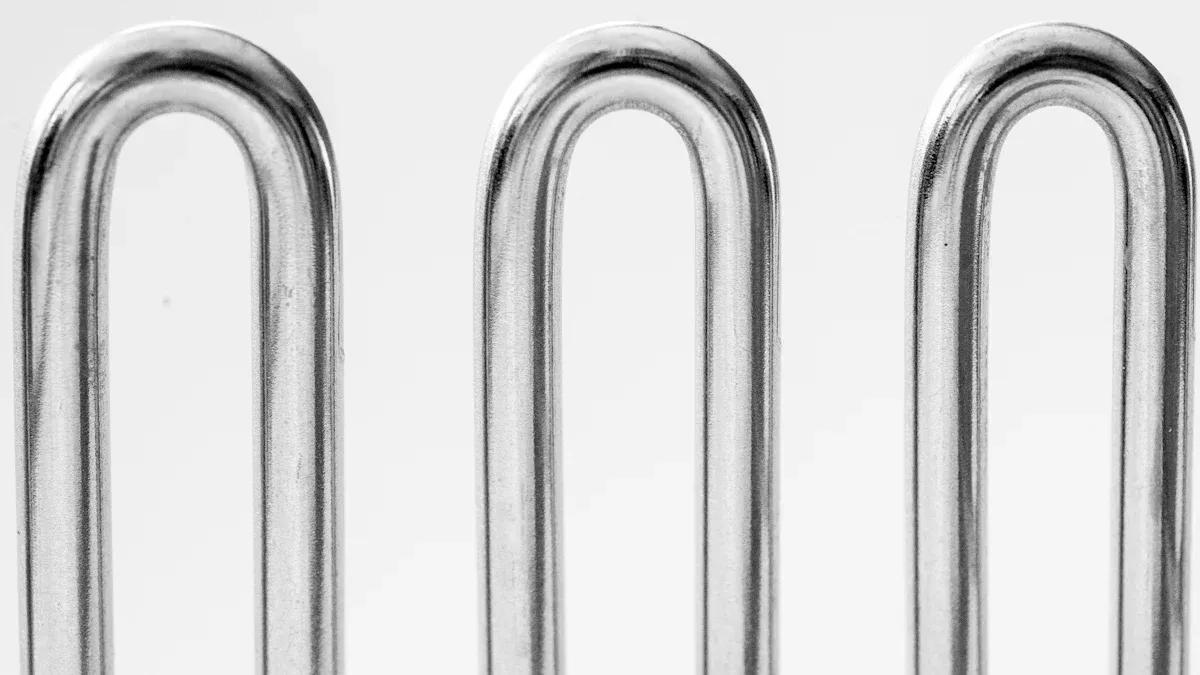
U-образные болты отличаются характерной U-образной конструкцией с двумя параллельными резьбовыми плечами, отходящими от изогнутого или прямоугольного основания. Такая геометрия позволяет им обхватывать трубы, стержни или трубки, обеспечивая надежное зажимное усилие в сочетании с гайками. Конструкция включает в себя несколько ключевых элементов:
- Резьбовые кронштейны: эти параллельные секции предназначены для установки гаек, служащих для затяжки и зажима.
- Нижняя часть: В зависимости от области применения нижняя часть может быть плоской или слегка изогнутой.
- Радиус: У U-образных болтов с закругленными углами изгиб плавный, тогда как у квадратных U-образных болтов углы образуют прямые углы.
В приведенной ниже таблице показано, что стандартная конструкция U-образного болта как описано в инженерных справочниках:
| Элемент | Пример |
|---|---|
| Тип материала | блестящая оцинкованная мягкая сталь |
| Размеры резьбы | M12 × 50 мм |
| Внутренний диаметр | 50 мм (расстояние между ножками) |
| Внутренняя высота | 120 мм |
Такая конструкция позволяет U-образным болтам обеспечивать надёжную опору и поддерживать правильное расположение деталей в различных узлах.
Распространенные материалы
Производители, как правило, изготавливают U-образные болты из материалов, отличающихся прочностью и долговечностью. К наиболее распространённым вариантам относятся:
- Сталь: этот материал обладает высокой прочностью и соответствует стандартизированным маркам, например, указанным в стандарте ISO 898-1. Инженеры часто выбирают сталь из-за её несущей способности при применении в строительстве и машиностроении.
- Нержавеющая сталь: этот сплав обладает коррозионной стойкостью и высокой прочностью, благодаря чему он подходит для использования в условиях воздействия влаги или химических веществ. U-образные болты из нержавеющей стали отлично зарекомендовали себя в морской, химической и наружной средах.
Некоторые U-образные болты также имеют защитные покрытия, такие как цинкование или гальванизация, для повышения устойчивости к ржавчине и износу под воздействием окружающей среды.
Типичные области применения в инженерии
U-образные болты используются в качестве универсальных крепежных элементов во многих отраслях промышленности. Их основная функция заключается в креплении цилиндрических или квадратных предметов к плоским поверхностям или несущим каркасам. К типичным областям применения в машиностроении относятся:
- Крепление квадратных и прямоугольных труб в конструктивных каркасах.
- Крепление компонентов прицепа, таких как системы подвески и оси, к раме.
- Монтаж компонентов двигателя и выхлопных систем в автомобильных узлах.
- Фиксация кабелепроводов и трубопроводов при выполнении электромонтажных и сантехнических работ.
- Закрепление столбов ограждений и несущих опор в ходе строительных работ.
В сфере сантехники и систем отопления, вентиляции и кондиционирования воздуха U-образные болты предотвращают вибрации и обеспечивают выравнивание труб. Специалисты в области строительства используют их для крепления двутавровых балок и каркасов, обеспечивая устойчивость зданий и мостов. Автомобильные инженеры используют U-образные болты для крепления листовых рессор, выхлопных систем и приводных валов, что способствует безопасности транспортных средств. В судостроении U-образные болты применяются для крепления трубопроводов и несущих элементов, выдерживая динамические нагрузки в суровых условиях эксплуатации.
Понимание формы, материала и области применения U-образных болтов является основой для оценки их ключевых технических характеристик и обеспечения оптимальной эффективности в инженерных проектах.
Основные технические характеристики U-образных болтов
Инженеры должны оценивать ключевые технические характеристики, когда выбор U-образных болтов для любого применения. Эти технические характеристики определяют пригодность, долговечность и общие эксплуатационные характеристики крепежных элементов в сложных условиях эксплуатации. В следующих подразделах подробно рассмотрены наиболее важные факторы.
Размеры и размерные характеристики
Точное определение размеров гарантирует надежную фиксацию U-образных болтов и обеспечение необходимой прочности для каждого проекта. Общество стандартизации производителей SP-69 (тип 24) устанавливает отраслевой стандарт в отношении размеров, гарантируя качество и стабильность.
Диаметр
Под диаметром понимается толщина плеч болта. Более крупные диаметры обеспечивают повышенную прочность и грузоподъёмность, что делает их идеальным выбором для условий экстремальной нагрузки. Стандартные диаметры для промышленного применения варьируются от M12 до M24; для специализированных проектов доступны нестандартные размеры.
Длина
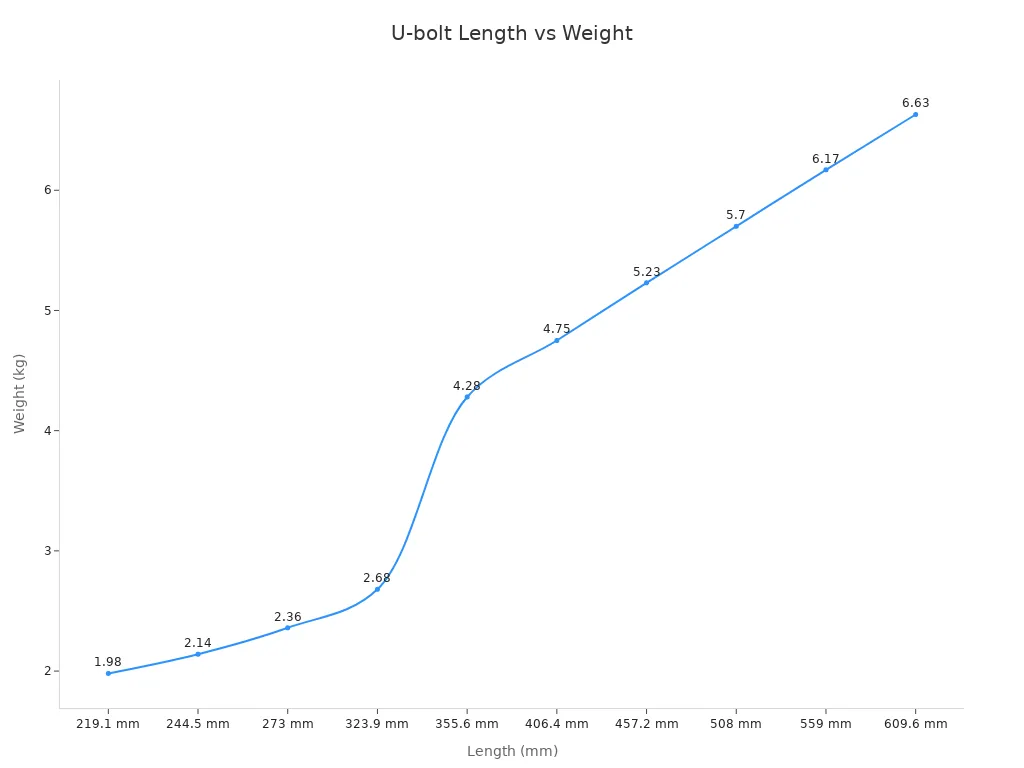
Длина определяется расстоянием от основания до конца резьбовых выступов. Более длинные болты подходят для более толстых материалов или труб большего диаметра. В приведенной ниже таблице представлены типовые размеры, указанные в технических каталогах:
| Размер (мм) | Размер резьбы | Длина (мм) | Ширина (мм) | Высота (мм) | Вес (кг) |
|---|---|---|---|---|---|
| 7 | M20 | 219.1 | 275 | 250 | 1.98 |
| 180036 | M20 | 244.5 | 300 | 275 | 2.14 |
| 180037 | M20 | 273 | 335 | 305 | 2.36 |
| 180038 | M20 | 323.9 | 385 | 355 | 2.68 |
| 180039 | M24 | 355.6 | 425 | 390 | 4.28 |
| 180040 | M24 | 406.4 | 475 | 440 | 4.75 |
| 180041 | M24 | 457.2 | 525 | 495 | 5.23 |
| 180042 | M24 | 508 | 575 | 545 | 5.70 |
| 180043 | M24 | 559 | 625 | 595 | 6.17 |
| 180044 | M24 | 609.6 | 675 | 645 | 6.63 |
Размер резьбы
Размер резьбы определяет совместимость с гайками и влияет на усилие зажима. К распространенным размерам резьбы относятся M20 и M24, которые поддерживают значительные нагрузки в энергетике, на технологических установках и в судостроении.
Внутренняя ширина
Внутренняя ширина — это расстояние между параллельными плечами. Этот размер должен соответствовать диаметру трубы или закрепляемого объекта. Стандартные значения ширины варьируются от 275 мм до 675 мм, что позволяет закреплять трубы диаметром от 1/2″ до 36″.
Внутренняя высота
Внутренняя высота — это вертикальное расстояние между основанием и верхней кромкой подлокотников. Инженеры выбирают высоту с учетом толщины материала и необходимого зазора. Высота, указанная в каталогах, варьируется от 250 мм до 645 мм.
Совет: Правильный подбор размеров с учетом условий эксплуатации позволяет избежать перекосов и обеспечивает оптимальное распределение нагрузки.
Классы и типы материалов U-образных болтов
Правильный выбор класса прочности и типа материала U-образных болтов имеет решающее значение для обеспечения требуемой прочности и коррозионной стойкости. Инженеры должны учитывать механические свойства материалов и условия эксплуатации.
Марки углеродистой стали
Углеродистая сталь отличается естественной прочностью и доступностью. Она легко поддается механической обработке и широко используется для изготовления крепежных элементов общего назначения. Однако ей не хватает коррозионной стойкости, из-за чего она менее подходит для влажных условий эксплуатации, если не имеет защитного покрытия.
| Марка стали | Коррозионная стойкость | Механические свойства |
|---|---|---|
| Углеродистая сталь | Подвержен ржавчине и коррозии, особенно во влажной среде. | Более прочная, чем обычная легированная сталь, но менее пластичная. |
- Преимущества: легко поддается механической обработке, прочный, экономичный.
- Недостатки: Не обладает коррозионной стойкостью, менее пластичен.
Марки нержавеющей стали
Нержавеющая сталь обладает высокой коррозионной стойкостью и сохраняет свои свойства даже при появлении царапин. Она отлично подходит для использования в морских, химических и наружных условиях. Хотя она и немного уступает по прочности закаленной стали, она остается надежным выбором для условий, где существует риск появления ржавчины.
| Марка стали | Коррозионная стойкость | Механические свойства |
|---|---|---|
| Нержавеющая сталь | Обладает высокой коррозионной стойкостью; не теряет своих свойств при появлении царапин. | Немного прочнее незакаленной стали, но менее прочная, чем закаленная сталь. |
- Преимущества: Сохраняет коррозионную стойкость, идеально подходит для эксплуатации в суровых условиях.
- Недостатки: подвержен задирам, не так прочен, как углеродистая сталь 8-го класса.
Марки легированной стали
Легированная сталь сочетает в себе коррозионную стойкость и хорошие свойства при холодной деформации. Для достижения максимальной прочности она требует термической обработки. Инженеры используют крепежные детали из легированной стали в условиях эксплуатации, где требуются как долговечность, так и гибкость.
| Марка стали | Коррозионная стойкость | Механические свойства |
|---|---|---|
| Легированная сталь | Устойчив к ржавчине и коррозии даже во влажной среде. | Не такая прочная, как углеродистая сталь без термообработки. |
- Преимущества: Устойчив к коррозии, подходит для холодной штамповки.
- Недостатки: более дорогой, для обеспечения высокой прочности требует термообработки.
Другие варианты материалов
Титановые U-образные болты обладают врождённой коррозионной стойкостью а также восстанавливают защитное оксидное покрытие в случае его повреждения. Эти крепежные элементы отлично подходят для применения в прибрежных и морских условиях, обеспечивая более длительные интервалы между техническими обслуживаниями и снижение затрат на протяжении всего срока службы.
Покрытия и отделка
Покрытия и отделочные покрытия защищают U-образные болты от коррозии и продлевают срок их службы, особенно в суровых условиях эксплуатации. Инженеры должны выбирать подходящее отделочное покрытие с учетом области применения и условий эксплуатации.
Оцинкованные покрытия
Горячее цинкование обеспечивает превосходную коррозионную стойкость за счет образования толстого защитного слоя цинка. Данный процесс подходит для применения на открытом воздухе, а также в условиях повышенной влажности или воздействия химических веществ.
| Тип покрытия | Коррозионная стойкость | Пригодность для эксплуатации в суровых условиях |
|---|---|---|
| Горячее цинкование | Отличная | Подходит для использования на открытом воздухе |
- Диапазон размеров: трубы от 1/2″ до 36″
- Материал: углеродистая сталь
- Отделка: черная, оцинкованная или с покрытием в соответствии с требованиями заказчика
Оцинкованные поверхности
При цинковании наносится более тонкий защитный слой с использованием электричества. Этот метод наиболее эффективен при применении в помещениях, где воздействие влаги ограничено. Электрооцинкование обеспечивает умеренную коррозионную стойкость и позволяет сохранить точность размеров.
| Тип покрытия | Коррозионная стойкость | Пригодность для эксплуатации в суровых условиях |
|---|---|---|
| Гальваническое цинкование | Умеренная | Обеспечивает более высокую точность размеров |
Варианты с горячим цинкованием
U-образные болты, подвергнутые горячему цинкованию, выдерживают воздействие агрессивных сред и обеспечивают долговечность. Процесс заключается в погружении болтов в расплавленный цинк, в результате чего образуется прочное покрытие, устойчивое к ржавчине и химическому воздействию.
- Цинко-никелевое покрытие обладает превосходной стойкостью к воздействию солевого тумана и не содержит кадмия, благодаря чему оно подходит для применения в аэрокосмической и оборонной отраслях.
- Покрытия из цинковых чешуек предотвращают водородное охрупчивание, что делает их идеальным решением для высокопрочных крепежных элементов.
Специальные покрытия
Инженеры могут указать специальные варианты отделки для удовлетворения особых требований. Возможные варианты:
- Химическое никелирование для прецизионных крепежных деталей и датчиков.
- Покрытие из чёрного оксида для обеспечения базовой коррозионной стойкости в менее агрессивных средах.
- Хромирование для обеспечения исключительной твердости поверхности и превосходной коррозионной стойкости.
- Фторполимерные и термопластичные покрытия, обеспечивающие устойчивость к экстремальным температурам и гальванической коррозии.
Примечание: Выбор подходящего покрытия или отделки напрямую влияет на срок службы и эксплуатационные характеристики U-образных болтов в сложных условиях эксплуатации.
Номинальные нагрузки и прочность
При выборе U-образных болтов для критически важных применений инженеры должны учитывать номинальные нагрузки и прочность. Эти ключевые характеристики гарантируют, что крепежные элементы соответствуют требованиям по нагрузке для каждого проекта и сохраняют целостность конструкции под нагрузкой. Прочность U-образных болтов зависит от ряда факторов, в том числе от материала, размера и марки.
Предел прочности на растяжение
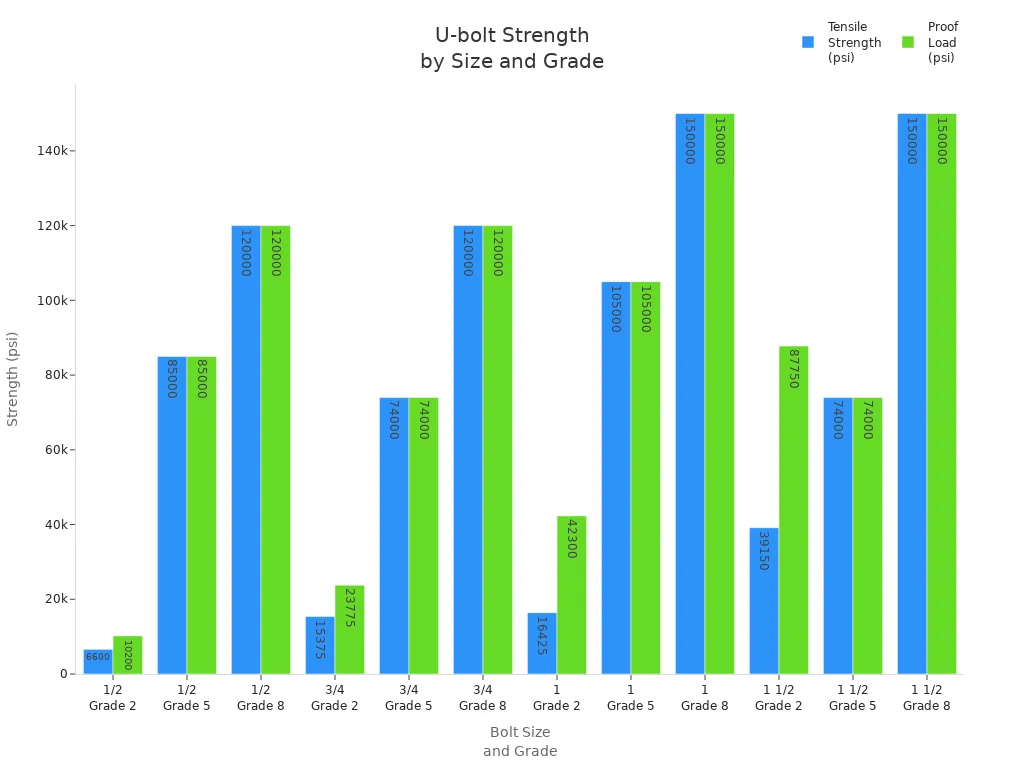
Прочность на разрыв характеризует максимальную силу, которую U-образный болт способен выдержать до разрушения. Это свойство имеет решающее значение для условий эксплуатации, в которых болт подвергается высоким растягивающим или динамическим нагрузкам. Классы прочности U-образных болтов, такие как класс 5 и класс 8, отличаются значения предела прочности на разрыв, которые инженеры должны подбирать с учетом требований конкретной установки. В приведенной ниже таблице представлены типичные значения предела прочности на разрыв для болтов различных размеров и марок:
| Размер болта (дюймы) | Класс прочности | Прочность на растяжение (фунт/кв. дюйм) | Испытательная нагрузка (фунты на квадратный дюйм) |
|---|---|---|---|
| 1/2 | 2 | 6600 | 10200 |
| 1/2 | 5 | 85000 | 85000 |
| 1/2 | 8 | 120000 | 120000 |
| 3/4 | 2 | 15375 | 23775 |
| 3/4 | 5 | 74000 | 74000 |
| 3/4 | 8 | 120000 | 120000 |
| 1 | 2 | 16425 | 42300 |
| 1 | 5 | 105000 | 105000 |
| 1 | 8 | 150000 | 150000 |
| 1 1/2 | 2 | 39150 | 87750 |
| 1 1/2 | 5 | 74000 | 74000 |
| 1 1/2 | 8 | 150000 | 150000 |
На прочность на разрыв также влияет материал. U-образные болты из нержавеющей стали, как правило, обладают прочностью на разрыв в диапазоне от 65 000 до 100 000 psi, тогда как крепежные детали из кремниевой бронзы и алюминия демонстрируют более низкие показатели. В приведенной ниже таблице отражены эти различия:
| Материал | Диапазон размеров | Минимальная прочность на разрыв (фут-фунтов на квадратный дюйм) | Типичная предел прочности при растяжении (фунты на квадратный дюйм) |
|---|---|---|---|
| Нержавеющая сталь | Все размеры до 1″ | 20,000 | 65 000 – 100 000 |
| Кремниевая бронза | от 1/4″ до 3/4″ | 55,000 | 70,000 |
| Алюминий | Все размеры | 36,000 | 55,000 |
Инженеры должны всегда убеждаться, что выбранный класс прочности и материал U-образного болта соответствуют требованиям к пределу прочности на разрыв для предполагаемого применения.
Предел текучести
Предел текучести определяет максимальное напряжение, которое может выдержать U-образный болт, прежде чем он начнет необратимо деформироваться. Это значение имеет решающее значение для случаев применения, когда болты должны сохранять свою форму при повторяющихся или длительных нагрузках. Высокопрочные марки стали, такие как марка 8, обладают превосходным пределом текучести, что делает их пригодными для использования в сложных условиях эксплуатации. Правильный выбор предела текучести предотвращает растяжение или разрушение крепежных элементов под воздействием чрезмерных нагрузок.
Предел Рабочей Нагрузки (Working Load Limit)
Предельно допустимая нагрузка (WLL) представляет собой максимальную нагрузку, которую U-образный болт может безопасно выдерживать при нормальной эксплуатации. Инженеры определяют это значение с помощью испытания конструкций и численный анализ. Например, в ходе испытаний с использованием привода мощностью 2,5 МН измеряются нагрузки, при которых происходит разрушение U-образных болтов под действием горизонтальной силы. Затем с помощью численного анализа проводится сравнение этих результатов с целью уточнения норм безопасной рабочей нагрузки. В приведенной ниже таблице представлены методы, используемые для определения безопасной рабочей нагрузки (WLL):
| Тип доказательства | Описание |
|---|---|
| Испытания конструкций | Испытания, проведенные с использованием привода усилием 2,5 МН для определения разрушающих нагрузок на U-образные болты при воздействии горизонтальной силы. |
| Численный анализ | Нелинейный численный анализ в сопоставлении с результатами испытаний конструкции с целью определения несущей способности. |
| Пересмотр стандартов | Результаты исследований указывают на необходимость пересмотра значения безопасной рабочей нагрузки (SWL) с учетом экспериментальных данных. |
Примечание: Для обеспечения безопасности и надлежащей эксплуатации всегда следует выбирать U-образные болты, предельная рабочая нагрузка которых превышает предполагаемую нагрузку.
Типы резьбы и стандарты
Выбор типа резьбы играет решающую роль в обеспечении совместимости и монтаже U-образных болтов. Инженеры должны подобрать типы нитей вплоть до гаек и монтажных инструментов, необходимых для обеспечения прочных и надежных соединений.
Темы UNC
Резьба UNC (Unified National Coarse) является наиболее распространенным типом резьбы для U-образных болтов в Северной Америке. Эта резьба отличается большим шагом, что обеспечивает более быструю сборку и повышенную устойчивость к срыву резьбы. Резьба UNC соответствует стандартам ASME и ISO, что гарантирует совместимость со стандартными гайками и инструментами.
Резьба UNF
Резьба UNF (Unified National Fine) имеет меньший шаг по сравнению с резьбой UNC. Такая конструкция обеспечивает более плотное прилегание и более высокую удерживающую способность, благодаря чему резьба UNF подходит для применений, требующих высокой точности и виброустойчивости. Резьба UNF также соответствует стандартам ASME и ISO.
Метрическая резьба
Метрические резьбы, регулируемые стандартами ISO и DIN, широко используются в международной практике. Эти резьбы основаны на миллиметровой системе мер и обеспечивают стандартизированный подход к реализации глобальных инженерных проектов. Метрические резьбы гарантируют совместимость с метрическими гайками и монтажным оборудованием.
В приведенной ниже таблице представлены основные типы резьбы и соответствующие стандарты:
| Типы резьбы | Стандарты |
|---|---|
| UNC, UNF, ISO, BSW, ACME | ASME, BS, DIN, ISO, UNI, DIN-EN |
При выборе типов резьбы инженеры должны учитывать следующее:
- Правильный выбор типа резьбы имеет решающее значение для обеспечения совместимости с гайками и монтажными инструментами при использовании U-образных болтов.
- Для различных типов резьбы, таких как UNC и UNF, существуют особые правила совместимости, которые необходимо соблюдать.
- Использование внешнего болта с резьбой типа J в сочетании со стандартной резьбовой гайкой не допускается из-за возможных проблем с посадкой.
- Внутренние резьбы типа J Гайка может использоваться со стандартными болтами с резьбой UNC или UNF.
- Выбор между мелкой и крупной резьбой может повлиять на надежность закрепления и прочность соединения с помощью U-образного болта.
Совет: Всегда проверяйте совместимость резьбы, чтобы избежать ошибок при монтаже и обеспечить оптимальную работу крепежных элементов в эксплуатационных условиях.
Соответствие стандартам ASTM и другим техническим требованиям
Стандарты ASTM для U-образных болтов
Инженеры опираются на стандарты ASTM для обеспечения безопасности и надежности U-образных болтов в критически важных областях применения. Эти стандарты ASTM определяют свойства материалов, процессы производства и протоколы испытаний крепежных элементов. Каждый тип материала, используемый в U-образных болтах, должен соответствовать конкретным стандартам ASTM, чтобы гарантировать стабильные эксплуатационные характеристики. Например, U-образные болты из нержавеющей стали должны соответствовать стандартам ASTM 182, ASTM 193 и ASTM 194. Варианты из углеродистой стали должны соответствовать стандартам ASTM 193 и ASTM 194. U-образные болты из легированной стали должны соответствовать стандарту ASTM 320. В приведенной ниже таблице представлены основные Стандарты ASTM для различных материалов:
| Тип материала | Стандарты ASTM |
|---|---|
| Нержавеющая сталь | ASTM 182, ASTM 193, ASTM 194 |
| Углеродистая сталь | ASTM 193, ASTM 194 |
| Легированная сталь | ASTM 320 |
| Латунь | Н/Д |
| Медь | Н/Д |
| Дуплекс и супердуплекс | Н/Д |
| Алюминий | Н/Д |
| Хастеллой | Н/Д |
| Инколой | Н/Д |
| Инконель | Н/Д |
| Монель | Н/Д |
| Болт с высокой прочностью на разрыв | Н/Д |
| Купроникель | Н/Д |
| Никелевый сплав | Н/Д |
Эти стандарты ASTM помогают инженерам выбирать подходящий сорт и материал для каждого проекта. Они также содержат рекомендации по испытаниям на прочность при растяжении, предел текучести и относительное удлинение. Соблюдая стандарты ASTM, инженеры снижают риск отказа в сложных условиях эксплуатации.
Примечание: Перед монтажом всегда убедитесь, что выбранные U-образные болты соответствуют последним стандартам ASTM.
Стандарты ISO
Международные проекты часто требуют соблюдения Стандарты ISO. Эти стандарты посвящены свойствам материалов и требованиям к испытаниям, аналогичным стандартам ASTM. Стандарт ISO 898-1 распространяется на углеродистые сплавы, а стандарт ISO 3506-1 — на нержавеющую сталь. Оба стандарта определяют предел прочности при растяжении, предел текучести, относительное удлинение и твердость. В приведенной ниже таблице представлено сравнение основных стандартов ISO и ASTM:
| Стандартный | Свойства материала | Требования к тестированию |
|---|---|---|
| ISO 898-1 | Углеродные сплавы | Определяет предел прочности при растяжении, предел текучести, относительное удлинение и твердость |
| ISO 3506-1 | Нержавеющая сталь | Определяет предел прочности при растяжении, предел текучести, относительное удлинение и твердость |
| ASTM A194 | Углеродистая и легированная сталь | Определяет предел прочности при растяжении, предел текучести, относительное удлинение и твердость |
| ASTM A563 | Кованые металлы | Определяет предел прочности при растяжении, предел текучести, относительное удлинение и твердость |
Стандарты ISO гарантируют стабильное качество U-образных болтов на международных рынках. При работе над международными проектами инженеры должны учитывать как стандарты ASTM, так и стандарты ISO.
Другие соответствующие технические стандарты
Помимо стандартов ASTM и ISO, к U-образным болтам могут применяться и другие технические стандарты. К ним относятся стандарты ASME, DIN и BS. Каждый набор стандартов устанавливает конкретные требования к размерам, резьбе и покрытиям. Инженерам следует ознакомиться с техническими условиями проекта, чтобы определить, какие стандарты ASTM и дополнительные стандарты применимы в данном случае. Соблюдение всех соответствующих стандартов ASTM гарантирует, что U-образные болты будут соответствовать требованиям безопасности, качества и эксплуатационных характеристик в любой области применения.
Совет: Регулярно ознакомьтесь с обновлениями стандартов ASTM и других стандартов, чтобы обеспечить их соблюдение и избежать дорогостоящих ошибок.
Как выбрать подходящий U-образный болт для ваших задач
Соответствие ключевых технических характеристик требованиям конкретного применения
Инженеры должны учитывать ряд важнейших факторов при выбор U-образных болтов для конкретных проектов. Каждое применение сопряжено с уникальными сложностями, поэтому выбор подходящих технических характеристик обеспечивает как безопасность, так и эффективность. При выборе руководствуются следующими критериями:
- Требования к нагрузке: Инженеры оценивают предполагаемую нагрузку на крепежные элементы. В условиях высоких нагрузок требуется использовать U-образные болты более высокого класса прочности, чтобы предотвратить поломки и обеспечить сохранность конструкции.
- Условия окружающей среды: Условия эксплуатации влияют на выбор материала. Влажность, перепады температуры и воздействие химических веществ могут привести к износу болтов. В суровых условиях эксплуатации крайне важно выбирать коррозионно-стойкие марки стали или наносить защитные покрытия.
- Вибрация и удары: На некоторых установках возникают частые вибрации или ударные нагрузки. В таких случаях инженеры выбирают U-образные болты с высокой усталостной прочностью, чтобы продлить срок службы и избежать преждевременного выхода из строя.
- Отраслевые стандарты: Во многих отраслях промышленности действуют специальные стандарты, касающиеся крепежных элементов. Соблюдение этих стандартов обеспечивает соответствие требованиям и повышает уровень безопасности.
- Вопросы, связанные с затратами: Хотя материалы более высокого класса обеспечивают лучшие эксплуатационные характеристики, они зачастую стоят дороже. Инженерам необходимо найти баланс между требованиями к эксплуатационным характеристикам и бюджетными ограничениями, чтобы разработать экономически эффективные решения.
Совет: Перед тем как окончательно определиться с классом прочности и материалом U-образных болтов, всегда следует учитывать нагрузку на конструкцию, условия эксплуатации и нормативные требования.
Таблица поможет сравнить основные параметры технических характеристик:
| Критерии отбора | Почему это важно | Пример решения |
|---|---|---|
| Требования к нагрузке | Предотвращает разрушение конструкции | Для тяжелой техники используйте класс 8 |
| Факторы окружающей среды | Предотвращает коррозию и износ | Выбирайте изделия из нержавеющей стали для использования на открытом воздухе |
| Вибрация/удары | Снижает риск разрушения от усталости | Выберите износостойкий сплав |
| Отраслевые стандарты | Обеспечивает соблюдение требований и безопасность | Следуйте рекомендациям ASTM или ISO |
| Стоимость | Обеспечивает баланс между результатами деятельности и бюджетом | По возможности выбирайте углеродистую сталь |
Распространенные ошибки при отборе, которых следует избегать
Даже опытные инженеры иногда допускают ошибки при подборе U-образных болтов. Эти ошибки могут поставить под угрозу безопасность, привести к увеличению затрат или вызвать задержки при монтаже. К наиболее распространенным проблемам относятся:
- Измерение внешней ширины вместо внутренней ширины, что приводит к слишком свободному или слишком узкому крою.
- Неучёт длины резьбы, которая имеет решающее значение для обеспечения надлежащей силы зажима.
- Применение неправильного момента затяжки при монтаже, что может привести к повреждению резьбы или ослаблению зажимов со временем.
- Неучёт толщины покрытия, особенно в случае оцинкованных или покрытых крепежных элементов, приводит к ошибкам в определении размеров.
- Смешивание метрических и британских единиц измерения может привести к проблемам с совместимостью. Инженеры должны всегда использовать единый стандарт измерения на протяжении всего проекта.
Примечание: Внимательное отношение к деталям измерений и правилам монтажа помогает избежать дорогостоящих ошибок и обеспечивает надежную работу.
Выбор подходящих марок U-образных болтов и крепежных элементов для каждого конкретного случая применения требует глубокого понимания как технических требований, так и типичных ошибок. Следуя этим рекомендациям, инженеры смогут обеспечить максимальную безопасность, соответствие нормативным требованиям и долговечность своих конструкций.
Установка и рекомендации по эксплуатации
Правильные методы монтажа
Инженеры признают, что правильная установка U-образных болтов непосредственно влияет на безопасность и долговечность любой сборки. Для обеспечения надежной работы они выполняют ряд важных шагов:
- Подготовка поверхности является первоочередной задачей. Бригады очищают и высушивают все контактные поверхности, удаляя масло, грязь и другие загрязнения. Этот этап усиливает сцепление между U-образным болтом и крепляемым объектом, снижая риск проскальзывания или коррозии.
- Технические специалисты всегда соблюдают указанные производителем значения момента затяжки. Затяжка с соблюдением правильного момента позволяет избежать концентрации напряжений и неравномерного давления. Чрезмерная затяжка может привести к деформации U-образного болта или зажимаемого материала, а недостаточная затяжка — к смещению и, в конечном итоге, к выходу из строя.
- Использование подходящих шайб и гаек по-прежнему имеет решающее значение. Шайбы и гайки из нержавеющей стали или с оцинкованным покрытием создают защитный барьер против коррозии. Кроме того, эти детали равномерно распределяют зажимное усилие, что способствует сохранению целостности соединения на протяжении длительного времени.
Совет: Всегда используйте откалиброванные динамометрические ключи, чтобы обеспечить точное затягивание и избежать приблизительных оценок при монтаже.
Монтажники следят за тем, чтобы U-образные болты плотно обхватывали объект без применения чрезмерного усилия. Они избегают чрезмерного затягивания, которое может привести к повреждению как самого крепежа, так и закрепленного предмета. Правильное совмещение плеч U-образного болта с монтажными отверстиями предотвращает возникновение ненужных нагрузок и продлевает срок службы.
Руководство по осмотру и техническому обслуживанию
Регулярные осмотры и техническое обслуживание обеспечивают безопасную работу U-образных болтов на протяжении всего срока их службы. Инженеры применяют следующие передовые методы:
- Регулярные проверки помогают выявить ранние признаки коррозии, износа или ослабления. Бригады проводят визуальный осмотр каждого U-образного болта на наличие ржавчины, трещин или деформации.
- Очистка и смазка U-образных болтов предотвращают заклинивание и обеспечивают плавную работу. Смазка также облегчает последующую регулировку и снижает риск повреждения резьбы.
- Периодическая подтяжка U-образных болтов по мере необходимости обеспечивает надежную фиксацию. Вибрации и температурные перепады могут со временем привести к ослаблению гаек, поэтому необходимо проводить периодические проверки.
- Незамедлительная замена поврежденных или изношенных U-образных болтов обеспечивает постоянную безопасность. Инженеры никогда не игнорируют неисправные крепежные элементы, поскольку их отказ может привести к дорогостоящему ремонту или возникновению опасных ситуаций.
Примечание: Во время технического обслуживания избегайте чрезмерного затягивания. Чрезмерное усилие может привести к деформации закрепляемого элемента или повреждению резьбы, что снизит надежность соединения.
Технические бригады ведут документацию по каждому осмотру и отслеживают состояние всех U-образных болтов, находящихся в эксплуатации. Такой проактивный подход позволяет своевременно принимать меры и обеспечивает соблюдение стандартов безопасности. Соблюдая эти рекомендации, инженеры максимально повышают надежность и продлевают срок службы конструкций с U-образными болтами в любых условиях эксплуатации.
Распространенные проблемы и их решения при использовании U-образных болтов
Решение проблем, связанных с коррозией
При работе с U-образными болтами инженеры часто сталкиваются с проблемой коррозии, особенно в условиях повышенной влажности или воздействия химических веществ. Ржавчина и коррозия ослабляют крепеж, снижая его несущую способность и создавая риск разрушения конструкции. Влага, соль и промышленные химикаты ускоряют этот процесс. Для борьбы с этими угрозами инженеры выбирают коррозионно-стойкие материалы таких как нержавеющая сталь, или наносить защитные покрытия, например, гальваническое покрытие и цинкование. Регулярные осмотры помогают выявить ранние признаки коррозии, что позволяет своевременно произвести замену или техническое обслуживание. Благодаря сочетанию правильного выбора материала, обработки поверхности и плановых проверок специалисты продлевают срок службы U-образных болтов и обеспечивают безопасность в критически важных условиях эксплуатации.
Совет: Планируйте проведение периодических осмотров и применяйте антикоррозионные покрытия для предотвращения непредвиденных отказов в суровых условиях эксплуатации.
Предотвращение сбоев при нагрузке
Сбои в подаче груза создают значительные риски в Установка U-образных болтов. Этим сбоям способствуют несколько факторов, но инженеры могут устранить каждый из них с помощью целенаправленных решений:
- Ослабление: Вибрация или недостаточная начальная затяжка часто приводят к ослаблению U-образных болтов. Инженеры используют стопорные гайки или резьбовые фиксаторы для обеспечения надежности соединений.
- Коррозия и ржавчина: Влажность и химические вещества со временем приводят к ослаблению U-образных болтов. Выбор коррозионно-стойких материалов и нанесение защитных покрытий позволяют снизить этот риск.
- Усталостное и стрессовое растрескивание: Повторяющиеся нагрузки или чрезмерные напряжения приводят к появлению трещин и, в конечном итоге, к разрушению. Устойчивые к усталостным нагрузкам материалы и оптимизированные размеры U-образных болтов повышают долговечность.
- Неправильная регулировка и распределение нагрузки: Неправильное выравнивание U-образных болтов или неравномерное распределение нагрузки приводят к преждевременному выходу из строя. Обеспечение правильного выравнивания и равномерного распределения нагрузки позволяет избежать этих проблем.
- Недостаточное усилие зажима: Недостаточная затяжка приводит к проскальзыванию или плохому сцеплению. Инженеры используют динамометрические ключи для обеспечения точного усилие затяжки.
В приведенной ниже таблице представлены основные причины сбоев при загрузке и способы их устранения:
| Причина | Решение |
|---|---|
| Ослабление | Контргайки, резьбовые фиксаторы |
| Коррозия и ржавчина | Коррозионно-стойкие материалы, покрытия |
| Усталостное и стрессовое растрескивание | Устойчивые к усталостному износу материалы, правильный подбор размеров |
| Несоосность | Правильное выравнивание, равномерное распределение нагрузки |
| Недостаточное усилие зажима | Динамометрические ключи, правильная затяжка |
Решение проблем, связанных с несоосностью
Несоосность по-прежнему остается частой проблемой при использовании U-образных болтов. Когда U-образные болты не совпадают по оси с крепляемым объектом или монтажными отверстиями, возникают концентрации напряжений, приводящие к деформации или разрушению. Инженеры решают эту проблему, тщательно измеряя и размечая точки установки перед затяжкой. Они используют инструменты для выравнивания и шаблоны, чтобы обеспечить параллельность между плечами U-образного болта и объектом. Правильное выравнивание обеспечивает равномерное распределение нагрузок, снижает износ и увеличивает срок службы как крепежа, так и всей сборки. Специалисты также проверяют выравнивание во время плановых осмотров, корректируя любые смещения, вызванные вибрацией или тепловым расширением.
Примечание: Точное выравнивание при монтаже и регулярные проверки позволяют избежать дорогостоящих ремонтов и продлить срок службы узлов с U-образными болтами.
Примеры из реальной жизни и тематические исследования
U-образные болты в трубопроводных системах
Инженеры часто используют U-образные болты для крепления трубопроводов в промышленности и на транспорте. Эти крепежные элементы обеспечивают правильное расположение и предотвращают вибрацию в топливные магистрали, гидравлические трубопроводы, а также кабельные жгуты. В самолетах, на кораблях и в наземных транспортных средствах U-образные болты используются для обеспечения надежной подачи жидкостей в условиях нагрузки. В мобильных командных пунктах U-образные болты применяются для фиксации кабельных жгутов в стабильном положении при частых перемещениях. Крепления спутниковых антенн и опорные кронштейны радиолокационных станций в системах полевого развертывания также выигрывают от использования каркасных конструкций с U-образными болтами.
В приведенной ниже таблице представлены основные области применения:
| Тип применения | Описание |
|---|---|
| Крепление топливопровода и гидравлического шланга | Используется в самолётах, кораблях и наземных транспортных средствах для обеспечения надёжной подачи жидкости в условиях нагрузки. |
| Узлы подвески | Необходим для фиксации листовых рессор и амортизаторов в наземных транспортных средствах и прицепах. |
| Кабельные пучки и жгуты проводов | Важно для надежной фиксации электропроводки в мобильных командных пунктах, подверженных частым перемещениям. |
| Структурированная компоновка | Используется в креплениях для спутниковых антенн и опорных кронштейнах радиолокационных станций для систем полевого развертывания. |
Инженеры знают, что правильный подбор размеров и материалов позволяет предотвратить отказы, вызванные вибрацией и коррозией. Регулярные осмотры и техническое обслуживание продлевают срок службы U-образных болтов в таких сложных условиях эксплуатации.
U-образные болты в автомобилестроении
Автомобильные инженеры используют U-образные болты для крепления узлов подвески и колесных агрегатов. В ходе исследований изучались отказ U-образных болтов в автомобильных колесах, уделяя особое внимание эксплуатационным характеристикам при циклических нагрузках. U-образные болты, изготовленные из бористой стали марки 10B21, демонстрируют разные результаты в зависимости от свойств материала. Более высокое содержание углерода в стержнях, поставляемых от определенных производителей, повышает хрупкость, что может привести к преждевременному разрушению. Изменение параметров термообработки позволяет устранить эти проблемы, связанные с хрупкостью, и повысить долговечность.
В приведенной ниже таблице представлены основные выводы:
| Аспект | Детали |
|---|---|
| Основные направления исследования | Исследует причины разрушения U-образных болтов в автомобильных колесах, в частности при циклических нагрузках. |
| Проанализированный материал | U-образные болты из бористой стали марки 10B21. |
| Основные выводы | Более высокое содержание углерода в стержнях из источника Y привело к повышению хрупкости. |
| Предложения по улучшению | Изменены параметры термообработки с целью устранения проблем с хрупкостью, выявленных в исходном материале Y. |
Применение в автомобилестроении демонстрирует важность анализа материалов и контроля технологических процессов. Инженеры понимают, что правильный выбор марки стали и оптимизация термической обработки позволяют предотвратить отказы и повысить безопасность автомобилей.
U-образные болты в строительстве
Инженеры-строители используют U-образные болты для крепления балок, фиксации каркасов и поддержки тяжелого оборудования. Строительные бригады устанавливают U-образные болты в мостах, зданиях и башнях для обеспечения правильного расположения конструкций и сопротивления динамическим нагрузкам. U-образные болты обеспечивают надежную опору как для временных, так и для постоянных сооружений. При монтаже на объекте бригады выбирают коррозионно-стойкие покрытия, способные выдерживать суровые погодные условия и воздействие окружающей среды.
- U-образные болты служат для крепления двутавровых балок при строительстве мостов.
- Рабочие бригады используют U-образные болты для крепления строительных лесов и временных опор.
- Для надёжного крепления тяжелой техники используются U-образные болты.
Правильный монтаж и регулярные проверки позволяют гарантировать, что U-образные болты сохранят свою конструктивную целостность на протяжении длительного времени. Инженеры уделяют первостепенное внимание контролю качества и соответствие отраслевым стандартам для обеспечения долгосрочной надежности.
U-образные болты играют важнейшую роль в креплении конструктивных элементов и оборудования. Инженеры, разбирающиеся в основных технических характеристиках, могут выберите подходящие крепежные элементы требования к проекту. Выбор материала надлежащего класса и соблюдение стандартов ASTM гарантируют безопасность и надежность.
- U-образные болты влияют на целостность конструкции конструкций.
- Высококачественные крепежные детали сводят к минимуму риски и продлевают срок службы.
- Использование некачественных болтов может привести к поломкам.
- Правильное составление технических условий способствует соблюдению требований безопасности.
- Правильный выбор снижает риски.
Частые вопросы
В чём заключается основное назначение U-образного болта?
U-образный болт служит для крепления труб, стержней или кабелей к поверхностям. Инженеры используют его для обеспечения правильного расположения и устойчивости узлов в строительстве, автомобилестроении и промышленности.
Как инженеры правильно измеряют U-образный болт?
Инженеры измеряют внутреннюю ширину и высоту между ножками, диаметр подлокотников, а также длину от основания до конца резьбы. Точные измерения гарантируют правильную посадку и равномерное распределение нагрузки.
Какие материалы обеспечивают наилучшую коррозионную стойкость для U-образных болтов?
Нержавеющая сталь и титан обеспечивают превосходную коррозионную стойкость. Оцинкованные покрытия также защищают U-образные болты из углеродистой стали в агрессивных средах.
Совет: Выбирайте нержавеющую сталь для применения в морской или химически активной среде.
Каким стандартам должны соответствовать U-образные болты?
U-образные болты должны соответствовать стандартам ASTM, ISO или ASME. Эти стандарты определяют свойства материалов, размеры и требования к испытаниям для обеспечения безопасности и надежности.
| Стандартный | Область применения |
|---|---|
| ASTM | Северная Америка |
| ISO | Международные |
| ASME | Механические |
Могут ли инженеры использовать U-образные болты для конструкционной поддержки?
Да. Инженеры используют U-образные болты для крепления балок, фиксации каркасов и поддержки тяжелого оборудования в зданиях, мостах и башнях.
Как часто следует проводить осмотр U-образных болтов?
Периодичность осмотра зависит от области применения и условий эксплуатации. Инженеры рекомендуют проводить визуальную проверку каждые шесть месяцев на предмет коррозии, износа или ослабления крепления.
Что чаще всего вызывает отказ U-образных болтов?
Большинство отказов вызвано коррозией, неправильной установкой и перекосом. Инженеры предотвращают проблемы путем выбора подходящих материалов, соблюдения инструкций по монтажу и проведения регулярного технического обслуживания.