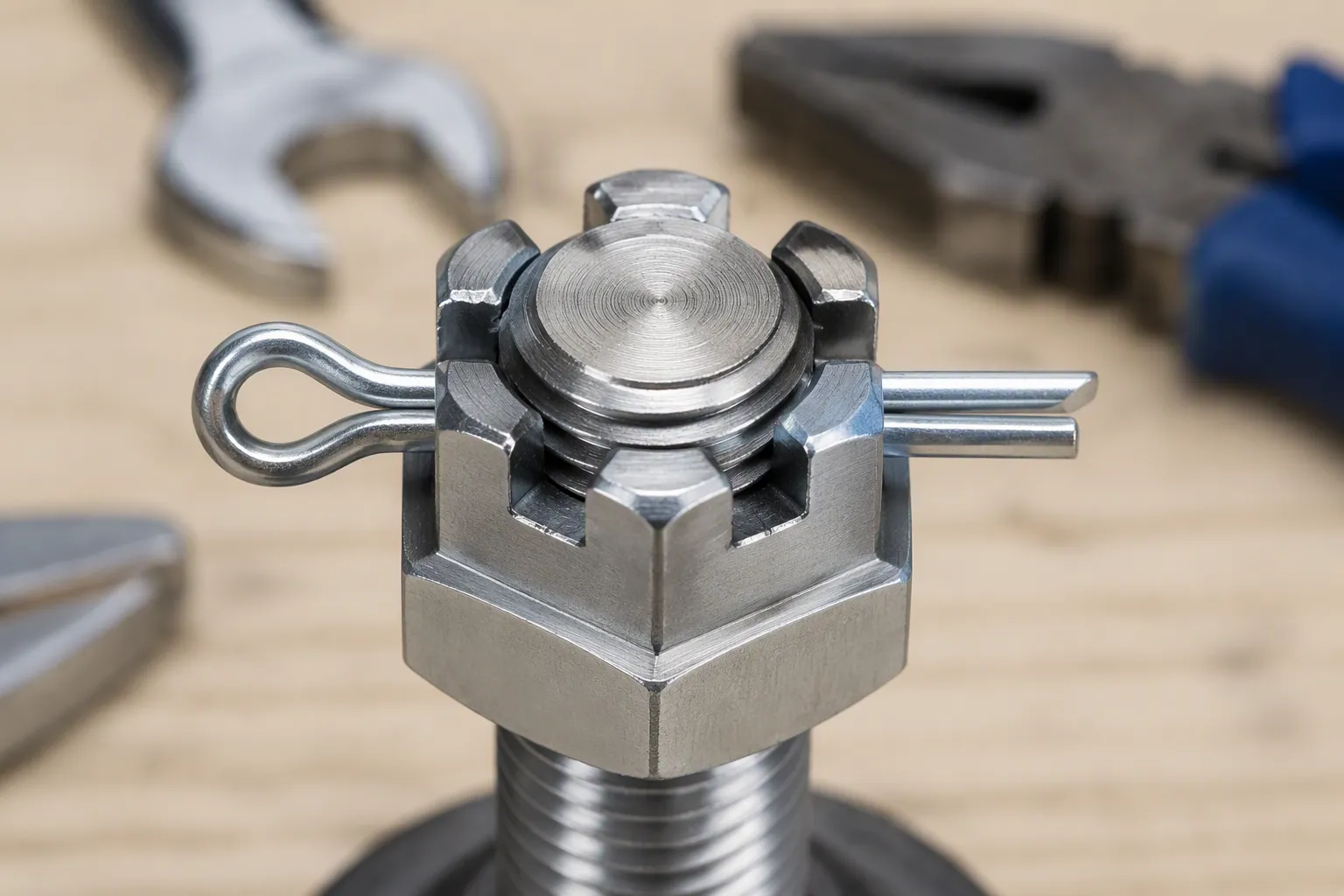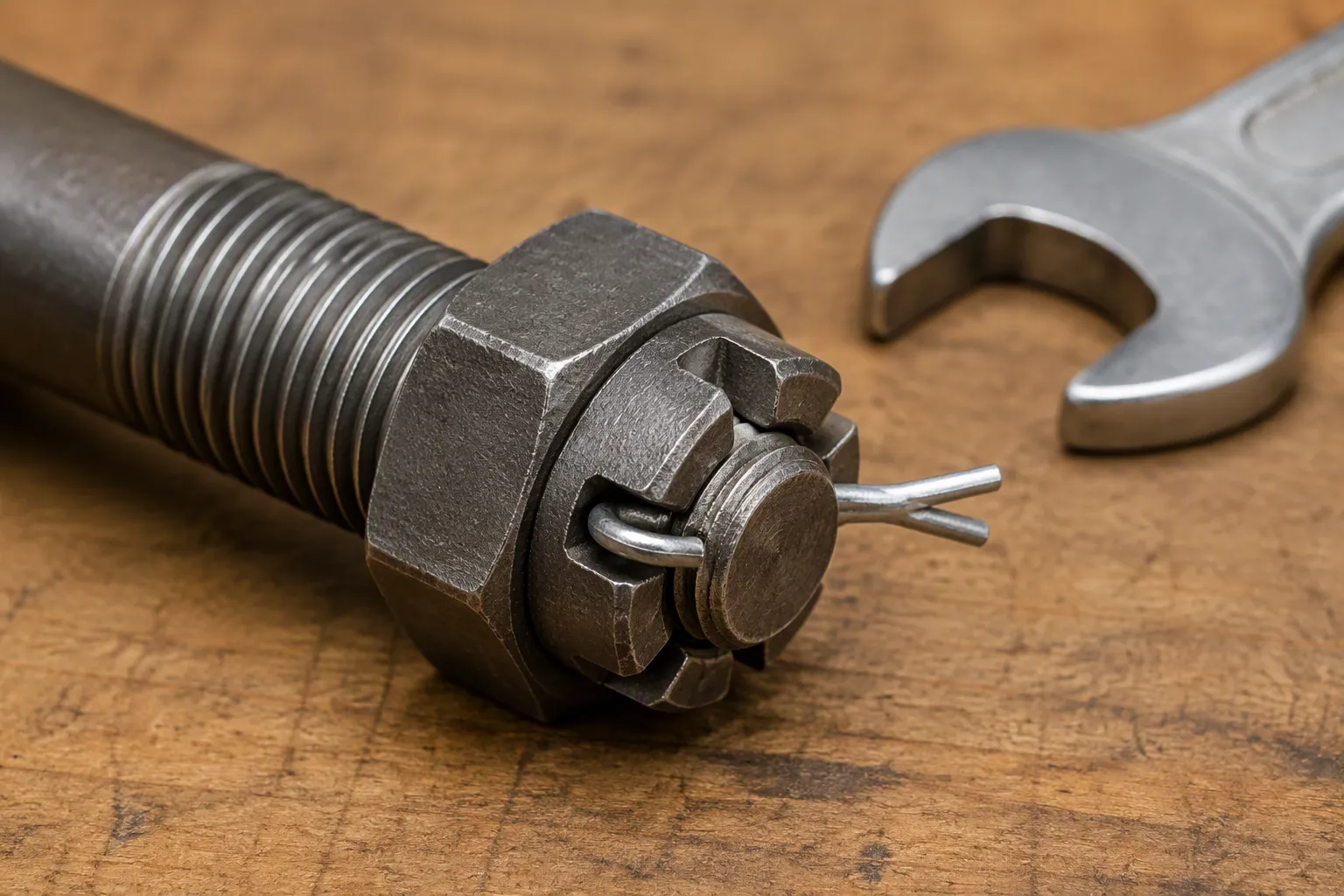
Maintaining u-bolts in industrial settings demands regular inspections and careful attention to detail. Teams rely on proper installation and monitoring to prevent hazards that can lead to severe failures. Regular maintenance routines help reduce risks and improve workplace safety statistics. Зачастую производит специализированные производитель крепежных изделий на заказ often recommends using only quality нестандартные крепежные элементы and inspecting each U-образный болт for signs of wear. Operators must check литье болтов integrity to maximize the lifespan of equipment and avoid unnecessary downtime.
Why U-bolt Maintenance Is Critical
Safety and Risk Prevention
Industrial environments demand strict attention to safety. Maintaining u-bolts plays a vital role in preventing accidents and equipment failures. Loose bolts often create hazardous situations, especially when machinery operates under heavy load. Teams must recognize that under-tightening, vibration, and shock can cause bolts to loosen. Neglected maintenance increases the risk of production downtime and exposes workers to safety hazards.
Совет: Regular inspections help identify loose bolts before they compromise equipment integrity.
Common safety risks associated with neglected U-bolt maintenance include:
- Loose bolts leading to equipment failures across various industries
- Under-tightening, vibration, and shock causing bolts to loosen
- Increased production downtime and safety hazards due to neglected maintenance
Extending Equipment Life
Proper u-bolt maintenance extends the operational life of industrial equipment. Teams should focus on correct installation, using torque tools and following manufacturer specifications. Regular inspections and cleaning keep bolts in good condition and prevent common issues with u-bolts. Operators must ensure bolts remain tight and free from debris. Adhering to product specifications prevents overloading and misalignment, which often result in equipment failure.
Примечание: Consistent maintenance routines protect assets and reduce the frequency of replacements.
Key practices for extending equipment life:
- Correct installation using appropriate torque tools and specifications
- Regular inspections and maintenance, including checking tightness and cleaning
- Proper usage according to product specifications to prevent overloading and misalignment
Reducing Costs and Downtime
Effective maintenance strategies help companies reduce costs and minimize downtime. When teams address issues early, they avoid expensive repairs and lost productivity. U-bolts that receive regular attention perform reliably under load and support continuous operations. Maintenance schedules allow staff to plan inspections and replacements, preventing unexpected breakdowns.
Примечание: Investing in proactive maintenance saves money and keeps production lines running smoothly.
A structured approach to maintaining u-bolts ensures safety, extends equipment life, and reduces operational costs. Teams that prioritize inspections and follow best practices protect both personnel and assets.
Common U-bolt Issues and How to Identify Them
Loosening and Its Causes
Loosening ranks among the most common issues with u-bolts in industrial settings. Teams often encounter this problem when machinery operates under vibration or experiences frequent temperature changes. Several factors contribute to loosening:
- Vibration from heavy equipment causes gradual loss of tension.
- Thermal expansion and contraction affect bolt tightness.
- Improper torque application during installation leads to insufficient clamping force.
- Joint settling and material deformation reduce bolt tension over time.
- External forces and impact loads disrupt bolt integrity.
- Corrosion and wear weaken the connection.
Effects of Loosening on Equipment
Loose u-bolts can compromise the stability of machinery. Equipment may shift or vibrate excessively, increasing the risk of damage. Operators notice reduced performance and may face unexpected downtime. Spontaneous bolt loosening from dynamic loads and slackening due to material deformation both threaten operational safety.
Alert: Teams should inspect u-bolts regularly to prevent equipment failures caused by loosening.
Preventing U-bolt Loosening
Proper installation and maintenance help prevent loosening. Technicians should use calibrated torque tools and follow manufacturer specifications. Regular inspections allow early detection of tension loss. Applying anti-vibration devices or lock washers can further secure u-bolts in high-vibration environments.
Corrosion and Environmental Impact
Corrosion and rust present significant threats to u-bolts, especially in harsh industrial environments. Moisture, chemicals, and airborne pollutants accelerate deterioration. Common types of corrosion include surface rust, pitting, and crevice corrosion.
Types of Corrosion on U-bolts
- Surface rust forms when iron reacts with oxygen and moisture.
- Pitting corrosion creates small holes, weakening the metal.
- Crevice corrosion develops in gaps where moisture accumulates.
Environmental Factors Affecting U-bolts
Industrial settings expose u-bolts to humidity, saltwater, and chemical-laden air. Marine environments increase corrosion rates due to chlorides in moisture. Airborne salt deposits and pollutants create corrosive conditions through repeated wetting and drying cycles.
Совет: Applying protective coatings and choosing corrosion-resistant materials can extend the lifespan of u-bolts.
Fatigue, Cracking, and Deformation
Fatigue and stress cracking occur when u-bolts endure repetitive loading or excessive force. Over time, metal weakens and may develop cracks or deform.
Signs of Fatigue in U-bolts
Operators should look for visible cracks, bends, or thinning in the metal. Fatigue often manifests as small fractures near the threads or bends.
Risk Factors for Cracking
| Фактор | Описание |
|---|---|
| Перегрузка | Exceeding weight capacity leads to deformation or breakage. |
| Corrosion and rust | Exposure to moisture and chemicals weakens u-bolts. |
| Improper torque | Incorrect tightening affects clamping force, causing failure. |
| Fatigue and metal stress | Constant vibration induces fatigue, especially on rough terrain. |
| Incorrect U-bolt selection | Using unsuitable u-bolts results in premature failure. |
Routine inspections and proper material selection help mitigate fatigue and stress cracking in industrial applications.
Misalignment and Installation Errors
Consequences of Misalignment
Misalignment stands out as one of the most common issues with u-bolts in industrial applications. When technicians install u-bolts incorrectly, the fasteners may not align with the intended load path. This misalignment causes неравномерное распределение нагрузки, which places excessive stress on certain areas of the bolt and the secured object. Over time, these stress concentrations can lead to fatigue and stress cracking, reducing the lifespan of both the u-bolts and the equipment they support.
Installation errors often result in insufficient clamping force. Without proper alignment, the u-bolt cannot grip the object securely. This inadequate grip increases the risk of slippage, especially when machinery operates under vibration or fluctuating loads. Operators may notice that equipment shifts unexpectedly or that joints fail to maintain integrity. In severe cases, misalignment can cause premature failure, leading to costly repairs and extended downtime.
Alert: Teams should always verify alignment during installation to prevent uneven load distribution and early failure.
How to Ensure Proper Alignment
Technicians can follow several steps to ensure proper alignment of u-bolts. First, they should inspect the mounting surfaces for flatness and cleanliness. Any debris or corrosion and rust can interfere with the seating of the bolt. Next, they must position the u-bolt so that both legs are perpendicular to the mounting surface and parallel to each other. Using alignment tools or templates helps maintain consistency across installations.
A simple checklist for proper alignment includes:
- Clean and inspect the mounting surface.
- Position the u-bolt with legs perpendicular to the surface.
- Use a template or jig for repeatable alignment.
- Tighten nuts evenly to avoid shifting during installation.
- Recheck alignment after initial tightening.
Technicians who follow these steps reduce the risk of misalignment and improve the reliability of u-bolts in service.
Недостаточное усилие зажима
Detecting Clamping Issues
Insufficient clamping force poses a significant threat to joint integrity. Operators can detect clamping issues by inspecting for loose nuts, visible gaps between the u-bolt and the secured object, or signs of movement after installation. Regular torque checks help identify bolts that have lost preload due to vibration or fatigue. If a technician observes leakage at joints or flange connections, this often indicates inadequate clamping.
Impact on U-bolt Performance
Insufficient clamping force affects u-bolt performance in several ways:
- Leakage in joints may occur, compromising system integrity.
- Failure to maintain joint integrity can result in equipment malfunction.
- Increased risk of fatigue failure arises from stress fluctuations.
- Loose bolts may not engage the necessary friction, causing nuts to loosen under vibration.
- Flange leakage under pressure can develop due to inadequate preload.
These problems not only threaten safety but also increase maintenance costs and downtime. Technicians must ensure that u-bolts receive the correct torque during installation and monitor them regularly for signs of loosening or fatigue.
Совет: Scheduled inspections and proper torque application help maintain optimal clamping force and prevent premature failure.
Step-by-Step U-bolt Maintenance Tips
General Maintenance Tips for U-bolts
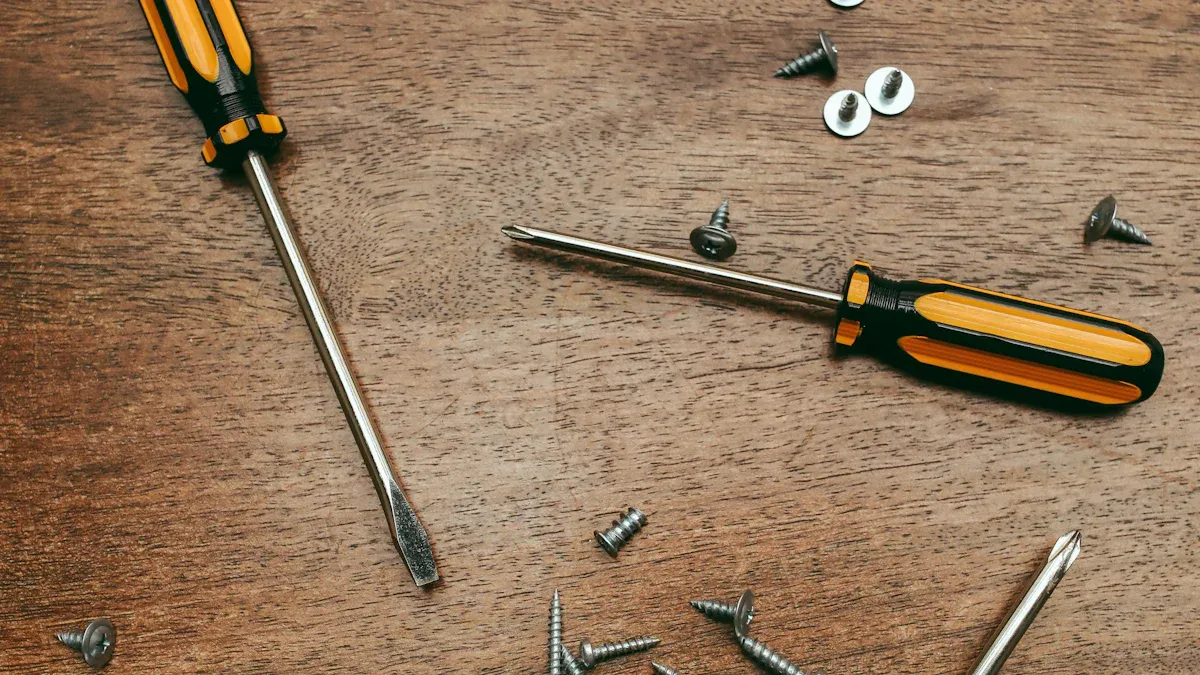
Industrial teams rely on a structured approach to maintaining u-bolts. The following general maintenance tips for u-bolts help ensure safety and reliability in demanding environments:
- Inspect u-bolts regularly for corrosion, weld splatters, and loose components.
- Avoid reusing old u-bolts; replace any that show visible damage.
- Ensure proper alignment during installation to absorb impacts effectively.
- Attach u-bolts at the correct depth to prevent damage to the suspension.
Do Not Reuse U-bolts
Reusing u-bolts increases the risk of failure. Each removal and reinstallation can weaken the threads and compromise the integrity of the fastener. Teams should always use new u-bolts when performing maintenance or repairs. Old u-bolts may have hidden cracks or corrosion that escape visual inspection. Replacement guarantees optimal performance and safety.
Alert: Never reuse u-bolts after removal. Always install new fasteners to maintain equipment reliability.
Replace Worn or Damaged U-bolts Promptly
Prompt replacement of worn or damaged u-bolts prevents unexpected breakdowns. Technicians must look for signs of wear, such as rust, pitting, or deformation. If any damage appears, immediate replacement is necessary. Delaying this step can lead to equipment failure and costly downtime.
| Inspection Type | Recommended Interval |
|---|---|
| Initial Inspection | Upon receiving rigging hardware |
| Daily/Frequent | Before each shift (heavy-duty use) |
| Periodic | Every 12 months (monthly/quarterly for harsh conditions) |
Ensuring Proper Alignment and Depth
Proper alignment and depth during installation play a crucial role in the longevity and effectiveness of u-bolts. These u-bolt maintenance tips help prevent stress concentrations and ensure secure clamping.
Alignment Techniques for U-bolts
Technicians achieve correct alignment by following these steps:
- Use a backing plate or saddle to distribute clamping force evenly and avoid pipe deformation.
- Ensure both legs of the u-bolt remain perpendicular to the mounting surface.
- Employ alignment tools or templates for consistent installation.
- Tighten nuts evenly to maintain alignment and prevent shifting.
Correct Depth Attachment
Correct depth attachment ensures the u-bolt secures the load without causing damage. Teams should:
- Confirm thread engagement in the nut is at least 1.5 times the diameter of the bolt for full strength.
- Verify the inside width accommodates the backing plate thickness plus 1/4″ to 1/2″ clearance.
- Avoid over-tightening, which can deform the secured object or the u-bolt itself.
Совет: Proper alignment and depth during installation reduce the risk of fatigue and extend the service life of u-bolts.
Using Correct Torque and Lubrication
Applying the correct torque and lubrication during installation forms the foundation of effective u-bolt maintenance tips. These practices prevent loosening and ensure reliable clamping.
Importance of Torque Specifications
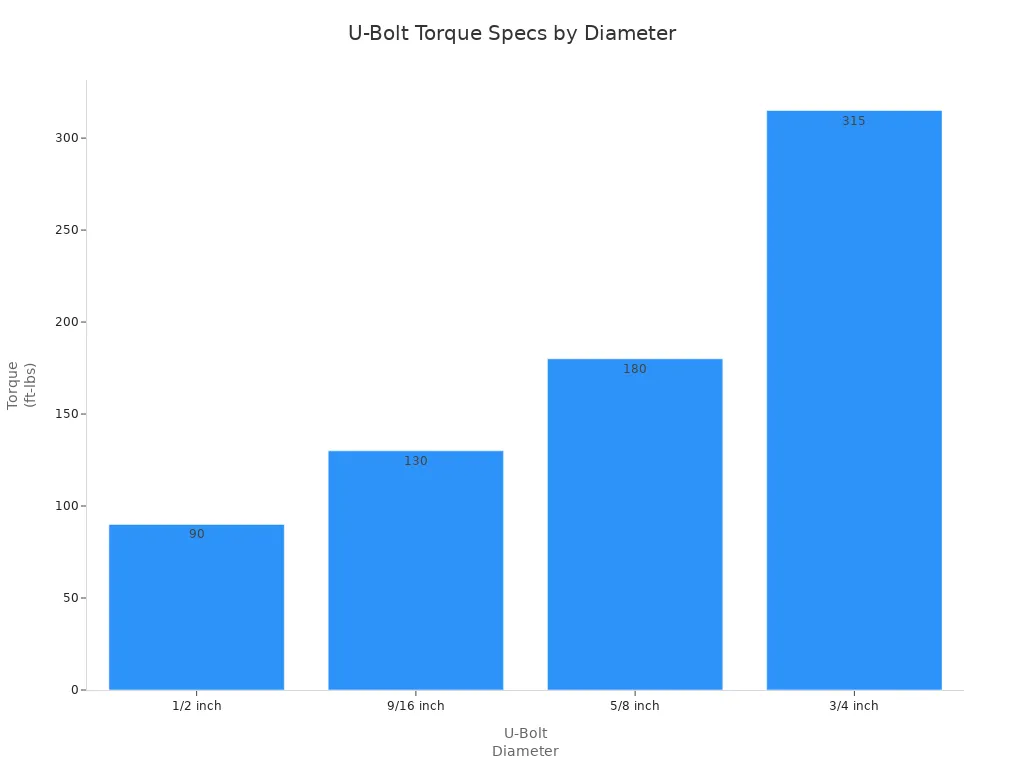
Torque specifications vary by application and u-bolt size. Technicians must consult manufacturer guidelines and use calibrated torque wrenches for tightening. The following table outlines typical torque values for common u-bolt diameters:
| U-Bolt Diameter | Torque Specification (ft-lbs) |
|---|---|
| на 1/2 дюйма (≈12,7 мм) | 90 |
| 9/16 inch | 130 |
| 5/8 дюйма | 180 |
| 3/4 inch | 315 |
- Automotive suspension systems require specific torque for security and balance.
- Exhaust systems typically need 25 to 35 ft-lbs.
- Structural applications may demand torque between 100 to 280 ft-lbs, depending on size and grade.
Correct tightening prevents premature loosening and ensures the joint maintains its integrity under load.
Applying Lubricants and Anti-seize Compounds
Lubrication and anti-seize compounds protect threads from galling, corrosion, and seizing. Teams should select the appropriate compound based on the operating environment. The following table summarizes common options:
| Тип | Описание | Наилучшие сферы применения |
|---|---|---|
| Copper Anti-Seize | Excellent high-temperature resistance and good electrical conductivity. | Exhaust manifold bolts, spark plug threads. |
| Nickel Anti-Seize | Superior resistance to high temperatures and corrosive environments. | Turbine bolts, chemical processing equipment. |
| Aluminum Anti-Seize | Good general-purpose protection, suitable where copper contamination is a concern. | General purpose threaded fasteners and fittings. |
| Zinc Anti-Seize | Excellent corrosion protection, particularly in marine applications. | General-purpose anti-seize protection. |
| Graphite Anti-Seize | Provides excellent high-temperature resistance and dry lubrication. | Applications where traditional greases might break down. |
| Blended Anti-Seize | Combines multiple solid lubricants for a balanced range of properties. | Applications needing a mix of benefits from different compounds. |
Technicians should apply a thin, even layer of lubricant or anti-seize to the threads before tightening. This step facilitates proper tightening, prevents thread damage, and supports long-term performance.
Примечание: Cleaning and lubrication during installation and maintenance routines help prevent corrosion and ensure smooth tightening.
Regular Cleaning and Protection
Cleaning Methods for U-bolts
Industrial teams prioritize cleanliness to prevent rust and extend the lifespan of fasteners. Periodic cleaning removes contaminants that accelerate corrosion. Technicians use several effective methods to maintain U-bolts:
- Select a non-abrasive brush or cloth to avoid scratching the metal surface.
- Apply a mild detergent solution to break down grease and grime.
- Rinse thoroughly with clean water to remove any residue.
- Dry the U-bolt completely before applying protective coatings or sealants.
Совет: Drying the surface after cleaning prevents moisture from becoming trapped, which can lead to rust formation.
Routine cleaning ensures that U-bolts remain free from debris and environmental pollutants. Teams who follow these steps reduce the risk of premature failure and maintain the integrity of critical connections.
Protective Coatings and Barriers
Protective coatings serve as the first line of defense against corrosion in harsh environments. Industrial teams select coatings based on the specific challenges of their operating conditions. Several options provide reliable protection:
- Epoxy coatings offer durable adhesion and block moisture and oxygen penetration.
- Paints formulated for corrosion resistance require proper surface preparation for maximum effectiveness.
- PTFE coatings protect against corrosive weather and reduce friction during installation.
The following table compares common protective coatings and their effectiveness:
| Тип покрытия | Описание | Effectiveness in Harsh Environments |
|---|---|---|
| **Порошковое покрытие** | Applies a dry powder that forms a hard, durable coating when heated. | Отличная |
| Эпоксидное покрытие | Liquid applied and cured to form a hard, chemical-resistant coating. | Particularly effective |
| Цинкование (гальваническое) | Thin layer of zinc deposited via electroplating. | Good in mild environments |
Epoxy coatings provide an effective barrier against rust, especially in highly corrosive environments. PTFE coatings offer reliable resistance to abrasion and corrosion, making them suitable for offshore and marine applications.
Alert: Teams should always inspect the condition of protective coatings during scheduled maintenance to ensure continued effectiveness.
Documentation and Record Keeping for U-bolt Maintenance
Maintenance Logs and Inspection Schedules
Accurate documentation supports long-term reliability and safety. Maintenance logs track the history of inspections, repairs, and replacements. Teams structure inspection schedules to ensure no critical step is overlooked. The following table outlines a recommended schedule for tracking U-bolt maintenance:
| Периодичность технического обслуживания | Tasks to Perform |
|---|---|
| Daily/Pre-Trip | Visual inspection of all lights and reflectors, check tire pressure and condition, verify coupling devices are secure, inspect air and electrical connections, check cargo securement |
| Monthly | Inspect brake system components thoroughly, inspect structure for cracks and damage |
| Quarterly | Torque check on all suspension components |
| Annual | Suspension system overhaul |
Teams record each inspection and maintenance activity in a centralized log. This practice allows supervisors to identify trends, schedule preventive actions, and comply with regulatory requirements.
Примечание: Consistent record keeping improves accountability and helps teams respond quickly to emerging issues.
Effective documentation and regular cleaning form the foundation of a robust maintenance program. Industrial teams who prioritize these practices ensure that U-bolts perform reliably under demanding conditions.
U-bolt Inspection Checklist and Warning Signs
Visual Inspection Steps for U-bolts
Routine inspections help technicians identify early signs of wear and prevent costly failures. A comprehensive visual inspection of u-bolts involves several essential steps:
- Examine the bolt head
Technicians check if the bolt head sits flush against the joint surface. They look for cracks, distortion, or any sign of distress. - Assess the surrounding joint area
They inspect for gaps or movement between bolted components. These issues often indicate improper tightening or load distribution. - Document findings
Teams take photographs of anomalies and record details for future reference. Accurate documentation supports maintenance planning and regulatory compliance.
Совет: Consistent visual inspections allow teams to catch problems before they escalate.
Checking Surface Condition and Corrosion
Surface condition reveals much about the health of u-bolts. Technicians look for discoloration, flaking, or rough patches. Rust often appears as reddish-brown spots or streaks. Corrosion weakens the metal and can lead to sudden failure under load. Teams pay close attention to areas exposed to moisture or chemicals, as these environments accelerate deterioration.
Identifying Cracks, Bends, or Deformation
Cracks, bends, and deformation signal that a u-bolt has experienced excessive stress. Technicians inspect the entire length of the fastener, focusing on the threads and curved sections. Small surface cracks may develop near the bends, while bending or stretching indicates the fastener has exceeded its design limits. Early detection of these issues prevents equipment breakdowns and supports safe operation.
Physical Testing Methods for U-bolts
Physical testing complements visual inspections and provides deeper insight into fastener integrity. Technicians use several methods to assess u-bolts in industrial settings:
- Non-destructive testing (NDT) methods, such as Ultrasonic Testing (UT) and Phased Array Ultrasonic Testing (PAUT), detect corrosion and cracks without removing the fasteners. These techniques visualize thread loss and other defects, making them practical for in-service structures.
- Mechanical tests outlined in ISO 898-1, ISO 3506-1, and ASTM F606 evaluate tensile strength and hardness. These standards ensure that fasteners meet industry requirements for safety and performance.
- Structural tests compare the behavior of u-bolts under vertical and horizontal loading. Technicians use nonlinear numerical analysis to validate results and reevaluate load standards when necessary.
Checking Tightness and Flexibility
Tightening plays a critical role in maintaining joint integrity. Technicians use calibrated torque wrenches to verify that nuts remain secure. They check for movement or play in the fastener, which may indicate loss of preload. Flexibility assessments involve gently moving the secured object to detect any shifting. If the u-bolt allows excessive movement, technicians investigate further for underlying issues.
Assessing Thread Condition
Thread condition affects the ability of a u-bolt to maintain grip. Technicians inspect threads for signs of wear, stripping, or corrosion. Damaged threads compromise tightening and can lead to unexpected loosening. Non-destructive testing methods help visualize thread loss, supporting accurate integrity assessments.
Alert: Regular physical testing ensures that u-bolts perform reliably under demanding conditions.
Warning Signs of Imminent U-bolt Failure
Early identification of warning signs helps prevent catastrophic equipment failures. The following table summarizes key indicators that signal imminent u-bolt failure:
| Warning Sign | Описание |
|---|---|
| Unexpected loosening | A fastener that becomes loose unexpectedly often results from vibration or wear. |
| Visible corrosion or rust | Corrosion compromises structural integrity and increases the risk of breakage under load. |
| Surface cracks | Even small cracks can indicate impending failure due to stress or embrittlement. |
| Stripped threads | Worn or damaged threads prevent the fastener from maintaining grip, leading to loosening. |
| Deformation | Bending or stretching signals that the fastener is under excessive load and may fail soon. |
Cracks, Rust, or Pitting
Cracks, rust, and pitting represent serious threats to fastener integrity. Technicians look for these signs during inspections and replace affected u-bolts immediately. Rust accelerates metal fatigue, while pitting creates weak points that can propagate into larger fractures.
Thinning or Deformation
Thinning or deformation occurs when a u-bolt experiences repeated stress or overload. Technicians measure the diameter and compare it to original specifications. Any reduction in thickness or noticeable bending requires prompt replacement to maintain safety.
Примечание: Teams should never ignore warning signs. Immediate action prevents equipment failure and protects personnel.
When to Replace U-bolts
Replacement Criteria for U-bolts
Industrial teams must recognize the signs that indicate a U-bolt requires replacement. Failure to act promptly can lead to equipment damage and safety hazards. Several criteria help technicians decide when to remove and replace a U-bolt.
Common Replacement Criteria:
Visible Damage:
Technicians observe cracks, bends, or deformation along the U-bolt. Any physical distortion signals that the fastener cannot maintain its original strength.Corrosion and Rust:
Teams identify rust on the surface or threads. Rust weakens the metal and increases the risk of sudden failure under load.Thread Wear:
Operators inspect threads for stripping, flattening, or loss of definition. Damaged threads prevent proper tightening and compromise joint integrity.Loss of Clamping Force:
Technicians measure torque and find that the U-bolt cannot maintain the required clamping force. This issue often results from fatigue or material degradation.History of Reuse:
Teams replace U-bolts that have been removed and reinstalled. Reuse increases the likelihood of hidden defects and reduces reliability.Exposure to Extreme Conditions:
U-bolts exposed to chemicals, high humidity, or saltwater environments deteriorate faster. Technicians replace these fasteners more frequently to maintain safety.
Alert: Immediate replacement of compromised U-bolts prevents equipment failure and protects personnel.
The following table summarizes key criteria for U-bolt replacement:
| Criterion | Описание | Action Required |
|---|---|---|
| Cracks or Deformation | Physical damage observed | Replace immediately |
| Rust or Corrosion | Surface or thread corrosion detected | Replace immediately |
| Thread Damage | Stripped or worn threads | Replace immediately |
| Loss of Clamping Force | Cannot maintain specified torque | Replace immediately |
| Reuse History | Previously removed and reinstalled | Replace immediately |
| Extreme Exposure | Chemical, saltwater, or high humidity conditions | Replace proactively |
Professional Assessment Guidelines
In complex industrial settings, teams may encounter situations where the decision to replace a U-bolt is not straightforward. Professional assessment provides an objective evaluation and ensures compliance with safety standards.
Guidelines for Seeking Expert Evaluation:
Unclear Damage:
If technicians cannot determine the extent of damage, they consult a certified inspector. Experts use advanced testing methods, such as ultrasonic or magnetic particle inspection, to detect hidden flaws.Critical Applications:
For U-bolts used in load-bearing or safety-critical systems, teams request professional assessment before replacement. Inspectors verify that the fastener meets industry standards and recommend appropriate action.Regulatory Compliance:
Industrial facilities must adhere to strict regulations. Professional assessment ensures that U-bolt replacement aligns with legal and safety requirements.Recurring Issues:
If a specific location experiences frequent U-bolt failures, experts analyze the installation and operating conditions. They identify root causes and suggest corrective measures.
Совет: Professional assessment reduces uncertainty and supports informed decision-making in high-risk environments.
Checklist for Professional Assessment:
- Schedule inspection with a certified fastener expert.
- Provide maintenance and inspection records for review.
- Allow access to equipment for non-destructive testing.
- Follow recommendations for replacement or corrective action.
- Document all findings and actions taken.
Professional evaluation ensures that U-bolt replacement decisions prioritize safety, reliability, and regulatory compliance. Teams who follow these guidelines maintain operational integrity and reduce the risk of unexpected failures.
Preventing U-bolt Failures with Proactive Maintenance
Selecting the Right U-bolt Material
Choosing the correct material for U-bolts is essential in industrial environments. Material selection directly impacts resistance to corrosion, fatigue, and stress. Stainless steel and galvanized steel are two of the most reliable options for demanding applications. Stainless steel offers high corrosion resistance and strength, making it ideal for marine, pharmaceutical, and food processing settings. Galvanized steel provides added protection against wear and environmental damage, which suits high-stress and corrosive conditions.
| Материал | Описание |
|---|---|
| Нержавеющая сталь | High corrosion resistance and strength, ideal for marine, pharmaceutical, and food processing. |
| Оцинкованная сталь | Offers added resistance to corrosion and wear, suitable for industrial environments. |
Material Compatibility and Environmental Considerations
Teams must evaluate the compatibility of U-bolt materials with their operating environment. Using incompatible materials can cause galvanic corrosion, especially when metals with different electrochemical properties contact each other. Operators should always match U-bolt materials to the surrounding components and consider exposure to chemicals, moisture, or salt. This approach extends the service life of fasteners and reduces the risk of unexpected failures.
Proper Installation Procedures for U-bolts
Correct installation procedures ensure that U-bolts perform reliably under load and resist fatigue. Technicians should follow a structured process to avoid common mistakes and achieve optimal tightening.
Пошаговое руководство по установке
A systematic approach to installation improves safety and performance:
- Remove the nuts from the U-bolt threads.
- Position the U-bolt around the object being attached.
- Drill holes through the support structure carefully.
- Thread the bolt through the holes and attach the nuts.
- Tighten the nuts appropriately, ensuring proper placement based on whether it’s a restraint or guide.
Technicians should inspect the installation for even tightening and check for adequate clearance between U-bolts and other components. Proper tightening prevents joint loosening and maintains structural integrity.
Распространённые ошибки, которых следует избегать
Several frequent errors can compromise U-bolt installation:
- Choosing the wrong fastener for the application or environment.
- Using incorrect tools, which can damage threads or prevent proper tightening.
- Over-tightening or under-tightening, both of which weaken joints and increase the risk of failure.
- Ignoring environmental factors that may accelerate corrosion or wear.
- Mixing different types of fasteners, which can cause misalignment and reduce reliability.
Tip: Always use a torque wrench and follow manufacturer specifications for tightening to avoid these issues.
Scheduled U-bolt Maintenance Programs
A proactive maintenance program helps prevent failures and extends the lifespan of U-bolts. Teams should develop a structured plan that addresses all critical aspects of care.
Creating a Maintenance Plan
Developing an effective maintenance schedule involves several key steps:
- Identify equipment that requires regular maintenance.
- Gather information about those assets.
- Assess equipment usage and operating conditions.
- Develop maintenance tasks and intervals.
- Build the maintenance schedule.
- Implement and monitor the preventive maintenance schedule.
This process ensures that all U-bolts receive timely inspections and care, reducing the risk of fatigue and stress-related failures.
Training Maintenance Staff
Proper training equips maintenance staff to recognize early signs of equipment issues and perform minor repairs. Regular training sessions keep operators updated on best practices and new technologies. Structured training helps staff understand the importance of correct tightening and installation procedures. Well-trained teams sustain equipment reliability and safety.
Note: Investing in ongoing training for operators supports a culture of safety and proactive maintenance.
Professional U-bolt Inspections and When to Seek Help
Role of Certified Inspectors in U-bolt Maintenance
Certified inspectors play a crucial role in industrial settings. They possess specialized training and experience in evaluating fasteners. These professionals use advanced tools to detect hidden defects in u-bolts. Inspectors follow industry standards and safety protocols during each assessment. Their expertise helps teams identify issues that routine checks may overlook.
Inspectors often use non-destructive testing methods. Techniques such as ultrasonic testing and magnetic particle inspection reveal cracks, corrosion, and thread wear. Certified inspectors document their findings and recommend corrective actions. Their reports provide valuable insights for maintenance teams and facility managers.
Совет: Teams should schedule periodic inspections with certified professionals to ensure compliance with safety regulations.
Situations Requiring Expert Evaluation
Certain scenarios demand expert evaluation. Teams may encounter complex problems that exceed their technical knowledge. When equipment operates in hazardous environments, the risk of failure increases. If a u-bolt shows signs of severe corrosion or deformation, certified inspectors should assess the situation.
Expert evaluation becomes necessary in these cases:
- Equipment supports critical loads or safety systems.
- Fasteners experience frequent failures or recurring issues.
- Visual inspections reveal ambiguous damage.
- Regulatory agencies require documented assessments.
- Maintenance logs indicate unexplained performance drops.
A certified inspector can determine the root cause of problems. Their recommendations guide teams in selecting appropriate solutions and replacement strategies.
Benefits of Third-party U-bolt Assessments
Third-party assessments offer several advantages. Independent inspectors provide unbiased evaluations. Their expertise ensures that inspections meet industry standards. Facility managers gain confidence in the reliability of their fasteners.
The following table highlights key benefits of third-party assessments:
| Преимущество | Описание |
|---|---|
| Unbiased Evaluation | Inspectors have no stake in facility operations. |
| Advanced Testing Methods | Access to specialized equipment and techniques. |
| Regulatory Compliance | Reports satisfy legal and safety requirements. |
| Actionable Insights | Recommendations improve maintenance strategies. |
| Risk Reduction | Early detection prevents costly failures. |
Примечание: Third-party inspections help teams maintain high safety standards and extend the lifespan of industrial assets.
Professional inspections and expert evaluations support effective maintenance programs. Teams who seek help from certified inspectors protect equipment and personnel from unexpected failures.
Regular inspections and maintaining u-bolts help teams achieve consistent safety and reliable performance. Technicians should address issues quickly and avoid delaying replacements or professional evaluations. Investing in proper care for u-bolts protects equipment, supports personnel, and improves operational efficiency.
Teams who prioritize safety and maintenance reduce risks and extend the lifespan of industrial assets.
Частые вопросы
What is the recommended inspection frequency for U-bolts in industrial environments?
Teams should inspect U-bolts before each shift in heavy-duty operations. Monthly or quarterly inspections suit harsh environments. Annual inspections work for standard conditions. Frequent checks help prevent unexpected failures.
Can technicians reuse U-bolts after removal?
Experts advise against reusing U-bolts. Removal weakens threads and may hide cracks or corrosion. New U-bolts ensure reliable performance and maintain safety standards.
Какие материалы обеспечивают наилучшую коррозионную стойкость для U-образных болтов?
Stainless steel and galvanized steel provide excellent corrosion resistance. Stainless steel suits marine and chemical environments. Galvanized steel works well in industrial settings exposed to moisture.
How can teams detect insufficient clamping force in U-bolt installations?
Technicians check for loose nuts, visible gaps, or movement in secured objects. Regular torque measurements help identify loss of preload. Leakage at joints often signals inadequate clamping.
What are the most common warning signs of U-bolt failure?
Common signs include cracks, rust, pitting, deformation, and stripped threads. Unexpected loosening also indicates potential failure. Immediate replacement prevents equipment damage.
Do protective coatings extend the lifespan of U-bolts?
Protective coatings such as epoxy, powder coating, or zinc plating shield U-bolts from corrosion. Regular inspection of coatings ensures continued effectiveness in harsh environments.
When should teams seek professional assessment for U-bolt issues?
Teams should consult certified inspectors for critical load applications, recurring failures, or ambiguous damage. Expert evaluation ensures compliance with safety regulations and industry standards.
What tools help ensure proper U-bolt installation?
Technicians use calibrated torque wrenches, alignment templates, and backing plates. These tools support correct tightening, alignment, and load distribution.