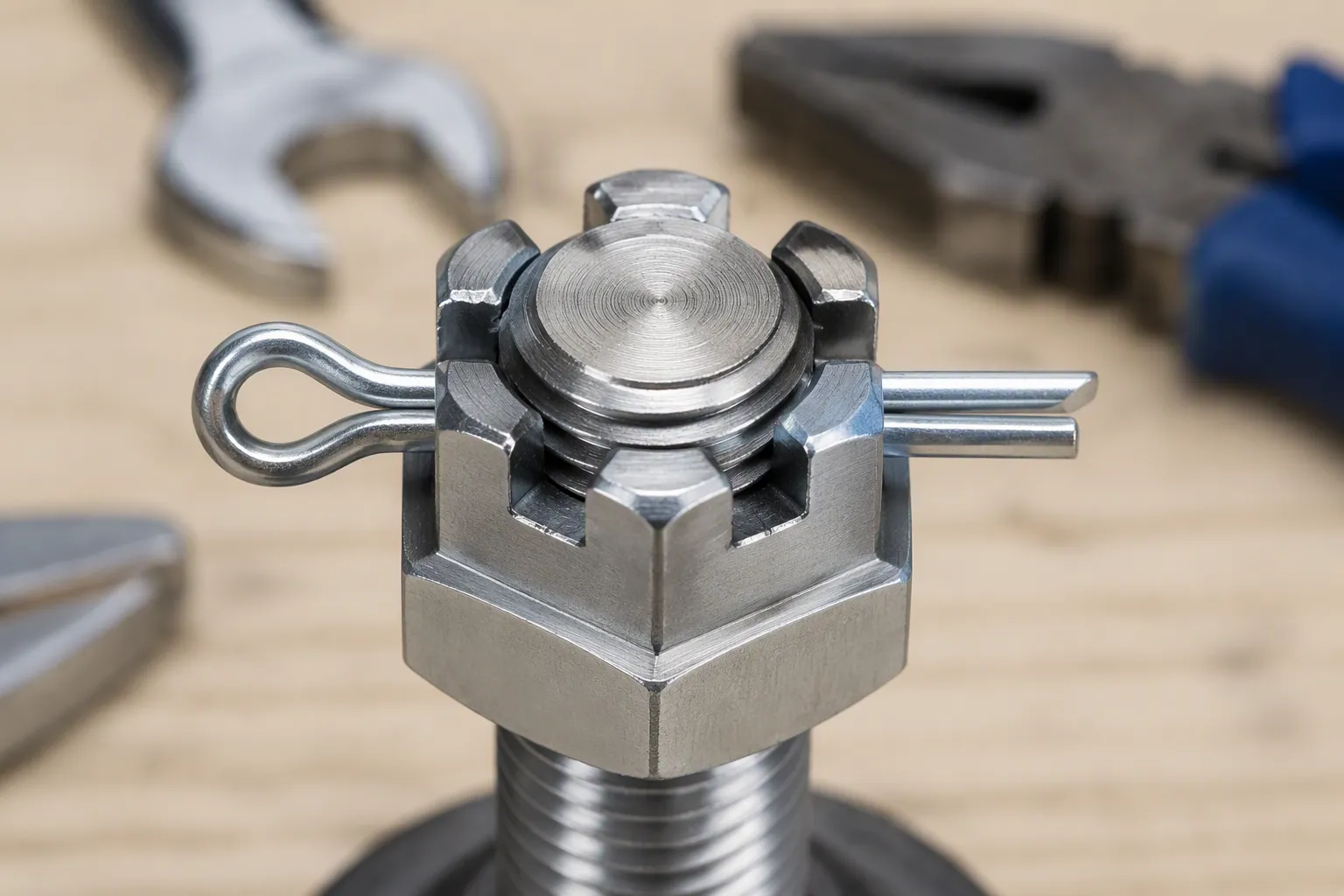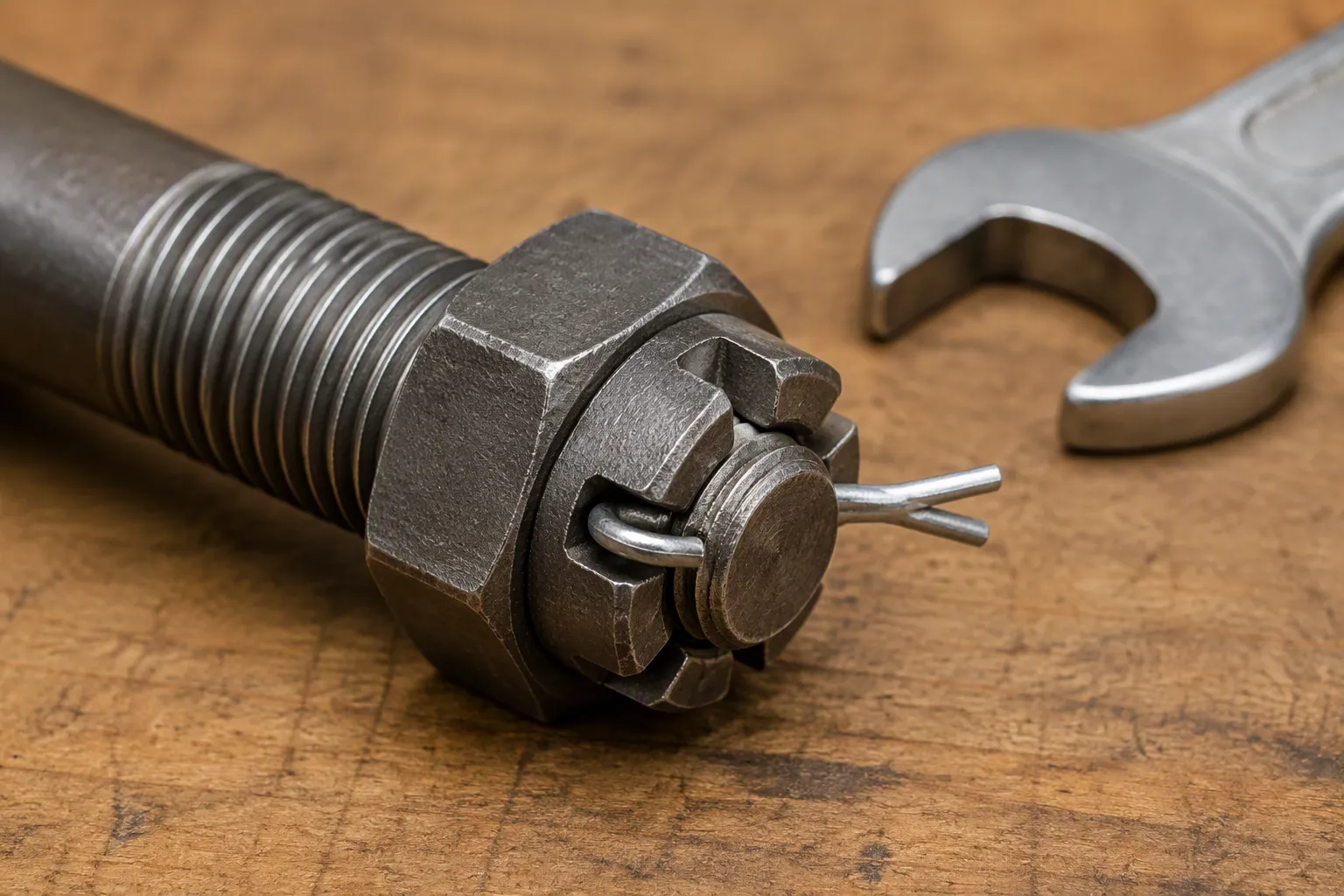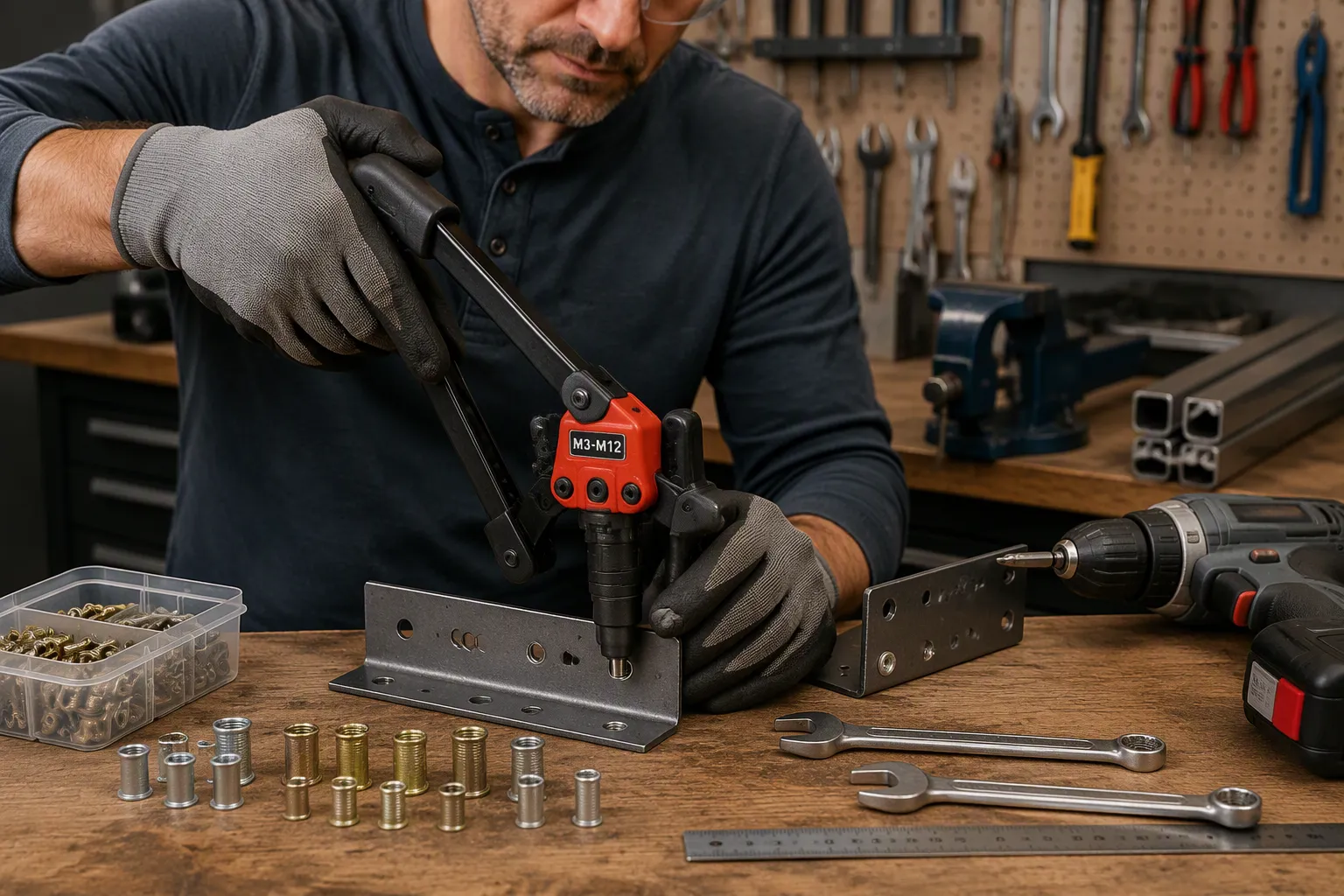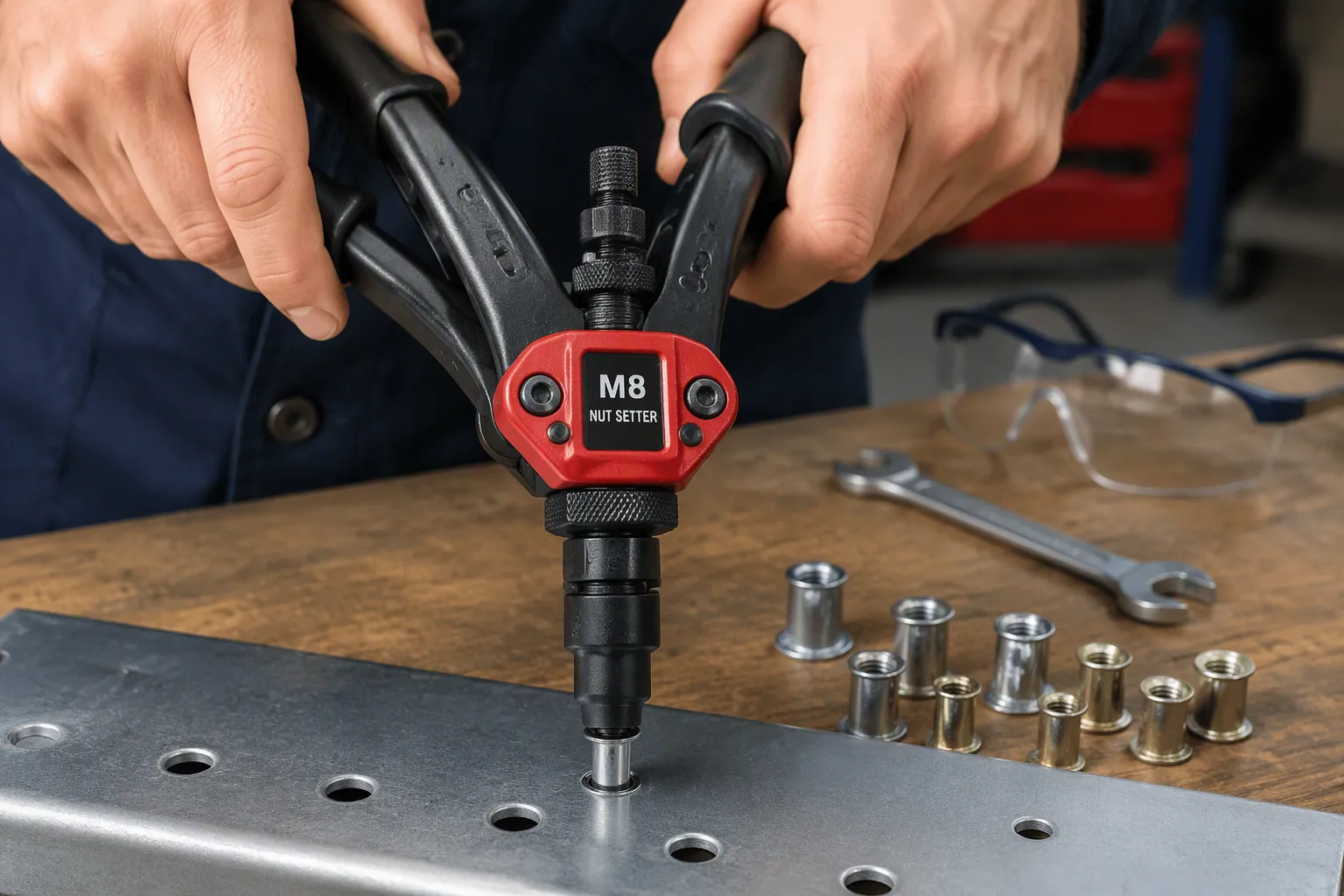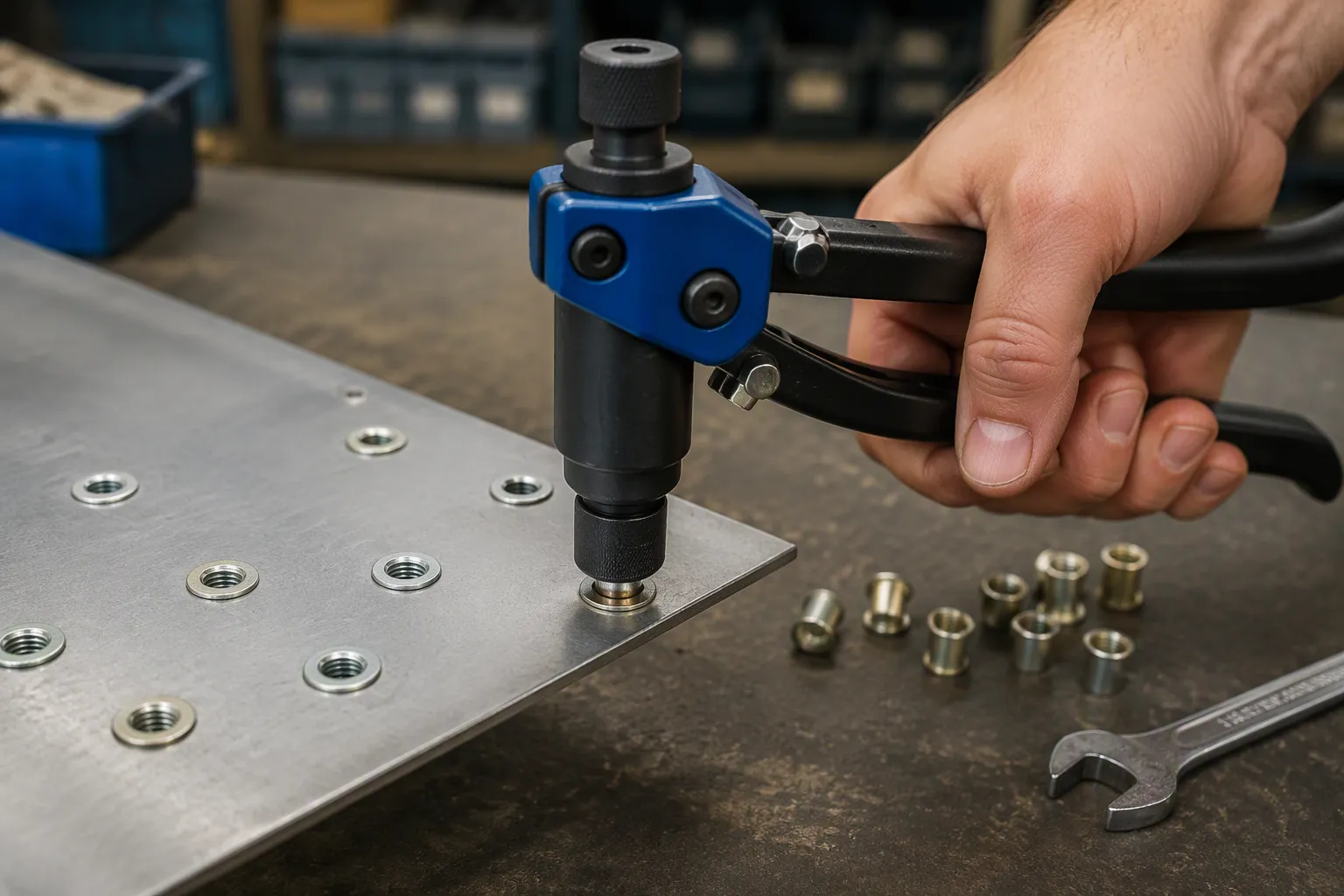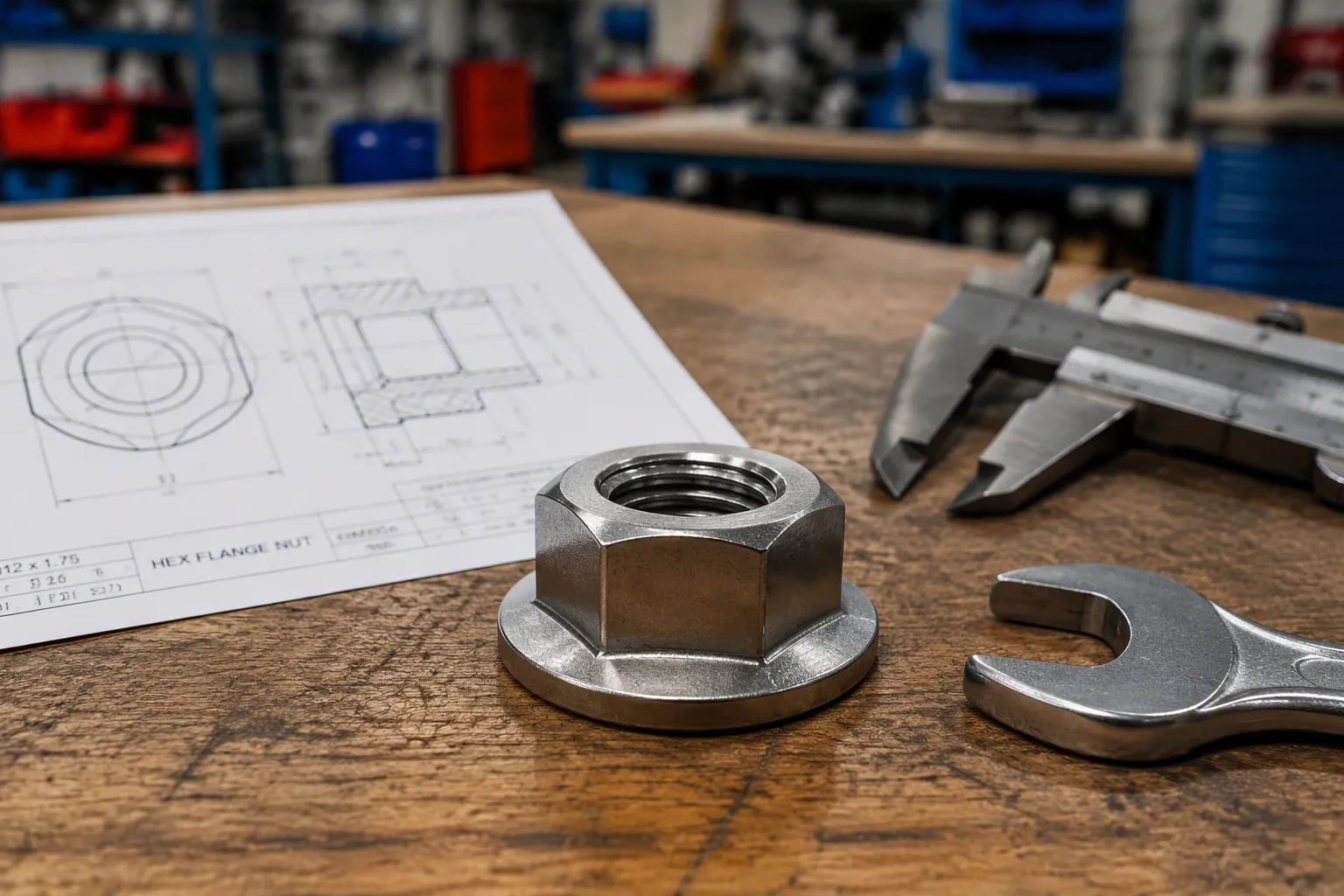
Стандарт DIN 933: объяснение растущий спрос на эффективные решения для ремонта возвел набор экстракторов для болтов в ранг критически важного инструмента как для профессионалов, так и для энтузиастов самостоятельного ремонта. Будь то сломанный болт установить болт в блоке двигателя или уникальный крепеж нестандартные крепежные элементы в специализированном оборудовании, производитель крепежных изделий на заказ, процесс удаления требует точности. Техник использует экстрактор для сломанных болтов, чтобы захватить поврежденное крепление, застрявшее в литье болтов. Основная методика проста и эффективна.
Техник выполняет четыре ключевых действия для успешного извлечения:
- Во-первых, накернить центр сломанного болта для создания точного ориентира.
- Затем просверлить направляющее отверстие точно в центре болта.
- После этого плотно вбить экстрактор нужного размера в подготовленное отверстие.
- Наконец, повернуть экстрактор против часовой стрелки, чтобы удалить болт.
Выбор правильного набора экстракторов и инструментов
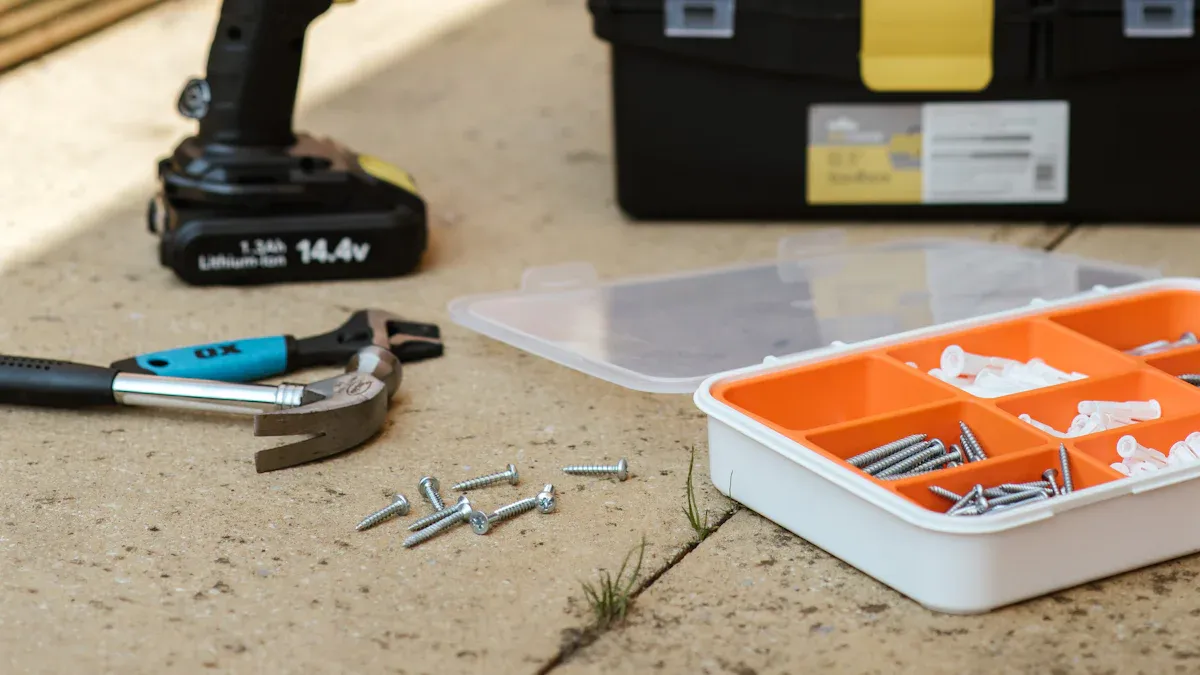
Успешное извлечение начинается задолго до того, как техник просверлит первое отверстие. Оно начинается с выбора подходящих инструментов для задачи. Высококачественный набор экстракторов незаменим, но его эффективность зависит от понимания первоначальной причины поломки болта.
Распространенные причины выхода болтов из строя Технику часто требуется экстрактор из-за таких проблем, как:
- Перегрузка: Приложенная к болту сила превысила его прочность.
- Усталостное разрушение: Повторяющаяся вибрация или нагрузка со временем привели к росту микротрещин.
- Неправильная затяжкаНеправильная затяжка.
- Коррозия: Чрезмерная затяжка создала напряжение в болте, а недостаточная — позволила возникнуть разрушающему движению.
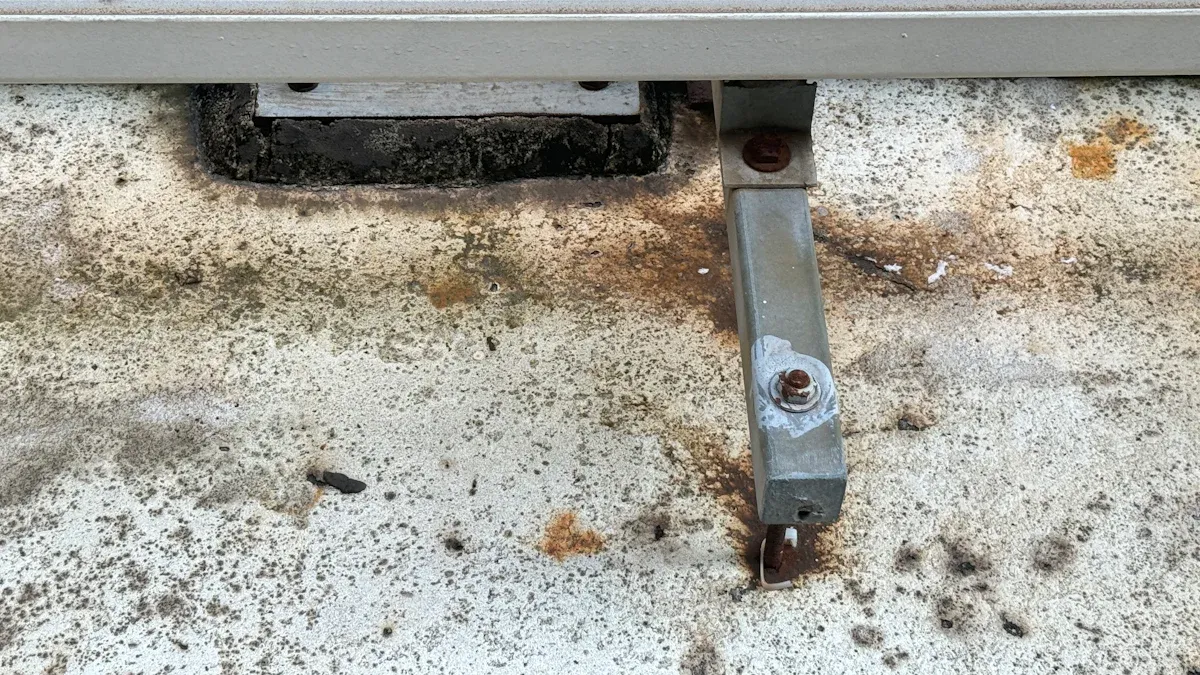
Коррозия
: Ржавчина ослабила материал болта, сделав его хрупким.
Понимание типов экстракторов
Конструкции экстракторов различаются, и выбор наилучшего экстрактора для материала и ситуации крайне важен. Наиболее распространенные насадки-экстракторы делятся на три категории. Экстракторы с прямыми канавками (типа Walton). У этих экстракторов вертикальные канавки, и они вбиваются в направляющее отверстие. Техники используют их для удаления сломанных винтов, шпилек и фитингов труб . Они особенно хорошо подходят для.
более мягких металлов или тонкостенных компонентов,
где агрессивная спиральная конструкция может причинить больше вреда.
Многошлинцевые экстракторы
Экстракторы со спиральными канавками.
| Это наиболее распространенный тип. Их левосторонняя спиральная конструкция вгрызается в болт при повороте против часовой стрелки, создавая надежный захват. Эта конструкция передает значительный крутящий момент, что делает ее эффективной для упрямых болтов. | Преимущества | Недостатки |
|---|---|---|
| Многозубчатые (сплайн) экстракторы обеспечивают множество точек контакта для мощного, не проскальзывающего захвата. Техник вбивает их в просверленное отверстие, и зубцы плотно заклиниваются о внутренние стенки болта. | Тип экстрактора. | Спиральные канавки. |
| Высокая передача крутящего момента; эффективен на глубоко засевших болтах. | Требует точного сверления; может расширить болт при слишком сильном вбивании. | Многозубчатый (сплайн). |
Агрессивный захват; хорошо работает с мягкими металлами и закаленными болтами.
Хрупкий — может сломаться внутри болта, осложнив извлечение.
Дрель и сверла
Необходимые вспомогательные инструменты.
Полный набор сверл и экстракторов — это лишь часть решения. Технику необходимо несколько других инструментов, чтобы безопасно и эффективно завершить работу.
Дрель с регулируемой скоростью обеспечивает необходимый контроль для этой точной задачи. Высококачественные кобальтовые или левосторонние сверла необходимы для сверления закаленной стали.
Кернер и молоток
Автоматический или ручной кернер создает углубление в болте. Эта небольшая лунка предотвращает соскальзывание сверла с центра.
Вороток для метчиков или трещоточный ключ
Вороток с Т-образной рукояткой обеспечивает наилучшее усилие и тактильный контроль при повороте экстрактора. Трещоточный ключ с правильной насадкой также может подойти.
Зажимные клещи (Vise-Grip) или стопорные плоскогубцы
Они полезны для захвата хвостовика экстрактора или удаления сломанного болта после его частичного извлечения.
Средства защиты органов слуха: Перфоратор создает значительный шум, который со временем может повредить слух.
Необходимые средства индивидуальной защиты.
Рабочие перчатки
Осколки металла и сломанные инструменты представляют серьезный риск травмы. Надлежащие средства индивидуальной защиты (СИЗ) обязательны.
Сверление металла создает мелкие острые осколки. OSHA требует использования защиты для глаз, соответствующей стандарту ANSI Z87.1. Для металлообработки очки с рейтингом ANSI Z87+ для высокоскоростных ударов обеспечивают превосходную защиту от летящих частиц.
Прочные рабочие перчатки защищают руки техника от острых металлических кромок сломанного болта и обеспечивают надежный захват инструментов.
Подготовка болта и рабочей зоны
Правильная подготовка — это обязательный этап, напрямую влияющий на результат извлечения. Техник, который уделяет время подготовке болта и окружающей области, значительно повышает шансы на чистое и успешное удаление. Этот процесс включает три ключевых этапа: очистку, смазку и выравнивание поверхности.
Очистка поверхности болта
Чистая поверхность необходима для точной работы. Загрязнения могут скрыть центр болта, привести к проскальзыванию инструментов и помешать проникающему маслу достичь резьбы, где оно нужнее всего.
- Удаление грязи и нагара.
- Сначала техник удаляет всю рыхлую грязь, смазку и нагар с обломка болта и непосредственной рабочей зоны. Использование обезжиривателя и тряпки часто является первым шагом. Чистая среда обеспечивает:.
- Prevention of contaminants entering the threaded hole after removal.
Use a Wire Brush
After the initial wipe-down, a technician uses a stiff wire brush to vigorously scrub the bolt’s surface. This action removes stubborn rust, corrosion, and any remaining debris. A clean, metallic surface is crucial for the subsequent steps of applying oil and center-punching accurately.
Нанесение проникающего масла
Corrosion is often the primary reason a bolt seizes and breaks. Applying a high-quality penetrating oil is a critical step to break the bond between the bolt threads and the housing.
Choose a Quality Penetrating Oil
A technician selects a specialized penetrating fluid, not a general-purpose lubricant. These formulas have low viscosity, allowing them to seep deep into tight crevices through capillary action. The oil works to dissolve rust and lubricate the threads, reducing the torque needed for extraction.
Allow Time to Soak
Patience is paramount after applying the oil. The fluid needs time to work its way into the threads. The necessary soaking time can vary dramatically based on the severity of the corrosion. Some technicians let the oil soak while they attend to other tasks on a project.
For heavily rusted hardware, the ideal soak time can range from a few minutes to several hours. Some mechanics report soaking stubborn bolts overnight, reapplying the oil the next day before attempting removal. Even with extended soaking, a difficult bolt may still resist, sometimes requiring more forceful methods.
Creating a Flat Surface for Drilling
A broken bolt rarely leaves a flat, even surface. The jagged, uneven break makes it nearly impossible to start a drill hole in the exact center. A technician must create a level plane before drilling. This step is vital for preventing the drill bit from wandering and damaging the surrounding threads. This process is similar to preparing damaged or stripped screws for removal.
Grind the Bolt Flush
If the bolt is broken above the surface, a technician may use a die grinder with a small grinding stone to carefully level the top of the bolt. The goal is to create a flat, perpendicular surface relative to the bolt’s shank without generating excessive heat.
File Down Uneven Edges
For bolts broken flush with or just below the surface, a small, flat metal file is an excellent tool. A technician files the surface flat before attempting to center punch it. This simple action creates a stable platform for the punch, helping to guide it to the true center and preventing it from slipping off the uneven edge.
Executing the Extraction: Center-Punching and Drilling
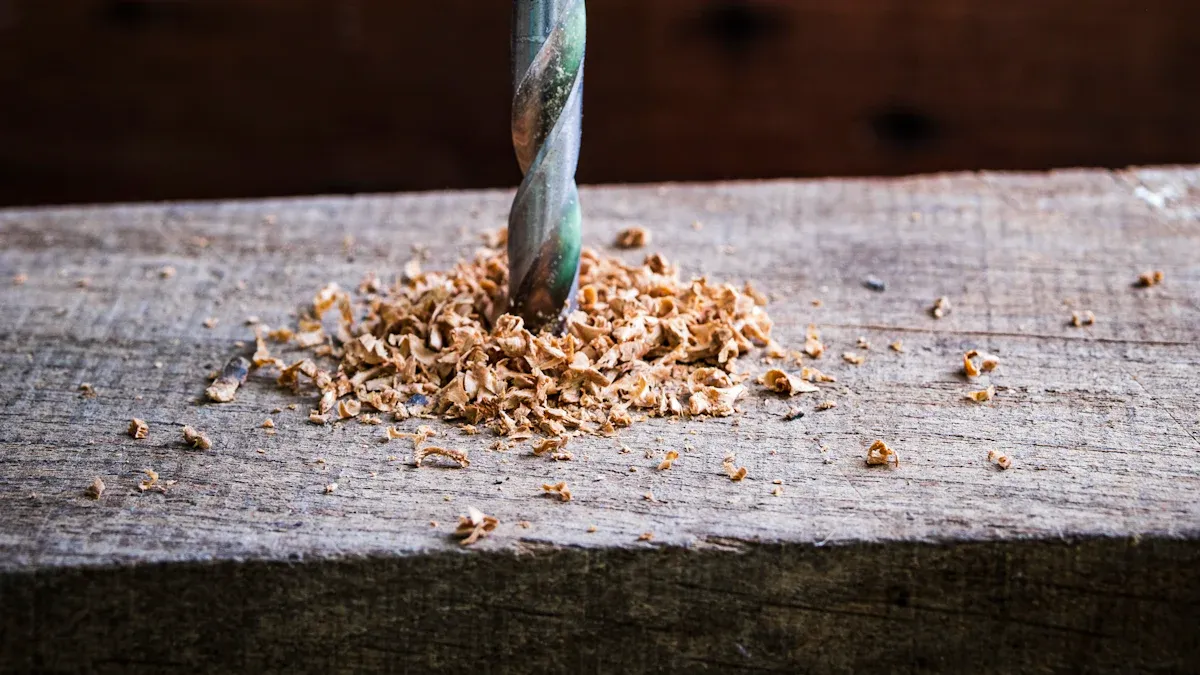
With the bolt prepared, a technician moves to the most critical phase of the operation: creating a perfectly centered pilot hole. The success of the entire extraction hinges on the precision of these next steps. Any deviation can lead to a broken extractor or damaged threads in the housing, turning a manageable repair into a major problem.
How to Center-Punch Accurately
The center punch creates a small dimple that guides the drill bit, preventing it from “walking” across the bolt’s surface. This single action is the foundation for an accurate pilot hole.
Locate the Exact Center
A technician must meticulously identify the true center of the broken bolt. Eyeballing the center is a common mistake that often leads to off-center drilling. A more reliable method involves using a pair of calipers to scribe two intersecting lines across the bolt’s diameter. The point where these lines cross marks the exact center. For bolts with an uneven surface, careful filing, as mentioned previously, is essential before attempting to mark the center.
Make a Firm Indentation
Once the center is marked, the technician places the tip of the center punch directly on the mark. Using a hammer, they deliver a single, firm strike to the end of the punch. This creates a distinct indentation deep enough to seat the tip of the drill bit securely. An automatic center punch, which creates the indentation with a spring-loaded mechanism, can also provide excellent results with consistent force.
Выбор правильного сверла
The drill bit does the heavy lifting in this process. Choosing the correct size and type of bit is not just a recommendation; it is a requirement for success.
Sizing the Bit to the Bolt
The pilot hole must be large enough for the extractor to grip but small enough to leave sufficient material in the bolt’s walls. A hole that is too large will weaken the bolt, causing it to split or crumble under the extractor’s pressure. A hole that is too small will not allow the extractor to seat deeply enough for a solid grip.
Требуемый диаметр твердосплавного сверла Most bolt extractor sets include a guide that matches drill bit sizes to specific extractor sizes. A technician should always consult this guide. As a general rule, the pilot hole should be approximately half the diameter of the broken bolt.
Using Cobalt or Left-Hand Drill Bits
Standard high-speed steel (HSS) bits are often inadequate for drilling into hardened bolts. A technician should use a more robust bit for this task.
- Cobalt Drill Bits: These bits contain a percentage of cobalt, which increases their hardness and heat resistance. They can cut effectively into hardened steel and other tough alloys without dulling quickly.
- Left-Hand Drill Bits: These bits are a game-changer for bolt extraction. They are designed to cut while spinning counter-clockwise. Sometimes, the friction and cutting action of a left-hand bit are enough to “catch” the broken bolt and back it out, eliminating the need for an extractor altogether.
Drilling the Pilot Hole
Drilling the pilot hole is a task of patience and control. Rushing this step almost guarantees failure. A technician must focus on speed, lubrication, and depth to create a clean, usable hole.
Drill Straight and Slow
A technician must keep the drill perfectly aligned with the bolt’s axis. Drilling at an angle will damage the threads in the surrounding material and may cause the extractor to break. A slow, controlled drill speed is crucial, especially when cutting into hardened steel. Excessive speed generates heat, which can dull the bit and further harden the bolt, making it even more difficult to drill.
For drilling into hardened steel alloys, maintaining a low RPM is critical. The ideal speed depends on the material and the drill bit diameter.
| Материал | Recommended Speed (SFM) |
|---|---|
| Steel Alloy (300-400 Brinell) | 20-30 |
| High Tensile (Heat Treated) | Consult material supplier |
In practice, for a small bit like a 9/64″ (~3.5mm) drilling into a stainless steel bolt, a speed of around 800 RPM is often more effective than a faster speed like 1200 RPM, as it reduces heat and wear on the bit.
Use Cutting Fluid
Applying cutting fluid or tapping oil during drilling is non-negotiable. The fluid serves two primary purposes:
- Lubrication: It reduces friction between the drill bit and the bolt.
- Cooling: It dissipates the intense heat generated during drilling.
A technician should apply the fluid generously and pause periodically to clear metal shavings (swarf) from the hole and reapply oil. This practice extends the life of the drill bit and results in a cleaner, more precise hole.
Drill to the Correct Depth
The pilot hole must be deep enough to allow the full tapered section of the extractor to engage. A shallow hole will not provide enough surface area for the extractor to grip, causing it to slip or fail to generate enough torque. A technician should drill to a depth that is at least as long as the extractor’s tapered flutes. They can measure the extractor and mark the corresponding depth on the drill bit with a piece of tape to serve as a visual guide.
Inserting and Using the Extractor
After drilling a precise pilot hole, a technician proceeds to the most rewarding part of the process: using the extractor to remove the damaged fastener. This stage demands a delicate balance of force and feel. Proper execution ensures the bolt comes out cleanly without causing further complications.
Seating the Extractor Firmly
The extractor’s grip is only as good as its initial placement. A loose or improperly seated extractor will slip under torque, potentially damaging the pilot hole and rendering the extractor useless for that attempt.
Match Extractor to the Hole
A technician selects the correct screw extractor by test-fitting it into the newly drilled pilot hole. The extractor should slide in snugly but not require force. It should engage the hole without excessive wobble.
Важное примечание: If the extractor is too small, it will not have enough surface area to grip. If it is too large, it will not fit or may crack the weakened bolt. A technician always refers to the chart included with the bolt extractor set to confirm the correct pairing of drill bit and extractor.
Tap Gently with a Hammer
The technician inserts the chosen extractor into the pilot hole. Using a small hammer, they give the end of the extractor a few light, sharp taps. The objective is to seat the flutes or splines firmly into the walls of the pilot hole. This action creates the bite needed for removal. A technician avoids excessive force, as driving the extractor too hard can expand the bolt, increasing its pressure against the threads, or even shatter the brittle extractor.
Applying Torque to Remove the Bolt
With the broken bolt extractor securely seated, the technician prepares to apply rotational force. The goal is to turn the broken bolt out of its threads. This is the defining moment in the process of removing bolts and screws.
Attach a Tap Wrench
A T-handle tap wrench is the ideal tool for turning the extractor. A technician attaches the wrench to the square end of the extractor, ensuring a firm connection. The T-handle design allows the technician to apply balanced and centered pressure, minimizing the risk of side-loading the extractor and causing it to snap.
Apply Steady, Even Pressure
Jerky movements are the enemy of successful extraction. A technician grips the tap wrench and begins to apply rotational force smoothly and consistently. The initial turn may require significant effort to break the static friction holding the bolt.
A technician focuses on these key actions:
- Applying steady, even pressure throughout the rotation.
- Twisting the wrench steadily while maintaining downward pressure to keep the extractor seated.
- Avoiding sudden bursts of force or attempts to over-torque the tool.
The technician will feel the extractor bite and then, hopefully, the distinct sensation of the bolt breaking free from the threads.
Turn Counter-Clockwise
The technician continues to turn the tap wrench counter-clockwise. The extractor’s left-hand spiral design causes it to dig deeper and tighten its grip as counter-clockwise force is applied. The technician maintains a slow and deliberate pace, allowing the bolt to back out smoothly. Once the bolt is loose, it can often be fully removed by turning the extractor by hand or with the tap wrench.
Advanced Techniques and Troubleshooting
Even a perfectly executed procedure can meet with stubborn resistance. In these moments, a technician must rely on advanced methods to resolve the issue without causing further damage. Knowing how to escalate the approach safely is a critical skill for any professional.
When the Bolt Won’t Budge
Sometimes, steady counter-clockwise pressure is not enough. The bond of rust and corrosion can be stronger than the force the extractor can safely apply. When the bolt refuses to move, a technician has two primary options: lubrication and thermal expansion.
Reapply Penetrating Oil
Patience often pays dividends. If the bolt does not turn, a technician should stop applying force to avoid breaking the extractor. They can reapply a generous amount of penetrating oil to the area. Tapping the area around the bolt lightly with a hammer can create micro-vibrations, helping the oil penetrate deeper into the threads. Allowing the oil to soak for another hour, or even overnight, can make a significant difference.
Carefully Apply Heat
When lubrication fails, heat is the next tool. Applying localized heat causes the material around the bolt to expand more than the bolt itself. This expansion can break the corrosion bond holding the threads. A technician uses a propane or MAPP gas torch to carefully heat the area surrounding the bolt, not the bolt directly.
An engineer suggests a temperature differential is key. Heating the housing until it is 200 to 300 degrees Fahrenheit hotter than the bolt is often enough to break the seizure. For aluminum components, a technician must exercise extreme caution. Heating aluminum beyond 320°F can permanently soften the metal, compromising its structural integrity.
If the Extractor Itself Breaks
A broken screw extractor inside a bolt is one of the most challenging repair scenarios. Extractors are made from extremely hard, brittle steel. This hardness makes them nearly impossible to drill out with conventional drill bits.
The Challenge of Hardened Steel
The primary problem is a material mismatch. The broken extractor is significantly harder than the high-speed steel or even cobalt drill bits used for the pilot hole. Attempting to drill into a broken extractor with a standard bit will only dull or break the bit, making no progress on the hardened fragment. This situation requires specialized tools designed to cut through exceptionally hard materials.
Using a Carbide Burr Bit
The most effective solution for a broken extractor is a solid carbide burr bit. A technician uses this bit with a high-speed rotary tool, like a die grinder. Carbide is much harder than the extractor’s steel and can slowly grind it away.
This process requires immense patience and a steady hand:
- The technician selects a small, pointed carbide burr bit.
- Using the rotary tool, they carefully grind away the center of the broken extractor.
- The goal is to weaken the extractor enough to break it into smaller pieces that can be removed with a pick or magnet.
This is a delicate, time-consuming operation. Rushing can damage the surrounding threads, escalating the repair significantly.
Когда следует обратиться к специалисту
A skilled technician knows the limits of their tools and expertise. Recognizing when a bolt extraction requires professional intervention is not an admission of defeat; it is a strategic decision to prevent a simple problem from becoming a catastrophic failure. Certain situations carry risks that outweigh the satisfaction of a DIY repair.
Assessing the Risk of Damage
The primary consideration is the potential for collateral damage. A failed extraction attempt can ruin expensive components, turning a minor inconvenience into a major expense.
High-Torque or Critical Bolts
Technicians must evaluate the function of the broken bolt. A fastener on a non-critical bracket is very different from a cylinder head bolt or a suspension component bolt. These critical bolts are subject to immense torque and stress. A failed extraction on an engine block or a steering knuckle can compromise the vehicle’s safety and lead to irreparable damage. Professionals have the experience to manage these high-stakes removals.
Damaged Threads in the Housing
Sometimes, the problem is bigger than just the bolt. A technician might discover the threads inside the housing are stripped or damaged. This situation requires more than a simple extraction; it necessitates thread repair. Professionals use specialized kits like Helicoils or Time-Serts to restore the threads to factory specifications. Attempting this without proper training often leads to improper alignment and a weak repair.
Lacking the Right Tools
A successful outcome depends entirely on having the right equipment. A basic bolt extractor set can handle common scenarios, but it is no match for hardened steel or complex situations.
Carbide Bits and Specialty Tools
A technician faces a significant challenge if an extractor breaks inside the bolt. Removing the hardened steel fragment requires tools not found in most home workshops, such as solid carbide burr bits and high-speed die grinders. Attempting to drill out a broken extractor with standard bits is futile. A professional machinist or mechanic will have these specialized tools ready.
Avoiding Costlier Repairs
A technician must weigh the cost of a professional service against the potential cost of a failed repair. While DIY kits are inexpensive, the financial risk of damaging a valuable component is high.
Cost-Benefit Analysis: DIY vs. Professional
- A typical DIY bolt extractor set costs between $13 and $25.
- Услуги профессионального удаления болтов могут стоить от 50 до нескольких сотен долларов, в зависимости от сложности и местоположения.
Оплата услуг профессионала — это вложение в спокойствие. Стоимость услуги — это небольшая цена, чтобы избежать гораздо более высоких затрат на замену поврежденной головки двигателя, картера коробки передач или другой критической детали. Техник, который знает, когда стоит обратиться к специалисту, экономит время, деньги и избавляет от ненужных разочарований.
Успех техника с сломанным болтом зависит от трех критически важных действий: точного центровочного сверления, выбора экстрактора правильного размера и приложения постоянного усилия против часовой стрелки. Освоение этого процесса с использованием качественного набора для выкручивания болтов экономит ценное время и предотвращает дальнейшие повреждения.
Многие дорогостоящие профессиональные ремонты происходят из-за неправильного обращения с болтами, такого как чрезмерная затяжка или срыв резьбы. Успешное извлечение позволяет избежать этих ловушек.
В конечном счете, техник убеждается, что терпение в сочетании с правильными инструментами обеспечивает успешный результат и восстанавливает компонент без осложнений.
Частые вопросы
Какова самая распространенная ошибка при использовании экстрактора для болтов?
Наиболее частая ошибка — сверление направляющего отверстия со смещением от центра. Это не позволяет экстрактору надежно зацепиться и создает риск повреждения резьбы в корпусе. Техник должен в приоритете сверлить точно по центру болта.
Может ли техник повторно использовать экстрактор для болтов?
Да, высококачественные экстракторы являются многоразовыми. Техник должен проверять инструмент на наличие признаков износа, сколов или повреждений после каждой работы. Необходимо заменить поврежденный экстрактор, так как он не будет обладать необходимой силой сцепления для будущих задач.
Почему техник должен использовать левостороннее сверло?
Левостороннее сверло режет в направлении против часовой стрелки. Сам процесс сверления может создать достаточный крутящий момент, чтобы зацепить сломанный болт и вывернуть его. Эта техника иногда может полностью устранить необходимость в экстракторе. Эта техника иногда может полностью устранить необходимость в экстракторе.
Что должен сделать техник, если болт сломан ниже поверхности?
Процедура в основном остается той же. Техник должен сначала создать плоскую поверхность на утопленном болте с помощью небольшого напильника или бормашины. Этот шаг имеет решающее значение для точной накерновки центра и сверления.
Как материал болта влияет на процесс извлечения?
Материал болта является критическим фактором. Технику требуется более прочное сверло, например, кобальтовое, для болтов из закаленной стали. Более мягкие металлы, такие как алюминий, требуют более деликатного подхода, чтобы предотвратить расширение экстрактора и повреждение болта или корпуса.
Руководство по материалам:
- Закаленная сталь: Используйте кобальтовые сверла и низкие скорости сверления.
- Алюминий/Латунь: Применяйте меньшее усилие, чтобы избежать растрескивания болта.
Что делать, если болт слишком мал для стандартного экстрактора?
Для мелких крепежных элементов техник может использовать набор микро-экстракторов. Если болт слишком мал даже для них, лучшим вариантом часто является высверливание всего болта и восстановление отверстия метчиком для нарезания резьбы.