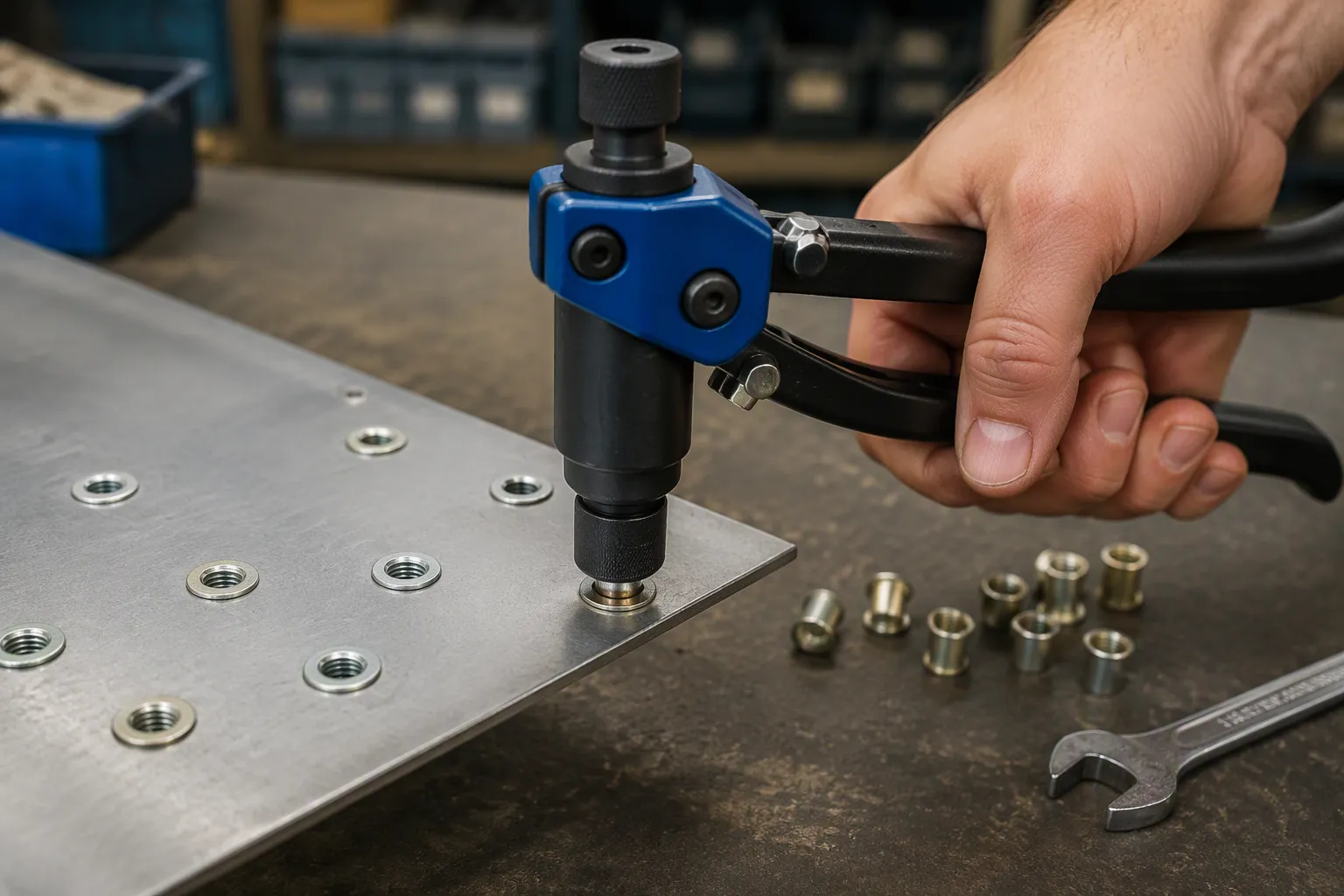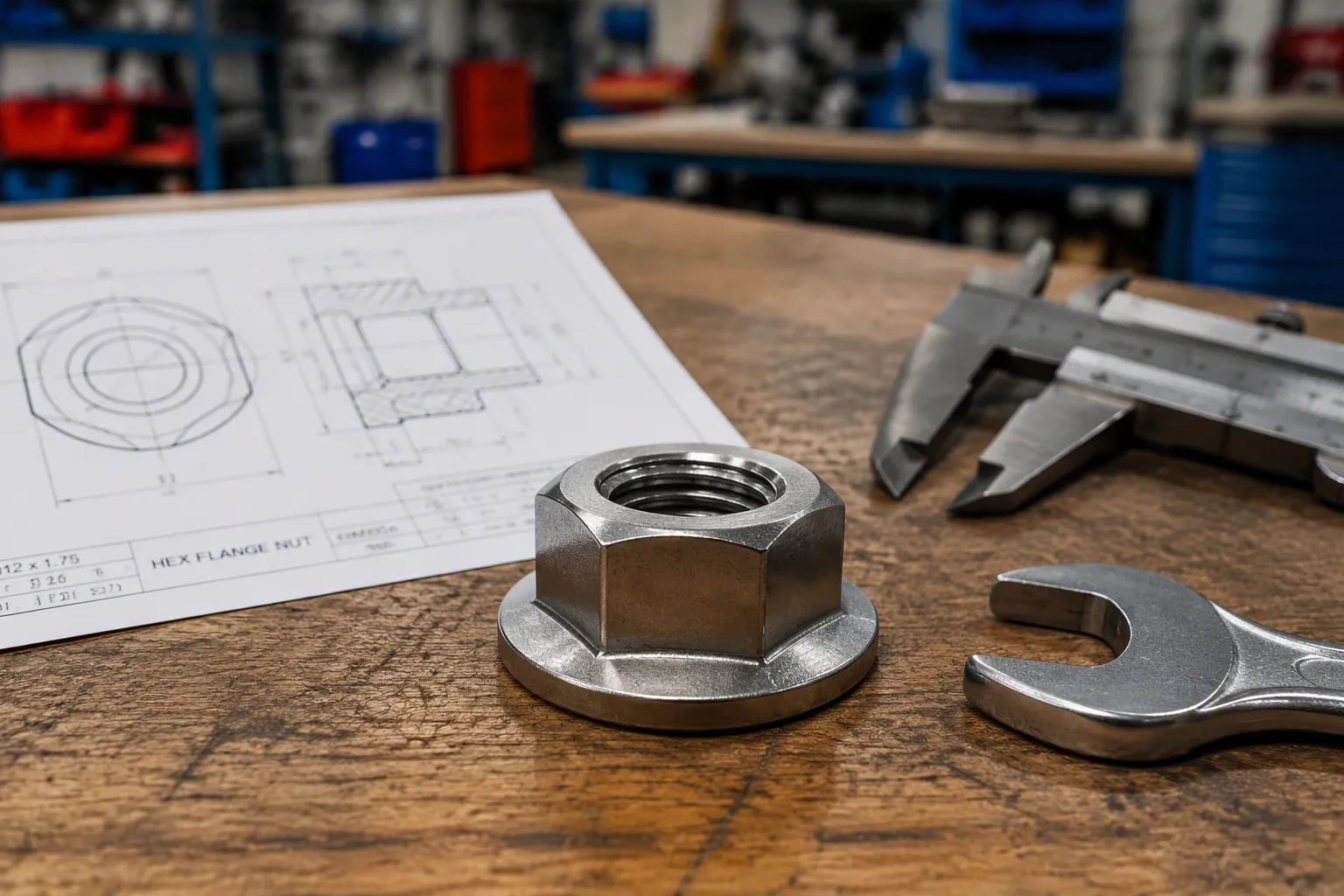

Для выбора болтов с квадратной головкой правильной длины используется простой расчет. Строители определяют минимально необходимый размер с помощью простой формулы.
Формула: (Общая толщина дерева) + (толщина фурнитуры) + (дополнительная резьба)
Обычный проект предполагает закрепление двух столбов размером 4×4. Для выполнения этой конкретной работы, как правило, требуется 8-дюймовый болт с цилиндрической головкой. Качество фурнитуры кареты, которое зачастую зависит от её литье болтов, обеспечивает надежное соединение для каждого столба. Для нестандартных размеров — производитель крепежных изделий на заказ может предоставить нестандартные крепежные элементы для завершения работы.
Основные принципы выбора болтов с шестигранной головкой
Строитель рассчитывает оптимальную длину болта, учитывая три ключевых параметра. Этот метод гарантирует прочное и профессиональное соединение для любого проекта с использованием столбов размером 4×4. Полученная по формуле минимальная длина затем округляется в большую сторону до ближайшего доступного стандартного размера.
Часть 1: Измерение общей толщины древесины
Самым значимым фактором в этом уравнении является сама древесина. Точное измерение всего пиломатериала является основой правильного расчета.
Различие между номинальными и фактическими размерами
На лесопилках древесину продают с указанием “номинальных” размеров, которые соответствуют размерам необработанной доски до её строгания. “Фактический” размер — это размер готового изделия, который всегда меньше. Строитель всегда должен использовать фактические размеры для расчётов. Например, столб размером 4×4 на самом деле не имеет размеров 4 дюйма на 4 дюйма.
| Номинальный размер | Фактический размер |
|---|---|
| 2×4 | 1-1/2″ × 3-1/2″ |
| 4×4 | 3-1/2″ × 3-1/2″ |
| 6×6 | 5-1/2″ × 5-1/2″ |
Учет всех уровней в вашем проекте
В ходе реализации проекта зачастую приходится крепить болтами не один столб. Необходимо измерить фактическую толщину каждого элемента конструкции, через который будет проходить болт. Сюда входят основные столбы, прикрепленные балки, опорные балки и декоративные накладки. Суммирование этих отдельных измерений дает “общую толщину дерева”, необходимую для формулы.
Часть 2: Учёт толщины оборудования
Гайка и шайба увеличивают требуемую длину болта. Если забыть об этой небольшой, но важной детали, болты могут оказаться слишком короткими для надёжной фиксации.
Стандартные допуски на шайбы и гайки
Стандартная плоская шайба и шестигранная гайка имеют совокупную толщину. Эту толщину необходимо прибавить к общему размеру деревянной детали. Хотя она может незначительно варьироваться в зависимости от производителя, надежный запас предотвращает проблемы при монтаже. Эти детали обеспечивают равномерное распределение давления на болт с шестигранной головкой и его надежную фиксацию.
Практическое правило «1/2 дюйма»
Широко признанная передовая практика упрощает расчет аппаратного обеспечения.
Требуемый диаметр твердосплавного сверла Добавьте к общему размеру дерева стандартные 1/2 дюйма. Этот припуск с запасом учитывает толщину стандартной шайбы и гайки, а также небольшой запас резьбы.
Часть 3: Добавление дополнительной нити для надежной фиксации
Последний элемент формулы обеспечивает возможность полной затяжки соединения. Слишком короткий болт непригоден для использования.
Почему немного большая длина имеет решающее значение
Очень важно, чтобы резьба немного выступала за пределы затянутой гайки. Эта дополнительная длина гарантирует полное сцепление резьбы гайки с резьбой болтов. Кроме того, она обеспечивает запас на случай небольших отклонений в толщине древесины или её возможного разбухания. Квадратная шейка болта с кареткой вдавливается в древесину, что также влияет на окончательную посадку.
Сколько дополнительной нити будет достаточно
Упомянутый ранее запас в 1/2 дюйма, как правило, обеспечивает достаточную длину резьбы. Этот небольшой запас гарантирует, что гайку можно будет полностью затянуть, не упираясь в нерезьбовую часть болта. Этот простой шаг является ключевым для обеспечения надежного и долговечного соединения с крепежными элементами каретки.
Пошаговое руководство по определению размеров болтов
Следование систематическому алгоритму гарантирует правильный выбор болтов. Строитель может с уверенностью определить нужную длину, разбив процесс измерения на три простых этапа. Такой подход исключает необходимость действовать наобум и обеспечивает надежное соединение профессионального уровня.
Шаг 1: Измерьте фактическую толщину ваших столбов
Первым и самым важным этапом измерения является сама древесина. Строитель ни в коем случае не должен полагаться на размеры, указанные на этикетке. Только непосредственное измерение может гарантировать точность вашего проекта.
Использование рулетки для обеспечения точности
Рулетка — незаменимый инструмент для выполнения этой задачи. Необходимо самостоятельно измерить древесину, поскольку её размеры могут варьироваться. На конечную толщину бруса влияют несколько факторов.
- На лесопильных складах номинальные размеры (например, 4×4) используются для маркировки, а не для определения фактических размеров.
- Номинальный столб 4×4 на самом деле имеет размеры, ближе к 3,5 дюйма × 3,5 дюйма после того, как древесина высохнет и будет гладко строгана.
- Фактические размеры деревянных столбов могут незначительно изменяться в зависимости от влажности и колебаний в процессе фрезерования.
Подтверждение того, что 4×4 на самом деле составляет 3,5 дюйма
Понимание терминологии, связанной с пиломатериалами, является залогом того, чтобы избежать типичных ошибок. Разница между номинальными и фактическими размерами — это одно из основных понятий в строительстве. Помочь в этом может простое правило: если в обозначении присутствует символ дюйма (“), то речь идет о фактическом размере. В противном случае, скорее всего, это номинальный размер.
Основные термины в лесной промышленности
| Термин | Определение |
| :— | :— |
| Фактические размеры | Точные и достоверные измерения бруса. |
| Номинальные размеры | Стандартное обозначение бруса; указанные размеры превышают фактические. |
| Обработанная древесина | Древесина, пропитанная консервантами для защиты от гниения и насекомых. |
Шаг 2: Добавьте толщину всех дополнительных материалов
Болт часто проходит не только через два стойки. Строитель должен учитывать каждый слой в соединении, чтобы точно рассчитать общую толщину материала.
Измерение размеров прикрепленных досок (например, 2x4, 2x6)
Во многих проектах требуется крепление других брусьев, таких как балки перекрытия или несущие балки, к основному опорному столбу. Каждый из этих дополнительных деревянных элементов необходимо измерить. Строитель руководствуется тем же принципом использования фактических размеров. Например, фактическая толщина доски размером 2×6 составляет 1,5 дюйма, а не 2 дюйма. Суммирование фактической толщины всех слоёв древесины даёт общий размер деревянного элемента.
Включая металлические кронштейны или пластины
Для обеспечения дополнительной жесткости конструкционных соединений иногда требуются металлические детали, такие как Т-образные пластины или L-образные кронштейны. Эти пластины увеличивают общую толщину и должны учитываться в расчетах. Стандартные металлические кронштейны, используемые с столбами 4×4, обычно изготавливаются из Сталь 12-го калибра. Толщина этого материала составляет примерно 1/8 дюйма, небольшое, но важное дополнение к требованию по общей длине.
Шаг 3: Вычислить и округлить в большую сторону
Последний этап сводится к простым арифметическим вычислениям. Строитель суммирует измерения, а затем подбирает болт соответствующего промышленного размера. Это гарантирует, что выбранный кареточные болты будет идеально подходить.
Подстановка чисел в формулу
Теперь можно подставить полученные измерения в основную формулу. Представьте себе проект, в котором строитель крепит балку размером 2×8 (фактическая толщина 1,5″) к опорной стойке размером 4×4 (фактическая толщина 3,5″).
- Общая толщина древесины: 3,5 дюйма (столб) + 1,5 дюйма (балка) = 5,0 дюйма
- Добавьте надбавку за оборудование: 5,0″ + 0,5″ (на шайбу и гайку) = 5,5″
- Минимальная длина болта: 5,5 дюйма
Выбор следующего стандартного размера болта
Производители выпускают болты со стандартными шагами длины, например, с шагом в полдюйма или дюйм. Рассчитанная минимальная длина в 5,5 дюйма означает, что болт длиной 5,5 дюйма является самым коротким из возможных вариантов.
Требуемый диаметр твердосплавного сверла Всегда округляйте результаты вычислений в большую сторону до ближайшего доступного стандартного размера. Если требуется болт длиной 5,5 дюйма, строитель должен выбрать болт длиной 6 дюймов. Это обеспечит достаточную длину резьбы для надёжной затяжки и запас прочности.
Рекомендуемая длина болтов для типичных проектов по установке опор для террас 4×4
Применение основной формулы к реальным проектам упрощает выбор болтов. В приведенных ниже примерах рассмотрены типичные строительные ситуации с использованием опор для террасы размером 4×4, а также представлены четкие расчеты и рекомендации. Эти рекомендации помогут строителю выберите подходящее оборудование для обеспечения прочной и долговечной конструкции.
Скрепление двух столбов 4×4 болтами
Одной из распространенных задач при строительстве террас и заборов является соединение двух столбов для повышения прочности. В результате получается более толстая и прочная опорная колонна.
Расчет: 3,5″ + 3,5″ + 0,5″ = 7,5″
Строитель сначала измеряет фактическую толщину каждого столба размером 4×4, которая составляет 3,5 дюйма. Общая толщина дерева равна сумме толщин обоих столбов.
Разбивка расчётов
- Толщина столба № 1: 3,5 дюйма
- Толщина 2-го слоя: 3,5 дюйма
- Пособие на покупку оборудования: 0,5 дюйма
Минимальная требуемая длина болта составляет 7,5 дюймов.
Рекомендуемый болт: 8 дюймов
Производители обычно выпускают болты с квадратной головкой с шагом в полдюйма или один дюйм. Поскольку минимальное требование составляет 7,5 дюйма, строитель должен округлить значение в большую сторону. Болт длиной 8 дюймов обеспечивает необходимую длину для шайбы и гайки, а также небольшой запас резьбы для надежной затяжки.
Крепление балки 2x к столбу 4×4
При возведении каркаса террасы часто требуется крепить горизонтальные балки к вертикальным опорам размером 4×4. Это соединение имеет решающее значение для устойчивости поверхности террасы. В качестве балки обычно используется доска размером 2× (например, 2×8, 2×10).
Расчет: 3,5″ + 1,5″ + 0,5″ = 5,5″
При расчете учитывается фактическая толщина опорной стойки и прикреплённой к ней балки. Номинальная доска размером 2× имеет фактическую толщину 1,5 дюйма. Стойка размером 4×4 имеет фактическую толщину 3,5 дюйма. С учетом припуска на крепеж в 0,5 дюйма минимальное требование составляет 5,5 дюйма.
Рекомендуемый болт: 6 дюймов
Болт длиной 5,5 дюйма не оставляет места для ошибки. Строитель должен выбрать болт следующего стандартного размера — 6 дюймов. Такой выбор гарантирует полное зацепление гайки с резьбой болта, что обеспечивает прочное соединение балки с стойкой.
Крепление столба 6×6 к столбу 4×4
В некоторых конструкциях предусмотрено соединение столбов разного размера, например, соединение более крупного столба 6×6 с меньшим по размеру столбом 4×4. Такая ситуация может возникать при переходе от основной опоры к второстепенному элементу.
Расчет: 5,5″ + 3,5″ + 0,5″ = 9,5″
Строитель должен использовать фактические размеры обоих брусьев. Столб размером 6×6 имеет фактическую толщину 5,5 дюйма, а столб размером 4×4 — 3,5 дюйма. Общая толщина бруса составляет 9,0 дюйма. При добавлении 0,5 дюйма на крепеж минимальная длина болта составляет 9,5 дюйма.
Рекомендуемый болт: 10 дюймов
Если минимальное требование составляет 9,5 дюйма, правильным выбором будет болт длиной 10 дюймов. Такая длина обеспечит надежную фиксацию. Для таких нестандартных соединений между стойками разного размера специальные крепежные элементы могут обеспечить дополнительную опору.
- Кронштейны-адаптеры PostHugger™, изготовленные из стали толщиной 1/8 дюйма, предназначены именно для этой цели.
- Среди типов кронштейнов представлены прямые, плоские L-образные, плоские T-образные и угловые варианты для различных конфигураций.
- Строитель может установить эти кронштейны с помощью шурупов 1/2″ или сквозных болтов для обеспечения повышенной прочности конструкции.
Выбор подходящего диаметра болта для внедорожников 4x4
Правильный выбор длины болта — это только половина дела; диаметр болта не менее важен для обеспечения прочности конструкции. Диаметр определяет прочность болта на срез, то есть его способность противостоять силам, способным перерезать его пополам. Для столбов 4×4 выбор, как правило, сводится к двум стандартным размерам, каждый из которых подходит для разных требований к нагрузке.
Болты 1/2 дюйма и 5/8 дюйма
Диаметр болта напрямую влияет на прочность соединения. Строитель должен подобрать размер болта с учетом конструктивных требований проекта.
1/2 дюйма — для общестроительных работ
Болт диаметром 1/2 дюйма является отраслевым стандартом для большинства проектов по строительству террас и заборов в жилых домах. Этот размер обеспечивает достаточную прочность для типичных задач, в том числе:
- Крепление балок к столбам
- Крепление опор перил
- Склеивание двух столбов размером 4×4
Для большинства проектов в сфере «сделай сам» и общестроительных работ болт с головкой «каретка» диаметром 1/2 дюйма представляет собой надёжное решение, соответствующее строительным нормам.
5/8 дюйма — для сверхвысоких конструктивных нагрузок
Строитель должен выбирать болты диаметром 5/8 дюйма для соединений, на которые приходится значительная нагрузка или которые подвергаются высоким нагрузкам. Такие высоконагруженные соединения требуют повышенной прочности на срез.
Используйте болты 5/8 дюйма для:
- Опорные основные балки, принимающие на себя нагрузку от главного настила.
- Соединения в многоуровневых настилах.
- Сооружения, такие как перголы или павильоны с большими и массивными кровельными конструкциями.
Использование болта большего диаметра гарантирует, что соединение сможет надежно выдержать повышенные нагрузки на конструкцию.
Подбор размера сверла в соответствии с диаметром болта
Сверление отверстия нужного размера имеет решающее значение для прочного соединения. Отверстие должно позволять болту проходить через него, при этом не будучи ни слишком свободным, ни слишком тугим.
Почему размер отверстия имеет значение
Плотность прилегания болта к дереву имеет решающее значение для передачи нагрузки. Неправильно подобранный размер отверстия ставит под угрозу прочность соединения. Исследования показывают, что когда диаметр отверстия превышает диаметр болта, начальная жёсткость соединения и его предельная несущая способность снижаются. Этот зазор препятствует равномерной нагрузке, особенно в соединениях с несколькими болтами, и изменяет характер распределения напряжений в древесине. Слишком маленькое отверстие может повредить волокна древесины во время монтажа.
Сверление для плотной, но не тугой посадки
Цель состоит в том, чтобы просверлить отверстие, обеспечивающее плотное прилегание, что позволит вставить болт с помощью легких ударов молотком.
Руководство по сверлам
| Диаметр болта | Рекомендуемое сверло |
| :— | :— |
| болта 1/2 дюйма | Сверло 1/2 дюйма |
| 5/8 дюйма (≈16 мм) | Сверло 5/8 дюйма |
Строитель должен использовать сверло, диаметр которого точно соответствует диаметру болта. Такой подход гарантирует полный контакт резьбы и стержня болта с древесиной, что позволяет максимально повысить прочность соединения, не нанося при этом ненужного ущерба во время монтажа.
Крепление углового столба 4×4 для забора
Угловой столб является опорой ограждения, на который действуют растягивающие силы из двух разных направлений. Правильное крепление болтами имеет решающее значение для долгосрочной устойчивости и прочности всей конструкции ограждения. Крепление углового столба размером 4×4 требует более тщательного планирования, чем крепление стандартного линейного столба, поскольку на него действуют две противоположные силы. Прочность ограждения зависит от надёжно закреплённого угла.
Особые моменты, которые следует учитывать при угловых соединениях
Угловые соединения создают особые конструктивные сложности. Строитель должен учитывать, что рейки забора соединяются под углом 90 градусов. Такая конфигурация требует тщательного подхода к размещению болтов, чтобы не снизить прочность древесины.
Планирование расположения болтов в двух направлениях
Угловой столб соединяется с рейками ограждения, идущими по двум перпендикулярным линиям. Строитель должен распланировать отверстия для болтов так, чтобы они не пересекались внутри дерева. Просверливание отверстий для двух длинных болтов в одной горизонтальной плоскости может привести к появлению слабого места. Тщательные измерения и разметка гарантируют, что болты для участка забора, проходящего с севера на юг, не будут мешать болтам для участка забора, проходящего с востока на запад. Такое планирование имеет решающее значение для прочности забора.
Расположение болтов с шагом для обеспечения прочности деревянной конструкции
Смещение болтов — важнейший приём, позволяющий сохранить конструктивную целостность древесины. Данный метод заключается в смещении вертикальных положений болтов.
Требуемый диаметр твердосплавного сверла Ни в коем случае не просверливайте отверстия под болты, расположенные прямо напротив друг друга на соседних гранях столба. Их вертикальное смещение позволяет распределить нагрузку и предотвратить образование “линии перфорации”, которая может привести к расколу древесины под нагрузкой. Это особенно важно для ограждений с высоким натяжением.
Этот простой шаг гарантирует, что столб сохранит прочность на протяжении всего срока службы забора.
Рекомендуемая стратегия затяжки болтов на поворотах
Профессиональная стратегия соединения углов гарантирует прочность и долговечность ограждения. Для этого необходимо использовать достаточное количество болтов и убедиться, что каждый из них имеет длину, соответствующую конкретному соединению. Целостность всего ограждения зависит от этих угловых столбов.
Использование двух болтов на каждое соединение
Для обеспечения максимальной устойчивости строителю следует использовать два кареточные болты прикрепить каждую входящую перекладину ограждения к столбу.
- Один болт служит точкой опоры, что со временем приводит к скручиванию или повороту рельса.
- Два болта, установленные один над другим, надежно фиксируют рельс на месте.
Этот метод крепления с помощью двух болтов позволяет создать прочное соединение, способное выдерживать давление и предотвращать провисание ограждения.
Обеспечение правильной длины каждого болта
Строитель должен индивидуально рассчитывать длину болта для каждого соединения перекладины со столбом. Применяется стандартная формула: фактическая толщина столба (3,5 дюйма) плюс фактическая толщина перекладины забора (например, 1,5 дюйма для бруса 2×4), плюс припуск на крепеж в 0,5 дюйма. Для этого типичного случая рекомендуется использовать болт длиной 6 дюймов. Использование болта правильной длины гарантирует прочное соединение, которое является основой надежного забора.
Рекомендации по установке болтов с головкой под гайку
Правильная установка не менее важно, чем выбор подходящей фурнитуры. Соблюдение передовых методов гарантирует, что каждый болт с головкой-кареткой обеспечит максимальную прочность конструкции. Успешный монтаж начинается с тщательной подготовки и заканчивается точной затяжкой. Этот процесс защищает как древесину, так и фурнитуру, обеспечивая долговечность соединения.
Подготовка древесины к укладке
Перед сверлением строитель должен правильно подготовить древесину. Этот начальный этап монтажа закладывает основу для надежного и профессионально выполненного результата.
Четкая маркировка точек сверления
Точные разметки — это первый шаг к успешному монтажу. Строитель должен использовать комбинированный угольник и острый карандаш, чтобы отметить точный центр каждого отверстия. Разметки должны быть чёткими и точными. Это простое действие гарантирует, что болт пройдет через стойку именно в том месте, где это предусмотрено, обеспечивая правильное выравнивание и распределение нагрузки.
Как просверлить ровное и аккуратное отверстие
Прямое отверстие имеет решающее значение для прочного соединения. Болт, установленный под углом, не обеспечит равномерного распределения давления.
- Разработчик может создать простая направляющая для сверла из короткого отрезка квадратной стальной трубы. Этот самодельный инструмент помогает поддерживать идеально перпендикулярный угол при сверлении, что крайне важно для правильного монтажа.
- При сверлении внутри столба, прошедшего обработку под давлением, обнажается необработанная древесина. Американская ассоциация по защите древесины (AWPA) предписывает обработку этих новых отверстий антисептиком. Этот этап является важнейшей частью монтажа, поскольку он восстанавливает защитный слой и предотвращает гниение и повреждение насекомыми в будущем.
Установка и затяжка болта
Заключительные этапы монтажа включают установку болта на место и затяжку его с соблюдением требуемого момента затяжки. Эти действия обеспечивают надежную фиксацию соединения.
Установка квадратного горлышка в дерево
Ключевой особенностью болта с каретной головкой является квадратная шестерня под закругленной головкой. Эта часть впивается в древесину, предотвращая проворачивание болта при затяжке.
Правильная установка является ключом к надежности. После установки болта строитель должен несколько раз осторожно постучите по головке молотком. Это действие плотно закрепляет квадратную шейку в волокнах древесины. Строитель должен избегать применения чрезмерной силы, чтобы не расколоть древесину.
Насколько “достаточно плотно” — это «достаточно плотно»?
Чрезмерная затяжка — распространенная ошибка, которая ставит под угрозу всю установку. Приложение слишком большого усилия может привести к серьезным повреждениям. Чрезмерный крутящий момент измельчает древесные волокна, повреждает резьбу болта, и даже может постоянно растягивать болт, снижая его несущую способность. Это ослабляет соединение и повышает вероятность его разрушения. Строитель должен затягивать гайку до тех пор, пока шайба не станет плоской и плотно прилегает к дереву. Обычно для надежной установки достаточно завершающего поворота на четверть оборота.
Строитель обеспечивает успешность проекта, следуя простому процессу выбора болтов с квадратным подголовком. Ключевым моментом является применение основной формулы: фактическая общая толщина древесины плюс допуск на крепеж равняется минимальной длине болта. Необходимо всегда измерять фактические размеры пиломатериалов и округлять итоговый расчет до ближайшего доступного стандартного размера в большую сторону. Правильный выбор крепежа с квадратным подголовком — это первый шаг; регулярное техническое обслуживание имеет решающее значение для безопасности.
Ежегодный контрольный список по технике безопасности
- Проводите ежегодные проверки для выявления износа, вызванного погодными условиями.
- Проверяйте наличие корродированных крепежных элементов, ослабленных соединений или треснувшей древесины.
- Проверяйте устойчивость перил и убедитесь, что их соединение с конструкцией является прочным.
Частые вопросы
Можно ли повторно использовать старые болты с квадратным подголовком для нового забора?
Строителю следует избегать повторного использования старых болтов для нового забора. Со временем коррозия и нагрузки могут ослабить крепеж. Новые болты обеспечивают структурную целостность забора. Прочный забор зависит от качественного крепежа.
Какой болт лучше всего подходит для калитки глухого забора?
Для тяжелой калитки глухого забора строителю следует использовать как минимум два сквозных болта диаметром 1/2 дюйма. Это обеспечивает превосходную прочность и предотвращает провисание. Надежная калитка необходима для функционального забора.
Почему древесина раскололась при затягивании болта на моем заборе?
Наиболее распространенной причиной является чрезмерная затяжка. Избыточное усилие сминает древесные волокна, что приводит к растрескиванию. Строитель должен затягивать гайку до плотного прилегания, а затем добавить завершающий поворот на четверть оборота. Это защищает столб забора.
Подходят ли оцинкованные болты для забора из обработанной древесины?
Да, для забора из обработанной древесины строитель должен использовать болты с горячим цинкованием или из нержавеющей стали. Химические вещества в обработанной древесине вызывают коррозию обычной стали, что со временем снижает прочность соединения забора.
Сколько болтов необходимо для углового столба забора 4×4?
Строитель должен использовать по два болта для каждого прогона, соединяемого с угловым столбом. Это предотвращает скручивание прогонов забора. Устойчивый угловой столб является основой долговечной конструкции забора.