Профессионалы устанавливают болты с квадратным подголовком из-за их исключительной прочности в таких областях, как строительство террас. Качественный болт с цилиндрической головкой от авторитетного производитель крепежных изделий на заказ может иметь гарантированную нагрузку в 85 000 фунтов на квадратный дюйм. Установка проста. Оператор должен просверлить отверстие, соответствующее диаметру стержня болта. Затем он вбивает болт в подготовленное отверстие. Наконец, на резьбовой конец болта надевается шайба и гайка, которые затягиваются. Это действие надежно фиксирует болты. Качественный литье болтов обеспечивает надежное соединение нестандартные крепежные элементы при правильной установке таких болтов.
Необходимые инструменты и материалы для работы с болтами
Успешная установка требует правильных инструментов и материалов. Сбор этих предметов до начала проекта обеспечивает плавный и эффективный рабочий процесс. Оператор избегает задержек и достигает профессионального результата при должной подготовке.
Инструменты для работы
Для правильной установки болта с квадратным подголовком необходим базовый набор инструментов. Каждый инструмент выполняет определенную функцию в процессе.
Электродрель
Электродрель необходима для создания начального отверстия. Надежная дрель обеспечивает необходимый крутящий момент для чистого сверления как деревянных, так и металлических поверхностей.
Набор сверл
Оператору нужен качественный набор сверл. В наборе должны быть различные размеры. Это позволяет пользователю выбрать сверло, точно соответствующее диаметру стержня болта, что критически важно для надежной посадки.
Гаечный ключ или набор головок
Гаечный ключ или набор головок используется для затягивания гайки на болт. Разводной ключ подходит для многих задач. Однако набор головок часто обеспечивает лучший захват и ускоряет процесс затяжки.
Молоток или киянка
Молоток или резиновая киянка помогают усадить болт. Несколько уверенных ударов вгоняют квадратный подголовок в материал. Это действие подготавливает болт к окончательной затяжке.
Рулетка и карандаш
Точные измерения являются основой. Рулетка и карандаш позволяют оператору отметить точное место для отверстия. Эта точность обеспечивает правильное выравнивание и расстояние между всеми болтами.
Необходимые материалы
Выбор правильных материалов так же важен, как и использование правильных инструментов. Выбор крепежа напрямую влияет на прочность и долговечность соединения.
Болты с квадратным подголовком
Основными крепежными элементами являются сами болты с квадратным подголовком. Они бывают из различных материалов и классов прочности для разных применений и условий. Распространенные варианты включают:
- Класс 2, Сталь классов 2, 5 и 8: Они предлагают разные уровни прочности, причем класс 8 является самым прочным для высоконагруженных применений.
- Нержавеющая сталь (18-8 и 316): Этот материал обеспечивает отличную коррозионную стойкость.
- Кремнистая бронза и латунь: Эти материалы идеальны для морских условий благодаря превосходной коррозионной стойкости.
Требуемый диаметр твердосплавного сверла Факторы окружающей среды сильно влияют на выбор материала. Для проектов, подверженных воздействию влаги или химикатов, болты из нержавеющей стали являются надежным выбором. Нержавеющая сталь марки 316 практически обязательна для морских применений или районов с воздействием соленой воды, поскольку она устойчива к коррозионному разрушению.
Плоские шайбы
Плоская шайба надевается на болт перед гайкой. Она распределяет давление от гайки по большей площади поверхности. Это предотвращает повреждение материала гайкой при затяжке.
Гайки
Гайка навинчивается на конец болта для фиксации соединения. Размер и резьба гайки должны соответствовать характеристикам болта с квадратным подголовком.
Стопорные шайбы или самоконтрящиеся гайки
Для соединений, подверженных вибрации, оператор должен использовать стопорную шайбу или самоконтрящуюся гайку. Эти компоненты предотвращают ослабление гайки со временем, обеспечивая сохранение плотного и надежного соединения.
Пошаговое руководство по установке болтов с квадратным подголовком
Это пошаговое руководство предоставляет четкий и воспроизводимый процесс установки болтов с квадратным подголовком. Следование этим основным процедурам обеспечивает надежное и профессиональное соединение для любого проекта.
Шаг 1: Разметка и сверление отверстия
Правильная подготовка — основа успешной установки. Этот начальный шаг определяет выравнивание, посадку и окончательную прочность соединения.
Измерение и разметка местоположения
Оператор начинает с использования рулетки для определения точной центральной точки для болта. Он четко отмечает это место карандашом. Точная разметка критически важна для проектов, требующих нескольких болтов, так как она гарантирует равномерное расстояние и аккуратный, профессиональный вид.
Выберите сверло правильного размера
Оператор должен выбрать сверло, точно соответствующее диаметру стержня болта (нерезьбовой части), а не резьбы. Отверстие, которое слишком мало, не позволит болту пройти, а слишком большое отверстие позволит головке болта проворачиваться при затяжке, что сведет на нет его назначение.
Сверление прямого, чистого отверстия
Оператор должен просверлить отверстие, строго перпендикулярное поверхности материала. Отверстие под углом не позволит головке болта лечь заподлицо, что может ослабить соединение или деформировать материал.
Профессиональный совет для идеального угла 90° 🎯.
- Найдите кусок квадратной стальной трубы с чистым заводским краем.
- Используйте угольник, чтобы убедиться, что заводская кромка имеет точный угол 90 градусов.
- Поместите трубу на рабочую поверхность заводской кромкой вниз и плотно прижмите ее к метке.
- Ведите сверло вдоль внутреннего угла трубы, чтобы сохранить идеальную перпендикулярность.
Шаг 2: Установка призонного болта
После подготовки чистого отверстия следующим шагом является правильное позиционирование болта в материале.
Забивание болта на место
Оператор должен ввести кончик призонного болта в просверленное отверстие. С помощью молотка или резиновой киянки следует нанести несколько уверенных, но контролируемых ударов по головке болта. Это действие погружает квадратную шейку непосредственно под головкой в материал, создавая первоначальное зацепление, предотвращающее проворачивание.
Убедитесь, что головка находится заподлицо
Цель состоит в том, чтобы куполообразная головка болта плотно и ровно прилегала к материалу. Окончательное затягивание полностью утопит болт, но первоначальная проверка важна.
- Плоская нижняя сторона головки болта должна полностью контактировать с прилегающей поверхностью.
- Если отверстие было просверлено под углом, головка будет сидеть неровно и не станет заподлицо.
- После окончательной затяжки оператор должен убедиться, что головка полностью утоплена, чтобы обеспечить надежность соединения.
Шаг 3: Фиксация шайбой и гайкой
Заключительный шаг предполагает скрепление компонентов для создания прочного и долговечного соединения. Это наиболее критическая фаза для правильной установки призонных болтов.
Установка шайбы
Шайбы необходимы для распределения давления и защиты материала. Для применений с вибрацией стандартной практикой является использование как плоской, так и пружинной шайбы. Последовательность критически важна для правильной установки болтов.
- Плоская шайба: Оператор сначала устанавливает плоскую шайбу непосредственно на поверхность материала.
- Пружинная шайба: Затем, после плоской шайбы, надевается пружинная шайба.
- Гайка: Наконец, накручивается гайка.
Функции шайб: Краткое руководство Плоские и пружинные шайбы служат двум различным целям. Большая площадь поверхности плоской шайбы распределяет clamping force от гайки, предотвращая ее вдавливание и повреждение материала. Пружинная шайба, с другой стороны, предназначена для создания натяжения; она врезается как в гайку, так и в плоскую шайбу, чтобы предотвратить ослабление крепежа из-за вибрации.
Накручивание гайки
Оператор вручную накручивает гайку на конец болта до плотного контакта пальцами. Это подготавливает сборку к заключительному этапу: затяжке соединения и полной фиксации болта. Теперь болты готовы к окончательному закреплению.
Шаг 4: Затяжка для фиксации болта
Заключительное действие превращает свободную сборку в прочное, зафиксированное соединение. Правильная техника затяжки активирует уникальную конструкцию призонного болта.
Как затяжка фиксирует болт
Квадратная шейка непосредственно под головкой специально предназначена для предотвращения проворачивания болта. Когда оператор прикладывает крутящий момент к гайке, вращающая сила втягивает болт, погружая эту квадратную шейку в окружающий материал. Этот фиксирующий эффект представляет собой простой, но мощный механический процесс.
- Оператор сначала вставляет призонный болт и забивает его в отверстие.
- Он вручную затягивает гайку до плотного контакта с шайбой.
- Затем оператор использует гаечный ключ или головку для дальнейшей затяжки гайки.
- Это продолжающееся вращательное действие втягивает квадратную шейку болта в прилегающую поверхность.
- Квадратная шейка врезается в материал, что фиксирует крепежный элемент на месте и предотвращает вращение всего болта.
Эта последовательность гарантирует, что весь последующий крутящий момент используется для увеличения clamping force, а не тратится на проворачивающийся крепеж. Конструкция этих болтов создает собственную функцию предотвращения вращения.
Достижение плотного и надежного прилегания
Цель — достичь плотного и надежного соединения без повреждения соединяемых материалов. Оператор должен закручивать гайку до ощущения плотного прилегания и пока шайба не будет прижата к поверхности. Головка болта должна быть полностью утоплена заподлицо с материалом. Для большинства применений достаточно плотного затягивания стандартным ключом. Соединение считается надежным, когда компоненты больше не смещаются, а сборка ощущается жесткой.
Признаки правильного натяжения 💡.
Целостность соединения зависит от этого заключительного шага. Правильно закрепленные болты обеспечивают прочность и стабильность, необходимые для проекта профессионального уровня.
Как установить призонные болты в дерево
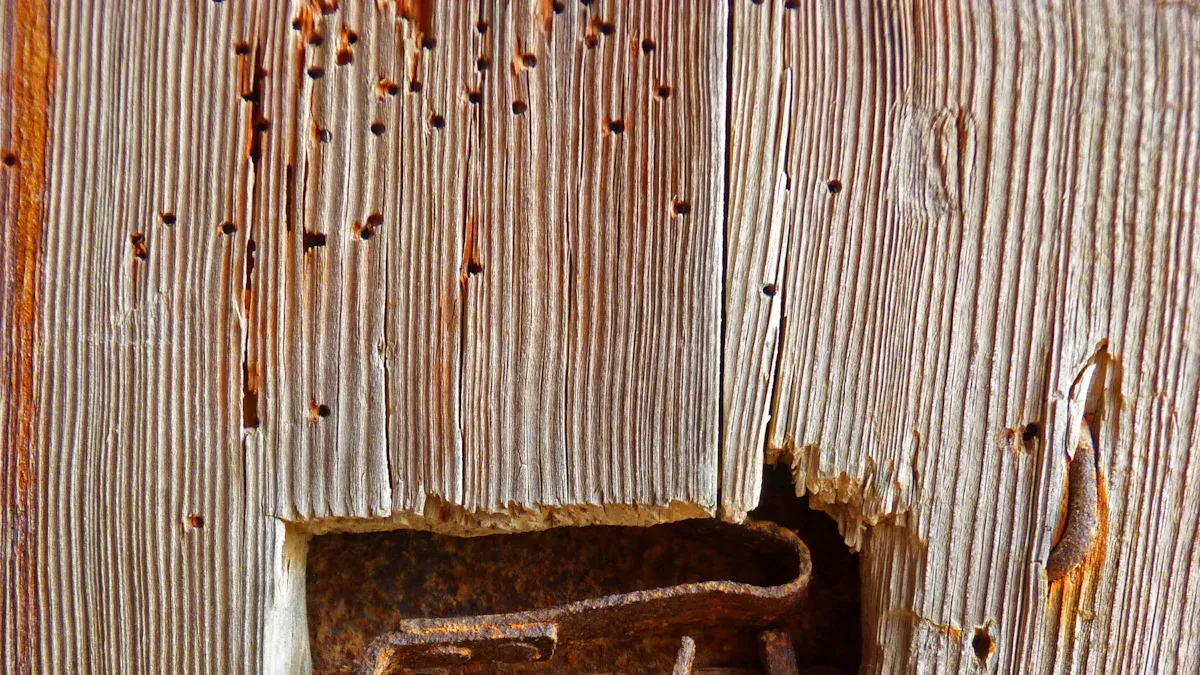
Когда операторы устанавливают кареточные болты в дерево, сам материал становится частью фиксирующего механизма. Уникальная конструкция болта идеально сочетается с волокнистой природой древесины, создавая исключительно надежное соединение. Понимание этого взаимодействия является ключом к успешной установке.
Роль квадратной шейки в древесине
Призонный болт характеризуется своей гладкой, куполообразной головкой и квадратным сечением, или шейкой, расположенной непосредственно под ней. Эта квадратная шейка является ключевой особенностью для работ по дереву. Она позволяет болту самозапираться при установке в стандартное круглое отверстие, что делает его высокоэффективным крепежным элементом для деревянных конструкций.
Как болт создает собственный замок
Самозапирающееся действие представляет собой простой механический процесс. Когда оператор затягивает гайку, болт втягивается в древесину. Острые углы квадратной шейки врезаются в древесные волокна, создавая квадратное углубление. Это зацепление предотвращает вращение всего болта, эффективно фиксируя его на месте.
Предотвращение вращения во время затяжки
Основное преимущество этой конструкции — предотвращение вращения при затягивании гайки. Это позволяет оператору установить крепежный элемент, имея доступ только с одной стороны. Квадратная шейка обеспечивает несколько преимуществ:
- Она захватывает древесину, действуя как встроенный ключ для удержания болта.
- Она останавливает вращение болта при приложении крутящего момента к гайке.
- Она увеличивает сопротивление крутящему моменту за счет создания большей площади контакта внутри древесины.
Методики для различных пород древесины
Плотность древесины влияет на то, как оператор должен устанавливать крепежный элемент. Методики необходимо корректировать для мягких и твердых пород древесины, чтобы достичь наилучших результатов.
Установка в мягкие породы дерева, такие как сосна
В мягких породах дерева, таких как сосна или кедр, квадратная подголовочная часть легко втягивается в материал. Обычно оператор может усадить болт несколькими ударами молотка. При затягивании гайки мягкие древесные волокна легко сжимаются, позволяя подголовку углубиться и создать надежную фиксацию.
Установка в твердые породы дерева, такие как дуб
Твердые породы, такие как дуб или клен, гораздо плотнее и сопротивляются сжатию. Принудительная установка каретного болта в твердую древесину может привести к ее раскалыванию или препятствовать плотной посадке головки заподлицо.
Профессиональный метод для твердой древесины 🌳 Чтобы избежать повреждения плотной древесины, оператор может создать неглубокое квадратное углубление. После сверления круглого отверстия можно использовать небольшое долото, чтобы аккуратно выдолбить квадратный контур, соответствующий подголовку болта. Это позволяет головке болта идеально садиться заподлицо без чрезмерных усилий.
Распространенные ошибки, которых следует избегать при работе с деревом
Две распространенные ошибки могут нарушить целостность соединения при работе с деревом. Их избегание гарантирует, что болты будут функционировать должным образом.
Сверление отверстия слишком большого диаметра
Если начальное отверстие шире стержня болта, квадратной подголовочной части не за что будет зацепиться. Болт будет свободно проворачиваться при попытке оператора затянуть гайку, что сделает невозможным создание надежного соединения.
Чрезмерная затяжка и разрушение древесины
Хотя некоторое сжатие необходимо, чрезмерная затяжка может раздавить древесные волокна и ослабить соединение. Это особенно актуально для мягких пород. Оператору следует наблюдать за шайбой для получения четкого визуального сигнала.
При правильно затянутом соединении наблюдается незначительное сжатие древесины под шайбой. Когда древесные волокна только начинают разрушаться, болты затянуты достаточно. Дальнейшая затяжка не приносит пользы и может привести к повреждению.
Как установить каретные болты в металл
В отличие от дерева, металл не сжимается, чтобы позволить квадратной подголовочной части болт с цилиндрической головкой создать собственную фиксацию. Это фундаментальное различие требует от операторов использования специальных методов для установки каретных болтов в металлических конструкциях. Подход должен учитывать жесткость материала для достижения надежного, без проворачивания соединения.
Сложность установки в металл
Основная сложность заключается в предотвращении проворачивания болта во время затяжки. Твердость металла означает, что стандартный метод установки, используемый для дерева, не будет эффективно работать.
Почему подголовок не врезается в металл
Металл гораздо плотнее и менее волокнист, чем дерево. Квадратная подголовочная часть каретного болта не может вытеснить или раздавить металл, чтобы углубиться. Попытка вдавить болт может повредить резьбу болта или поверхность материала, не создавая никакого фиксирующего действия. Болт будет просто проворачиваться в круглом отверстии.
Необходимость квадратного отверстия или трения
Чтобы закрепить каретный болт в металле, оператор должен компенсировать неспособность материала обжиматься вокруг подголовка. Это оставляет два жизнеспособных варианта. Первый — создать квадратное отверстие, соответствующее размерам подголовка болта. Второй — полагаться на трение для удержания головки болта при затягивании гайки.
Метод 1: Использование заранее изготовленного квадратного отверстия
Создание квадратного отверстия является наиболее надежным методом крепления каретного болта в металле. Этот подход имитирует функцию болта в дереве, обеспечивая механическую фиксацию.
Когда использовать квадратное отверстие
Оператор должен использовать квадратное отверстие в любых металлических конструкциях, где критически важно прочное, постоянное и устойчивое к вибрации соединение. Этот метод идеален для каркасов конструкций, сборки машин и тяжелого оборудования, где болты не должны со временем ослабевать.
Как создать квадратное отверстие в металле
Оператор может создать квадратное отверстие, просверлив круглое отверстие, а затем придав ему форму с помощью напильника по металлу или квадратной прошивки. Для массового производства используется вырубной пресс.
Профессиональные альтернативы для металлических листов ⚙️.
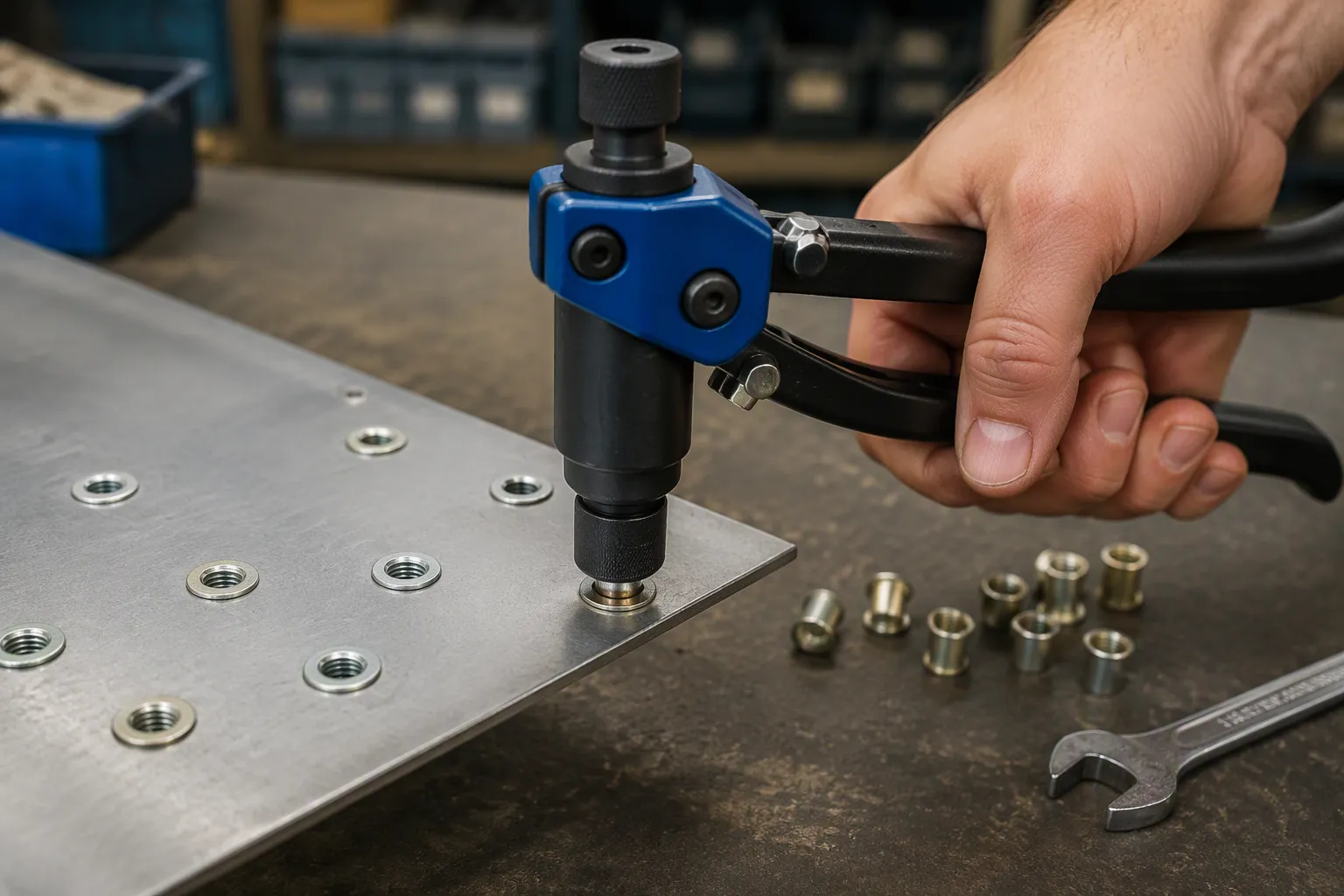
- Прессованные гайки: Отлично подходят для тонких листов и устойчивы к вибрации.
- Самозакрепляющиеся шпильки: Эти фиксированные шпильки предотвращают проворачивание и упрощают сборку.
- Стойки-распорки: Создают точное расстояние между двумя деталями.
Данные Варианты крепежа PEM предоставляют значительные преимущества по сравнению со стандартными болтами.
Характеристика Крепеж PEM Время установки Быстрее; деталь предварительно вставлена Постоянство Съемный и заменяемый Стабильность Заводская точность, единообразная установка Устойчивость к вибрации Высокая
Метод 2: Использование стандартного круглого отверстия
Если создание квадратного отверстия невозможно, оператор все же может установить болт в стандартное круглое отверстие. Этот метод менее надежен и полностью зависит от трения.
Использование трения для предотвращения проворачивания
Эта техника требует, чтобы оператор удерживал головку болта, чтобы создать достаточное трение и остановить его проворачивание. Успех этой установки зависит от способности оператора прикладывать встречное давление при затягивании гайки. Этот метод подходит для легких условий эксплуатации, где болты не подвергаются большим нагрузкам или вибрации.
Как удерживать головку болта при затяжке
Поскольку головка каретного болта гладкая и куполообразная, удержать ее может быть сложно. Оператор может использовать стопорные клещи (типа Vise-Grip), чтобы надежно зажать головку болта. Необходимо приложить достаточное давление, чтобы предотвратить проворачивание при затягивании гайки гаечным ключом. Этот подход может повредить головку болта, поэтому он не идеален для применений, где важен внешний вид.
Профессиональные советы для идеальной установки каретного болта
Освоение нескольких профессиональных приемов повышает качество и долговечность любого проекта. Эти советы помогают операторам устанавливать каретные болты с точностью, обеспечивая надежное и долговечное соединение. Следование этим лучшим практикам гарантирует установку профессионального уровня.
Всегда используйте шайбу
Шайба не является необязательным компонентом; она необходима для качественного соединения. Она выполняет две важные функции, защищающие целостность соединения.
Равномерное распределение давления
Плоская шайба эффективно распределяет прижимное усилие болта на большую площадь. Это равномерное распределение нагрузки имеет решающее значение для предотвращения врезания гайки в материал и его повреждения. Без шайбы сосредоточенное давление может деформировать или ослабить заготовку.
Защита поверхности материала
Шайбы служат защитным барьером между крепежным элементом и материалом. Это особенно важно при работе с более мягкими материалами.
- Они защищают поверхности, такие как дерево, алюминий или окрашенные покрытия, от царапин.
- Они поглощают поверхностный износ, возникающий при затягивании гайки оператором.
- Они уменьшают трение, что способствует достижению более стабильной зажимной силы.
Избегайте чрезмерной затяжки гайки
Приложение чрезмерного крутящего момента — распространённая ошибка, которая может поставить под угрозу всё соединение. Правильно натянутый болт прочен, но перетянутый становится точкой отказа.
Признаки перетянутого болта
Оператор должен следить за явными признаками чрезмерного усилия. Приложение слишком большого крутящего момента может растянуть болт за предел его упругости, вызвав необратимую деформацию и снизив его несущую способность.
Предупреждающие признаки чрезмерной затяжки ⚠️
- Срыв резьбы болта или гайки
- Трещины или деформация соединяемых материалов
- Искривление металлических компонентов вокруг шайбы
- Раздавливание древесных волокон под шайбой
Как добиться идеального натяжения
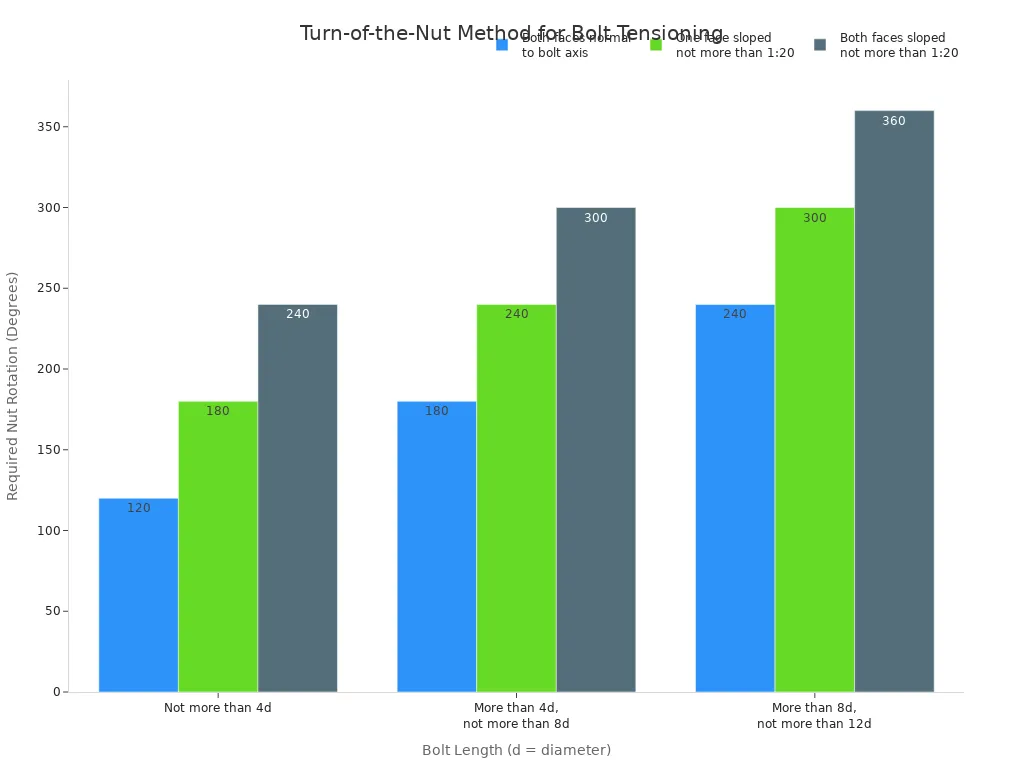
В конструкционных применениях профессионалы используют метод ‘поворота гайки “ для достижения правильного натяжения без динамометрического ключа. После того как соединение доведено до состояния "плотной затяжки” (момента, когда требуется ключ), оператор поворачивает гайку на определённую дополнительную величину. Это вращение растягивает болт до необходимого натяжения. Требуемый угол поворота зависит от длины болтов и угла наклона поверхностей.
Убедитесь, что отверстие перпендикулярно
Соосность просверленного отверстия напрямую влияет на конечную посадку. Отверстие, не перпендикулярное поверхности, не позволит головке болта лечь заподлицо, создавая слабое и непрофессионально выглядящее соединение.
Использование направляющей для сверления для точности
Лучший способ просверлить прямое отверстие — использовать сверлильный станок. Когда станок недоступен, оператор может использовать переносную направляющую для сверления. Простой деревянный брусок с ровной кромкой также служит надёжной направляющей для удержания сверла под идеальным углом 90 градусов.
Визуальная проверка правильной соосности
После установки болта оператор должен выполнить быструю визуальную проверку. Нижняя сторона головки должна полностью и плоско прилегать к материалу. Если с одной стороны есть зазор, отверстие просверлено под углом. Эта простая проверка перед окончательной затяжкой предотвращает проблемы и обеспечивает надёжную посадку для всех болтов.
Процесс установки кареточных болтов в основе своей прост. Оператор выполняет три ключевых действия для обеспечения прочного соединения.
- Во-первых, он сверлит отверстие правильного размера.
- Во-вторых, он вставляет болт.
- В-третьих, он затягивает гайку.
Этот последний шаг имеет решающее значение; он втягивает квадратный подголовок в материал, фиксируя крепёж. Корректируя технику для разных материалов, таких как дерево или металл, оператор может добиться надёжного, профессионального результата для любого проекта.
Частые вопросы
Почему размер сверла так важен?
Оператор должен подбирать сверло по диаметру стержня болта, а не по резьбе. Слишком большое отверстие позволит болту проворачиваться при затяжке. Слишком маленькое отверстие не позволит болту пройти через материал. Правильный подбор размера критически важен для надёжной фиксации.
Можно ли повторно использовать кареточные болты?
Оператор может повторно использовать кареточные болты, если на них нет признаков повреждения. Следует проверить резьбу на срыв, а головку — на повреждения. Повреждённый болт теряет структурную целостность и должен быть заменён. Для ответственных соединений всегда используйте новую самоконтрящуюся гайку.
Что произойдёт, если квадратный подголовок не сядет правильно?
Неправильно установленный подголовок не фиксирует болт. Крепёж будет проворачиваться, когда оператор затягивает гайку. Это препятствует правильному натяжению и приводит к слабому соединению. Головка болта должна полностью лежать заподлицо с материалом для надёжного соединения.
Всегда ли необходима пружинная шайба?
Операторам следует использовать пружинную шайбу или самоконтрящуюся гайку в любых применениях, подверженных вибрации. Эти элементы создают натяжение против гайки. Это предотвращает ослабление крепежа со временем, обеспечивая сохранение плотности и надёжности соединения при динамических нагрузках.
Как оператор выбирает правильную длину болта?
Оператор выбирает длину болта, которая полностью проходит через все материалы. Должно оставаться достаточно длины резьбы для плоской шайбы, пружинной шайбы и гайки. Как минимум две полные нити резьбы должны выступать за затянутую гайку для надёжного соединения.
Какой лучший способ удалить кареточный болт?
Оператор удаляет кареточный болт, откручивая гайку. Если болт проворачивается, можно зажать головку стопорными плоскогубцами. Для болтов в дереве лёгкие удары молотком по резьбовому концу могут помочь выбить квадратный подголовок из материала.