Анкерные болты обеспечивает надежную точку крепления в бетоне. Данный крепежный элемент действует за счет механического заклинивания, создавая надежное закрепление за счет расширения, которое обеспечивает захват внутренних стенок отверстия. A производитель крепежных изделий на заказ можем поставить различные анкерные болты, включая специальные анкерные болты для специализированных проектов. Мировой рынок этих анкерных болтов отражает их важную роль в современном строительстве.
| Метрическая | Стоимость |
|---|---|
| Оценочный объем рынка (2023 г.) | $1,17 млрд |
| Прогнозируемый объем рынка (2032 г.) | $ 1,76 млрд |
| Совокупный годовой темп роста (CAGR) | 4.6% |
| Основной фактор роста | Рост спроса на надёжную инфраструктуру |
Что такое анкерные болты? Подробный обзор компонентов

Чтобы понять, как работают распорные анкера, необходимо сначала ознакомиться с их отдельными деталями. Каждая деталь выполняет свою конкретную функцию. Вместе они образуют прочное и надежное крепление.
Резьбовой болт или шпилька
Сердцевину крепежного элемента
Болт или шпилька с резьбой являются основой конструкции. Они обеспечивают основную прочность на растяжение, противостояя силам вырыва. Их резьба входит в зацепление с гайкой, что позволяет монтажнику приложить необходимый крутящий момент для закрепления анкера.
Типы материалов и отделки
Производители изготавливают эти анкерные болты из высокопрочной стали в соответствии со строгими отраслевыми стандартами. Основные технические характеристики гарантируют надежность и эксплуатационные качества.
- ASTM F3125: Это единый стандарт на высокопрочные конструкционные болты. Он заменяет более старые спецификации, такие как A325 и A490.
- ASTM A354: Данное положение распространяется на болты и шпильки из закаленной и отпущенной легированной стали.
- ASTM A449: Настоящая спецификация распространяется на болты из термообработанной стали общего назначения.
Примечание: В условиях коррозионной среды при использовании болтов из нержавеющей стали часто соблюдаются такие технические условия, как ASTM A1082, в котором рассматриваются высокопрочные осадочно-упрочняемые и дуплексные нержавеющие стали.
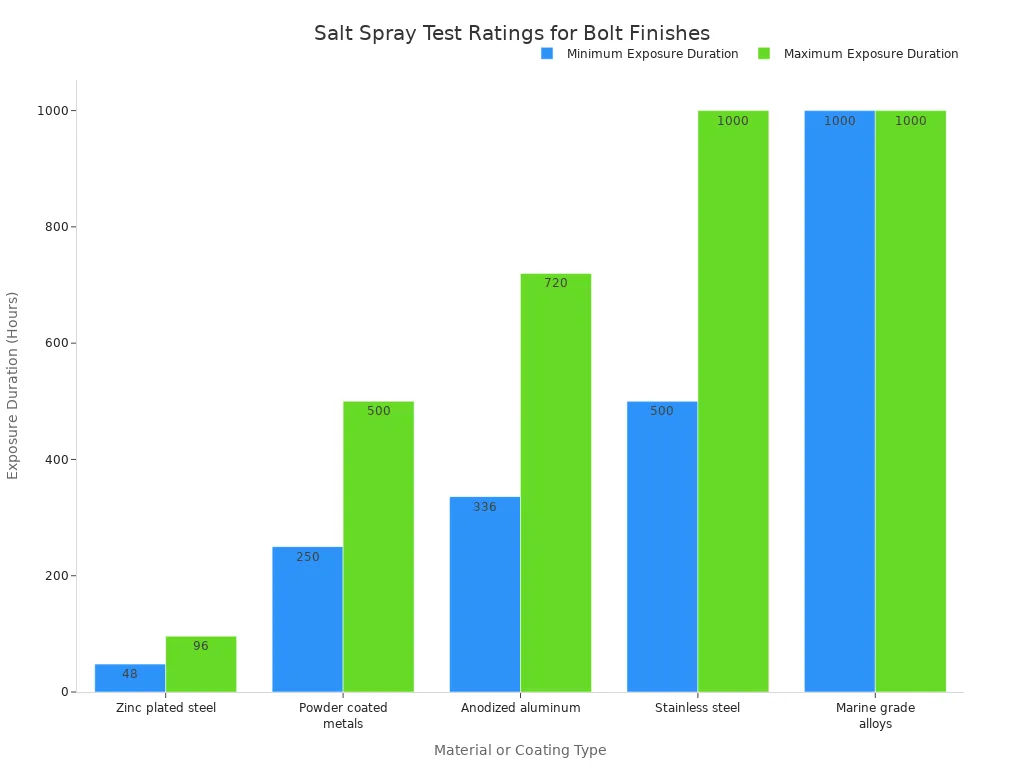
Качество покрытия анкерных болтов имеет решающее значение для их долговечности. Покрытие защищает сталь от коррозии. Тип покрытия определяет его долговечность, часто определяется в ходе испытаний в солевом тумане.
| Тип материала или покрытия | Обычная продолжительность воздействия |
|---|---|
| Оцинкованная сталь | от 48 до 96 часов |
| Металлы с порошковым покрытием | от 250 до 500 часов |
| Анодированный алюминий | от 336 до 720 часов |
| Нержавеющая сталь | от 500 до 1000 часов |
| Сплавы морского назначения | Более 1000 часов |
Расширительная гильза или обойма
Часть, которая зацепляется за бетон
Стандарт DIN 933: объяснение распорная втулка представляет собой металлический цилиндр, надеваемый на анкер. Это деталь, которая непосредственно соприкасается с внутренней стенкой просверленного отверстия в бетоне. Её основная функция заключается в расширении и создании огромного трения. Материалы для изготовления втулок, такие как ковкий чугун или сталь, выбираются за их прочность и пластичность.
Как он расширяется
Сама втулка не расширяется самостоятельно. Она имеет прорези или сегменты, которые позволяют растягивать её наружу. При затягивании болта клин в нижней части втягивается внутрь втулки. Это действие заставляет сегменты втулки плотно прижиматься к окружающему материалу, фиксируя крепеж на месте.
Расширительный клин или конус
Механизм активации
Стандарт DIN 933: объяснение распорный клин, или конус, представляет собой небольшой, но чрезвычайно важный механизм, запускающий процесс закрепления. Это коническая металлическая деталь, расположенная на нижнем конце болта внутри втулки. Именно её форма является залогом всего клинового действия распорных болтов.
Его роль в стимулировании расширения
Когда монтажник затягивает гайку, он подтягивает болт с резьбой вверх. Это движение втягивает конус в расширительную втулку. Наклонная форма конуса действует как наклонная плоскость, заставляя втулку расширяться наружу. В исследованиях часто анализируются конкретные аспекты, например конус с углом 15°, чтобы понять взаимосвязь между усилием затяжки и возникающим в результате растяжением. Этот механический принцип преобразует вращающий момент в мощную радиальную силу, обеспечивая надежное сцепление, благодаря которому анкерные болты так эффективны.
Гайка и шайба
Гайка и шайба — это последние детали, с которыми работает монтажник, но их роль имеет решающее значение для надежности крепления. Они взаимодействуют друг с другом, обеспечивая правильную установку растяжного болта и надежную фиксацию крепления. Гайка создаёт необходимое усилие затяжки, а шайба защищает крепежный элемент и распределяет возникающую нагрузку, обеспечивая стабильное и прочное соединение. Без этих двух деталей вся конструкция не смогла бы правильно выполнять свою функцию.
Приложение утягивающего усилия
Гайка — это деталь, которая преобразует усилие монтажника в крепежную силу. Монтажник с помощью гаечного ключа закручивает гайку, создавая крутящий момент. Эта вращательная сила передаётся по резьбе болта, создавая мощную линейную тяговую силу, или натяжение. Именно это натяжение втягивает болт и прикреплённый к нему конус вверх в расширительную втулку. В результате возникает клиновое зажатие, которое фиксирует анкер в бетоне.
Производители выпускают широкий ассортимент гаек, каждая из которых предназначена для конкретных условий эксплуатации и требований к прочности крепления. Выбор гайки может повлиять на долгосрочную надежность анкера, особенно в условиях вибрации. В общепринятых отраслевых стандартах, таких как немецкие спецификации DIN, описаны многочисленные типы:
- Гайки: шестигранные гайки по стандарту DIN 934, гайки с нейлоновым фиксатором по стандарту DIN 985, фланцевые гайки по стандарту DIN 6923 и самофиксирующиеся гайки по стандарту DIN 7967.
Использование, например, самоконтрактной гайки позволяет предотвратить ослабление соединения со временем из-за вибрации оборудования или термических циклов.
Распределение нагрузки
Шайба может показаться простым плоским диском, но она выполняет важнейшую функцию — распределение нагрузки. Когда монтажник затягивает гайку, она оказывает огромное давление на очень небольшую площадь. Шайба располагается между гайкой и поверхностью крепляемого объекта (приспособления). Она значительно увеличивает площадь контакта, равномерно распределяя усилие зажима.
Профессиональный совет: Всегда используйте шайбу при установке растяжного болта. Пропуск этого этапа может привести к тому, что гайка вдавлится в крепежный элемент и повредит его, особенно если речь идет о более мягких материалах, таких как дерево или алюминий. Такое повреждение может нарушить прочность соединения.
Такое расположение предотвращает повреждение крепежного элемента и обеспечивает надежную и устойчивую фиксацию. Как и гайки, шайбы бывают самых разных форм, что позволяет удовлетворить различные технические потребности. Стандартной является плоская шайба, однако другие типы обладают уникальными преимуществами. Например, пружинные шайбы создают натяжение, предотвращающее ослабление соединения под воздействием вибрации. Конические шайбы необходимы для создания параллельной опорной поверхности при креплении к стальным конструкционным профилям, таким как двутавровые балки.
Предлагается ассортимент стандартных шайб для различных областей применения:
- Шайбы: плоские шайбы DIN 125, пружинные шайбы DIN 127, шайбы с квадратным конусом DIN 434 и самозажимные шайбы с двойной складкой DIN 25201.
Правильный выбор шайбы не менее важен, чем выбор подходящего болта, для обеспечения надежности и долговечности монтажа.
Основной механизм: как анкерные болты обеспечивают прочное сцепление
Крепежная способность дилатационных анкеров основана на простом, но эффективном инженерном принципе: механическом заклинивании. В ходе этого процесса энергия вращения, возникающая при затяжке гайки, преобразуется в огромную силу, действующую наружу. Эта сила фиксирует крепежный элемент в бетоне, создавая соединение, достаточно прочное для выдерживания значительных нагрузок. Понимание этого механизма является ключом к осознанию того, почему правильная установка имеет решающее значение.
Принцип механического заклинивания
Принцип механического заклинивания основан на использовании наклонной плоскости (конуса) для изменения направления силы. Монтажник прилагает к болту тяговую силу, направленную вверх. Конус в нижней части преобразует эту линейную силу в радиальную, то есть направленную наружу. Именно это давление наружу обеспечивает зацепление анкера с материалом основания.
Сверление отверстия
Процесс начинается с просверливания отверстия с высокой точностью. Диаметр отверстия должен в точности соответствовать техническим характеристикам анкера. Слишком большое отверстие не позволит втулке плотно прилечь. Слишком маленькое отверстие не позволит вставить анкер. Надежность всего соединения зависит от этого первоначального этапа.
Вставка анкора
Монтажник устанавливает анкерный узел в чистое отверстие соответствующего размера. На этом этапе крепеж находится в незатянутом состоянии. «Магия» начинается, когда начинается процесс затяжки. Механическое заклинивание растяжных болтов создает значительное радиальное усилие, действующее на стенки отверстия. Это давление, направленное наружу, может вызвать напряжение в материале основания.
Благодаря такому принципу действия эти анкерные болты идеально подходят для прочных высококачественных оснований. Однако это также означает, что они менее подходят для применения вблизи края или в менее прочных материалах, где такое напряжение может привести к образованию трещин.
Другие типы анкерных болтов, например химические или клеевые анкера, работают по-другому. В них используется связующее вещество, и они не создают растягивающего напряжения, что делает их более подходящим выбором для менее прочных или треснувших материалов.
| Характеристика | Расширительные анкерные болты | Болты с химическим закреплением |
|---|---|---|
| Механизм переноса нагрузки | Механическая блокировка и трение | Химическая связь между смолой и основанием |
| Напряжение в основном материале | Высокая радиальная сила может привести к появлению трещин вблизи кромок | Отсутствие радиальной силы, подходит для использования вблизи кромок |
| Пригодность материала основания | Высококачественный монолитный бетон или кирпич | Треснувшие, хрупкие или пористые материалы |
Пошаговая инструкция по затяжке
Затягивание гайки запускает цепную реакцию. Каждый шаг опирается на предыдущий, что в итоге обеспечивает окончательную и надежную фиксацию. Вся эта последовательность превращает свободно сидящий штифт в прочно зафиксированный анкер.
Втягивание конуса в втулку
Сначала монтажник поворачивает гайку с помощью гаечного ключа. Это вращение создает натяжение вдоль резьбы болта. Это натяжение подтягивает весь болт-шпильку вверх. Поскольку конус прикреплен к нижней части шпильки, он также втягивается в окружающую его расширительную втулку.
Прижатие втулки к бетону
Далее коническая форма конуса действует как клин. По мере продвижения вглубь цилиндрической втулки он заставляет сегментированные стенки втулки расширяться наружу. Втулка с огромной силой прижимается к внутренней поверхности просверленного отверстия. Это действие заполняет все микроскопические неровности в отверстии, создавая плотное, идеально точное прилегание.
Создание захвата с использованием трения
В конечном итоге именно это давление наружу и обеспечивает удерживающую силу якоря. Физика этого удержания основана на двух ключевых факторах:
- Нормальная сила (N): Это огромная сила, действующая наружу, которую расширенная втулка оказывает на стенки отверстия. Эта сила напрямую создается крутящим моментом, действующим на гайку.
- Коэффициент трения (μ): Это значение отражает степень шероховатости поверхности между металлической втулкой и бетоном.
Предельная способность анкера к сцеплению представляет собой произведение этих двух факторов (мкН). Чем больше нормальная сила или чем шероховатее поверхность, тем крепче сцепление. Взаимосвязь между усилием затяжки, прилагаемым монтажником, и результирующей силой является сложной, но она подтверждает, что правильная затяжка имеет решающее значение для обеспечения необходимой удерживающей способности.
Распространенные типы анкерных болтов и их применение
Не все распорные анкера одинаковы. Различные проекты требуют разных решений по креплению. Знание основных типов распорных анкеров помогает специалистам выбрать подходящий крепеж для конкретной задачи, обеспечивая при этом как безопасность, так и высокую эффективность. Каждая конструкция обладает уникальными преимуществами для определенных требований к нагрузке и материалам основания.
Клиновые анкеры
Для сверхтяжелых нагрузок в монолитном бетоне
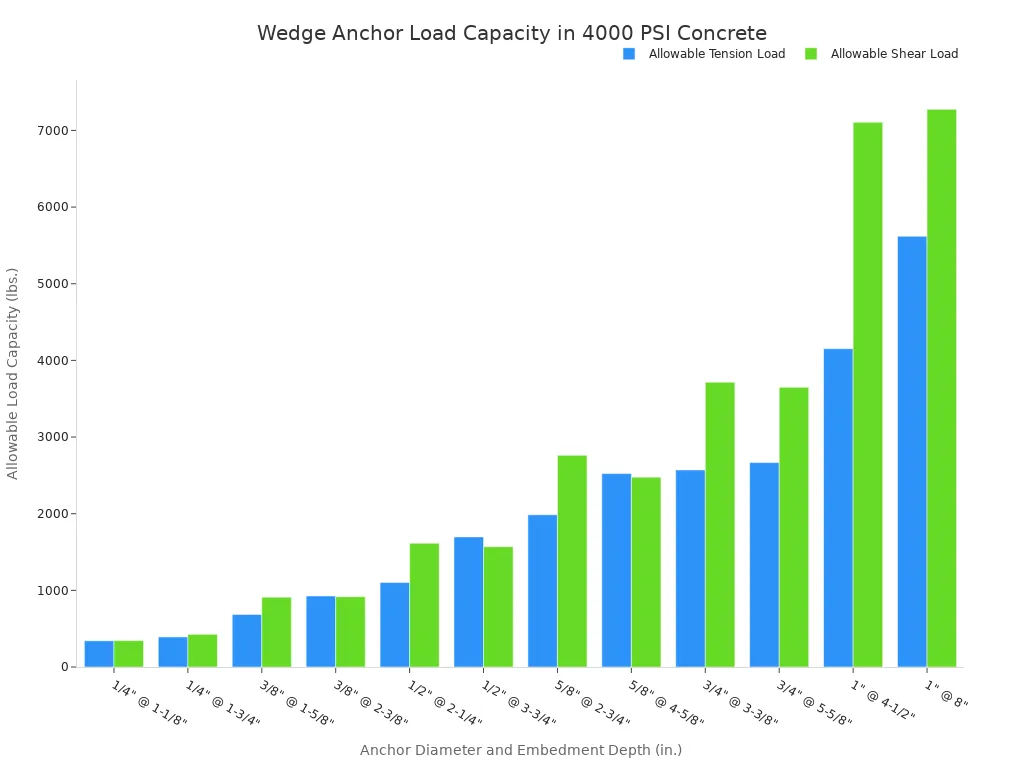
Клиновые анкеры являются основными элементами крепления в тяжелых условиях эксплуатации. Они разработаны исключительно для использования в монолитном бетоне и обеспечивают исключительную несущую способность при растяжении (вырывании) и сдвиге (боковом смещении). Прочность анкера напрямую зависит от его диаметра и глубины заделки. Более глубокое заглубление, как правило, обеспечивает более прочное крепление. В приведенной ниже таблице указаны типичные допустимые нагрузки для клиновых анкеров, установленных в бетоне плотностью 4000 PSI.
| Номинальный диаметр анкера (дюйм) | Минимальная глубина заделки (дюймы) | Допустимая нагрузка на растяжение (фунт.) | Допустимая нагрузка на срез (фунт.) |
|---|---|---|---|
| 1/4″ | 1-1/8″ | 342 | 344 |
| 3/8″ | 1-5/8″ | 686 | 911 |
| 1/2″ | 2-1/4″ | 1,103 | 1,614 |
| 5/8″ | 2-3/4″ | 1,985 | 2,761 |
| 3/4″ | 3-3/8″ | 2,571 | 3,716 |
| 1″ | 4-1/2″ | 4,153 | 7,107 |
Области применения
Благодаря высокой прочности эти анкерные болты идеально подходят для крепления конструктивных элементов и тяжелого оборудования. К числу типичных областей применения относятся:
- Крепление стальных конструкционных колонн и балки
- Закрепление тяжелой техники и автомобильные подъемники на этажи
- Крепление опор для тяжелых труб и консолей
- Установка поручней и ограждений безопасности
Распорные анкеры
Для средних нагрузок в бетоне и каменной кладке
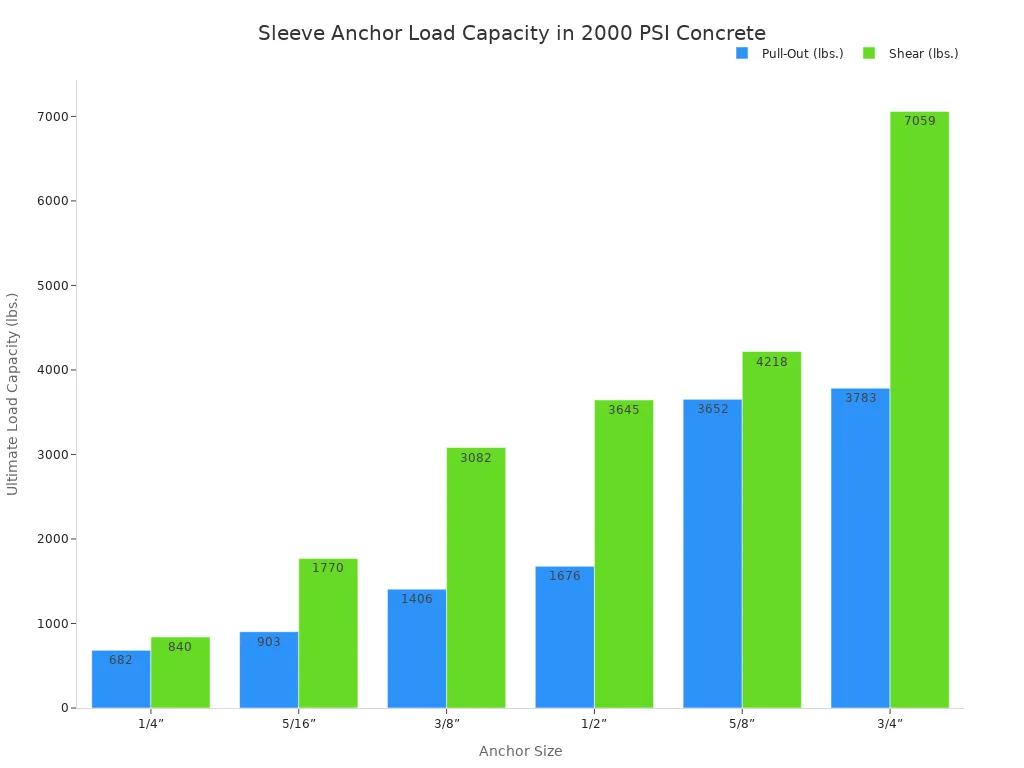
Гильзовые анкеры — это универсальные крепежные элементы, подходящие для широкого спектра оснований, включая монолитный бетон, кирпич и бетонные блоки. Их конструкция отличается втулкой по всей длине, которая расширяется по всему корпусу, обеспечивая надёжное закрепление как в сплошных, так и в полых материалах. Хотя они и не так прочные, как клиновые анкеры, они обладают значительной удерживающей способностью для задач средней нагрузки. Эти анкерные болты являются популярным выбором для крепления общего назначения.
Области применения
Анкеры с втулкой — это наиболее востребованные распорные болты для многих жилых и коммерческих проектов. Благодаря своей универсальности они широко применяются в следующих случаях:
- Крепление оконных и дверных рам
- Крепление стеллажей и шкафов к стенам
- Крепление электрических распределительных коробок и хомутов для кабелепроводов
- Монтаж легкой техники или приспособлений
Встраиваемые анкеры
Для создания внутренней резьбы в бетоне
Анкеры типа «drop-in» занимают особое место среди анкерных болтов с расширением. Они рассчитаны на установку заподлицо с поверхностью бетона и образуют отверстие с внутренней резьбой. Монтажник с помощью специального инструмента для закручивания вбивает внутреннюю заглушку вниз, что приводит к расширению корпуса анкера. В результате в основном материале образуется постоянное резьбовое гнездо.
Стандарт DIN 933: объяснение встраиваемый монтаж является ключевым преимуществом. Это исключает риск спотыкания и позволяет размещать оборудование непосредственно над точкой крепления без каких-либо препятствий.
Области применения
Эти анкоры являются предпочтительный вариант когда требуется съемный болт или резьбовая штанга. Они часто используются в конструкциях, расположенных над головой.
- Подвесные резьбовые стержни для воздуховодов систем отопления, вентиляции и кондиционирования или кабельных лотков
- Монтаж труб системы пожаротушения на потолках
- Создание опорных точек в тех местах, где впоследствии может потребоваться демонтаж крепления
Якоря «Strike» (Hit Anchors)
Ударные анкеры, часто называемые «хит-анкерами», представляют собой разновидность растяжных болтов, разработанных с учетом требований к скорости и простоте монтажа. Их уникальная конструкция позволяет выполнять быструю установку одним ударом молотка, благодаря чему они пользуются популярностью при выполнении повторяющихся задач по креплению с небольшой нагрузкой. В отличие от других распорных болтов, требующих затяжки гайки, ударный анкер фиксируется под действием удара. Благодаря этому после установки он становится постоянным крепежным элементом, защищенным от несанкционированного вскрытия. Анкер состоит из цилиндрического корпуса и предварительно вставленного гвоздеобразного штифта, который выполняет функцию расширительного клина.
Для быстрого и несложного крепления
Главным преимуществом анкерного крепления «Strike» является скорость его установки. Монтажник просто сверлит отверстие, вставляет анкер и с помощью молотка вбивает внутренний штифт до уровня с головкой анкера. Это действие заставляет корпус анкера расширяться, надежно фиксируя его в бетоне. Весь процесс занимает всего несколько секунд на каждый анкер. Такая эффективность делает их весьма экономически выгодными для крупномасштабных проектов с большим количеством точек крепления.
Однако такая скорость достигается за счет снижения прочности крепления. Анкера Strike предназначены исключительно для статических нагрузок небольшой интенсивности. Они не обладают такой высокой прочностью на растяжение и сдвиг, как клиновые или втулочные анкеры. Их простой механизм закрепления, основанный на ударе, обеспечивает надежное крепление легких конструкций, но не подходит для поддержки тяжелого оборудования или элементов конструкции.
Примечание: Как только монтажник устанавливает анкер, он считается постоянным элементом конструкции. Головка штифта утоплена в поверхность, поэтому гайки, которую можно было бы открутить, отсутствует. Это делает анкер устойчивым к несанкционированному вмешательству, но также затрудняет его демонтаж без повреждения окружающего бетона.
В приведенной ниже таблице представлено сравнение анкерных болтов с другими распространенными раздвижными болтами.
| Характеристика | Якорь «Strike» | Клин-анкер | Рукавный анкер |
|---|---|---|---|
| Скорость установки | ⚡️ Очень быстро | Умеренная | Умеренная |
| Грузоподъемность | Легкая категория | Повышенная прочность | Средняя категория |
| Метод настройки | Удар молотком | Динамометрический ключ | Динамометрический ключ |
| Возможность снятия | Нет (постоянно) | Да | Да |
| Наилучший случай применения | Многократное закрепление | Конструктивные нагрузки | Универсальное применение |
Области применения
Быстрая и простая установка анкерных креплений делает их идеальным решением для проектов, в которых на первом месте стоит эффективность. Наибольшую эффективность они демонстрируют при установке в монолитном бетоне или камне. Монтажники обычно используют их для следующих задач:
- Закрепление хомутов для электропроводки и распределительных коробок.
- Крепление деревянных обрешетительных реек или швеллеров к бетонным стенам.
- Крепление легких вывесок к каменным поверхностям.
- Крепление кирпичных стяжек и кладочных отводов.
- Крепежные кронштейны для стеллажей малой нагрузки.
Как выбрать правильный распорный болт для вашего проекта
Выбор подходящего крепежного элемента имеет решающее значение для безопасности и долговечности строительных объектов. Монтажник должен учитывать три ключевых фактора: требования к нагрузке, материал основания и условия окружающей среды. Тщательная оценка этих факторов гарантирует надёжную работу выбранного анкера.
Оценка нагрузочных требований
Силы, действующие на крепежный элемент, определяют тип и размер необходимого анкера. Нагрузки классифицируются по направлению и характеру.
Растягивающая нагрузка (вырывающее усилие)
Растягивающая нагрузка — это сила, которая пытается вырвать анкер прямо из отверстия. Этот фактор является одним из основных при выполнении работ над головой, например при подвешивании труб или светильников к потолку. Производители указывают конкретные номинальные значения растягивающей нагрузки для своих анкерных болтов.
Срезывающая нагрузка (боковая сила)
Сдвиговая нагрузка — это сила, действующая перпендикулярно к анкеру и стремящаяся разрезать его в поперечном направлении. Примером может служить кронштейн, закреплённый на стене и поддерживающий тяжёлую полку. Во многих соединениях одновременно действуют как растягивающие, так и сдвиговые силы. Инженеры рассчитывают эту комбинированную нагрузку с помощью уравнение взаимодействия,, который объединяет напряжения, действующие из разных направлений, в одно значение, чтобы обеспечить целостность болта.
Технический обзор: Специалисты могут использовать специализированное программное обеспечение для проверки комбинированных нагрузок на соответствие проектным нормам, таким как AISC 360-16 или EN 1993-1-8. Эти инструменты рассчитывают все силы, действующие на группу болтов, чтобы проверить её несущую способность в сложных условиях эксплуатации.
Статические и динамические нагрузки
Очень важно проводить различие между статическими и динамическими силами.
- Статические нагрузки являются постоянными и неизменными, как вес стационарно закрепленного шкафа. Большинство анкерных болтов отличаются в таких ситуациях.
- Динамические нагрузки связанные с вибрацией или переменными силами, например, возникающими при работе тяжелой техники или в результате сейсмической активности. Хотя некоторые высокопрочные распорные болты способны выдерживать динамические нагрузки, Химические анкера зачастую демонстрируют более высокие эксплуатационные характеристики и устойчивость к вибрации.
Оценка исходного материала
Материал, в который устанавливается анкер, напрямую влияет на его эксплуатационные характеристики. Анкерные болты расширительного типа не являются универсальным решением.
Цельный бетон против блоков или кирпича
Расширительные анкера действуют за счет создания огромного давления, направленного наружу. Благодаря этому они идеально подходят для прочного и плотного бетона. В более мягких или полых материалах, таких как кирпич или шлакоблок, это давление может привести к появлению трещин и разрушению. Для таких оснований следует использовать Анкер-гильза, который распределяет усилие на большую площадь, зачастую является более подходящим вариантом.
Важность прочности бетона (PSI)
Прочность бетона на сжатие, измеряемая в фунтах на квадратный дюйм (PSI), является решающим фактором. Удерживающая способность анкера напрямую зависит от значения PSI материала основания. Таблицы нагрузок, предоставляемые производителями, основаны на конкретных значениях прочности бетона, таких как 2 000 PSI или 4 000 PSI. Установка анкера в бетон с более низкой прочностью значительно снизит его несущую способность.
Учет условий окружающей среды
Условия монтажа определяют, какие материалы и покрытия необходимо использовать для анкера, чтобы обеспечить его коррозионную стойкость.
Использование внутри и снаружи помещений
Внутренние помещения с сухим климатом гораздо менее подвержены коррозии, чем наружные условия. При наружной установке крепежные элементы подвергаются воздействию влаги, дождя и перепадов температуры, что ускоряет процесс ржавления и износа.
Оцинкованная, гальванизированная и нержавеющая сталь
Покрытие якоря служит защитой от коррозии.
- Оцинкованные (гальваническое покрытие): Наилучшим образом подходит для сухих помещений, где нет риска воздействия влаги.
- Оцинкованное горячим способом: Имеет толстое защитное цинковое покрытие, подходящее для использования на открытом воздухе в условиях большинства климатических зон.
- Нержавеющая сталь: Обладает максимальной коррозионной стойкостью, что делает его незаменимым в морских условиях, прибрежных районах или при работе с агрессивными химическими веществами.
Как установить анкерные болты в бетоне: пошаговое руководство
Успешное соединение полностью зависит от правильного выполнения монтажа. Указанная производителем сила удержания достигается только в том случае, если монтажник точно следует инструкциям по установке крепежного элемента. В данном пошаговом руководстве по монтажу описаны важнейшие действия, необходимые для создания безопасной и надежной точки крепления.
Шаг 1: Выберите подходящие инструменты и анкер
Основа качественного монтажа — это наличие подходящего оборудования. Монтажник должен подбирать инструменты и крепеж в соответствии с конкретными требованиями проекта. Использование неподходящих инструментов может поставить под угрозу надежность всего соединения.
Работа с перфоратором и сверлом по бетону
Для сверления в бетоне требуется специальный инструмент. Монтажник должен использовать перфоратор или ударную дрель, оснащенную сверлом по бетону с твердосплавным наконечником. Стандартному сверлу не хватает ударного действия, необходимого для эффективного проникновения в твердые материалы. Ударные движения измельчают бетон, а вращение удаляет обломки, что позволяет получить ровное и аккуратное отверстие.
Подбор сверла в соответствии с диаметром анкера
Диаметр сверла должен точно соответствовать указанному диаметру анкера. Производители указывают требуемый размер сверла на самом анкере или в документации к изделию. Использование сверла слишком малого диаметра не позволит вставить анкер. Сверло слишком большого диаметра приводит к образованию зазора между втулкой и стенкой отверстия, что значительно снижает удерживающую способность анкера.
Шаг 2: Просверлите отверстие нужной глубины и диаметра
При сверлении отверстия для распорных анкеров крайне важна точность. Размеры отверстия напрямую влияют на способность анкера правильно расширяться и обеспечивать номинальную несущую способность. Неправильно подобранный размер отверстия является одной из наиболее распространенных причин выхода анкера из строя.
Почему размеры отверстий имеют решающее значение
Для обеспечения механического заклинивания этих анкерных болтов необходимо плотное прилегание. Расширительная втулка должна плотно прижиматься к стенкам отверстия, чтобы создать трение.
- Стандартный допуск на диаметр отверстия при сверлении под эти анкерные болты, как правило, очень узкий и часто составляет ±0,5 мм.
Даже незначительно увеличенное по размеру отверстие может помешать правильной фиксации анкера. Это приводит к неплотному соединению, которое не способно выдержать предусмотренную нагрузку. Анкер может начать вращаться в отверстии при затяжке или вырваться при гораздо меньшем усилии, чем ожидалось.
Использование глубиномера для обеспечения точности
Монтажник должен просверлить отверстие на нужную глубину, чтобы обеспечить надлежащее закрепление анкера. Большинство перфораторов оснащены регулируемым ограничителем глубины. Монтажник должен установить этот ограничитель в соответствии с требуемой глубиной отверстия для анкера. Это позволяет избежать просверливания слишком мелкого отверстия, в результате чего анкер будет выступать, или слишком глубокого, что может привести к неправильной установке анкера.
Шаг 3: Тщательно очистите отверстие
В процессе сверления образуется значительное количество пыли и мусора. Удаление этих материалов из отверстия является обязательным этапом монтажа. Чистое отверстие имеет решающее значение для обеспечения максимальной силы удержания.
Метод “дуть-чистить-дуть”
Наиболее эффективным методом очистки отверстия является техника “дуть-чистить-дуть”. Эта простая, но чрезвычайно важная процедура гарантирует удаление всех свободных частиц.
- Полностью продуйте: С помощью баллона со сжатым воздухом или ручного насоса удалите из отверстия всю осадочную пыль.
- Тщательно почистите: Вставьте жесткую металлическую щетку, размер которой соответствует диаметру отверстия, и потрите внутренние стенки, чтобы удалить оставшиеся мелкие частицы.
- Полностью продуйте: Продуйте отверстие ещё раз, чтобы удалить пыль, разрыхлённую щёткой.
Почему мусор снижает удерживающую способность
Бетонная пыль действует как слой мелких шарикоподшипников между расширительной втулкой и стенкой отверстия. Эти частицы препятствуют прямому и прочному контакту втулки с основным материалом. Наличие пыли резко снижает коэффициент трения, а именно этот принцип обеспечивает удерживающую способность анкера. Неочищенное отверстие может снизить несущую способность анкера более чем на 50%, что создает серьезную угрозу безопасности.
Шаг 4: Установка и закрепление анкера
После того как отверстие будет подготовлено надлежащим образом и будет иметь правильные размеры, монтажник может приступить к установке анкера. Эта часть процесса монтажа требует особой аккуратности, чтобы правильно расположить анкер перед применением окончательного усилие затяжки.
Установка анкера на место
Монтажник вставляет в отверстие полный анкерный узел — болт, втулку, шайбу и гайку. Гайку следует навинтить на болт ровно настолько, чтобы она находилась на одном уровне с верхом болта. Это защищает резьбу от повреждения во время вставки. Затем монтажник аккуратно постукивает по головке гайки молотком, пока шайба не плотно прижмётся к поверхности крепления.
Внимание: Монтажник должен наносить лишь легкие удары. Вбивание анкера с чрезмерным усилием может привести к повреждению резьбы или расширительного механизма в нижней части, что поставит под угрозу надежность всего соединения. Анкер должен входить в отверстие с минимальным сопротивлением.
Обеспечение правильной глубины заделки
Правильная глубина заделки — это расстояние, на которое анкер заглубляется в бетон. Этот параметр имеет решающее значение, поскольку от него зависит прочность анкера на вырыв. Более глубокая заделка обеспечивает захват большего конуса бетона, что повышает сопротивление растягивающим нагрузкам. В инструкциях производителя указана минимальная требуемая глубина заделки, необходимая для достижения заявленных значений нагрузки.
Для некоторых анкерных болтов, в частности тех, которые допущены к применению при различных глубинах заделки, после монтажа возможна визуальная проверка. Критерии приемки ICC-ES обязать производителей наносить на конце этих анкеров буквенный код, обозначающий длину. Квалифицированный инспектор может использовать этот код для подтверждения глубины заделки, тем самым гарантируя соответствие монтажа техническим требованиям.
Шаг 5: Затяните гайку с указанным моментом затяжки
Последний этап является наиболее важным для обеспечения удерживающей способности анкера. Затягивание гайки создает механический клиновой эффект, который фиксирует анкер в бетоне. Этот этап необходимо выполнять с высокой точностью, чтобы обеспечить прочное и надежное соединение.
Важность использования динамометрического ключа
Монтажник должен использовать откалиброванный динамометрический ключ для затяжки гайки. Динамометрический ключ — это специализированный инструмент, позволяющий прикладывать точное усилие вращения, или крутящий момент. Производители указывают точное значение крутящего момента, необходимое для каждого размера и типа их анкерных болтов. Применение именно этого крутящего момента гарантирует правильную установку анкера, обеспечивая оптимальное усилие раскрытия без повреждения болта или бетона. Использование стандартного гаечного ключа основано на приблизительных оценках и не является допустимым методом монтажа для конструкций, несущих нагрузку.
Риски чрезмерного или недостаточного затягивания
Отклонение от указанного значения момента затяжки может привести к катастрофическому отказу. Как недостаточная, так и чрезмерная затяжка создают небезопасные условия и подрывают целостность крепежного элемента.
Недостаточная затяжка не обеспечивает достаточную силу расширения. Это приводит к небольшая предварительная нагрузка, в результате чего соединение становится уязвимым.
- Несущая способность якоря значительно снизится, и он может вырваться из грунта под нагрузкой, значительно меньшей, чем его номинальная.
- Соединения становятся крайне подверженными ослаблению под воздействием вибраций или внешних сил, что приводит к нестабильности соединения.
- В трубопроводных или гидравлических системах недостаточный крутящий момент может привести к повреждению прокладки, что в свою очередь может вызвать опасные утечки.
Чрезмерная затяжка оказывает чрезмерную нагрузку на все детали конструкции и окружающий бетон. Это может привести к немедленному или долгосрочному повреждению.
- Болт может быть растянут за пределы упругости, что приведет к его необратимой деформации и резкому снижению несущей способности.
- Чрезмерное усилие расширения может привести к появлению трещин или разрушению бетонного основания, особенно вблизи краев.
- При монтаже может произойти срыв резьбы на болте или гайке, либо сам болт может отломиться.
- Сильный стресс со временем повышает восприимчивость металла к усталостному разрушению и коррозионному растрескиванию под напряжением.
Сравнение распорных анкеров с другими анкерными болтами
Хотя анкерные болты представляют собой надежное решение, они не являются единственным вариантом крепления к бетону. Профессионалы выбирают между различными типами анкерных болтов в зависимости от конкретных требований проекта. Понимание ключевых различий между анкерными болтами, винтами для бетона и клеевыми анкерами имеет решающее значение для успешной реализации строительных проектов.
Расширительные анкера и винты для бетона (например, Tapcon)
Бетонные винты обладают рядом характерных преимуществ и недостатков по сравнению с традиционными крепежными элементами расширительного типа.
Скорость установки и возможность повторного использования
Бетонные винты, как правило, позволяют ускорить процесс монтажа. Монтажнику достаточно просверлить направляющее отверстие и вкрутить винт непосредственно в основной материал. Такое одноэтапное крепление позволяет сэкономить время. Одним из ключевых преимуществ является возможность демонтажа. В отличие от большинства распорных болтов, бетонный винт можно извлечь, что делает его идеальным решением для временных конструкций, таких как раскосы.
Удержание разницы в мощности
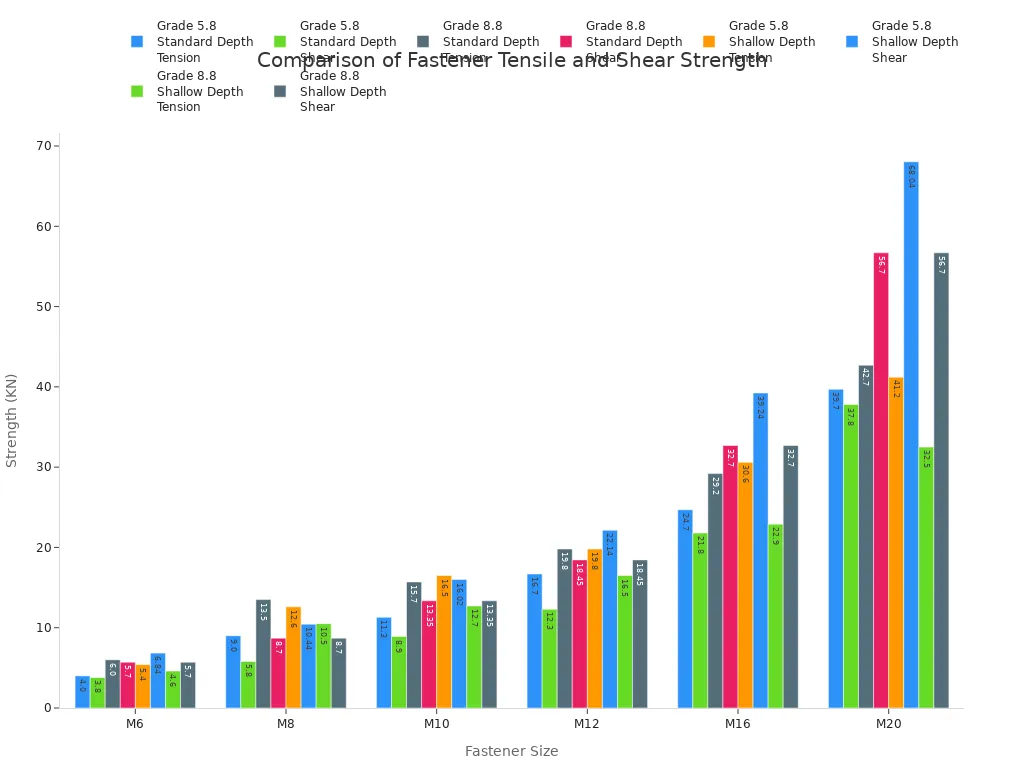
Бетонные винты обеспечивают сцепление за счет нарезания резьбы в бетоне, тогда как растяжимые анкера используют трение. В определенных условиях анкерные болты винтового типа могут обеспечить более высокую прочность. Например, винтовой анкер диаметром 1/2 дюйма может демонстрировать увеличение предела прочности на растяжение в нерастрескавшемся бетоне на 20% по сравнению с аналогичным анкерным креплением расширительного типа. На приведенной ниже диаграмме показаны типичные значения прочности на растяжение и сдвиг для крепежных элементов различных размеров и классов прочности.
Расширительные болты против клеевых (эпоксидных) анкеров
Клеевые анкера, также известные как химические анкера, работают по совершенно иному принципу и обладают уникальными эксплуатационными характеристиками.
Несущая способность и время отверждения
High-strength epoxy anchors generally provide the highest possible load capacities among all post-installed anchors. They create a powerful bond between the fastener and the base material.
Trade-Off: The primary drawback is cure time. ⏱️ An installer must wait for the epoxy to harden before applying any load, a delay that can range from hours to a day depending on the product and temperature. Expansion anchors, in contrast, can be loaded immediately after installation.
Performance in Cracked Concrete
Adhesive anchors excel in both cracked and uncracked concrete. The epoxy fills voids and bonds with the substrate without generating any outward pressure. This makes them the superior choice for applications near an edge or in questionable base materials. Conversely, heavy-duty expansion bolts generate high stress and are generally not specified for use in cracked concrete. For critical applications involving dynamic or blast loads, engineers almost always specify adhesive anchors due to their superior performance under stress.
Common Installation Mistakes and Safety Precautions
The reliability of expansion bolts in construction projects depends heavily on правильная установка. Most anchor failures do not stem from faulty products but from installer error. Adhering to best practices and understanding safety principles are essential for a secure connection.
Avoiding Common Errors
Many installation errors are preventable with proper training and attention to detail. Incident reports frequently cite a handful of recurring mistakes that compromise the integrity of anchor bolts.
- Failing to follow the manufacturer’s specific installation instructions.
- Using fasteners that are not substantial enough for the load, leading to over-tightening.
- Not pre-drilling holes correctly, which can elongate the opening and weaken the connection.
- Lacking sufficient quality control or competent supervision on the job site.
Incorrect Hole Size
The diameter of the drilled hole must exactly match the anchor’s requirement. A hole that is too large prevents the expansion sleeve from making firm contact with the concrete. This results in a loose fit and drastically reduced holding power. A hole that is too small will prevent the anchor from being inserted without damaging it.
Недостаточная очистка отверстия
Concrete dust left inside a drilled hole acts as a lubricant. It prevents the anchor’s sleeve from generating the necessary friction against the concrete walls. An installer must clean the hole thoroughly, typically with a “blow-brush-blow” method, to ensure a solid grip. An unclean hole can cut an anchor’s capacity by more than half.
Перетягивание гайки
An installer must use a calibrated torque wrench to tighten the nut to the manufacturer’s specification. Applying too much force can over-stress the fastener, potentially shearing the bolt head or stripping the threads. Excessive torque also creates extreme outward pressure, which can crack the concrete base material.
Critical Safety Considerations
Beyond avoiding simple mistakes, installers must understand the physics behind how these fasteners interact with concrete. Following established safety protocols protects both the installer and the integrity of the structure.
Respecting Edge and Spacing Distances
Anchor bolts require a minimum distance from any concrete edge and from each other. Placing an anchor too close to an edge can cause the concrete to break out. Industry standards like ACI 355.2 outline test procedures to determine the minimum edge distance (cmin) and minimum spacing (smin) to prevent this type of splitting failure during installation.
Wearing Personal Protective Equipment (PPE)
Installers must always wear appropriate Personal Protective Equipment (PPE).
Безопасность прежде всего: This includes safety glasses to protect from flying debris, gloves to protect hands, and hearing protection when using a loud hammer drill. A dust mask is also recommended to avoid inhaling harmful silica dust.
Understanding the Concrete “Cone of Failure”
When a fastener is pulled out under extreme tensile load, it does not simply slide out. It pulls a cone-shaped chunk of concrete with it. The size of this “cone of failure” is related to the anchor’s embedment depth. This concept visually explains why edge and spacing distances are critical. If the cones of two adjacent anchors overlap, their combined holding power is significantly reduced.
Expansion bolts are vital fasteners that create a powerful, friction-based grip inside concrete through mechanical wedging. An installer’s success with these anchor bolts depends on choosing the right type for the load and base material. Correct installation is absolutely critical for ensuring a safe and reliable connection.
Key Takeaway: A secure outcome requires precise drilling, thorough hole cleaning, and proper torquing. Neglecting any step compromises the fastener’s integrity and creates a significant safety risk.
Частые вопросы
Can you reuse expansion bolts?
Most expansion bolts are designed for single-use installation. Removing an anchor damages its expansion mechanism and the surrounding concrete. An installer should always use a new fastener for a new application to ensure safety and full holding power.
Что произойдёт, если отверстие слишком большое?
A hole that is too large prevents the anchor’s sleeve from making firm contact with the concrete. The fastener will not expand correctly, resulting in a loose fit. This dramatically reduces its load capacity and can lead to failure.
Почему так важно очищать отверстие?
Concrete dust inside the hole acts as a lubricant. It prevents the expansion sleeve from generating the necessary friction. An unclean hole can reduce an anchor’s holding power by more than 50%, creating a significant safety hazard.
Can you use expansion bolts in brick?
Wedge anchors are not suitable for brick. However, sleeve-style anchor bolts are designed for this purpose. Their full-length sleeve distributes the expansion force over a larger area, reducing the risk of cracking the softer base material.
How close to an edge can you install an anchor?
Installers must respect minimum edge distances specified by the manufacturer. Placing an anchor too close to an edge can cause the concrete to break out during tightening. This is known as a “cone of failure” and compromises the connection.
Профессиональный совет: As a general rule, the minimum edge distance should be at least 1.5 times the anchor’s embedment depth, but always follow the manufacturer’s specific guidelines.
Do you need a torque wrench for installation?
Yes, an installer must use a calibrated torque wrench. It ensures the correct amount of tightening force is applied. This action properly sets the anchor and achieves the specified load capacity without over-stressing the bolt or the concrete.