The market for concrete fasteners shows significant growth, with projections indicating a Compound Annual Growth Rate (CAGR) of 5% in the coming years. This expansion highlights the industry’s importance. The global market size, valued at 7.3 billion USD in 2024, is expected to reach 10.2 billion USD by 2033. Selecting the correct анкерные болты is critical for project safety and durability. A proper match between the anchor and the application prevents structural failure. This guide presents the top-rated анкерные болты for 2026, categorized by use case. It helps professionals choose the right fastener, whether sourcing standard parts or collaborating with a производитель крепежных изделий на заказ для специальные анкерные болты.
2026’s Best Expansion Bolts for Concrete: Quick Guide
Navigating the vast market for concrete fasteners can be challenging. This guide simplifies the selection process. It highlights the top-performing expansion bolts of 2026, each excelling in a specific application. Professionals can use this list to quickly identify the ideal anchor for their project’s unique demands.
Best Overall: Hilti Kwik Bolt-TZ2 Wedge Anchor
The Hilti Kwik Bolt-TZ2 stands out as the premier choice for all-around performance. This клинового анкера delivers exceptional reliability in both cracked and uncracked concrete. Its design provides the highest tension, shear, and combined load performance in its class. The anchor’s optimized expansion clip ensures consistent holding power, even under seismic conditions.
Профессиональный совет: The Kwik Bolt-TZ2 holds extensive approvals, including ICC-ES reports for seismic applications. This makes it a trusted solution for critical structural connections in buildings, bridges, and infrastructure projects where safety is non-negotiable.
Best for Heavy-Duty Loads: Red Head Sleeve Anchors
When a project involves securing heavy equipment or structural components, Red Head sleeve anchors are the go-to solution. These fasteners feature a full-length sleeve that expands along its entire body. This 360-degree contact with the concrete distributes the load over a larger surface area. The result is superior holding power for demanding, high-shear applications.
- Common Uses:
- Anchoring heavy machinery
- Крепление конструкционных стальных пластин
- Fastening support ledgers
Best for Cracked Concrete: Hilti HSL-3 Sleeve Anchor
The Hilti HSL-3 is engineered specifically for safety-critical applications in cracked concrete. Its reliability comes from an advanced design featuring a unique expansion mechanism and a torque-control nut. These patented features guarantee performance where tensile stresses might cause the concrete to crack. The anchor’s robust engineering is demonstrated through its stringent building code approvals.
Many versions of the HSL-3 are code-listed for both cracked and uncracked concrete, holding qualifications such as:
- ICC-ES (International Code Council) – ESR-1545
- Qualification under an NQA-1 nuclear quality program
This level of certification provides engineers and contractors with confidence when fastening in the most challenging concrete conditions.
Best Budget-Friendly Option: CONFAST Drop-In Anchor
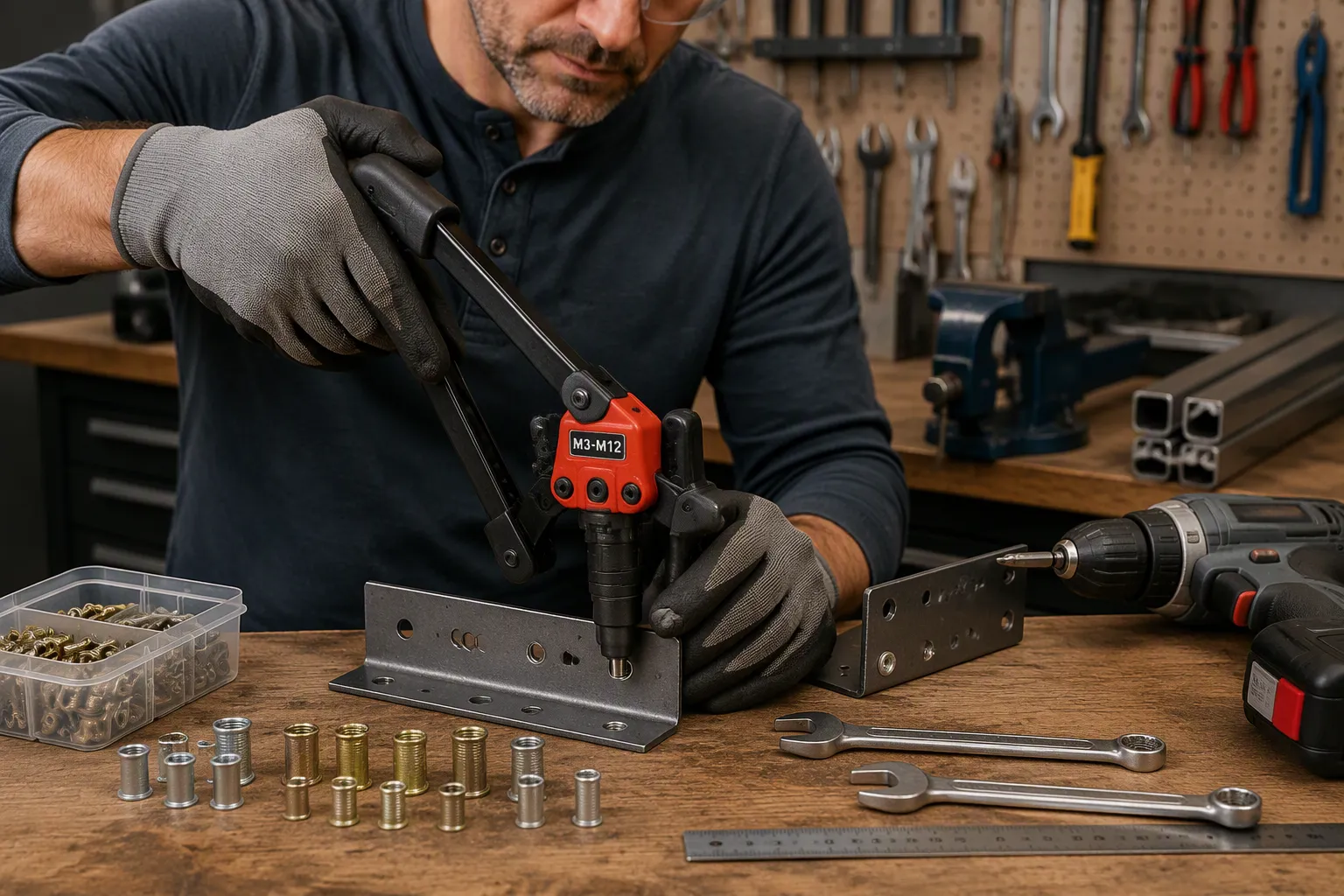
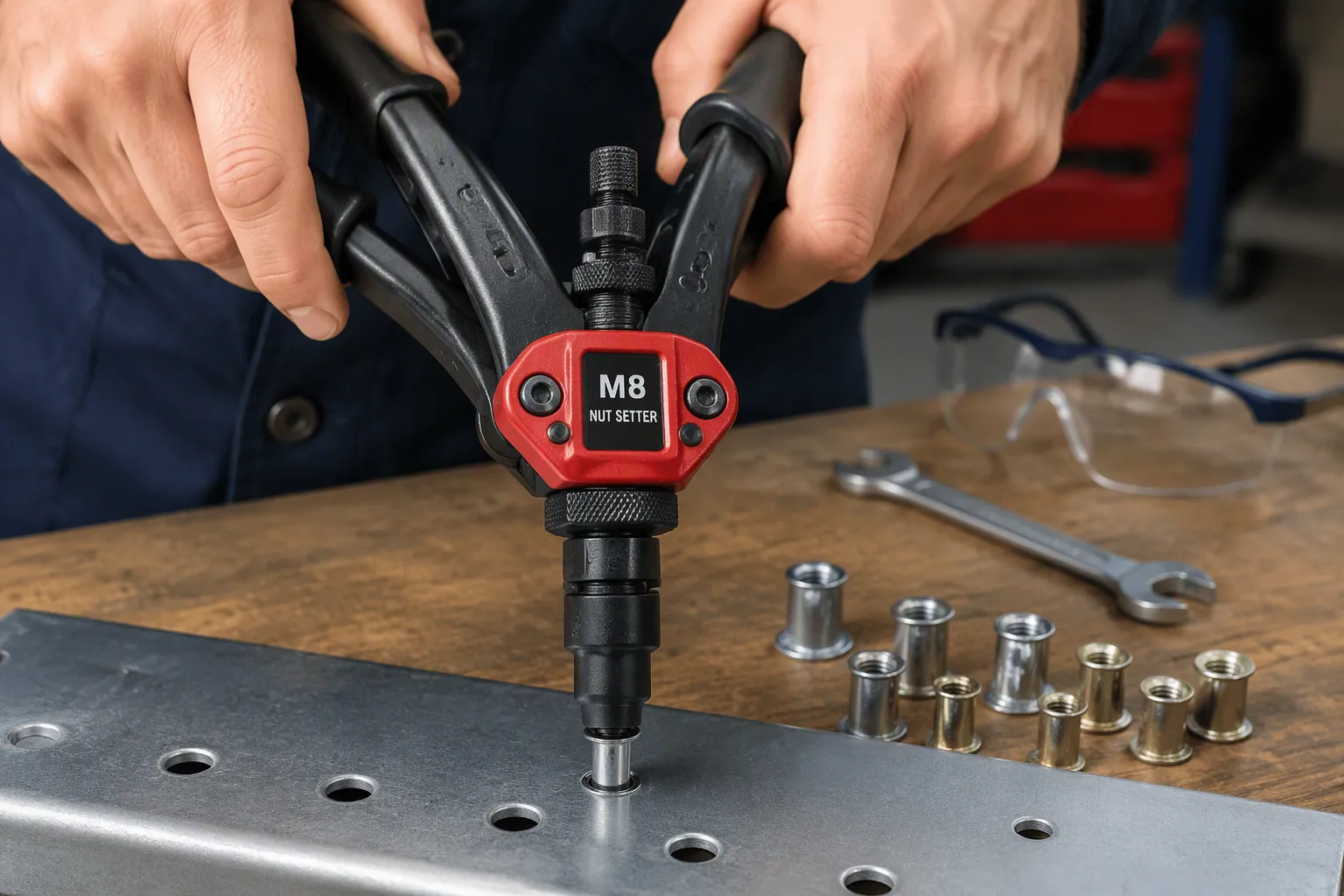
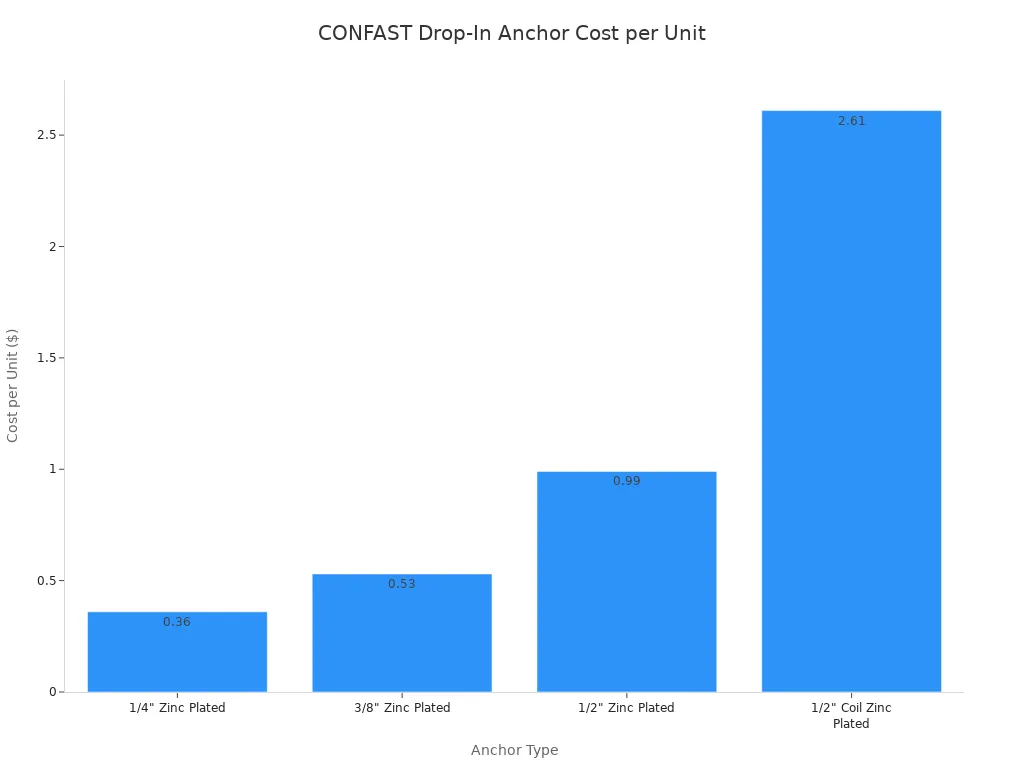
For projects with tight budgets, the CONFAST Drop-In Anchor provides a reliable and economical solution. This female-style anchor requires a setting tool for proper installation. Once set, it creates a threaded socket in the concrete to accept a standard bolt or threaded rod. Its primary advantage is its low cost per unit, especially for high-volume applications.
The cost-effectiveness becomes clear when comparing prices. CONFAST consistently offers a lower price point than many premium brands without sacrificing performance in standard, light-to-medium-duty applications.
CONFAST® Drop-In Anchor Pricing (Zinc Plated)
| Размер анкера | Quantity per Box | Price (per box) | Cost per Unit |
|---|---|---|---|
| 1/4″ | 100 | $36.13 | $0.36 |
| 3/8″ | 100 | $52.55 | $0.53 |
| 1/2″ | 50 | $49.27 | $0.99 |
| 1/2″ Coil | 50 | $130.56 | $2.61 |
This pricing structure makes it an excellent choice for contractors managing large-scale projects involving repetitive fastening tasks, such as installing pipe hangers, cable trays, or strut channels.
Best for Corrosive Environments: Powers 316 Stainless Steel Wedge Anchor
When projects face harsh environmental conditions, material selection is paramount. The Powers 316 Stainless Steel Wedge Anchor is the definitive choice for maximum corrosion resistance. Made from Type 316 stainless steel, it contains molybdenum, an element that significantly enhances its ability to withstand chlorides found in saltwater and de-icing agents.
This anchor’s robust composition ensures long-term structural integrity in the most demanding settings. Its performance characteristics make it indispensable for specific applications.
- It is engineered to endure constant saltwater spray and high humidity.
- It resists aggressive industrial chemicals, acids, and de-icing salts.
- Its durability guarantees connection integrity throughout the structure’s lifespan.
- It is ideal for marine, coastal, and chemical plant environments.
Expert Note: 📝 For infrastructure like coastal boardwalks, wastewater treatment facilities, or bridges in northern climates, specifying Type 316 stainless steel is not just a recommendation; it is a critical requirement for safety and longevity.
Best for Fast Installation: DeWalt Strike Anchors
Efficiency on the job site often translates to significant labor savings. DeWalt Strike Anchors, also known as nail-in anchors, are designed for maximum installation speed. These one-piece expansion bolts feature a drive pin that expands the anchor body when hammered into a pre-drilled hole. The simple, hammer-set installation eliminates the need for torque wrenches or setting tools.
This design makes them perfect for light-duty, repetitive fastening tasks where speed is the primary concern. Installers can secure fixtures in a fraction of the time it takes with other anchor types.
- Typical Uses:
- Fastening electrical boxes and conduit straps
- Securing furring strips to concrete walls
- Анкеровка легких вывесок
The simplicity of the Strike Anchor makes it a favorite among electricians, plumbers, and drywall contractors who need a quick, secure fastening method for non-structural components.
In-Depth Reviews of the Top Concrete Anchor Bolts
Choosing the right fastener requires a deeper look at its capabilities. This section provides detailed reviews of the leading Анкерные болты для бетона for 2026. We analyze their specifications, ideal uses, and performance trade-offs. This information helps engineers and contractors make informed decisions for critical applications.
Hilti Kwik Bolt-TZ2 – Best Overall Performance
The Hilti Kwik Bolt-TZ2 (KB-TZ2) earns its top spot through unmatched versatility and reliability. It is one of the most trusted wedge anchors on the market. The anchor’s design delivers superior load values in both cracked and uncracked concrete. Its performance under seismic loading makes it a go-to for safety-critical structural connections.
Ключевые характеристики
The KB-TZ2 is a stud-type mechanical expansion anchor engineered for excellence. Its technical approvals provide peace of mind for specifiers. The structural capacity of these high-performance anchors must be determined according to ACI 318-14 or later building codes.
- Тип анкера: Stud Wedge Anchor
- Варианты материала: Carbon Steel (Zinc Plated), Hot-Dip Galvanized, Stainless Steel (304 & 316)
- Одобрения: ICC-ESR 4266 for cracked/uncracked concrete, seismic, and fire resistance.
- Состояние бетона:: Qualified for cracked and uncracked concrete.
- Seismic Performance: The ICC-ES report confirms the KB-TZ2 is seismic tested per ACI 355.2 and ICC-ES AC193, offering ultimate tension and shear performance.
Идеальные области применения
The KB-TZ2’s robust design and extensive code approvals make it suitable for a wide range of demanding jobs. It is the premier choice for projects where structural integrity cannot be compromised.
Project Spotlight: Professionals use the KB-TZ2 for securing structural steel columns, heavy equipment, and critical facade systems. Its reliability in seismic zones makes it essential for hospitals, bridges, and public infrastructure.
Преимущества и недостатки
| Преимущества | Недостатки |
|---|---|
| ✅ Highest-in-class load values for tension and shear. | ❌ Premium price point reflects its high performance. |
| ✅ Extensive ICC-ES approvals for seismic and cracked concrete. | ❌ Requires precise hole cleaning for optimal performance. |
| ✅ Optimized clip design ensures reliable expansion. | ❌ May be over-specified for simple, light-duty tasks. |
| ✅ Available in multiple corrosion-resistant materials. |
Red Head Sleeve Anchors – Best for Heavy-Duty Loads
Red Head Sleeve Anchors are workhorses for heavy-duty fastening. Their design features a sleeve that expands along the entire length of the anchor. This mechanism creates 360-degree contact with the concrete, distributing the load over a large surface area. The result is exceptional holding power, particularly for applications with high shear forces.
Ключевые характеристики
These anchors are valued for their straightforward design and powerful grip. They are available in various head styles to accommodate different fixture requirements.
- Тип анкера: Sleeve Anchor
- Типы головок: Acorn, Hex, Flat, Round
- МатериалМатериал: Оцинкованная углеродистая сталь
- Размеры: Diameters from 1/4″ to 3/4″ and lengths up to 6-1/4″
- Действие: The bolt retracts, pulling a cone into the sleeve and expanding it against the hole wall.
Идеальные области применения
The robust nature of Red Head sleeve anchors makes them perfect for securing heavy items to concrete or masonry block. They are a staple on job sites for non-critical, high-load fastening.
- Securing heavy machinery to factory floors.
- Anchoring support ledgers for decks and platforms.
- Fastening structural steel plates and brackets.
- Mounting heavy-duty shelving and racking systems.
Преимущества и недостатки
| Преимущества | Недостатки |
|---|---|
| ✅ Excellent performance in shear load applications. | ❌ Not typically approved for cracked concrete or seismic use. |
| ✅ Distributes load over a large surface area. | ❌ Lower tension performance compared to wedge anchors. |
| ✅ Available in multiple head styles for versatility. | ❌ Can be difficult to remove once installed. |
| ✅ Good for fastening to concrete block (CMU). |
Hilti HSL-3 – The Top Choice for Cracked Concrete
The Hilti HSL-3 is a heavy-duty sleeve anchor engineered for the most demanding safety-critical applications. Its primary strength lies in its proven reliability in cracked concrete. The anchor features a sophisticated expansion mechanism and a torque-control system. These features ensure it maintains its holding power even when the concrete is under tensile stress. This makes it one of the best concrete anchor bolts for challenging conditions.
Ключевые характеристики
The HSL-3’s design and approvals reflect its focus on ultimate safety and performance. It is one of the few concrete anchor bolts with a nuclear quality program qualification.
- Тип анкера: Heavy-Duty Sleeve Anchor
- Варианты материала: Carbon Steel (Zinc Plated), Stainless Steel
- Одобрения: ICC-ESR 1545 for cracked/uncracked concrete; NQA-1 Nuclear qualification.
- Ключевая особенность: Torque-controlled expansion ensures correct installation and load capacity.
- Состояние бетона:: Optimized for cracked concrete and dynamic loads.
Идеальные области применения
Engineers specify the HSL-3 for projects where failure is not an option. Its performance is validated in real-world structural retrofits.
Proven in the Field: In one case, contractors used HSL-3 anchors to retrofit beam-column joints by securing steel haunches. This system successfully reduced bending moments in the structure by up to 30%. In another project, these anchors secured heavy steel jackets to columns, with the design ensuring anchor failure was avoided per ACI 318-14 standards.
- Fastening base plates for large steel structures.
- Anchoring heavy industrial equipment subject to vibration.
- Securing components in nuclear facilities and power plants.
- Retrofitting and strengthening existing concrete structures.
Преимущества и недостатки
| Преимущества | Недостатки |
|---|---|
| ✅ Unmatched reliability in cracked concrete and dynamic loads. | ❌ Higher cost compared to standard sleeve or wedge anchors. |
| ✅ Torque-control feature prevents over-torquing. | ❌ Installation process is more complex than simpler anchors. |
| ✅ Holds extensive approvals, including nuclear (NQA-1). | ❌ Requires larger hole diameters than comparable wedge anchors. |
| ✅ Proven performance in real-world structural strengthening. |
CONFAST Drop-In Anchor – Best Budget-Friendly Option
The CONFAST Drop-In Anchor is a top contender for projects where cost-efficiency is a primary driver. This female-style anchor is installed flush with the concrete surface. It requires a setting tool to expand the anchor within the pre-drilled hole. This action creates a permanent, threaded socket ready to accept a standard machine bolt or threaded rod. Its design makes it an excellent choice for high-volume, repetitive fastening tasks.
Ключевые характеристики
The anchor’s simple yet effective design is its main strength. It provides reliable holding power for static loads in uncracked concrete.
- Тип анкера: Internally Threaded Expansion Anchor (Female)
- Материал: Zinc-Plated Carbon Steel, 304 Stainless Steel, Нержавеющая сталь 316
- Ключевая особенность: Sits flush or below the concrete surface, allowing for easy fixture removal and hole patching.
- Монтаж: Requires a specific setting tool to drive an internal plug and expand the anchor body.
Идеальные области применения
These anchors excel in overhead applications and situations where a clean, flush surface is desired after installation. They are a staple for mechanical, electrical, and plumbing contractors.
Требуемый диаметр твердосплавного сверла 💡 The flush-mount design is ideal for applications where machinery or fixtures may need to be moved later. Once the bolt is removed, the anchor does not protrude, eliminating trip hazards and allowing for a clean floor surface.
Common uses include:
- Suspending conduit and cable trays.
- Подвесные опоры трубопроводов и каналы для распорок.
- Крепление легкого оборудования, которое может быть перемещено.
- Фиксация поручней и стеллажей.
Преимущества и недостатки
| Преимущества | Недостатки |
|---|---|
| ✅ Высокая экономичность, особенно для крупных проектов. | ❌ Требует отдельного монтажного инструмента для установки. |
| ✅ Устанавливается заподлицо с поверхностью бетона. | ❌ Более низкая несущая способность по сравнению с клиновыми или гильзовыми анкерами. |
| ✅ Позволяет легко удалить и заменить болт. | ❌ Не подходит для трещиноватого бетона или сейсмических условий. |
| ✅ Доступны в коротких длинах для неглубокого заделывания. | ❌ Установка происходит медленнее, чем у ударного анкера. |
Клиновой анкер Powers из нержавеющей стали 316 – Лучший для коррозионных сред
Когда структурная целостность должна сохраняться в суровых, коррозионных условиях, клиновой анкер Powers из нержавеющей стали 316 является превосходным выбором. Его материальный состав — его главное преимущество. Эти клиновые анкеры изготовлены из нержавеющей стали типа 316, которая содержит молибден. Этот элемент обеспечивает исключительную устойчивость к хлоридам, кислотам и точечной коррозии, что делает его необходимым для долговременной долговечности в агрессивных средах.
Ключевые характеристики
Характеристики этого анкера подчеркивают его целенаправленную конструкцию для максимального срока службы в сложных условиях.
- Тип анкера: Stud Wedge Anchor
- Материал анкераМатериал: Нержавеющая сталь 316
- Класс прочности: Класс: 316 / A4
- ОдобренияСертификация: Многие версии имеют одобрения ICC-ES для использования в нетрещиноватом бетоне.
- Ключевая особенностьПреимущества: Превосходная коррозионная стойкость к морской воде, противообледенительным солям и промышленным химикатам.
Идеальные области применения
Инженеры выбирают эти анкеры для критических соединений, где менее стойкие материалы выйдут из строя преждевременно. Их использование является обязательным для обеспечения безопасности и минимизации обслуживания в определенных местах.
🌊 Идеальные условия применения включают:
- Морские сооружения, доки и прибрежные здания.
- Очистные сооружения сточных вод.
- Химические производственные предприятия.
- Мосты и инфраструктура, подверженные воздействию противообледенительных солей.
- Пищевые предприятия с агрессивными моющими средствами.
Преимущества и недостатки
| Преимущества | Недостатки |
|---|---|
| ✅ Максимальная коррозионная и химическая стойкость. | ❌ Значительно более высокая стоимость по сравнению с анкерами из углеродистой стали. |
| ✅ Обеспечивает долгосрочную структурную безопасность в суровых условиях. | ❌ Избыточные характеристики и не рентабелен для сухого внутреннего использования. |
| ✅ Сохраняет несущую способность в течение десятилетий воздействия. | ❌ Может иметь несколько более низкие значения нагрузки, чем высокопрочная углеродистая сталь клиновые анкеры того же размера. |
| ✅ Идеален для жизненно важных соединений в коррозионных зонах. |
Ударные анкеры DeWalt – Лучшие для быстрой установки
Ударные анкеры DeWalt разработаны для одной основной цели: скорости. Также известные как забивные анкеры, эти цельные крепежные элементы предлагают самый быстрый метод установки для легких применений. Процесс установки чрезвычайно прост. Монтажник вставляет корпус анкера в просверленное отверстие, а затем забивает предварительно собранный штифт молотком. Это действие расклинивает внутренний элемент, фиксируя анкер. Этот метод установки молотком сильно отличается от гильзовых анкеров, которые требуют затягивания гайки для расширения крепежа.
Ключевые характеристики
Конструкция этих бетонных анкерных болтов делает приоритетом скорость и простоту использования для повторяющихся легких задач.
- Тип анкераТип: Ударный распорный анкер / Забивной анкер
- МатериалМатериал: Оцинкованная углеродистая сталь
- Тип головкиГоловка: Низкопрофильная грибовидная головка
- Ключевая особенностьУстановка: Установка молотком не требует специальных инструментов или динамометрических ключей.
- ДействиеМеханизм: Забивной штифт расширяет корпус анкера при ударе.
Идеальные области применения
Эти бетонные анкерные болты являются фаворитами среди специалистов, которым необходимо быстро выполнить множество точек крепления. Они идеально подходят для крепления неструктурных элементов к бетонным стенам и потолкам.
Инсайт со стройплощадки: Для подрядчика, устанавливающего сотни хомутов для электропроводки, время, сэкономленное при использовании ударного анкера вместо традиционного анкера с винтом и дюбелем, напрямую приводит к значительному снижению трудозатрат.
Типичные области применения включают:
- Крепление электрических коробок и хомутов для кабелепровода.
- Фиксация обрешетки и профилей для гипсокартона.
- Анкеровка легких вывесок и осветительных приборов.
- Крепление завершающей планки в кровельных работах.
Преимущества и недостатки
| Преимущества | Недостатки |
|---|---|
| ✅ Очень быстрая и простая установка забиванием молотком. | ❌ Подходит только для легких нагрузок и статических условий. |
| ✅ Низкопрофильная головка обеспечивает аккуратный внешний вид. | ❌ Не подходит для трещиноватого бетона или вибрационных нагрузок. |
| ✅ Идеален для массового, повторяющегося крепления. | ❌ Постоянная установка; не может быть легко удален. |
| ✅ Рентабелен для легких задач. |
Руководство покупателя: Выбор лучших бетонных анкерных болтов
Выбор правильного крепежа — это критическое инженерное решение. Это руководство разбирает ключевые факторы для выбора правильных бетонных анкерных болтов. Оно охватывает типы анкеров, условия нагрузки и качество бетона. Осознанный выбор обеспечивает безопасность проекта и долгосрочную работоспособность.
Понимание основных типов распорных болтов
Разные распорные болты используют различные механизмы для создания удерживающей силы. Хотя существуют и другие крепежные элементы, такие как винтовые анкеры и химические анкеры, распорные типы распространены благодаря своей надежности и простоте использования. Основные механические различия очевидны.
| Тип анкера | Механизм | Метод расширения | Ключевые характеристики |
|---|---|---|---|
| Клин-анкер | Болт с резьбой и клиновидной шайбой. | Tightening the nut pulls the bolt, expanding the clip against the hole. | Creates immense holding power; reliable for high-load applications. |
| Рукавный анкер | Hollow sleeve with an expansion wedge and bolt. | Tightening the bolt pulls the wedge into the sleeve, expanding it. | Offers versatility; allows different bolt diameters with the same sleeve. |
| **Анкер-вставка** | Threaded expander bolt and a wedge inside a body. | A setting tool drives the wedge down to expand the anchor body. | Ideal for pre-drilled, uncracked concrete; allows pre-installation. |
Клиновые анкеры
Клиновые анкеры are stud-type fasteners that offer superior tensile strength. As the nut is tightened, a clip at the bottom expands and wedges itself firmly into the concrete. This design makes wedge anchors ideal for heavy-duty structural connections.
Sleeve Anchors for Concrete
Sleeve anchors for concrete distribute the load over a larger surface area. The entire sleeve expands against the wall of the hole. This makes sleeve anchors a good choice for materials like block or brick, in addition to concrete.
Встраиваемые анкеры
Drop-in anchors are female anchors that sit flush with the concrete surface. After a setting tool expands the anchor, a bolt or threaded rod can be installed. Their design is useful for overhead applications like suspending pipes or cable trays.
Ударные анкеры
Strike anchors, or nail-in anchors, are designed for speed. An installer hammers a pin to expand the anchor body. They are best for light-duty, static applications where many fasteners are needed quickly.
Undercut Anchors
Undercut anchors provide the highest performance by creating a mechanical interlock. A special drill bit creates a flared, “undercut” shape at the bottom of the hole. The anchor then expands to fill this void, offering unmatched reliability against dynamic loads and in cracked concrete. They are often used with adhesive anchors for maximum security.
How to Select the Right Bolt: Key Criteria
Choosing the right fastener goes beyond type. Professionals must assess the specific demands of the application.
Оценка нагрузочных требований
Engineers calculate the maximum load a fastener must support. This includes both tension (pull-out) and shear (side-to-side) forces. The selected anchor’s maximum load capacity must exceed these calculated demands. For seismic zones, design strength is often reduced to provide a safety factor.
Understanding Tension vs. Shear Loads
Tension and shear forces require different calculations. Building codes like ACI 318 provide specific formulas for determining an anchor’s resistance. For example, anchor pullout resistance is calculated using the formula N p = 8 Abrg fc'. These calculations ensure the chosen fastener will not fail under stress.
Factoring in Dynamic and Vibratory Loads
Static loads are constant, but dynamic loads fluctuate from wind, vibration, or seismic activity. A fastener suitable for static weight may loosen under vibration. Engineers must calculate the maximum anticipated dynamic loads. For these situations, anchors with high preload, like wedge anchors or undercut anchors, perform better than simple screw anchors. Using adhesive anchors can also help secure bolts.
Evaluating Your Concrete’s Condition
The concrete itself is half of the fastening equation. Its condition directly impacts an anchor’s performance.
Трещиноватый против нетрещиноватого бетона
Building codes like ACI 318 generally assume concrete is cracked unless an analysis proves otherwise. Cracking can occur from shrinkage, temperature changes, or structural loads. Anchors in seismic zones must be designed for cracked concrete. Using an anchor rated for cracked concrete, such as the Hilti KB-TZ2, is a safe and standard practice.
Прочность бетона на сжатие (PSI)
Concrete’s compressive strength, or f’c, is a direct factor in an anchor’s holding power. Higher PSI concrete generally provides greater resistance to pull-out and shear forces. Formulas for calculating breakout strength include f’c as a key variable, showing its importance.
Age and Quality of Concrete
Older concrete may be weaker or have hidden damage. A visual inspection can help assess its quality. When the concrete’s condition is unknown, it is best to be conservative. On-site pull tests can verify an anchor’s performance in questionable base material.
Material and Coating Selection for Durability
The material of an anchor bolt directly impacts its performance and lifespan. Choosing the correct material and coating is essential for achieving long-term durability and preventing premature failure due to corrosion. The environment of the project dictates the necessary level of protection.
Оцинкованная углеродистая сталь
Zinc-plated carbon steel anchors are a common and cost-effective choice for indoor, dry environments. A thin layer of zinc is electroplated onto the carbon steel base. This coating provides a basic level of rust resistance.
Application Note: ⚠️ Professionals should only use zinc-plated anchors in non-corrosive, interior settings. Exposure to moisture or chemicals will quickly compromise the plating and lead to rust, weakening the fastener.
This option is suitable for light-duty applications where aesthetics and minimal corrosion protection are sufficient. It does not offer the robust protection needed for outdoor or demanding conditions.
Горячеоцинкованная сталь
Hot-dip galvanized steel anchors offer significantly better corrosion protection than zinc plating. The process involves dipping the steel fastener into a bath of molten zinc. This creates a thick, metallurgically bonded coating. ASTM A153 specifically governs this process for hardware like fasteners, ensuring excess zinc is removed for a clean fit. This method provides excellent long-term durability for outdoor applications.
| Назначение | Основной стандарт |
|---|---|
| Hot-dip galvanizing on fabricated items | ASTM A123 / A123M |
| Electroplated zinc on parts | ASTM B633 |
| Fastener hot-dip galvanizing | ASTM F2329 |
| Fastener electroplating | ASTM F1941 |
Нержавеющая сталь 304
304 stainless steel provides good corrosion resistance for outdoor and freshwater environments. This material contains chromium and nickel, which form a passive, rust-resistant layer on the surface. It is a substantial upgrade from galvanized steel.
- Ideal Use: Exterior applications, freshwater areas, and environments with moderate humidity.
- Limitation: It is susceptible to corrosion from chlorides, making it unsuitable for saltwater or coastal regions.
Choosing 304 stainless steel ensures good long-term durability in many common exterior settings.
Нержавеющая сталь 316
316 stainless steel offers the highest level of corrosion resistance among common fastener materials. It contains molybdenum in addition to chromium and nickel. This element makes it exceptionally resistant to pitting and corrosion from chlorides, acids, and other harsh chemicals. For projects demanding maximum protection and long-term durability, 316 stainless steel is the only reliable choice. It is essential for marine environments, wastewater treatment plants, and infrastructure exposed to de-icing salts.
Installation Guide for Maximum Performance
A high-quality anchor performs correctly only with precise installation. Following manufacturer guidelines is not just a recommendation; it is a requirement for ensuring structural safety and achieving the anchor’s maximum load capacity. This guide outlines the critical steps for a professional installation.
Hole Diameter and Depth Specifications
The installation process begins with drilling a proper hole. The dimensions of this hole directly impact the anchor’s ability to expand and grip the base material.
Choosing the Correct Drill Bit
Professionals must select the correct drill bit to guarantee a secure fit. The bit’s diameter must match the specified diameter of the anchor. For concrete applications, installers should always use a carbide-tipped drill bit that meets ANSI standards. This ensures the hole is precise and has a rough texture, which improves the anchor’s holding strength.
The Importance of Embedment Depth
Embedment depth determines how much of the anchor engages with the concrete. Deeper embedment generally provides greater holding power. Installers must drill the hole deeper than the anchor’s required embedment.
Наилучшая практика: A common rule is to drill the hole at least 1/2 inch or one anchor diameter deeper than the specified embedment. This extra space accommodates any fine dust or cuttings that remain after cleaning, preventing the anchor from bottoming out prematurely.
Proper Hole Preparation Techniques
A clean hole is essential for a reliable connection. Dust and debris act as a barrier between the anchor and the concrete, significantly reducing its performance.
Cleaning Dust and Debris
Installers must thoroughly clean every hole before inserting an anchor. Concrete dust prevents the expansion mechanism from making full contact with the solid base material. This compromises the friction needed for the anchor to achieve its rated load capacity. A clean surface ensures a secure bond and reliable performance.
Essential Tools for Hole Cleaning
Simple but effective tools are necessary for this critical step. The industry-standard method involves a two-part process:
- Проволочная щетка: Use a nylon or wire brush to scrub the inside walls of the hole, loosening all dust and debris.
- Compressed Air/Vacuum: Blow the hole clean with oil-free compressed air or use a shop vacuum to remove all loose particles.
Installers should repeat this “brush-and-blow” process until the hole is completely free of dust.
Torque Specifications and Tools
Applying the correct amount of rotational force, or torque, is the final and most critical step for stud-type and sleeve-type anchors.
Why Correct Torque is Critical
Incorrect torque leads to fastener failure. Over-torquing is a common mistake that causes significant damage.
- It can stretch the anchor bolt, strip the threads, or even crack the concrete.
- Excessive force can warp the fixture being fastened, creating uneven stress and compromising the connection.
Under-torquing is equally problematic, as it means the anchor has not expanded properly and will not achieve its rated holding power.
Использование калиброванного динамометрического ключа
Guesswork has no place in a professional installation. The only way to apply the correct torque is by using a calibrated torque wrench. Installers must tighten the nut to the specific foot-pound (ft-lb) or newton-meter (N-m) value listed in the manufacturer’s installation instructions. This precision ensures the anchor is set correctly for maximum safety and performance.
Edge and Spacing Distance Requirements
Proper anchor placement is as critical as correct torque. Installers must respect minimum distances from concrete edges and between adjacent anchors. These requirements prevent the concrete from cracking or breaking out under load. Ignoring these specifications can lead to catastrophic failure of the fastening system. The anchor creates a cone-shaped zone of stress in the concrete; proper spacing ensures these zones do not compromise each other or the edge of the concrete slab.
Минимальное расстояние от краев бетона
Placing an anchor too close to an edge creates a high risk of a “blowout” failure. This occurs when the expansion force of the anchor pushes a chunk of concrete off the side. Every anchor has a specified minimum edge distance, which is the shortest allowable distance from the center of the anchor to any free edge of the concrete.
Code Compliance: 📜 Building codes like ACI 318-2014 (Sections 17.7.1 through 17.7.6) and IBC 2012 (Table 1908.2) provide detailed requirements for minimum edge distances. These standards are the foundation for safe structural design.
Professionals must consult the manufacturer’s technical data sheet for the specific anchor being used. If job site conditions prevent meeting the minimum edge distance, a reduction in the anchor’s allowable load capacity is necessary. The codes allow for a reduction of up to 50% in load capacity, with linear interpolation used for smaller distance reductions.
Минимальное расстояние между анкерами
When multiple anchors are installed in a group, they must be spaced far enough apart to function independently. Placing anchors too close together causes their stress cones to overlap. This overlap creates a single, larger cone with a shared failure point, significantly reducing the holding power of the entire group. The group may fail at a load far below the sum of the individual anchor capacities.
Manufacturers provide minimum center-to-center spacing requirements for their products. These values ensure each anchor can develop its full load capacity without interfering with its neighbors. As a general guideline for some cast-in anchors, codes suggest a minimum spacing of four times the anchor diameter (4da). However, mechanical expansion anchors have their own specific, tested requirements that installers must follow. Always prioritize the manufacturer’s installation instructions over general rules of thumb for maximum safety and performance.
Selecting the right fastener ensures project success. This guide highlighted 2026’s best expansion bolts, from the versatile Hilti KB-TZ2 to the durable Powers 316 for harsh settings. Professionals must match concrete anchor bolts to the specific load, environment, and concrete condition for optimal safety. This critical step prevents structural failure.
Final Reminder: 📝 Strict adherence to manufacturer installation guidelines is non-negotiable. Following these instructions guarantees a secure and reliable connection every time.
Частые вопросы
Can installers reuse expansion bolts?
No, professionals should never reuse expansion bolts. The removal process and initial installation permanently deform the anchor’s expansion mechanism. Reusing a compromised anchor creates a significant safety risk and can lead to connection failure under load.
В чем основное различие между клиновым и втулочным анкером?
Wedge anchors provide superior holding power for high-tension loads in solid concrete. Гильзовые анкеры distribute the load over a larger area. This design makes them a versatile choice for heavy shear loads and for use in softer base materials like concrete block.
Почему так важно очищать просверленное отверстие?
A clean hole is critical for performance. Dust and debris prevent the anchor from making full contact with the concrete. This barrier significantly reduces the friction required for the anchor to achieve its specified load capacity, compromising the connection’s integrity.
Can expansion bolts be used in brick or block?
Sleeve anchors are often suitable for brick and concrete block (CMU) because they distribute pressure over a wider surface. Wedge anchors, however, are not. Their high point-of-contact pressure can crack or break these softer materials.
Expert Tip: 📝 Всегда проверяйте технический паспорт производителя, чтобы убедиться в пригодности анкера для конкретного базового материала перед установкой.
Что произойдёт, если приложить к анкеру неправильный крутящий момент?
Применение некорректного крутящего момента приводит к отказу.
- Превышение момента Это может сорвать резьбу, сломать болт или вызвать растрескивание бетона.
- Недостаточный момент Это означает, что анкер не раскрыт полностью и не выдержит номинальную нагрузку.
Как долго служат оцинкованные горячим способом анкеры на открытом воздухе?
Горячее цинкование обеспечивает отличную долговечность анкеров на открытом воздухе, часто срок службы составляет десятилетия. Точный срок зависит от факторов окружающей среды, таких как влажность, загрязнение и воздействие солей. В условиях высокой коррозии в морской среде нержавеющая сталь марки 316 является оптимальным выбором для максимального срока службы.