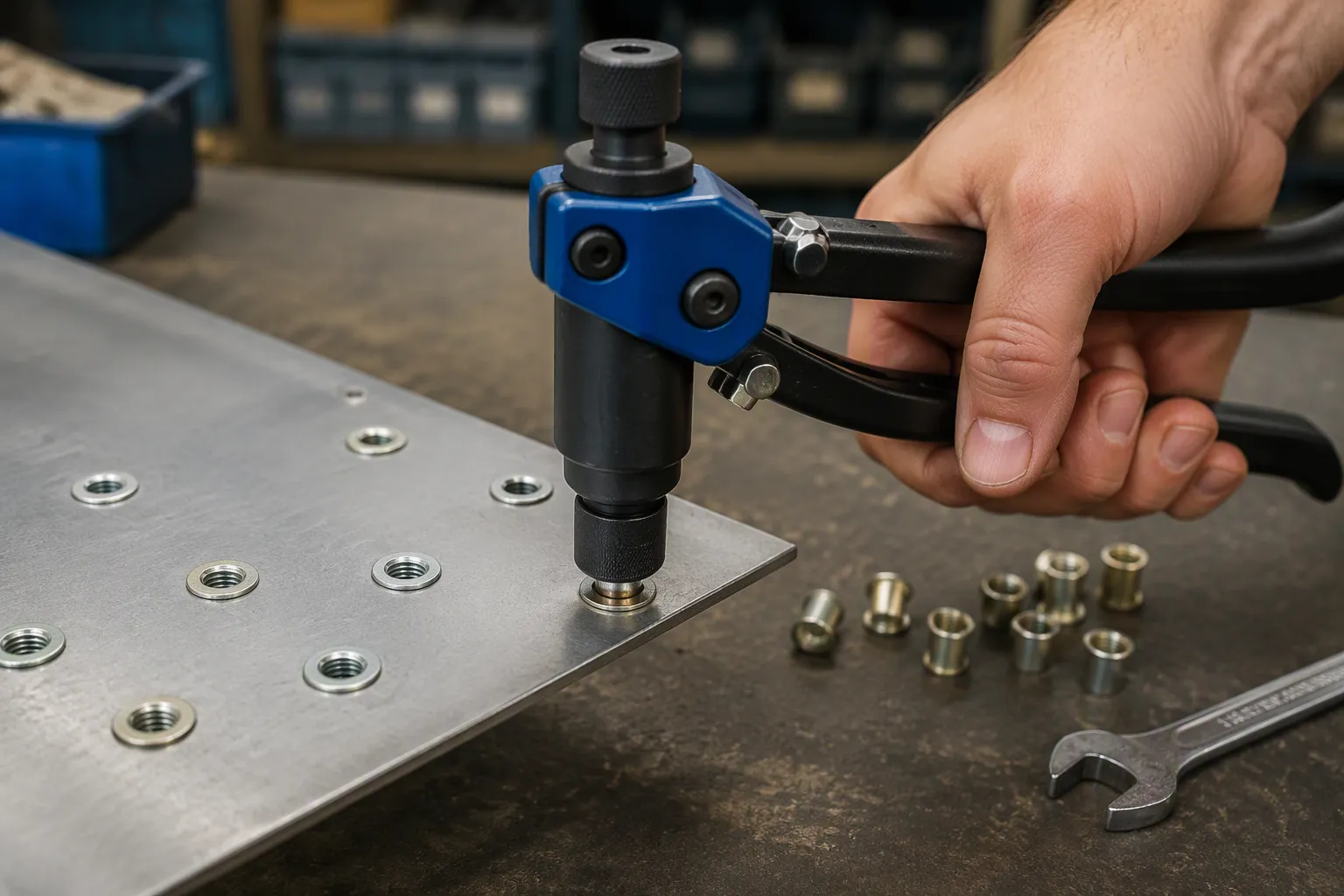
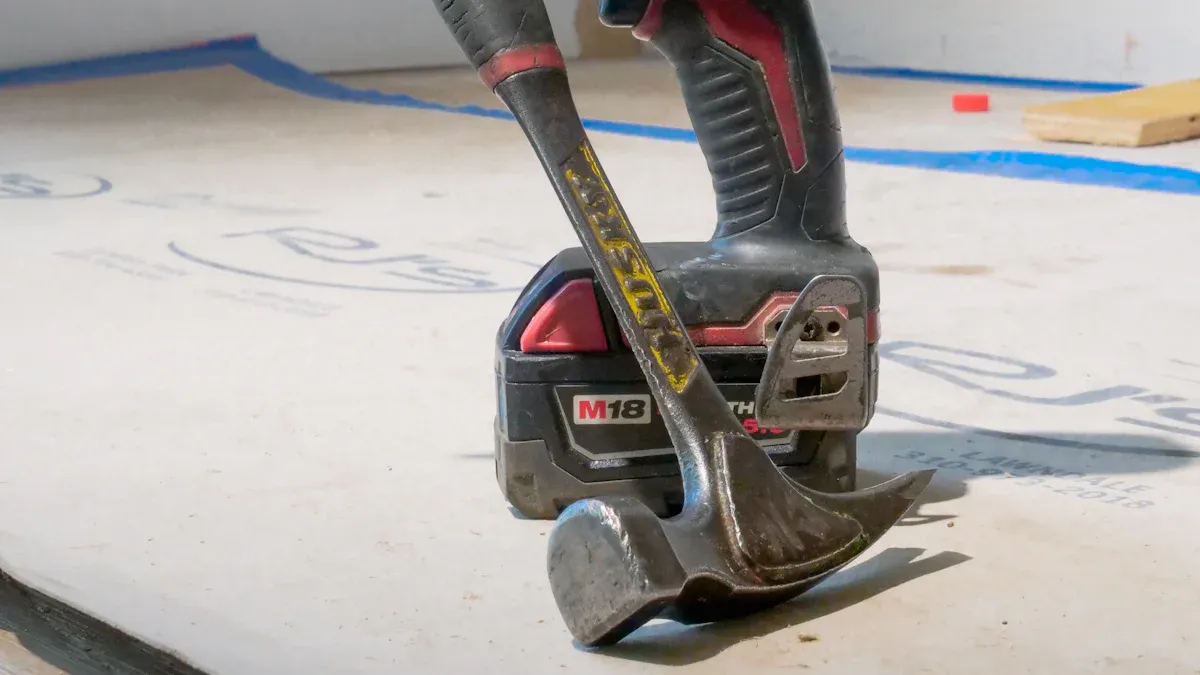
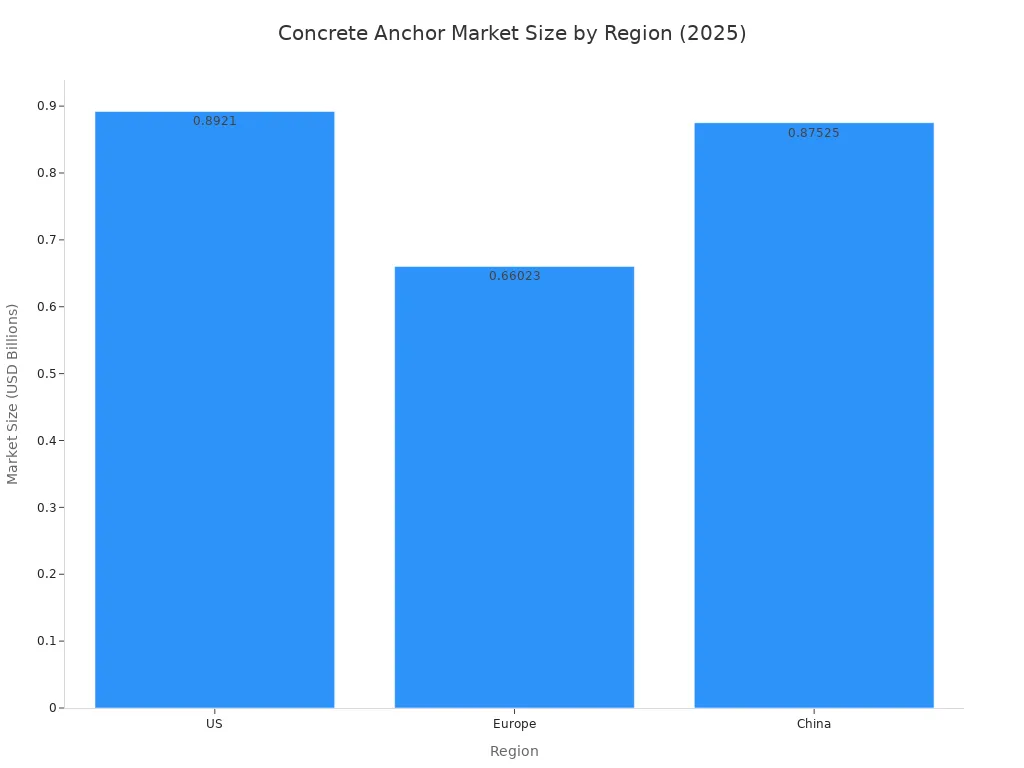
Правильная установка клиновых анкеров является критически важной задачей. Согласно исследованию ASCE 2023 года, 34% отказов анкерных болтов напрямую связаны с ошибками при монтаже.. Это подчеркивает важность правильной техники, даже при использовании высококачественной продукции, такой как специальные анкерные болты от авторитетного производитель крепежных изделий на заказ. Мировой рынок этих компонентов значителен и продолжает расти.
Примечание: Успешная клинового анкера установка требует специальных инструментов и обязательного защитного снаряжения для обеспечения как структурной целостности, так и личной безопасности.
Подготовка к установке: Выбор правильного клинового анкера
Прежде чем начинать сверление, решающим первым шагом является выбор правильного анкера для конкретной задачи. Безопасность и долговечность крепления в значительной степени зависят от этого первоначального решения. Такие факторы, как требования к нагрузке, условия окружающей среды и конструкция крепления, влияют на выбор идеального анкера. Осознанный выбор здесь является основой для правильного подбора и установки.
Понимание диаметра и длины анкера
Соответствие диаметра требованиям к нагрузке
Диаметр анкера напрямую связан с его удерживающей способностью. Как правило, больший диаметр обеспечивает более высокую несущую способность на растяжение (вырыв) и срез (сдвиг). Инженеры должны подбирать диаметр анкера в соответствии с конкретными нагрузочными требованиями применения. Прочность бетонного основания также играет значительную роль в конечной производительности анкера.
Допустимые нагрузки увеличиваются с ростом диаметра анкера, глубины заделки и прочности бетона.
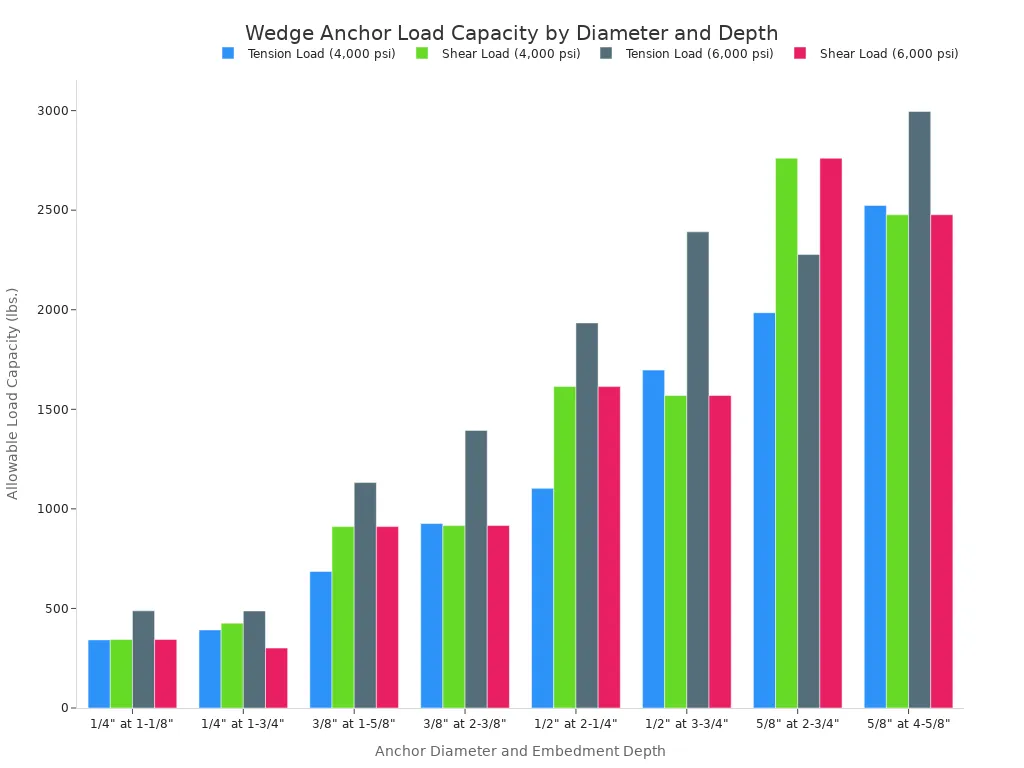
В таблице ниже приведено общее руководство по допустимым нагрузкам для бетона разной прочности.
| Номинальный диаметр анкера (дюйм) | Минимальная глубина заделки (дюймы) | Прочность бетона на сжатие (psi) | Допустимая нагрузка на растяжение (фунт.) | Допустимая нагрузка на срез (фунт.) |
|---|---|---|---|---|
| 1/4″ | 1-1/8″ | 4,000 | 342 | 344 |
| 3/8″ | 1-5/8″ | 4,000 | 686 | 911 |
| 1/2″ | 2-1/4″ | 4,000 | 1,103 | 1,614 |
| 5/8″ | 2-3/4″ | 4,000 | 1,985 | 2,761 |
| 1/4″ | 1-1/8″ | 6,000 | 488 | 344 |
| 3/8″ | 1-5/8″ | 6,000 | 1,132 | 911 |
| 1/2″ | 2-1/4″ | 6,000 | 1,934 | 1,614 |
| 5/8″ | 2-3/4″ | 6,000 | 2,277 | 2,761 |
Расчет правильной длины анкера
Для обеспечения достаточной удерживающей способности клиновой анкер должен быть достаточно длинным, чтобы пройти через крепление и достичь требуемой глубины заделки в бетоне.
Требуемый диаметр твердосплавного сверла Используйте эту простую формулу для определения минимальной длины анкера::
Толщина крепления + Минимальная глубина заделки + Высота гайки и шайбы = Минимальная длина анкера
Выполнение этого расчета перед покупкой анкеров предотвращает сбои установки из-за недостаточной длины.
Выбор правильного материала и покрытия
Материал анкера определяет его устойчивость к коррозии. Выбор правильного материала имеет жизненно важное значение для обеспечения долговечности в различных условиях окружающей среды.
| Тип анкера | Коррозионная стойкость | Подходящие условия окружающей среды |
|---|---|---|
| Цинкование | Наименее | Сухие, внутренние помещения без влаги |
| Оцинкованный горячим способом | Средний | Наружное использование, влажная среда |
| Нержавеющая сталь 304 | Отличная | Наиболее агрессивные среды |
| Нержавеющая сталь 316 | Наиболее | Погруженные или морские среды |
Углеродистая сталь с цинковым покрытием
Эти анкеры предназначены только для сухих внутренних помещений. Цинковое покрытие обеспечивает минимальную защиту от влаги, а воздействие влажности может вызвать ржавчину и окисление..
Горячеоцинкованные (HDG)
Благодаря более толстому защитному покрытию, горячеоцинкованные анкеры подходят для наружного использования во влажной или сырой среде. Они обеспечивают значительное улучшение коррозионной стойкости по сравнению со стандартным цинкованием.
Нержавеющая сталь 304
Этот материал обеспечивает отличную коррозионную стойкость для большинства наружных и агрессивных применений. Это надежный выбор для долгосрочных установок, где влажность является постоянным фактором.
Нержавеющая сталь 316
Для наивысшего уровня защиты от коррозии нержавеющая сталь марки 316 является премиальным выбором. Она идеально подходит для самых требовательных сред, включая погруженные применения и зоны, подверженные воздействию хлоридов, таких как противообледенительные реагенты или морской воздух.
Расшифровка типов головок и сертификаций
Стандартная гайка и шайба
Наиболее распространенный тип клинового анкера представляет собой резьбовую шпильку с гайкой и шайбой. Эта конструкция предназначена для постоянного, тяжелого крепления таких предметов, как оборудование, защитные ограждения и доковые отбойники, где головка анкера остается открытой.
Анкеры с потайной головкой
Для применений, требующих гладкой, заподлицо поверхности, анкер с потайной головкой является идеальным выбором. Эта конструкция позволяет головке анкера располагаться на одном уровне с материалом крепления, предотвращая опасность спотыкания и создавая чистый, законченный вид. Они часто используются для установки дверных коробок и металлических пластин..
Понимание одобрений ICC-ES
Открытый крюк Одобрение ICC-ES (Службы оценки Международного совета по кодексам) на анкере является знаком качества и надежности. Оно означает, что продукт прошел тщательные независимые испытания для подтверждения его характеристик и соответствия строительным нормам, таким как IBC и IRC.. Эти отчеты об оценке предоставляют инженерам данные, необходимые для спецификации анкеров для структурных применений, включая использование в трещиноватом бетоне и сейсмических зонах. Выбор анкера с одобрением ICC-ES гарантирует, что он соответствует установленным стандартам безопасности и производительности.
Подготовка инструментов и защитного снаряжения
Успешный и безопасный проект по установке клиновых анкеров зависит от наличия правильного оборудования.. Перед началом работы монтажник должен собрать необходимые инструменты и средства индивидуальной защиты (СИЗ). Эта подготовка предотвращает задержки и минимизирует риски для безопасности.
Основные монтажные инструменты
Наличие правильных инструментов под рукой оптимизирует процесс установки и гарантирует, что анкер будет работать в соответствии со своими спецификациями. Каждый инструмент выполняет конкретную, критически важную функцию.
Перфоратор
Перфоратор необходим для сверления бетона. В отличие от стандартной дрели, он сочетает вращение с быстрым ударным действием. Этот механизм эффективно дробит бетон, позволяя сверлу продвигаться. Стандартная дрель недостаточно мощна для этой задачи.
Твердосплавное сверло по стандарту ANSI
Монтажники должны использовать твердосплавное сверло, предназначенное для работ по каменной кладке. Сверло должно соответствовать стандартам ANSI B212.15, чтобы обеспечить правильный допуск отверстия. Отверстие, просверленное несоответствующим сверлом, может быть слишком большим или слишком маленьким, что снизит удерживающую способность анкера.
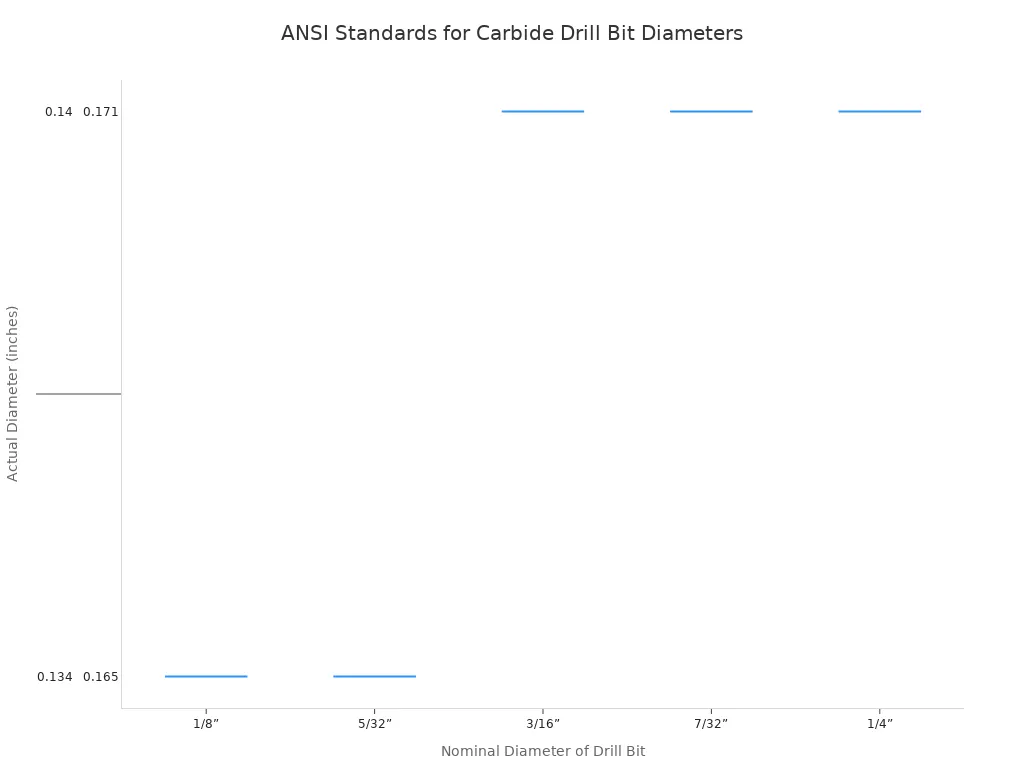
Диаметр отверстия имеет критическое значение. Даже для других типов анкеров, таких как определённые размеры Tapcon®, требуются специально разработанные свёрла, поскольку их допуски ещё строже, чем у стандартных свёрл по ANSI. Всегда подбирайте сверло в соответствии со спецификациями производителя анкера.
Динамометрический ключ
Динамометрический ключ — обязательный инструмент для завершающего этапа затяжки. Он позволяет монтажнику приложить точно указанное производителем анкера вращательное усилие. Это предотвращает как недотяжку, которая приводит к непрочному соединению, так и перетяжку, которая может повредить бетон или сам анкер.
Проволочная щётка и сжатый воздух/продувочный насос
Эти инструменты используются для очистки просверленного отверстия от всей пыли и мусора. Узкая проволочная щётка соскабливает пыль со стенок отверстия. Затем источник сжатого воздуха или ручной продувочный насос удаляет все рыхлые частицы. Чистое отверстие является обязательным условием для достижения номинальной несущей способности анкера.
Молоток и гаечный ключ
Стандартный молоток необходим для аккуратной забивки клинового анкера в очищенное отверстие на правильную глубину. Обычный гаечный ключ используется для предварительной затяжки гайки вручную перед приложением окончательного момента затяжки.
Средства индивидуальной защиты (СИЗ)
Безопасность имеет первостепенное значение при работе с бетоном и электроинструментом. Следующие средства индивидуальной защиты (СИЗ) должны использоваться постоянно.
Защитные очки
Сверление бетона создаёт летящую стружку и мелкую пыль. Защитные очки обеспечивают необходимую защиту от травм глаз.
Респираторная маска или респиратор
Бетонная пыль содержит кристаллический диоксид кремния, опасный при вдыхании. Респиратор или, предпочтительно, противогаз защищает лёгкие монтажника от этого вредного материала.
Рабочие перчатки
Прочные рабочие перчатки защищают руки от ссадин и порезов. Они также обеспечивают лучший захват инструментов и материалов.
Защита органов слуха
Перфоратор создаёт значительный шум. Наушники или беруши необходимы для предотвращения временного или постоянного повреждения слуха.
Инструкция по установке клиновых анкеров: 5-шаговое руководство
Следование точным инструкциям по установке является наиболее важной частью монтажа клиновых анкеров. Эти пошаговые инструкции детально описывают правильную процедуру от сверления отверстия до установки анкера. Каждый из пяти шагов критически важен для безопасной и надёжной установки.
Шаг 1: Сверление отверстия
Первое действие — создание правильного отверстия в бетоне. Размеры и качество этого отверстия закладывают основу для работы анкера.
Выбор правильного размера сверла
Монтажник должен использовать твердосплавное сверло стандарта ANSI. Диаметр сверла должен точно соответствовать диаметру клинового анкера. Например, для анкера 1/2″ требуется сверло 1/2″. Использование сверла неправильного размера создаст отверстие, которое будет либо слишком свободным, либо слишком тугим, и то и другое снизит удерживающую способность анкера.
Определение правильной глубины отверстия
Отверстие должно быть просверлено на определённую глубину, чтобы анкер достиг требуемого заглубления. Производитель указывает минимальную глубину заделки для каждого размера анкера для достижения заявленных значений нагрузки.
| Размер анкера | Минимальная заделка |
|---|---|
| 1/4” | 1-1/8” |
| .268” | 1-1/8” |
| 3/8” | 1-1/2” |
| 1/2” | 2-1/4” |
| 5/8” | 2-3/4” |
| 3/4” | 3-1/4” |
| 7/8” | 3-7/8” |
| 1” | 4-1/2” |
| 1-1/4” | 5-1/2” |
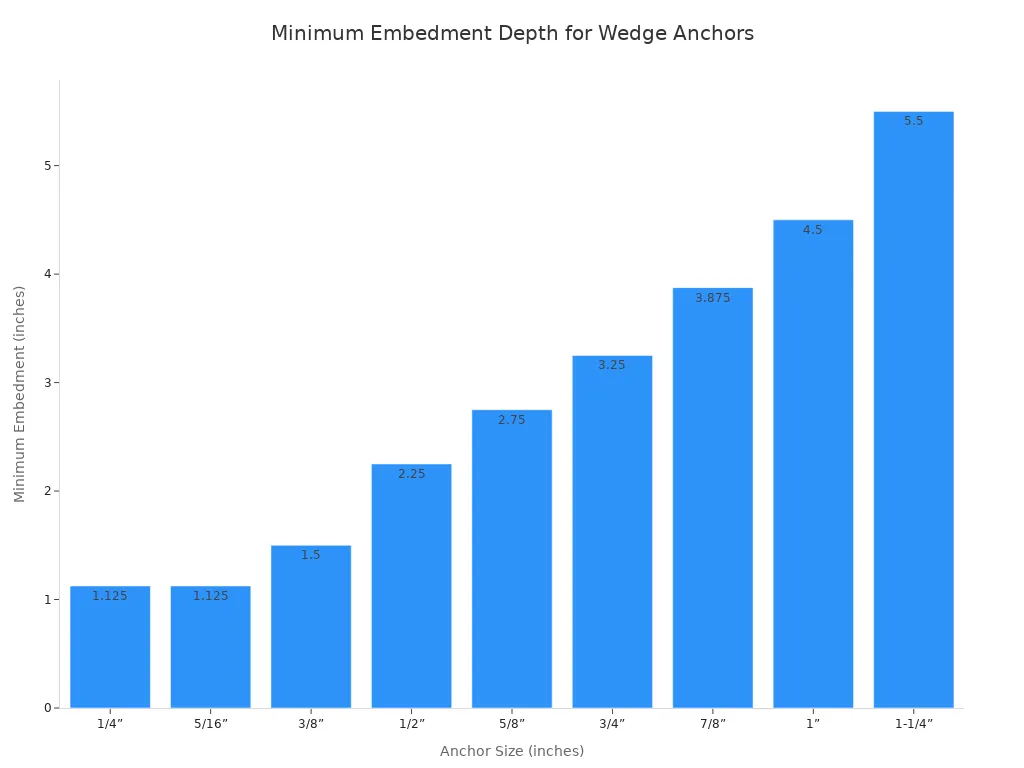
Требуемый диаметр твердосплавного сверла Всегда сверлите отверстие глубже минимальной глубины заделки. Общее правило — сверлить отверстие как минимум на 1/2″ глубже , чем будет заглублён анкер. Это дополнительное пространство, или карман, служит для сбора пыли и мусора, обеспечивая возможность вставить анкер на правильную глубину.
Техника сверления прямого отверстия
Перпендикулярное отверстие необходимо для правильной работы анкера.
- Используйте штангу ограничителя глубины на перфораторе для обеспечения одинаковой глубины.
- Крепко держите дрель двумя руками, сохраняя её перпендикулярно поверхности бетона.
- Прикладывайте постоянное, равномерное давление. Позвольте перфоратору выполнять работу без чрезмерных усилий.
- Периодически вынимайте сверло из отверстия в процессе сверления, чтобы помочь удалить пыль и предотвратить заклинивание сверла.
Шаг 2: Очистка отверстия
Чистое отверстие — не опция, а обязательное условие для безопасного соединения. Это одна из наиболее часто упускаемых из виду, но критически важных частей процесса.
Почему очистка отверстия обязательна
Бетонная пыль и мусор, оставшиеся в отверстии, создают барьер. Этот мусор препятствует полному контакту разжимной клипсы анкера с твёрдыми бетонными стенками. Если пыль мешает полному раскрытию анкера, клиновой анкер может проворачиваться в отверстии при затяжке, что приводит к значительному снижению его удерживающей способности.
Метод проволочной щётки
После сверления монтажник должен использовать проволочную щётку диаметром, соответствующим размеру отверстия. Вставьте щётку до дна отверстия и энергично вращайте и скребите. Это действие соскабливает пыль, уплотнённую на стенках отверстия.
Метод сжатого воздуха или продувочного насоса
После чистки щёткой все рыхлые частицы должны быть удалены. Используйте баллон со сжатым воздухом с удлиняющей насадкой или ручную грушу-продувочник. Поместите насадку на дно отверстия и продуйте наружу. Это вытесняет всю пыль и мусор вверх и из отверстия.
Безопасность прежде всего: правила OSHA Стандарт OSHA 1910.242(b) гласит, что сжатый воздух, используемый для очистки, должен быть отрегулирован до давления менее 30 фунтов на квадратный дюйм (psi) в целях безопасности. Это относится к статическому давлению при заблокированном сопле. Монтажники должны использовать имеющиеся в продаже безопасные сопла, соответствующие стандартам, и никогда не модифицировать их, так как это может нарушить механизм безопасности и создать опасность.
Комбинация “Щётка и продувка”
Наиболее эффективный метод очистки — последовательность чистки щёткой и продувки. Профессиональным стандартом является цикл “щётка, продувка, щётка, продувка”.
- Тщательно почистите отверстие щёткой.
- Полностью продуйте отверстие.
- Тщательно почистите Почистите отверстие щёткой.
- Полностью продуйте во второй раз, чтобы удалить любые оставшиеся стойкие частицы.
Продуйте отверстие
в последний раз, чтобы убедиться, что оно идеально чистое.
Шаг 3: Установка клинового анкера
При наличии чистого отверстия правильного размера анкер готов к размещению. Этот шаг включает установку анкера на правильную глубину перед приложением момента затяжки.
Забивка анкера в отверстие
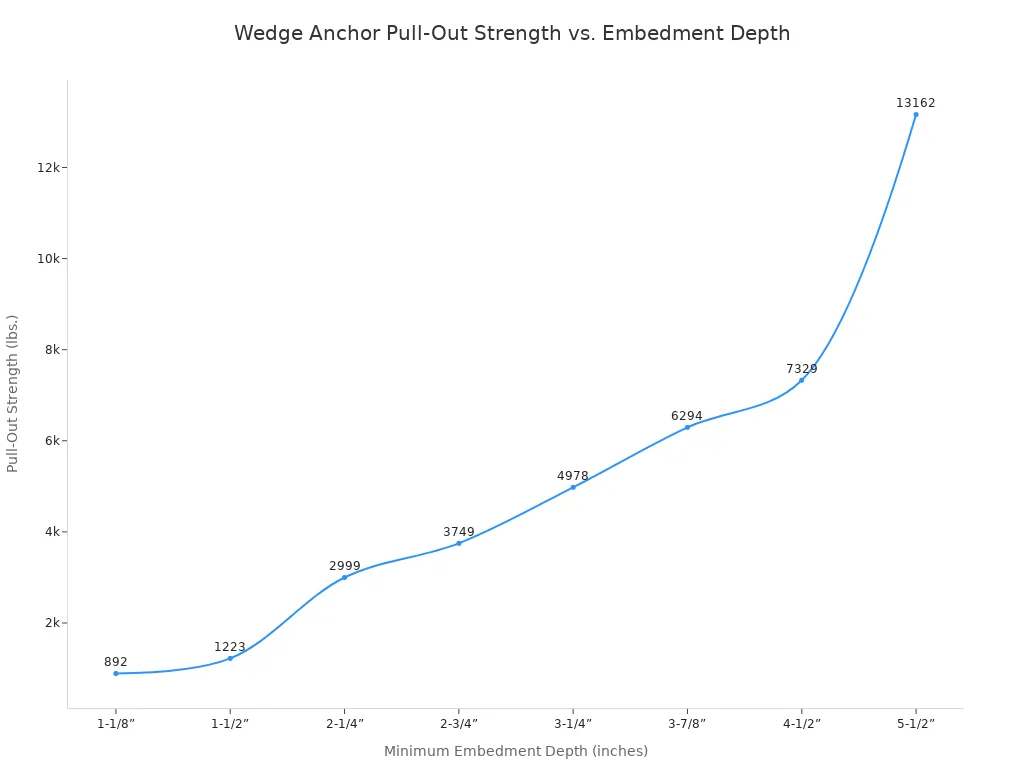
Наденьте гайку на верхнюю часть анкера, оставив её навинченной на несколько оборотов для защиты резьбы. Аккуратно постучите молотком по верхней части анкера. Забейте его через крепёжное изделие в бетонное отверстие до тех пор, пока шайба и гайка не будут плотно прилегать к поверхности закрепляемого материала. минимальную глубину заделки Установка правильной глубины заделки Анкер должен быть установлен на свою. минимальную глубину заделки.
| Размер анкера | для достижения номинальной прочности на вырыв. Большая глубина заделки, как правило, приводит к | Прочность на вырыв (фунт-сила) |
|---|---|---|
| 1/4” | 1-1/8” | 877 |
| .268” | 1-1/8” | 892 |
| 3/8” | 1-1/2” | 1223 |
| 1/2” | 2-1/4” | 2999 |
| 5/8” | 2-3/4” | 3749 |
| 3/4” | 3-1/4” | 4978 |
| 7/8” | 3-7/8” | 6294 |
| 1” | 4-1/2” | 7329 |
| 1-1/4” | 5-1/2” | 13162 |
Для достижения заявленных значений удерживающей способности, анкер должен быть заглублен в бетон как минимум на указанную глубину.
Установка крепежной детали поверх анкера
Клиновые анкеры предназначены для установки “через крепежную деталь”. Это означает, что монтажник сверлит отверстие через предварительно установленную деталь в бетон. Затем анкер вставляется через деталь в отверстие одним непрерывным движением. Этот метод обеспечивает идеальное совмещение детали и анкера.
Шаг 4: Установка анкера
После вставки анкера следующая процедура — его “установка”. Это действие приводит в действие расширительный механизм анкера, создавая первоначальное трение о бетон, которое является основой его удерживающей способности. Эта фаза подготавливает анкер к окончательной затяжке.
Предварительная затяжка гайки вручную
Используя стандартный гаечный ключ, монтажник должен затянуть гайку на три-четыре полных оборота после положения ручной затяжки. Эта первоначальная затяжка подтягивает шпильку анкера вверх, устраняя любой люфт между крепежной деталью, анкером и бетоном. Цель — обеспечить плотное прилегание узла, гарантируя плотный контакт всех компонентов перед приложением окончательного, дозированного усилия.
Принцип работы клинового механизма
Гениальность клинового анкера заключается в его простой, но мощной механической конструкции. Затягивание гайки запускает последовательность действий, которая фиксирует анкер в бетоне.
- Монтажник затягивает гайку на резьбовой шпильке.
- Это вращательное усилие тянет всю сборку шпильки вверх, к поверхности.
- По мере движения шпильки вверх она заставляет расширительную клипсу внизу подниматься по коническому конусу анкера.
- Клипса расширяется наружу, плотно заклиниваясь между конусом и стенками бетонного отверстия. Это действие создает огромную силу трения, которая является источником удерживающей способности анкера.
Проверка установки анкера
Правильно установленный анкер будет ощущаться прочно. По мере затягивания гайки вручную сопротивление должно равномерно возрастать. Анкер не должен проворачиваться в отверстии. Если вся анкерная сборка проворачивается при затягивании гайки, это явный признак проблемы. Такое проворачивание обычно указывает на отверстие слишком большого диаметра или неправильно очищенное, что мешает клипсе зацепиться за бетон. Монтажник должен остановиться и выявить проблему, прежде чем продолжить.
Шаг 5: Приложение окончательного крутящего момента
Приложение правильного окончательного крутящего момента — один из наиболее критических этапов всего процесса. Это точное измерение гарантирует, что анкер достигает своей полной расчетной несущей способности и создает надежное, долговечное соединение. Эти заключительные шаги в инструкции по монтажу нельзя упускать из виду.
Почему использование динамометрического ключа критически важно
Динамометрический ключ — единственный инструмент, способный приложить конкретное, измеряемое вращательное усилие. Использование стандартного ударного гайковерта или оценка затяжки “на ощупь” — верный путь к неудаче.
- Недостаточная затяжка оставляет соединение ослабленным. Расширительная клипса не создаст достаточной силы трения, что резко снизит удерживающую способность анкера и позволит крепежной детали смещаться под нагрузкой.
- Чрезмерная затяжка не менее опасна. Чрезмерное усилие может привести к растрескиванию окружающего бетона — отказу, известному как конусный вырыв. Оно также может растянуть стальную шпильку анкера за предел текучести, безвозвратно повредив клиновой анкер и нарушив его целостность.
Профессиональный стандарт: Калиброванный динамометрический ключ не является опцией; это обязательный инструмент для любого профессионала, устанавливающего механические анкеры. Это единственный способ гарантировать, что монтаж соответствует спецификациям производителя и требованиям строительных норм.
Определение значения крутящего момента от производителя
Значения крутящего момента не универсальны. Они указываются производителем для каждого диаметра анкера. Монтажник всегда должен сверяться с документацией производителя или отчетом ICC-ES для конкретного используемого продукта. Использование неправильного значения может привести к описанным выше проблемам.
В таблице ниже приведен пример типичных значений монтажного крутящего момента.
| Диаметр (дюймы) | Длина (дюймы) | Крутящий момент (фунт-сила-фут) |
|---|---|---|
| 1/4 | 1-3/4 | 5-10 |
| 1/4 | 2-1/4 | 5-10 |
| 1/4 | 3 | 5-10 |
| 1/4 | 3-1/4 | 5-10 |
| 5/16 | 2-3/4 | 5-10 |
Примечание: Всегда уточняйте требуемый крутящий момент для вашего конкретного анкера. Эти значения приведены только для иллюстрации.
Как правильно использовать динамометрический ключ
Использование динамометрического ключа щелчкового типа — простой процесс.
- Установка крутящего момента: Отрегулируйте рукоятку ключа на значение крутящего момента, указанное производителем (например, 10 фунт-сила-фут).
- Приложение усилия: Наденьте головку ключа на гайку анкера. Приложите плавное, равномерное давление на рукоятку одним непрерывным движением. Не делайте рывков.
- Дождитесь щелчка: Продолжайте прилагать давление, пока ключ не издаст слышимый “щелчок”, а рукоятка не поддастся на мгновение.
- Немедленно остановитесь: Щелчок означает, что целевой крутящий момент достигнут. Монтажник должен немедленно прекратить затяжку. Приложение дополнительного усилия после щелчка приведет к перетяжке анкера.
Наука монтажа клиновых анкеров: расстояние между анкерами и до края
Правильный монтаж клиновых анкеров — это не только сверление и затяжка. Монтажник должен понимать принципы размещения анкеров. Расстояние между анкерами и их близость к краю бетона являются критическими факторами, напрямую влияющими на безопасность и несущую способность всего соединения.
Минимальные требования к расстоянию между анкерами
Почему расстояние важно для целостности бетона
Каждый клиновой анкер создает в бетоне конусообразную зону напряжения при восприятии нагрузки. Размещение анкеров слишком близко друг к другу приводит к перекрытию этих зон напряжения. Это перекрытие концентрирует усилие на малой площади, что может нарушить структурную целостность бетона и значительно снизить удерживающую способность всей группы анкеров.
Общие правила для расстояния между анкерами
Широко принятое правило — соблюдать минимальное расстояние между анкерами, равное десяти диаметрам анкера. Например, два анкера диаметром 1/2″ должны быть установлены на расстоянии не менее 5″ друг от друга.
| Диаметр анкера | Минимальное расстояние (10x диаметр) |
|---|---|
| 1/4″ | 2-1/2″ |
| 3/8″ | 3-3/4″ |
| 1/2″ | 5″ |
| 5/8″ | 6-1/4″ |
Важно: Это общее правило. Монтажник всегда должен сверяться с **техническим требованиям производителя**, так как требования могут различаться в зависимости от конструкции анкера, нагрузки и указанного
минимальную глубину заделки.
Как нагрузка влияет на расстояние
Более тяжелые нагрузки требуют большего расстояния. Увеличенное расстояние позволяет распределить напряжение от каждого анкера по большей, неперекрывающейся площади бетона. Для критически важных применений инженер рассчитает точное необходимое расстояние, чтобы гарантировать, что бетон выдержит совокупные усилия без разрушения.
Минимальные требования к расстоянию до края
Риск выкрашивания бетона
Размещение анкера слишком близко к неподдерживаемому краю бетонной плиты или стены чрезвычайно опасно. Расширительное усилие анкера может вызвать “вырыв” или “выкрашивание”, когда конусообразный кусок бетона откалывается от края. Это приводит к полному и катастрофическому разрушению анкерного соединения.
Расчет безопасного расстояния до края
В индустрии распорных анкеров установлен минимальный стандарт для предотвращения такого вида разрушения. Надежное практическое правило для расстояния до края — соблюдать дистанцию не менее пяти диаметров анкера от любого неподдерживаемого края. Следование этому руководству помогает гарантировать, что анкер окружен достаточной массой бетона, чтобы противостоять распорным усилиям во время затяжки и эксплуатационным нагрузкам впоследствии. Это расстояние так же важно, как и достижение правильной минимальную глубину заделки.
Корректировки для треснувшего и нетреснувшего бетона
Инженеры должны учитывать, является ли бетон треснувшим или нет. Проектирование для нетреснувшего бетона допустимо только в том случае, если детальный анализ напряжений подтверждает, что в данной области не возникнут трещины от растягивающих усилий. В большинстве ситуаций более безопасным подходом является предположение, что бетон треснул или потрескается.
Современные крепежные элементы, такие как клиновой анкер SD1 для бетона, специально сконструированы для надежной работы как в треснувшем, так и в нетреснувшем бетоне. Методологии проектирования, такие как Расчет по Прочности, используют различные коэффициенты снижения прочности для каждого состояния, оценивая множественные виды разрушений для создания оптимизированной конструкции. Включение данных по треснувшей кладке в критерии испытаний анкеров дополнительно демонстрирует фокус индустрии на безопасности. Это предоставляет инженерам необходимые данные для безопасного монтажа, так как клинового анкера может быть негативно затронута трещинами. минимальную глубину заделки является ключевым параметром в этих расчетах.
Распространенные ошибки при установке клинового анкера
Даже при наличии правильных инструментов и материалов, простые ошибки во время монтажа могут привести к катастрофическому разрушению. Монтажник должен избегать этих распространенных ловушек, чтобы обеспечить надежное и безопасное соединение. Понимание этих ошибок является ключевой частью правильной установки клиновых анкеров.
Ошибка 1: Неправильные размеры отверстия
Отверстие — это основа соединения. Неправильные размеры скомпрометируют всю установку.
Проблема со слишком большим отверстием
Отверстие, просверленное изношенным или неправильным сверлом, будет слишком большим. Это создает радиальный зазор между распорной гильзой анкера и стенкой бетона. Гильза не может достаточно расшириться, чтобы создать необходимое трение. Исследования показывают, что это может привести к локальному смятию бетона или микротрещинам вокруг головки анкера, что предшествует более серьезному разрушению. Анкер будет проворачиваться в отверстии и никогда не достигнет своей номинальной нагрузки.
Опасность слишком мелкого отверстия
Отверстие недостаточной глубины не позволяет анкеру достичь заданного минимального заглубления. Это резко снижает его вырывную прочность. Для более крупных анкеров (5/8" и более) установка в мелкое отверстие может снизить сопротивление срезу примерно на 20% по сравнению с опубликованными значениями. Клиновой механизм анкера не задействуется достаточно глубоко в основном материале.
Ошибка 2: Недостаточная очистка отверстия
Чистое отверстие — обязательное условие для безопасного монтажа. Многие монтажники недооценивают важность этого шага.
Как мусор снижает удерживающую способность
Бетонная пыль, оставшаяся в отверстии, действует как слой мелких шариков подшипника. Этот мусор препятствует прямому и плотному контакту распорной гильзы с бетоном. Гильза давит на пыль, а не на стенку отверстия, что серьезно ограничивает силу трения, которую может создать анкер.
Последствия грязного отверстия
Когда монтажник устанавливает клиновой анкер в грязное отверстие, анкер часто проворачивается во время затяжки. Это явный признак того, что гильза не зацепилась. Результат — соединение с опасно низкой удерживающей способностью, подверженное разрушению даже при небольших нагрузках.
Ошибка 3: Неправильное приложение крутящего момента
Приложение правильного крутящего момента — это точный этап. Как слишком большая, так и слишком малая сила приведут к отказу соединения.
Признаки перетянутого анкера
Перетягивание анкера ударным гайковертом или “на ощупь” может разрушить соединение. Чрезмерное усилие может вызвать несколько видов разрушения:
- Конусное разрушение бетона: Напряжение превышает прочность бетона, вызывая откалывание конусообразного фрагмента основного материала.
- Разрушение стали (растяжение): Сам стержень анкера ломается, часто в самом узком сечении, оставляя часть анкера застрявшей в отверстии.
- Разрушение стали (срез): Анкерный болт ломается на поверхности бетона при воздействии экстремальных боковых нагрузок.
Риск недотянутого анкера
Недотянутый анкер — это ослабленный анкер. Недостаточная затяжка означает, что распорная гильза не полностью прижата к бетону. Соединение будет иметь значительно сниженную удерживающую способность и может со временем дополнительно ослабнуть, особенно при воздействии вибрации.
Ошибка 4: Попадание в арматуру при сверлении
Сверление в железобетоне представляет собой распространенную проблему: попадание в стальную арматуру. Это препятствие — не просто неудобство; это критически важный структурный компонент бетона. Реакция монтажника на попадание в арматуру определяет безопасность установки и целостность основного материала. Попытка протолкнуть стандартное твердосплавное сверло через сталь является серьезной ошибкой, которая может привести к поломке сверла и потенциальному структурному повреждению.
Как определить и обработать попадание в арматуру
Оператор может легко определить попадание в арматуру по нескольким характерным признакам. Немедленное распознавание этих сигналов — первый шаг к правильным действиям.
- Внезапная остановка: Перфоратор резко перестанет углубляться в бетон, несмотря на работающий двигатель.
- Изменение звука: Скребущий звук сверления бетона сменится высоким металлическим звоном или скрежетом.
- Отсутствие пыли: Образование бетонной пыли прекратится, так как сверло больше не дробит основной материал.
Немедленные действия: Как только монтажник заподозрит попадание в арматуру, он должен немедленно прекратить сверление. Продолжение приложения усилия приведет к перегреву и разрушению твердосплавного наконечника сверла. Оно не прорежет арматуру, а лишь создаст риск повреждения инструмента и структурной стали.
Перемещение отверстия против специализированного сверления
После остановки сверления у монтажника есть два основных варианта. Правильный выбор зависит от инженерных требований проекта и гибкости.
1. Переместить отверстие (рекомендуемый метод) Для большинства применений самым безопасным и простым решением является оставить заблокированное отверстие и просверлить новое. Монтажник должен переместить место установки анкера в соответствии с установленными правилами по расстояниям. Новое отверстие должно быть просверлено на достаточном расстоянии от исходного, чтобы избежать перекрытия зон напряжения.
Требуемый диаметр твердосплавного сверла Новое отверстие должно располагаться на расстоянии не менее двух глубин заделки от заброшенного отверстия. Это обеспечивает сохранение структурной целостности каждого места установки. Всегда сверяйтесь с проектными спецификациями для получения точных требований.
Используйте специальное сверло для резки арматуры (только для специалистов) В редких случаях, когда место установки анкера строго фиксировано, монтажнику может потребоваться просверлить арматуру. Для этого требуется специальное сверло, предназначенное для резки стали.
| Действие | Когда использовать | Ключевой аспект |
|---|---|---|
| Переместить отверстие | Большинство ситуаций; гибкое размещение крепления. | Самый простой, безопасный способ, сохраняющий структурную целостность. |
| Просверлить арматуру | Фиксированные точки крепления; отсутствие других вариантов. | ⚠️ Требует явного одобрения инженера-проектировщика. |
Резка арматуры является серьезным изменением конструкции. Это может ослабить прочность бетона на растяжение, и ее никогда не следует выполнять без прямого одобрения инженера. Инженер определит, допустима ли резка конкретного стержня арматуры для общей конструкции. Несанкционированная резка может поставить под угрозу безопасность всего бетонного элемента.
Успешная установка клиновых анкеров зависит от точности на каждом этапе. Монтажник может достичь идеального результата, следуя итоговому контрольному списку для процессу установки.:
- Просверлите отверстие правильного размера и глубины.
- Очистите отверстие от всей пыли и мусора.
- Установите анкер на требуемую глубину заделки.
- Приложите указанный крутящий момент с помощью калиброванного динамометрического ключа.
Золотое правило остается неизменным: всегда следуйте спецификациям производителя для используемого конкретного анкера.
Правильная установка клиновых анкеров — единственный способ гарантировать безопасное и надежное соединение.
Частые вопросы
Можно ли повторно использовать клиновой анкер?
Нет. Монтажник никогда не должен повторно использовать клинового анкера. Процесс удаления повреждает распорную клиновую втулку и может растянуть резьбу анкера. Повторное использование поврежденного анкера создает значительный риск для безопасности и приведет к отказу соединения.
Что делать, если анкер проворачивается в отверстии?
Проворачивание указывает на проблему. Отверстие, вероятно, слишком велико или содержит мусор. Это мешает распорной клиновой втулке зацепиться за бетон. Монтажник должен отказаться от этого отверстия, определить причину и просверлить новое отверстие в другом месте.
Действительно ли необходим динамометрический ключ?
Да. Динамометрический ключ обязателен для безопасной установки. Это единственный инструмент, который гарантирует, что монтажник приложит точное усилие, требуемое производителем. Угадывание усилия затяжки приводит к недотянутым или перетянутым анкерам, что в обоих случаях небезопасно.
Можно ли использовать клиновые анкеры в кирпиче или блоках?
Нет. Клиновые анкеры предназначены исключительно для полнотелого бетона. Высокие распорные усилия, которые они создают, приведут к растрескиванию или разрушению более слабых основных материалов, таких как кирпич, шлакоблок или пустотелый бетонный блок. Для этих материалов монтажнику следует использовать втулочные анкеры.
Как долго следует ждать перед установкой анкеров в свежий бетон?
Монтажник должен дождаться полного отверждения нового бетона. Бетону обычно требуется минимум 28 дней для достижения проектной прочности на сжатие. Установка анкера в “сырой” или неотвержденный бетон приведет к ненадежному соединению.
В чем разница между клиновым анкером и гильзовым анкером?
Клиновой анкер обеспечивает превосходную удерживающую способность в полнотелом бетоне за счет небольшой, но мощной распорной клиновой втулки. Втулочный анкер использует более крупную распорную гильзу, что делает его подходящим для более мягких или хрупких материалов, таких как кирпич и блоки, где требуются меньшие напряжения.
Почему бетон треснул вокруг анкера?
Трещины в бетоне обычно возникают из-за двух ошибок:
- Анкер был установлен слишком близко к краю.
- Монтажник приложил чрезмерный крутящий момент.
Обе ошибки создают напряжение, превышающее прочность бетона, что приводит к его разрушению.