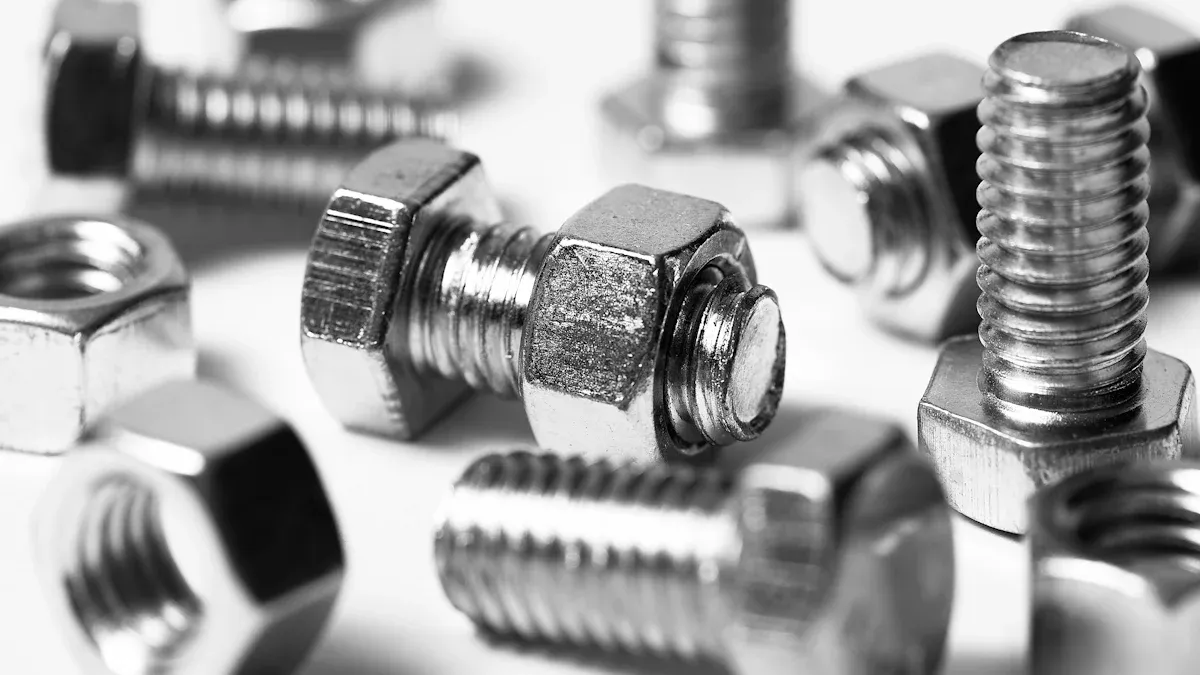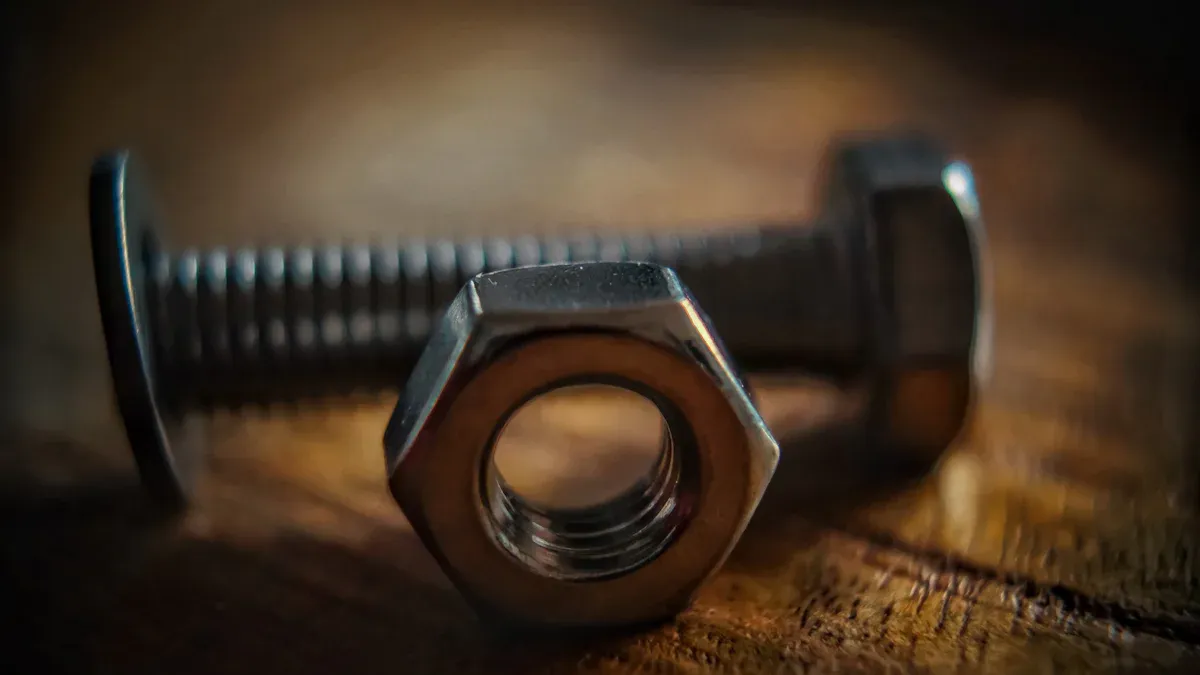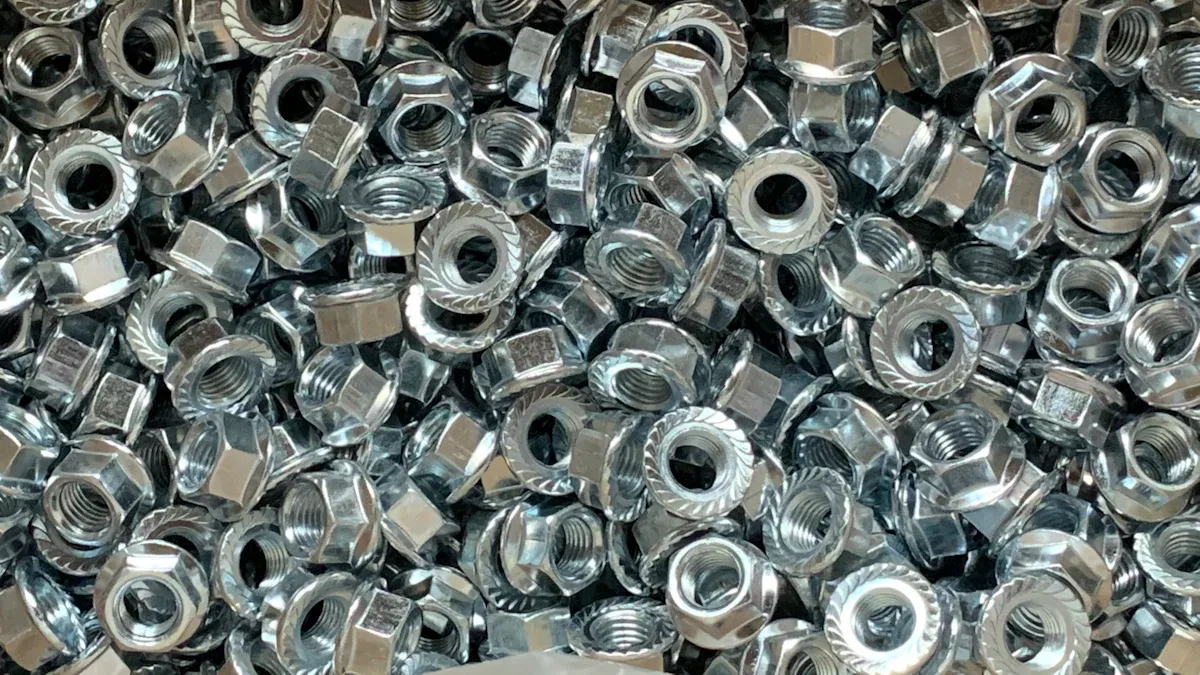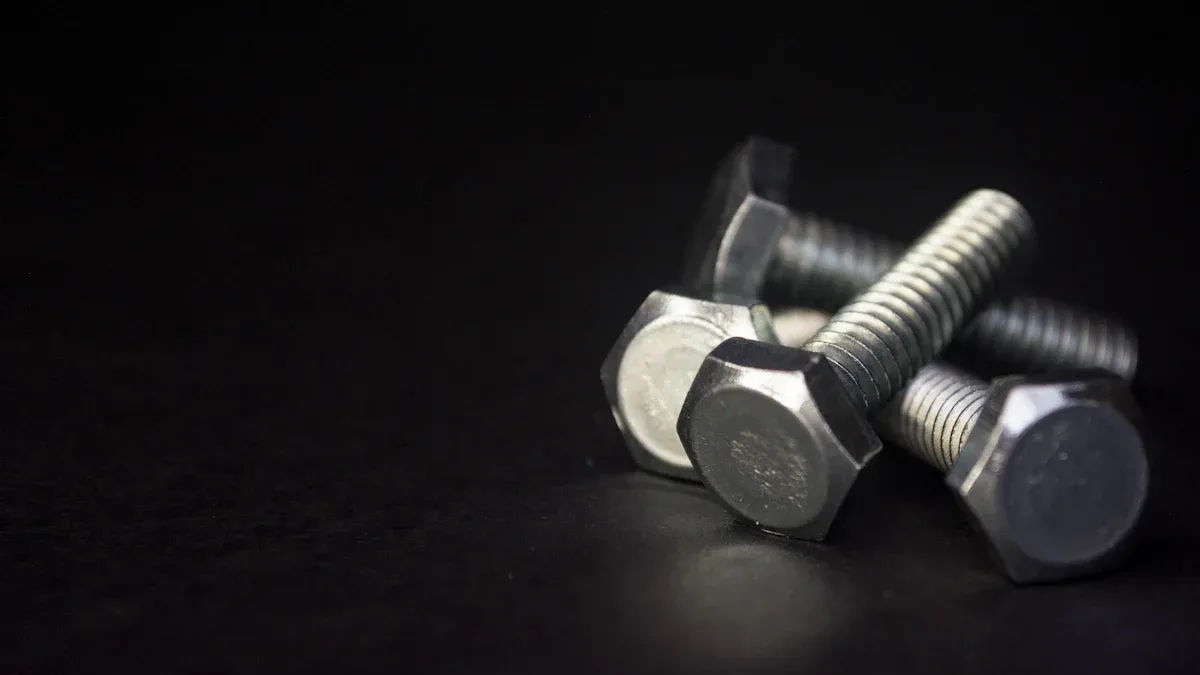

The 2 inch 3-bolt exhaust flange is a flat metal plate, typically triangular, designed to join two sections of an exhaust. This specific exhaust flange creates a strong, leak-proof connection between components. The integrity of this flange connection depends heavily on using quality hardware.
Требуемый диаметр твердосплавного сверла The flange requires a precise литье болтов and the correct Фланцевый болт for optimal performance. A производитель крепежных изделий на заказ often supplies нестандартные крепежные элементы for specialized exhaust builds that use this type of exhaust flange.
What Defines a 2 Inch 3-Bolt Exhaust Flange?
A 2 inch 3-bolt exhaust flange is more than just a piece of metal; its specific dimensions, bolt pattern, and material composition dictate its performance and suitability for various applications. Understanding these defining characteristics is essential for selecting the correct component for a repair or custom build. Each element plays a critical role in creating a durable, leak-free seal that can withstand the harsh environment of an exhaust system.
The “2-Inch” Dimension
The “2-inch” measurement is a primary identifier, but it often causes confusion. It directly relates to the diameter of the exhaust tubing the flange is designed to connect.
Pipe Inner Diameter
Contrary to what the name might imply, the “2-inch” specification almost always refers to the Outer Diameter (OD) of the pipe it mates with. The automotive exhaust industry predominantly uses tubing, which is measured by its OD. Therefore, a 2-inch flange is designed to fit over or butt up against a pipe with an outside diameter of two inches. The flange itself will have an opening that is slightly larger than two inches to accommodate the pipe for welding.
Why Size Is Critical
Matching the flange size to the pipe diameter is crucial for performance. An incorrectly sized flange can create a “step” inside the exhaust path, disrupting the smooth flow of gases exiting the engine.
Performance Note: A properly matched flange and pipe combination ensures laminar flow, which is essential for achieving optimal gas flow. Any obstruction or turbulence reduces engine efficiency and can negatively impact horsepower. Maintaining a consistent diameter through the connection point is key to preserving exhaust gas flow characteristics.
The “3-Bolt” Configuration
The number and arrangement of bolts determine the flange’s clamping ability and stability. The 3-bolt design is a popular standard for good reason.
Triangular Bolt Pattern
The three bolt holes are arranged in a triangular pattern. This geometric shape provides inherent stability and rigidity. Unlike a 2-bolt flange that can pivot, 3-bolt flanges resist twisting and flexing under load. This stable platform is fundamental to maintaining a consistent seal, especially in systems that experience significant vibration from the engine.
Clamping Force Advantage
The triangular layout allows for even distribution of clamping force around the entire sealing surface. As the bolts are tightened, they pull the two flanges together uniformly. This balanced pressure compresses the gasket evenly, creating a robust, leak-proof seal that can withstand the high pressures found in an exhaust system.
Common Flange Materials
The material used to construct an exhaust flange dictates its durability, corrosion resistance, and cost. The choice often depends on the specific applications, from standard passenger cars to high-performance turbo builds. The welding process is a major factor in material performance.
Mild Steel
Mild steel is a low-cost, carbon steel alloy that is easy to form and weld. It is a common choice for budget-friendly aftermarket exhaust systems. However, its primary drawback is poor corrosion resistance. When welding a mild steel flange, any protective coating is burned away, leaving the raw steel at the weld joint exposed and highly susceptible to rust. This makes it a poor choice for a high-heat turbo flange, as the welding process creates a significant weak point. A turbo flange made of this material would fail quickly.
Нержавеющая сталь
Stainless steel offers superior strength and corrosion resistance, making it ideal for performance and long-lasting exhaust applications. Different grades offer varying levels of performance, especially for a turbo flange where heat is extreme. The welding process for a turbo flange must be done carefully to preserve these properties.
- 409 Stainless: Often used by OEMs, this grade is durable and resists corrosion better than mild steel, though it may develop a light surface rust over time. It is a good mid-range option.
- 304 Stainless: This grade contains more chromium and nickel, providing excellent corrosion resistance and a bright finish. It is a popular choice for high-quality aftermarket systems and a capable turbo flange material for a turbo engine.
- 321/347 Stainless: These are high-temperature, stabilized grades perfect for a demanding turbo flange. When standard stainless steel is heated during welding, it can suffer from “carbide precipitation,” which reduces corrosion resistance near the weld. Grades like 321 and 347 are stabilized to prevent this, making them the ultimate choice for a turbo flange on a high-output turbo engine where both heat and welding integrity are critical. The welding on a turbo flange must be flawless.
Aluminized Steel
Aluminized steel is mild steel coated with an aluminum-silicon alloy. This coating provides good corrosion resistance at a lower cost than stainless steel. However, like mild steel, its weak point is the weld. The welding process vaporizes the protective coating, exposing the underlying steel to moisture and heat. This makes it a less-than-ideal material for a turbo flange, as the integrity of the welding is paramount for any turbo component. For a turbo, the material of the turbo flange must withstand intense conditions, and compromised welding is not an option.
Common Uses in Vehicle Exhaust Systems

The 2 inch 3-bolt exhaust flange is a versatile component found in a wide range of automotive applications. Its simple, robust design makes it a go-to solution for both original equipment manufacturers (OEMs) and custom fabricators. These applications range from standard passenger cars to high-performance vehicles with a turbo. The integrity of the welding on a turbo flange is paramount for any turbo engine.
Factory and OEM Applications
Automakers favor this flange for its reliability and serviceability. The welding process for a factory turbo flange must be perfect. A quality turbo flange ensures a long service life for the turbo engine.
Catalytic Converter Connections
Manufacturers frequently use this exhaust flange to connect the catalytic converter to the rest of the exhaust system. This secure connection prevents leaks of harmful emissions. The welding on a turbo flange near a converter must withstand extreme heat from the turbo.
Mid-Pipe and Resonator Joints
The flange provides a strong connection point between the front pipe and the mid-pipe or resonator. This allows for individual component replacement without needing to replace the entire exhaust. The welding of a turbo flange in these applications must be precise.
Muffler Inlets and Outlets
This flange is commonly found at the inlet and outlet of the muffler. It creates a durable, sealed joint that can withstand constant vibration from the engine. The welding of a turbo flange here ensures the turbo system remains sealed.
Custom and Performance Builds
Custom builders and performance enthusiasts rely on this flange for its modularity and strength. These performance applications often involve a turbo, making the turbo flange a critical part. The welding of a turbo flange is a skill every fabricator must master.
Fabricating Modular Exhaust Systems
A flanged connection is superior for creating modular exhaust sections. This approach offers significant benefits over simple slip-fit clamps, especially in performance applications. The welding of a turbo flange must be flawless for a high-power turbo.
- Durability and Precision: Flanged joints offer superior durability, making them ideal for long-term vehicle performance.
- Serviceability: Technicians can easily remove and reinstall sections for maintenance without cutting or re-welding.
- Надежность: The flange provides excellent structural integrity against heat cycles and vibration.
Axle-Back and Cat-Back Setups
Many popular aftermarket upgrades, like axle-back and cat-back systems, use this flange for a bolt-on installation. The choice between them affects sound, cost, and performance. The welding of a turbo flange is not typically required for these bolt-on kits.
| Характеристика | Cat-Back System | Axle-Back System |
|---|---|---|
| Performance Gains | Improves throttle response (5-15 hp) | Minimal improvement (1-5 hp) |
| Sound Modification | Deeper, sportier exhaust note | Enhances stock exhaust note |
| Монтаж | More involved, may require a lift | Simple bolt-on installation |
These systems demonstrate the flange’s role in making modifications accessible to enthusiasts.
How to Choose the Right Exhaust Flange
Selecting the correct exhaust flange is a critical step for any repair or custom build. A technician must consider measurements, style, and material to guarantee a perfect fit and a durable, leak-free seal. Making the right choice prevents future headaches and ensures the exhaust system performs as intended.
Measuring Your Exhaust System
Accurate measurements are the foundation of a successful installation. Taking the time to measure correctly eliminates guesswork and prevents the need for returns or modifications.
Confirming Pipe Diameter
A technician must first confirm the pipe’s Outer Diameter (OD). For a 2-inch flange, the corresponding pipe should measure two inches on the outside. Use a digital caliper for the most precise reading. This simple check ensures proper fitment before any welding occurs.
Measuring Bolt Hole Spacing
The spacing between the bolt holes is equally important. This is measured as the “bolt circle,” which is the diameter of an imaginary circle running through the center of all three bolt holes. While you can measure from the center of one hole to the center of another, referencing standard dimensions is often easier.
| Flange I.D. | Диаметр окружности расположения болтов (БОЛ) |
|---|---|
| 2.00″ | 3.13″ / 79.5mm |
This standardized measurement ensures that a replacement flange will align perfectly with an existing component.
Matching Flange Styles
Exhaust flanges come in several styles, each designed to work with a specific type of gasket. Using the wrong style of flange will result in a poor seal.
Flat Face Flanges
This is the most common style. A flat face flange has a completely level surface that seals against a flat, flexible gasket. The two flanges press the gasket between them to create the seal.
Recessed/Donut Gasket Flanges
This design features a circular groove or recess on the flange face. It is designed to hold a thick, crush-style “donut” gasket. One flange typically has the recess, while the mating flange is flat to compress the gasket.
Требуемый диаметр твердосплавного сверла Always inspect the existing system to identify the flange style. A recessed flange cannot be properly replaced with a flat face flange, as the gasket will not seal correctly.
Selecting the Correct Material
The material of the flange impacts its longevity, cost, and suitability for specific applications, especially for a high-performance turbo setup.
Matching Your Pipe Material
For a lasting repair, the flange material must match the pipe material. Mismatched materials can cause issues during the welding process and lead to galvanic corrosion over time. A stainless steel exhaust pipe requires a stainless steel exhaust flange. This is even more critical for a turbo system, where the integrity of the welding is paramount. A turbo requires the best possible connection.
Factoring in Climate and Corrosion
Climate plays a significant role. In regions with heavy road salt use, a stainless steel exhaust flange offers superior corrosion resistance compared to mild steel. While aluminized steel offers a middle ground, its protective coating is compromised during welding. This is a major concern for any turbo application. The extreme heat from a turbo will quickly destroy a weak flange. The material for a turbo flange must withstand intense thermal cycles. A cheap flange is not an option for a turbo. The best flange for a turbo is always a high-grade stainless alloy. A turbo engine’s reliability depends on every component, including the turbo flange.
Installation Guide for Your Exhaust Flange
A proper installation is crucial for the performance and longevity of an exhaust flange connection. Whether a technician is replacing a damaged component or performing a custom fabrication, following a systematic process ensures a secure, leak-free result. This guide covers both bolt-on replacement and new welding installation procedures.
Essential Tools and Hardware
Gathering the correct tools and hardware beforehand makes the installation process smooth and efficient. Working with the right equipment prevents delays and ensures a professional-quality repair.
Required Hand Tools
A technician needs a specific set of tools for this job. A well-prepared toolkit is the first step toward a successful installation.
- Jack and Jack Stands
- Socket Set and Ratchet (with extensions)
- Combination Wrench Set
- Динамометрический ключ
- Wire Brush or Abrasive Pad
- Защитные очки и перчатки
- Penetrating Oil (for rusted bolts)
Gaskets, Bolts, Nuts, and Washers
Reusing old hardware is a common mistake that leads to leaks. A technician should always use new components for every installation. High-temperature gaskets, properly graded bolts, and new nuts ensure the flange can be torqued correctly and maintain its seal through countless heat cycles.
Step-by-Step Replacement
Replacing a pre-existing flange is a common repair. This process involves removing the old parts and carefully installing the new ones.
Safely Accessing the Exhaust
Safety is the top priority. A technician must lift the vehicle on a level surface using a floor jack. They should then securely support the vehicle with appropriately rated jack stands before working underneath it. Never work under a vehicle supported only by a jack.
Removing Old Hardware
Old exhaust hardware is often seized with rust. A liberal application of penetrating oil can help loosen stubborn bolts. In difficult cases, a long breaker bar may be necessary for extra leverage. A technician must take care not to damage surrounding components during removal.
Aligning and Bolting the New Flange
Proper alignment is key to a leak-free seal. A technician should first clean both mating flange surfaces with a wire brush. They can then position the new gasket and align the bolt holes. The bolts should be tightened in a star or crisscross pattern to distribute pressure evenly.
Torque is Critical: Applying the correct torque prevents warping the flange and ensures the gasket compresses properly. Over-tightening can damage the flange, while under-tightening will cause leaks.
When applying torque, a technician should do so in increments. They should stop tightening when the gasket extends past the outer diameter of the flange by 1/4″ to 3/8″.
| Условный диаметр трубы (дюймы) | # of Bolt Holes | Минимальный крутящий момент (фунт-сила-фут) | Предпочтительный крутящий момент (твёрдость по Шору A <70) (фунт-сила-фут) | Предпочтительный крутящий момент (твёрдость по Шору A >70) (фунт-сила-фут) |
|---|---|---|---|---|
| 2.00 | 4 | 33 | 49 | 66 |
Примечание: Таблица предоставляет общие рекомендации для 4-болтовой конфигурации; для 3-болтовых фланцев применяются аналогичные принципы постепенного и равномерного затягивания.
Приварка нового фланца
Изготовление нового соединения требует сварки. Качество сварки напрямую влияет на прочность и надежность всей выхлопной системы. Процесс сварки выхлопных фланцев требует точности и внимания к безопасности.
Подготовка поверхности трубы
Прочный сварной шов начинается с чистой поверхности. Техник должен использовать проволочную щетку или шлифовальный станок для удаления всей ржавчины, краски и загрязнений с торца трубы. Металл должен быть оголенным и чистым до начала сварки. Эта подготовка обеспечивает правильное сплавление в процессе сварки.
Прихватка фланца
Техник должен надеть новый фланец на подготовленную трубу. Затем необходимо выполнить небольшие прихваточные швы в трех или четырех противоположных точках по периметру соединения. Этот временный этап сварки фиксирует фланец в правильном положении и ориентации, предотвращая его смещение во время окончательной сварки.
Завершение сварного шва
После надежной прихватки фланца техник может выполнить окончательную сварку. Необходимо создать непрерывный валик по всему периметру соединения. Этот завершающий проход сварки намертво соединяет фланец с трубой. Правильная техника сварки необходима для создания прочного, беспористого уплотнения.
Безопасность прежде всего 🚨: Сварка сопровождается сильным нагревом, ярким светом и опасными испарениями. Соблюдение строгих протоколов безопасности обязательно.
- Необходимые средства индивидуальной защиты: Техник должен носить сварочную маску, защитную одежду, респиратор, защитные очки и средства защиты органов слуха.
- Предотвращение пожара и взрыва: Рабочая зона должна быть очищена от всех легковоспламеняющихся материалов. Средства пожаротушения должны быть легкодоступны.
- Контроль за вдыханием дыма: Правильная вентиляция критически важна. Техник должен использовать вентиляторы или дымососы для контроля вдыхания дыма во время сварки.
- Безопасность после сварки: Сваренные компоненты остаются чрезвычайно горячими. Перед обработкой они должны полностью остыть. После завершения сварки техник должен проверить шов на наличие дефектов.
Роль прокладок и крепежа
Сам фланец — лишь одна часть надежного соединения. Прокладка и крепеж являются не менее критически важными компонентами, которые совместно создают прочное, герметичное уплотнение. Техник, пренебрегающий важностью этих мелких деталей, рискует нарушить целостность и производительность всей выхлопной системы.
Почему прокладка обязательна
Прокладка — не дополнительный аксессуар, а обязательный компонент любого фланцевого соединения. Даже две идеально обработанные металлические поверхности имеют микроскопические неровности, которые мешают им образовать идеальное уплотнение. Прокладка заполняет эти зазоры.
Создание герметичного уплотнения
Основная функция прокладки — создать герметичное уплотнение между двумя поверхностями фланцев. При сжатии прокладка заполняет неровности поверхностей, предотвращая утечку выхлопных газов. Без прокладки техник столкнется с несколькими проблемами:
- Из соединения появятся громкие шипящие или тикающие звуки.
- Неравномерное прилегание поверхностей фланцев может привести к образованию трещин под нагрузкой.
- Производительность двигателя может снизиться из-за плохого потока выхлопных газов и проблем с противодавлением.
- Внутренние компоненты, такие как прессованные металлические кольца, могут разрушиться и засорить глушитель.
Предотвращение опасных утечек
Утечка выхлопных газов — это не просто шумовая проблема; это серьезная угроза безопасности. Выхлопные газы содержат монооксид углерода (CO), бесцветный и без запаха газ, обладающий высокой токсичностью.
Внимание, опасность для здоровья ⚠️: Длительное воздействие монооксида углерода может вызвать головную боль, головокружение, спутанность сознания и даже потерю сознания. Техник должен обеспечить идеальную герметичность каждого фланцевого соединения, чтобы защитить пассажиров автомобиля от этих опасных паров.
Типы прокладок для 3-болтовых фланцев
Разные прокладки обеспечивают разный уровень долговечности и герметичности. Два наиболее распространенных типа для 3-болтовых фланцев — композитные и многослойные стальные (MLS).
Композитные прокладки
Композитные прокладки — экономичное и надежное решение для многих стандартных применений.
- Обычно они состоят из металлического сердечника, (часто стального), покрытого с обеих сторон гибким материалом на графитовой основе.
- Такая конструкция позволяет прокладке хорошо заполнять мелкие неровности фланцев, обеспечивая хорошее уплотнение при умеренном усилии затяжки.
Многослойные стальные (MLS) прокладки
Прокладки MLS — это премиальный вариант, разработанный для высокопроизводительных применений и условий высоких температур.
- Эти прокладки состоят из двух-семи тонких слоев тисненой нержавеющей стали.
- Слои часто покрыты термостойким полимером , который способствует созданию превосходного уплотнения. Их прочная конструкция обеспечивает отличную прочность и долговечность, что делает их идеальными для поддержания плавного потока газов под экстремальным давлением.
Выбор правильных болтов
Болты отвечают за создание усилия затяжки, которое сжимает прокладку и удерживает соединение. Использование болтов правильного класса и размера критически важно для долговечного ремонта.
Болты для высоких температур
Крепеж для выхлопной системы должен выдерживать экстремальные тепловые циклы и вибрацию. Техник всегда должен использовать болты, специально предназначенные для высокотемпературного применения. Болты класса SAE Grade 8 превосходят болты класса Grade 5 для этого применения благодаря своей более высокой прочности.
| Класс прочности | Минимальная прочность на растяжение |
|---|---|
| SAE Grade 5 | 120 000 PSI |
| SAE Grade 8 | 150 000 PSI |
The higher tensile strength of Grade 8 bolts allows for greater torque and clamping force, ensuring the flange remains sealed.
Correct Length and Thread Pitch
A technician must verify the bolt’s length and thread pitch. A bolt that is too short will not engage enough threads to be secure. A bolt that is too long may bottom out before properly tightening the flange. Using the correct size ensures a secure and reliable connection.
Turbo Flange vs. Standard Exhaust Flange
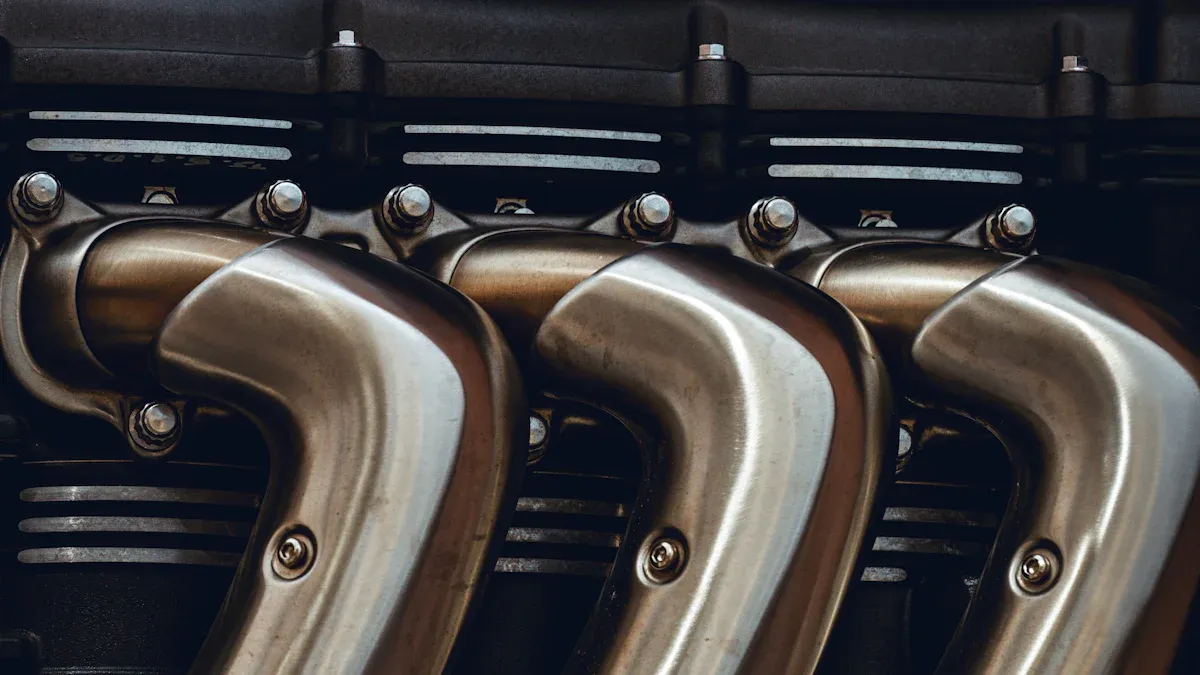
While a standard exhaust flange and a turbo flange may appear similar, they are engineered for vastly different environments. A technician must understand that a turbo flange is a highly specialized component designed to withstand the extreme conditions of a turbocharger system. Using a standard flange in a turbo application will lead to catastrophic failure. The design of a turbo flange prioritizes strength and heat resistance above all else.
Key Differences in Design
The fundamental differences between a standard flange and a turbo flange lie in their construction and material properties. These enhancements are necessary to handle the intense demands of a turbo.
Material Thickness and Durability
A turbo flange features significantly thicker material, often 1/2 inch or more, compared to a standard flange. This added mass prevents the flange from warping under extreme heat cycles. A standard, thinner flange would quickly distort, causing severe exhaust leaks at the turbo connection. The robust build of a turbo flange ensures it remains flat and maintains a perfect seal.
Heat and Pressure Tolerance
Turbocharged engines generate immense heat and exhaust pressure right at the turbocharger outlet. A turbo flange is made from high-grade materials like 304 or 321 stainless steel to tolerate these temperatures without degrading. A standard flange, often made of mild steel, cannot handle this environment.
Performance Insight: The material of a turbo flange must resist thermal expansion and contraction. This stability is critical for the turbo to function correctly and for the engine to maintain performance. A failing flange compromises the entire turbo system.
Common Turbo Flange Applications
A technician will find a turbo flange used in several critical locations within a turbocharger system. These applications demand a secure, leak-proof connection to manage high-pressure exhaust gases.
Connecting a Downpipe
The most common application for a turbo flange is connecting the turbocharger’s turbine housing to the downpipe. This connection is the first point of contact for hot, high-velocity exhaust gases leaving the turbo. The turbo exhaust flange here must create a perfect seal. A technician will encounter several common turbo flange designs for these applications:
- T3/T4/T6 Flange: These are rectangular 4-bolt designs of increasing size, corresponding to the flow requirements of the turbo and engine.
- V-band Flange: A circular design that uses a single clamp for a secure, easy-to-service connection.
- 5-Bolt Flange: A unique pattern often found on Garrett-style turbo housings.
Wastegate Flange Connections
A wastegate regulates the boost pressure of a turbo by diverting excess exhaust gas. This component requires its own specialized flange for attachment to the exhaust manifold or turbine housing. A 3-bolt turbo flange is a common choice for these applications due to its compact and stable design. In some high-performance applications, a technician may use a divorced flange to separate wastegate flow from the main turbine flow, improving turbo efficiency.
Troubleshooting Common Flange Problems
Even a well-installed exhaust flange can develop issues over time. A technician must know how to diagnose and address common problems like leaks, rusted hardware, and warping. Swift and accurate troubleshooting ensures the system’s safety and performance.
Diagnosing an Exhaust Leak
Identifying a leak early prevents more significant problems. A technician can use both audible and visual cues to pinpoint the source of the leak.
Audible Signs (Hissing, Ticking)
A leaking flange often produces distinct sounds. A technician may hear a hissing or puffing noise, especially when the engine is under load. A rhythmic ticking sound that is most prominent when the engine is cold and diminishes as it warms up is another classic symptom of a leak at the flange.
Visual Signs (Soot Stains)
A visual inspection provides clear evidence of a leak. A technician should look for black, sooty streaks around the flange connection. These stains are created by escaping exhaust gases depositing carbon onto the pipe and surrounding components.
Dealing with Rusted Bolts
Rust is the primary enemy of exhaust hardware. Seized bolts can turn a simple repair into a major challenge.
Using Penetrating Oil
A quality penetrating oil is the first line of defense. Some technicians create a highly effective mixture using a 50/50 blend of acetone and automatic transmission fluid. Commercial products like Gasoila Free All® contain a “rust eating agent” that dissolves corrosion, allowing a technician to loosen bolts with less force and reduce the risk of breakage.
Applying Heat Safely
When penetrating oil is not enough, applying heat can work wonders. A technician can use a propane or oxy-acetylene torch to heat the flange area around the bolt. The heat causes the metal to expand, helping to break the rust’s grip.
Safety Warning ⚠️: Extreme caution is necessary when using a torch. A technician must ensure no flammable materials, such as fuel lines or undercoating, are nearby.
Fixing a Warped Flange
A warped flange will never seal correctly, no matter how tight the bolts are. Understanding the cause is key to a permanent fix.
Causes of Warping
Improper bolting practices are a primary cause of damage. Uneven torque creates localized stress that bends the flange. Another major factor is thermal stress; repeated heating and cooling cycles from the engine cause the metal to expand and contract, which can relax bolt tension and lead to warping over time. Some warping originates from internal stresses left over from the casting process itself.
When to Resurface vs. Replace
A technician has two options for a warped flange. If the warping is minor, a machine shop may be able to resurface the flange, grinding it perfectly flat again. However, for a severely warped or thin flange, replacement is the only reliable solution. A new flange guarantees a flat sealing surface and restores the integrity of the exhaust connection.
2-дюймовый 3-болтовый выпускной фланец является ключевым компонентом для создания прочного герметичного соединения в любой 2-дюймовой выхлопной системе. Простая, но эффективная конструкция этого фланца делает его стандартом как для заводского ремонта, так и для тюнинговых проектов. Специалист обеспечивает безотказную и надежную работу выхлопной системы путем правильного определения, выбора и установки данного фланца.
Частые вопросы
Можно ли специалисту повторно использовать старые болты и прокладки выхлопной системы?
Нет, специалист никогда не должен повторно использовать старый крепеж. Болты растягиваются и теряют прочность из-за тепловых циклов, а прокладки необратимо деформируются. Использование новых, высокотемпературных болтов и свежей прокладки критически важно для надежного герметичного соединения и предотвращения будущих отказов.
Что произойдет, если использовать прокладку неправильного типа?
Неправильная прокладка создает негерметичное соединение. Плоская прокладка во фланце с углублением не сможет равномерно сжаться, что приведет к громким утечкам выхлопных газов и ухудшению работы двигателя. Специалист всегда должен подбирать тип прокладки в соответствии с конкретной конструкцией фланца.
Почему 3-болтовый фланец лучше 2-болтового?
Треугольное расположение болтов 3-болтового фланца обеспечивает превосходную стабильность и устойчивость к скручиванию. Такая конструкция распределяет усилие зажима более равномерно по поверхности прокладки. В результате создается более прочное и долговечное уплотнение по сравнению с 2-болтовым фланцем, который может смещаться и давать течь.
Имеет ли 2-дюймовый фланец отверстие диаметром 2 дюйма?
Обозначение “2-дюймовый” относится к наружному диаметру (НД) соединяемой выхлопной трубы. Фактическое отверстие фланца немного больше двух дюймов. Этот небольшой зазор позволяет надеть фланец на трубу для правильного позиционирования перед сваркой.
Может ли специалист приварить фланец из нержавеющей стали к трубе из углеродистой стали?
Специалист может сварить эти материалы вместе, но это не является идеальным решением. Процесс требует специальной присадочной проволоки из нержавеющей стали (например, 309L). Несовместимые металлы могут ускорять коррозию в сварном шве, создавая потенциальную точку отказа в будущем.
С какой силой следует затягивать болты фланца?
Специалист должен затягивать болты до определенного значения крутящего момента.
- Затягивайте болты постепенно, по звездообразной или крестообразной схеме.
- Это обеспечивает равномерное давление и предотвращает деформацию фланца.
Требуемый диаметр твердосплавного сверла Чрезмерная затяжка так же вредна, как и недостаточная. Она может раздавить прокладку или повредить фланец, что приведет к утечкам. Всегда следуйте спецификациям производителя по крутящему моменту.
Является ли турбофланец таким же, как стандартный выпускной фланец?
Нет, они сильно отличаются. Турбофланец значительно толще и изготовлен из нержавеющей стали более высокого класса, чтобы выдерживать экстремальные температуры и давление. Специалист ни в коем случае не должен использовать стандартный фланец в турбированном двигателе, так как он быстро деформируется и выйдет из строя.