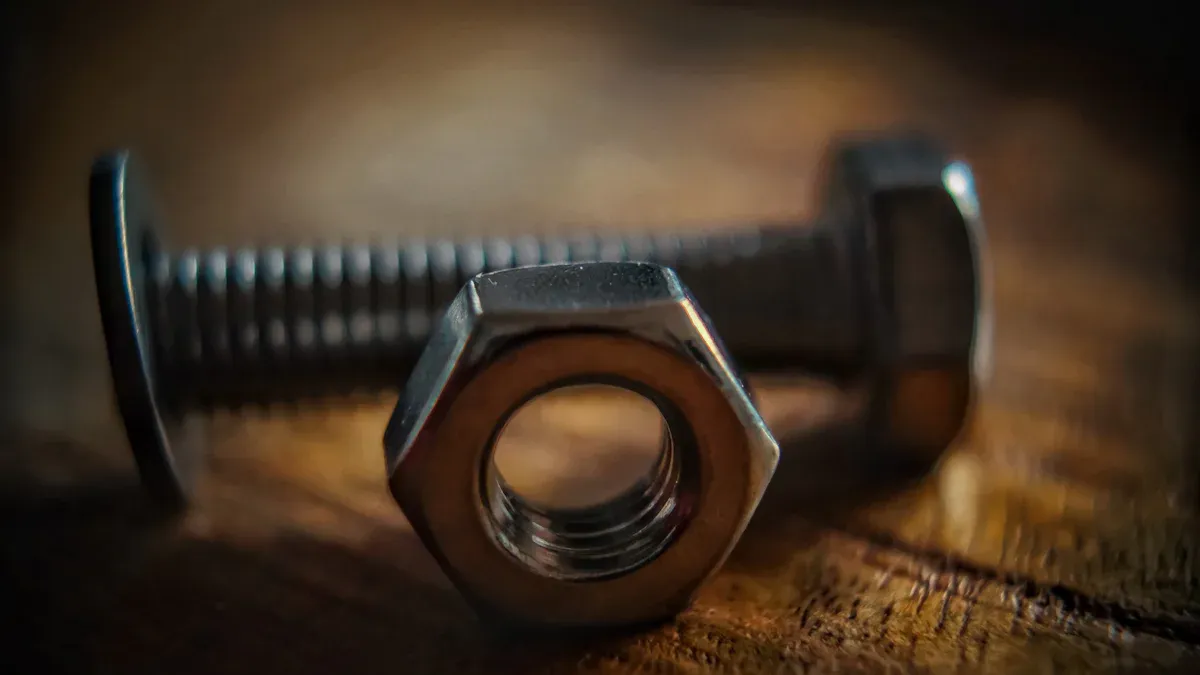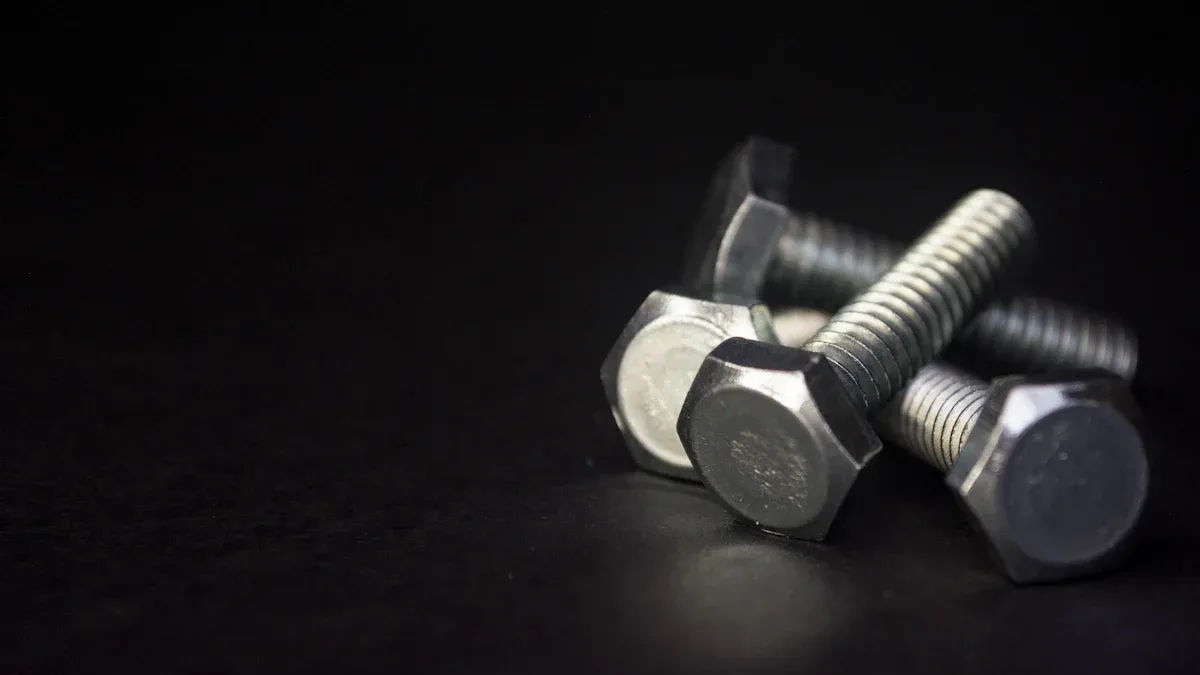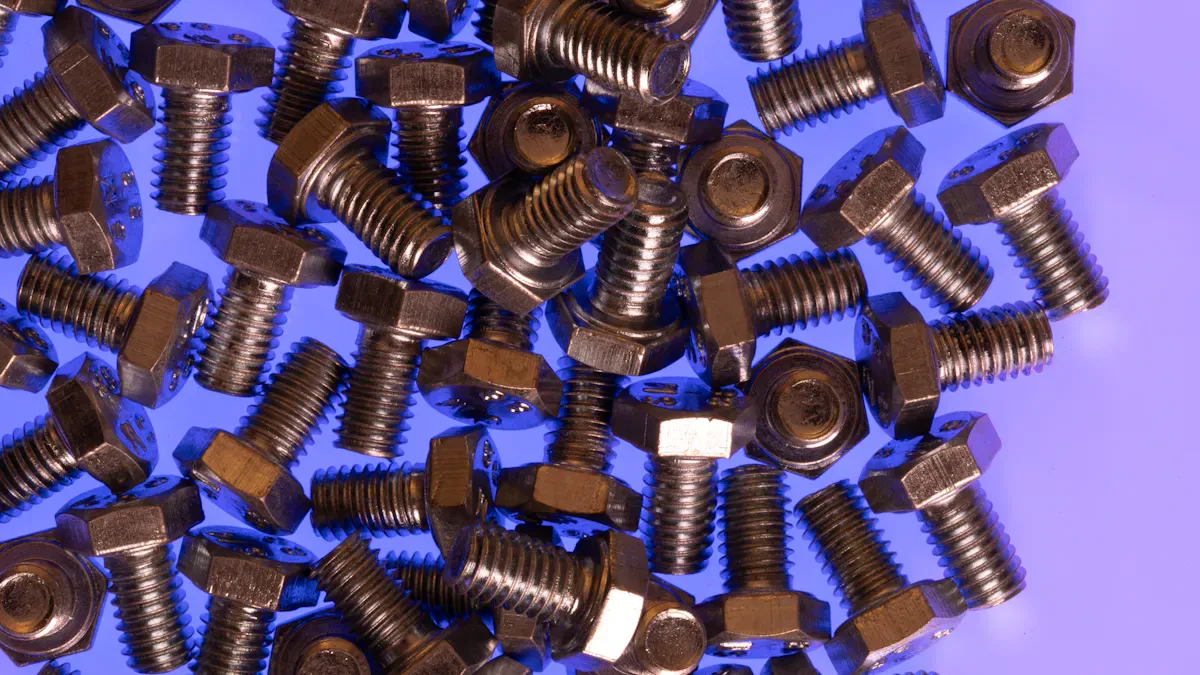

A шестигранный болт представляет собой распространённое резьбовое крепёжное изделие, определяемое шестигранной головкой и частично или полностью нарезанным стержнем. Обеспечивает прочное соединение таких материалов, как дерево и сталь. Глобальный рынок болтов демонстрирует значительный рост, что отражает его промышленную важность.
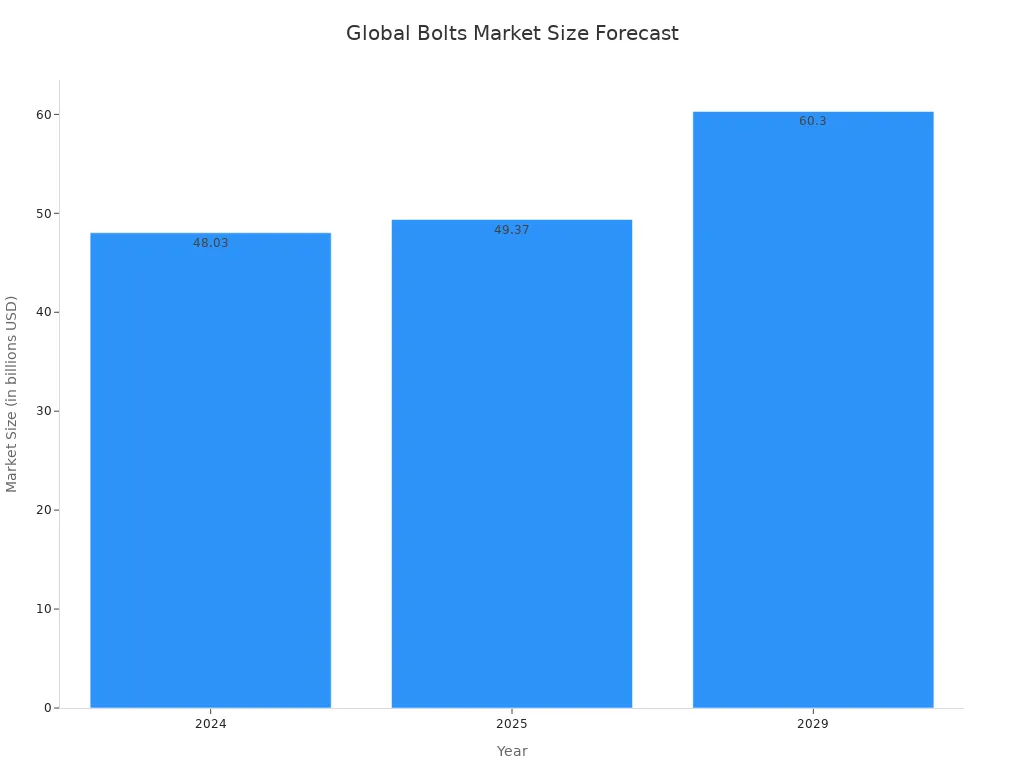
Этот спрос подчёркивает необходимость высокой точности в литье болтов. Зачастую производит специализированные производитель крепежных изделий на заказ для удовлетворения потребностей проекта. Этот резьбовой болт создаёт надёжное соединение в паре с гайкой или резьбовым отверстием. нестандартные крепежные элементы Анатомия болта с шестигранной головкой.
Понимание конкретных частей болта с шестигранной головкой имеет решающее значение для выбора правильного крепежа. Каждый компонент выполняет определённую функцию, способствуя общей прочности и функциональности болта в сборке.
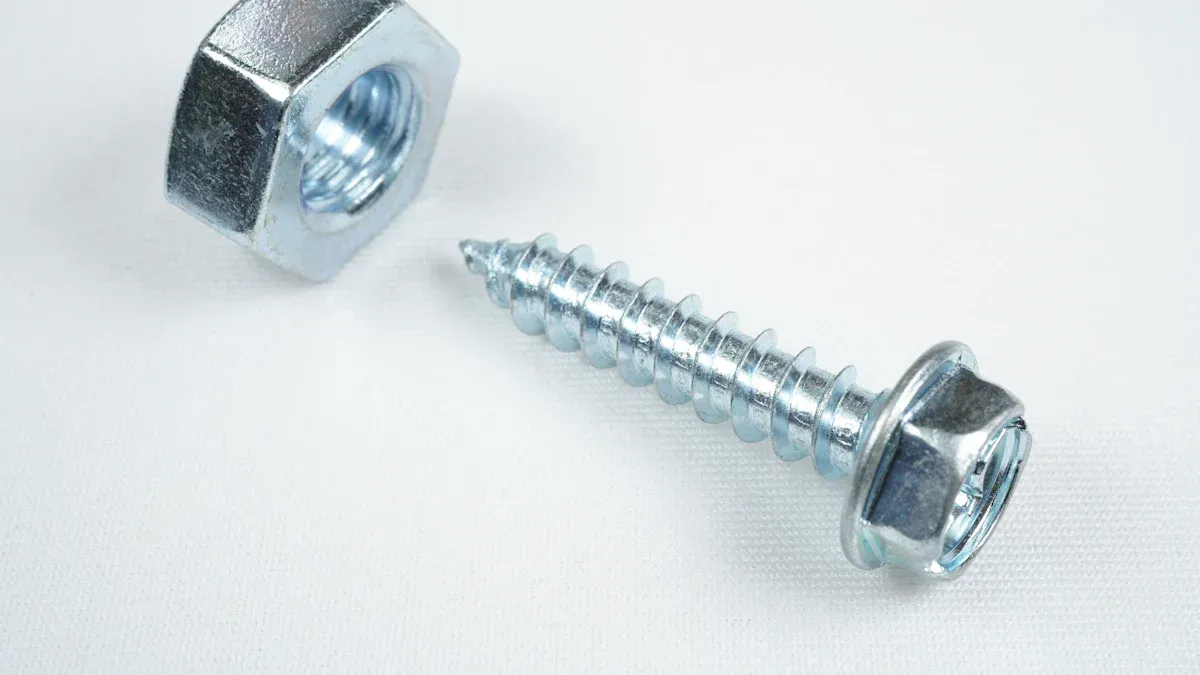
Шестигранная головка.
Шестигранная головка является наиболее узнаваемой особенностью болта. Эта конструкция позволяет легко захватывать и поворачивать его стандартным гаечным ключом или головкой с нескольких углов.
Стиль и размеры головки.
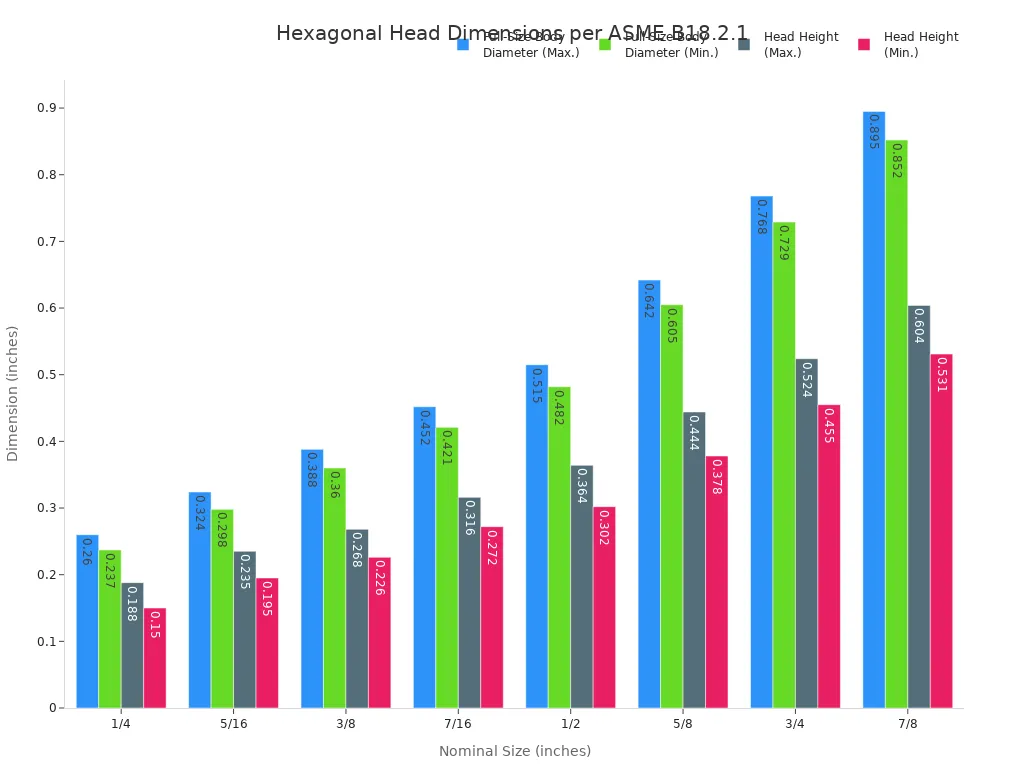
Инженеры следуют строгим стандартам размеров головки для обеспечения единообразия и надёжности. Стандарт Американского общества инженеров-механиков (ASME) B18.2.1 определяет эти размеры, включая высоту головки, размер под ключ и другие допуски. Эти точные размеры гарантируют правильное взаимодействие с монтажными инструментами.
Размер под ключ, F (Основной).
| Номинальный размер | Высота головки, H (Основной) | Опорная поверхность (шайбовая грань) |
|---|---|---|
| 1/4 | 7/16 | 11/64 |
| 5/16 | 1/2 | 7/32 |
| 3/8 | 9/16 | 1/4 |
| 1/2 | 3/4 | 11/32 |
| 5/8 | 15/16 | 27/64 |
| 3/4 | 1 1/8 | 1/2 |
На нижней стороне головки часто имеется круглый выступ. Эта особенность называется опорной или шайбовой гранью. Она создаёт гладкую, плоскую опорную поверхность, которая равномерно распределяет зажимную нагрузку и предотвращает врезание углов шестигранника в закрепляемый материал.
Требуемый диаметр твердосплавного сверла Стержень (тело).
Стержень — это цилиндрическое тело болта, идущее от головки. Он может быть частично или полностью нарезным.
Длина гладкой части vs. Длина резьбы.
Частично нарезной болт имеет на стержне два чётких участка:
Длина гладкой части (длина захвата):
- Гладкая, безрезьбовая часть. Этот участок обеспечивает повышенное сопротивление сдвигающим усилиям. Длина резьбы:.
- Нарезная часть, предназначенная для зацепления с гайкой или резьбовым отверстием. Полностью нарезной болт имеет резьбу по всей длине, что максимизирует прочность сцепления в резьбовых отверстиях.
Диаметр стержня.
Диаметр стержня соответствует номинальному размеру болта. Этот размер определяет диаметр отверстия, через которое пройдёт крепёж. Правильная посадка необходима для целостности соединения.
Резьба.
Резьба — это винтовые выступы, спирально идущие вдоль стержня болта. Они являются основой для создания надёжного соединения.
Крупный vs. Мелкий шаг резьбы.
Расстояние между витками резьбы определяет шаг. Шестигранный болт может иметь два основных типа:
Крупный (UNC):
- Эти витки глубже и имеют больший шаг. Они быстро устанавливаются и более устойчивы к срыву или повреждению. Мелкий (UNF):.
- Эти витки мельче и расположены ближе друг к другу. Более мелкая резьба обеспечивает большую прочность на растяжение и позволяет производить более точную регулировку. Понимание классов резьбы.
Классы резьбы определяют допуск или «посадку» между резьбовым болтом (наружная резьба) и гайкой (внутренняя резьба). Для болта с шестигранной головкой наиболее распространённым классом является 2A. Эта классификация указывает на стандартную посадку, которая балансирует производительность и эффективность изготовления, что делает её подходящей для большинства коммерческих и промышленных применений.
Ключевые различия: Болт vs. Винт с шестигранной головкой.
Несмотря на внешнее сходство, болт с шестигранной головкой и
винт с шестигранной головкой являются разными крепёжными изделиями с различными стандартами изготовления и областями применения. Основные различия заключаются в их размерной точности, поверхности под головкой и предполагаемом использовании. Понимание этих различий необходимо для выбора правильного компонента для проекта. Допуски и точность изготовления.
Наиболее значительное различие между этими двумя крепёжными изделиями — уровень точности, достигаемый при изготовлении. Этот допуск напрямую влияет на их работу в сборке.
Более жёсткие допуски винтов.
Винты с шестигранной головкой изготавливаются по гораздо более строгим размерным допускам. Они имеют
плоскую опорную поверхность под головкой и строго контролируемый диаметр стержня. Например, винт диаметром 1,5 дюйма имеет допуск на диаметр стержня всего 12 тысячных дюйма от номинального размера. Эта точность делает их идеальными для применений, требующих точной посадки. Общие допуски болтов.
Болт с шестигранной головкой производится с более общими допусками. Технологический процесс, часто горячая ковка, допускает большие вариации. Допускается наличие заусенца от штампа на опорной поверхности, а диаметр стержня может варьироваться в более широких пределах. Этот тип болта рассчитан на прочность, а не на точность.
Болт (1,5 дюйма).
| Характеристика | Винт (1,5 дюйма) | Допуск диаметра стержня |
|---|---|---|
| 1,470 до 1,531 дюйма | 1,488 до 1,500 дюйма | Опорная поверхность (шайбовая грань) |
| Не требуется | Поверхность под головкой | Требуются |
| Допускается заусенец от штампа | Гладкая, плоская поверхность | Опорная поверхность под головкой |
Поверхность непосредственно под головкой играет решающую роль в распределении нагрузки крепёжным изделием.
Опорная поверхность винтов.
Ключевой особенностью винта с шестигранной головкой является его опорная поверхность. Это гладкая, круглая поверхность на нижней стороне головки. Она обеспечивает плоскую, однородную опорную площадь, которая равномерно распределяет зажимное усилие и защищает сопрягаемую поверхность от повреждений.
Необработанная поверхность болтов.
В отличие от этого, стандартный болт может иметь «необработанную» поверхность под головкой. Эта поверхность не обрабатывается для идеальной плоскостности и может содержать заусенец от процесса ковки. Это допустимо для многих конструкционных применений, где идеальная опорная поверхность не является первостепенной задачей.
In contrast, a standard bolt may have an “as-forged” surface under its head. This surface is not machined to be perfectly flat and may contain a die seam from the forging process. This is acceptable for many structural uses where a perfect bearing surface is not the primary concern.
When to Use Each Fastener
Choosing between these two depends entirely on the application’s requirements for precision and strength.
Precision Applications for Cap Screws
Use Case: Cap screws are the fastener of choice for machinery and automotive engines. Their tight tolerances ensure proper alignment and fit within tapped holes, which is critical for high-performance equipment.
Structural Applications for Bolts
The robust design of a bolt makes it suitable for heavy-duty construction and structural applications. They are used to connect steel beams in buildings and bridges, where their high tensile strength is more important than their dimensional precision.
Main Types of Hexagonal Head Bolts
Hexagonal head bolts are primarily available in two main configurations: fully threaded and partially threaded. The choice between them depends entirely on the specific forces the joint must withstand. Both fully and partially threaded designs are available as common sized шестигранных болтов for various projects.
Fully Threaded Hex Bolts
A fully threaded hex head bolt has threads running the entire length of its shank, from under the head to the tip. This design maximizes thread engagement.
Function in Tapped Holes
The continuous threaded shaft makes this hexagon head bolt ideal for use in tapped holes. The bolt screws directly into a pre-threaded hole, and the full thread engagement provides a secure and tight fit. This eliminates the need for a nut in many situations, simplifying the assembly process.
Advantages for Clamping Force
Application Insight: Fully threaded bolts excel at creating strong clamping force. When tightened, the force is distributed across all the engaged threads. This makes them the superior choice for tension-loaded joints, where the primary goal is to pull two or more components tightly together.
Partially Threaded Hex Bolts
A partially threaded hex bolt features a smooth, unthreaded shank section beneath the head, followed by a threaded portion at the end. This dual-section design offers unique mechanical advantages.
The Role of the Unthreaded Shank
The unthreaded portion of the shank is known as the grip length. This solid cylinder provides a precise alignment surface when passing through holes in multiple materials. Its primary function is to resist sideways forces, also known as shear forces. The smooth surface ensures a snug fit within the bolt hole.
Superior Shear Strength in Joints
The unthreaded shank of a partially threaded bolt enhances its performance in shear-loaded joints. This design provides a larger cross-sectional area and eliminates the stress concentration points found in threaded sections. This feature significantly increases the bolt’s resistance to shear forces. To maximize this benefit, designers ensure the shear plane of the joint passes through the unthreaded shank rather than the threaded portion. This makes the bolt exceptionally strong against forces that try to slice it.
Standard vs. Heavy Hex Bolts
Beyond thread type, шестигранных болтов are also categorized by their head dimensions into two primary classes: standard and heavy. The selection between a standard hex bolt and heavy hex bolts depends almost entirely on the load requirements of the connection. While they may look similar, their structural capabilities are significantly different.
Comparing Head Size and Bearing Surface
The most visible distinction between these two types is the size of the head. This difference directly impacts how clamping force is distributed onto the joint surface.
Standard Hex Bolt Dimensions
A standard hex bolt features a smaller head and is considered the default for a wide range of general-purpose fastening jobs. Its dimensions are suitable for applications where extreme loads are not a factor. The head provides an adequate bearing surface for most common materials and assemblies.
Larger Head of Heavy Hex Bolts
Heavy hex bolts are defined by a larger, thicker head. This increased size creates a wider bearing surface. The primary difference is in the width across the flats and corners, not the height. This design distributes the clamping load over a greater area, reducing stress on the fastened material. The robust nature of heavy hex bolts makes them a necessity in demanding environments.
| Dimension | Standard Hex Bolt | Heavy Hex Bolt |
|---|---|---|
| Head Height | Same | Same |
| Размер под ключ | F | F + 1/8″ |
| Width Across Corners | G | G + 0.144″ |
Load-Bearing Capabilities
The head size directly correlates with the bolt’s ability to handle stress, making the choice between standard and heavy hex bolts critical for structural integrity.
General Purpose Use
Standard bolts are the workhorses for everyday construction, automotive repairs, and machinery assembly. Their design provides sufficient strength for typical clamping and fastening needs.
💡 Требуемый диаметр твердосплавного сверла Always select a standard bolt for your project unless the engineering specifications explicitly call for a high-strength, high-load fastener. They are more common and cost-effective for non-structural tasks.
High-Load Structural Applications
Engineers specify heavy hex bolts for high-load and high-stress structural connections. Their larger heads provide superior resistance to strain, making them ideal for steel-to-steel fastening in projects like bridges, buildings, and large industrial machinery. The design of heavy hex bolts ensures safety and durability under extreme tension and shear forces. For critical infrastructure, heavy hex bolts are the industry standard. The enhanced bearing surface of heavy hex bolts prevents material failure under intense pressure. Using heavy hex bolts is non-negotiable in these high-strength applications.
Common Materials and Finishes for a Hex Bolt
The material and finish of a hex bolt determine its strength, corrosion resistance, and suitability for a specific environment. Manufacturers select from various metals and apply protective coatings to meet demanding application requirements.
Steel and Stainless Steel
Steel is the most common material for bolts due to its strength and cost-effectiveness. Stainless steel offers superior corrosion resistance for specialized applications.
Carbon Steel Grades (2, 5, 8)
Carbon steel bolts are categorized by grades, which indicate their tensile strength. Grade markings on the bolt head identify its strength level.
- Класс 2: A standard, low-carbon steel bolt for general-purpose, low-stress applications. It often conforms to ASTM A307 standards.
- Класс 5: A medium-carbon steel that is heat-treated for increased strength. It conforms to ASTM A449 or SAE J429 standards and is common in automotive and machinery uses.
- Класс 8: Высокопрочная термообработанная легированная сталь для требовательных применений, таких как подвески транспортных средств и тяжелое оборудование. Соответствует спецификациям ASTM A354 или SAE J429.
Нержавеющая сталь марок 18-8 и 316.
Нержавеющая сталь Обеспечивает превосходную коррозионную стойкость без необходимости защитного покрытия.
- Нержавеющая сталь 18-8: Эта распространенная марка содержит приблизительно 18% хрома и 8% никеля. Она устойчива к ржавчине в большинстве обычных сред.
- Нержавеющая сталь 316: Эта марка содержит молибден, что придает ей превосходную стойкость к хлоридам и кислотам. Это идеальный выбор для морских, прибрежных сред и сред химической переработки.
Защитные покрытия
Покрытия повышают коррозионную стойкость и срок службы стальных крепежных изделий. Выбор покрытия зависит от требуемого уровня защиты.
Цинкование (гальваническое)
Цинкование — распространенное и экономичное покрытие, при котором тонкий слой цинка наносится на сталь методом гальваники. Хотя стандартное цинкование обеспечивает минимальную защиту, усовершенствованные методы пассивации и герметики могут улучшить характеристики. Некоторые цинк-сплавные покрытия, такие как Цинк-никелевое, выдерживают более 1200 часов испытания в соляном тумане..
Горячее цинкование.
Горячее цинкование (ГЦ) предполагает погружение крепежного изделия в расплавленный цинк, создавая толстое, прочное, металлургически связанное покрытие. Этот процесс обеспечивает значительно более высокую коррозионную защиту по сравнению со стандартным цинкованием.
Важное примечание: Испытания в соляном тумане не являются надежным методом для сравнения ГЦ с другими цинковыми покрытиями. Условия испытания препятствуют образованию стабильной защитной патины, которая обеспечивает долговременную долговечность ГЦ в реальных условиях.
Черная оксидная отделка
Черное оксидирование — это химическое конверсионное покрытие, обеспечивающее умеренную коррозионную стойкость и характерный черный внешний вид. Оно часто используется в эстетических целях и для уменьшения отражения света. Однако его эффективность в значительной степени зависит от дополнительной обработки маслом или воском.
- Эстетика: Минимальное изменение размеров, хорошая смазывающая способность и устойчивость к скалыванию или отслаиванию.
- Минимальная коррозионная стойкость: Само по себе покрытие обеспечивает лишь умеренную коррозионную защиту и не подходит для суровых внешних условий. Защитное масло может стираться, что требует повторного нанесения для сохранения внешнего вида и защиты от ржавчины.
Типичные области применения шестигранных болтов в различных отраслях.
Шестигранный болт является краеугольным камнем современного машиностроения и строительства благодаря своей прочности и адаптивности. Его широкое применение охватывает как масштабную инфраструктуру, так и прецизионное оборудование. Эти распространенные области применения демонстрируют важнейшую роль крепежа в обеспечении безопасности и надежности в различных секторах.
Строительные конструкции и строительство.
В строительной отрасли шестигранные болты создают прочные соединения, необходимые для возведения стабильных и долговечных конструкций. Они являются основополагающими компонентами в проектах любого масштаба.
Каркасы зданий и мосты.
Шестигранные болты незаменимы для создания прочных соединений в строительных металлоконструкциях. Инженеры выбирают специальные высокопрочные болты для сборки стальных каркасов зданий и мостов, где целостность соединения имеет первостепенное значение.
- ASTM A325: Этот болт является распространенным выбором для общих строительных применений, обеспечивая надежную прочность для многих соединений "сталь-сталь".
- ASTM A490 (F3125): Инженеры выбирают этот высокопрочный болт с увеличенным размером под ключ для соединений, подверженных экстремальным нагрузкам, например, в крупных мостах или высотных зданиях.
Выбор полностью зависит от требований к нагрузке для конкретного применения.
| Свойство | A325 | A490 (F3125) |
|---|---|---|
| Типичный случай применения | Общие строительные болты. | Ответственные строительные соединения, инфраструктура. |
| Прочность | Высокая прочность. | Повышенная прочность. |
Инфраструктурные проекты.
Помимо зданий, шестигранные болты критически важны для широкого спектра крупномасштабных инфраструктурных проектов. Они скрепляют компоненты во всем: от коммуникационных вышек и опор линий электропередач до башен ветрогенераторов. В этих применениях болты должны выдерживать значительные воздействия окружающей среды, включая сильный ветер и перепады температур.
Тяжелой техники и оборудования
Сборка тяжелого машинного оборудования зависит от высокопрочных крепежных изделий, способных выдерживать постоянную вибрацию и тяжелые нагрузки. Шестигранные болты обеспечивают необходимое усилие зажима, чтобы удерживать эти мощные машины в собранном состоянии.
Сборочные линии в производстве.
На производственных площадках шестигранные болты используются для сборки всего: от фрезерных станков с ЧПУ до промышленных прессов. Их шестигранная головка позволяет прикладывать высокий крутящий момент, обеспечивая надежную фиксацию компонентов во время работы.
- Болты с шестигранной головкой.: Это наиболее распространенные крепежные изделия, ценимые за прочность и простоту установки при сборке машин.
- Болты с фланцем: Разновидность со встроенной шайбой,, эти болты распределяют давление зажима на большую площадь. Эта конструкция идеально подходит для гидравлического оборудования и машин, подверженных сильной вибрации..
Сельскохозяйственная и строительная техника.
Машины, такие как тракторы, экскаваторы и бульдозеры, работают в экстремальных условиях. Производители используют высокопрочные шестигранные болты для сборки их рам, навесного оборудования и компонентов двигателя. Крепежные изделия должны противостоять постоянным ударным и сдвигающим нагрузкам, чтобы обеспечить безопасность эксплуатации и долговечность оборудования.
Автомобильная промышленность и транспорт.
От легковых автомобилей до масштабных железнодорожных сетей, транспортная отрасль зависит от высококачественных шестигранных болтов для обеспечения безопасности и производительности.
Сборка двигателя и рамы.
В автомобилестроении для критически важных соединений, где недопустим отказ, требуются болты определенных классов прочности. Высокопрочные болты класса SAE Grade 8 часто используются благодаря их превосходной прочности на растяжение и стойкости к усталости. Ключевые области применения включают:
- Болты крепления двигателя.
- Точки крепления подвески.
- Точки усиления шасси.
- Критически важные компоненты трансмиссии.
Крепление железнодорожных путей.
Железнодорожные системы требуют специальных шестигранных болтов для крепления рельсов и обеспечения целостности пути. Эти крепежные изделия подвергаются огромным повторяющимся нагрузкам от проходящих поездов.
💡 Безопасность прежде всего: Стандарты безопасности на железных дорогах запрещают движение по путям с отсутствующими или неисправными болтами. Правильная установка имеет решающее значение для предотвращения сходов с рельсов.
Монтажники должны следовать строгим процедурам, включая очистку зон соединения, использование пружинных шайб и затяжку крепежа до точных значений крутящего момента — часто 400 фунт-футов — для создания натяжения до 30 000 фунтов. Это гарантирует, что вся путевая система остается стабильной и надежной.
Столярные работы и общий ремонт.
Шестигранные болты предназначены не только для крупных промышленных проектов; они также являются незаменимыми крепежными элементами в столярном деле и общем ремонте. Их прочность и надежность делают их оптимальным выбором для создания долговечных соединений в деревянных конструкциях и для крепления дерева к другим материалам.
Строительство настилов и причалов
Строительство настилов и причалов требует крепежных элементов, способных выдерживать влагу, воздействие окружающей среды и высокие нагрузки. Шестигранный болт обеспечивает необходимое усилие зажима и структурную целостность для этих требовательных наружных применений. Выбор материала имеет решающее значение для обеспечения долговечности и безопасности, особенно в морской среде.
В следующей таблице представлены рекомендуемые материалы для крепежных элементов в строительстве настилов и причалов:
| Окружающая среда | Рекомендуемый материал/покрытие | Ключевые соображения |
|---|---|---|
| Соленая вода | Нержавеющая сталь 316 | Содержание молибдена обеспечивает превосходную коррозионную стойкость к хлоридам. |
| Пресная вода (предпочтительно) | Нержавеющая сталь 304 | Обеспечивает отличную, долгосрочную службу в пресной воде и в мягких условиях. |
| Пресная вода (минимум) | Горячее цинкование (HDG) | Минимальный стандарт долговечности; электрооцинкованные варианты быстро выйдут из строя. |
| Обработанная под давлением древесина | Нержавеющая сталь или HDG (горячее цинкование) | Требуется для сопротивления коррозионным медным соединениям (таким как ACQ) в современной обработанной древесине. |
Лучшие практики для морского строительства:
- Используйте сквозные болты: Для критических соединений, где отказ может привести к обрушению, всегда используйте сквозной болт с большими шайбами с обеих сторон.
- Предварительное сверление отверстий: Всегда предварительно сверлите направляющие отверстия, чтобы предотвратить раскалывание древесины и обеспечить правильное совмещение.
- Нанесение герметика: Используйте морской герметик вокруг крепежных элементов для создания влагозащитного барьера и предотвращения проникновения воды.
- Регулярный осмотр: Периодически проверяйте все соединения на признаки коррозии или ослабления и при необходимости подтягивайте или заменяйте крепежные элементы.
Соединения дерева с металлом
Многие проекты требуют крепления деревянных компонентов к металлическим каркасам или опорам. Шестигранный болт является идеальным крепежным элементом для создания прочного, жесткого соединения между этими двумя разнородными материалами. Распространенные примеры включают:
- Крепление деревянных ступеней лестницы к стальной косоуре.
- Установка деревянной столешницы верстака на металлический каркас.
- Крепление деревянных балок к стальным опорным стойкам в стоечно-балочной конструкции.
В этих случаях болт проходит через оба материала и фиксируется гайкой и шайбой. Использование шайбы большого диаметра как под головкой болта, так и под гайкой имеет решающее значение. Шайба распределяет зажимное давление по большей площади поверхности, предотвращая раздавливание волокон древесины крепежом и обеспечивая надежное, долговечное соединение.
Как правильно установить и затянуть шестигранный болт
Умение монтажника правильно установить и затянуть шестигранный болт обеспечивает надежное соединение. Этот процесс требует правильных инструментов и системного подхода для достижения необходимого зажимного усилия без повреждения крепежа или соединяемых материалов.
Основные монтажные инструменты
Выбор подходящего инструмента — первый шаг к успешной установке. Каждый инструмент предлагает определенные преимущества для разных ситуаций.
Гаечные ключи (разводной, комбинированный)
Ключи являются основным инструментом для вращения шестигранных болтов. Комбинированный ключ предоставляет два варианта: закрытый накидной конец для надежного захвата при первоначальной затяжке и открытый U-образный конец для более быстрого вращения. Разводной ключ с подвижной губкой подходит для болтов различных размеров, что делает его универсальным выбором для общих задач. Однако он обеспечивает меньшую стабильность, чем ключ фиксированного размера, и может повредить крепеж при неосторожном использовании.
Наборы головок и трещоток
Наборы головок и трещоток обеспечивают высокую скорость и эффективность. Трещоточный механизм позволяет непрерывно затягивать или ослаблять крепеж без перестановки инструмента. Головки плотно надеваются на головку болта, снижая риск проскальзывания и срыва граней. Это делает их идеальными для применений с большим количеством крепежа или в труднодоступных местах.
Динамометрические ключи для точности
Динамометрический ключ — необходимый инструмент для любого применения, где критически важна степень затяжки крепежа. Он позволяет монтажнику приложить точное значение вращательного усилия (момента затяжки), предотвращая риски, связанные с чрезмерной или недостаточной затяжкой. Его использование обязательно при сборке конструкций, автомобилей и механизмов.
Пошаговый процесс установки
Следование последовательной процедуре установки гарантирует, что каждое соединение будет соответствовать проектным требованиям по прочности и безопасности.
Совмещение отверстий и установка болта
Сначала убедитесь, что отверстия в компонентах чистые и идеально совмещены. Вставьте болт через отверстия. Для чистой установки резьба крепежа должна быть свободна от загрязнений. Нанесение тонкого слоя масла на резьбу и под головку болта может обеспечить более плавный и точный процесс затяжки.
Навинчивание гайки
После установки болта навинтите гайку на конец вручную до плотного прилегания. Это называется “затяжка от руки”. Этот шаг обеспечивает правильное зацепление резьбы перед приложением механического усилия, что предотвращает перекос резьбы и повреждения.
Достижение правильного момента затяжки
Достижение правильного момента затяжки — самый критический шаг. Неправильный момент затяжки может привести к катастрофическим последствиям.
- Недостаточная затяжка может привести к ослаблению соединений из-за вибрации, что ведет к неравномерному распределению нагрузки или протечкам в герметичных системах.
- Чрезмерная затяжка может сорвать резьбу, сломать головку крепежа или привести к растрескиванию соединяемых материалов.
Процедура работы с динамометрическим ключом:
- Определите требуемое значение крутящего момента из проектной документации.
- Установите динамометрический ключ на это значение.
- Установите головку ключа строго перпендикулярно на крепежный элемент.
- Прикладывайте медленное, равномерное усилие к рукоятке до тех пор, пока ключ не покажет, что целевой момент достигнут (часто сопровождается слышимым щелчком). Не прикладывайте дополнительное усилие.
Для сборок с несколькими крепежными элементами, затягивайте их постепенно по звездообразной или крестообразной схеме. Этот метод обеспечивает равномерное распределение зажимного усилия по соединению.
Шестигранный болт — это основной крепежный элемент, ценимый за свою прочность и универсальную резьбовую конструкцию. Правильная установка этого резьбового болта имеет критическое значение во всех отраслях для любого применения, от домашнего ремонта до крупных инженерных проектов. Выбор правильного типа — с полной или частичной резьбой — обеспечивает требуемые характеристики.
Будущие инновации сосредоточены на усовершенствовании этого резьбового крепежа. Тенденции включают интеллектуальные усиленные шестигранные болты, экологичные усиленные шестигранные болты и облегченные усиленные шестигранные болты. В отрасли также наблюдается рост производства специальных усиленных шестигранных болтов, усовершенствованных усиленных шестигранных болтов, цифровых усиленных шестигранных болтов, автоматизированных усиленных шестигранных болтов, специализированных усиленных шестигранных болтов и экологически чистых усиленных шестигранных болтов.
Частые вопросы
Что означают маркировки на головке шестигранного болта?
Маркировки на головке болта указывают его класс прочности и производителя. Класс определяет предел прочности болта на растяжение. Например, три радиальные линии обозначают болт класса прочности 5, а шесть линий — высокопрочный болт класса 8. Эти маркировки помогают монтажникам определить несущую способность крепежного элемента.
Как монтажник измеряет шестигранный болт?
Монтажник измеряет шестигранный болт по его диаметру, длине и шагу резьбы.
- Диаметр: Ширина стержня.
- Длина: Расстояние от опорной поверхности головки до конца болта.
- Шаг резьбы: Количество витков резьбы на дюйм (TPI).
Когда следует использовать шайбу с шестигранным болтом?
Шайбы необходимы для распределения зажимной нагрузки по большей площади поверхности. Монтажник всегда должен использовать шайбу, чтобы предотвратить повреждение материала головкой болта или гайкой, особенно при работе с более мягкими материалами, такими как дерево или алюминий. Они также помогают предотвратить ослабление крепежа.
В чем основное различие между болтом и винтом?
Болт предназначен для использования с гайкой для стягивания материалов. Он затягивается поворотом гайки. Винт, напротив, предназначен для ввинчивания непосредственно в материал или предварительно нарезанное отверстие. Он затягивается поворотом его головки.
Почему важен крутящий момент при затяжке шестигранного болта?
Правильный крутящий момент обеспечивает создание болтом необходимого зажимного усилия, или предварительной нагрузки.
⚠️ Предостережение:
- Недостаточная затяжка Недостаточный момент может привести к ослаблению соединения под вибрацией.
- Чрезмерная затяжка Избыточный момент может сорвать резьбу или сломать болт.
Использование динамометрического ключа критически важно для безопасности в конструкционных применениях.
Можно ли повторно использовать шестигранный болт?
Универсальные шестигранные болты часто можно использовать повторно, если на них нет признаков повреждения, растяжения или коррозии. Однако высокопрочные конструкционные болты, особенно болты с контролем текучести (TTY), используемые в двигателях, рассчитаны на одноразовое применение и должны заменяться после снятия.
Какой тип резьбы лучше: крупный или мелкий?
Выбор зависит от области применения. Крупная (UNC) | Общее строительство | Быстрая установка, менее склонна к срыву. | Мелкая (UNF) | Прецизионное оборудование | Обеспечивает более высокий предел прочности на растяжение и точную регулировку. |