
In 2026, top concrete клинового анкера brands define the market through specific strengths. Hilti’s Kwik Bolt TZ2 delivers unmatched performance for critical seismic applications. For projects demanding value, Red Head’s Trubolt+ remains the leading choice for standard-duty wedge anchors. Simpson Strong-Tie’s Strong-Bolt 2 excels as a versatile wedge anchor in general construction. While these anchors cover most jobs, a производитель крепежных изделий на заказ может предоставить специальные анкерные болты and other specialized Анкерные болты for unique project requirements.
A Detailed Look at 2026’s Top Concrete Wedge Anchor Brands
Choosing the right anchor requires a deep understanding of what each brand offers. The leading concrete wedge anchor brands distinguish themselves through engineering focus, material quality, and target applications. This detailed analysis explores the top contenders for 2026, helping you match the right product to your project’s specific demands.
Hilti: The Benchmark for Performance
Hilti continues its reign as the industry benchmark for ultimate performance and safety. The brand invests heavily in research and development, delivering high-performance anchors for the most demanding structural applications. Engineers and contractors trust Hilti when failure is not an option.
Kwik Bolt TZ2 and Series Analysis
The Hilti Kwik Bolt TZ2 (KB-TZ2) stands as the pinnacle of wedge anchor engineering. Hilti designed this anchor for maximum reliability in the toughest conditions. Its advanced geometry provides superior expansion, ensuring exceptional load-bearing capacity even with smaller edge distances and anchor spacing. The KB-TZ2 series offers a focused range of sizes tailored for heavy structural steel, equipment, and facade systems.
Unmatched Seismic and Cracked Concrete Ratings
Hilti’s primary advantage lies in its best-in-class approvals for seismic and cracked concrete conditions. The KB-TZ2 provides unparalleled safety margins in dynamic loading scenarios, a critical factor in modern building codes. Its qualifications are extensively documented.
💡 Hilti KB-TZ2 Approvals The anchor’s robust performance is validated by top-tier industry testing and reports. Key approvals confirm its suitability for critical connections:
- It is seismic tested in accordance with ACI 355.2 and ICC-ES AC 193.
- The product holds an active
ICC-ES report (concrete)for cracked and uncracked conditions.- It also maintains a separate
ICC-ES report (masonry)for use in grout-filled CMU.
Premium Material and Corrosion Resistance
Hilti utilizes premium-grade carbon steel and stainless steel in its anchors. The standard carbon steel models feature a high-quality zinc coating for interior dry conditions. For more corrosive environments, Hilti offers 316 stainless steel and specialized high-corrosion-resistant (HCR) steel options, providing long-term durability for infrastructure like bridges and tunnels.
Best for Critical Structural Connections
Professionals specify Hilti anchors for projects where load capacity and life safety are paramount. Common applications include securing steel columns, heavy machinery footings, post-tensioning brackets, and seismic retrofitting. The high cost reflects its superior engineering and exhaustive testing, making it an investment in structural integrity.
Simpson Strong-Tie: The Versatile and Reliable Choice
Simpson Strong-Tie has built a reputation for providing comprehensive and reliable building solutions. Their wedge anchors exemplify this approach, offering an excellent balance of high performance, broad code compliance, and accessibility for a wide range of construction projects.
Strong-Bolt 2 Model Evaluation
The Strong-Bolt 2 is Simpson’s flagship wedge anchor, engineered for both strength and ease of use. It features a tri-segmented clip, where each segment adjusts independently to provide more reliable follow-up expansion if the hole is slightly oversized. This design detail enhances its holding power in real-world job site conditions, making it a trusted choice for general construction.
Extensive Range of Sizes and Materials
Versatility is a core strength of the Strong-Bolt 2 line. Simpson offers one of the most extensive selections of wedge anchors on the market. The product is available in diameters from 1/4″ to 1-1/4″ and in various materials, including zinc-plated carbon steel, hot-dip galvanized steel, Type 304 stainless steel, and Type 316 stainless steel. This vast range ensures a suitable anchor exists for nearly any application.
Widespread Code Compliance and Availability
Simpson Strong-Tie excels in securing widespread code approvals. The Strong-Bolt 2 is a pre-approved product under ICC-ES ESR-3037, making it a go-to for projects requiring straightforward inspection and compliance. This approval confirms its suitability for cracked and uncracked concrete based on rigorous testing to ACI 355.2 and ICC-ES AC193 standards, aligning with International Building Code (IBC) requirements. This broad acceptance, combined with extensive availability through commercial distributors, simplifies procurement and project planning.
Balancing High Performance with Cost
The Strong-Bolt 2 occupies a competitive space in the market. It delivers performance that meets or exceeds the requirements for most commercial and residential applications without the premium price tag of Hilti. This makes it an ideal specification for projects needing certified, high-capacity anchors on a moderate budget.
Red Head: The Leader in Value
For decades, Red Head has been synonymous with dependable, cost-effective fastening. The brand continues to lead the market in value, providing reliable fastening solutions for standard-duty applications where budget and volume are primary considerations.
Trubolt+ Anchor Assessment
The Red Head Trubolt+ is a workhorse anchor known for its straightforward design and consistent holding power. While it may not carry the extensive seismic ratings of its premium competitors, the Trubolt+ is a fully-threaded, torque-controlled wedge anchor that provides secure fastening in solid concrete. Its design is proven and trusted for countless standard applications.
Competitive Pricing for Volume Projects
Red Head’s key advantage is its competitive price point. For large-scale projects requiring thousands of anchors—such as installing commercial shelving, racking, or interior partition walls—the cost savings can be substantial. This makes Trubolt+ the preferred choice for contractors working on tight bids.
Solid Performance in Standard Applications
The Trubolt+ delivers solid performance in the applications it was designed for: static loads in uncracked concrete. It is an excellent choice for fastening handrails, signage, light-duty equipment, and electrical conduit supports. For these common tasks, its capacity is more than sufficient, providing a safe and secure connection.
Accessibility for Professionals and DIYers
One of Red Head’s greatest strengths is its accessibility. Trubolt+ anchors are widely available at major home improvement retailers and local hardware stores, in addition to professional supply houses. This widespread availability makes them a convenient option for contractors on the go and for skilled DIYers tackling projects like installing a garage workbench or wall-mounted shelving.
Powers Fasteners: The Consistent Innovator
Powers Fasteners, now part of the DEWALT family, carves out a significant market share by focusing on consistent innovation and certified performance. The brand is a formidable competitor, often challenging premium brands on technical specifications while maintaining a competitive price point. Engineers and contractors frequently specify Powers for projects that demand robust, code-compliant solutions without the highest-tier budget.
Power-Stud+ SD1/SD2 Line Review
The Power-Stud+ SD1 and SD2 are the workhorses of the Powers wedge anchor lineup. These anchors are fully threaded, torque-controlled fasteners designed for heavy-duty connections in solid concrete. The SD1 is a versatile anchor for a wide range of static applications, while the SD2 is engineered for superior performance in cracked concrete and seismic conditions. Both models demonstrate proven performance, making them a trusted choice for structural and non-structural fastening.
Features for Installation Speed and Reliability
Powers designs its anchors with the installer in mind. Key features are engineered to enhance both the speed and reliability of the installation process.
- One-Piece Wrap-Around Clip: The expansion clip design ensures uniform expansion pressure against the hole wall. This feature provides reliable follow-up expansion, accommodating slight variations in hole diameter.
- Маркировка длины: The head of each anchor is stamped with a length identification code. This simple but effective feature allows for easy post-installation inspection, confirming that the correct anchor length and embedment were used.
These details reduce guesswork on the job site and contribute to a more dependable connection.
Broad Approvals for Varied Concrete Conditions
A major strength of the Power-Stud+ line is its extensive list of approvals for diverse base materials. This versatility makes it a reliable specification for complex projects where concrete conditions may vary. The anchors carry numerous code listings and approvals.
💡 Certified for Demanding Conditions The Power-Stud+ SD2 is rigorously tested and qualified for critical structural applications. Key qualifications include:
- Tested according to ACI 355.2 and ICC-ES AC193.
- Qualified for cracked and uncracked concrete.
- Approved for seismic and wind loading (Seismic Design Category A-F).
These anchors are not just for standard concrete. Their approvals cover a wide spectrum of materials, giving engineers confidence in their specifications.
- Normal-weight concrete
- Structural sand-lightweight concrete
- Concrete over steel deck
- Grout-filled concrete masonry (CMU)
These broad certifications, including ICC-ES ESR-2818 и City of Los Angeles LARR-25787, simplify the submittal and inspection process.
A Strong Competitor in Performance
Powers Fasteners directly competes with other top-tier concrete wedge anchor brands on performance. The load values and seismic ratings of the Power-Stud+ SD2, in particular, position it as a strong alternative for many applications where premium anchors might otherwise be specified. By delivering high-level, certified performance at a mid-range price, Powers offers exceptional value for projects that require documented reliability and structural integrity.
Head-to-Head Feature Comparison of Wedge Anchors
Selecting the right product from top concrete wedge anchor brands requires a direct comparison of key performance metrics. This analysis breaks down how Hilti, Simpson Strong-Tie, Red Head, and Powers Fasteners stack up against each other in load capacity, material durability, and code approvals. Understanding these differences is critical for matching an anchor to specific engineering demands.
Tensile and Shear Load Capacity
An anchor’s primary job is to resist forces. Tensile load is the pull-out force trying to extract the anchor from the concrete. Shear load is the side-to-side force acting perpendicular to the anchor. The ultimate capacity of all wedge anchors depends heavily on diameter, material strength, and глубина заделки.
💡 Embedment Depth is Crucial Minimum embedment is the shallowest depth an anchor can be installed to achieve its published load rating. Deeper embedment generally provides higher load capacity. Failing to meet the minimum depth drastically reduces an anchor’s holding power.
| Глубина заделки: | Typical Anchor Type | Ultimate Tensile Load (lbs) in 4000 psi Concrete |
|---|---|---|
| Shallow (1-2 inches) | Light-Duty Screw Anchors | 2,000-3,000 |
| Standard (2-4 inches) | 1/2″ Wedge & Sleeve Anchors | 4,000-7,000 |
| Deep (4+ inches) | 3/4″ Wedge Anchors | 8,000-12,000+ |
Hilti’s Load Performance
Hilti’s Kwik Bolt TZ2 consistently delivers the highest tensile and shear values in the industry, especially in cracked concrete. Its advanced expansion mechanism creates a more reliable connection, allowing it to carry extreme loads. For example, a single 3/4-inch Hilti anchor can achieve ultimate shear loads well over 10,000 pounds. This superior performance makes it the default choice for life-safety systems and heavy structural connections.
Simpson Strong-Tie’s Load Performance
Simpson’s Strong-Bolt 2 offers exceptional load capacities that meet the demands of most commercial construction. Its performance values are highly competitive and often approach those of premium-tier anchors. The tri-segmented clip design provides reliable expansion, ensuring strong holding power for applications like securing structural ledgers, racking, and machinery.
Red Head’s Load Performance
Red Head’s Trubolt+ provides solid and dependable load capacities for standard-duty applications in uncracked concrete. While its ultimate load values are lower than those of Hilti or Simpson, they are more than sufficient for static loads. These anchors are ideal for fastening handrails, signage, and light equipment where seismic performance is not a requirement.
Powers Fasteners’ Load Performance
Powers’ Power-Stud+ SD2 directly challenges the top-tier brands on load capacity. It provides excellent tensile and shear values in both cracked and uncracked concrete. Its certified performance in seismic conditions makes it a strong and cost-effective alternative for structural applications. The SD1 model offers robust capacity for a wide range of static-load projects.
Material Quality and Corrosion Resistance
The anchor’s material determines its lifespan and suitability for different environments. Corrosion can severely compromise an anchor’s structural integrity over time.
Hilti’s Premium Steel Options
Hilti uses high-grade carbon steel and stainless steel to manufacture its anchors. Beyond standard zinc plating and 316 stainless steel, Hilti offers a proprietary high-corrosion-resistant (HCR) steel. This specialized material provides extreme durability in the most aggressive environments, such as coastal zones, chemical plants, and tunnels.
Simpson’s Stainless Steel Grades
Simpson Strong-Tie provides comprehensive anchoring solutions with a vast material selection. Their wedge anchors are available in:
- Оцинкованная углеродистая сталь for dry, interior use.
- Hot-dip galvanized steel for exterior use in non-marine environments.
- Нержавеющая сталь марки 304 for damp or freshwater environments.
- Нержавеющая сталь марки 316 for saltwater and corrosive chemical exposure.
This range covers nearly every common construction scenario.
Red Head’s Standard Coatings
Red Head focuses on value by standardizing its material offerings. The majority of Trubolt+ anchors feature a zinc-plated carbon steel finish. This coating provides effective corrosion protection for interior, dry applications and is a key factor in the brand’s budget-friendly price point.
Powers’ Material Versatility
Powers Fasteners offers a versatile lineup of materials for its Power-Stud+ anchors. The line includes standard zinc-plated, hot-dip galvanized, and stainless steel options. This material diversity allows specifiers to choose a Power-Stud+ anchor for projects ranging from interior build-outs to infrastructure exposed to the elements.
Approvals for Cracked Concrete and Seismic Use
Code approvals provide third-party verification that an anchor performs as expected under specific conditions. ICC-ES (International Code Council Evaluation Service) reports are the gold standard for building product compliance in the United States.
Hilti’s Extensive ICC-ES Reports
Hilti leads the industry with the most extensive and stringent code approvals. The KB-TZ2 has best-in-class ratings for cracked concrete and all Seismic Design Categories (A-F). Engineers specify Hilti when project requirements demand the highest level of documented safety and reliability, leaving no room for uncertainty.
Simpson’s Broad Seismic Approvals
Simpson Strong-Tie excels at securing broad, easy-to-use code approvals. The Strong-Bolt 2 holds a clear ICC-ES report (ESR-3037) for use in cracked and uncracked concrete, including seismic applications. This widespread acceptance simplifies the design and inspection process, making it a trusted, compliant choice for general contractors.
Red Head’s Approvals for Select Models
Red Head’s Trubolt+ anchors carry approvals for use in uncracked concrete. They are a proven and reliable choice for applications where seismic forces are not a design consideration. For standard, non-structural fastening, these anchors meet all necessary requirements.
Powers’ Comprehensive Certifications
Powers Fasteners invests heavily in certifications, positioning the Power-Stud+ SD2 as a formidable competitor. It holds comprehensive ICC-ES reports (e.g., ESR-2818) for cracked concrete and high seismic use. These robust approvals give engineers the confidence to specify Powers as a high-performance alternative in demanding structural projects.
Price Point and Overall Value
The final purchase decision for many projects comes down to budget. The price of an anchor reflects its engineering, material quality, and the level of testing it has undergone. Understanding the value proposition of different concrete wedge anchor brands is key to making a cost-effective and safe choice.
Hilti: Premium Investment
Hilti anchors occupy the highest price tier, a cost that reflects a total system investment. The premium price funds extensive research, best-in-class seismic testing, and comprehensive engineering support. Contractors who choose Hilti are not just buying a fastener; they are buying performance assurance.
💡 Total Cost of Ownership The value of Hilti extends beyond the anchor itself. The price includes access to:
- Expert engineering support and design software.
- On-site consultation and installer training.
- The peace of mind that comes with unparalleled safety and liability reduction.
For critical infrastructure and high-stakes structural connections, the higher initial cost is justified by minimizing risk and ensuring long-term structural integrity.
Simpson Strong-Tie: Mid-to-High Range
Simpson Strong-Tie provides an exceptional balance of cost and certified performance. Its wedge anchors are priced in the mid-to-high range, making them accessible for a wide array of professional projects. This price point delivers anchors with robust code approvals, including seismic ratings, without the premium expense of the highest-tier options. The brand’s value lies in its combination of reliability, widespread availability, and straightforward code compliance. This makes it a smart, dependable choice for general contractors managing budgets for commercial and residential construction.
Red Head: Budget-Friendly
Red Head solidifies its market position as the leader in value. Its anchors are the most budget-friendly among the top brands, making them the go-to choice for high-volume projects with standard load requirements. The lower price point is achieved by focusing on proven designs for uncracked concrete and using standard zinc-plated materials. For projects like interior framing, light-duty racking, and non-structural attachments, Red Head offers dependable performance that significantly lowers the total bill of materials.
Powers Fasteners: Competitive Mid-Range
Powers Fasteners delivers a compelling value proposition by offering high-performance anchors at a competitive mid-range price. The Power-Stud+ SD2, with its extensive seismic and cracked concrete approvals, directly competes with more expensive options on a technical level. This allows engineers and contractors to achieve certified performance while managing project costs effectively. Powers represents a strong “value engineering” choice, providing an opportunity to meet demanding specifications without allocating a premium budget.
Understanding Anchor Specifications and Types
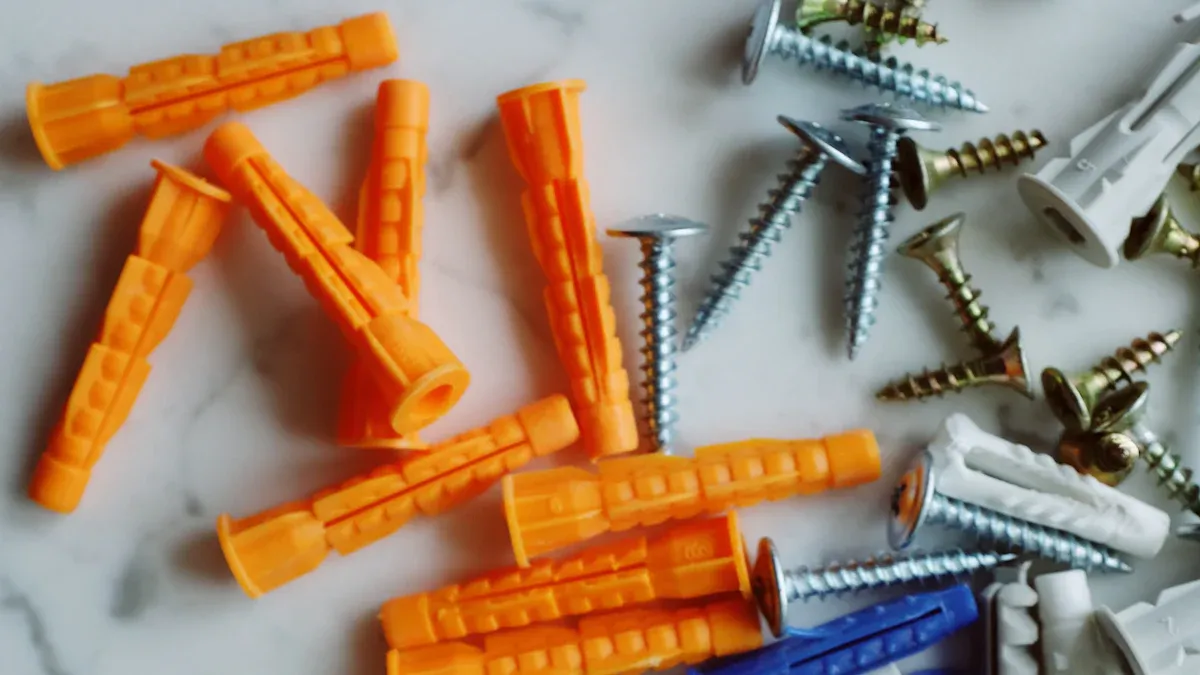
Choosing the right anchor involves more than just picking a brand. A professional must understand the fundamental differences between anchor types, materials, and the codes that govern their use. This knowledge ensures the selection of safe and appropriate fastening solutions.
Key Differences: Wedge Anchors vs. Screw Anchors
While both wedge anchors and screw anchors fasten objects to concrete, they achieve their holding power through distinct mechanical principles.
How Wedge Anchors Work
Wedge anchors are a type of Распорный анкер. Their holding power comes from a mechanical wedging action.
- Tightening the nut pulls the anchor stud upward.
- This movement forces an expansion clip between the anchor body and the wall of the drilled hole.
- The resulting outward pressure creates a strong frictional grip against the concrete.
How Concrete Screw Anchors Work
Concrete screw anchors function more like a traditional screw. They create their own connection without expansion forces.
- These anchors feature specialized, hardened threads.
- As the screw anchor turns into a pre-drilled pilot hole, its threads cut and tap into the concrete.
- This action forms a secure mechanical interlock directly with the base material.
When to Choose Each Type
Wedge anchors typically offer higher ultimate load capacities, making them ideal for heavy structural applications. Screw anchors are often preferred for temporary installations or applications close to an edge, as they impart lower stress on the concrete. Many screw anchors are also removable.
Comparing Brands like Tapcon
Brands like Tapcon are synonymous with concrete screw anchors. While excellent for light to medium-duty tasks, their load performance and applications differ significantly from heavy-duty wedge anchors from brands like Hilti or Simpson. Specifiers must match the anchor type to the job’s engineering demands.
Decoding Material and Finish Types
An anchor’s material dictates its durability and resistance to corrosion.
Zinc-Plated Carbon Steel for Interior Use
Zinc plating is a thin, electroplated coating applied to carbon steel anchors. It provides basic rust protection suitable only for dry, interior environments. This finish is the most common and cost-effective option.
Hot-Dip Galvanized for Exterior Use
Hot-dip galvanizing involves dipping the anchor in molten zinc, creating a much thicker coating that is metallurgically bonded to the steel. Governed by standards like ASTM A153, this process provides robust corrosion protection for exterior use in non-coastal areas.
| Характеристика | Горячее цинкование | Zinc-Plated (Electroplated) |
|---|---|---|
| Толщина покрытия | 1.7 mils minimum | 0.2-0.4 mils typical |
| Adhesion | Metallurgical bond | Electrochemical adhesion |
| Спецификация ASTM | A153 | Commercial standards |
304 and 316 Stainless Steel for Corrosive Areas
For environments with moisture or chemical exposure, stainless steel anchors are necessary. Type 316 contains molybdenum, giving it superior corrosion resistance over Type 304, especially against chlorides found in coastal or de-icing salt zones. However, both types can be vulnerable to Stress Corrosion Cracking (SCC) in certain aggressive environments.
High-Corrosion-Resistant (HCR) Steel
For the most extreme conditions, manufacturers like Hilti offer proprietary HCR steel anchors. These advanced alloys provide maximum protection in highly corrosive settings like tunnels and chemical plants, far exceeding the performance of traditional stainless steel.
The Importance of Code Approvals
Сертификаты соответствия кодам обеспечивают независимую проверку характеристик анкера.
Понимание отчетов ICC-ES
Служба технической оценки Международного совета по кодексам (ICC-ES) выпускает отчеты, на которые полагаются строительные инспекторы для подтверждения соответствия. Как указано в разделе 104.11 IBC, эти отчеты содержат расчетные процедуры для альтернативных материалов, таких как устанавливаемые после бетонирования анкеры, что делает их критически важными для получения разрешения на проект.
Классификация для трещиноватого и нетрещиноватого бетона
В бетоне под напряжением или вследствие усадки могут образовываться тонкие трещины. Анкеры, классифицированные для “трещиноватого бетона” , сконструированы так, чтобы сохранять свою несущую способность даже при образовании трещины в месте их установки. Многие инженеры по умолчанию предполагают наличие трещиноватого бетона для консервативного и безопасного проектирования.
Ориентация в категориях сейсмического проектирования
Для конструкций в сейсмоопасных регионах анкеры должны иметь сейсмические допуски. Эти классификации, соответствующие категориям сейсмического проектирования (A-F), подтверждают, что анкер был испытан на устойчивость к динамическим нагрузкам, возникающим во время сейсмического события.
Лучшие практики монтажа для ведущих брендов
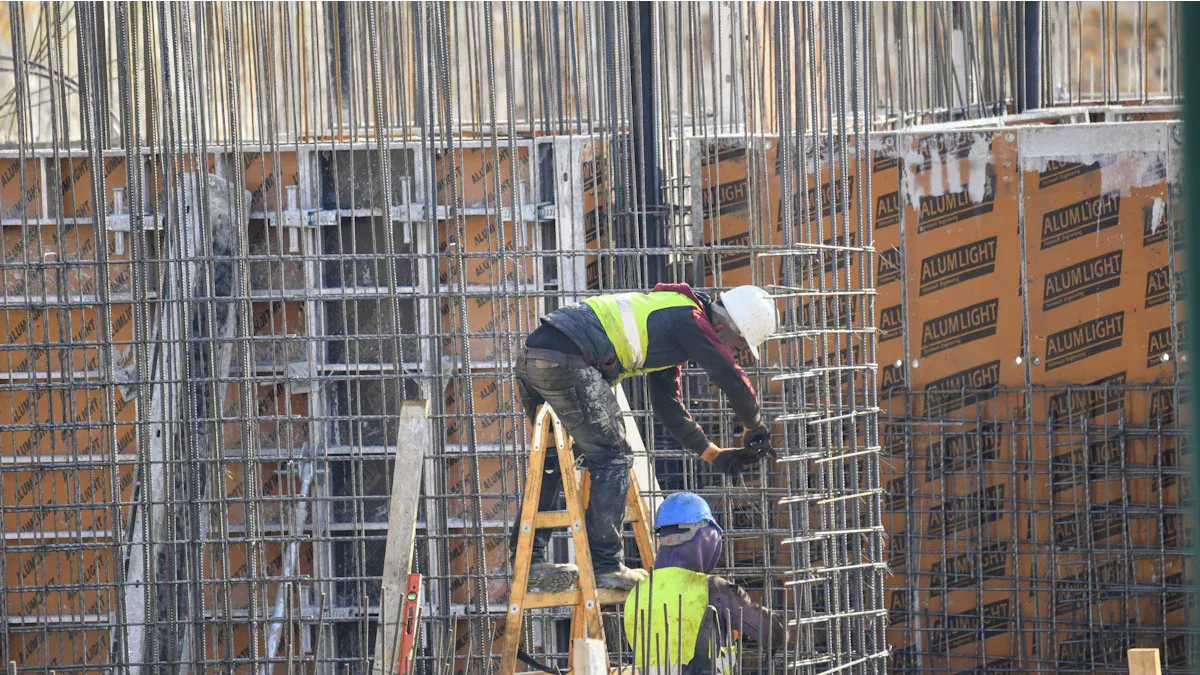
Выдающиеся характеристики анкера полностью зависят от качества его установки. Даже премиальные продукты ведущих брендов клиновых анкеров для бетона могут выйти из строя при несоблюдении правильных процедур. Следование инструкциям производителя по сверлению, очистке и затяжке — не просто рекомендация; это обязательное требование для достижения заявленной несущей способности и обеспечения структурной безопасности. Правильный процесс монтажа гарантирует, что fastening solutions анкеры будут работать в соответствии с проектом.
Правильное сверление и очистка отверстия
Первые этапы процесса монтажа — сверление и очистка отверстия — являются основой надежного соединения. Ошибки на этой стадии могут скомпрометировать все крепление.
Диаметр и износ сверла
Диаметр просверленного отверстия имеет критическое значение. Для клинового анкера 1/2 дюйма требуется отверстие диаметром 1/2 дюйма. Монтажники должны использовать твердосплавные сверла, соответствующие стандарту ANSI B212.15, для обеспечения точных размеров. Изношенное сверло создаст отверстие меньшего диаметра, а некачественное — большего. Отверстие большего диаметра не позволит распорной клипсе анкера должным образом зацепиться за бетон, что резко снизит его удерживающую способность.
Критический этап очистки отверстия
Бетонная пыль и остатки в просверленном отверстии действуют как смазка, препятствуя сцеплению распорного механизма анкера с бетоном. Это критический этап монтажа. Стандартная процедура включает последовательность: продувку отверстия сжатым воздухом, очистку проволочной щеткой, соответствующей диаметру отверстия, и повторную продувку. Этот метод “продувка-чистка-продувка” обеспечивает чистоту стенок отверстия для максимального трения.
Специфические требования производителя
Хотя общие лучшие практики применимы, производители могут иметь особые требования к своим анкерам, предназначенным для простого монтажа. Например, некоторые высокопроизводительные системы могут требовать использования специальных полых сверл, очищающих отверстие в процессе сверления. Всегда сверяйтесь с печатными инструкциями по монтажу (PII) или техническим паспортом производителя для конкретного используемого анкера. Эта документация содержит авторитетные указания для успешной установки.
Установка анкера и приложение момента затяжки
Правильная установка анкера и приложение правильного крутящего момента — это завершающие этапы монтажа, которые активируют его удерживающую способность.
Правильная глубина заделки
Каждый анкер рассчитан на определенную глубину заделки для достижения номинальной мощности. Анкер должен быть забит в отверстие до тех пор, пока шайба и гайка не будут плотно прилегать к крепежному элементу. Недостаточная глубина установки не обеспечит достаточного контакта с бетоном для развития требуемой прочности. На головке многих анкеров имеется маркировка длины, позволяющая проверить глубину заделки после установки.
Использование калиброванного динамометрического ключа
Применение правильного крутящего момента имеет важное значение. Недостаточный момент затяжки приводит к неполному расклиниванию и снижению удерживающей способности. Чрезмерный момент затяжки может вызвать разрушение стали анкера или даже растрескивание окружающего бетона. Калиброванный динамометрический ключ — единственный инструмент, который может обеспечить точное приложение указанного момента.
💡 Спецификации момента затяжки Значения крутящего момента зависят от диаметра анкера и производителя. Например, клиновой анкер Red Head 1/2″ требует момента затяжки 55 фут-фунтов. Всегда уточняйте правильное значение в технических данных продукта.
Распространенные ошибки монтажа, которых следует избегать
Неправильный монтаж является основной причиной выхода анкеров из строя, по некоторым оценкам, до 80% определенных анкеров устанавливаются неправильно. Распространенные ошибки включают:
- Неправильный размер отверстия: Использование изношенного или неподходящего по размеру сверла.
- Плохая очистка отверстия: Пропуск этапа “продувка-чистка-продувка”.
- Неправильный момент затяжки: Угадывание момента вместо использования калиброванного ключа.
- Недостаточная глубина заделки: Незабивание анкера на требуемую глубину.
Избегание этих ошибок крайне важно для безопасного и надежного монтажа.
Рекомендации по проектам на 2026 год
Соответствие бренда задаче обеспечивает безопасность, соответствие нормам и контроль бюджета. Конкретные требования проекта диктуют идеальный выбор анкера. Это руководство дает четкие рекомендации для распространенных областей применения.
Для больших структурных нагрузок: Hilti
Инженеры выбирают Hilti, когда производительность не подлежит обсуждению. Бренд предоставляет надежные решения для самых требовательных структурных соединений, где отказ может быть катастрофическим.
Высотное строительство и стальные колонны
Крепление основных стальных колонн и рам жесткости требует максимальной несущей способности. Анкер Hilti KB-TZ2 превосходно подходит для этих применений. Его превосходные характеристики в трещиноватом бетоне и сейсмических условиях обеспечивают необходимые коэффициенты безопасности для высотных сооружений.
Фундаменты тяжелого машинного оборудования
Промышленное оборудование создает значительные вибрационные и динамические нагрузки. Анкеры Hilti обеспечивают непревзойденную надежность для крепления фундаментов тяжелого оборудования. Их конструкция предотвращает ослабление со временем, обеспечивая стабильность и безопасность эксплуатации.
Критически важное сейсмическое усиление
Модернизация существующих зданий для соответствия современным сейсмическим нормам является приоритетом безопасности жизни. Всесторонние испытания Hilti и лучшие в своем классе сейсмические допуски делают его окончательным выбором для проектов усиления. Инженеры доверяют этим анкерам предсказуемую работу во время землетрясения.
Для общего строительства: Simpson Strong-Tie
Simpson Strong-Tie предлагает универсальные и соответствующие нормам решения для широкого спектра коммерческих и жилых проектов. Бренд сочетает высокую производительность с отличной доступностью.
Оправки и обвязочные балки в жилищном строительстве
Strong-Bolt 2 — идеальный выбор для крепления опорных пластин к фундаментам или обвязочных балок настилов. Его надежная работа и широкие нормативные одобрения упрощают проверки для строителей жилых домов.
Коммерческие стеллажные системы и полки
Складские и розничные помещения требуют надежного крепления тяжелых стеллажных систем. Simpson Strong-Tie предоставляет надежные анкеры, отвечающие требованиям по нагрузке для таких типовых коммерческих установок.
Проекты, требующие широкой доступности
Подрядчикам часто требуются надежные продукты в сжатые сроки. Обширная дистрибьюторская сеть Simpson Strong-Tie гарантирует, что крепежные изделия, соответствующие нормам, легко доступны, что позволяет соблюдать графики проектов.
Для стандартных и бюджетных проектов: Red Head
Red Head лидирует на рынке по соотношению цены и качества для стандартных применений. Это основной бренд для крупносерийных проектов, где стоимость является ключевым фактором.
Внутренние поручни и ограждения
Анкер Red Head Trubolt+ обеспечивает более чем достаточную прочность для крепления внутренних поручней и ограждений. Эти статические, не несущие конструкции идеально подходят для этого экономичного анкера.
Крепление легкого оборудования
Во многих мастерских и на предприятиях требуется крепить легкое оборудование к бетонным полам. Trubolt+ обеспечивает надежное соединение для механизмов, не создающих значительных динамических сил.
Неструктурные крепления
Для крупносерийных, неструктурных задач Red Head непревзойден. Типичные области применения включают:
- Крепление хомутов для электропроводки
- Крепление направляющих для внутренних перегородок
- Анкеровка легких вывесок
Эти применения выигрывают от низкой стоимости бренда и надежной удерживающей способности.
Обзор других примечательных брендов
Хотя лидеры рынка предлагают широкий спектр решений, другие специализированные бренды предоставляют убедительные альтернативы для конкретных требований проекта. Эти производители часто строят свою репутацию на уникальном ценностном предложении, таком как отечественное производство или уникальные продуктовые инновации.
Варианты американского производства: Thunderstud
Thunderstud занял значительную нишу на рынке крепежа, сделав ключевым отличием отечественное производство. Бренд является ведущим выбором для подрядчиков и организаций, которым необходимо соответствовать проектам, предусматривающим использование компонентов американского производства.
Обзор бренда и его направленность
Thunderstud строит свою идентичность на обязательстве производить продукцию исключительно в Соединенных Штатах. Эта направленность напрямую обращена к проектам с положениями “Покупай американское”, распространенными в государственных и общественных контрактах. Клиенты выбирают Thunderstud, чтобы поддержать отечественную промышленность и обеспечить прозрачность цепочки поставок. Основная задача бренда — производство надежных клиновых анкеров стандартного назначения, отвечающих потребностям общего строительства и одновременно удовлетворяющих требованиям к отечественным источникам.
💡 Преимущество “Покупай американское” Для инфраструктурных проектов, финансируемых из федерального бюджета, указание такого бренда, как Thunderstud, упрощает соответствие требованиям. Это обеспечивает четкую документацию о том, что материалы соответствуют мандатам на отечественные закупки, предотвращая потенциальные задержки или дисквалификацию на этапах закупок и инспекций.
Такая стратегическая позиция делает Thunderstud основным поставщиком для конкретного, но важного сегмента строительной отрасли. Бренд обеспечивает стабильное качество и надежную работу для проектов, где происхождение материалов так же критично, как и их механические свойства.
Продуктовый ряд и области применения
Thunderstud предлагает надежную линейку клиновых анкеров, предназначенных для применения в твердом бетоне. Ассортимент охватывает наиболее распространенные условия окружающей среды, встречающиеся в строительстве, гарантируя наличие подходящего варианта для различных объектов. Их предложения по материалам демонстрируют эту универсальность.
- Анкеры Thunderstud с американским цинковым покрытием: Экономичный выбор для внутренних работ или сухих, влажных сред.
- Анкеры Thunderstud с американским горячим цинкованием: Идеальны для наружного применения, где требуется умеренная коррозионная стойкость.
- Американские анкеры Thunderstud из нержавеющей стали 303 и 316: Предназначены для проектов, требующих повышенной защиты от коррозии, например, в прибрежных зонах или на объектах с воздействием химических веществ.
Эти анкеры хорошо подходят для различных задач стандартного назначения. Подрядчики обычно используют их для крепления стальных уголков, фиксации опор для кабеленесущих систем и анкеровки оснований оборудования в несейсмичных зонах. Например, анкер ThunderStud с цинковым покрытием 3/8″ x 2-3/4″ является рабочей лошадкой для крепления внутренних конструкций к бетону. Предлагая полный набор анкеров отечественного производства, Thunderstud предоставляет надежное и соответствующее требованиям решение для широкого спектра строительных и инфраструктурных проектов.
В 2026 году, конкретные требования проекта— инженерные, экологические и бюджетные — определяют идеальный выбор среди ведущих клиновых анкеров. Резюме рекомендаций включает:
- Hilti: Четкий выбор для максимальной безопасности и производительности в критических применениях.
- Simpson Strong-Tie: Универсальные, соответствующие нормам решения, предлагающие баланс стоимости и надежности.
- Red Head: Надежные, экономичные решения для проектов стандартного назначения.
Тщательная оценка нагрузочных требований обеспечивает выбор правильных клиновых анкеров для безопасного и долговечного соединения.
Частые вопросы
Можно ли использовать клиновой анкер повторно?
Профессионалы никогда не используют клиновые анкеры повторно. Разжимная клипса необратимо деформируется во время первоначальной установки. Извлечение и повторная установка анкера снижает его сертифицированную несущую способность и создает значительный риск для безопасности. Это крепеж одноразового использования.
Что произойдет, если перетянуть клиновой анкер?
Приложение чрезмерного крутящего момента может вызвать текучесть материала стального болта анкера или привести к конусообразному разрушению бетона. Оба исхода приводят к резкой потере удерживающей способности. Всегда используйте калиброванный динамометрический ключ для приложения значения крутящего момента, указанного производителем.
Почему так важна очистка отверстия?
Бетонная пыль внутри отверстия действует как смазка. Она препятствует надёжному зацеплению распорной клипсы за стенки бетона. Это значительно снижает вырывную прочность анкера. Правильная очистка обеспечивает максимальное трение и удерживающую способность.
На каком минимальном расстоянии от края можно устанавливать клиновой анкер?
Минимальное расстояние до края зависит от диаметра анкера и производителя. Установка анкера слишком близко к краю может привести к сколу бетона.
💡 Профессиональный совет: Всегда сверяйтесь с техническим паспортом производителя для получения точных требований к минимальным расстояниям между анкерами и до края, чтобы обеспечить безопасный монтаж.
Можно ли использовать клиновой анкер в кирпиче или блоке?
Клиновые анкеры разработаны специально для полнотелого бетона. Их высокие распорные усилия могут легко привести к растрескиванию или разрушению пустотелых или более мягких материалов, таких как кирпич или пеноблок. Для таких оснований монтажникам следует использовать втулочные анкеры или шурупы по бетону.
Нужно ли специальное сверло для клиновых анкеров?
Монтажники должны использовать твердосплавное сверло, соответствующее стандарту ANSI и диаметру анкера. Изношенное или неправильное сверло создаёт отверстие неверного размера. Это мешает правильной установке анкера и достижению его номинальной несущей способности.