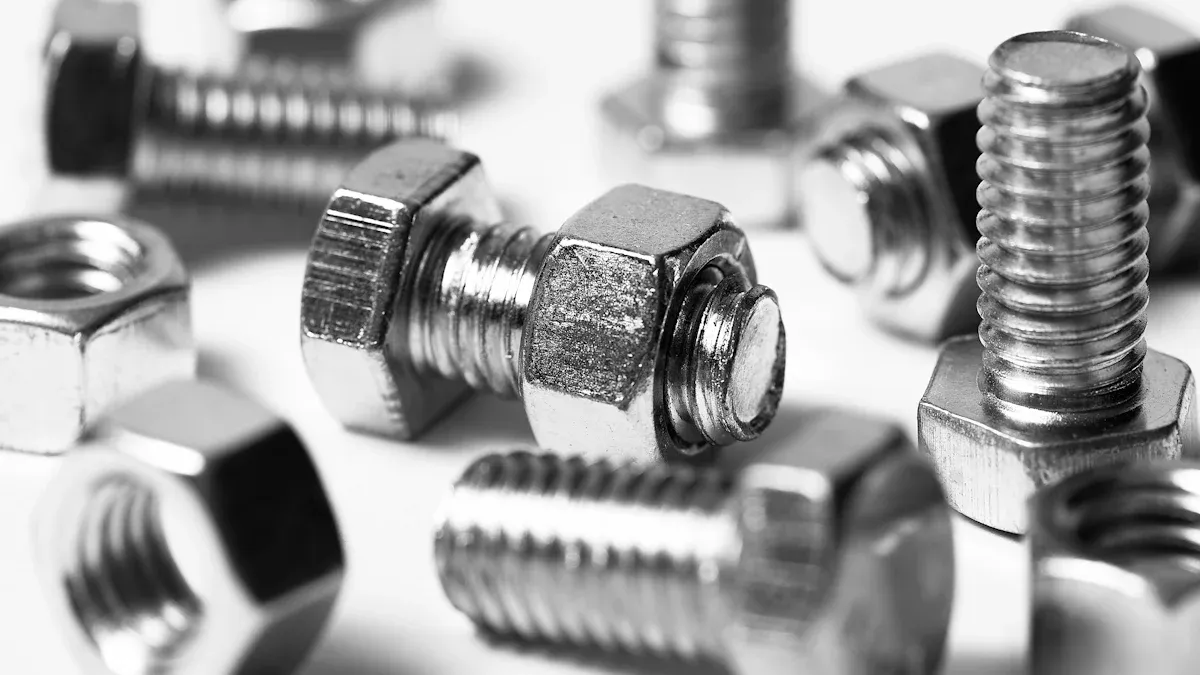
Правильная установка шестигранных болтов критически важна для структурной безопасности. производитель крепежных изделий на заказ обеспечивает качество за счет таких процессов, как литье болтов. Монтажники должны выбирать правильный шестигранный болт класс для конкретных требований к нагрузке. Правильная установка начинается с чистых и соосных поверхностей соединения. Приложение точного крутящего момента обеспечивает необходимое зажимное усилие для структурной целостности.
Примечание: Исследования показывают, что почти 30% отказов, связанных со строительством, происходят из-за недостатков в установке анкерных болтов, что подчеркивает серьезные риски неправильных методов. Надежный источник для нестандартные крепежные элементы является обязательным.
Понимание спецификаций шестигранных болтов
Выбор правильного шестигранного болта — это первый критический шаг к надежному структурному соединению. Маркировка, материал и конструкция резьбы болта определяют его прочность, коррозионную стойкость и область применения. Неверная интерпретация этих спецификаций может поставить под угрозу целостность всей сборки. В этом разделе подробно рассматриваются основные детали, которые должен знать каждый монтажник.
Расшифровка классов болтов и стандартов ASTM
Классы болтов определяют механические свойства крепежа, в первую очередь его предел прочности на растяжение. Американское общество по испытаниям и материалам (ASTM) устанавливает эти стандарты для строительства. ASTM F3125 теперь является основной спецификацией для высокопрочных структурных болтов. Она объединяет шесть предыдущих стандартов, включая широко известные A325 и A490, которые теперь считаются классами в рамках спецификации F3125..
Различия между высокопрочными болтами A325 и A490
Болты ASTM F3125 класса A325 и класса A490 являются рабочей лошадкой соединений в конструкционной стали, но служат разным целям.
- Болты класса A325 имеют минимальный предел прочности на растяжение 120 ksi (кипов на квадратный дюйм). Они распространены в зданиях, мостах и других сооружениях.
- Болты класса A490 предлагают более высокий минимальный предел прочности на растяжение — 150 ksi. Монтажники используют их для соединений, требующих большей прочности, или в конструкциях с меньшим количеством болтов.
Важное примечание: Хотя ASTM официально отозвал самостоятельные стандарты A325 и A490 в 2016 году, отрасль по-прежнему использует эти термины для обозначения классов в рамках новой спецификации ASTM F3125. Маркировка на головках болтов остается прежней, чтобы избежать путаницы.
Понимание болтов класса 2, 5 и 8
Для неструктурных применений или применений с низким напряжением распространены классы Общества автомобильных инженеров (SAE). Они идентифицируются по радиальным линиям на головке болта.
- Класс 2: Отсутствие маркировки на головке. Это низкопрочный болт из углеродистой стали для общего хозяйственного применения.
- Класс 5: Три радиальные линии. Это болт средней прочности, подвергнутый термообработке для повышения вязкости.
- Класс 8: Шесть радиальных линий. Это высокопрочный болт, закаленный и отпущенный для использования в ответственных применениях, таких как подвески транспортных средств.
Соответствие материала условиям окружающей среды
Материал болта определяет его устойчивость к коррозии и воздействию окружающей среды. Выбор неправильного материала может привести к преждевременному отказу, особенно в суровых условиях.
Когда использовать болты из нержавеющей стали
Болты из нержавеющей стали идеальны для сред с высокой влажностью или воздействием коррозионных агентов. Их содержание хрома создает пассивный, устойчивый к ржавчине слой. Они необходимы в:
- Морских средах, где соленая вода и хлориды вызывают точечную и щелевую коррозию.
- Химических предприятиях с воздействием кислот и едких растворов.
- Архитектурных применениях, где ключевыми являются внешний вид и долговечность.
Роль оцинкованных и покрытых болтов
Покрытия обеспечивают защитный барьер для болтов из углеродистой стали. Выбор покрытия зависит от суровости окружающей среды.
| Тип покрытия | Коррозионная стойкость | Наилучший случай применения |
|---|---|---|
| Горячее цинкование | Отличная | Наружные конструкции, опоры ЛЭП и промышленные условия. |
| Цинкование | Хорошая | Внутренние или сухие, легкие условия эксплуатации. Не для наружного воздействия. |
| Керамическое покрытие | Превосходная | Экстремальные условия, такие как морские платформы или химические заводы. |
Горячее цинкование создает толстый, прочный слой цинка, который обеспечивает как барьерную, так и катодную защиту, что делает его стандартом для конструкционной стали.
Выбор правильного типа резьбы
Последняя спецификация, которую следует учитывать, — это тип резьбы, который влияет на сопротивление болта ослаблению и простоту его установки.
Крупная резьба (UNC) для общего строительства
Унифицированная национальная крупная резьба (UNC) является стандартом для большинства строительных проектов. Ее более глубокая и широкая резьба более устойчива к незначительным повреждениям, сопротивляется срыву и позволяет быстрее производить установку. Она идеально подходит для общей сборки, где важна скорость.
Мелкая резьба (UNF) для виброустойчивости
Унифицированная национальная мелкая резьба (UNF) имеет большее количество витков на дюйм. Это обеспечивает большую площадь растягивающего напряжения и более точную регулировку. Их основное преимущество — превосходная устойчивость к ослаблению из-за вибрации, что делает их подходящими для машин, двигателей и применений, подверженных динамическим нагрузкам.
Выбор правильного шестигранного болта для задачи

После определения правильного класса болта и материала, монтажник должен выбрать точный размер и соответствующую фурнитуру. Болт, который слишком короткий, слишком длинный или подобран с неправильной гайкой, может не выдержать нагрузку. Этот шаг гарантирует, что каждый компонент болтового соединения работает как единая система.
Проверка правильного диаметра болта и размера отверстия
Соотношение между диаметром болта и размером отверстия является основополагающим для прочности соединения. Правильная посадка корректно распределяет нагрузки и предотвращает преждевременный отказ.
Стандартные отверстия против увеличенных или продолговатых отверстий
В большинстве конструктивных соединений используются стандартные отверстия, обеспечивающие плотную посадку. Американский институт стальных конструкций (AISC) устанавливает небольшой зазор для облегчения установки болта. Увеличенные или продолговатые отверстия могут использоваться для корректировки допусков, но часто требуют применения пластинчатых шайб для обеспечения надлежащего опирания.
Стандартный зазор отверстия по AISC Стандартный зазор зависит от диаметра болта. | Диаметр болта | Стандартный зазор отверстия |
Обеспечение правильной посадки для предотвращения среза
Слишком свободная посадка увеличивает риск среза болта и снижает несущую способность соединения. Исследования показывают, что с увеличением отношения диаметра отверстия к ширине окружающего материала предельная прочность соединения на смятие значительно снижается. Это изменение концентрирует напряжение вокруг отверстия, что может привести к разрушению соединения от растяжения или среза, а не от смятия, как предполагалось проектом.
Расчет требуемой длины болта
Болт должен быть достаточно длинным, чтобы гайка была полностью навинчена, но не настолько длинным, чтобы мешать другим элементам. Правильная длина является ключевым фактором при установке шестигранных болтов..
Понимание длины захвата
Длина захвата — это общая толщина всех слоев материала, включая шайбы, которые стягиваются болтом. Монтажники должны точно измерять это расстояние, чтобы определить требуемую длину болта.
Правило выступа “в две нитки”
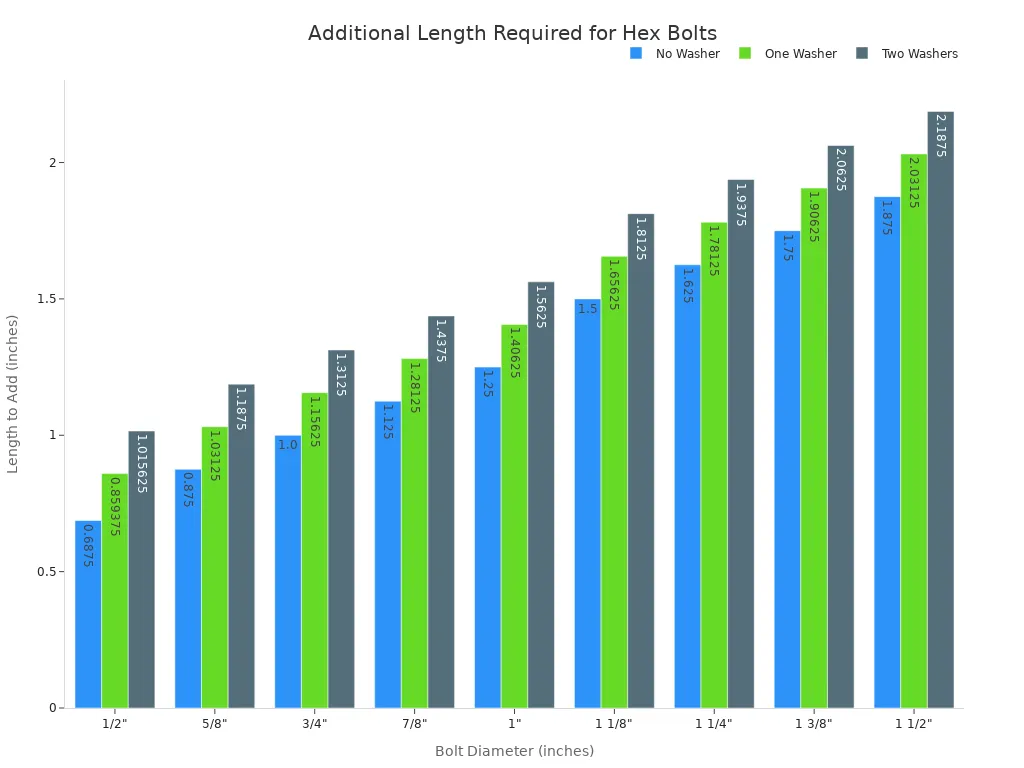
Правильно установленный болт должен выступать из гайки как минимум на две полные нитки резьбы. Это обеспечивает полное зацепление резьбы и несущую способность. Для расчета требуемой длины к длине захвата добавляется определенное значение в зависимости от диаметра болта и количества шайб.
Требуемая длина болта = Длина захвата + Добавляемая длина
Подбор гаек и шайб к болту
Болты, гайки и шайбы сконструированы для работы в качестве согласованного комплекта. Использование несовместимых компонентов является критической ошибкой в плане безопасности, которая может привести к отказу соединения.
Обеспечение совместимости класса прочности гайки
Гайка должна быть достаточно прочной, чтобы выдерживать натяжение, создаваемое болтом. Использование высокопрочного болта, такого как ASTM A490, с гайкой более низкого класса может привести к срыву резьбы гайки при затяжке. Всегда используйте гайку с классом прочности, равным или превышающим класс прочности болта.
| Тип болта (ASTM F3125) | Совместимая гайка (ASTM A563) |
|---|---|
| Класс A325 (Тип 1) | Класс C, D, DH |
| Класс A490 (Тип 1) | Класс DH |
| Класс A490 (Тип 3) | Класс DH3 |
Требуемый диаметр твердосплавного сверла Гайки ASTM A194 класса 2H являются подходящей и распространенной заменой гаек A563 класса DH.
Роль закаленных шайб F436
Закаленные шайбы, регламентированные ASTM F436, необходимы в высокопрочных болтовых соединениях. Они предотвращают заедание (поверхностное повреждение) на гайке и поверхности стыка при затяжке. Они также распределяют нагрузку на большую площадь, что критически важно для достижения правильного натяжения.
Когда использовать скошенные шайбы
Монтажники используют скошенные шайбы, когда поверхность под болтовое соединение не перпендикулярна оси болта. Эти шайбы имеют конусность для компенсации уклона на таких поверхностях, как двутавровые балки или швеллеры, обеспечивая плоскую и прочную опорную поверхность для гайки и головки болта.
Лучшие практики перед монтажом
Успешность соединения зависит не только от самого болта. Состояние стальных поверхностей и совмещение отверстий не менее критичны. Следование надлежащим процедурам перед монтажом гарантирует, что болтовое соединение сможет достичь своей проектной прочности и долгосрочной работоспособности.
Подготовка и совмещение соединяемых поверхностей
Контактные поверхности, или поверхности трения, должны быть надлежащим образом подготовлены для обеспечения равномерного давления стяжки и, в соединениях, критичных к проскальзыванию, требуемого трения.
Очистка поверхностей от загрязнений, ржавчины и окалины
Все поверхности стыка должны быть свободны от загрязнений, которые могут препятствовать плотному контакту. Монтажники должны удалить рыхлую ржавчину, грязь и другие загрязнения. Для сильной ржавчины или твердого слоя окалины эффективны несколько методов:
- Механические методы: Использование угловых шлифмашин с лепестковыми дисками, грубыми проволочными щетками, или керамическими абразивами физически удаляет окалину и ржавчину.
- Химические методы: Нанесение растворов, таких как соляная или фосфорная кислота, может растворять ржавчину и окалину, которые затем удаляются монтажниками.
- Дробеструйная обработка: Пескоструйная или абразивоструйная обработка высокоэффективна для создания чистой, равномерно текстурированной поверхности.
Обеспечение плоскостности поверхностей и отсутствия заусенцев
Поверхности должны быть плоскими для достижения полного контакта. Монтажники должны счищать любые заусенцы или неровности вокруг краев болтовых отверстий. Для соединений, критичных к проскальзыванию, состояние поверхности имеет первостепенное значение. Краска на поверхностях трения допускается только в том случае, если она сертифицирована на сопротивление скольжению..
Важное обновление от RCSC: Исследовательский совет по конструктивным соединениям (RCSC) ранее требовал обработки поверхностей с горячим цинкованием проволочной щеткой.. Эта практика теперь запрещена.. Исследования подтверждают, что оцинкованные поверхности обеспечивают достаточное сопротивление скольжению без дополнительной обработки щеткой.
Проверка зазоров между слоями
Перед установкой шестигранных болтов монтажники должны обеспечить плотный контакт между стальными слоями. Любые зазоры между слоями не позволят болту достичь требуемого усилия затяжки, так как крутящий момент будет расходоваться на устранение зазора, а не на создание натяжения болта.
Правильное совмещение отверстий под болты
Принудительная установка болта в несовмещенное отверстие может повредить резьбу и нарушить целостность соединения.
Использование оправок или монтажных ключей для совмещения отверстий
Монтажники используют конические инструменты, такие как оправки или конический конец монтажного ключа, для совмещения отверстий под болты. Они вставляют оправку и перемещают ее, чтобы добиться совпадения отверстий, создавая свободный путь для болта. Этот метод предотвращает повреждение резьбы, которое может произойти при забивании болта на место.
Начальная затяжка болтов вручную для предотвращения перекоса резьбы
Монтажники всегда должны начинать закручивать болт в гайку вручную на первые несколько витков. Это обеспечивает тактильную обратную связь и гарантирует правильное зацепление резьбы. Использование ударного гайковерта для начала затяжки легко может привести к перекосу резьбы, что испортит и болт, и гайку.
Роль смазки
Смазка является критически важным компонентом при работе с высокопрочными болтами, поскольку она помогает регулировать взаимосвязь между крутящим моментом и натяжением.
Когда и зачем использовать утвержденную смазку
Основная задача смазки — уменьшить трение между гайкой и резьбой болта, а также между гайкой и шайбой. Исследования показывают, что различные смазки, такие как керамические пасты, создают стабильное трение. Эта стабильность гарантирует, что приложенный монтажником крутящий момент надежно преобразуется в натяжение болта (нагрузку затяжки), а не расходуется на преодоление непредсказуемого трения.
Нанесение смазки на резьбу и торец гайки
Высокопрочные болты обычно поставляются с нанесенной производителем восковой смазкой. Исследования подтверждают, что нанесение смазки как на резьбу, так и на торец гайки ( опорную поверхность под головкой) высокоэффективно для снижения трения. Монтажники должны хранить крепежные элементы в защитной упаковке до момента использования, чтобы сохранить это покрытие.
Опасность использования непредусмотренных смазок
Использование неправильной смазки или повторное смазывание болтов на объекте — опасная практика.
- Наносить смазку должен только производитель. Руководящие указания RCSC гласят, что инспекторы не должны разрешать повторное смазывание кем-либо еще.
- Непредусмотренные смазки могут изменить взаимосвязь крутящего момента и натяжения, что приведет к неточной предварительной затяжке.
- Если заводская смазка болта повреждена из-за погодных условий или чрезмерного обращения, узел должен быть повторно испытан или заменен.
Процесс монтажа: инструменты и методы

Правильный монтаж превращает набор отдельных компонентов в надежное, единое конструктивное соединение. Этот процесс требует точности, правильного оборудования и системного подхода. Использование правильных инструментов и соблюдение установленных методов гарантирует, что каждый болт достигнет заданного натяжения, обеспечивая необходимое для структурной целостности усилие затяжки.
Использование правильных инструментов для работы
Выбор подходящего инструмента для каждого этапа монтажа — это не вопрос удобства, а требование безопасности и качества. Каждый инструмент имеет конкретную функцию, от первоначального совмещения до окончательной затяжки.
Калиброванные динамометрические ключи для окончательной затяжки
Калиброванный динамометрический ключ — это прецизионный инструмент, предназначенный для приложения определенного усилия вращения (крутящего момента) к крепежному элементу. Монтажники используют эти инструменты на этапе окончательной затяжки при использовании метода калиброванного ключа. Регулярная калибровка обязательна. Некорректно откалиброванный ключ может привести к опасной недотяжке или перетяжке болтов.
Ударные гайковерты для предварительной затяжки
Ударные гайковерты обеспечивают высокий крутящий момент и быстрые вращательные удары, что делает их идеальными для быстрого сжатия стальных слоев. Их основная роль — доведение соединения до состояния “плотной затяжки”. Они не являются прецизионными инструментами и не должны никогда использоваться для окончательной затяжки при методах, основанных на крутящем моменте.
Требования к мощности инструмента 🔧 90 до 120 PSI. Требуемый объем воздуха (CFM) зависит от мощности инструмента.
Уровень нагрузки Минимальный CFM (кубических футов в минуту) Легкий 4-5 Средний 5-8 Тяжелый 8+
Головки и монтажные ключи
Головки и монтажные ключи являются основными ручными инструментами для любой бригады по установке болтов. Монтажный ключ имеет с одной стороны рожковый ключ, а с другой — конический шип. Конический конец необходим для совмещения отверстий под болты перед их установкой. Ключевой конец позволяет монтажнику вручную доводить болты до состояния плотной затяжки.
Инструменты для натяжения болтов с контролем натяжения
Хотя данное руководство посвящено шестигранным болтам, полезно знать о болтах с контролем натяжения (TC). Эти специализированные крепежные элементы требуют использования специального электрического отрывного гайковерта, или TC-пистолета. Этот инструмент захватывает гайку и шлицевой конец болта, проворачивая гайку до тех пор, пока шлиц не срежется при предопределенном моменте. Это обеспечивает автоматическую и визуальную индикацию достижения правильного натяжения.
Соблюдение правильной последовательности затяжки
Успешный монтаж зависит от методичной последовательности. Затяжка болтов в произвольном порядке может привести к неравномерному сжатию прокладки, дисбалансу нагрузки и зазорам между слоями. Правильная последовательность обеспечивает равномерную нагрузку затяжки по всему соединению.
Достижение состояния плотной затяжки
Первым шагом для любого предварительно натянутого соединения является достижение состояния плотной затяжки. Это момент, когда все стальные слои находятся в плотном контакте. Исследовательский совет по конструктивным соединениям (RCSC) определяет это состояние несколькими ключевыми показателями:
- Монтажник прикладывает полное усилие с помощью монтажного ключа.
- Производится несколько ударов ударным гайковертом до тех пор, пока гайка не перестанет проворачиваться.
- Гайка затянута настолько, что ее невозможно снять вручную.
Предварительное доведение всех болтов в соединении до этого состояния гарантирует, что процесс окончательной затяжки будет работать на растяжение болта, а не просто на устранение зазоров.
Следование схеме затяжки (звездообразная схема)
Для соединений с несколькими болтами монтажники должны следовать определенной последовательности, чтобы обеспечить равномерное приложение нагрузки. Звездообразная или крестообразная схема является отраслевым стандартом. Это предотвращает концентрацию давления на одной стороне соединения. Процесс обычно включает несколько проходов.
- Проход 1: Затяните все болты примерно до 30% от окончательного требуемого момента по звездообразной схеме.
- Проход 2: Повторите последовательность, затягивая все болты до 60% от окончательного момента.
- Проход 3: Повторите последовательность до достижения окончательного момента затяжки 100%.
- Финальный проход: Выполните окончательную проверку всех болтов по круговой схеме, чтобы убедиться, что они затянуты с окончательным моментом.
- Фланец с 8 болтами: 1-5-3-7-2-6-4-8
- Фланец с 12 болтами: 1-7-4-10-2-8-5-11-3-9-6-12
Освоение методов затяжки
RCSC одобряет несколько методов достижения требуемого предварительного натяжения болтов. Конструктор проекта укажет, какой метод использовать. Каждый из них, при правильном выполнении, обеспечивает надежный путь к достижению правильной зажимной нагрузки.
Метод затяжки с поворотом гайки
Метод поворота гайки — это простая и надежная техника, которая зависит от геометрии болта, а не от момента затяжки. После притягивания соединения монтажник наносит контрольную метку на гайку, болт и стальную поверхность. Затем гайка поворачивается на определенную величину относительно болта. Это требуемое вращение растягивает болт в его упругом диапазоне для достижения целевого натяжения. Величина поворота зависит от диаметра и длины болта.
| Диаметр болта | Длина болта (включительно до) | Требуемый поворот гайки |
|---|---|---|
| До 1 1/2″ | 4 диаметра или 8″ | 1/3 оборота |
| До 1 1/2″ | Более 4 диам. или 8″ | 1/2 оборота |
| До 1 1/2″ | Более 8 диам. или 12″ | 2/3 оборота |
Примечание: Эти значения применимы, когда обе поверхности имеют уклон не более 1:20. Для других условий обратитесь к спецификациям RCSC.

Использование калиброванного динамометрического ключа
Этот метод предполагает приложение к гайке определенного значения крутящего момента для создания требуемого натяжения болта. Он в значительной степени зависит от трения между резьбой и на поверхности гайки. Поскольку трение может меняться, этот метод требует проведения предмонтажных поверочных испытаний (PIV). Монтажники используют калибратор натяжения болтов (например, Skidmore-Wilhelm) для тестирования выборки болтов из партии, чтобы определить точный момент, необходимый для достижения целевого натяжения. Этот процесс важен при установке шестигранных болтов с использованием данной техники.
Метод прямого индикатора натяжения (DTI)
Этот метод использует специальные закаленные шайбы с выступами на одной стороне. DTI размещается под головкой болта или гайкой, и при затяжке болта выступы сжимаются. Монтажник использует щуп для измерения оставшегося зазора между DTI и головкой болта. Когда выступы сплющиваются до определенного зазора, достигнуто правильное натяжение. Это обеспечивает прямое визуальное подтверждение натяжения болта.
Проверка и контроль после монтажа
После затяжки контролеры должны убедиться, что каждый болт достиг требуемого натяжения и соединение надежно. Этот заключительный этап контроля качества подтверждает целостность конструкции и обеспечивает соответствие проектным спецификациям. Как технические измерения, так и визуальные проверки являются важными частями этого процесса.
Проведение проверок момента и натяжения
Контролеры используют специализированные инструменты и процедуры для подтверждения того, что установленные болты соответствуют заданной зажимной нагрузке. Эти проверки предоставляют количественные данные о работе болтового узла и работе монтажной бригады.
Методы аудита момента затяжки
Аудит момента затяжки — это распространенный метод после монтажного контроля. Он включает проверку момента на ранее затянутом крепежном элементе. Контролер выполняет аудит статического момента , прикладывая усилие откалиброванным динамометрическим ключом до тех пор, пока гайка снова не начнет поворачиваться. Это значение момента срыва связано с исходным монтажным моментом. Распространенные методы аудита включают:
- Метод "дотягивания": Контролер измеряет момент, необходимый для поворота гайки на небольшой угол (от 2 до 10 градусов) в направлении затяжки.
- Метод "ослабления": Контролер измеряет момент, необходимый для ослабления гайки.
- Метод меченого крепежа: Контролер метит гайку и болт, слегка ослабляет его, а затем измеряет момент, необходимый для возврата гайки на исходную метку.
Использование калибратора натяжения Skidmore-Wilhelm
A Калибратор натяжения Skidmore-Wilhelm — это гидравлический силоизмерительный датчик, который непосредственно измеряет натяжение или зажимную нагрузку в болте. Вместо того чтобы определять натяжение по моменту, это устройство дает прямое показание зажимного усилия. Монтажник помещает полный болтовой узел (болт, гайку и шайбу) в устройство и затягивает его, что позволяет контролеру увидеть точное достигнутое натяжение.
Предмонтажные поверочные испытания (PIV)
PIV-тестирование — это обязательная процедура при использовании метода калиброванной затяжки ключом. До начала работ монтажная бригада должна испытать выборку крепежных элементов из текущей партии с помощью калибратора Skidmore-Wilhelm. Это испытание проверяет характеристики болтового узла и определяет конкретный монтажный момент, необходимый для достижения требуемого предварительного натяжения для данной партии болтов, гаек и смазки.
Выполнение окончательных визуальных проверок
Окончательный визуальный осмотр — это быстрый и эффективный способ выявления потенциальных проблем. Согласно руководствам AISC и RCSC, каждое болтовое соединение требует визуальной проверки. Это гарантирует правильную установку и посадку всех компонентов.
Проверка правильного выступания конца болта
Контролеры визуально подтверждают правильность длины болта. Правильно установленный болт имеет достаточное зацепление резьбы, что обычно определяется выступом конца болта как минимум на две полные нити резьбы за внешнюю грань гайки. Это называется правильным “выступом конца болта”.”
Проверка на наличие зазоров или перекосов
Визуальная проверка гарантирует, что стальные элементы находятся в плотном, надежном контакте. Между соединяемыми поверхностями не должно быть видимых зазоров. Любые зазоры указывают на то, что процесс предварительной затяжки был неполным, и соединение не достигло полной зажимной силы.
Проверка ориентации шайб и гаек
Контролеры проверяют правильность размещения всей фурнитуры. Это включает проверку использования закаленных шайб F436 под поворачиваемым элементом (обычно гайкой). Для наклонных поверхностей они подтверждают, что конические шайбы правильно ориентированы для обеспечения параллельной опорной поверхности.
Маркировка болтов после окончательной затяжки
Маркировка болта после окончательного натяжения является распространенной практикой. Контролер или монтажник использует маркер с краской, чтобы провести линию от конца болта через гайку на стальную поверхность. Эта метка обеспечивает четкое визуальное подтверждение того, что болт был затянут и проверен, что особенно полезно для проверки метода поворота гайки.
Распространенные ошибки при установке шестигранных болтов
Даже при наличии правильных компонентов ошибки монтажа могут поставить под угрозу структурное соединение. Монтажники должны распознавать и избегать распространенных ошибок, чтобы обеспечить безопасность и работоспособность. Эти ошибки часто связаны с неправильной затяжкой, повреждением резьбы и упрощением процедур.
Избегание неправильной затяжки
Достижение правильного натяжения болта — это балансирование. Как недостаточный, так и чрезмерный момент создают значительные риски для целостности соединения.
Риски недотягивания и недостаточной зажимной нагрузки
Недостаточно затянутый болт не создает необходимого усилия зажима. Недостаточное давление делает соединение уязвимым к разрушению.
- Ослабление из-за вибрации: Поперечные силы от вибрации могут преодолеть низкое трение в соединении. Это вызывает микросмещения, позволяя гайке проворачиваться и в конечном итоге сойти с болта..
- Усталостное разрушение: Недостаточная нагрузка зажима позволяет соединяемым деталям перемещаться, подвергая болт повторяющимся циклам напряжения, что может привести к усталостному разрушению.
Опасности чрезмерной затяжки и текучести болта
Приложение чрезмерного крутящего момента выводит болт за предел его упругости, вызывая необратимые повреждения. Это называется текучестью.
- Разрыв болта: Растягивающее напряжение от чрезмерной затяжки может превысить прочность материала. Болт чрезмерно растягивается, утоняется (образуется шейка) и разрывается.
- Разрушение резьбы: Экстремальный крутящий момент может сорвать резьбу на болте или гайке. Этот вид разрушения трудно обнаружить во время монтажа, и ослабленное крепление остается в работе..
Предотвращение повреждения резьбы
Защита резьбы необходима для правильного зацепления гайки и достижения целевого натяжения. Заедание (схватывание) и перекос резьбы — два распространенных вида повреждения резьбы.
Что такое заедание резьбы и как его предотвратить
Заедание (схватывание) резьбы — это вид холодной сварки, возникающий, когда давление и трение вызывают заклинивание резьб. Наиболее часто встречается с определенными металлами.
| Тип металла | Риск заедания | Основная причина |
|---|---|---|
| Титан | Очень высокий | Реакционная способность поверхности |
| Нержавеющая сталь 316 | Высокая | Разрушение оксидного слоя |
| Алюминий | Высокая | Мягкость материала |
Монтажники могут предотвратить заедание, замедляя скорость установки для снижения нагрева, нанося одобренную антипригарную смазку, и обеспечивая чистоту резьбы.
Как избежать перекоса резьбы
Перекос резьбы происходит, когда болт и гайка смещены относительно друг друга при начальном зацеплении. Принудительное соединение повреждает резьбу и препятствует правильной затяжке. Лучшая профилактика проста: монтажники всегда должны начинать накручивать гайку вручную на несколько оборотов перед использованием инструментов.
Другие критические ошибки монтажа
Процедурные упрощения и игнорирование свойств материалов создают серьезные риски. Следование установленным протоколам не подлежит обсуждению.
Опасности повторного использования высокопрочных болтов
Высокопрочные конструкционные болты рассчитаны на однократное использование. Спецификация RCSC четко указывает на это.
“Болты ASTM A490 и оцинкованные болты ASTM A325 не должны использоваться повторно… Предварительно напряженный монтаж включает неупругую деформацию части резьбового участка… [они] не обладают достаточной пластичностью для повторного предварительно напряженного монтажа”.”
При натяжении эти болты растягиваются необратимо. Их повторное использование создает риск разрушения, поскольку они уже утратили пластичность, необходимую для второго безопасного монтажа.
Использование ударного гайковерта для окончательной затяжки
Ударный гайковерт — мощный инструмент для быстрой предварительной затяжки болтов. Однако это не прецизионный инструмент. Монтажники ни в коем случае не должны использовать ударный гайковерт для окончательного натяжения при методах, основанных на крутящем моменте. Его нестабильная выходная мощность делает невозможным точное приложение конкретного, окончательного значения крутящего момента.
Игнорирование требований к подготовке поверхности
Чистые и ровные поверхности соединения являются основой прочного стыка. Грязь, ржавчина или окалина на контактных поверхностях препятствуют плотному контакту стальных слоев. Эти загрязнения поглощают усилие зажима, что приводит к ложно завышенным показаниям крутящего момента и недостаточно затянутому, небезопасному соединению.
Целостность любой конструкции зависит от правильного выбора, монтажа и проверки каждого шестигранный болт. Овладение основами — от выбора правильного класса и подготовки поверхностей до приложения точного крутящего момента — необходимо для безопасности и соответствия требованиям.
Исторические аварии, такие как обрушение переходов в отеле Hyatt Regency, подчеркивают катастрофические последствия неправильного проектирования крепежа. Даже простые ошибки, такие как недостаточный крутящий момент, могут привести к усталостному разрушению критических компонентов.
Последовательное соблюдение этих передовых практик и избегание распространенных ошибок гарантирует, что все болтовые соединения будут прочными, долговечными и надежными.
Частые вопросы
Могут ли монтажники повторно использовать высокопрочные болты?
Нет. Высокопрочные болты, такие как ASTM A325 и A490, рассчитаны на однократное использование. Процесс первоначальной затяжки вызывает необратимое растяжение (неупругую деформацию). Их повторное использование создает значительный риск разрушения под нагрузкой, поскольку они утратили свою первоначальную пластичность и прочность.
Что означает “предварительная затяжка”?
Предварительная затяжка — это момент, когда все стальные слои находятся в плотном контакте. Монтажник достигает этого, прилагая полное усилие ключом-трещоткой или несколькими ударами ударного гайковерта. Этот шаг гарантирует, что окончательное натяжение растянет болт, а не просто устранит зазоры.
Почему смазка болтов так важна?
Смазка снижает трение между резьбой и поверхностью гайки. Это гарантирует, что приложенный крутящий момент последовательно преобразуется в правильное натяжение болта (нагрузку зажима). Непредсказуемое трение может привести к опасному недотягу или перетягу соединения. Использование непредусмотренных смазок является критической ошибкой.
Что произойдет, если использовать гайку неправильного класса?
Использование гайки низкого класса прочности с высокопрочным болтом чрезвычайно опасно. Резьба гайки может сорваться при затяжке до того, как болт достигнет требуемого натяжения. Это приводит к несостоятельности соединения. Всегда используйте гайку, класс прочности которой соответствует классу прочности болта.
Можно ли использовать ударный гайковерт для окончательной затяжки?
Нет. 🔧 Ударный гайковерт отлично подходит для доведения соединения до состояния плотной затяжки. Однако он не является прецизионным инструментом. Монтажникам ни в коем случае не следует использовать его для окончательного натяжения, так как он не может точно приложить конкретное, калиброванное значение крутящего момента.
Что такое правило выступа на “две нитки” резьбы?
Это правило обеспечивает полное зацепление гайки. Правильно установленный болт должен выступать как минимум на две полные нитки резьбы за наружную поверхность гайки. Этот визуальный контроль подтверждает, что болт достаточно длинный для достижения своей полной несущей способности.
Почему необходимо очищать поверхности соединения?
Чистые поверхности необходимы для достижения правильной нагрузки зажима. Грязь, ржавчина или окалина могут поглощать усилие затяжки. Это приводит к ложным показаниям крутящего момента и недостаточно затянутому соединению, что ставит под угрозу структурную целостность и безопасность соединения.