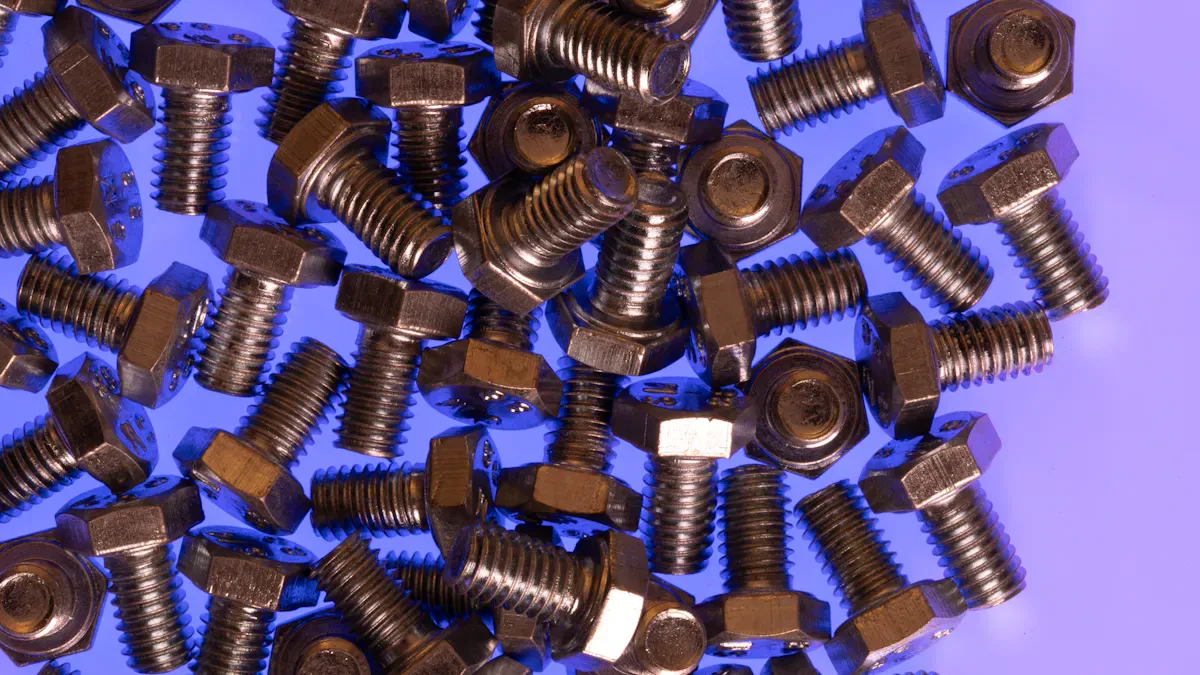

An exhaust system’s integrity relies heavily on its connections. The 2-inch 3-bolt exhaust flange offers a robust solution for high-performance applications. Its design provides superior clamping force and even pressure distribution across the gasket. This makes it an excellent choice where a durable, leak-proof seal is critical. However, its primary drawbacks include a more challenging installation. The process requires precise alignment of the Фланцевый болт and is less common than standard 2-bolt flanges. Proper литье болтов ensures strength, but for specific needs, a производитель крепежных изделий на заказ can supply the right нестандартные крепежные элементы.
Understanding the 2-Inch 3-Bolt Exhaust Flange
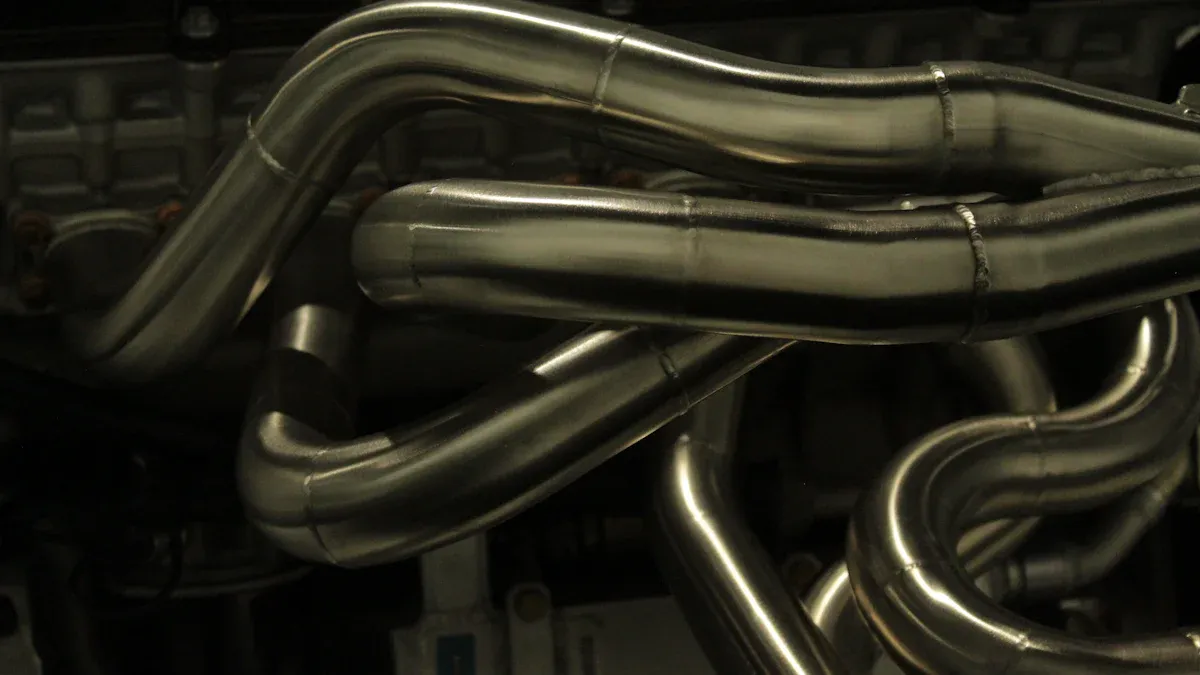
A deeper look at the 2-inch 3-bolt exhaust flange reveals why it is a specialized component. Its design and material properties directly contribute to its performance in demanding exhaust systems. Understanding these details helps technicians and enthusiasts make informed decisions.
What Defines a 2-Inch 3-Bolt Flange?
The flange’s name describes its two most important features: its size and its bolt configuration. These elements work together to define its function and application.
Measuring the “2-Inch” Dimension
The “2-inch” measurement refers to the nominal inner diameter (ID) of the exhaust pipe the flange is designed to connect. It does not describe the flange’s outer diameter or the distance between bolt holes. A 2-inch flange will have an opening that smoothly matches a 2-inch pipe, ensuring unrestricted exhaust flow.
The Triangular Bolt Pattern Explained
The “3-bolt” designation points to the triangular arrangement of the bolt holes. This pattern is not arbitrary; it is engineered to distribute clamping pressure evenly across the gasket surface. This geometric stability is a key advantage over flanges with fewer bolts.
Key Characteristics of a 3-Bolt Exhaust Flange
Beyond its basic geometry, the flange’s material, gasket compatibility, and common uses define its role in an exhaust system.
Materials Used: Stainless Steel vs. Mild Steel
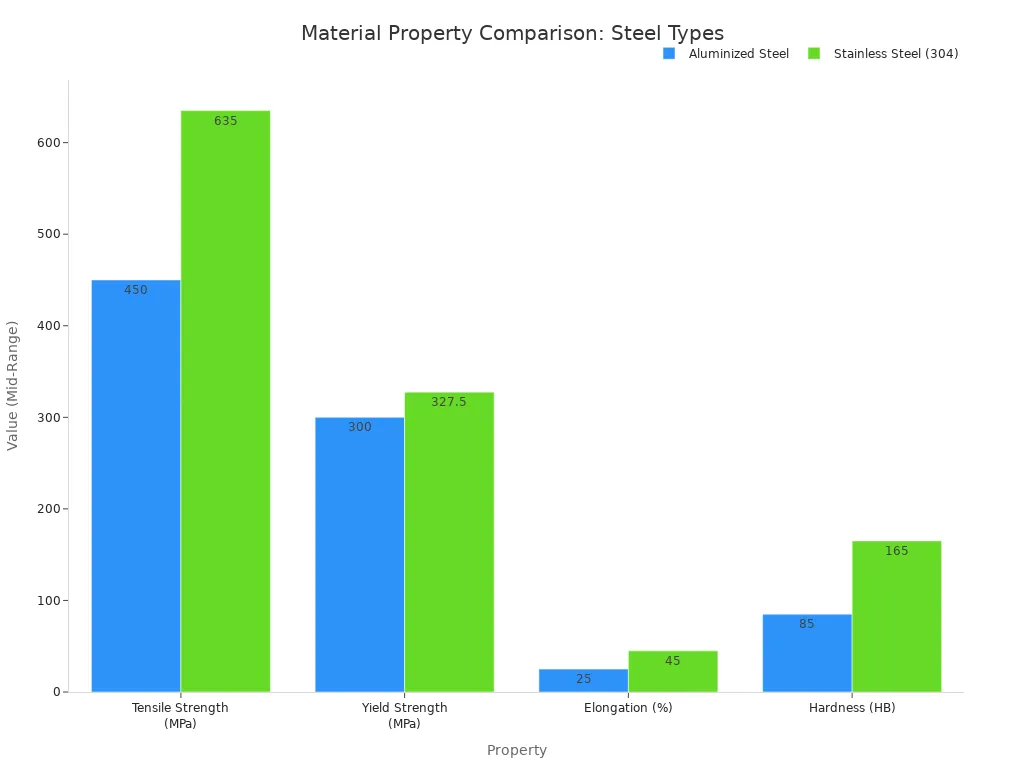
Manufacturers typically construct flanges from either stainless steel or aluminized mild steel. Aluminized steel has a coating of an aluminum-silicon alloy that provides good corrosion resistance and strength. Stainless steel, with its high chromium content, forms its own protective layer and is inherently resistant to rust. While aluminized steel is a cost-effective choice, stainless steel offers superior durability, strength, and heat tolerance, making it the premium option.
Gasket Types and Compatibility
A proper seal depends on the correct gasket. Common types include:
- Multi-Layer Steel (MLS): Excellent for high-pressure, high-temperature applications like turbochargers.
- Composite/Graphite: A reliable and affordable option for naturally aspirated systems.
The gasket must perfectly match the 2-inch inner diameter and the 3-bolt pattern to prevent leaks.
Common Applications in OEM and Aftermarket Systems
Automakers often use this flange type in OEM turbocharged vehicles at the downpipe connection. In the aftermarket, it is a popular choice for high-performance headers and custom exhaust systems where connection integrity is paramount.
Hardware Requirements for a Secure Fit
The correct hardware is just as critical as the flange itself. Using substandard bolts or improper torque can undermine the entire connection.
Recommended Bolt Size: Why M8 is Common
M8 and M10 bolts are standard for this application. An M8 x 1.25 bolt, often torqued to approximately 16 ft-lbs (22 N·m), provides sufficient clamping force for a 2-inch flange without risking damage to the flange or gasket.
The Importance of High-Grade Bolts (8.8+ Tensile)
Exhaust hardware endures constant vibration and extreme heat cycles. High-grade bolts, such as Class 8.8 or higher, possess the tensile strength to resist stretching and loosening over time. Lower-grade bolts can fail, leading to dangerous exhaust leaks.
Washers and Nuts: Completing the Assembly
Требуемый диаметр твердосплавного сверла Always use high-quality washers and locking nuts. Washers distribute the bolt’s clamping force evenly, while locking nuts (or a quality thread-locking compound) prevent the hardware from backing out due to vibration. This simple step ensures a “fit-and-forget” connection.
The Pros: Advantages of a 2-Inch 3-Bolt Flange
The 3-bolt flange design offers significant engineering advantages over simpler connection types. Its robust nature provides reliability in environments where standard flanges might fail. These benefits center on superior sealing, structural strength, and long-term durability.
Superior Clamping Force and Even Pressure
A secure, leak-free seal begins with how the flange applies force to the gasket. The 3-bolt configuration excels in this area.
The Physics of a Triangular Bolt Pattern
A triangle is an inherently stable geometric shape. The three points of contact in this flange design create a stable clamping plane. When technicians tighten the bolts, the force distributes evenly across the entire circumference of the flange face. This principle ensures consistent pressure on the gasket.
How Even Pressure Protects the Gasket
An exhaust gasket requires uniform compression to seal effectively. Uneven pressure creates high and low spots. High spots can crush the gasket material, causing premature failure. Low spots leave gaps that allow hot exhaust gases to escape. The even pressure from a 3-bolt design prevents these issues and extends the gasket’s service life.
Comparing Pressure Points to a 2-Bolt Flange
A 2-bolt flange applies pressure along a single axis between its two bolts. This can cause the flange to pivot slightly, creating less pressure on the areas furthest from the bolts. The 3-bolt exhaust flange eliminates this pivot point. Its triangular pattern ensures the entire sealing surface receives consistent, reliable clamping force.
Enhanced Strength and Structural Rigidity
An exhaust system endures significant physical stress. The flange must not only seal gases but also provide structural support.
Resisting Torsional Flex and Engine Movement
Engines naturally vibrate and move on their mounts during acceleration and deceleration. This movement transfers torsional (twisting) stress into the exhaust system. A 3-bolt flange provides superior resistance to this flex, maintaining its alignment and preventing stress-related leaks.
The Third Bolt as a Structural Stabilizer
The third bolt acts as a critical stabilizing point. It prevents the connected pipes from rotating or shifting out of alignment. This added rigidity is especially important for heavy or long exhaust components, such as downpipes or catalytic converters, which can exert significant leverage on a connection point.
Ideal for High-Vibration Environments
Application Insight: High-revving engines, performance camshafts, and off-road conditions all introduce intense vibrations. The inherent stability of the 3-bolt pattern makes it the preferred choice for these applications, as it significantly reduces the risk of hardware loosening or connection failure over time.
Reduced Likelihood of Gasket Blowouts
A gasket blowout is a catastrophic failure that can damage components and create a dangerous exhaust leak. The 3-bolt design is a primary defense against this problem.
What Causes an Exhaust Gasket to Fail?
Gasket failure typically results from a combination of factors:
- Extreme Pressure: High-pressure exhaust pulses push against the gasket.
- Intense Heat: High temperatures degrade the gasket material.
- Uneven Clamping: Creates weak points where gases can escape.
A blowout occurs when exhaust pressure violently forces a section of the gasket out of the flange connection.
Mitigating High-Pressure Pulses with a 3-Bolt Design
The secure, even clamping of a 3-bolt flange contains high-pressure exhaust pulses effectively. The uniform seal leaves no weak points for the pressurized gas to exploit. This containment is crucial for maintaining performance and preventing leaks.
Essential for Turbocharged and Performance Setups
Turbocharged engines generate immense heat and pressure right after the turbine housing. A 3-bolt flange is standard practice for connecting a downpipe in these setups. Its ability to withstand these extreme conditions ensures a reliable, leak-proof seal where it matters most, protecting engine performance and preventing hot gas from escaping into the engine bay.
Long-Term Durability and Connection Integrity
The design of a 3-bolt flange directly contributes to its exceptional durability. This makes it a reliable component for the entire service life of an exhaust system when properly implemented. Its integrity stems from its ability to resist the harsh conditions of daily operation.
Minimizing Bolt Loosening from Heat Cycles
Exhaust systems undergo constant thermal expansion and contraction. These heat cycles are a primary cause of bolt loosening. As metal components heat up, they expand. When they cool, they contract. This repeated movement can cause standard fasteners to lose their torque over time, leading to leaks. The rigid structure of a 3-bolt flange inherently resists these forces. Its stable clamping plane minimizes the microscopic shifts that cause bolts to back out.
High-performance component manufacturers often enhance this stability further. They employ specific strategies to ensure the connection remains secure:
- Specialty copper exhaust nuts are often included in hardware kits. These nuts are designed to maintain their torque specifications even under extreme heat cycling.
- A multi-layer steel gasket works with the cast flange to provide a stable, leak-free connection that accommodates minor thermal movement.
- Some advanced systems even incorporate a slip-joint expansion section elsewhere in the pipe to absorb larger movements, reducing stress on the flange itself.
Maintaining a Reliable Seal Over Time
A connection’s ability to hold a seal is its most important job. The 3-bolt flange excels at maintaining this seal over thousands of miles. The even pressure distribution prevents the gasket from developing weak spots. The flange’s resistance to vibration and torsional flex ensures the gasket remains correctly compressed. This combination means the seal does not degrade prematurely. Unlike simpler connections that may require periodic re-torquing, a properly installed 3-bolt connection holds its seal without ongoing maintenance.
A “Fit-and-Forget” Solution When Installed Correctly
The ultimate goal of any robust mechanical connection is long-term reliability. The 3-bolt exhaust flange achieves this, offering a “fit-and-forget” solution for technicians and vehicle owners.
Ключевой вывод: The long-term benefits of this flange are entirely conditional on a precise initial installation. Correct alignment, proper bolt torque sequence, and the use of high-grade hardware are not optional; they are essential requirements.
When these steps are followed, the connection becomes a permanent, trustworthy part of the exhaust system. It provides peace of mind that the seal will hold, preventing the need for future repairs related to leaks or loose hardware at that specific joint.
The Cons: Disadvantages of a 2-Inch 3-Bolt Flange
While the 3-bolt flange offers superior strength, its advantages come with notable drawbacks. These disadvantages primarily relate to installation complexity, cost, and parts availability. A technician must weigh these cons against the performance benefits before choosing this type of connection.
Installation Can Be More Challenging
The robust design of the 3-bolt flange inherently makes its installation more demanding than that of simpler alternatives. Precision and patience are not optional; they are requirements for success.
The Difficulty of Aligning Three Holes at Once
A 2-bolt flange can pivot on one bolt, allowing a technician to easily swing it into place to align the second hole. The 3-bolt design has no such flexibility. Its rigid triangular pattern demands that the installer align all three bolt holes perfectly and simultaneously. The two connecting pipes must be parallel and rotationally exact, leaving no room for error.
Tips and Tricks for Achieving Perfect Alignment
Installers can use several techniques to simplify the alignment process and ensure a proper fit. These methods help manage the flange’s rigidity.
- Use Guide Studs: Temporarily thread two long bolts or studs into the flange holes by hand. These act as guides, allowing the technician to slide the mating flange and gasket into the correct position before installing the final hardware.
- Leave Other Connections Loose: Keep adjacent exhaust hangers and flange connections slightly loose. This provides just enough play in the system to achieve perfect alignment at the 3-bolt connection.
- Work Sequentially: After aligning the flanges, insert all three bolts by hand first. This confirms alignment before any torque is applied.
The Increased Risk of Cross-Threading Bolts
The strict alignment requirement directly increases the risk of cross-threading a bolt. If a technician tries to force a bolt into a slightly misaligned hole, the threads can easily get damaged. A cross-threaded bolt will not achieve proper torque and will compromise the entire connection, often requiring the replacement of both the bolt and the flange.
Higher Potential for Leaks if Improperly Installed
The very design that gives the 3-bolt flange its strength also makes it unforgiving of improper installation. A small mistake during assembly can easily lead to a significant exhaust leak.
The Danger of Uneven Torque Application
Applying torque correctly is critical. If a technician fully tightens one bolt before snugging the other two, the flange will tilt. This creates uneven pressure on the gasket, crushing one side and leaving a gap on the other. The proper procedure involves tightening the bolts in a progressive, alternating pattern to draw the flanges together evenly.
Common Installation Failures Several common mistakes during the installation of a 3-bolt exhaust flange can lead to connection failure. Technicians should avoid:
- Applying incorrect or uneven torque to the bolts.
- Using the wrong gasket type or misplacing the gasket during assembly.
- Ignoring poor pipe alignment and failing to support the exhaust system properly.
- Neglecting to clean and prepare the flange surfaces before installation.
How a Small Alignment Gap Becomes a Major Leak
Even a tiny, paper-thin gap caused by misalignment or uneven torque is a point of failure. High-pressure exhaust gas will force its way through this weak spot. Over time, the hot, fast-moving gas erodes the gasket material and the flange surface, widening the gap and turning a minor hiss into a major leak.
Diagnosing a Poorly Seated 3-Bolt Flange
A technician can diagnose a leaking flange with a few simple checks. The most obvious sign is an audible ticking or hissing sound that increases with engine RPM. A visual inspection may reveal black soot trails around the flange, indicating the path of escaping gas. On a cold engine, carefully feeling for puffs of air around the connection while the engine is running can also pinpoint a leak.
Less Common Availability and Higher Cost
Compared to their 2-bolt counterparts, 3-bolt components are less common and generally more expensive. This impacts both initial purchase and long-term serviceability.
Sourcing Flanges, Gaskets, and Hardware
Standard auto parts stores are more likely to stock a wide variety of 2-bolt flanges and gaskets. Finding a specific 2-inch, 3-bolt flange, a matching gasket, and the correct high-grade hardware often requires ordering from a specialty performance shop or an online supplier. This can lead to project delays if a part is needed immediately.
Cost Comparison: 2-Bolt vs. 3-Bolt Components
The increased material and manufacturing complexity of 3-bolt components translate to a higher price point. The cost difference is evident across the flange, gasket, and necessary hardware.
| Компонент | Typical 2-Bolt Cost | Typical 3-Bolt Cost |
|---|---|---|
| Steel Flange | $5 – $15 | $10 – $25 |
| Gasket | $3 – $10 | $8 – $20 |
| Hardware Set | $2 – $8 | $5 – $15 |
| Total | $10 – $33 | $23 – $60 |
Considerations for Custom Fabrication Projects
For custom exhaust fabricators, the choice of flange impacts the project’s budget and timeline. Using 3-bolt flanges means accounting for the higher component cost in the customer’s quote. Fabricators must also factor in the potential for longer lead times when sourcing these less common parts, which can affect the overall project schedule.
Increased Disassembly and Reassembly Time
Time is a valuable resource in any automotive shop or garage. The design of the 3-bolt flange, while strong, directly increases the time required for service. This makes it a less practical choice for systems that need frequent disassembly.
The Extra Hardware in Maintenance and Repair
Every repair or maintenance task involving this flange requires managing more components. A standard 2-bolt connection has two bolts and two nuts. A 3-bolt connection adds 50% more hardware to the equation. A technician must remove and later reinstall three bolts, three nuts, and potentially six washers. This simple increase in component count adds minutes to any job. The risk of dropping and losing a nut or bolt in a cramped engine bay also rises, which can cause significant delays.
Working in Tight or Hard-to-Reach Spaces
The placement of the third bolt often presents the biggest challenge. In many vehicles, this bolt is positioned at the top of the flange, where access is severely limited.
A technician may find the transmission housing, a crossmember, or the vehicle’s floor pan directly obstructing the path for tools. Reaching this bolt can require a specific combination of socket extensions and universal joints, turning a straightforward task into a puzzle. This difficulty not only adds time but also increases frustration and the potential for scraped knuckles. (This emoji should be removed for professional tone)
Comparing Service Time to Other Flange Types
The extra time needed to service a 3-bolt connection becomes clear when compared to other common exhaust joints. While exact times vary by vehicle, the general trend shows a significant penalty for the 3-bolt design, especially when compared to a V-band clamp.
| Тип фланца | Estimated Disassembly/Reassembly Time | Key Factors |
|---|---|---|
| 3-Bolt Flange | 20 – 40 minutes | Requires aligning 3 holes; often has one hard-to-reach bolt. |
| 2-Bolt Flange | 10 – 20 minutes | Easier alignment; fewer fasteners to manage. |
| V-Band Clamp | 2 – 5 minutes | Single nut for quick release; self-aligning design. |
| Slip-Fit Clamp | 5 – 15 minutes | Simple but can be difficult to separate if corroded. |
This table illustrates why race teams and builders who prioritize quick service often choose V-band clamps. For them, the minutes saved during a trackside repair are more valuable than the specific rigidity offered by a bolted flange.
Head-to-Head: 3-Bolt Flange vs. Other Connections
Choosing the right exhaust connection involves weighing performance, cost, and ease of use. A direct comparison shows where the 3-bolt flange excels and where other options offer practical advantages.
Detailed Comparison: 3-Bolt vs. 2-Bolt Flange
Sealing Capability and Pressure Handling
A 3-bolt flange distributes clamping force evenly around the gasket. This creates a highly reliable seal capable of handling high exhaust pressures. A 2-bolt flange applies pressure along a single axis, which can cause it to pivot and create weak spots in the seal.
Strength, Rigidity, and Vibration Resistance
The triangular pattern of the 3-bolt exhaust flange offers superior structural rigidity. It strongly resists twisting forces and engine vibration. The 2-bolt design is less rigid and more susceptible to flexing under stress.
Ease of Installation and Maintenance
Technicians find the 2-bolt flange much easier to install. They can align one bolt, then pivot the flange to align the second. The 3-bolt design requires simultaneous alignment of all three holes, increasing installation time and complexity.
Cost and Parts Availability
Two-bolt components are inexpensive and widely available at most auto parts stores. Three-bolt flanges, gaskets, and hardware are less common and carry a higher price tag, often requiring orders from specialty suppliers.
Detailed Comparison: 3-Bolt vs. V-Band Clamp
Sealing Performance: The V-Band Advantage
A V-band clamp provides a perfect 360-degree seal. Its design pulls two interlocking flanges together with uniform pressure, making it arguably the best sealing solution available. It is often preferred in high-boost turbo applications.
Installation Speed and Simplicity
V-band clamps are the champion of quick service. A technician can connect or disconnect an entire exhaust section by loosening a single T-bolt nut. This makes them ideal for racing or applications requiring frequent disassembly. (This emoji should be removed for professional tone)
Cost Breakdown: Initial vs. Long-Term
V-band systems have a high initial cost. The clamp and the two required weld-on flanges are significantly more expensive than a bolted flange setup. However, the time saved during long-term maintenance can offset this cost for some users.
Weight and Profile Differences
V-band clamps are generally lighter and have a lower profile than bulky bolted flanges. This makes them an excellent choice for building compact exhaust systems in tight engine bays.
Detailed Comparison: 3-Bolt vs. Slip-Fit with Clamp
The Budget Option: Pros and Cons of Slip-Fit
A slip-fit connection, where one pipe slides inside another and is secured with a U-bolt clamp, is the cheapest method. Its primary advantage is its low cost. Its main disadvantage is its poor sealing and structural integrity.
Leak Potential and Long-Term Reliability
Slip-fit joints are notoriously prone to leaking. The clamp rarely provides a perfect seal, and the joint can loosen over time. They are not reliable for high-pressure or critical connection points.
When a Simple Clamp is Good Enough
A slip-fit connection is adequate for low-stress parts of an exhaust system, such as connecting a muffler to a tailpipe on a standard daily driver. It is a functional, budget-friendly choice where a perfect seal is not critical.
Why a Flange is a Superior Choice for Durability
For any connection near the engine, such as headers or a downpipe, a bolted flange is a far superior choice. It provides a durable, rigid, and reliable seal that a simple slip-fit clamp cannot match.
Practical Application Guide: When to Use a 2-Inch 3-Bolt Flange
Understanding the specific scenarios where a 3-bolt flange excels helps engineers and builders make informed decisions. Its unique strengths make it the ideal choice for applications where heat, pressure, and vibration would overwhelm lesser connections.
Ideal Use Case 1: Turbo Downpipes
The connection between a turbocharger and its downpipe is one of the most demanding points in any exhaust system. This flange is purpose-built for such an environment.
Handling High Temperatures and Pressure
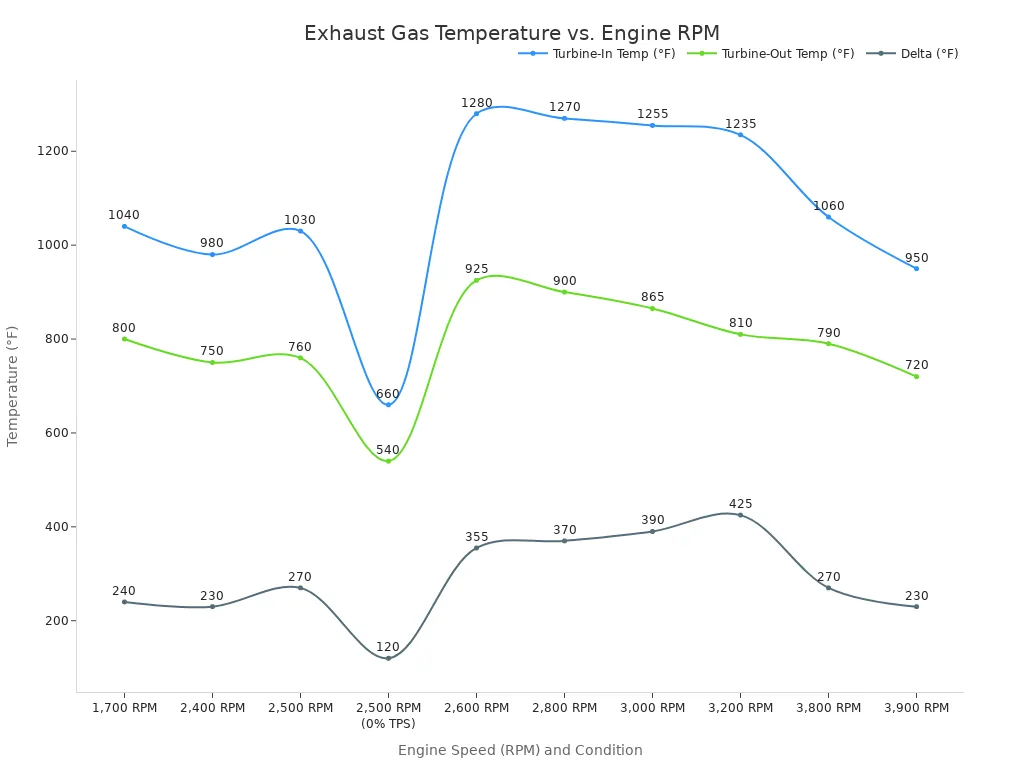
A turbocharger superheats exhaust gases. Turbine outlet temperatures can easily exceed 900°F (482°C) under heavy load. The flange must contain these temperatures and the significant backpressure created by the system.
With an exhaust brake engaged, backpressure can reach 30 to 40 psi. The turbine inlet and outlet temperatures become nearly identical under these conditions, placing immense thermal stress on the connection.
The robust, thick construction of a 3-bolt flange resists warping under this intense heat.
Resisting Engine and Turbo Vibration
Both the engine and the spinning turbo assembly generate constant, high-frequency vibrations. A 3-bolt flange’s rigid triangular pattern provides exceptional stability. It prevents the heavy downpipe from shifting, which protects the turbo housing from stress and ensures the hardware does not loosen over time.
Ensuring a Leak-Free Connection Post-Turbo
Any exhaust leak immediately after the turbocharger results in a significant loss of performance. It also releases dangerously hot gases into the engine bay. The superior clamping force of the 3-bolt design creates a reliable, gas-tight seal that is essential for maintaining boost pressure and engine safety.
Ideal Use Case 2: High-Performance Headers
High-performance naturally aspirated engines also benefit from this flange’s strength, particularly at the header-to-mid-pipe connection.
Managing Intense Exhaust Pulses
Performance engines with aggressive camshafts and high compression ratios produce powerful, sharp exhaust pulses. These pulses can hammer against a gasket and cause a blowout in a weaker 2-bolt connection. The even pressure of a 3-bolt flange contains these forces effectively.
Connecting Headers to the Mid-Pipe Securely
The connection between the header collectors and the rest of the exhaust system is a critical structural point. The 3-bolt flange provides a rigid joint that resists engine torque and movement, preventing cracks and leaks.
Preventing Leaks in Performance N/A Builds
Even without a turbo, maintaining exhaust gas velocity is key to performance. Leaks introduce turbulence and disrupt scavenging. The reliable seal from a 3-bolt flange ensures the system operates at peak efficiency.
Ideal Use Case 3: Heavy-Duty and Off-Road Vehicles
Vehicles that operate in harsh conditions require components that prioritize durability above all else.
Withstanding Frame Flex and Chassis Movement
Off-road driving constantly twists a vehicle’s frame. This movement transfers immense stress into the exhaust system. A rigid 3-bolt connection helps the exhaust move as a single unit, preventing individual components from breaking under the strain.
The Importance of a Rigid Exhaust Connection
In heavy-duty applications, the exhaust is often a long, heavy assembly. The structural integrity of a 3-bolt flange prevents sagging and ensures proper alignment, reducing stress on hangers and other connection points.
Ensuring Durability in Harsh Environments
From rocky trails to construction sites, these vehicles endure constant impacts and vibrations. The strength and secure nature of the 3-bolt exhaust flange make it a “fit-and-forget” solution that can withstand the abuse. (This emoji should be removed for professional tone)
When to Avoid a 3-Bolt Flange
While its strength is undeniable, the 3-bolt flange is not a universal solution. In several common scenarios, its complexity and cost outweigh its benefits, making other connection types a more practical choice.
Standard Cat-Back Systems on Daily Drivers
A standard cat-back exhaust system on a daily driver operates under relatively low stress. The temperatures and pressures are far less extreme than those found near a turbocharger or performance headers. In this context, the superior rigidity of a 3-bolt connection is simply overkill. A more conventional 2-bolt flange or even a simple slip-fit clamp provides adequate sealing and structural support for this application. These simpler options are easier to install and more cost-effective, making them a better fit for the needs of a typical commuter vehicle.
Budget-Focused or Temporary Builds
Cost is a major factor in many automotive projects. The 3-bolt flange system presents several financial hurdles for builders on a tight budget.
- The flanges themselves are more expensive.
- Matching gaskets and high-grade hardware add to the total cost.
- Sourcing these less common parts can lead to higher shipping fees or project delays.
For temporary mock-ups or budget-conscious builds, the added expense is difficult to justify. A readily available and affordable 2-bolt flange offers a much better balance of performance and price for these projects.
Applications Where Quick Disassembly is a Priority
In environments where speed is everything, the 3-bolt flange becomes a liability. Its installation and removal process is inherently slow due to the need to align three holes and manage multiple fasteners. This makes it unsuitable for applications requiring frequent service or component swaps, such as racing.
For these situations, the V-band clamp is the superior choice. V-band clamps are lighter and quicker to service, using a single nut for rapid installation and removal. Their compact design is ideal for tight engine bays, and they can be reused repeatedly without needing new gaskets.
One user highlighted this practical advantage, noting they chose V-bands because the “ease of swapping out cats to run leaded race fuel at the track was” a priority. With a bolted flange, a technician would “have to replace the hardware and gasket” each time.
This makes the V-band clamp the clear winner for race cars or any vehicle where minimizing downtime is more critical than the specific rigidity of a bolted connection.
The 2-inch 3-bolt flange provides exceptional strength and a reliable, leak-proof seal. This makes it the preferred choice for high-performance, turbocharged, or high-vibration applications. Its effectiveness, however, depends entirely on a careful and precise installation. Technicians must prevent misalignment or uneven torque to avoid leaks. For projects where connection integrity is paramount, it is a superior engineering choice. However, a 2-bolt flange or V-band clamp offers a more practical balance of performance, cost, and convenience for standard daily drivers, budget builds, or systems requiring frequent service.
Частые вопросы
What is the correct torque for a 2-inch 3-bolt flange?
Специалист обычно затягивает болты M8 с моментом около 16–22 фунт-футов (22–30 Н·м). Для болтов M10 требуется больший момент затяжки — 30–40 фунт-футов (41–54 Н·м). Всегда сверяйтесь со спецификациями производителя компонентов для получения наиболее точных значений, чтобы избежать повреждений.
Можно ли повторно использовать прокладку выхлопной системы на 3 болта?
Нет, прокладки выхлопной системы повторно использовать нельзя. Использованная прокладка уже деформирована и подвергнута тепловым циклам. Она не обеспечит надежное уплотнение при повторной установке. Всегда устанавливайте новую прокладку при разборке фланцевого соединения, чтобы гарантировать герметичность.
Всегда ли нержавеющая сталь — лучший выбор для 3-болтового фланца?
Нержавеющая сталь обладает превосходной коррозионной стойкостью и термостойкостью, что делает её идеальным выбором для высокопроизводительных или долгосрочных применений. Однако, алюминированная малоуглеродистая сталь обеспечивает хорошие характеристики при более низкой стоимости. Это подходящий выбор для бюджетных проектов или менее требовательных условий эксплуатации.
Почему некоторые 3-болтовые фланцы имеют продолговатые отверстия?
Продолговатые отверстия позволяют выполнить небольшую регулировку во время установки. Эта особенность помогает специалистам легче достичь соосности, особенно в нестандартных выхлопных системах, где подгонка труб может быть неидеальной. Она обеспечивает небольшой допуск для незначительных угловых или линейных отклонений между трубами.
Какой способ затяжки болтов является наилучшим?
Специалист должен затягивать болты по прогрессивной схеме «звездой». Сначала следует равномерно подтянуть все три болта вручную. Затем прикладывать момент затяжки поэтапно, чередуя болты. Этот метод обеспечивает равномерное сжатие фланцев и равномерное давление на прокладку.
Может ли 3-болтовый фланец устранить существующую утечку в выхлопной системе?
3-болтовый фланец не может устранить утечку, вызванную трещиной в трубе или деформированной поверхностью прилегания. Он герметизирует только соединение между двумя правильно подготовленными трубами. Для успешной герметизации специалист должен сначала устранить любые имеющиеся повреждения, прежде чем устанавливать новый фланец и прокладку.