
Выбор правильного анкеров для полых стен имеет решающее значение для успешного навешивания предметов. Выбор правильного дюбеля определяется весом предмета и толщиной стены. Исследования показывают высокий процент отказов дюбелей, часто из-за неправильного выбора. Успех проекта зависит от соответствия грузоподъемности дюбеля весу объекта. Это руководство упрощает подбор размеров дюбелей для полых стен.
Краткий справочник
- Легкая нагрузка (2-11 кг): Пластиковые распорные дюбели для картин, рамок, датчиков дыма.
- Средняя нагрузка (11-34 кг): Саморезы для гипсокартона и болты Молли для карнизов, зеркал.
- Тяжелая нагрузка (34+ кг): Тoggle-болты и Pop Toggle для крепления телевизоров, шкафов.
A производитель крепежных изделий на заказ также может обеспечить специализированные Анкерные болты или специальные анкерные болты для особых требований по нагрузке.
Соответствие типа дюбеля грузоподъемности
Выбор правильного дюбеля требует четкого понимания его конструкции и предполагаемой нагрузки. Дюбели разработаны для определенных весовых диапазонов — от легких декоративных предметов до тяжелых функциональных конструкций. Соответствие типа дюбеля весу объекта — это самый важный шаг для надежного и долговечного монтажа. В этом разделе представлены распространенные дюбели для полых стен с разбивкой по классу нагрузки.
Дюбели для легкой нагрузки (2-11 кг)
Дюбели для легкой нагрузки предназначены для простых применений с небольшой силой. Обычно они изготавливаются из пластика и удерживаются за счет распора или трения. Превышение их пределов нагрузки может привести к различным видам отказов, включая вырывание дюбеля, срыв резьбы шурупа в пластике или разрушение самого гипсокартона вокруг дюбеля.
Пластиковые распорные анкеры
Пластиковые распорные дюбели — наиболее распространенный тип для очень легких предметов. Пользователь сверлит отверстие, вставляет пластиковую гильзу и вкручивает в нее шуруп. Резьба шурупа заставляет ребристые стороны дюбеля расширяться, создавая трение о внутреннюю поверхность гипсокартона. Их вырывная прочность невелика, обычно около 4,5 кг в гипсокартоне, хотя в твердом материале, таком как бетон, она может увеличиться до 13,6 кг. Резьбовые пластиковые дюбели для гипсокартона предлагают небольшое улучшение, выдерживая от 6,8 до 11,3 кг.
Пластиковые дюбели с крыльями
Пластиковые дюбели с крыльями обеспечивают более надежное крепление, чем стандартные распорные типы. При закручивании шурупа корпус дюбеля сжимается, и два “крыла” прижимаются к задней стороне гипсокартона. Это распределяет нагрузку на большую площадь поверхности, предотвращая вырывание. Эти дюбели могут надежно удерживать от 11,3 до 15,9 кг каждый в стандартном гипсокартоне, что делает их значительным улучшением для предметов, которые немного тяжелее.
Лучшие применения для дюбелей легкой нагрузки
Эти дюбели идеально подходят для предметов, оказывающих минимальную статическую направленную вниз силу. Их низкая грузоподъемность делает их непригодными для всего, что будет подвергаться вытягиванию, перемещению или динамическим нагрузкам.
Идеальные проекты для дюбелей легкой нагрузки:
- Небольшие рамки для картин и произведений искусства
- Датчики дыма и угарного газа
- Настенные часы
- Небольшие легкие декоративные полки
Дюбели для средней нагрузки (11-34 кг)
Дюбели для средней нагрузки предлагают существенное увеличение удерживающей способности. Они часто включают металлические компоненты и более прочную конструкцию, чтобы выдерживать большие нагрузки. Это основной выбор для многих распространенных предметов домашнего обихода, требующих надежного крепления.
Саморезы для гипсокартона
Саморезы для гипсокартона упрощают установку, устраняя необходимость в предварительном сверлении. Их острый, похожий на бур наконечник ввинчивается непосредственно в гипсокартон. Широкая агрессивная резьба надежно захватывает гипсовый сердечник. Эта конструкция обеспечивает надежное удержание, причем некоторые нейлоновые модели выдерживают до 22,7 кг. Способность дюбеля создавать собственное отверстие точного размера является ключом к достижению его полной грузоподъемности.
Болты Молли (с острием и без острия)
Болты Молли, или гильзовые анкеры, — это классическое решение для средней нагрузки. Они состоят из металлической гильзы и машинного винта.
- Болты Молли с острием: Имеют острый наконечник и могут забиваться непосредственно в гипсокартон, создавая собственное отверстие.
- Болты Молли без острия: Требуют предварительно просверленного отверстия для установки.
После установки закручивание винта приводит к сжатию металлической гильзы и ее раскрытию за стеной, создавая очень прочную несущую опору. Этот механизм обеспечивает отличную удерживающую способность для распространенных бытовых конструкций.
Лучшие применения для дюбелей средней нагрузки
Эти дюбели универсальны и подходят для широкого спектра распространенных предметов домашнего обихода, которые слишком тяжелы для пластиковых дюбелей. Они обеспечивают надежную точку крепления для конструкций, которые используются регулярно.
Идеальные проекты для дюбелей средней нагрузки:
- Карнизы и гардины
- Большие зеркала и тяжелые картины
- Полотенцедержатели и сантехническая арматура
- Настенные стеллажи
Дюбели для тяжелой нагрузки (34+ кг)
Для самых тяжелых и ответственных применений необходимы дюбели для тяжелой нагрузки. Эти дюбели разработаны для распределения значительных нагрузок по большой площади внутренней поверхности стены, обеспечивая максимальную удерживающую способность и безопасность. Отраслевые стандарты таких организаций, как ASTM и ANSI. , определяют протоколы испытаний этих прочных крепежных элементов.
Пружинные Toggle-болты
Пружинные Toggle-болты имеют пару подпружиненных крыльев, прикрепленных к длинному машинному винту. Пользователь сверлит отверстие, достаточное для прохождения сложенных крыльев. Оказавшись внутри полости стены, крылья раскрываются. Затягивание винта плотно прижимает крылья к внутренней поверхности стены. Эта конструкция распределяет вес объекта на большой площади, позволяя дюбелю выдерживать значительные нагрузки, часто от 11,3 до более 45 кг в зависимости от размера болта и толщины стены.
Ременные Pop Toggle
Ременные Toggle — это современная эволюция Toggle-болта, и они являются одними из самых прочных настенных дюбелей. Пользователь сверлит отверстие, вставляет металлический канал, соединенный с пластиковыми ремнями, а затем сдвигает колпачок по ремням, чтобы зафиксировать канал на задней стороне стены. Излишки ремня затем отламываются. Эта конструкция обеспечивает огромную удерживающую способность, причем некоторые модели рассчитаны на свыше 200 фунтов в гипсокартоне толщиной 1/2 дюйма. Их несущая способность на срез может даже превышать 300 фунтов, что делает их пригодными для самых ответственных работ.
Лучшие области применения сверхпрочных анкеров
Эти анкеры являются единственным безопасным выбором для крепления тяжелых, ценных или критически важных для безопасности предметов к полой стене. Их превосходная прочность обеспечивает спокойствие и предотвращает катастрофический отказ.
| Тип анкера | Области применения |
|---|---|
| Анкеры-бабочки (Toggle Bolts) | Кронштейны для ТВ, тяжелые полки, небольшие шкафчики |
| Ременные анкеры-бабочки | Большие плоскопанельные телевизоры, кухонные шкафы, поручни, настенные раковины |
При выборе любого из этих анкеров крайне важно учитывать безопасную рабочую нагрузку, которую отраслевые стандарты рекомендуют устанавливать на уровне 1/4 от предельной несущей способности, указанной производителем. Этот коэффициент безопасности 4:1 учитывает вариации в состоянии стен и качестве установки.
Понимание размеров и материалов анкеров для полых стен
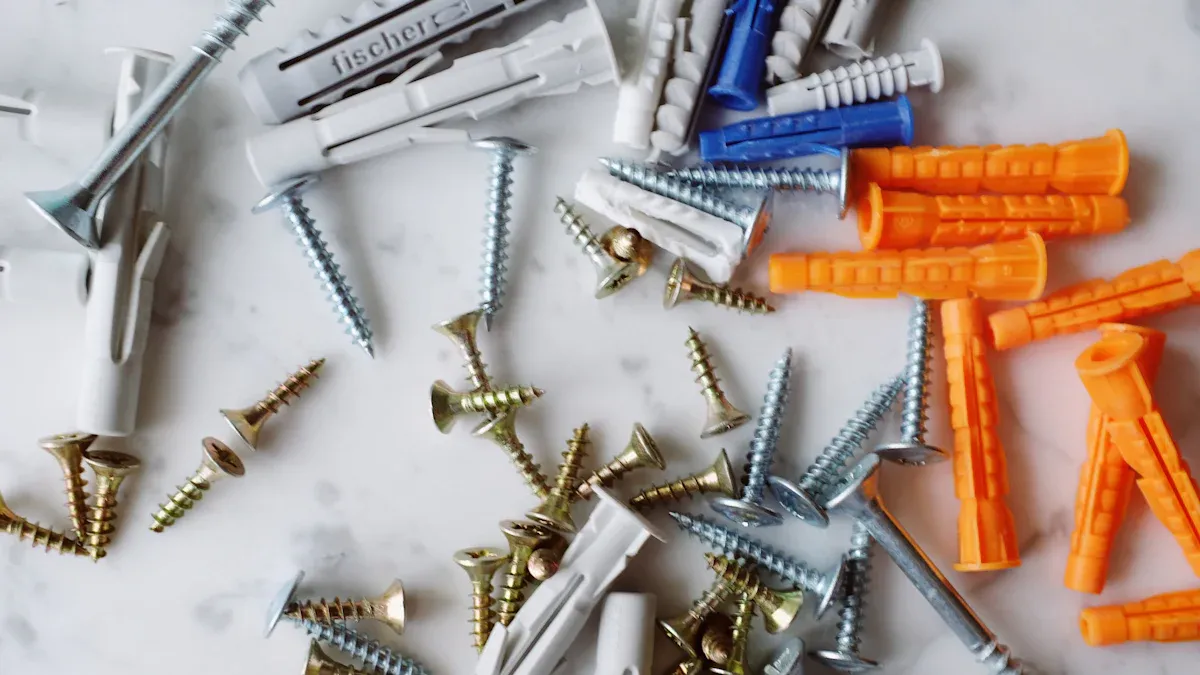
Помимо грузоподъемности, размер и материал анкера являются фундаментальными для его работы. Неподходящий размер может снизить удерживающую силу, а неправильный материал может привести к преждевременному отказу, особенно в определенных условиях. Понимание этих деталей обеспечивает надежный и долговечный монтаж.
Расшифровка размеров анкеров для полых стен
Производители используют конкретные измерения для классификации анкер для полых стен размеров. Эти цифры на упаковке не являются произвольными; они предоставляют критически важную информацию для выбора правильного крепежа для конкретной стены.
Диапазон захвата и толщина стены
Диапазон захвата — это самый важный параметр. Он определяет толщину стены, для работы с которой предназначен анкер. Если диапазон захвата слишком мал, анкер не сможет правильно раскрыться за стеной. Если он слишком велик, анкер не затянется надежно. Анкеры для полых стен доступны в сверхкоротком, коротком, длинном и сверхдлинном исполнении для соответствия разным материалам стен.
Совет: Всегда измеряйте толщину вашей стены перед покупкой анкеров. Стандартный гипсокартон имеет толщину 1/2 дюйма или 5/8 дюйма, но толщина оштукатуренных стен может значительно различаться.
В следующей таблице показаны общепринятые обозначения размеров для втулочных анкеров.
| Размер анкера | Категория досягаемости | Размер отверстия | Диапазон захвата |
|---|---|---|---|
| 1/8″ | Короткая досягаемость (SR) | 1/4″ | 1/8″ – 1/2″ |
| 1/8″ | Длинная досягаемость (LR) | Н/Д | 5/8″ – 7/8″ |
| 3/16″ | Короткая досягаемость (SR) | 3/8″ | 1/8″ – 5/8″ |
| 3/16″ | Длинная досягаемость (LR) | Н/Д | 5/8″ – 1-3/16″ |
| 1/4″ | Короткая досягаемость (SR) | 1/2″ | 1/8″ – 5/8″ |
| 1/4″ | Длинная досягаемость (LR) | Н/Д | 5/8″ – 1-3/16″ |
Диаметр и размер направляющего отверстия
Диаметр анкера определяет размер направляющего отверстия, которое необходимо просверлить. Эта информация всегда указана на упаковке продукта. Использование указанного точного размера сверла крайне важно. Слишком большое отверстие не позволит анкеру зацепиться за стену, а слишком маленькое может повредить стену или сам анкер при установке.
Совместимость с размером винта
Большинство настенных анкеров поставляются в комплекте с подходящими винтами. Если винт не входит в комплект, на упаковке будет указан требуемый диаметр (калибр) и длина винта. Использование слишком тонкого винта не позволит правильно раскрыть анкер. Слишком толстый винт может расколоть анкер.
Выбор правильного материала анкера
Материал анкера влияет на его прочность, долговечность и пригодность для различных условий. Основные варианты — пластик или металл.
Пластиковые и нейлоновые анкеры
Пластиковые анкеры недороги и распространены для легких задач. Для лучшей производительности нейлон является превосходным материалом. Нейлоновые анкеры не подвержены коррозии,, что делает их лучшим выбором, чем многие металлы, во влажной среде. Некоторые типы, такие как нейлон PA 12, демонстрируют отличную долговечность в условиях повышенной влажности и воздействия УФ-излучения, превосходя другие полимеры.
Цинковые и стальные металлические анкеры
Металлические анкеры, обычно изготавливаемые из цинкового сплава или стали, обеспечивают превосходную прочность для средних и тяжелых нагрузок. Однако стандартные анкеры из цинкового сплава обладают ограниченной коррозионной стойкостью.. Они не рекомендуются для наружного использования или помещений с высокой влажностью, где они могут разрушиться и выйти из строя. Для сред с высокой влажностью или агрессивными элементами необходимы анкеры из нержавеющей стали, чтобы предотвратить ржавчину и обеспечить долгосрочную безопасность.
Когда выбирать пластик, а когда металл
Выбор зависит от нагрузки и условий окружающей среды.
- Пластик/Нейлон: Лучший вариант для легких предметов в сухих или умеренно влажных внутренних помещениях.
- Цинк/Сталь: Стандарт для средних и тяжелых нагрузок в сухих, стабильных внутренних условиях.
- Нержавеющая сталь: Необходимы для тяжелых нагрузок во влажных, коррозионных или наружных условиях, таких как ванные комнаты, подвалы или внешние стены.
Ключевые факторы для выбора правильных настенных анкеров
Успешная установка — это не просто выбор анкера по таблице весов. Такие факторы, как материал стены, точные измерения и глубокое понимание рейтингов безопасности, имеют критическое значение. Внимание к этим деталям, включая конкретные размеры анкеров для полых стен, предотвращает повреждение стен и гарантирует, что закрепленный объект останется надежным на долгие годы.
Определение типа и толщины вашей стены
Первый шаг в любом проекте — знать поверхность. Разные материалы стен имеют совершенно разные структурные свойства, что диктует тип анкеров для полых стен, которые можно использовать.
Гипсокартон vs. Штукатурка vs. Шлакоблок
- Гипсокартон (гипсокартонный лист): Это самый распространенный материал для стен в жилых домах. Он состоит из гипсовой сердцевины, спрессованной между двумя листами бумаги. Стандартная толщина составляет болта 1/2 дюйма для внутренних стен и 5/8 дюйма (≈16 мм) для потолков или противопожарных стен. Менее распространенная 1/4 дюйма (≈6 мм) толщина используется для облицовки существующих поверхностей.
- Штукатурка: Встречается в старых домах, штукатурка тверже и более хрупкая, чем гипсокартон. Она наносится на основу из дранки (деревянные рейки или металлическая сетка). Ее толщина может значительно варьироваться, что усложняет выбор крепежа. Сверление штукатурки иногда может привести к образованию трещин.
- Строительные блоки (CMU): Эти стены распространены в подвалах, гаражах и коммерческих зданиях. Блоки могут быть пустотелыми или полнотелыми. Коммерческие проекты, связанные с каменной кладкой, часто имеют строгие требования. Строительные нормы могут ссылаться на стандарты, такие как ACI 318, или требовать крепеж, сертифицированный по стандарту ACI 355.2 для обеспечения заявленных характеристик.
Как измерить толщину стены
Точное измерение необходимо для выбора крепежа с правильным рабочим диапазоном толщины.
Простая методика измерения:
- Просверлите небольшое пилотное отверстие в месте установки крепежа.
- Разогните скрепку, оставив на конце небольшой крючок.
- Вставьте скрепку в отверстие до тех пор, пока крючок не зацепится за тыльную сторону материала стены.
- Зажмите скрепку в месте ее входа в стену.
- Извлеките ее и измерьте расстояние от точки зажима до крючка. Это и есть толщина вашей стены.
Почему толщина определяет выбор крепежа
Каждый распорный и пружинный (бабочка) анкер имеет указанный “рабочий диапазон толщины”. Это диапазон толщин стен, для работы с которым предназначен крепеж. Если стена тоньше, чем минимальное значение диапазона, анкер не сможет правильно затянуться. Если стена толще максимального значения, распорный механизм анкера не сможет раскрыться за поверхностью стены, что приведет к нулевой несущей способности.
Подбор сверл и шурупов
Использование правильного оборудования так же важно, как и выбор подходящего крепежа. На упаковке содержится вся необходимая информация для успешного монтажа.
Как читать информацию на упаковке анкера
Упаковка производителя — ваш основной ориентир. На ней четко указаны:
- Требуемый диаметр сверла.
- Рабочий диапазон толщины стены для анкера.
- Совместимые размеры шурупов (диаметр и длина).
- Максимальная нагрузочная способность анкера.
Выбор правильного размера сверла
Использование точного размера сверла, указанного на упаковке, обязательно.
- . Эта простая ошибка имеет серьезные последствия. **Сверло большего диаметра** не позволит анкеру зацепиться за материал стены, что приведет к его проворачиванию на месте или легкому выпадению.
- не позволяет анкеру эффективно сцепляться с бетоном. Анкер будет проворачиваться в отверстии или не сможет правильно расшириться, что приведет к резкому снижению удерживающей способности. **Сверло меньшего диаметра** затруднит установку анкера, потенциально повреждая стеновую панель или сам анкер.
Выбор правильной длины и диаметра шурупа
Большинство анкеров комплектуются подходящим шурупом. Если нет, упаковка укажет, что использовать. Диаметр и длина шурупа критически важны. Шуруп большего диаметра прочнее и лучше подходит для более тяжелых нагрузок. Длина шурупа должна быть достаточной, чтобы пройти через монтируемый предмет и полностью задействовать распорный механизм анкера. Слишком короткий шуруп не создаст надежного крепления, ставя под угрозу всю установку.
Понимание нагрузочных характеристик для безопасности
На упаковке анкера указана нагрузочная способность, но эту цифру необходимо тщательно интерпретировать для обеспечения безопасности. Существует значительная разница между пределом прочности и безопасной рабочей нагрузкой.
Предел прочности vs. Безопасная рабочая нагрузка
Производители определяют прочность анкера посредством контролируемых испытаний.
- Предел прочности: Это абсолютная максимальная нагрузка, которую анкер может выдержать до разрушения. Эта цифра определяется в лабораторных условиях в идеальной среде.
- Безопасная рабочая нагрузка (SWL): Это максимальный вес, который анкер может безопасно удерживать в реальных условиях. Безопасная рабочая нагрузка составляет лишь часть от предела прочности, создавая важный запас прочности. Ориентация на предел прочности при планировании проекта может привести к перегрузке и катастрофическому разрушению.
Применение коэффициента безопасности 4:1
Отраслевая лучшая практика рекомендует для настенных анкеров коэффициент безопасности 4:1 . Это означает, что безопасная рабочая нагрузка составляет лишь 25% от заявленного предела прочности анкера.
Пример расчета: Если на упаковке анкера указан предел прочности 100 фунтов (≈45 кг), его Безопасная рабочая нагрузка составляет:
100 фунтов / 4 = 25 фунтов (≈11 кг)На этот одиночный анкер не следует вешать предмет тяжелее 25 фунтов. Этот коэффициент учитывает вариации качества стены, несовершенства монтажа и динамические нагрузки. Для ответственных коммерческих проектов монтажники должны консультироваться со строительными нормами, которые могут устанавливать иные коэффициенты или требовать проведения натурных испытаний для проверки прочности анкера.
Особые правила для потолочного монтажа
Крепление предметов к потолку принципиально отличается от крепления к стене. Потолочный объект оказывает постоянное вытягивающее усилие (растягивающую нагрузку) на анкер, где сила тяжести является постоянным противником.
- Увеличьте запас прочности: Для потолочного монтажа рекомендуется удвоить коэффициент безопасности как минимум до **8:1**. 8:1.
- Используйте соответствующие анкеры: Никогда не используйте простые распорные анкеры на потолке. Всегда применяйте пружинные анкеры (бабочки) или болты Молли. или анкеров-бабочек ременного типа, которые распределяют вес по большой площади.
- Проверка установки: Для любого значительного веса критически важно проверить прочность установки перед приложением полной нагрузки. Это гарантирует, что анкеры правильно установлены, а материал потолка может выдержать напряжение.
Пошаговые руководства по установке
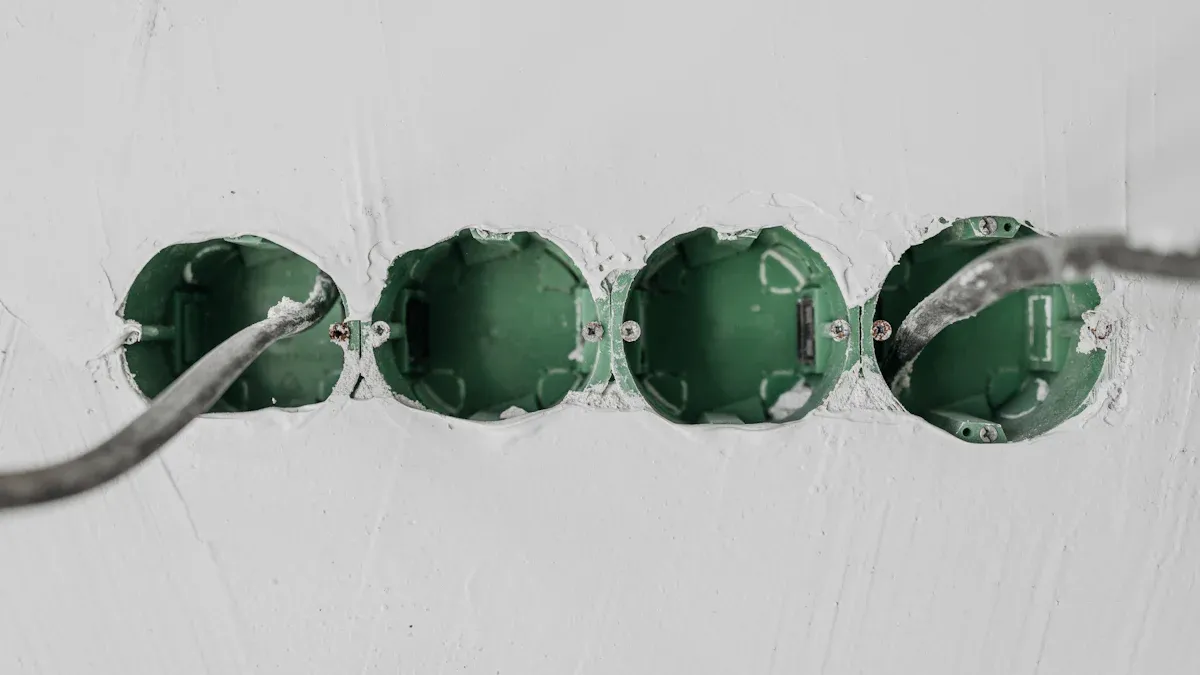
Proper installation is just as important as selecting the right anchor. Following the correct procedure ensures the anchor achieves its maximum holding power and prevents damage to the wall. These guides cover the installation of common light and medium-duty wall anchors.
How to Install a Plastic Expansion Anchor
Plastic expansion anchors are a common choice for lightweight items. Correct installation is key to their performance, especially in older, more fragile wall materials.
Tools and Materials
- Drill with appropriate bit
- Молоток
- Screwdriver
- Plastic expansion anchors with screws
Step 1: Drill the Pilot Hole
A user first drills a pilot hole at the marked location. The drill bit size must match the manufacturer’s specification on the anchor packaging. The hole should be deep enough to accommodate the full length of the anchor.
Step 2: Insert the Anchor
Next, the user pushes the plastic anchor into the hole. It should fit snugly. If needed, a gentle tap with a hammer can seat the anchor flush with the wall surface.
Pro Tip for Brittle Walls 📝 When working with older drywall or plaster, extra care is necessary.
- Clean all dust from the drilled hole for a better fit.
- Push the anchor in by hand whenever possible. Avoid forceful hammering.
- Do not over-tighten the screw, as this can crack the wall or strip the anchor.
Step 3: Drive the Screw
Finally, the user places the item over the anchor and drives the screw. The screw expands the anchor’s fins behind the wall, creating a secure friction hold.
How to Install a Self-Drilling Anchor
These anchors are designed for speed and convenience in standard drywall. However, they are not suitable for all wall types.
Tools and Materials
- Screwdriver (manual or electric)
- Self-drilling anchors with screws
Step 1: Position and Drive the Anchor
The user presses the sharp tip of the anchor against the wall and applies firm pressure. Using a screwdriver, they drive the anchor clockwise until its head is flush with the wall. The aggressive threads cut directly into the drywall. Using self-drilling anchors in hard plaster is a recipe for failure, as their action shatters the brittle material, creating a weak, oversized hole where the threads cannot grip.
Step 2: Set the Screw
The user drives the provided screw into the anchor until it feels snug. This step is often done after the item is positioned.
Step 3: Mount Your Item
The user can now hang the object by driving the screw through the fixture and into the anchor.
How to Install a Molly Bolt
Molly bolts provide excellent medium-duty strength by creating a mechanical flange behind the wall.
Tools and Materials
- Drill with appropriate bit
- Hammer (for pointed types)
- Screwdriver
Step 1: Drill the Pilot Hole
For non-pointed Molly bolts, a user drills a pilot hole matching the anchor’s specified diameter. Pointed types can be gently hammered into the drywall to create their own hole.
Step 2: Insert and Set the Anchor
The user inserts the Molly bolt into the hole until the head is flush. They then turn the screw clockwise. This action causes the metal sleeve to collapse and flare out, forming a strong clamp against the back of the wall.
Step 3: Back Out the Screw and Mount
Once the anchor is set, the user removes the screw. They then position the item over the anchor, re-insert the screw through the fixture, and tighten it to secure the object.
How to Install a Toggle Bolt
Toggle bolts are a classic heavy-duty solution for hollow walls. Their design provides exceptional strength by distributing weight over a large area behind the wallboard. Proper installation of these wall anchors is crucial to achieving their maximum load capacity.
Tools and Materials
- Дрель и соответствующее сверло
- Screwdriver
- Tape measure
- Toggle bolt assembly (bolt and spring-loaded wings)
Шаг 1: Сверление отверстия
A user first marks the desired location for the anchor. They must then drill a hole through the wall. The size of this hole is critical. It needs to be large enough for the folded toggle wings to pass through completely. The anchor’s packaging will specify the exact drill bit diameter required for the job. A hole that is too small will prevent insertion, while an oversized hole can compromise the anchor’s stability.
Step 2: Assemble and Insert the Toggle
Next, the user prepares the toggle bolt for insertion. They remove the spring-loaded wings from the screw. The screw is then passed through the mounting bracket of the object being hung. After that, the user threads the wings back onto the end of the screw.
Installation Best Practices 📝 To ensure the toggle wings open correctly inside the wall cavity and do not get stuck, a user should:
- Screw the bolt just enough so its tip protrudes a few threads past the toggle.
- Fold the wings completely flat against the screw before insertion.
With the toggle assembled, the user pinches the wings together and pushes them through the drilled hole. They should hear or feel a distinct “snap” as the wings spring open inside the wall cavity.
Step 3: Tighten and Secure
The user gently pulls the screw outward. This action seats the expanded wings firmly against the interior wall surface. While maintaining this outward tension, they use a screwdriver to tighten the screw. The screw should be turned until the head is snug against the fixture, securing the item tightly to the wall. It is important to remember that once these anchors are installed, the bolt cannot be removed without the toggle falling inside the wall.
Common Mistakes to Avoid When Installing Wall Anchors
Even with the correct hardware, simple installation errors can lead to failure. Professional contractors report that mistakes in technique and tooling are a primary cause of problems. Avoiding these common pitfalls is essential for a secure and lasting mount.
Using the Incorrect Drill Bit Size
The relationship between the drill bit and the anchor is fundamental. Using the wrong size pilot hole is one of the most frequent installation errors.
The Problem with a Hole Too Big
. Эта простая ошибка имеет серьезные последствия. for the anchor is a recipe for failure. The anchor has nothing to grip, causing it to spin in place or pull out with minimal force. This completely compromises its holding power.
If you’re using a wall anchor that relies on a tight fit within the hole you drilled, you just lost much of your holding power.
This issue is especially problematic with core-drilled holes, which can become oversized and create a smooth surface that reduces an anchor’s ability to bond.
The Problem with a Hole Too Small
Forcing an anchor into a pilot hole that is too small can cause significant damage. A user might deform or break the anchor itself during insertion. The excessive force can also crack brittle plaster or cause the face paper and gypsum core of drywall to bulge and weaken.
Over-Tightening the Screw
Applying excessive force when driving the screw is another critical error. There is a fine line between snug and stripped.
How It Strips the Anchor
Every anchor has a torque limit. Exceeding this limit with a power drill or a heavy hand strips the internal threads. This is especially common with plastic or nylon anchors. Once stripped, the screw can no longer tighten, and the anchor loses all its holding capability.
How It Damages the Wall
Over-tightening also puts immense pressure on the wall material itself. The anchor’s flange can pull into the drywall, crushing the gypsum core and creating a weak, recessed area. In plaster, this action can cause spiderweb cracks to radiate from the hole, compromising the wall’s integrity.
Misunderstanding the Weight Limit
The weight rating on the package is a guideline, not an absolute guarantee. A user must interpret this number correctly to ensure safety.
The Risk of Anchor Failure
Relying on the “ultimate strength” listed on the packaging is dangerous. Installers must always use the “safe working load,” which is typically 25% of that ultimate value. Ignoring this 4:1 safety ratio can overload the anchors, leading to sudden and catastrophic failure.
How to Calculate Total Load
The total load is more than just an object’s static weight. Installers must also consider dynamic loads, which involve movement or vibration. A swinging gate or a shelf that is frequently accessed introduces forces that significantly increase the stress on the wall anchors. For these applications, a user should select anchors with higher load capacities and anti-vibration features. When in doubt, it is always wise to test the strength of the installation before applying the full load.
Reusing Old or Failed Pilot Holes
It is tempting to reuse an existing hole in the wall, but this is a critical mistake that compromises safety. An old pilot hole, especially one from a failed anchor, is a point of weakness that cannot support a new installation.
Why It Compromises Holding Power
A failed pilot hole is more than just an opening; it is a zone of compromised wall material. The original installation and subsequent failure have enlarged the hole and crushed the surrounding gypsum core. The drywall in this area is fractured and loose. When a user installs new anchors in this damaged spot, the threads have no solid material to grip. The anchor will either spin in place or pull out under a fraction of its rated load. Reusing a hole essentially guarantees a weak hold, putting the mounted object and anyone nearby at risk. The integrity of the wall is gone, making a secure mount impossible.
How to Properly Patch and Redrill
A user must restore the wall’s integrity before attempting to drill again. Proper patching creates a solid foundation for new wall anchors. The first step is to deal with the old hardware. A user should remove the old anchor if possible or push it completely through into the wall cavity.
Next, the user prepares the hole for patching by pressing a thumb into it to create a slight “dimple” or crater. This recess allows the patching compound to sit flush with the wall once dry. Several products can effectively fill the hole:
- Quick-Setting Compounds: Products like “hot mud” or Plaster of Paris set rapidly and have minimal shrinkage. A 20-minute mix is a popular choice, allowing for a heavy fill that can be sanded the next day.
- Spackling Paste: Standard spackle is good for small holes. For deeper holes that go through the wall, it may require two or more applications to prevent a recess from forming as it dries.
- Convenience Products: Formulations like DAP DryDex are convenient as they require no mixing. However, they are more expensive and often need several coats to fill a hole completely.
Patching for a Flawless Finish 📝 For a professional result, a user should apply thin coats and allow each to dry. After the final coat, light sanding creates a smooth surface. On textured walls, a user can practice with a can of spray texture on cardboard before applying it to the patch to blend it perfectly.
Once the patch has fully cured and hardened, the area is structurally sound again. A user can then confidently drill a new pilot hole and install the anchor securely.
A successful project depends on correctly matching hollow wall anchor sizes to the job. The key is ensuring the anchor’s safe working load can support the item’s weight and is compatible with the wall’s thickness. Installers should always prioritize safety and durability by following a few core principles.
Final Checklist for a Secure Mount 📝
- A user must always verify the anchor’s capacity against the object’s load.
- Стандарт DIN 933: объяснение manufacturer’s installation instructions are the primary guide for a safe setup.
- When uncertain, selecting a stronger anchor provides greater peace of mind.
Частые вопросы
What should a user do if they hit a wall stud?
A user should stop drilling immediately. Wall studs provide a superior mounting point. They can switch to a standard wood screw driven directly into the stud’s center. This method offers far more strength than any hollow wall anchor. A stud finder helps locate the stud’s edges for precise placement.
Can a user reuse a wall anchor?
No, a user should never reuse a wall anchor. Removing an anchor damages its structure and compromises its holding power. The surrounding wall material also becomes weakened. For safety and security, a user must always use a new anchor for every installation.
How many anchors are needed for a heavy item?
A user should consult the item’s installation manual for specific guidance. Generally, they divide the object’s total weight by the anchor’s safe working load. This calculation determines the minimum number of anchors required. Using more anchors than needed provides an extra margin of safety.
Какой тип анкера для полых стен является самым прочным?
Strap-style pop toggles are among the strongest anchors available for hollow walls. Their design features a metal channel that braces against a large area of the interior wall. This mechanism provides immense holding power, often exceeding 200 pounds for a single anchor in standard drywall.
Why did an anchor spin in the hole? 😵
An anchor spins when the pilot hole is too large. The anchor’s threads or fins cannot grip the wall material. A user must ensure they use the exact drill bit size specified on the anchor’s packaging to prevent this common installation failure.
Can a user install drywall anchors in a plaster wall?
Some anchors work in plaster, but a user must choose carefully. Plaster is brittle and can crack easily.
Best choices for plaster:
- Sleeve-type anchors Как анкеры типа "Молли".
- Распорные анкеры для более тяжёлых предметов.
Что делать, если пользователь потерял винт для анкера?
Пользователь должен найти замену винту с соответствующими характеристиками. На упаковке анкера указаны необходимый диаметр (калибр) и длина винта. Использование слишком тонкого или короткого винта не позволит анкеру правильно раскрыться, что приведёт к ненадёжному креплению.