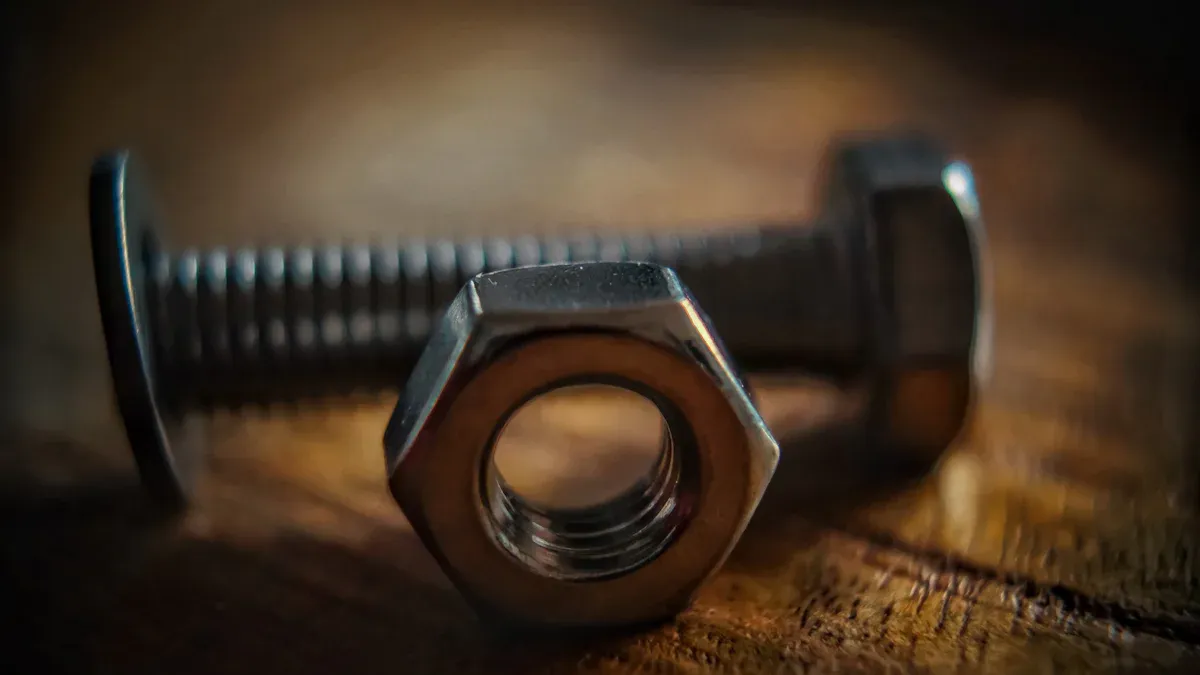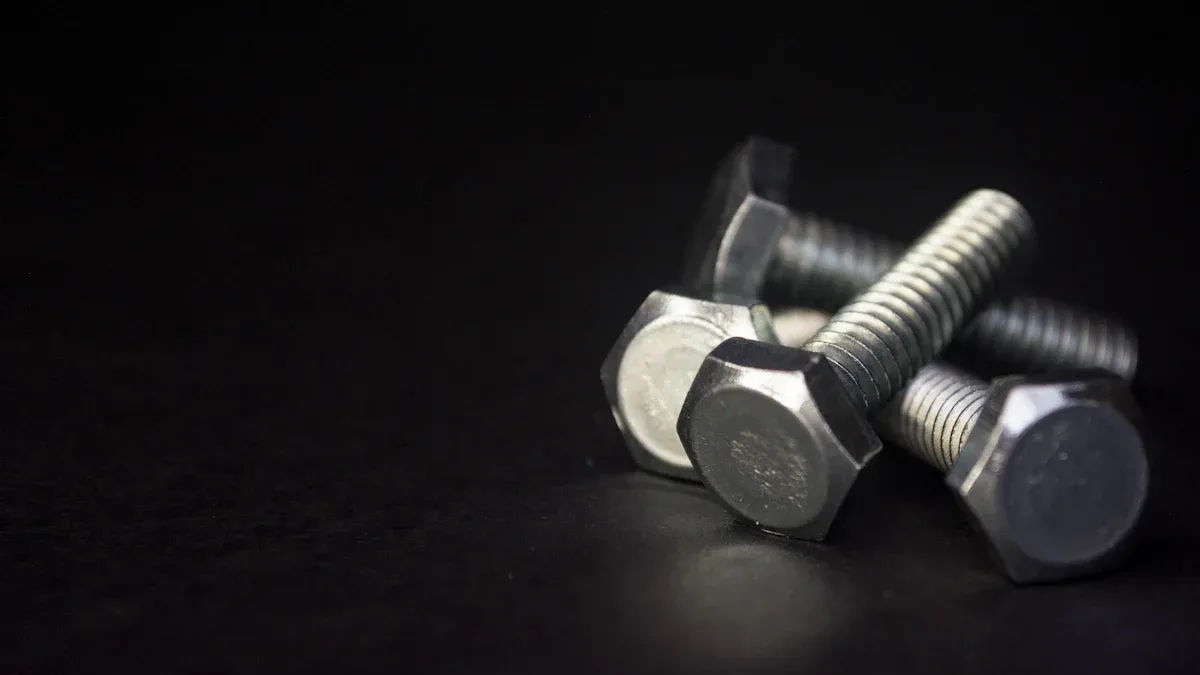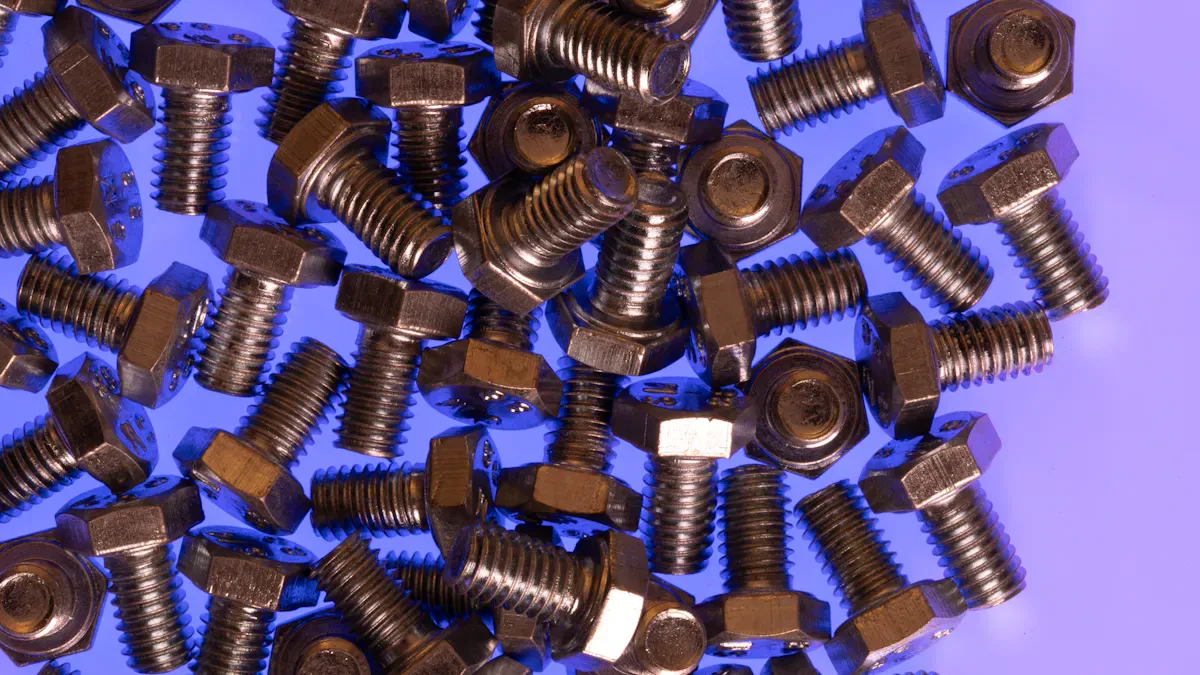
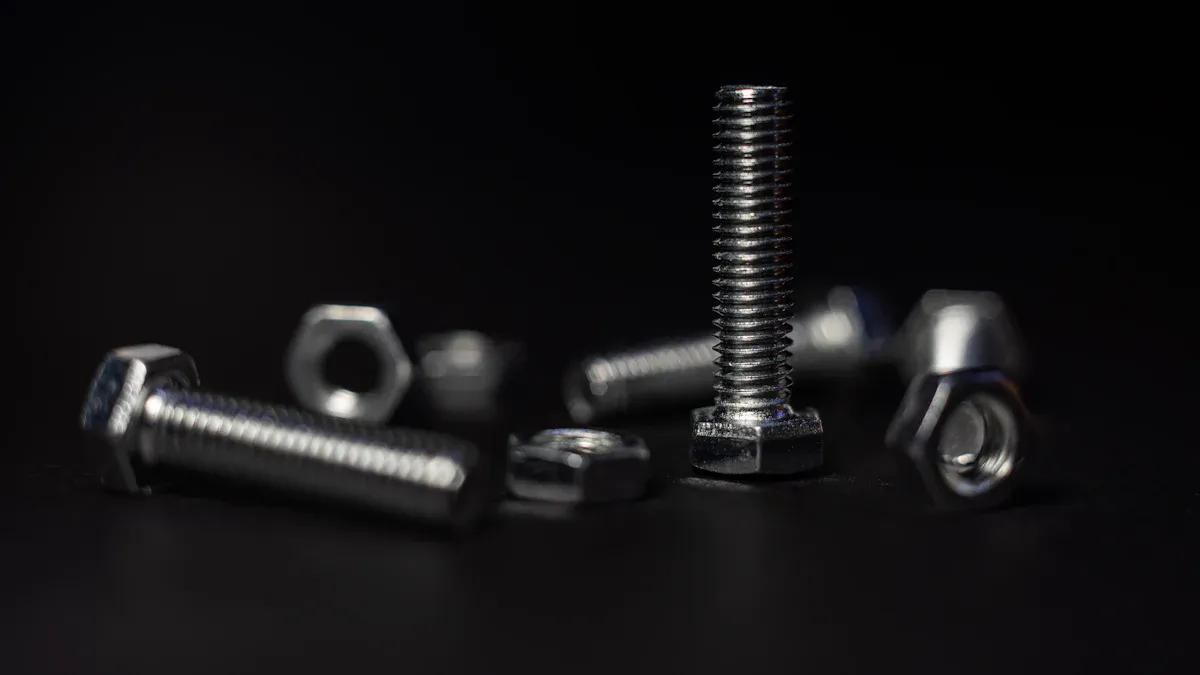
Ключевые различия между шестигранными болтами и винтами с шестигранной головкой сводятся к точности изготовления и способу установки. производитель крепежных изделий на заказ Винты с шестигранной головкой изготавливаются с более жесткими допусками. Этот конкретный крепеж устанавливается путем ввинчивания его шестигранной головки в предварительно нарезанное резьбовое отверстие. В отличие от него, шестигранный болт шестигранный болт является крепежом общего назначения, изготовленным с более широкими допусками по литье болтов процессу. Эти болты проходят через ненарезанные отверстия и требуют гайки. Хотя эти крепежные изделия различны, рыночный анализ часто объединяет их нестандартные крепежные элементы. Головка винтов с шестигранной головкой является определяющей особенностью, однако весь рынок шестигранного крепежа, включая эти винты и другие винты с головкой, представляет собой значительную отрасль.
Мировой рынок этих крепежных изделий, оцененный в 1,5 млрд долларов США в 2022 году, по прогнозам вырастет до 2,0 млрд долларов США к 2031 году.
Основное различие: Способ установки и целевое назначение
Самое фундаментальное различие между этими двумя крепежными изделиями заключается в их инженерной конструкции и предполагаемом процессе установки. Одно является точным винтом для ввинчивания в компонент, а другое — частью двухкомпонентной системы для стягивания материалов. Понимание этого различия имеет решающее значение для правильного применения и целостности сборки.
Винты с шестигранной головкой: Предназначены для резьбовых отверстий
Винты с шестигранной головкой разработаны для применений, где использование гайки нецелесообразно или нежелательно. Эти винты ввинчиваются непосредственно в отверстие с соответствующей внутренней резьбой, известное как “резьбовое отверстие”. Такая конструкция делает винт с головкой самостоятельным крепежным элементом для фиксации компонента в более крупном узле.
Роль поворота головки при установке
Установка винта с головкой предполагает поворот головки для ввинчивания крепежа в резьбовое отверстие. Шестигранная головка — это не просто форма; это критически важный функциональный элемент.
- Шестигранная конструкция позволяет легко устанавливать и снимать крепеж с помощью обычных инструментов, таких как гаечные ключи и головки.
- Она позволяет прилагать более высокий крутящий момент по сравнению со многими другими типами головок винтов. Это обеспечивает надежную, плотную посадку, что крайне важно в применениях, требующих высокой прижимной силы.
Возможность приложения значительного крутящего момента с помощью стандартного шестигранного инструмента делает эти винты высокоэффективными для сборки и разборки.
Точная посадка в механизмах и двигателях
Инженеры выбирают винты с шестигранной головкой для точных узлов, таких как двигатели, насосы и промышленное оборудование. Более жесткие производственные допуски этих винтов обеспечивают стабильную и надежную посадку. Их прямая установка в резьбовые отверстия дает несколько преимуществ:
- Они могут ввинчиваться непосредственно в деталь, что устраняет необходимость в гайках и шайбах. Это упрощает процесс сборки и сокращает общее количество компонентов.
- Конструкция шестигранной головки позволяет легко получить доступ стандартными инструментами, даже в тесных пространствах. Это является большим преимуществом при сборке сложных механизмов.
Этот метод создает прочное, надежное соединение, которое экономит место и упрощает процедуры технического обслуживания.
Шестигранные болты: Классическая система "болт-гайка"
Шестигранные болты являются основой традиционной системы крепления "болт-гайка". В отличие от винтов с головкой, эти болты не предназначены для ввинчивания в компонент. Вместо этого они проходят через ненарезанные отверстия в двух или более материалах и фиксируются на противоположном конце шестигранной гайкой.
Прохождение через отверстия с зазором
Шестигранные болты предназначены для прохождения через “отверстия с зазором” — отверстия, просверленные немного больше диаметра болта. Такая конструкция облегчает точное совмещение нескольких структурных слоев. Строительная промышленность широко использует шестигранные болты для создания прочных конструкционных соединений. Типичные области применения включают:
- Соединение стальных балок, колонн и других конструктивных элементов в зданиях и мостах..
- Крепление крупных конструкций к бетонным фундаментам с помощью специальных анкерных болтов.
- Фиксация рельсов, ограждений и других критически важных компонентов в железнодорожной и автомобильной инфраструктуре.
Эти применения требуют крепежных изделий, способных выдерживать десятилетия эксплуатации под высокими нагрузками и в суровых условиях окружающей среды..
Фиксация гайкой для создания прижимной силы
Основная функция комбинации гайки и болта — создание прижимной силы. Крутящий момент — наиболее распространенный метод для достижения этого. Оператор прилагает вращательное усилие к гайке или головке болта, что растягивает болт и создает натяжение. Это натяжение стягивает соединяемые материалы, создавая прижим.
Однако достижение правильной прижимной силы требует точности. Различные методы затяжки обеспечивают разный уровень точности..
| Метод затяжки | Точность |
|---|---|
| На ощупь | ±35% |
| Динамический ключ | ±25% |
| Метод поворота гайки | ±15% |
| Шайба с индикацией нагрузки | ±10% |
| Удлинение болта | ±3-5% |
| Тензодатчики | ±1% |
| Ультразвуковой контроль | ±1% |

Примечание: Прижимная сила может со временем уменьшаться из-за таких факторов, как вибрация или перепады температуры. Специалисты часто учитывают потерю предварительного натяга около 10% и могут использовать фиксирующие анаэробные составы или самоконтрящиеся гайки для сохранения целостности соединения.
В конечном счете, цель состоит в создании надежного соединения, в котором натяжение болтов прочно удерживает компоненты вместе, предотвращая смещение или разрушение.
Ключевые различия в физических и геометрических характеристиках
Помимо способов установки, шестигранные болты и винты с шестигранной головкой демонстрируют явные физические различия. Эти вариации в геометрии не случайны; они являются осознанными проектными решениями, оптимизирующими каждый крепеж для его конкретной роли. Изучение области под головкой и конструкции острия выявляет некоторые из наиболее важных ключевых различий.
Характеристики под головкой
Небольшая область непосредственно под головкой крепежного изделия является критически важной поверхностью. Ее конструкция определяет, как крепеж распределяет прижимную нагрузку и взаимодействует с закрепляемым материалом. Наличие или отсутствие определенной особенности здесь является основным идентификатором.
Опорная поверхность под головкой у винтов с шестигранной головкой
Винты с шестигранной головкой отличаются наличием круглой, плоской, гладкой поверхности непосредственно под шестигранной головкой. Эта особенность известна как опорная поверхность (шайбовая поверхность). Эта интегрированная опорная поверхность является primary difference when comparing these cap screws to hex bolts. Its purpose is twofold:
- Load Distribution: It provides a larger, more uniform bearing surface. This distributes the clamping force from the tightened cap over a wider area, reducing stress on the mating component.
- Surface Protection: The smooth face prevents the corners of the hex head from digging into and damaging the surface of the part during tightening.
Требуемый диаметр твердосплавного сверла The washer face ensures a secure and non-damaging connection, which is vital for precision machinery where surface integrity is paramount. The cap screw provides a clean, finished appearance without needing a separate washer.
The Lack of a Washer Face on Hex Bolts
In contrast, most hex bolts do not have a built-in washer face. The underside of the hex head transitions directly to the shank. This design is intentional and practical for their intended application.
- Hex bolts are part of a system that almost always includes a nut and often a separate washer.
- The separate washer performs the function of load distribution and surface protection.
- Omitting the integrated washer face simplifies the manufacturing of these bolts and reduces cost, which is suitable for large-scale construction and general-purpose use.
Point Design and Its Purpose
The tip of a fastener, known as its point, is engineered for a specific task. The point on hex cap screws is designed for guidance, while the point on hex bolts is a simple result of their manufacturing process.
Chamfered Point on Hex Cap Screws
These screws feature a distinct chamfered point at the tip of the shank. A chamfer is a small, angled cut made on the end of the threads. This design is crucial for its function. The chamfered point helps align the threads of the cap screw with the threads of the mating tapped hole. This guidance facilitates faster, easier assembly and significantly reduces the risk of cross-threading during installation. This precision is essential when threading screws into valuable components like engine blocks or machine housings.
The Sheared or Flat Point of Hex Bolts
Hex bolts typically have an unfinished point. The manufacturing process often shears the rod stock to length, leaving a flat or slightly rough tip. Since these bolts are designed to pass through oversized clearance holes, a precision point for thread alignment is unnecessary. The bolt simply needs to fit through the hole before being secured by a nut. This functional simplicity makes the manufacturing of hex bolts more efficient and cost-effective.
Manufacturing Tolerances: A Tale of Two Fasteners
The manufacturing process creates some of the most critical key differences between hex bolts and hex head cap screws. These differences in dimensional precision and production methods directly influence each fastener’s performance and ideal application. A cap screw is a precision component, while a bolt is a general-purpose connector.
Body Diameter and Dimensional Precision
Dimensional tolerance refers to the acceptable variation in a part’s size. For hex fasteners, the tolerance of the body or shank diameter is a defining characteristic that separates precision screws from general-use bolts.
Tighter Tolerances of Hex Cap Screws
Manufacturers produce hex head cap screws to a higher standard of dimensional accuracy. Under specifications like ASME B18.2.1, these cap screws have a much tighter tolerance for their body diameter. This precision ensures a snug and consistent fit when threading the cap screw into a tapped hole, which is essential for machinery and engine assembly where exact alignment is critical.
Looser Tolerances of Hex Bolts
Hex bolts, in contrast, are manufactured with looser or wider tolerances. Their body diameter can vary more significantly from the nominal size. This design is practical because the bolts are intended to pass through clearance holes, which are intentionally oversized. The slight imprecision does not affect their function in a nut-and-bolt system and helps keep production costs down for large-scale use.
A 1 1/2-inch hex cap has a body diameter that is true to size or slightly undersized. A hex bolt of the same nominal size can be significantly oversized, highlighting the difference in precision.
| Тип крепежа | Номинальный диаметр | Diameter Tolerance (inches) |
|---|---|---|
| Hex Cap Screw | 1 1/2 inches | 1.488 to 1.500 |
| Болт с шестигранной головкой | 1 1/2 inches | 1.470 to 1.531 |
The Impact of Manufacturing Processes
The methods used to form the hex head and shank—primarily forging and machining—impart distinct properties to the final product.
Forging vs. Machining
Most hex bolts and cap screws are forged. Forging shapes the metal using compressive force, which can be done hot or cold. This process creates a continuous grain flow that follows the contour of the hex head and shank, significantly increasing fatigue strength. Machining, conversely, cuts material away from a bar stock to create the desired shape. While machining achieves very high dimensional accuracy, it cuts through the metal’s grain structure. This can make the part more susceptible to cracking under stress compared to a forged equivalent. Forged parts are generally stronger and more cost-effective for mass production.
Die Seams and Surface Finish Quality
Стандарт DIN 933: объяснение surface finish of a fastener affects friction, torque application, and corrosion resistance. Forged parts often have visible lines, or die seams, where the tooling came together. The surface finish on many bolts is also rougher. This increased friction can be beneficial for grip strength. In contrast, many cap screws receive secondary finishing to create a smoother surface. A smoother finish on the threads of these screws reduces friction, allowing for more accurate and consistent torque application. This precision is vital for achieving the correct clamping force without damaging the threads in a valuable component.
The Role of Threads: Fully Threaded vs. Partially Threaded

The extent of threading along a fastener’s body is another critical design distinction. A hex fastener can be either fully threaded from the point to the head or partially threaded with a smooth, unthreaded shank. This choice directly impacts the fastener’s grip, strength, and suitability for different mechanical loads.
Fully Threaded Hex Fasteners
Fully threaded hex fasteners have threads running their entire length. This design maximizes the surface area for thread engagement, which is ideal for creating a strong grip within a tapped hole.
Tap Bolts: A Type of Hex Cap Screw
A tap bolt is a common name for a fully threaded hex cap screw. Unlike other cap screws that may have a shank, these screws are designed for full insertion into a tapped hole. The continuous threading ensures that clamping force is distributed evenly along the entire length of engagement, making the connection secure. The hex cap provides a robust surface for applying torque.
Applications for Full Thread Engagement
Engineers specify fully threaded screws for specific jobs where maximum grip is the priority. The design is not intended to handle significant shear loads. Common applications include:
- Securing components in drilled and tapped holes that are threaded for their full length.
- Mounting motors and other equipment directly to machinery frames.
- Performing automotive and truck repairs where high tensile strength is required.
Partially Threaded Hex Fasteners
Partially threaded hex bolts and cap screws feature an unthreaded portion of the shank between the head and the start of the threads. This design offers distinct mechanical advantages in applications involving shear forces and precise alignment.
The Unthreaded Shank (Shoulder)
The smooth, unthreaded section of the fastener is known as the гладкая часть стержня или головка. Диаметр гладкой части стержня выполнен с большей точностью, чем резьбовая часть. Этот сплошной цилиндр является ключевым элементом, обеспечивающим повышенную производительность крепежа в определенных конструкционных ролях. Шестигранная головка под ключ позволяет прикладывать высокий крутящий момент, в то время как гладкая часть стержня обеспечивает уникальные преимущества.
Преимущества для прочности на срез и соосности
Гладкая часть стержня обеспечивает превосходную устойчивость к срезающим усилиям, то есть силам, действующим перпендикулярно длине крепежного элемента. Она также служит точной направляющей шпилькой для центровки.
Сплошная гладкая часть плотно входит в отверстие, что позволяет ей непосредственно воспринимать срезающие нагрузки. Это делает ее значительно более устойчивой к боковым нагрузкам по сравнению с резьбой, которая может быть повреждена под действием таких сил. Гладкая, постоянного диаметра часть стержня также служит осью вращения или направляющей, обеспечивая точное и повторяемое совмещение компонентов.
Такая двойная функция делает частично резьбовые крепежные элементы незаменимыми для создания прочных и точно соосных соединений в машиностроении и строительных конструкциях.
Материалы и классы прочности для шестигранного крепежа
Материал и класс прочности шестигранного крепежа определяют его механические свойства, включая прочность и долговечность. Отраслевые стандарты предоставляют четкую систему для идентификации и спецификации этих свойств. Это гарантирует, что инженеры выбирают правильный крепеж в соответствии с нагрузочными требованиями применения.
Понимание классов прочности крепежа
Что обозначают классы прочности
Классы прочности крепежа предоставляют критически важную информацию о материальном составе и механических возможностях болта. Как правило, более высокий номер класса указывает на более прочный материал. Ключевые свойства, определяемые классом, включают предел прочности на растяжение (максимальное растягивающее усилие, которое он может выдержать), предел текучести (точка, в которой начинается необратимая деформация) и общую твердость. Эта система обеспечивает надежность и безопасность в механических и строительных сборках.
Как идентифицировать маркировку класса на головке
Производители наносят маркировку класса непосредственно на шестигранную головку для легкой идентификации. Система маркировки различается между дюймовыми и метрическими стандартами.
- SAE (дюймовая система): Радиальные линии на головке указывают класс прочности. Болт класса 2 не имеет линий, класса 5 — три линии, а высокопрочный класса 8 — шесть линий.
- ISO (метрическая система): Две цифры, разделенные точкой (например, 8.8, 10.9), обозначают класс прочности. Первая цифра относится к пределу прочности на растяжение, а вторая указывает предел текучести в процентах от предела прочности на растяжение.
- Нержавеющая сталь: Маркировки, такие как A2-70 или A4-70 идентифицируют материал. A2 означает нержавеющую сталь марки 304, а A4 обозначает нержавеющую сталь марки 316 (морского класса). Число “70” означает предел прочности на растяжение 700 МПа. Разные числа указывают на разную прочность для нержавеющей стали.
Распространенные стандарты для шестигранных винтов с головкой под ключ
Шестигранные винты с головкой под ключ изготавливаются в соответствии с точными стандартами, которые регламентируют их материал и производительность для применения в машиностроении и OEM-оборудовании.
SAE J429 (Классы 2, 5, 8)
Стандарт SAE J429 является распространенным для дюймовых шестигранных винтов с головкой под ключ. Винты класса 2 изготавливаются из низкоуглеродистой стали. Винты класса 5 используют закаленную и отпущенную среднеуглеродистую сталь для средней прочности. Винты класса 8 изготавливаются из закаленной и отпущенной среднеуглеродистой легированной стали, предлагая наивысшую прочность в этой системе.
ASTM A449
Стандарт ASTM A449 охватывает закаленные и отпущенные шестигранные винты с головкой под ключ для общего машиностроительного применения. Эти винты химически схожи с болтами SAE класса 5, но охватывают больший диапазон диаметров (от 1/4 дюйма до 3 дюймов).
- Материал: Тип 1 (углеродистая или легированная сталь) или Тип 3 (атмосферостойкая сталь).
- Прочность на разрыв: Меняется в зависимости от диаметра, от 120 ksi для меньших размеров до 90 ksi для самых больших.
- Предназначение: Идеально подходят для машин и оборудования, где требуется прочный и надежный винт с головкой под ключ.
Распространенные стандарты для шестигранных болтов
Шестигранные болты, как правило, специфицируются по стандартам ASTM, которые адаптированы для строительства и общего применения.
ASTM A307 (Класс A)
ASTM A307 охватывает болты и шпильки из углеродистой стали . Шестигранные болты класса A предназначены для общего применения. Это низкопрочные крепежные элементы, часто используемые в основных строительных и анкерных работах.
| Свойство | Класс A |
|---|---|
| Материал | Углеродистая сталь |
| Предел прочности на растяжение | 60 000 фунтов на кв. дюйм мин. |
| Твердость | Твердость по Роквеллу B69-100 |
| Относительное удлинение | 18% мин. |
ASTM A325 и F3125 (Конструкционные болты)
Болты ASTM A325, теперь являющиеся частью спецификации F3125, представляют собой высокопрочные конструкционные болты. Инженеры специфицируют эти болты с увеличенной шестигранной головкой для соединений сталь-сталь в зданиях, мостах и другой инфраструктуре. Их конструкция критически важна для создания жестких соединений, устойчивых к срезающим и растягивающим усилиям, предотвращая любое проскальзывание между элементами конструкции. Эти крепежные элементы необходимы для безопасности и целостности крупных строительных проектов.
Сценарии применения: выбор между шестигранными болтами и винтами с головкой под ключ
Выбор правильного крепежного элемента критически важен для безопасности и производительности любого проекта. Различная конструкция шестигранных болтов и шестигранных винтов с головкой под ключ делает их подходящими для совершенно разных областей применения. Понимание этих сценариев гарантирует выбор правильного компонента для задачи.
Автомобилестроение и OEM-машиностроение
Точность и надежность имеют первостепенное значение в автомобилестроении и сборках оригинального оборудования (OEM). Эта среда требует крепежных элементов, которые идеально подходят и стабильно работают в условиях высоких нагрузок.
Почему шестигранные винты с головкой под ключ являются стандартом
Инженеры выбирают шестигранные винты с головкой под ключ из-за их превосходных производственных допусков и конструктивных особенностей. Шестигранная головка позволяет передавать высокий крутящий момент без проскальзывания, что важно для структурной целостности.
- Их надежная фиксация и устойчивость к ослаблению делают их идеальными для тяжелых работ с высоким крутящим моментом.
- Шестигранная конструкция удобна в работе с использованием стандартных гаечных ключей и головок на сборочных линиях.
- Универсальность этих винтов с различной длиной, диаметром и материалами удовлетворяет широкому спектру потребностей в сборке машин.
Примеры в сборке двигателей и оборудования
Точность шестигранных винтов делает их незаменимыми в сложных механизмах. Они обеспечивают надежные, несущие соединения и сильную зажимную силу. Обычное применение включает крепление узлов трансмиссии, кронштейнов подвески и опор двигателя, где долговечность при постоянной нагрузке является обязательным условием. Шестигранная головка обеспечивает надежную поверхность для затягивания этих критически важных винтов.
Строительство и структурная инженерия
Строительная отрасль полагается на создание массивных, устойчивых конструкций, способных выдерживать огромные силы. Здесь первостепенное значение имеют прочность и зажимная сила, а не высокая точность.
Доминирование шестигранных болтов
Шестигранные болты — это рабочая лошадка строительного мира. Их конструкция оптимизирована для создания мощных, долговечных соединений в крупных проектах.
- Эти болты предназначены для выдерживания значительного крутящего момента, обеспечивая зажимную силу, необходимую для надежных структурных соединений.
- Они обладают высокой прочностью на растяжение и отличной устойчивостью к динамическим нагрузкам, таким как вибрация и напряжение сдвига..
- Шестигранная головка обеспечивает доступ ключа на 360°, упрощая установку даже в тесных пространствах.
Примеры в стальном каркасе и инфраструктуре
Инженеры-строители используют тяжелые шестигранные болты для критически важных стальных соединений в зданиях, мостах и другой инфраструктуре. При закреплении гайкой эти болты создают жесткие соединения, предотвращающие проскальзывание между элементами конструкции, обеспечивая долгосрочную безопасность и целостность всей конструкции.
Общий ремонт и проекты "сделай сам"
Для общего ремонта или проектов "сделай сам" выбор правильного крепежа зависит от конкретной задачи. Необходим практический подход.
Принятие практического решения
Выбор между болтом и винтом часто сводится к материалам и типу необходимого соединения. Следующая таблица предлагает простое руководство.
| Ситуация | Лучший выбор | Причина |
|---|---|---|
| Требуется точное выравнивание | Hex Cap Screw | Более жесткие допуски и опорная поверхность (под шайбу) |
| Крепление в резьбовое отверстие | Hex Cap Screw | Не требуется гайка; обеспечивает лучшее прилегание |
| Соединение мягких материалов (например, алюминия) | Hex Cap Screw | Опорная поверхность защищает материал |
| Общее зажимное соединение с гайкой | Болт с шестигранной головкой | Экономически эффективно и прочно |
Когда взаимозаменяемость возможна (и когда нет)
В ситуациях с низкой нагрузкой, некритичных, эти крепежные элементы могут казаться взаимозаменяемыми. Однако их ключевые различия важны. Опорная поверхность винта жизненно важна для защиты поверхности, в то время как более свободная посадка шестигранного болта предназначена для отверстий с зазором. Использование неподходящего крепежа может привести к неправильной посадке, снижению производительности или повреждению. Для любого применения, связанного с высокой нагрузкой, вибрацией или точностью,, необходимо использовать правильный крепежный элемент.
Исторический контекст и эволюция терминологии
Длительная путаница между болтами и винтами проистекает из десятилетий эволюции определений и пересекающейся отраслевой терминологии. Понимание этой истории проясняет, почему точная терминология так важна сегодня. Современные стандарты принесли столь необходимую ясность, определяя каждый крепежный элемент по его конкретной конструкции и предназначению.
Истоки путаницы: болт против винта
Исторически грань между болтом и винтом не всегда была четкой, что привело к непоследовательному использованию, сохраняющемуся в некоторых мастерских и по сей день.
Устаревшие стандарты и определения IFI
Институт промышленного крепежа (IFI) когда-то предоставил базовые определения, которые были приняты такими организациями, как ASME и ANSI. Согласно IFI, болт представлял собой крепежное изделие с наружной резьбой, предназначенное для использования с гайкой. Он имел единую спецификацию резьбы, позволяющую навинчивать неконусную гайку. В отличие от этого, термин винты "винт" применялся к другим крепежным изделиям, таким как шурупы по дереву и. самонарезающие винты.
Эта простое определение полностью фокусировалось на наличии гайки.
Как отраслевое использование размыло границы.
Несмотря на официальные определения, практическое использование в полевых условиях создавало неоднозначность. Механики и строители часто называли любое крепежное изделие с шестигранной головкой «болтом», независимо от того, ввинчивалось ли оно в резьбовое отверстие или закреплялось гайкой. Эта распространенная практика размывала технические различия, делая термины кажущимися взаимозаменяемыми, даже когда они описывали функционально разные детали. Эта повсеместная привычка является основным источником сохраняющейся путаницы.
Современная стандартизация и почему это важно Для обеспечения безопасности и надежности в инженерии современные стандарты предоставляют четкие, подробные спецификации. Эти стандарты устраняют неоднозначность и направляют правильный.
выбор крепежных изделий.
Роль стандарта ASME B18.2.1.
Согласно ASME B18.2.1, шестигранные винты с головкой под ключ отличаются наличием опорной поверхности под головкой , снятой фаски на конце и значительно более жесткими допусками на размеры. Шестигранные болты болты, с другой стороны, не имеют опорной поверхности и изготавливаются с более свободными допусками для прохождения через отверстия с зазором.
Данный стандарт гарантирует, что инженеры получают прецизионный компонент, который им необходим, при указании винта с цилиндрической головкой.
Международные стандарты (ISO 4014/4017)
В глобальном масштабе Международная организация по стандартизации (ISO) предоставляет собственные классификации. Стандарты, такие как ISO 4014 и ISO 4017, определяют крепежные изделия с шестигранной головкой для международного использования.
- ISO 4017 классифицируют шестигранные винты на классы точности A и B.
- Класс A (более высокая точность) применяется к резьбам меньшего размера и меньшей длины.
- Класс B (стандартная точность) применяется к резьбам большего размера и более длинным крепежным изделиям.
Эта система помогает стандартизировать компоненты в глобальных цепочках поставок, обеспечивая соответствие крепежного изделия, указанного в одной стране, тем же критериям производительности, что и его аналог, произведенный в другой.
Визуальное руководство по различиям шестигранных головок
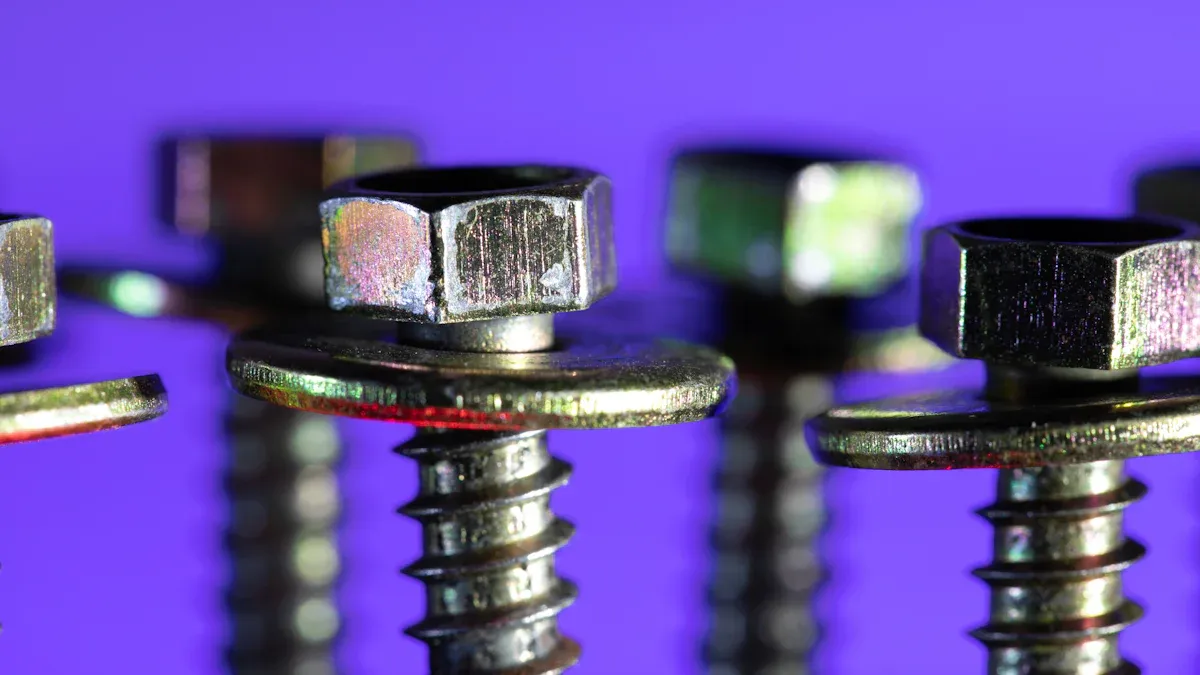
Различить эти два компонента становится просто для опытного глаза. Ключевые различия видны в их геометрии, от головки до острия. Прямое сравнение раскрывает конструктивный замысел каждого крепежного изделия.
Сравнение характеристик бок о бок
Размещение шестигранного болта и винта с цилиндрической головкой рядом друг с другом подчеркивает их различные стандарты изготовления. В следующей таблице приведены наиболее важные визуальные признаки.
| Характеристика | Hex Cap Screw | Болт с шестигранной головкой |
|---|---|---|
| Под головкой | Имеет плоскую, круглую опорную поверхность под головкой (шайбовую поверхность). | Не имеет шайбовой поверхности; допускается след от облоя. |
| Диаметр стержня | Изготовлен с малым допуском. | Имеет более широкий допуск и может быть увеличенного диаметра. |
| Острие | Имеет фаску (скошенное острие) для облегчения ввода. | Обычно имеет плоское или срезанное, необработанное острие. |
Головка и опорная поверхность под головкой
Самый очевидный идентификатор — область непосредственно под шестигранной головкой. Винты с цилиндрической головкой имеют отчетливую, гладкую, круглую поверхность, известную как опорная поверхность под головкой (шайбовая поверхность). Эта интегрированная особенность обеспечивает чистую опорную поверхность для распределения нагрузки и защиты сопрягаемой детали. В отличие от этого, большинство болтов лишены этой особенности, и нижняя сторона головки часто более грубая.
Стержень и острие
Стержень и острие крепежных изделий также демонстрируют четкие различия. Винт с цилиндрической головкой имеет диаметр стержня, изготовленный с малым допуском, что обеспечивает точную посадку в резьбовом отверстии. Его острие имеет фаску или скос, чтобы помочь направлению резьбы и предотвратить перекос. Болты имеют более широкий допуск на диаметр стержня, так как они проходят через отверстия с зазором большего размера. Их острие, как правило, не обработано, выглядит плоским или срезанным в результате производственного процесса.
Идентификация крепежных изделий на практике
Немного практики, и любой сможет уверенно идентифицировать эти компоненты в ящике с оборудованием или на рабочей площадке. Сосредоточение на нескольких конкретных особенностях делает процесс быстрым и точным.
Советы по быстрой идентификации
Используйте этот простой контрольный список для быстрой и точной идентификации:
- Посмотрите под головку: Есть ли гладкая, встроенная опорная поверхность под головкой (шайбовая поверхность)? Если да, то это винт с цилиндрической головкой. Если нет, то, скорее всего, это болт.
- Осмотрите острие: Имеет ли кончик аккуратную, угловую фаску? Это указывает на винт с цилиндрической головкой. Плоский или грубый кончик указывает на болт.
- Оцените отделку: Винты с цилиндрической головкой, как правило, имеют более высококачественную, гладкую поверхность по сравнению с часто более грубой отделкой болтов общего назначения.
Чтение маркировки на головке
Маркировка на верхней части шестигранной головки содержит важную информацию о прочности и классе материала крепежного изделия.
- Маркировка SAE: Радиальные линии указывают класс (например, 3 линии для класса 5, 6 линий для класса 8).
- Метрическая маркировка: Цифры, такие как 8.8 или 10.9, обозначают класс прочности.
Чтение этой маркировки обеспечивает выбор компонента, соответствующего техническим требованиям для конкретного применения.
Выбор правильного крепежного изделия критически важен для целостности проекта. Ключевые различия в допусках и конструкции — не второстепенные детали.
- Для прецизионных применений, требующих ввинчивания в деталь, всегда выбирайте винт с цилиндрической головкой.
- Для общего строительства, где используется гайка, правильным выбором являются шестигранные болты.
Выбор неправильного винта или болта может привести к неправильной посадке и отказу сборки. Конкретная конструкция винтов с цилиндрической головкой отличает их от других винтов.
Частые вопросы
Можно ли использовать шестигранный болт в резьбовом отверстии?
Использование шестигранного болта в резьбовом отверстии не рекомендуется. Его более широкие производственные допуски могут привести к плохой посадке, неправильной установке и возможному повреждению резьбы. Винт с цилиндрической головкой обеспечивает необходимую точность для резьбовых отверстий.
Почему винты с цилиндрической головкой имеют опорную поверхность под головкой (шайбовую поверхность)?
Опорная поверхность под головкой (шайбовая поверхность) на винте с цилиндрической головкой выполняет две ключевые функции.
- Она распределяет зажимное усилие по большей площади.
- Она защищает сопрягаемую поверхность от повреждения шестигранной головкой во время затяжки.
Что означает “полная резьба” для шестигранного крепежного изделия?
Крепежное изделие с полной резьбой имеет резьбу по всей длине от острия до нижней стороны головки. Такая конструкция максимизирует контакт резьбы и прочность сцепления, что делает ее идеальной для применений, где крепеж полностью вставляется в резьбовое отверстие.
Шестигранные болты прочнее, чем винты с цилиндрической головкой?
Прочность определяется классом материала, а не типом крепежного изделия. Винт с цилиндрической головкой класса 8 прочнее, чем шестигранный болт класса 2. Всегда сравнивайте крепежные изделия одного класса для оценки прочности.
Что такое усиленный шестигранный болт?
Усиленный шестигранный болт имеет более крупную и толстую головку по сравнению со стандартным шестигранным крепежом. Инженеры выбирают эту конструкцию для высокопрочных строительных применений, так как увеличенная головка обеспечивает большую опорную поверхность и допускает более высокие уровни крутящего момента.
Как измерить шестигранный крепеж?
Специалисты измеряют три ключевых размера для определения параметров шестигранного крепежа.
| Измерение | Как измерить |
|---|---|
| Диаметр | Измерьте ширину стержня (тела). |
| Длина | Измерьте расстояние от нижней части головки до конца. |
| Шаг резьбы | Подсчитайте количество витков на дюйм или измерьте расстояние между витками (мм). |