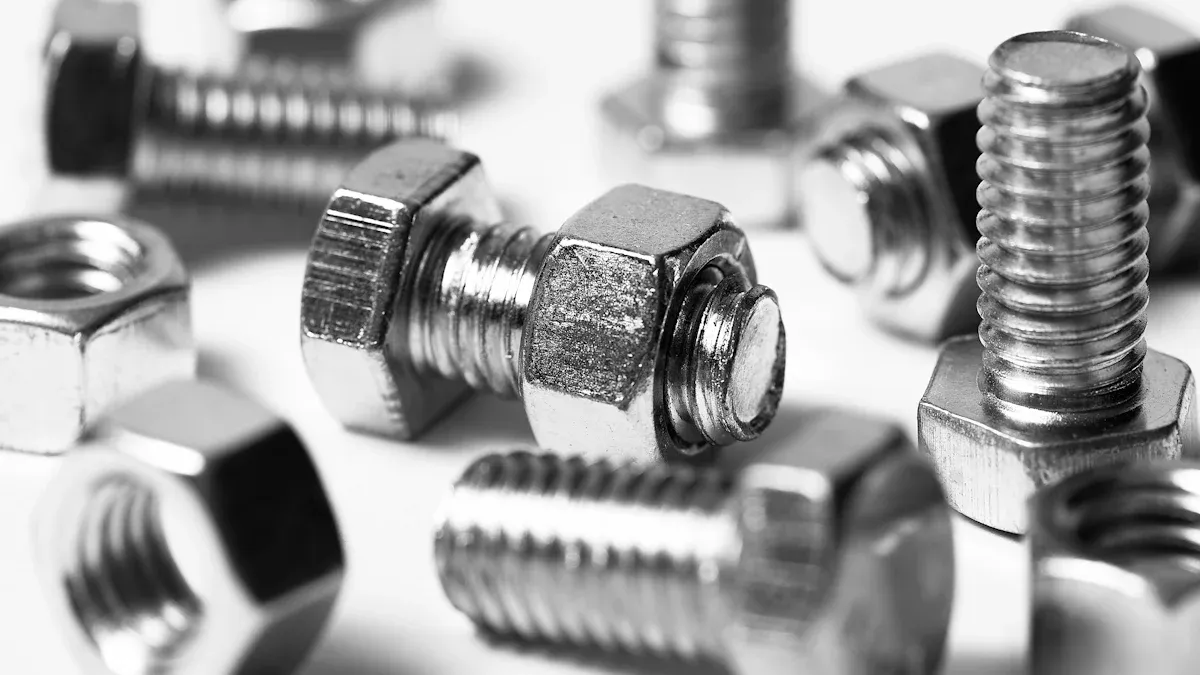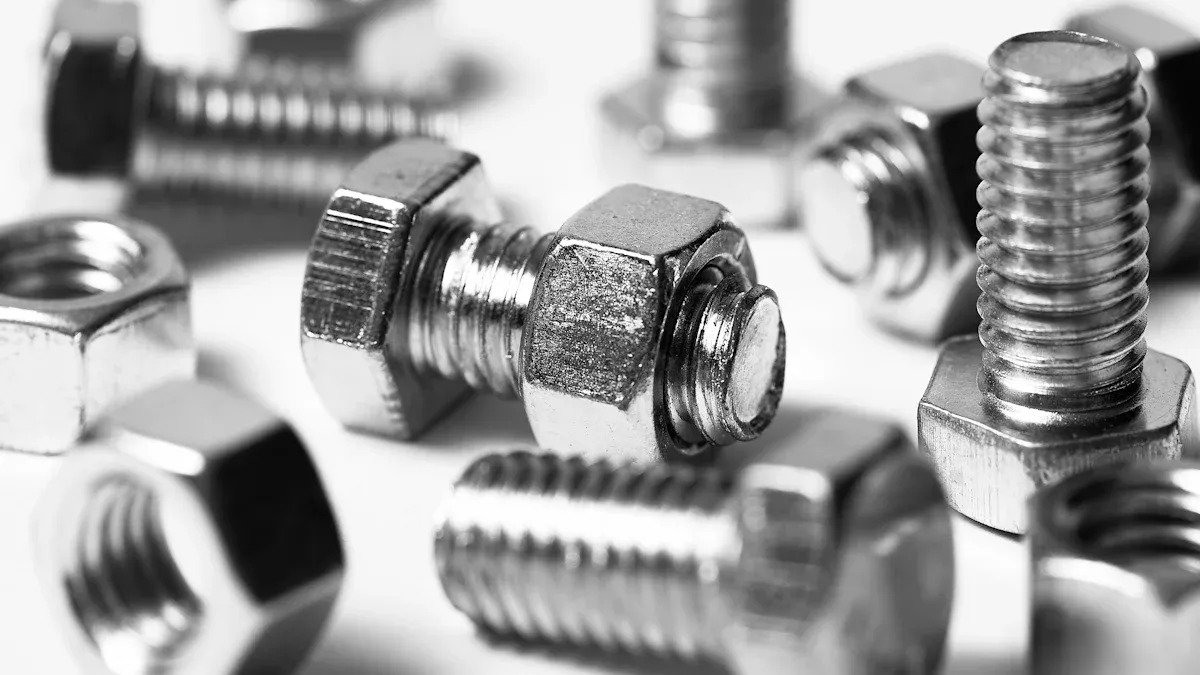
Selecting the best анкерные болты с клином is crucial for project safety and efficiency. The market for these essential fasteners, including специальные анкерные болты, continues to expand, reflecting their importance in modern construction. A производитель крепежных изделий на заказ often provides a range of options to meet specific project needs.
| Метрическая | Стоимость |
|---|---|
| Projected Market Size (2033) | USD 5.67 Billion |
| Compound Annual Growth Rate (CAGR) (2026-2033) | 5.4% |
| Estimated Market Size (2024) | USD 3.56 Billion |
For 2026, the Hilti HDI-P stands out for its superior load capacity in cracked concrete. The Red Head Multi-Set II offers a reliable, budget-conscious alternative for various applications. For projects prioritizing speed, the Simpson Strong-Tie Drop-In Anchor provides exceptional ease of installation, making it a top choice for repetitive tasks involving Анкерные болты.
The best drop in anchors: 2026 Detailed Reviews
This section provides an in-depth analysis of the top-performing drop-in anchors for 2026. Each review examines the critical factors that professionals consider, from material composition to real-world performance data.
1. Hilti HDI-P – Best Overall
The Hilti HDI-P earns its top spot through exceptional engineering and robust performance, making it the go-to choice for critical structural applications.
Материал и качество изготовления
Hilti manufactures the HDI-P anchor from high-quality, zinc-plated carbon steel. The anchor body features a smooth, uniform finish, indicating precise manufacturing tolerances. A key design element is its pre-assembled expansion plug, which is engineered to ensure consistent and reliable setting every time. The material quality directly contributes to its long-term durability in dry, interior environments.
Load Capacity and Performance Data
This anchor truly excels in its performance metrics. The HDI-P boasts impressive tensile and shear load capacities. Its most significant advantage is its extensive list of approvals, including ICC-ES reports for use in both cracked and uncracked concrete. This certification makes it one of the few drop-in anchors qualified for seismic applications, a critical requirement for projects in earthquake-prone regions.
Профессиональный совет: Always consult the manufacturer’s technical data sheets for specific load values corresponding to the concrete strength (psi) and embedment depth of your project.
Installation Process and Tools
Installation of the HDI-P requires standard tools: a rotary hammer, a correctly sized carbide drill bit, compressed air, a wire brush, and the corresponding Hilti manual setting tool (HDI-ST). The process is straightforward, but cleaning the drilled hole is critical for achieving maximum load capacity. The Hilti setting tool is designed to provide clear tactile feedback, confirming when the anchor is fully and correctly expanded.
Идеальные области применения
The HDI-P is ideal for heavy-duty and safety-critical fastening.
- Соединения конструкционной стали
- Overhead pipe and sprinkler systems
- Seismic bracing and retrofitting
- Machinery and equipment anchoring
Преимущества и недостатки
- Дрель 3/8 дюйма, шестигранник 1/4 дюйма
- ✅ Superior load values in cracked and uncracked concrete
- ✅ ICC-ES approved for seismic conditions
- ✅ Highly reliable and consistent expansion
- ✅ Excellent build quality
- ✅ Работает с широким разнообразием типов крепежа и материалов.
- ❌ Premium price point compared to competitors
- ❌ Requires meticulous hole cleaning for optimal performance
2. Red Head Multi-Set II – Best Value
The Red Head Multi-Set II anchor provides a fantastic balance of reliable performance and cost-effectiveness, making it a staple for general-purpose construction projects.
Материал и качество изготовления
This anchor is constructed from zinc-plated carbon steel, offering good corrosion resistance for indoor use. The build quality is consistent and dependable for non-critical applications. While it may not have the refined finish of a premium anchor, its functionality is solid. The internal plug is designed for effective expansion in solid concrete base materials.
Load Capacity and Performance Data
The Multi-Set II offers respectable load capacities in uncracked concrete. It serves as a dependable choice for static loads where seismic or cracked concrete ratings are not a project requirement. The anchor’s value proposition is strong; it delivers reliable holding power at an accessible price point, making it an economical choice for large-scale projects with standard fastening needs.
Installation Process and Tools
Installation follows the standard drop-in procedure. It requires a carbide drill bit, a setting tool, and a hammer. The Red Head setting tool is readily available and works effectively to expand the anchor. The process is simple, making it suitable for crews of all experience levels. For best results, cleaning the hole of debris remains a recommended practice.
Идеальные области применения
This anchor is a versatile workhorse for a wide range of medium-duty tasks.
- Fastening electrical conduit and cable trays
- Suspending ductwork and strut channels
- Anchoring handrails and wall partitions
- General-purpose fixtures in solid concrete
Преимущества и недостатки
- Дрель 3/8 дюйма, шестигранник 1/4 дюйма
- ✅ Excellent price point and overall value
- ✅ Reliable performance for static loads
- ✅ Widely available and easy to source
- ✅ Simple installation process
- ✅ Работает с широким разнообразием типов крепежа и материалов.
- ❌ Not rated for cracked concrete or seismic use
- ❌ Lower load capacities than premium options
3. Simpson Strong-Tie Drop-In – Easiest to Install
For projects where speed and repetition are paramount, the Simpson Strong-Tie Drop-In Anchor (DIA) is a standout performer, designed specifically to streamline the installation process.
Материал и качество изготовления
The DIA is available in zinc-plated carbon steel and two grades of stainless steel (Type 304 and 316), offering options for various corrosive environments. A key feature contributing to its ease of use is its flush-mount design. The anchor body is engineered to sit perfectly flush with the concrete surface, creating a clean and professional finish without any secondary adjustments.
Load Capacity and Performance Data
Simpson provides clear performance data for the DIA in solid concrete. While its load values are suitable for many light to medium-duty applications, its primary selling point is not raw strength but installation efficiency. The anchor provides secure holding power for common tasks, and its reliable performance makes it a trusted name on the job site. It is one of the best drop in anchors for projects that demand both speed and dependability.
Installation Process and Tools
This is where the Simpson DIA shines. The anchor is designed for rapid setting.
- Drill the hole to the specified depth.
- Drop the anchor in.
- Use the correct Simpson setting tool to expand it.
The anchor’s design ensures it can be installed quickly and correctly, which is a major benefit for repetitive tasks like suspending thousands of feet of conduit. This focus on installation speed and reliability minimizes labor costs and project timelines.
Идеальные области применения
The DIA is the top choice for high-volume, repetitive anchoring tasks.
- Overhead lighting and fixture installation
- Suspending fire protection systems
- Securing strut and channel supports
- Any application where installation speed is a critical factor
Преимущества и недостатки
- Дрель 3/8 дюйма, шестигранник 1/4 дюйма
- ✅ Exceptionally fast and easy installation
- ✅ Flush-mount design provides a neat, finished appearance
- ✅ Available in stainless steel for corrosive environments
- ✅ Reduces labor time on repetitive tasks
- ✅ Работает с широким разнообразием типов крепежа и материалов.
- ❌ Not intended for heavy structural loads
- ❌ Setting tool is required for proper expansion
4. Powers Vertigo+ – Best for Overhead Applications
The Powers Vertigo+ anchor system is an innovative solution engineered specifically to improve safety and efficiency for overhead fastening. Its unique design sets it apart from traditional drop-in anchors.
Материал и качество изготовления
Powers constructs the Vertigo+ from zinc-plated carbon steel, suitable for dry, non-corrosive indoor environments. The anchor’s standout feature is its integrated design, which combines the anchor body with a threaded rod coupling. This single-piece construction eliminates the need for separate components, ensuring a secure and consistent connection for suspended systems. The build quality is robust, reflecting its purpose for secure overhead installations.
Load Capacity and Performance Data
The Vertigo+ provides reliable performance for static overhead loads. Its load values are specified for use in solid concrete. While it may not compete with the raw strength of heavy-duty structural anchors, its primary advantage lies in its safe and efficient installation method for suspended applications. The system is designed to provide confidence when hanging threaded rods for electrical, mechanical, and plumbing systems.
Installation Process and Tools
Installation of the Vertigo+ is a specialized process that delivers significant time savings.
- Drill a hole into the concrete ceiling using a standard rotary hammer.
- Attach the Vertigo+ anchor to a special drive tool, which fits onto an extension pole.
- Insert the anchor and tool into the hole from the ground, eliminating the need for ladders or lifts.
- Use the drill to drive the anchor, which simultaneously sets the anchor and cleans the hole.
This method dramatically increases safety and reduces labor time for large-scale overhead projects.
Safety Note: Always use the manufacturer-specified drive tool and follow the installation instructions precisely. This ensures the anchor is set correctly and can support its intended load.
Идеальные области применения
The Vertigo+ is purpose-built for suspending threaded rods in overhead concrete.
- Hanging pipe supports and fire sprinkler lines
- Suspending HVAC ductwork and equipment
- Installing overhead electrical conduit and cable trays
- Securing strut channel systems to ceilings
Преимущества и недостатки
- Дрель 3/8 дюйма, шестигранник 1/4 дюйма
- ✅ Drastically improves safety by allowing installation from the floor
- ✅ Significantly faster installation than traditional methods
- ✅ Reduces labor costs and the need for lifts or scaffolding
- ✅ Reliable for static overhead loads
- ✅ Работает с широким разнообразием типов крепежа и материалов.
- ❌ Requires a proprietary installation tool
- ❌ Limited to overhead threaded rod applications
- ❌ Not intended for structural or seismic loads
5. CONFAST 316 Stainless Steel – Top Corrosion-Resistant Option
When a project demands maximum protection against rust and corrosion, the CONFAST 316 Stainless Steel Drop-In Anchor is the premier choice. Its material composition makes it ideal for the most severe environments.
Материал и качество изготовления
This anchor’s primary feature is its Type 316 stainless steel construction. This material contains molybdenum, which provides superior resistance to chlorides and other harsh chemicals compared to Type 304 stainless steel. The build quality is excellent, with clean threads and a uniform body designed for reliable expansion. This anchor is built to last in environments where standard zinc-plated anchors would quickly fail.
Load Capacity and Performance Data
CONFAST provides clear load data for its anchors in solid concrete. While stainless steel anchors generally have slightly lower tensile and shear strengths than their high-strength carbon steel counterparts, their value is not in pure strength. Their performance is measured by longevity and reliability in corrosive settings. They provide secure, long-term fastening without the risk of degradation, making them the best drop in anchors for asset preservation in harsh conditions.
Installation Process and Tools
The installation process for the CONFAST 316 anchor is identical to that of standard drop-in anchors. It requires a rotary hammer, a carbide bit, a wire brush, compressed air for hole cleaning, and a matching setting tool. The anchor is tapped into the pre-drilled hole and expanded by driving the internal plug with the setting tool. This familiar process ensures that crews can install it correctly without special training.
Идеальные области применения
This anchor is essential for applications with exposure to moisture, salt, and chemicals. Its robust material composition makes it suitable for submerged and chemical-heavy environments.
- Marine construction, including docks, piers, and seawalls
- Wastewater treatment plants and chemical facilities
- Coastal buildings and structures exposed to salt spray
- Food processing plants and breweries with frequent washdowns
Преимущества и недостатки
- Дрель 3/8 дюйма, шестигранник 1/4 дюйма
- ✅ Maximum corrosion resistance from Type 316 stainless steel
- ✅ Ideal for marine, chemical, and coastal applications
- ✅ Provides a long-term, reliable fastening solution
- ✅ Standard installation procedure
- ✅ Работает с широким разнообразием типов крепежа и материалов.
- ❌ Significantly higher cost than carbon steel anchors
- ❌ Lower ultimate load values compared to some carbon steel options
How to Choose the Right Drop-In Anchor
Choosing the correct drop-in anchor involves more than just picking a size. A professional assessment requires matching the anchor’s material, load capacity, and base material compatibility to the specific demands of the project. This ensures a secure, durable, and code-compliant installation.
Matching Anchor Material to Your Environment
The anchor’s material is the first line of defense against environmental degradation. Selecting the right material prevents premature failure and ensures long-term performance.
Оцинкованная углеродистая сталь
Most drop-in anchors are made from zinc-plated carbon steel. This material offers good strength and is cost-effective. The zinc coating provides a basic level of corrosion resistance, making these anchors suitable for dry, indoor environments where exposure to moisture is minimal.
Нержавеющая сталь 304
For applications with moderate moisture exposure, such as damp basements or covered outdoor areas, Type 304 stainless steel is a better choice. It offers significantly more corrosion resistance than zinc-plated steel, protecting the anchor from rust in less severe conditions.
Нержавеющая сталь 316
Type 316 stainless steel provides the highest level of corrosion protection. It contains molybdenum, which makes it exceptionally resistant to chlorides and harsh chemicals. This material is essential for:
- Морские среды с солевыми брызгами
- Очистные сооружения сточных вод
- Химические предприятия
- Зоны пищевой переработки с частыми мойками под давлением
Понимание критических требований к нагрузке
Основная задача анкера — сопротивляться силам. Понимание этих сил критически важно для безопасности. Удерживающая способность анкера зависит от его размера, глубины заделки и прочности бетона (в PSI).
Определение растягивающей нагрузки (на вырыв)
Растягивающая нагрузка — это сила, которая пытается выдернуть анкер прямо из бетона. Это критически важный фактор для подвесных применений, таких как подвеска труб или светильников, где основной силой является гравитация.
Определение срезающей нагрузки (поперечной силы)
Срезающая нагрузка — это сила, действующая перпендикулярно анкеру, пытающаяся срезать его у поверхности. Это происходит при креплении предметов к стене, таких как поручни или тяжелое оборудование, где вес тянет вниз, воздействуя на анкер.
Как рассчитать потребности вашего проекта
Расчет точных требований к нагрузке — сложная инженерная задача. Специалисты часто используют стандарты, такие как ACI 318-19 для определения несущей способности анкера. Однако фундаментальный принцип — применение коэффициента безопасности. Для неинженерных применений, распространенный коэффициент безопасности составляет 4:1. Это означает, что безопасная рабочая нагрузка составляет 25% от предельного опубликованного значения нагрузки анкера.
Важное примечание: Для критических применений, таких как защита от падения, OSHA требует, чтобы точки крепления выдерживали не менее 5000 фунтов на одного работника или были спроектированы квалифицированным специалистом с коэффициентом безопасности не менее двух. Всегда консультируйтесь с инженером по вопросам критически важных для безопасности конструкций.
Совместимость с основным материалом
Забивные анкеры предназначены для конкретных основных материалов. Их использование в непредусмотренных материалах может привести к катастрофическому отказу.
Работа в цельном бетоне
Забивные анкеры лучше всего работают в цельном, нормального веса бетоне. Прочность бетона на сжатие, измеряемая в PSI, напрямую влияет на удерживающую способность анкера. Бетон с более высоким PSI, как правило, обеспечивает большую несущую способность. Лучшие забивные анкеры имеют данные об эффективности, протестированные в диапазоне прочностей бетона.
Особенности использования в кирпиче и блоках
Забивные анкеры не рекомендуются для использования в пустотелых блоках (CMU) или мягком кирпиче. Механизм расширения требует твердого, плотного материала для создания трения. В пустотелых или хрупких материалах анкер может разрушить основной материал, что приведет к полной потере удерживающей способности. Для таких применений правильным выбором являются анкеры-гильзы или химические анкеры.
Подробный обзор размеров анкеров
Выбор правильных размеров анкера так же важен, как и выбор правильного материала. Диаметр и глубина заделки Забивной анкер напрямую определяют его удерживающую способность и общую производительность. Ошибка в расчете любого из этих параметров может поставить под угрозу целостность всего крепления.
Выбор правильного диаметра анкера
Диаметр анкера — это первое размерное решение, которое принимает специалист. Этот выбор влияет как на используемое оборудование, так и на предельную прочность анкера.
Соответствие диаметра размеру болта
Установленный размер забивного анкера соответствует диаметру принимаемого им болта. Внутренняя резьба анкера должна соответствовать наружной резьбе болта или шпильки. Это соотношение также определяет размер отверстия, просверливаемого в бетоне.
- Диаметр сверла должен соответствовать наружному диаметру анкера.
- Например, анкер 1/2 дюйма требует отверстия 1/2 дюйма и принимает болт 1/2 дюйма.
- Некоторые монтажники предпочитают использовать слегка увеличенное сверло, например, сверло 5/8 дюйма для анкера 1/2 дюйма, для облегчения установки и улучшения центровки, хотя всегда следует сверяться с рекомендациями производителя.
Влияние на несущую способность
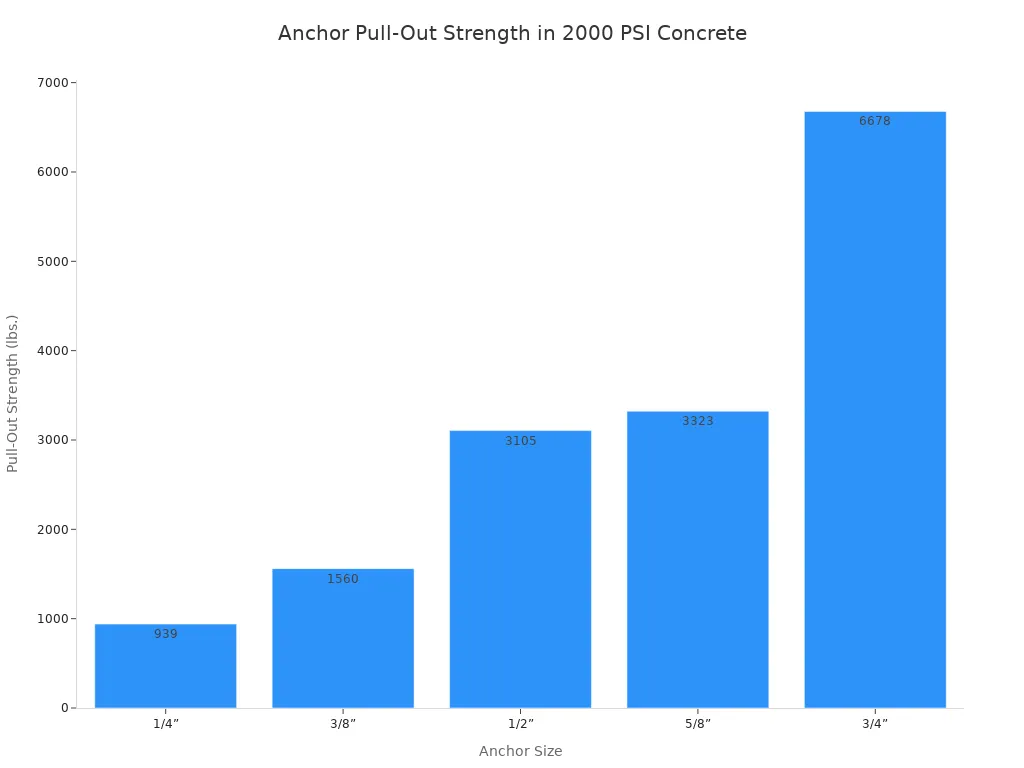
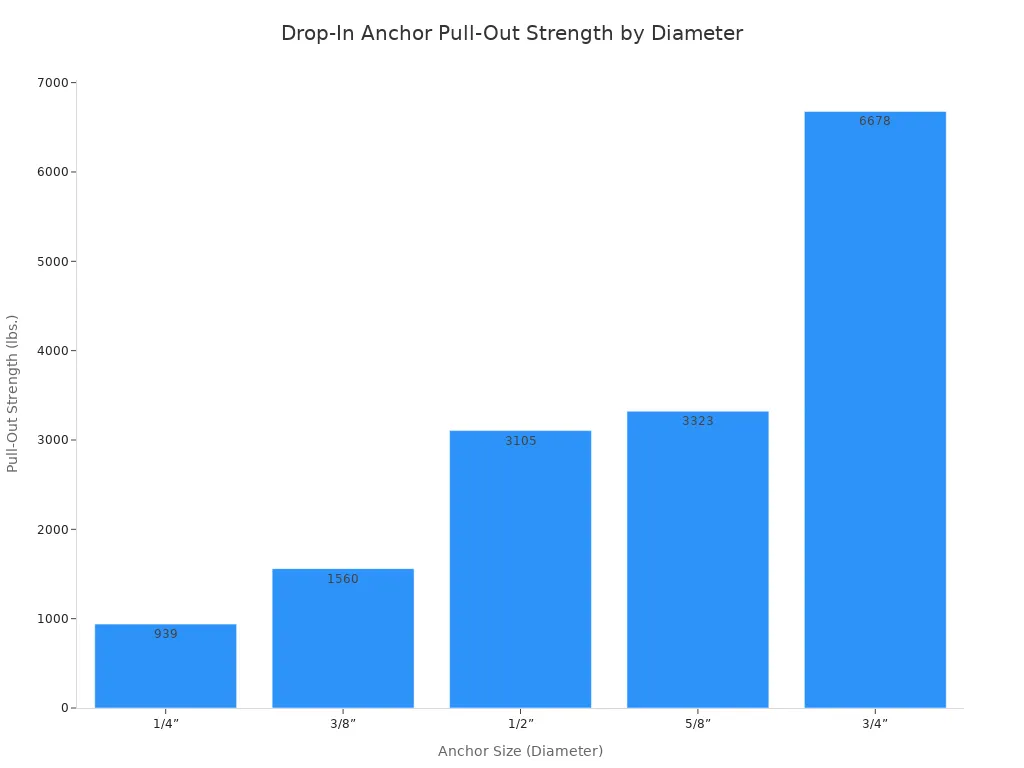
Диаметр анкера существенно влияет на его несущую способность. Анкер большего диаметра создает большую площадь поверхности для трения о бетон, что приводит к большему сопротивлению как вырывающим (растягивающим), так и поперечным (срезающим) нагрузкам. Зависимость очевидна: увеличение диаметра значительно повышает прочность анкера.
В таблице ниже показана предельная прочность на вырыв для анкеров разных размеров в бетоне 2000 PSI.
| Размер анкера | Вырыв (фунты) |
|---|---|
| 1/4” | 939 |
| 3/8” | 1560 |
| 1/2” | 3105 |
| 5/8” | 3323 |
| 3/4” | 6678 |
Определение правильной глубины заделки
Глубина заделки — это расстояние, на которое анкер установлен в основной материал. Правильная заделка необходима для достижения анкером заявленных значений нагрузки.
Спецификации производителя
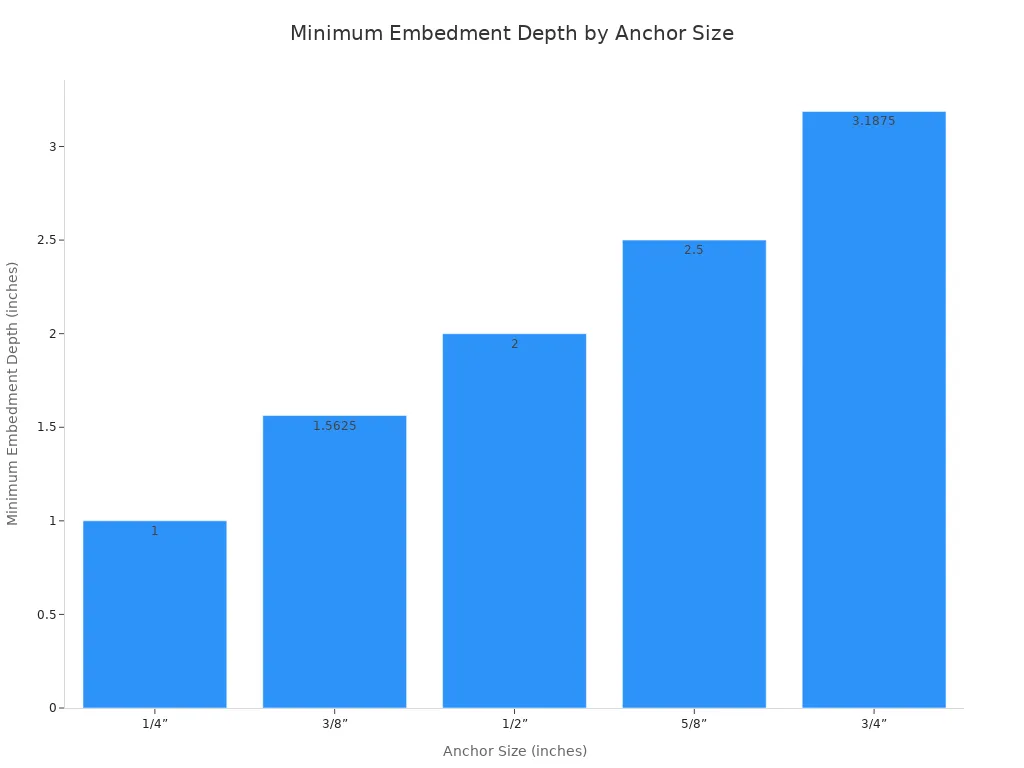
Производители указывают “минимальную глубину заделки” для каждого размера анкера. Это минимальная глубина, на которую можно установить анкер для безопасной работы. Установка анкера на глубину меньше минимальной значительно снизит его удерживающую способность. Как правило, большая глубина заделки обеспечивает более высокую несущую способность.
| Размер | Минимальная заделка |
|---|---|
| 1/4” | 1” |
| 3/8” | 1-9/16” |
| 1/2” | 2” |
| 5/8” | 2-1/2” |
| 3/4” | 3-3/16” |
Fixture Thickness Considerations
The thickness of the material being fastened (the fixture) must be added to the embedment depth to determine the total required hole depth. A simple formula helps calculate the correct length for the bolt and the minimum depth of the drilled hole.
Pro Tip: Calculating Total Hole Depth ⚙️ Use this formula to ensure your hole is deep enough:
Total Hole Depth = Fixture Thickness + Minimum Anchor Embedment + Bolt Engagement DepthAlways drill the hole slightly deeper than your calculation to allow space for dust and debris.
Step-by-Step Installation Guide for Perfect Setting
Proper installation is not just a recommendation; it is a requirement for achieving an anchor’s full load capacity. Shockingly, studies show up to 80% of drop-in anchors are installed incorrectly, often due to simple but critical mistakes. Following a precise, methodical process ensures every anchor performs safely and effectively.
Шаг 1: Сверление отверстия
The installation begins with creating a precise cavity in the concrete. This foundational step dictates the anchor’s alignment and initial fit.
Select the Correct Carbide Bit Size
Professionals must match the carbide drill bit diameter to the anchor’s outer diameter. For instance, a 1/2-inch anchor requires a 1/2-inch hole. Using a worn or incorrect bit can create an undersized hole. This mistake increases stress on the concrete during expansion and can compromise the anchor’s holding power. Frequent inspection of drill bits is a best practice.
Drill to the Specified Depth
Installers drill the hole to the depth specified by the manufacturer. This depth accounts for the anchor’s minimum embedment and the thickness of the fixture. Drilling slightly deeper than required provides extra space for any remaining dust, ensuring the anchor can be set at the correct depth without obstruction.
Шаг 2: Очистка отверстия
This is the most critical and frequently overlooked step in the installation process. Debris left in the hole can drastically reduce an anchor’s performance.
Critical Safety Alert ⚠️ Failure to clean the hole is a primary cause of anchor failure. Dust and debris prevent the anchor from making solid contact with the concrete, which severely compromises its load-bearing capacity.
Using Compressed Air for Debris Removal
The first cleaning action involves using compressed air or a blow-out pump. Installers direct a powerful stream of air to the bottom of the hole. This action forces the bulk of the drilling dust and debris out. However, this method alone is often insufficient for a perfect setting.
Using a Wire Brush to Scour the Sides
After the initial blowout, a correctly sized wire brush is necessary. Installers scour the interior walls of the hole with the brush. This action dislodges fine dust particles that compressed air leaves behind. A final blast of compressed air removes this loosened debris, leaving a clean surface ready for the anchor. This two-part process is essential for a secure installation and a smooth quick operation.
Шаг 3: Установка анкера
With a clean, properly sized hole, the anchor is ready for placement. This step should be straightforward and require minimal force.
Tapping the Anchor into Place
Installers position the anchor, open end up, into the hole. They use a hammer to gently tap the anchor until its top is level with the concrete surface. The anchor should slide in smoothly. Resistance may indicate the hole is too small or still contains debris.
Ensuring it is Flush or Sub-Flush
The goal is to set the anchor so it sits perfectly flush with the concrete. In some cases, setting it slightly below the surface (sub-flush) is acceptable. This creates a clean, professional appearance and ensures the fixture can be mounted flat against the surface without interference.
Шаг 4: Установка анкера
This step transforms the inserted anchor from a simple metal sleeve into a secure fastening point. The installer drives an internal plug downward, forcing the anchor’s walls to expand and grip the concrete.
Using the Correctly Sized Setting Tool
Professionals use a setting tool specifically designed for the anchor’s diameter. Each size, from 1/4-inch to 3/4-inch, has a corresponding tool. This tool features a shoulder, or lip, that stops on the anchor’s edge, preventing the tool from being driven too far. Using the correct tool is not optional; it is essential for achieving proper expansion without damaging the anchor’s internal threads.
How to Confirm Full Internal Expansion
An experienced installer confirms a successful set through both feel and visual cues. They deliver several sharp, solid hammer blows to the setting tool. The anchor is fully expanded when the installer feels a distinct change in resistance, indicating the internal plug has bottomed out.
Confirmation Checklist ✅ A properly set anchor is confirmed when:
- The lip of the setting tool makes solid contact with the lip of the anchor.
- The tool leaves visible marks on the opening of the anchor body.
- The hammer blows produce a solid, ringing sound, signaling the expansion is complete.
These indicators provide confidence that the anchor has achieved its maximum grip within the concrete.
Step 5: Install the Fixture
With the anchor securely set, the final step is to mount the object. This stage involves careful alignment and precise tightening to complete the installation.
Placing the Fixture Over the Anchor
The installer places the fixture, such as a steel bracket or strut channel, over the set anchor. They align the hole in the fixture directly with the anchor’s threaded opening. The flush-mount design of the drop-in anchor ensures the fixture sits flat against the concrete surface, creating a stable and professional-looking connection.
Threading and Tightening the Bolt to Torque Specs
The installer then inserts the correctly sized bolt or threaded rod through the fixture and into the anchor. They hand-tighten the bolt initially to ensure it is not cross-threaded. Finally, they use a calibrated torque wrench to tighten the bolt to the manufacturer’s specified torque value. This critical action applies the correct clamping force, securing the fixture without over-stressing the anchor or the surrounding concrete. Applying the proper torque is the final guarantee of a safe and reliable fastening.
Alternative Anchoring Solutions
While drop-in anchors are versatile, they are not the only solution for every fastening challenge. Professionals often choose between different anchor types based on the specific application, load requirements, and even the environment. Understanding these alternatives helps ensure the selection of the most effective and efficient fastener for the job.
Забивные анкеры против клиновых анкеров
Drop-in anchors and клиновые анкеры are two of the most common mechanical anchors, yet they function differently and excel in separate applications. Most post-installed mechanical expansion anchors resist loads through friction. This resistance comes from expansion forces between the anchor and the wall of the drilled hole.
Key Differences in Application
The primary difference lies in their installation and fixture requirements. Drop-in anchors are female anchors, installed flush with the concrete surface. This makes them ideal for applications requiring a removable fixture or a clean, flat surface. Wedge anchors are male anchors that protrude from the concrete, making them a through-fixture fastener.
| Тип анкера | Load-Bearing Mechanism |
|---|---|
| Клин-анкер | Expands the anchor body by tightening a nut, causing a wedge-shaped mechanism to compress the base material. |
| **Анкер-вставка** | A threaded expander bolt and a wedge mechanism are driven down with a setting tool, expanding the anchor within a pre-drilled hole. |
Когда выбрать один тип вместо другого
A professional chooses a wedge anchor for heavy-duty structural connections where the fixture can be permanently placed over the anchor bolt. Their design, which actively compresses the base material, often provides higher load capacities.
Требуемый диаметр твердосплавного сверла Select a drop-in anchor when you need the flexibility to remove a bolt and fixture, such as for temporary bracing or machinery maintenance. They are also perfect for overhead applications where a threaded rod is suspended.
Understanding Specialty Anchors like fishbone tent anchors
The world of anchoring extends far beyond concrete. Specialty anchors are engineered for unique environments where traditional fasteners would be ineffective. The fishbone tent anchors are a prime example of such innovation.
Уникальная конструкция и область применения
Эти специальные анкеры предназначены для временного крепления в грунте, песке или гравии, часто для палаток, тентов или маломерных судов. В отличие от бетонных анкеров, анкеры-«рыбьи кости» используют уникальную форму для сцепления с мягким грунтом. Их лёгкая алюминиевая конструкция делает их идеальными для использования в удалённых местах. Рыбаки находят их полезными в качестве якорей для мелководья при ловле на обширных отмелях, так как они позволяют быстро зафиксировать положение судна при перевязке снасти.
Сравнение с традиционными бетонными анкерами
Прямое сравнение подчёркивает их специализированный характер. Бетонные анкеры полагаются на огромную прочность на сжатие основного материала для создания трения. В отличие от них, анкеры-«рыбьи кости» распределяют усилие по большей площади мягкого грунта, подобно снегоступам. Они предлагают умное портативное решение для временных нужд, тогда как вставной анкер обеспечивает постоянную точку крепления высокой прочности в твёрдом искусственном материале.
Для большинства профессиональных применений в 2026 году Hilti HDI-P остаётся одним из лучших вставных анкеров. Он предлагает непревзойдённый баланс прочности, надёжности и наличия сертификатов. В таблице ниже приведены лучшие варианты для различных потребностей.
| Анкер | Общий рейтинг | Цена | Материал | Наилучший случай применения |
|---|---|---|---|---|
| Hilti HDI-P | ⭐⭐⭐⭐⭐ | $$$ | Углеродистая сталь | Конструкционные и сейсмические работы |
| Red Head Multi-Set II | ⭐⭐⭐⭐ | $ | Углеродистая сталь | Универсальное применение |
| Simpson Strong-Tie | ⭐⭐⭐⭐ | $$ | Сталь/Нержавеющая сталь | Многократные задачи |
Профессионалы всегда должны выбирать анкер, исходя из условий окружающей среды и требований к нагрузке. Это гарантирует, что каждая установка обеспечивает безопасную и надёжную точку крепления.
Частые вопросы
Можно ли повторно использовать забивной анкер?
Можно ли повторно использовать забивной анкер?
Нет, профессионалы никогда не используют вставные анкеры повторно. Процесс расклинивания необратимо деформирует корпус анкера. Его извлечение compromises как анкер, так и бетон, делая невозможной безопасную и надёжную повторную установку.
Что произойдёт, если отверстие слишком большое?
Что произойдёт, если отверстие слишком большое?
Слишком большое отверстие препятствует правильному расклиниванию. Анкер не может создать достаточное трение о стенки бетона. Это приводит к значительному снижению несущей способности и высокому риску вырывания.
Действительно ли необходимо очищать отверстие?
Действительно ли необходимо очищать отверстие?
Безусловно. Очистка отверстия — это критически важный этап. Бетонная пыль препятствует полному контакту анкера с основным материалом. Это упущение серьёзно снижает несущую способность и является основной причиной отказа анкера.
Можно ли использовать вставные анкеры в кирпиче или блоках?
Можно ли использовать вставные анкеры в кирпиче или блоках?
Профессионалы избегают использования вставных анкеров в пустотелых блоках или мягком кирпиче. Сила расклинивания может привести к растрескиванию этих хрупких основных материалов. Гильзовые анкеры Для таких применений правильными крепёжными элементами являются химические анкеры.
На каком минимальном расстоянии можно устанавливать два анкера?
На каком минимальном расстоянии можно устанавливать два анкера?
Производители указывают минимальные требования к расстоянию между анкерами. Слишком близкое расположение создаёт перекрывающиеся зоны напряжения в бетоне. Это может привести к вырыванию большого конусообразного фрагмента бетона под нагрузкой. Всегда сверяйтесь с техническим паспортом изделия.
Почему требуется специальный монтажный инструмент?
Почему требуется специальный монтажный инструмент?
Установочный инструмент гарантирует правильное расклинивание. Его упор останавливается о кромку анкера, предотвращая чрезмерную осадку и повреждение резьбы. Использование неподходящего инструмента, например, простого пробойника, часто приводит к неполному расклиниванию.
Что означает “трещиноватый бетон”?
Что означает “трещиноватый бетон”?
Трещиноватый бетон — это бетон, находящийся под напряжением, в котором со временем могут образовываться тонкие трещины. Анкеры, рассчитанные на работу в трещиноватом бетоне, такие как Hilti HDI-P, спроектированы так, чтобы сохранять свою удерживающую способность даже в случае образования трещины, проходящей через отверстие анкера.