Toggler Snaptoggle — это превосходный выбор среди дюбелей для гипсокартона для крепления тяжелых предметов. Его конструкция включает металлический канал, который упирается в гипсокартон, создавая исключительную удерживающую способность. Этот механизм широко распределяет вес, обеспечивая надежную фиксацию тяжелых объектов. Этот единственный дюбель для гипсокартона обеспечивает большую удерживающую способность, чем многие стандартные Анкерные болты. В то время как производитель крепежных изделий на заказ может создавать специальные анкерные болты, Snaptoggle демонстрирует наилучшую производительность среди широко доступных анкеров для полых стен.
Наши лучшие выборы: Лучшие дюбели для гипсокартона для тяжелых нагрузок
Выбор правильного крепежа критически важен для безопасного монтажа предметов на полых стенах. После тщательного изучения мы определили лучшие дюбели для гипсокартона , доступные для требовательных применений. Эти варианты сочетают прочность, простоту использования и общую ценность, обеспечивая надежную основу для ваших проектов.
Лучший в целом: Toggler Snaptoggle BA
Toggler Snaptoggle BA заслуживает первое место благодаря превосходному дизайну и исключительной прочности. Эти тяжелые анкерные болты являются золотым стандартом для крепления ценных или тяжелых предметов. Основой анкера является прочный металлический канал, соединенный с пластиковыми установочными лентами. Такая конструкция обеспечивает непревзойденную удерживающую способность за счет опоры на большую площадь за гипсокартоном. Он предлагает “удерживающую способность в 2 раза выше, чем у обычных крыльчатых анкеров”, что делает его надежным выбором как для профессионалов, так и для домашних мастеров.
Независимые тесты подтверждают впечатляющую производительность этих дюбелей для гипсокартона. Модель BA демонстрирует прочность на вырыв, которая значительно превышает показатели многих конкурентов, давая пользователям уверенность при навешивании зеркал, телевизоров или шкафов.
| Тип анкера | Удерживающая способность в гипсокартоне толщиной ½ дюйма |
|---|---|
| Toggler Snaptoggle BA | 238 фунтов |
| Toggler Snaptoggle BB | 265 фунтов |
| Hillman 370054 Анкерные болты | Противоречивые рейтинги (85, 55 или 40 фунтов) |
Что нам нравится
- Исключительная прочность: Конструкция с металлическим каналом обеспечивает лидирующую в отрасли удерживающую способность, выдерживая до 238 фунтов в стандартном гипсокартоне толщиной 1/2 дюйма.
- Надежная установка: Пластиковые ленты позволяют выполнить точную и надежную установку до вставки болта, предотвращая падение анкера за стену.
- Многоразовый болт: Пользователи могут вынимать и вставлять болт несколько раз, не нарушая целостности анкера.
Что нам не нравится
- Большее отверстие под установку: Для установки требуется отверстие диаметром 1/2 дюйма, что больше, чем необходимо для многих других дюбелей для гипсокартона.
- Более высокая стоимость: Эти премиальные дюбели для гипсокартона имеют более высокую цену за единицу по сравнению с традиционными вариантами.
Ключевые характеристики
- Тип анкера: Анкерный болт ленточного типа
- Совместимость с толщиной стены: от 3/8″ до 3-5/8″
- Требуемый размер отверстия: 1/2″
- Максимальная нагрузка (гипсокартон 1/2″): 238 фунтов (на растяжение)
Самый простой монтаж: E-Z Ancor Toggle Lock
E-Z Ancor Toggle Lock предлагает убедительное сочетание прочности и удобного монтажа. Этот анкер упрощает процесс, сочетая самонарезающий наконечник с анкерным механизмом. Пользователи могут вкручивать анкер непосредственно в гипсокартон с помощью отвертки, во многих случаях устраняя необходимость в отдельном сверле. После установки анкерная планка откидывается за стеной, обеспечивая надежную удерживающую способность для умеренно тяжелых нагрузок. Эти дюбели для гипсокартона являются отличным выбором для проектов, где важны скорость и простота.
Что нам нравится
- Установка без сверления: Самонарезающий наконечник позволяет быстро установить анкер, используя только крестовую отвертку.
- Немедленное использование: Анкер готов к установке болта сразу после вкручивания в стену.
- Хорошая удерживающая способность: Он обеспечивает надежную прочность, подходящую для полок, карнизов для штор и других распространенных предметов домашнего обихода.
Что нам не нравится
- Более низкий весовой предел: Его удерживающая способность меньше, чем у тяжелых анкерных болтов, что делает его непригодным для самых тяжелых применений.
- Риск повреждения гипсокартона: Самонарезающее действие при неосторожном использовании иногда может порвать бумажную поверхность гипсокартона.
Ключевые характеристики
- Тип анкера: Самонарезающий анкерный болт
- Совместимость с толщиной стены: До 5/8″
- Требуемый размер отверстия: Не требуется (самонарезающий)
- Максимальная нагрузка (гипсокартон 1/2″): 75 фунтов (на растяжение)
Лучший набор по цене: Набор тяжелых анкерных болтов The Hillman Group
Для тех, кому нужны различные варианты, набор тяжелых анкерных болтов The Hillman Group предлагает отличное соотношение цены и качества. Этот комплект включает в себя ряд классических крыльчатых анкерных болтов различной длины и диаметра. Традиционный анкерный болт обеспечивает хорошую прочность, распределяя нагрузку с помощью своих пружинных крыльев. Этот набор гарантирует, что у вас под рукой будет нужный размер для множества проектов, от развешивания картин до установки светильников. Хотя это не самый прочный из доступных вариантов, эти тяжелые дюбели для гипсокартона являются экономически эффективным решением для многих задач.
Примечание: Удерживающая способность стандартного анкерного болта может значительно варьироваться в зависимости от его размера и производителя. Всегда проверяйте конкретный рейтинг для используемого болта.
Что нам нравится
- Отличное соотношение цены и качества: Набор предлагает большое количество разнообразных дюбелей для гипсокартона по низкой цене за штуку.
- УниверсальностьРазнообразие размеров.
- : Наличие нескольких размеров позволяет легко подобрать подходящий анкер для различных потребностей проекта.: Крылатый анкер-бабочка — это проверенная временем конструкция, обеспечивающая надежную работу при умеренных нагрузках.
Что нам не нравится
- Неоднозначные показатели грузоподъемности: Заявленные производителем весовые характеристики могут быть неясными и различаться в зависимости от размера, что требует тщательной проверки.
- Может быть сложным: Болт необходимо продеть через монтируемый предмет до того, как крылья будут вставлены в стену, что может быть неудобно.
Ключевые характеристики
- Тип анкера: Крылатый анкер-бабочка
- Совместимость с толщиной стены: Зависит от длины болта
- Требуемый размер отверстия: Зависит от размера анкера
- Максимальная нагрузка (гипсокартон 1/2″): Различается (например, анкер 3/16″ часто рассчитан на ~50 фунтов / ~23 кг)
Лучший многоразовый вариант: Распорный анкер Molly от Hillman Group
Распорный анкер Molly от Hillman Group, классический анкер гильзового типа, выделяется своей многоразовостью и надежной фиксацией. Эти усиленные дюбели для гипсокартона работают за счет расширения за стеной. Когда пользователь затягивает винт, прорезная гильза анкера сжимается и раскрывается, создавая прочную, похожую на паука, опору с обратной стороны гипсокартона. Этот механизм обеспечивает отличную удерживающую способность для таких предметов, как полотенцесушители, небольшие шкафчики и декоративные полки.
Что действительно отличает эти дюбели для гипсокартона, так это их двухкомпонентная конструкция. После установки гильзы внутренний машинный винт можно при необходимости извлекать и вставлять обратно. Эта особенность бесценна для предметов, которые требуют периодического снятия для чистки или обслуживания. Анкер Molly — один из лучших дюбелей для гипсокартона в ситуациях, требующих как прочности, так и гибкости. Его надежная работа делает его основным элементом многих наборов инструментов. Эти усиленные дюбели создают постоянную точку крепления в стене.
Требуемый диаметр твердосплавного сверла Для идеального монтажа рассмотрите возможность использования инструмента для установки анкера Molly. Этот инструмент вытягивает головку винта наружу, равномерно расширяя лапки анкера, не создавая напряжения на лицевой стороне гипсокартона.
Что нам нравится
- Многоразовая точка крепления: Основное преимущество — возможность извлечь болт, не теряя анкер внутри стены.
- Высокая удерживающая способность: Раскрывшаяся гильза эффективно распределяет нагрузку, что делает эти дюбели подходящими для умеренно тяжелых задач.
- Заподлицо со стеной: Анкеры Molly с острым наконечником можно вбить заподлицо со стеной, создавая аккуратный вид. Головка анкера также имеет низкий профиль.
Что нам не нравится
- Может быть сложной: Правильная установка анкера требует аккуратности. Чрезмерное затягивание винта может повредить гипсокартон или сорвать резьбу самого анкера.
- Сложное удаление: Хотя болт является съемным, корпус анкера устанавливается навсегда. Удаление самой гильзы оставит более крупное и заметное отверстие.
- Зависит от толщины стены: Пользователи должны приобретать анкер Molly правильной длины, соответствующей толщине их стены, чтобы анкер мог правильно раскрыться. Это не универсальные дюбели для гипсокартона.
Ключевые характеристики
- Тип анкера: Распорный анкер гильзового типа (Molly)
- Совместимость с толщиной стены: Зависит от размера (например, 1/2″ до 3/4″ / ~13-19 мм)
- Требуемый размер отверстия: Зависит от диаметра анкера (например, 5/16″ для болта 1/8″ / ~8 мм для болта ~3 мм)
- Максимальная нагрузка (гипсокартон 1/2″): ~50 фунтов (на растяжение) / ~23 кг
Эти дюбели для гипсокартона являются одним из лучших выборов. Многие считают их одними из лучших дюбелей для их конкретного случая использования. Последний набор дюбелей обеспечивает надежное крепление.
Как выбрать правильные анкеры для полых стен
Выбор правильного крепежа — критически важный шаг для любого монтажного проекта. Системный подход гарантирует, что выбранные дюбели обеспечат надежную и долговечную установку. Этот процесс включает оценку предмета, стены и типа нагрузки, которую будет испытывать анкер.
Шаг 1: Определите вес вашего предмета и тип вашей стены
Основа надежного крепления начинается с понимания объекта и самой стены. Эти два фактора напрямую влияют на требуемую прочность дюбели для гипсокартона.
Определение веса предмета
Во-первых, пользователь должен определить точный вес объекта. Производители часто указывают эту информацию в руководстве по эксплуатации или на своем сайте. Для предметов без указанных характеристик точное измерение можно провести с помощью обычных напольных весов.
Правило “Удвойте для безопасности”
Ключевой принцип безопасности — выбирать дюбели для гипсокартона с грузоподъемностью, значительно превышающей фактический вес предмета. Общий промышленный коэффициент безопасности составляет 4:1, то есть анкер, рассчитанный на 100 фунтов, должен выдерживать нагрузку в 25 фунтов. Для простоты пользователям следует как минимум удваивать вес предмета при выборе анкера. Этот запас прочности учитывает непредвиденные нагрузки и обеспечивает долговременную удерживающую способность.
Определение материала вашей стены (гипсокартон vs. штукатурка)
Материал стены определяет, какие дюбели для гипсокартона подходят. В большинстве современных домов используется гипсокартон, в то время как в старых зданиях могут быть стены из дранки и штукатурки.
- Гипсокартон состоит из гипсовой штукатурки, спрессованной между толстыми листами бумаги.
- Штукатурка — это более твердый, хрупкий материал, нанесенный на реечный каркас, что приводит к другой толщине и плотности.
Шаг 2: Подберите анкер в соответствии с толщиной вашей стены
Эффективность многих дюбелей для гипсокартона зависит от их способности зацепиться за тыльную сторону материала стены. Несоответствие между анкером и толщиной стены снижает удерживающую способность.
Как измерить толщину гипсокартона
Пользователи могут легко измерить толщину стены. Просверлите небольшое пилотное отверстие, вставьте согнутую скрепку, пока она не зацепится за тыльную сторону стены, отметьте скрепку на поверхности стены, а затем измерьте загнутую часть. Стандартная толщина бытового гипсокартона включают:
- 5/8 дюйма / ~16 мм: Часто используется для потолков и огнестойких стен.
- 1/2 дюйма / ~13 мм: Наиболее распространенная толщина для внутренних стен.
- 3/8 дюйма / ~10 мм и 1/4 дюйма / ~6 мм: Более тонкие панели, используемые для облицовки или криволинейных поверхностей.
Проверка диапазона захвата анкера
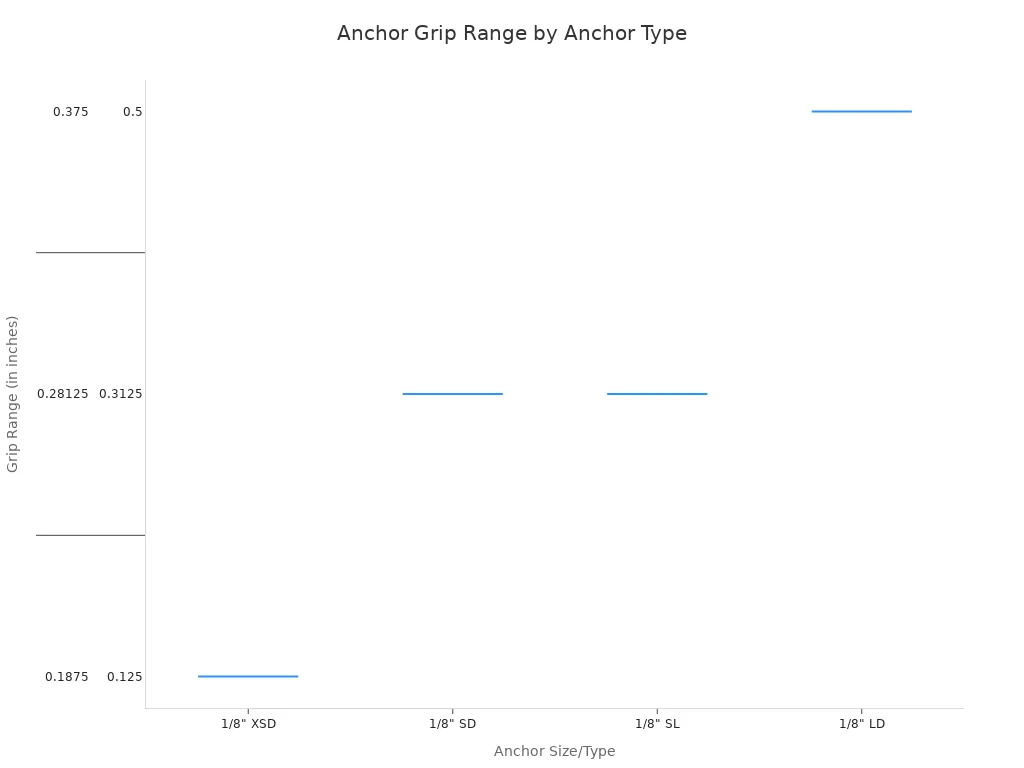
На каждой упаковке дюбелей для гипсокартона указан “диапазон захвата” — толщина стены, для которой предназначен анкер. Соответствие этого диапазона измерению стены необходимо для правильного раскрытия и максимальной удерживающей способности.
| Размер/Тип анкера | Диапазон захвата (Толщина материала стены) |
|---|---|
| 1/8″ XSD (Сверхкороткий ход) | 3/16″ – 3/8″ / ~5-10 мм |
| 1/8″ SD (Стандартный ход) | 1/8″ – 1/2″ |
| 1/8″ SL (Короткий ход) | 1/8″ – 13/16″ / ~3-21 мм |
| 1/8″ LD (Длинный ход) | 5/8″ – 3/4″ |
Шаг 3: Учет типа нагрузки
Тип силы, прикладываемой к анкеру, существенно влияет на требуемую несущую способность. Нагрузки подразделяются на статические и динамические.
Статическая нагрузка (например, зеркало, картина)
Статическая нагрузка — это постоянная, неизменная сила. Подвешенное зеркало или картина создают постоянное тянущее усилие вниз. Для таких применений надежным стандартом является коэффициент запаса прочности 4:1 для несущей способности анкера.
Динамическая нагрузка (например, полка, держатель для полотенец)
Динамическая нагрузка связана с движением, вибрацией или ударом. Предметы вроде полок, поручней или вешалок испытывают изменяющиеся усилия. Для таких применений требуется более высокий коэффициент запаса прочности и более прочный анкер, чтобы предотвратить отказ. Повышенное напряжение требует большей несущей способности для обеспечения безопасности.
Обзор различных типов усиленных дюбелей для гипсокартона
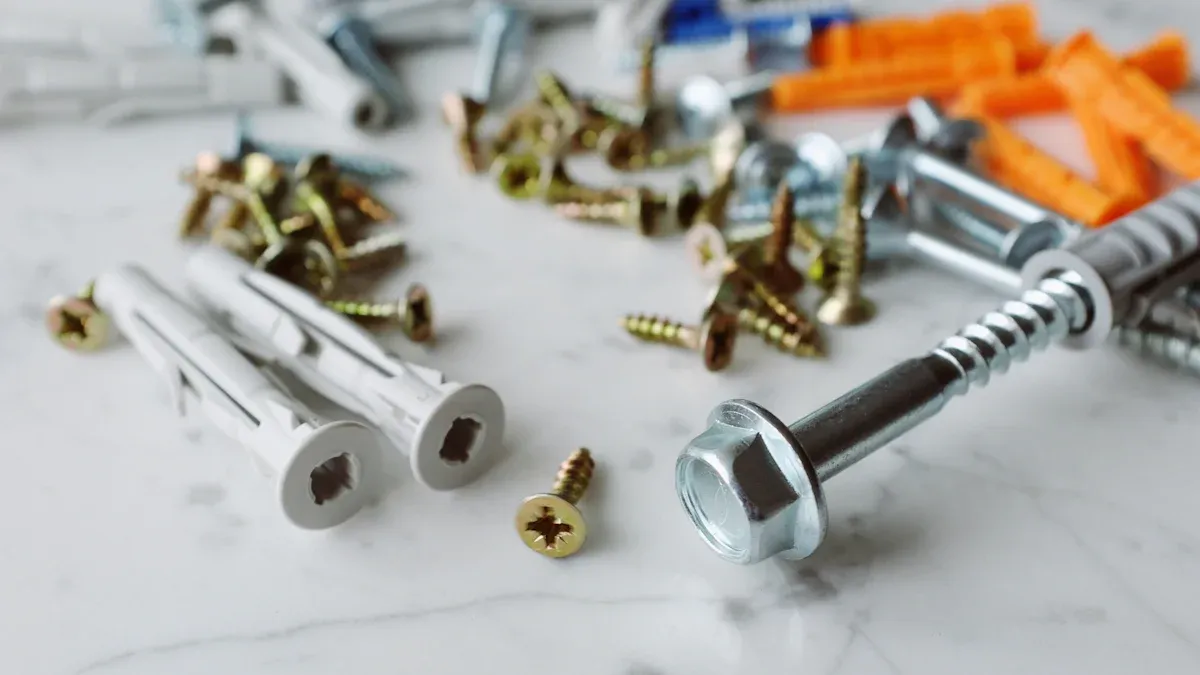
Выбор правильной фурнитуры требует понимания того, как функционируют различные дюбели для гипсокартона. Каждый тип предлагает уникальный баланс прочности, сложности монтажа и применимости. В этом руководстве описаны три основные категории усиленных дюбелей для гипсокартона.
Анкеры-бабочки (ленточные и крыльчатые)
Анкеры-бабочки — чемпионы по удерживающей способности в полых стенах. Они бывают в двух основных формах: традиционные крыльчатые (анкеры-бабочки) и современные ленточные.
Принцип действия
Оба типа анкеров-бабочек работают по простому и эффективному принципу. Пользователь сверлит отверстие и вставляет через него металлический стержень или канал. Этот элемент затем раскрывается или переворачивается в рабочее положение, упираясь плоскостью в тыльную сторону гипсокартона. Затягивание болта плотно прижимает эту распорку к стене, распределяя нагрузку по большой площади. Этот механизм обеспечивает исключительную удерживающую способность.
Преимущества и недостатки
- Преимущества**Преимущества:** Непревзойденная прочность для тяжелых условий эксплуатации. Конструкция обеспечивает максимально надежную фиксацию в гипсокартоне.
- Недостатки**Недостатки:** Требуют относительно большого монтажного отверстия. Традиционные анкеры-бабочки могут быть неудобны, так как болт должен пройти через крепежный элемент до того, как анкер будет вставлен в стену.
Лучшие варианты применения для тяжелых предметов
Усиленные анкеры-бабочки — это основное решение для монтажа самых требовательных предметов. Используйте анкер-бабочку для крепления больших зеркал, плоских телевизоров, тяжелых полок и кухонных шкафов. Их превосходная прочность обеспечивает спокойствие.
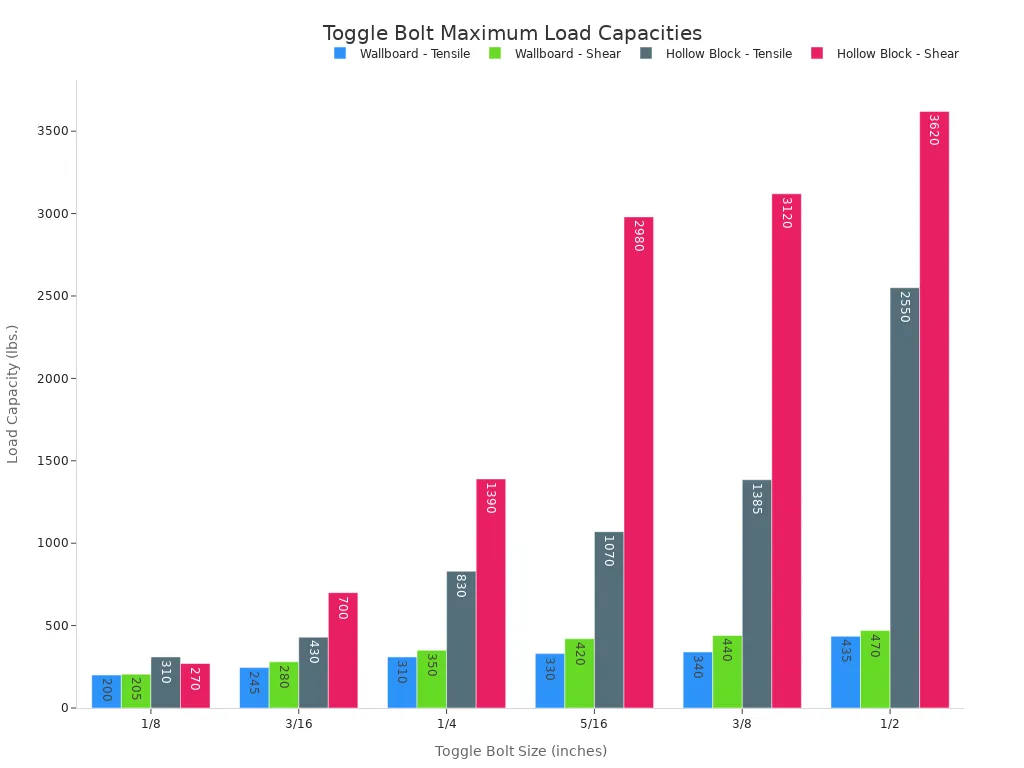
**Важное примечание по безопасности:** Указанная предельная нагрузка для анкера-бабочки — это не безопасная рабочая нагрузка. Профессионалы рекомендуют использовать коэффициент безопасности 4:1. **коэффициент запаса прочности 4:1.** Анкер, рассчитанный на 200 фунтов (≈90 кг), должен безопасно удерживать предмет весом 50 фунтов (≈23 кг).
| Размер анкера-бабочки | В стеновой панели 1/2″ – Растяжение (фунты) | В стеновой панели 1/2″ – Срез (фунты) |
|---|---|---|
| 1/8″ | 200 | 205 |
| 3/16″ | 245 | 280 |
| 1/4″ | 310 | 350 |
| 3/8″ | 340 | 440 |
| 1/2″ | 435 | 470 |
Анкеры типа "Молли" (распорные анкеры гильзового типа)
Анкеры "Молли" — это тип распорных анкеров гильзового типа, который предлагает отличное сочетание прочности и удобства. Это превосходные усиленные дюбели для гипсокартона для многих обычных бытовых задач.
Принцип действия
Анкер "Молли" состоит из машинного винта внутри прорезной металлической гильзы.. Когда пользователь затягивает винт, он втягивает конец гильзы внутрь. Это действие заставляет прорезные стороны расширяться и сминаться, образуя распорку в форме паука, которая цепляется за тыльную сторону гипсокартона. Эти распорные анкеры создают очень надежное крепление.
Преимущества и недостатки
- Преимущества**Преимущества:** Они создают постоянную резьбовую точку крепления в стене. Пользователь может выкрутить болт, не выпадая анкеру из стены,, что является ключевым преимуществом перед анкером-бабочкой.
- Недостатки**Недостатки:** Корпус анкера трудно удалить, не нанеся дополнительных повреждений стене. Пользователи должны подбирать правильную длину для конкретной толщины своей стены.
Когда выбирать анкер "Молли"
Выбирайте эти дюбели для гипсокартона для предметов, которые может потребоваться периодически снимать. Они идеально подходят для держателей полотенец, карнизов для штор и небольших шкафчиков, требующих обслуживания или чистки.
Саморезы и резьбовые анкеры
Саморезы обеспечивают самый быстрый монтаж, но это достигается за счет значительного снижения прочности. Они лучше всего подходят для легких и средних нагрузок.
Принцип действия
Эти дюбели для гипсокартона имеют крупную, широкую резьбу и острый наконечник, который ввинчивается прямо в гипсокартон. Пользователь просто вкручивает прочный саморез в стену с помощью отвертки или дрели. Широкая резьба предназначена для врезания в мягкую гипсовую сердцевину, обеспечивая удерживающую способность. Некоторые усиленные версии сочетают это с механизмом типа "бабочка" для дополнительной надежности.
Преимущества и недостатки
- Преимущества**Преимущества:** Чрезвычайно быстрый и простой монтаж, часто без предварительного сверления.
- Недостатки**Недостатки:** Саморезы имеют самую низкую удерживающую способность среди усиленных вариантов. Они могут выйти из строя, если не зацепятся должным образом или если гипсокартон крошится во время установки.
Ограничения по весу для тяжелых предметов
Большинство саморезов рассчитаны на нагрузки в диапазоне от 25 до 75 фунтов (≈11-34 кг).. Хотя некоторые усиленные саморезы заявляют о более высоких нагрузках, их не рекомендуется использовать для действительно тяжелых предметов. Они могут разболтаться или провернуться,, особенно под динамической нагрузкой. Для любого значительного веса более безопасным выбором являются усиленные анкеры-бабочки или другие распорные анкеры. Эти анкеры для полых стен подходят не для каждой задачи.
Пошаговое руководство: Установка усиленных анкеров для полых стен
Правильная установка так же важна, как и выбор правильной фурнитуры. Следование точному методу гарантирует, что усиленные дюбели для гипсокартона достигнут своей максимальной удерживающей способности. Это руководство предоставляет четкий, профессиональный процесс для надежного и безопасного монтажа.
Инструменты, которые вам понадобятся для работы
Подготовка правильных инструментов до начала работы упрощает процесс монтажа. Пользователю понадобится несколько основных предметов для правильной установки большинства усиленных дюбелей для гипсокартона. Наличие их под рукой предотвращает задержки и обеспечивает профессиональный результат.
Электродрель с набором сверл
Электродрель необходима для создания монтажного отверстия. Размер сверла должен соответствовать конкретным требованиям выбранных дюбелей для гипсокартона.
Отвертка (крестовая или плоская)
Отвертка необходима для закручивания машинного винта или болта, который крепит предмет к анкеру.
Рулетка
**Измерительная рулетка**.
Этот инструмент обеспечивает точное размещение анкера на стене.
Карандаш или маркер.
Карандаш позволяет пользователю отметить точное место для сверления.
Детектор стоек (искатель стоек) анкеров для полых стен.
Этот электронный прибор критически важен для обнаружения и избегания настенных стоек (деревянных/металлических каркасов), использование которых исключило бы необходимость в
A level guarantees that shelves, mirrors, and other items are mounted perfectly straight.
Installation Steps for a Toggler Snaptoggle
The Toggler Snaptoggle is a premier choice for heavy-duty applications. Its installation is straightforward and creates an incredibly strong fastening point. The following steps detail how to install these powerful heavy-duty toggle bolts.
Step 1: Mark Your Location and Check for Studs
First, a user must determine the mounting location. They should use a tape measure and level to position the item correctly, then mark the spot for the hole with a pencil. Next, they must use a stud finder to scan the area. These drywall anchors are designed for hollow sections of the wall, so avoiding studs is crucial for a successful installation.
Шаг 2: Просверлите монтажное отверстие
A user drills a hole at the marked location. The drill bit size is critical and depends on the specific toggle bolt being used. The packaging for the drywall anchors will specify the required diameter. For Toggler Snaptoggles, the hole size is typically either 1/2″ or 3/4″.
Требуемый диаметр твердосплавного сверла Always consult the manufacturer’s instructions. Using the wrong size drill bit can compromise the anchor’s strength.
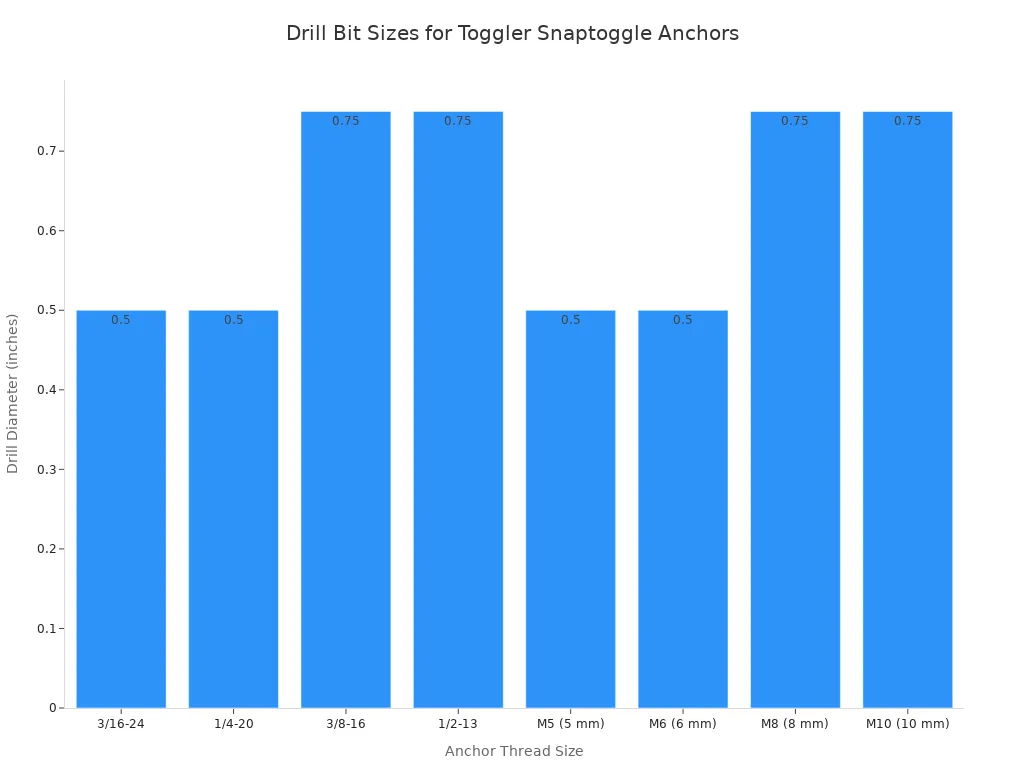
The required drill diameter varies based on the thread size of the heavy-duty toggle bolts.
| Размер резьбы | Drill Diameter (in.) |
|---|---|
| 3/16-24 | 1/2 |
| 1/4-20 | 1/2 |
| 3/8-16 | 3/4 |
| 1/2-13 | 3/4 |
| M5 (5 mm) | 1/2 |
| M6 (6 mm) | 1/2 |
| M8 (8 mm) | 3/4 |
| M10 (10 mm) | 3/4 |
Step 3: Insert the Snaptoggle Channel
The user takes the Snaptoggle anchor and holds the metal channel parallel with the plastic straps. They insert the channel through the drilled hole. Once inside the wall cavity, the metal channel will flip down, perpendicular to the straps. These heavy-duty drywall anchors are now ready for the next step.
Шаг 4: Установка анкера
The user pulls the plastic straps outward, away from the wall. This action brings the metal channel flat and firm against the back of the drywall. While holding the straps taut, they slide the plastic cap down the straps until its flange is flush with the wall surface. This sets the heavy-duty anchor in place. The user then snaps the straps off level with the flange. The installation of these drywall anchors is almost complete.
Step 5: Mount Your Item
Finally, the user places the item over the anchor’s cap. They insert the included machine screw or bolt through the fixture’s mounting hole and into the threaded metal channel. They tighten the bolt with a screwdriver until it is snug. The item is now securely mounted using one of the strongest drywall anchors available. This heavy-duty toggle bolt provides exceptional peace of mind.
Common Mistakes to Avoid When Using Anchors in a Hollow Wall
Even the best drywall anchors can fail if installed incorrectly. A user can avoid common pitfalls by understanding the limits of the hardware and the wall material. Proper technique is essential for a secure mount in any hollow wall.
Mistake #1: Ignoring the Anchor’s Weight Capacity
Why It’s a Critical Problem
Every package of drywall anchors lists a maximum weight capacity. Ignoring this rating is a direct path to failure. An overloaded anchor will pull out of the wall, potentially causing damage to the wall, the floor, and the item it was holding. This is the most critical mistake a user can make.
How to Always Get It Right
A user must always verify the item’s weight before selecting a drywall anchor. They should then apply a safety factor. A professional standard is 4:1, but a simple rule is to choose drywall anchors with a weight capacity at least double the object’s weight. This safety margin accounts for unexpected forces and ensures long-term stability. Checking the weight capacity is a non-negotiable step.
Mistake #2: Drilling the Wrong Size Hole
The Consequences of an Improper Hole Size
The pilot hole diameter is not a suggestion; it is a requirement. An improperly sized hole renders many drywall anchors useless.
- Hole Too Large: The anchor will not have enough material to grip. It may spin in place or fail to expand correctly, offering little to no holding power.
- Отверстие слишком мало: Forcing an anchor into a small hole can damage the drywall’s paper face and crush the gypsum core. This weakens the surrounding area.
How to Avoid This Mistake
A user can easily avoid this issue. The packaging for all drywall anchors specifies the exact drill bit size needed for proper installation. Always use the recommended bit for a snug, secure fit.
Примечание: A quick check of the manufacturer’s instructions prevents a major installation headache and ensures the drywall anchors perform as designed.
Mistake #3: Over-tightening the Screw
Why This Damages the Drywall
Drywall is a relatively soft material. When a user over-tightens the screw, the back of the anchor can crush the gypsum. This action creates a cone-shaped failure point inside the wall. The anchor loses its firm backing, severely reducing its holding power. Many drywall anchors fail because of excessive force during this final step.
The Right Way to Tighten
A user should tighten the screw until it feels snug. At that point, they should stop. The goal is to pull the anchor firmly against the back of the wall, not to compress the wall itself. For sleeve-type drywall anchors, a user should feel a distinct increase in resistance as the sleeve fully expands.
Mistake #4: Hitting a Stud Unexpectedly
A user may carefully measure and mark a location, only to have their drill bit meet solid resistance. This common scenario indicates the presence of a wooden stud behind the drywall. While frustrating at the moment, this discovery is actually a fortunate event for anyone hanging a heavy item. It presents an opportunity for an even stronger installation, but it requires a change in hardware and approach. Attempting to force the original plan will lead to failure.
Why a Hollow Wall Anchor Won’t Work
Hollow wall anchors are specifically engineered for empty spaces. Their entire function depends on having room behind the drywall to expand, toggle, or flare out. A toggle bolt needs to flip open, and a molly bolt needs to collapse into a spider-like brace. A solid wood stud completely obstructs this essential action. The anchor has nowhere to go.
Forcing an anchor into a stud will have one of two outcomes:
- The anchor, especially a plastic or thin metal one, will break or deform.
- The anchor will get stuck without engaging, providing no holding power whatsoever.
These fasteners are simply the wrong tool for this situation. They cannot grip solid wood effectively. Using one would be like trying to use a boat anchor on dry land; the mechanics are fundamentally incompatible with the environment.
What to Do Instead
Discovering a stud is a positive development. A wood stud provides a far more secure mounting point than any section of hollow wall. A user should abandon the anchor and take advantage of this superior structural support. The process is straightforward and results in a much stronger hold.
Good News! Hitting a stud means you can create a stronger mount than originally planned. You no longer need a specialized anchor.
A user should follow these steps for a secure installation into a stud:
- Confirm the Stud’s Center: Пользователю следует использовать детектор стоек, чтобы определить обе границы стойки. Затем можно отметить центральную точку, чтобы обеспечить максимальное сцепление шурупа с деревом.
- Выбор подходящего крепежа: Необходимо перейти от дюбеля к стандартному шурупу по дереву или, для очень тяжелых предметов, таких как кронштейн для телевизора, к шурупу с шестигранной головкой (лаг-болту). Шуруп должен быть достаточно длинным, чтобы войти в саму стойку не менее чем на 1–1,5 дюйма.
- Сверление направляющего отверстия: Пользователь сверлит небольшое направляющее отверстие в центре стойки. Отверстие должно быть немного меньше диаметра шурупа. Этот шаг предотвращает раскалывание древесины при вкручивании шурупа.
- Вкручивание шурупа: Теперь пользователь может вкрутить шуруп непосредственно через монтажный кронштейн своего предмета в стойку. В результате получается чрезвычайно надежное соединение, закрепленное непосредственно на каркасе дома.
Для обеспечения максимальной безопасности при креплении тяжелых предметов к полой стене Toggler Snaptoggle является наилучшим выбором. Его исключительная грузоподъемность делает его самым надежным дюбелем для сложных задач. Пользователи должны помнить золотое правило безопасности:
Всегда выбирайте дюбели для полых стен с грузоподъемностью как минимум в два раза превышающей вес предмета.
Выбор правильного оборудования критически важен, но не менее важна и правильная установка. Правильная техника гарантирует, что оборудование реализует свою полную грузоподъемность и обеспечивает надежный результат.
Частые вопросы
Какой тип анкера для полых стен является самым прочным?
Анкерные болты (такель-болты), особенно ременного типа, такие как Toggler Snaptoggle, обеспечивают наибольшую удерживающую способность. Их конструкция с металлическим каналом распределяет вес по большой площади за гипсокартоном. Этот механизм обеспечивает превосходную прочность для самых тяжелых предметов, что делает их самым надежным выбором для требовательных применений.
Можно ли повторно использовать анкерный болт?
❌ Нет. При выкручивании шурупа традиционный анкерный болт с крыльями падает внутрь стенной полости. Да. Анкер ременного типа или болт Молли позволяет выкрутить шуруп. Корпус дюбеля остается в стене, создавая многоразовую точку крепления для обслуживания или очистки.
Что произойдет, если пользователь не воспользуется детектором стоек?
Пользователь рискует просверлить деревянную стойку, что не позволит работать дюбелю для полой стены. Также можно попасть в водопровод или электрическую проводку. Детектор стоек — это критически важный инструмент безопасности, который гарантирует, что пользователь выберет действительно полое и безопасное место для установки.
Почему размер сверла так важен?
Указанный размер сверла создает отверстие, идеально подходящее для дюбеля.
- Слишком большое: Дюбель будет проворачиваться и не зафиксируется.
- Слишком маленькое: Принудительное вбивание дюбеля может повредить гипсокартон.
Можно ли устанавливать дюбели для полых стен в потолке?
Да, дюбели можно устанавливать в гипсокартонный потолок. Однако необходимо учитывать, что сила тяжести создает прямое, постоянное вытягивающее усилие (растяжение). Для потолочного применения критически важно использовать самые прочные дюбели, такие как анкерные болты, и строго соблюдать запасы прочности.
Как удалить болт Молли?
Шуруп является съемным, но корпус дюбеля остается навсегда. Чтобы удалить корпус, пользователь может высверлить его или вбить заподлицо со стеной и зашпаклевать. Полное удаление оставит большее отверстие, которое потребует более значительных работ по заделке и ремонту.