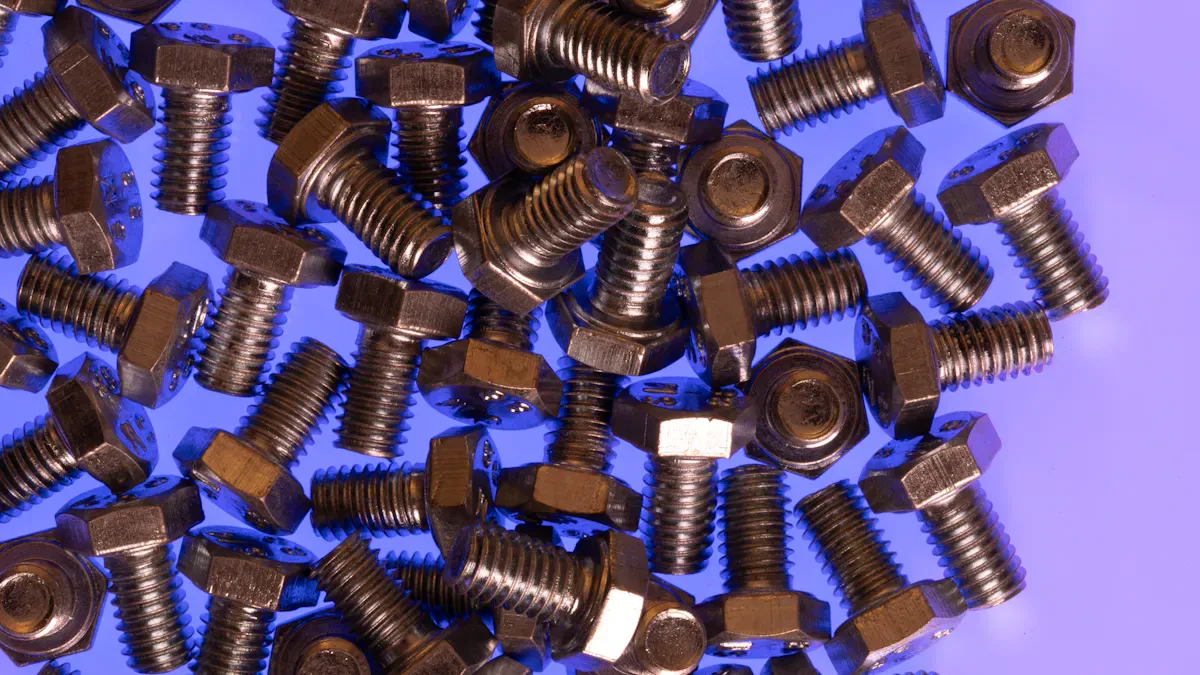

Мировой рынок Анкерные болты для бетона достиг примерно 1,17 млрд долларов США в 2023 году, что отражает широкое использование этих важных анкеров. Успешный монтаж требует точного процесса. Специалисты устанавливают анкерные болты , просверливая в бетоне отверстие правильного размера. Однако неправильная техника является серьёзной проблемой: некоторые исследования показывают уровень неудач 50% на экзаменах по сертификации анкеров. После сверления операторы должны тщательно очистить отверстие. Затем они устанавливают анкер и затягивают болты для его фиксации. производитель крепежных изделий на заказ может предоставить специальные анкерные болты для конкретных применений в бетоне, обеспечивая надёжное анкерное крепление.
Понимание бетонных анкерных болтов и принципа их работы
Перед установкой распорных анкеров специалисты должны понимать конструкцию и функцию данного оборудования. Эти крепёжные элементы обеспечивают надёжные точки соединения в твёрдых основных материалах. Их надёжность полностью зависит от правильного выбора и монтажа.
Что такое распорные анкеры?
Распорные анкеры — это категория механических крепёжных элементов, предназначенных для создания надёжного соединения в бетоне, кирпиче или блоке. Они функционируют за счёт расширения внутри предварительно просверленного отверстия. Это расширение создаёт огромное давление на внутренние стенки отверстия, формируя за счёт трения прочную, несущую нагрузку точку крепления. Эти бетонные анкерные болты необходимы для проектов, требующих высокого сопротивления выдёргиванию.
Распространенные типы распорных болтов
Для разных проектов требуются определённые типы анкеров. Каждая конструкция предлагает уникальные преимущества и несущую способность.
Клиновые анкеры
Клиновые анкеры являются высокопрочными болтами, предназначенными для применения в твёрдом бетоне. Специалисты используют эти мощные анкеры для крепления конструкционной стали, тяжёлого оборудования и защитных ограждений. Когда монтажник затягивает гайку, клин в основании анкера расширяется, прочно заклинивая его в бетоне.
Распорные анкеры
Втулочные анкеры — это универсальные крепёжные элементы, подходящие для бетона, кирпича и блоков. Их применение варьируется от крепления стеллажей и оконных рам до монтажа поручней. В отличие от клинового анкера, вся втулка этого анкера расширяется по всей длине, обеспечивая надёжное сцепление с различными основными материалами.
Встраиваемые анкеры
Забивной анкер — это анкер с внутренней резьбой, устанавливаемый заподлицо с поверхностью бетона. Монтажники используют специальный установочный инструмент, чтобы вбить внутреннюю пробку вниз, что расширяет корпус анкера. Эти анкеры идеально подходят для потолочного монтажа, такого как подвеска кабельных лотков, труб и воздуховодов, так как болты можно вставлять и извлекать по мере необходимости.
Ударные анкеры
Ударные анкеры, также известные как забивные анкеры, — это постоянные, вандалоустойчивые крепёжные элементы. Установка проста: монтажник вставляет анкер в отверстие и забивает внутренний штифт молотком. Это действие расширяет корпус анкера, фиксируя его в бетоне.
Механизм расширения: как они сцепляются с бетоном
Удерживающая способность всех бетонных анкерных болтов основана на простом механическом принципе: контролируемое расширение. Этот процесс создаёт мощное фрикционное сцепление с основным материалом. Механизм приводится в действие при затягивании болтов.
Наука сцепления: пошаговый обзор
- Монтажник затягивает гайку на болте.
- Это действие втягивает конусообразную распорную пробку вверх во втулку анкера.
- Стандарт DIN 933: объяснение Конус заставляет втулку расширяться наружу , прижимаясь к внутренней стенке просверленного отверстия.
- Это расширение создаёт сильное трение между анкером и бетоном, надёжно фиксируя болты на месте.
Подготовка необходимых инструментов и материалов

Успех монтажника зависит от наличия правильного оборудования. Предварительная подготовка необходимых инструментов и материалов обеспечивает гладкий, безопасный и надёжный монтаж анкерные болты. Такая подготовка предотвращает задержки и гарантирует, что анкер будет работать в соответствии с проектом.
Электроинструменты для работы
Электроинструменты обеспечивают необходимую силу и эффективность при работе с бетоном. Они незаменимы для сверления и очистки анкерных отверстий.
Перфоратор
A перфоратор является критически важным инструментом для этой задачи. Он сочетает вращение с быстрым ударным действием, что позволяет эффективно бурить твёрдые материалы, такие как бетон. Этот инструмент необходим для создания точных отверстий, требуемых для анкеров.
Строительный пылесос или воздуходувка
Мощный строительный пылесос или специальная воздуходувка необходимы для очистки отверстий. Эти инструменты эффективно удаляют мелкую кремниевую пыль и мусор, образующиеся при сверлении. Правильная очистка — это обязательный шаг для достижения максимальной удерживающей способности анкера.
Необходимые ручные инструменты
Наряду с электроинструментами, для правильной установки и фиксации распорных анкеров требуется несколько ручных инструментов.
Молоток
Стандартный молоток используется для аккуратной забивки анкерного узла в предварительно просверленное отверстие. Это гарантирует, что анкер установлен на правильную глубину без повреждения резьбы болтов.
Динамометрический ключ
Динамометрический ключ — единственный инструмент, который может гарантировать затяжку болтов в точном соответствии со спецификацией производителя. Применение правильного крутящего момента крайне важно для правильной активации механизма расширения и надёжного закрепления анкеров без причинения повреждений.
Набор головок или разводной ключ
Набор головок или разводной ключ необходим для вращения гайки на анкере. Хотя разводной ключ работает, набор головок в сочетании с динамометрическим ключом обеспечивает более точный и надёжный метод затяжки болтов.
Проволочная щётка
Узкая проволочная щётка с жёсткой щетиной необходима для очистки внутренней части просверленного отверстия. Щётка очищает внутренние стенки, удаляя любую пыль или мусор, которые могли пропустить воздуходувка или пылесос, обеспечивая чистую поверхность для сцепления анкеров.
Необходимые материалы и средства защиты
Выбор правильных материалов и ношение соответствующего защитного снаряжения являются основополагающими для успешного и безопасного монтажа.
Правильные распорные анкеры
Монтажник должен выбрать правильные распорные анкеры для конкретного применения. Выбор зависит от требований к нагрузке, условий окружающей среды и типа устанавливаемой конструкции.
Сверла по бетону с твердосплавным наконечником
Монтажники должны использовать твердосплавные буры по камню, диаметр которых соответствует диаметру, указанному для выбранного анкера. Эти прочные буры предназначены для работы с абразивной природой сверления бетона.
Защитные очки и перчатки
Сверление бетона создает летящие осколки и подвергает рабочих опасности. Безопасность превыше всего.
Безопасность прежде всего! 👷 повреждающую легкие кремниевую пыль и может подвергнуть рабочих чрезмерному шуму и вибрации. Надлежащее средство индивидуальной защиты (СИЗ) не является опцией; это обязательное требование для безопасности.
Монтажники должны носить защитные очки для защиты глаз. Им также следует носить водонепроницаемые, щелочестойкие перчатки для защиты кожи от истирания и влажного цемента.
Респираторная маска или респиратор
Защита органов дыхания имеет критическое значение. Высококачественная респираторная маска или респиратор предотвращает вдыхание вредной кремниевой пыли. Обеспечение хорошей вентиляции в рабочей зоне дополнительно минимизирует риски воздействия.
Как установить анкерные болты: 5-шаговый процесс

Успешная установка зависит от методичного и точного подхода. Этот пятишаговый процесс описывает, как профессионалы устанавливают анкерные болты, обеспечивая достижение каждым анкером максимальной удерживающей способности. Тщательное следование этим шагам — ключ к надежному и безопасному результату.
Шаг 1: Подготовка и разметка точки установки
Правильная подготовка — основа надежного анкера. Прежде чем начать сверление, монтажник должен точно определить и подготовить точки установки на бетонной поверхности. Эта начальная фаза предотвращает дорогостоящие ошибки и обеспечивает структурную целостность.
Измерение и разметка местоположения анкера
Точность начинается с разметки. Монтажник должен тщательно измерить и разметить место для каждого болта. Используя проектные планы или шаблоны, он может обеспечить правильное выравнивание и расстояние между всеми анкерами.
Лучшие практики для разметки местоположений 🎯
- Планирование раскладки: Оператор сначала составляет план на основе проектных указаний, учитывая распределение нагрузки.
- Использование четких маркеров: Используют меловую линию или прочный маркер для создания хорошо видимых линий и точек.
- Проверка расстояний: Монтажник убеждается, что расстояние между каждым анкером соответствует требуемым спецификациям.
- Двойная проверка измерений: Перед сверлением он повторно проверяет все измерения , чтобы предотвратить неправильное размещение анкера.
Проверка на наличие арматуры и препятствий
Бетон часто содержит скрытые элементы, такие как стальная арматура (арматурные стержни), трубы или электрические каналы. Сверление в эти препятствия может нарушить структуру и повредить инструменты. Профессионалы используют специализированное оборудование для сканирования бетона и обнаружения этих скрытых объектов.
Распространенные методы обнаружения включают:
- Георадар (GPR): Этот передовой метод передает радиоволны в бетон. Он может определить местоположение и размер арматуры на глубине до двух футов (около 60 см).
- Измерители толщины защитного слоя бетона: Эти устройства обнаруживают сталь, улавливая изменения электрических или магнитных свойств бетона.
- Металлоискатели: Более простой инструмент, металлоискатель может найти арматуру, провода и трубы, часто различая разные типы металлов.
Выявление и избегание этих препятствий является критически важной частью подготовительного процесса.
Шаг 2: Сверление отверстия в бетоне
После разметки мест следующей задачей является создание точного отверстия для анкера. Качество просверленного отверстия напрямую влияет на производительность болтов. Эта часть процесса требует правильных инструментов и техники.
Выберите сверло правильного размера
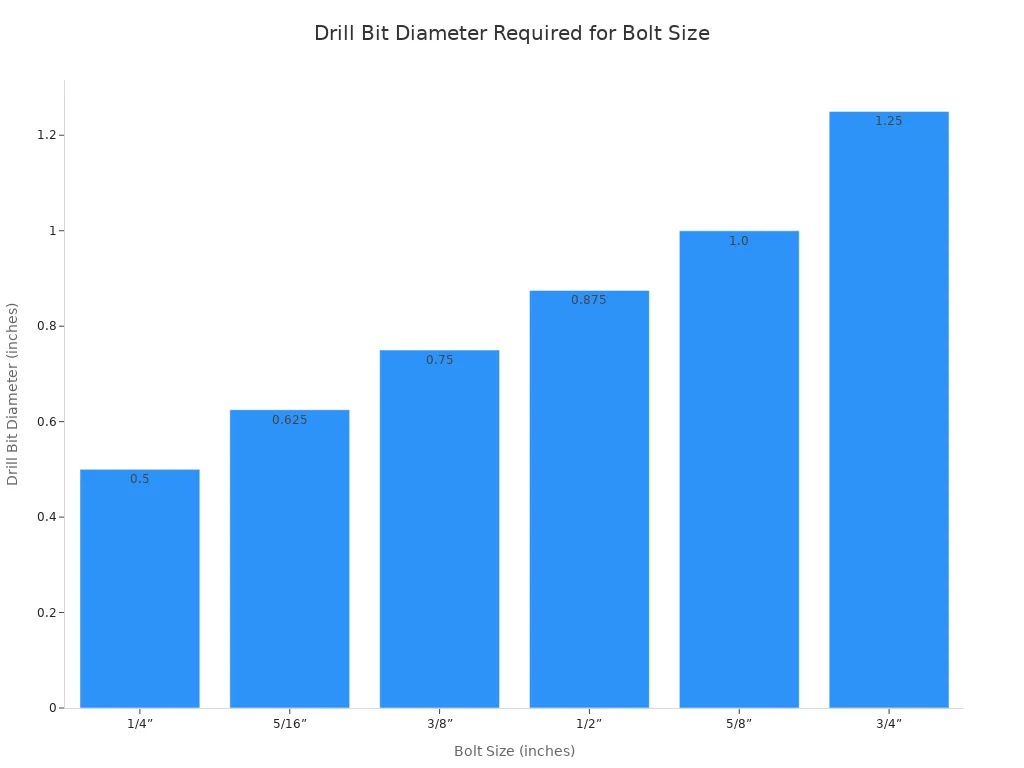
Монтажник должен выбрать твердосплавное сверло по камню, диаметр которого соответствует диаметру, указанному производителем анкера. Диаметр отверстия не подлежит обсуждению; отверстие, которое слишком мало, не позволит вставить анкер, а отверстие, которое слишком велико, не позволит распорному механизму зацепиться за бетон. Размер анкера определяет требуемый размер сверла.
Установка правильной глубины сверления
Отверстие должно быть просверлено на правильную глубину, чтобы обеспечить достаточное заглубление анкера. Большинство производителей требуют, чтобы отверстие было глубже длины анкера, чтобы обеспечить пространство для оседания пыли и мусора. Монтажник может установить глубину с помощью ограничителя глубины на перфораторе или, обернув кусок ленты вокруг сверла, использовать ее в качестве визуального ориентира.
Сверление перпендикулярно бетонной поверхности
Монтажник должен крепко держать перфоратор и совместить сверло с размеченной точкой. Крайне важно удерживать дрель строго перпендикулярно (под углом 90 градусов) к поверхности на протяжении всего процесса сверления. Сверление под углом может снизить удерживающую способность анкеров и создать проблемы при монтаже креплений на болты.
Шаг 3: Тщательная очистка просверленного отверстия
Чистое отверстие необходимо для прочного анкера. Бетонная пыль и мусор, оставшиеся внутри отверстия, действуют как смазка, значительно снижая трение, необходимое анкеру для сцепления с окружающим материалом. Этот процесс очистки должен быть тщательным.
Использование воздуходувки или сжатого воздуха
Первое действие по очистке включает в себя сильное выдувание всей рыхлой пыли и мусора. Монтажник использует строительный пылесос в режиме выдува, ручную воздуходувку или безмасляный сжатый воздух для удаления мелких частиц, образовавшихся во время сверления.
Чистка проволочной щеткой
После первоначальной продувки монтажник использует узкую проволочную щётку, подобранную по размеру отверстия. Он вставляет щётку и энергично чистит внутренние стенки. Это действие удаляет любую уплотнённую пыль, которую пропустила воздушная струя, обеспечивая полностью чистую поверхность.
Повторите процесс "Продувка-Чистка-Продувка"
Одного цикла очистки недостаточно. Чтобы добиться по-настоящему чистого отверстия, специалисты повторяют последовательность очистки.
Метод "Продувка-Чистка-Продувка" Специалист будет продувать Продуть отверстие, Очистить щеткой внутренние стенки, а затем продувать окончательно продуть отверстие. Эта последовательность гарантирует удаление всей рыхлой и уплотненной пыли, подготавливая отверстие для установки анкера с целью достижения максимальной эффективности.
Шаг 4: Установка анкерных болтов в отверстие
После подготовки идеально чистого отверстия монтажник приступает к физическому процессу установки. Этот шаг включает аккуратное размещение анкерного узла в бетоне. Точность на этом этапе предотвращает повреждение анкера и обеспечивает его правильное позиционирование для окончательной затяжки.
Вставка анкерного узла
Сначала оператор подготавливает анкер к установке. Гайку и шайбу следует навернуть на верхнюю часть анкера. Это простое действие защищает резьбу от повреждений на следующем этапе процесса.
Профессиональная техника установки
- Сборка анкера: Монтажник проверяет, что гайка и шайба находятся на конце болтов. Гайка должна быть заподлицо с верхом анкера, чтобы защитить резьбу.
- Крепление элементов: Если проект предполагает использование подвеса или кронштейна, их крепят к анкеру до перед установкой.
- Позиционирование анкера: Оператор совмещает кончик анкера с входом просверленного отверстия.
Такая тщательная подготовка гарантирует, что анкер готов к беспроблемной установке.
Забивание анкера на место молотком
Когда анкерный узел находится в позиции, монтажник использует молоток, чтобы забить его в отверстие. Необходимо наносить уверенные, но контролируемые удары по головке гайки, а не непосредственно по резьбе болтов. Цель — установить анкер до тех пор, пока шайба плотно не ляжет на поверхность бетона или крепежный элемент. Если анкер заходит с трудом, монтажник должен остановиться. Принудительная установка туго входящего анкера может повредить болты или бетон. Такое сопротивление часто указывает на то, что отверстие слишком мало или все еще содержит мусор. Оператор должен извлечь анкер и повторно проверить диаметр и чистоту отверстия.
Шаг 5: Затяжка и фиксация анкера
Этот заключительный этап — момент, когда анкер обретает свою удерживающую способность. Процесс затяжки активирует распорный механизм, надежно фиксируя анкер в бетоне. Соблюдение правильной процедуры критически важно для установить анкерные болты достижения заявленной несущей способности.
Предварительная затяжка гайки вручную
Перед приложением механического усилия монтажник затягивает гайку вручную. Он поворачивает гайку по часовой стрелке до плотного прилегания. Эта первоначальная затяжка приводит в действие распорную клипсу в нижней части анкера, прижимая ее к бетону. Это предотвращает проворачивание всего анкерного узла при приложении окончательного крутящего момента оператором. Это небольшое действие является ключевой частью успешного процесса монтажа. Эти анкеры зависят от этого первоначального зацепления.
Приложение окончательного крутящего момента ключом
Теперь оператор использует калиброванный динамометрический ключ для фиксации анкера. Это единственный инструмент, гарантирующий приложение правильного усилия вращения. Каждый анкер имеет конкретное значение крутящего момента, указанное производителем, которое часто можно найти на упаковке или в техническом паспорте.
- Выбор правильной головки: Монтажник выбирает головку правильного размера для гайки. Например, анкер 10 мм часто требует головки на 17 мм..
- Настройка динамометрического ключа: Он устанавливает динамометрический ключ на значение, указанное производителем.
- Плавная затяжка: Оператор плавно и непрерывно затягивает гайку до щелчка ключа, что указывает на достижение целевого крутящего момента.
Это заключительное действие втягивает конус в распорную гильзу, заставляя анкер расширяться и сжимать бетон под высоким давлением. На этом процедура установки распорных анкеров завершается, создавая прочную и надежную точку крепления.
Критические факторы надежного монтажа
Следование пятиэтапному процессу необходимо, но несколько критических факторов определяют, будет ли монтаж успешным или обреченным на провал. Внимание оператора к деталям, таким как размеры отверстия, чистота и приложение крутящего момента, напрямую влияет на безопасность и надежность конечной точки крепления. Правильная установка гарантирует, что анкер будет работать в соответствии с расчетной мощностью.
Точность диаметра и глубины отверстия
Размеры просверленного отверстия являются наиболее критическим элементом всего процесса. Даже незначительное отклонение может серьезно снизить эффективность анкера.
Почему правильный диаметр не подлежит обсуждению
Спецификация диаметра анкера абсолютна. Использование сверла неправильного размера, часто из-за изношенного сверла или простой ошибки, делает надежную установку невозможной. Эта ошибка ставит под угрозу эффективность анкера и может привести к структурным проблемам.
- Отверстие слишком велико: Слишком большое отверстие не позволяет распорному механизму плотно контактировать с бетоном, drastically снижая удерживающую способность анкера.
- Отверстие слишком мало: Принудительная установка анкера в отверстие меньшего размера может повредить резьбу анкера, не позволяя затянуть гайку. Это также может деформировать распорную гильзу,, что приведет к отказу анкера.
Важность правильной глубины заделки
Глубина заделки — это расстояние, на которое анкер установлен в бетон. Большая глубина заделки, как правило, обеспечивает более высокую несущую способность анкера. Соблюдение минимальной глубины заделки, указанной производителем, имеет решающее значение для правильной работы анкера.
Сопротивление анкера срезу увеличивается с глубиной анкеровки.. При оптимальной глубине заделки сопротивление срезу анкера достигает максимума. Затем оно остается постоянным и не зависит от дальнейшего увеличения глубины.
Важность отверстия, свободного от мусора
Чистое отверстие — прочное отверстие. Бетонная пыль, оставшаяся внутри просверленного отверстия, может снизить удерживающую способность анкера более чем на 50%. Это распространенная, но избегаемая ошибка при установке распорных анкеров.
Как мусор снижает удерживающую способность
Пыль и мусор действуют как смазка. Они создают барьер между анкером и чистым бетоном, не позволяя распорной гильзе создать необходимое трение для сцепления со стенками отверстия. Неправильная очистка отверстия может привести к недостаточному расклиниванию или преждевременному разрушению анкеров под нагрузкой.. Этот принцип применим ко всем типам анкеров, от механических до химических.
Лучшие практики очистки отверстий
Единственный надежный метод — это техника “продувка-чистка-продувка”. Оператор использует сжатый воздух для выдувания рыхлой пыли, очищает внутреннюю поверхность проволочной щеткой для удаления уплотненных частиц, а затем окончательно продувает отверстие. Это гарантирует, что анкер будет иметь прямой контакт с твердым бетоном.
Приложение правильного крутящего момента
Крутящий момент — это заключительный этап, активирующий анкер. Приложение правильного усилия — это тонкий баланс, который обеспечивает надежное соединение без повреждения компонентов.
Что такое крутящий момент и почему он важен
Крутящий момент — это мера вращательной силы. Когда оператор затягивает гайку, он прикладывает крутящий момент для растяжения болта. Это натяжение создает силу зажима, которая надежно удерживает крепеж. Применение правильного крутящего момента гарантирует, что анкер выдержит расчетную нагрузку.
Поиск технических требований производителя к крутящему моменту
Каждый анкер имеет конкретное значение крутящего момента, установленное производителем. Монтажник может найти эту критически важную информацию на упаковке продукта или в его техническом паспорте. Всегда обращайтесь к этим спецификациям для успешного монтажа.
Риски чрезмерной и недостаточной затяжки
Неправильное приложение крутящего момента создает значительные риски.
- Недостаточная затяжка: Недостаточно затянутый анкер не раскроется должным образом, что приведет к низким удерживающим значениям и непрочному соединению.
- Чрезмерная затяжка: Избыточный крутящий момент может сорвать резьбу или даже сломать болт. Не составляет труда довести анкер до предела текучести, особенно при использовании менее дорогой оснастки, что создает скрытую точку отказа.
Распространенные ошибки при монтаже распорных анкеров (и как их избежать)
Даже опытные профессионалы могут допускать ошибки, которые ставят под угрозу целостность анкерного крепления. Понимание этих распространенных ошибок — первый шаг к их предотвращению. Нескольким ключевым аспектам необходимо уделять особое внимание, чтобы каждый раз, когда оператору требуется устанавливают анкерные болты.
Сверление отверстия неправильного размера
Одной из самых частых и пагубных ошибок является использование неправильного сверла. Производитель анкера не зря указывает точные требования к диаметру. Отверстие, даже слегка большее, чем нужно, не позволяет распорной гильзе плотно контактировать с бетоном, что резко снижает удерживающую способность анкеров. И наоборот, отверстие, которое слишком мало, делает невозможным установку анкера без применения силы. Это может повредить резьбу анкера или деформировать распорную клипсу, что приведет к неудачному монтажу.
Эмпирическое правило 📏.
Недостаточная очистка отверстия
Чистое отверстие — прочное отверстие. Многие монтажники недооценивают негативное влияние бетонной пыли. Оставшаяся в отверстии мелкая пыль действует как смазка, создавая барьер между анкером и основным материалом. Это препятствует тому, чтобы распорный механизм создавал необходимое для сцепления со стенками отверстия трение. Результатом является значительная потеря удерживающей способности, иногда более чем на 50%. Эта оплошность превращает надежные анкеры в потенциальную точку отказа. Единственный способ гарантировать чистое отверстие — тщательно следовать методу «продуть-почистить-продуть».
Установка слишком близко к краю бетона
Размещение анкеров слишком близко к краю или углу является критической структурной ошибкой. При затяжке анкер оказывает огромное давление наружу, создавая “конус” напряжения в окружающем материале. Если оператор разместит анкер слишком близко к краю, этот конус напряжения не сможет полностью сформироваться в толще бетона. Это делает край уязвимым для растрескивания или “откола”, когда от поверхности откалывается кусок.
Общее правило заключается в соблюдении минимального расстояния не менее 12 диаметров анкера от любого края. Однако профессионалы всегда должны сверяться с техническими данными производителя.
- Например: Для углеродистого анкера Kwik Bolt TZ диаметром 5/8″ требуется минимальное расстояние до края 3,25 дюйма.
- Последствие: Попытка установить эти анкеры ближе указанного расстояния может легко привести к растрескиванию бетона во время монтажа, что испортит точку крепления.
Чрезмерная затяжка гайки и болта
Приложение чрезмерного усилия при затягивании гайки — распространенная и критическая ошибка. Некоторые монтажники ошибочно полагают, что сильнее затянутый болт означает более прочное крепление. Это предположение неверно и опасно. Чрезмерная затяжка создает нагрузку на анкер, крепеж и бетон, превышающую их расчетные пределы. Это может привести к немедленному или последующему отказу. Калиброванный динамометрический ключ — единственный инструмент, который гарантирует приложение правильной вращательной силы.
Оператор может определить чрезмерно затянутый болт по нескольким предупреждающим признакам. Эти индикаторы показывают, что материал был поврежден.
- Деформированная или растянутая резьба на болте
- Трещины на фланцах крепежа или на поверхности бетона
- Полный отрыв головки болта во время затяжки
- Повреждение прокладок, ведущее к потенциальным протечкам
Превышение технических требований производителя к крутящему моменту влечет серьезные риски. Огромное давление может вызвать различные типы отказов, включая разрушение бетона, когда ломается сам основной материал. Это также может вызвать разрушение стали анкера, когда болт течет или ломается. В других случаях это приводит к вырыванию анкера, когда вся сборка теряет сцепление.
Попадание в арматуру при сверлении
Арматурная сталь (арматура) — обычный компонент конструкционного бетона. Попадание в арматуру при сверлении — частая проблема, требующая немедленной и правильной реакции. Оператор почувствует, что сверло перестает продвигаться, и может услышать изменение звука работы дрели. Продолжение сверления может повредить сверло, дрель и, что наиболее важно, конструкционную арматуру.
Протокол действий при попадании в арматуру 🛑.
Основное и предпочтительное решение — отказаться от отверстия и переместить точку крепления. Монтажник должен сместить новое отверстие на несколько дюймов, чтобы полностью избежать арматуры. Если ограничения проекта не позволяют переместить анкер, решение о перерезании арматуры остается исключительно за Ответственным инженером (EOR). EOR должен утвердить любое изменение арматуры. Если EOR одобряет сверление через арматуру, он, вероятно, потребует проведения испытаний на месте после установки анкера, чтобы проверить его работу и убедиться, что он соответствует требованиям к нагрузке.
Выбор правильных анкерных болтов для бетона для вашего проекта
Выбор правильных анкерных болтов для бетона — это критически важное решение, которое напрямую влияет на безопасность и долговечность проекта. Монтажник должен оценить требования к нагрузке, факторы окружающей среды и состояние самого бетона. Это гарантирует, что выбранный анкер будет надежно работать в предполагаемых условиях эксплуатации.
Оценка требований к нагрузке
Оператор должен сначала понять, какие усилия должен будет воспринимать анкер. Эти усилия подразделяются на два основных типа: растягивающие и сдвигающие нагрузки.
Сдвигающие нагрузки vs. Растягивающие нагрузки
Тип нагрузки, которую должен воспринимать анкер, определяет его выбор. Инженеры используют сложные формулы для определения несущей способности анкера, учитывая такие факторы, как текучесть материала анкера и выкалывание бетона.
- Растягивающая нагрузка: Это вырывающее усилие, которое пытается выдернуть анкер прямо из бетона.
- Сдвигающая нагрузка: Это усилие, действующее параллельно поверхности бетона.
При одновременном действии обоих усилий проводится проверка совместного влияния чтобы убедиться, что комбинированные нагрузки не превышают несущую способность анкера.
Применения легкой, средней и тяжелой категории
Анкеры классифицируются по различной несущей способности. Выбор правильной категории предотвращает отказ анкера. Болты легкой категории подходят для простых задач, в то время как анкеры тяжелой категории необходимы для конструктивных соединений.
| Категория | Номинальная нагрузка (фунты) | Примеры типов анкеров |
|---|---|---|
| Легкая категория | 5-25 | Пластиковые распорные анкеры |
| Средняя категория | 25-75 | Саморезы по бетону |
| Повышенная прочность | 75+ | Клиновые и гильзовые анкеры |
Учет условий окружающей среды
Среда, в которой устанавливается анкер, играет важную роль в выборе материала. Влага и химические вещества являются основными факторами, которые могут нарушить целостность болтов.
Использование внутри и снаружи помещений
При наружной установке анкеры подвергаются воздействию влаги, что может вызвать ржавчину и коррозию. Высокий уровень влажности ускоряет этот процесс, ослабляя крепежные элементы. Для внутренних применений условия обычно менее суровы, но монтажник все равно должен учитывать возможное воздействие влаги или химических веществ.
Коррозионная стойкость: Оцинкованные vs. Горячеоцинкованные vs. Нержавеющая сталь
Материал болтов определяет срок их службы. Каждое покрытие или материал обеспечивает разный уровень защиты.
| Материал | Коррозионная стойкость | Наилучшее применение |
|---|---|---|
| Оцинкованная сталь | Хорошая | Внутренние или сухие среды с низким риском коррозии. |
| Горячее цинкование | Очень хорошая | Наружные и промышленные применения с умеренной влажностью. |
| Нержавеющая сталь | Отличная | Морские, химические среды и среды с высокой влажностью. |
Оценка состояния бетона
Состояние основного материала так же важно, как и сам анкер. Возраст и прочность бетона являются критическими факторами.
Затвердевший бетон vs. Свежеуложенный бетон
Монтажники никогда не должны устанавливать распорные анкеры в “свежий” или незатвердевший бетон. Свежий бетон дает усадку при твердении. Эта усадка ослабляет закрепление анкера, делая его слабым и ненадежным. Анкер, установленный в незатвердевший бетон, не наберет прочность; он будет только слабеть. Предельная прочность всех анкерных болтов для бетона зависит от прочности на сжатие полностью затвердевшего бетона.
Учет прочности бетона (PSI)
Прочность бетона на сжатие, измеряемая в фунтах на квадратный дюйм (PSI), напрямую влияет на удерживающую способность анкера. Более высокое значение PSI означает, что бетон прочнее и может выдерживать большую нагрузку. Например, номинальная нагрузка анкера может почти удвоиться при переходе от бетона с прочностью 2500 PSI к бетону с прочностью 6000 PSI. Производители часто указывают несущую способность для стандартной прочности бетона, поэтому оператор должен уточнить конкретное значение PSI для проекта, чтобы выбрать подходящие анкеры.
Для успешной установки распорных болтов монтажник должен выполнить основные этапы: сверление, очистка, установка и затяжка. Этот процесс гарантирует, что каждый анкер реализует свой полный потенциал. Профессионалы всегда сверяются с техническими характеристиками производителя для конкретного анкера, чтобы руководствоваться ими при установке.
Правильно установленный анкер обеспечивает прочную и надежную точку крепления. Операторы устанавливают анкер с высокой точностью, чтобы гарантировать безопасность и производительность.
Частые вопросы
Что должен сделать оператор, если анкер проворачивается в отверстии?
Проворачивание анкера часто указывает на проблему с отверстием. Оператор должен извлечь анкер и проверить две распространенные проблемы:
- В отверстии слишком много пыли.
- Отверстие просверлено слишком большим.
Очистка отверстия или правильное сверление нового обычно решает эту проблему.
Можно ли повторно использовать распорные болты?
Нет, монтажник не может повторно использовать распорные болты. Распорный механизм необратимо деформируется во время первоначальной установки для сцепления с бетоном. Извлечение анкера лишает его возможности снова создавать надежное соединение.
Совет по безопасности ⚠️.
Сколько времени монтажник должен ждать перед приложением нагрузки?
Механические распорные анкеры готовы к немедленному нагружению. Как только оператор затягивает анкер с указанным моментом затяжки, он достигает своей полной удерживающей способности. В отличие от химических анкеров, время отверждения не требуется. Это позволяет быстрее завершить проект.
Какой распорный анкер лучше всего подходит для кирпича или блоков?
Гильзовые анкеры являются отличным выбором для применения в кирпиче и блоках. Их распорный механизм распределяет давление по длине гильзы. Такая конструкция снижает риск растрескивания этих более хрупких основных материалов, обеспечивая надежное крепление без причинения повреждений.
Почему динамометрический ключ так важен?
Динамометрический ключ гарантирует правильное усилие зажима. Он предотвращает распространенные ошибки чрезмерной или недостаточной затяжки анкера. Правильное приложение момента затяжки необходимо для того, чтобы анкер работал в соответствии с проектом.
| Состояние | Риск |
|---|---|
| Недостаточная затяжка | Анкер может вырваться под нагрузкой. |
| Чрезмерная затяжка | Болт может сломаться или бетон может треснуть. |
Как оператору устранить отверстие, которое было просверлено слишком большим?
Самое безопасное и профессиональное решение — отказаться от использования отверстия большего размера. Оператор должен сместиться и просверлить новое отверстие правильного размера. Попытка использовать распорный анкер в большом отверстии приведёт к слабому и ненадёжному соединению.