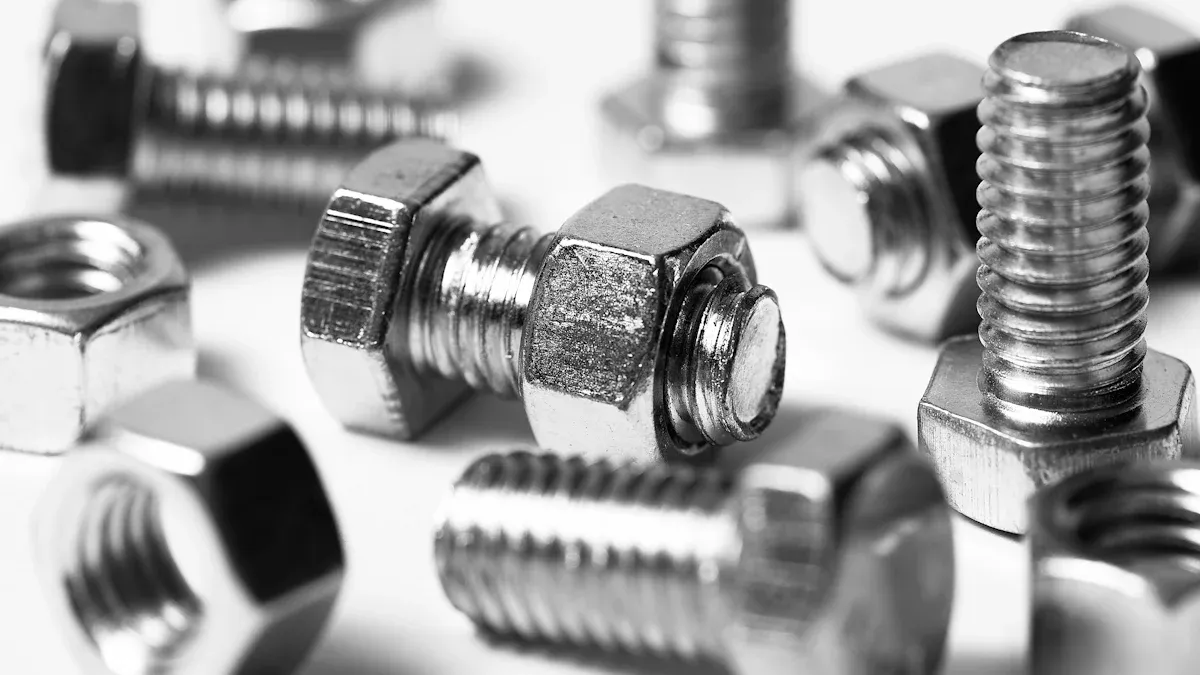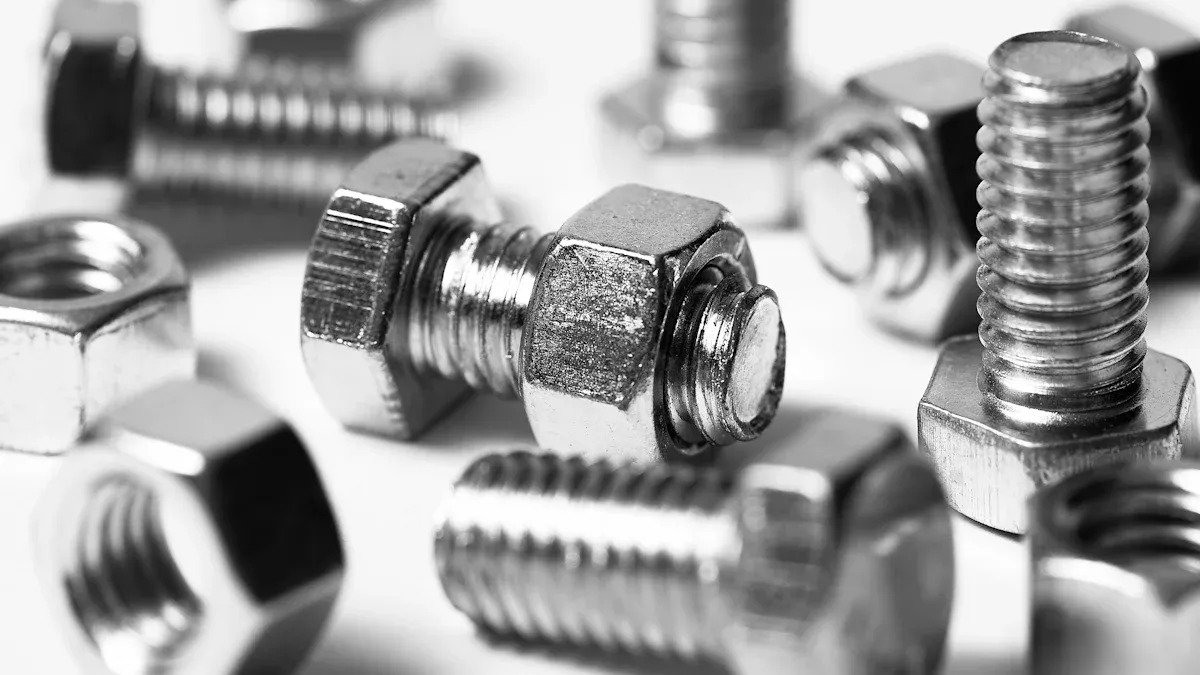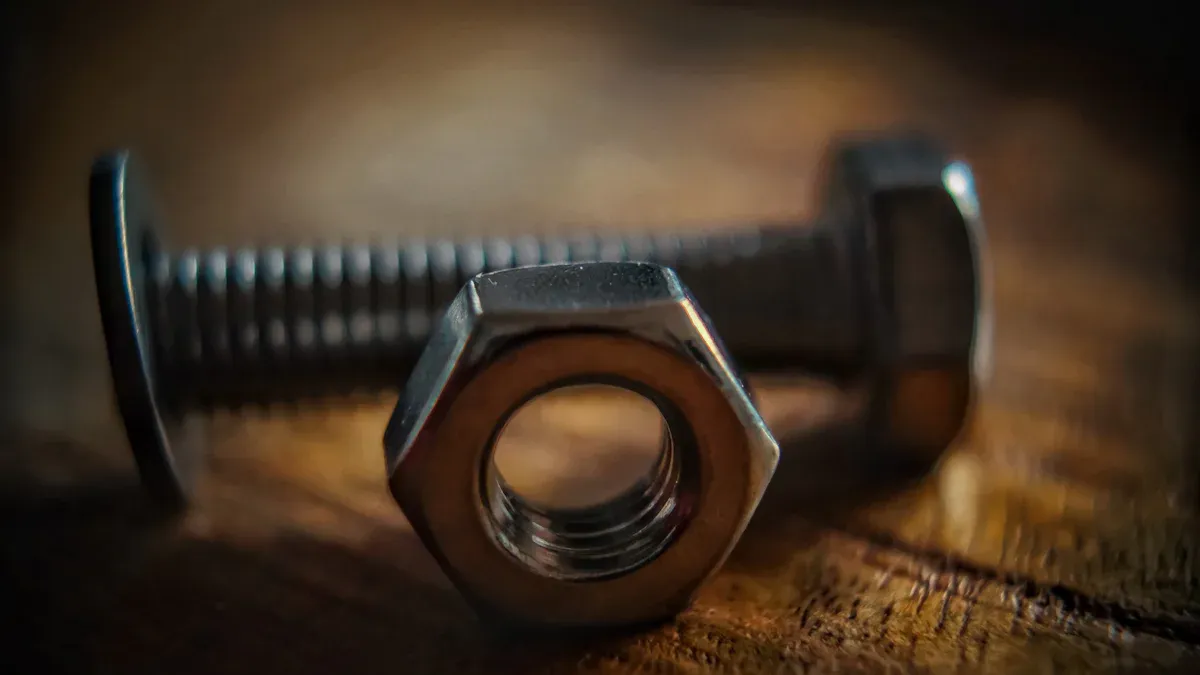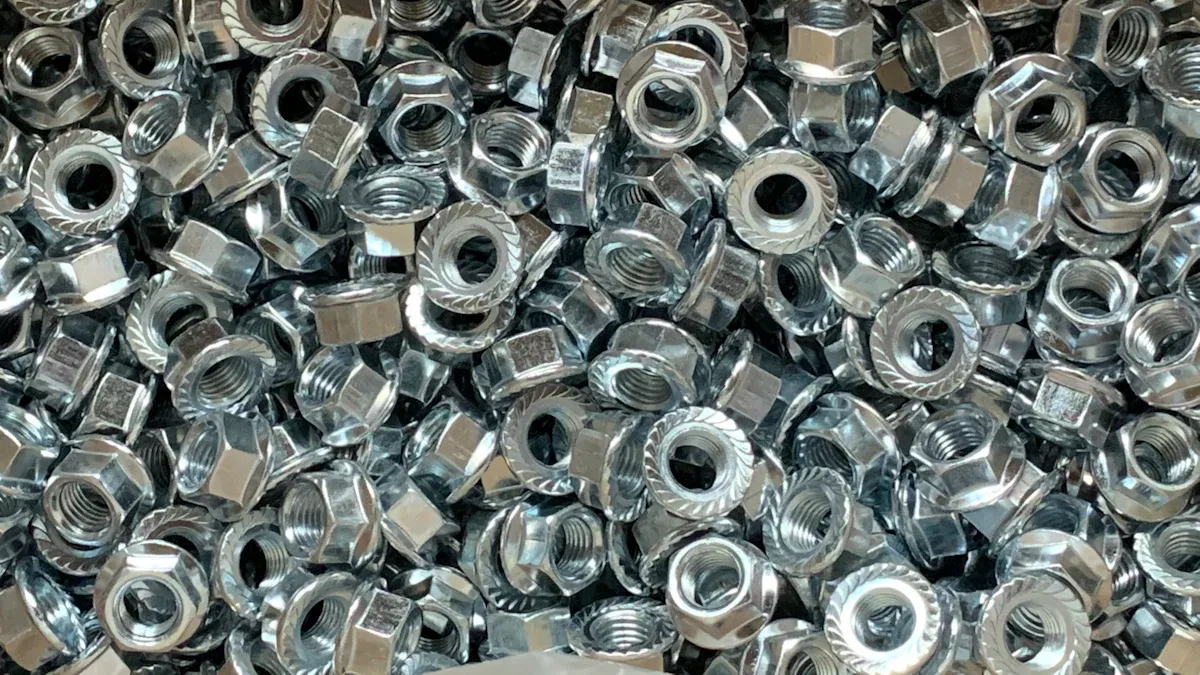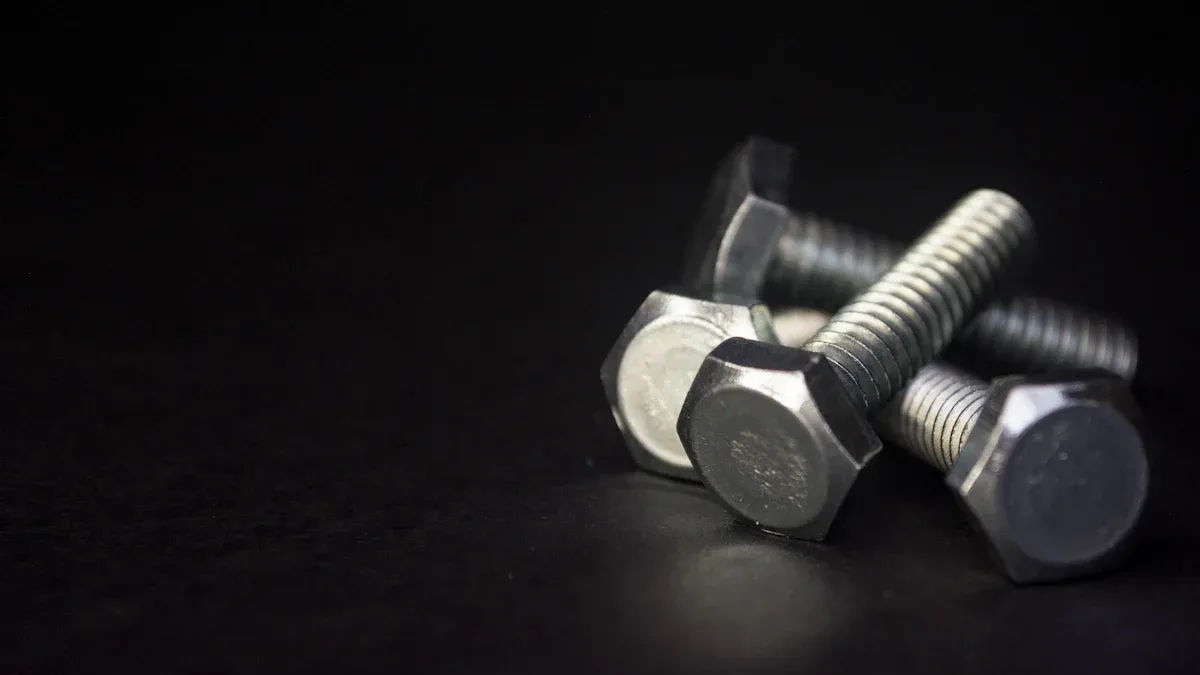
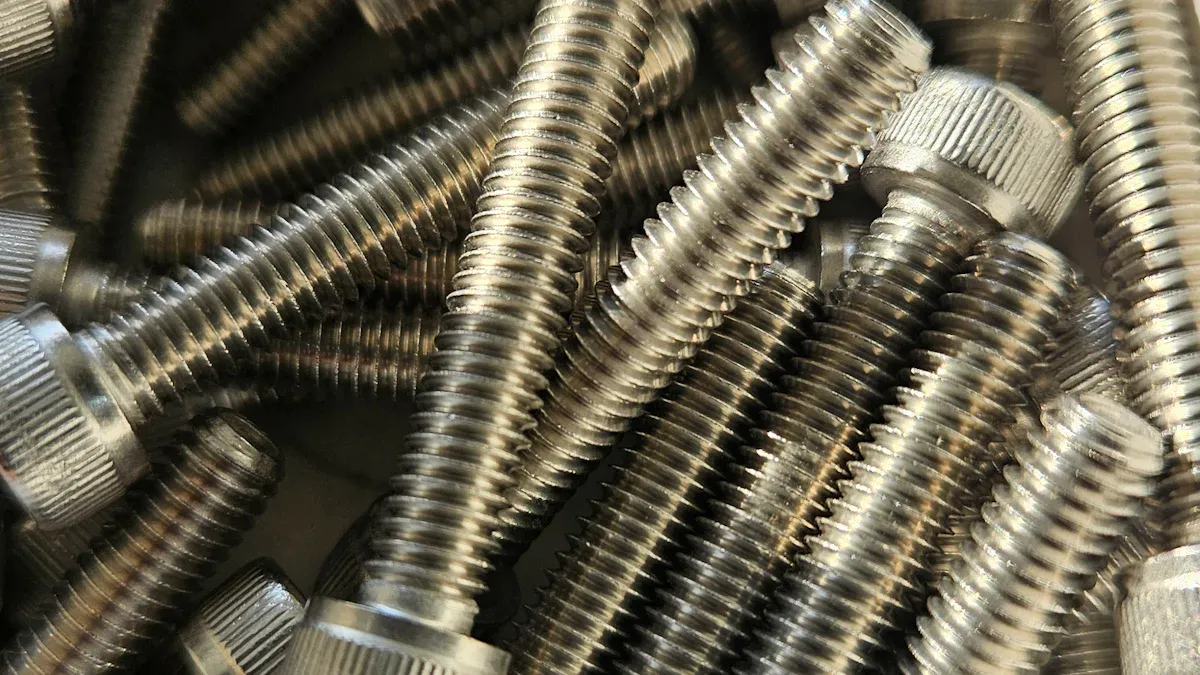
Отличный Фланцевый болт имеет решающее значение для безопасности и производительности автомобиля. Определение качественных фланцевых болтов требует тщательной проверки трех ключевых областей. Техники должны проверять маркировку на головке на наличие информации о классе прочности и производителе. Материал и покрытие указывают на прочность болта и его устойчивость к коррозии. Наконец, физическое строение раскрывает точность литье болтов и нарезки резьбы. Качественные болты будут иметь четкую, разборчивую маркировку, равномерное защитное покрытие и чистую, хорошо выраженную резьбу без дефектов. Эти детали свидетельствуют о прочности и надежности болта. производитель крепежных изделий на заказ часто производит превосходные нестандартные крепежные элементы для конкретных применений.
Расшифровка маркировки на головке: Первый ключ к качеству
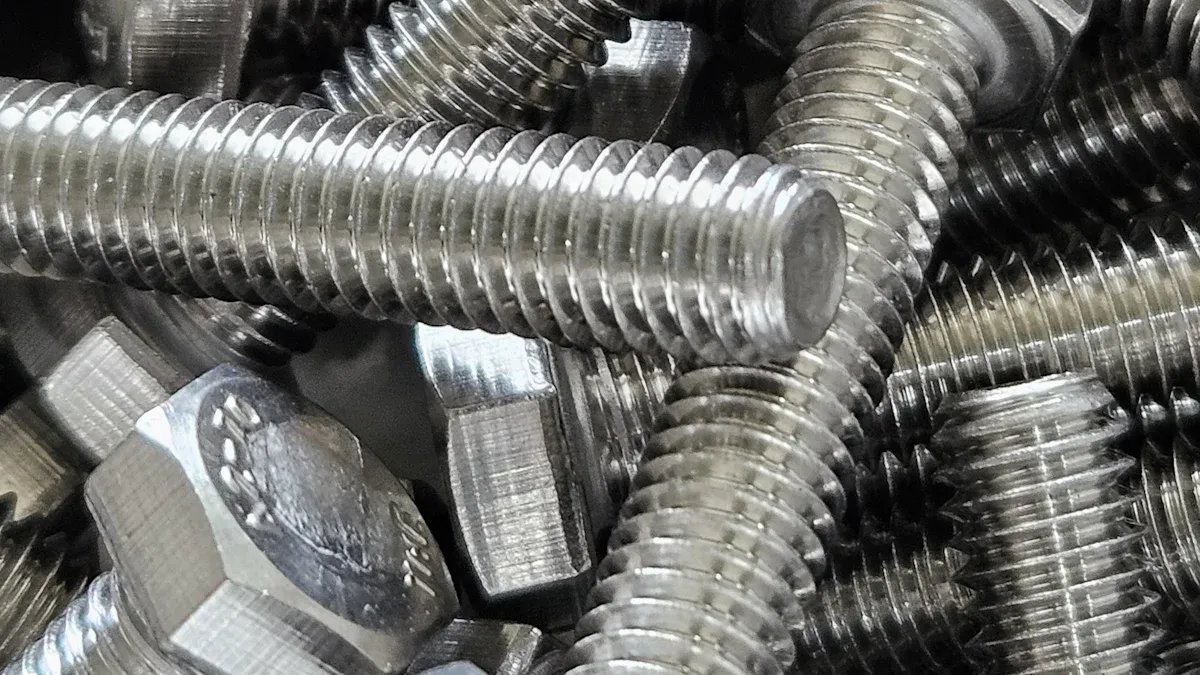
Небольшие маркировочные знаки, нанесенные на головку фланцевого болта, — это его резюме. Эти символы предоставляют критически важную информацию о происхождении крепежного изделия и его механических свойствах. Техник может быстро оценить пригодность болта для конкретного автомобильного применения, научившись расшифровывать эту маркировку. Это первый и самый важный показатель качества и прочности.
Совет 1: Проверьте класс прочности
Класс прочности болта определяет его механические пределы, включая предел прочности на растяжение и предел текучести. Использование болта с неправильным или неизвестным классом прочности может привести к катастрофическому разрушению соединения. Маркировка класса прочности — это обязательная характеристика для любого качественного автомобильного крепежа.
Понимание метрической маркировки классов прочности (8.8, 10.9, 12.9)
Большинство современных автомобилей используют метрические болты. Их прочность обозначается числовым классом свойств, например, 8.8, 10.9 или 12.9, нанесенным непосредственно на головку. Эти числа не являются произвольными.
- Первое число (например, 8 в 8.8) представляет собой предел прочности на растяжение в мегапаскалях (МПа), умноженный на 100.
- Второе число (например, .8 в 8.8) указывает предел текучести в процентах от предела прочности на растяжение.
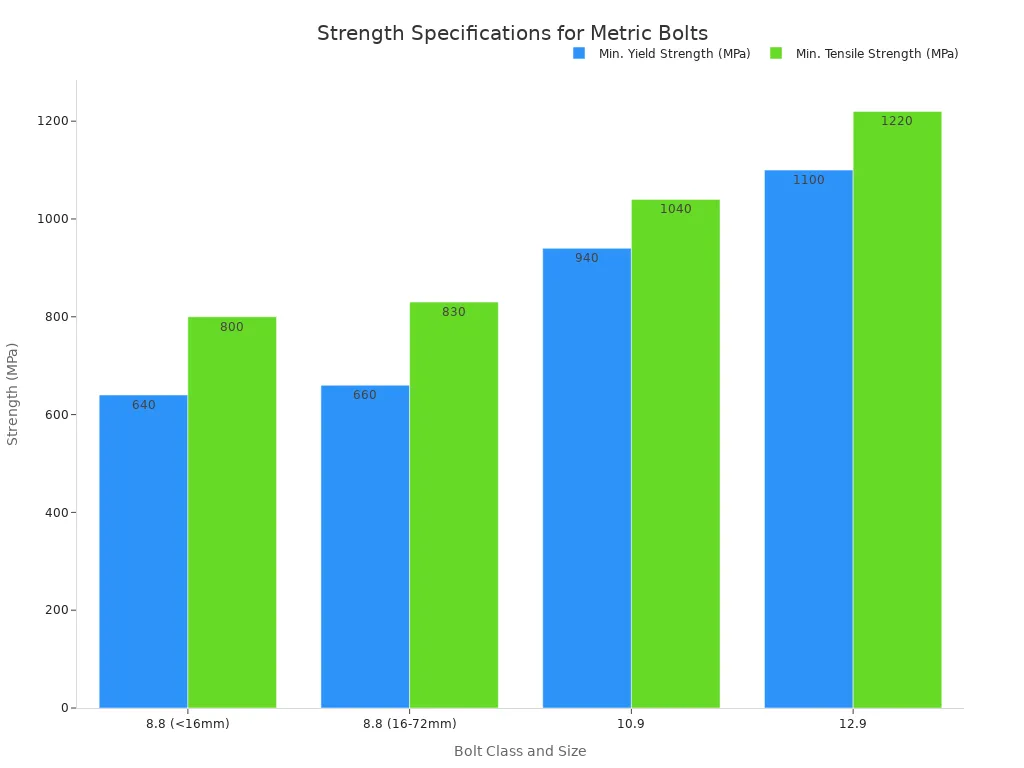
Более высокие числа означают большую прочность. Например, болт класса 12.9 имеет минимальный предел прочности на растяжение 1220 МПа и предел текучести 1100 МПа, что делает его значительно прочнее болта класса 8.8.
| Класс | Номинальный диапазон размеров (мм) | Мин. предел текучести (МПа) | Мин. предел прочности на растяжение (МПа) |
|---|---|---|---|
| 8.8 | 16мм – 72мм | 660 | 830 |
| 10.9 | 5мм – 100мм | 940 | 1040 |
| 12.9 | 1.6мм – 100мм | 1100 | 1220 |
Понимание маркировки классов прочности SAE (радиальные линии)
Стандарт Общества автомобильных инженеров (SAE) J429 использует систему радиальных линий на головке болта для обозначения прочности. Количество линий соответствует определенному классу.
- Нет линий: Класс SAE 2 (низкая прочность, не для критических применений).
- 3 радиальные линии: Класс SAE 5 (средняя прочность, распространен в автомобилях).
- 6 радиальных линий: Класс SAE 8 (высокая прочность, для критических несущих областей).
Болт класса 5 имеет гарантированную нагрузку 85 000 PSI для размеров до одного дюйма. Болт класса 8 предлагает гораздо более высокую гарантированную нагрузку 120 000 PSI, что указывает на превосходную прочность. Некоторые стандарты, такие как ASTM A307 Grade B, используют на головке номер своего технического условия. Эти болты предназначены для фланцевых соединений в трубопроводных системах.
Почему более высокие классы важны для автомобильного применения
Автомобильная среда подвергает болты экстремальным нагрузкам, включая высокий крутящий момент, постоянную вибрацию и перепады температур. Болты более высокого класса обеспечивают необходимую прочность на растяжение, чтобы выдерживать эти напряжения без растяжения или поломки. Критические применения требуют этой повышенной прочности.
- Автомобильные подвески
- Головки цилиндров двигателя
- Компоненты тормозной системы
- Узлы трансмиссии и коробки передач
Использование болта более низкого класса в этих областях ставит под угрозу безопасность и может привести к отказу компонентов. Превосходные прочностные характеристики болтов класса 10.9 или SAE Grade 8 обеспечивают надежность соединения при максимальной нагрузке.
Тревожный сигнал: Отсутствие маркировки класса прочности
Болт без маркировки класса прочности — это немедленный тревожный сигнал. Это неизвестная величина без гарантированной прочности. Установка такой детали — это серьезный риск. Закон о качестве крепежных изделий был принят для борьбы с такими проблемами, определяя контрафактное изделие как такое, которое было “умышленно промаркировано неверно, неверно идентифицировано или иным образом представлено ложно в качестве подлинного, немодифицированного изделия от оригинального производителя.”
Использование немаркированных или контрафактных болтов влечет серьезные риски. Производители, выпускающие такие детали, сталкиваются с серьезными юридическими последствиями, но непосредственная опасность ложится на владельца автомобиля и техника.
| Область риска | Угроза контрафакта | Меры по снижению риска |
|---|---|---|
| Разрушение конструкции | Болты выходят из строя при меньших нагрузках, что приводит к разрушению соединения | Использовать болты с прослеживаемым происхождением, проводить испытания на растяжение |
| Безопасность персонала | Разрушение под нагрузкой приводит к травмам/смерти | Закупать болты с прослеживаемым происхождением и проводить проверку маркировки на головке |
| Юридический и регуляторный риск | Liability from non-compliance | Report to government agencies like GIDEP |
Tip 2: Look for a Manufacturer’s Stamp
Alongside the strength grade, a quality bolt will feature a manufacturer’s identification mark. This stamp is a symbol of accountability.
What a Manufacturer’s Stamp Looks Like
A manufacturer‘s stamp is typically a one-to-three-letter code or a unique symbol. It is usually located near the grade marking on the bolt head. This mark identifies the company that produced the fastener.
Why Traceability Equals Accountability
The manufacturer’s stamp is essential for lot traceability. Reputable manufacturers stamp their products with a code that links the bolt back to a specific production batch, material heat number, and quality control report. This system, a cornerstone of the Fastener Quality Act, ensures accountability. If a defect is found, the entire affected lot can be identified and recalled. This traceability protects consumers and provides proof of the bolt’s origin and quality.
Common Stamps from Reputable Brands
Technicians will become familiar with the stamps of major fastener manufacturers over time. Brands like ARP, Kamax, Nucor, or Infasco have distinct, well-known markings. Recognizing these stamps provides an extra layer of confidence in the part’s quality and its stated tensile strength.
Red Flag: Generic or Missing Stamps
The absence of a manufacturer’s stamp is as concerning as a missing grade mark. It suggests the bolt was made by an unknown entity with no accountability for its performance. These “blank” bolts often have inconsistent material quality and questionable strength, making them unsuitable for any automotive repair where reliability is a factor. Avoid these bolts to ensure safety and performance.
Assessing Material and Coating for Durability
A bolt’s material composition and protective finish are just as critical as its strength grade. These elements determine its resistance to corrosion, fatigue, and environmental stress. A visual inspection of the material and coating provides valuable clues about the fastener’s long-term durability and overall quality.
Tip 3: Identify the Bolt Material and Finish
The base metal provides the core strength, while the coating acts as a shield. Understanding both helps a technician select the right part for the job.
Common High-Strength Bolt Materials
Most high-strength automotive bolts are made from carbon or alloy steel. This material offers the exceptional tensile strength required for critical joints. For applications demanding high corrosion resistance, stainless steel is an option. A 304 stainless steel fastener provides good corrosion protection, but a 316 stainless steel fastener offers superior resistance, especially against chlorides from road salt. However, many stainless steel bolts do not match the tensile strength of high-grade alloy steel. The choice of material always involves a trade-off between strength and corrosion resistance. The base material is key to a bolt’s performance.
The Role of Protective Coatings
Coatings protect the base material, usually steel, from moisture and corrosive elements. However, the coating process itself can introduce risks.
During manufacturing processes like acid cleaning or electroplating, the base material can absorb atomic hydrogen. This hydrogen can lead to a dangerous condition called hydrogen embrittlement, causing the fastener to fracture suddenly under load. This is a major concern for high-strength bolts.
Identifying Zinc Plating
Zinc plating is a common and cost-effective coating. It appears bright and silvery, sometimes with a blueish or yellowish tint from a chromate conversion topcoat. The ASTM B633 standard specifies coating thicknesses for different service conditions.
- 25 μm
- 12 μm
- 8 μm
- 5 μm Thicker coatings offer better protection. The material 316 stainless steel does not require this coating.
Identifying Phosphate & Oil Finishes
A phosphate and oil finish gives bolts a distinctive matte black or dark gray appearance. This coating provides moderate corrosion resistance and has natural lubricity, which can be beneficial for achieving proper torque. It feels slightly oily to the touch. This finish is common on high-strength drivetrain and suspension bolts.
Identifying High-Performance Coatings: Dacromet & Geomet
These are premium, non-electrolytic coatings that appear as a matte, silvery-gray finish. They provide excellent corrosion protection without the risk of hydrogen embrittlement associated with electroplating. These coatings are often found on high-end brake hardware and chassis bolts where maximum durability is essential. The strength of 316 stainless steel is different from coated steel.
Tip 4: Spotting Signs of Poor Plating
A flawed coating compromises the bolt’s integrity. Technicians should look for several red flags indicating a poor-quality finish.
Red Flag: Flaking or Peeling
A quality coating adheres completely to the base material. If the plating is flaking or peeling off, it indicates poor surface preparation or application. This defect, similar to what a crosshatch adhesion test reveals, exposes the steel underneath to immediate corrosion.
Red Flag: Bubbling and Blisters
Blisters or bubbles under the coating are signs of trapped gas or contaminants. This defect creates weak points in the protective layer. It suggests a poorly controlled plating process and guarantees premature failure of the coating.
Red Flag: Uneven Color or Bare Spots
The coating should be uniform across the entire surface of the bolt, including the threads and under the head. Any bare spots or significant variations in color mean the protection is incomplete. These areas will become the first points of corrosion.
Red Flag: Early Signs of Corrosion (White Rust)
White, chalky powder on a new zinc-plated bolt is “white rust.” It is zinc oxide, which forms when the zinc coating corrodes. While this is a normal part of the sacrificial protection process over time, its presence on a new part indicates a thin or poor-quality coating that is already failing. The corrosion resistance of 316 stainless steel is superior.
The Anatomy of Quality Flange Bolts: Physical Inspection
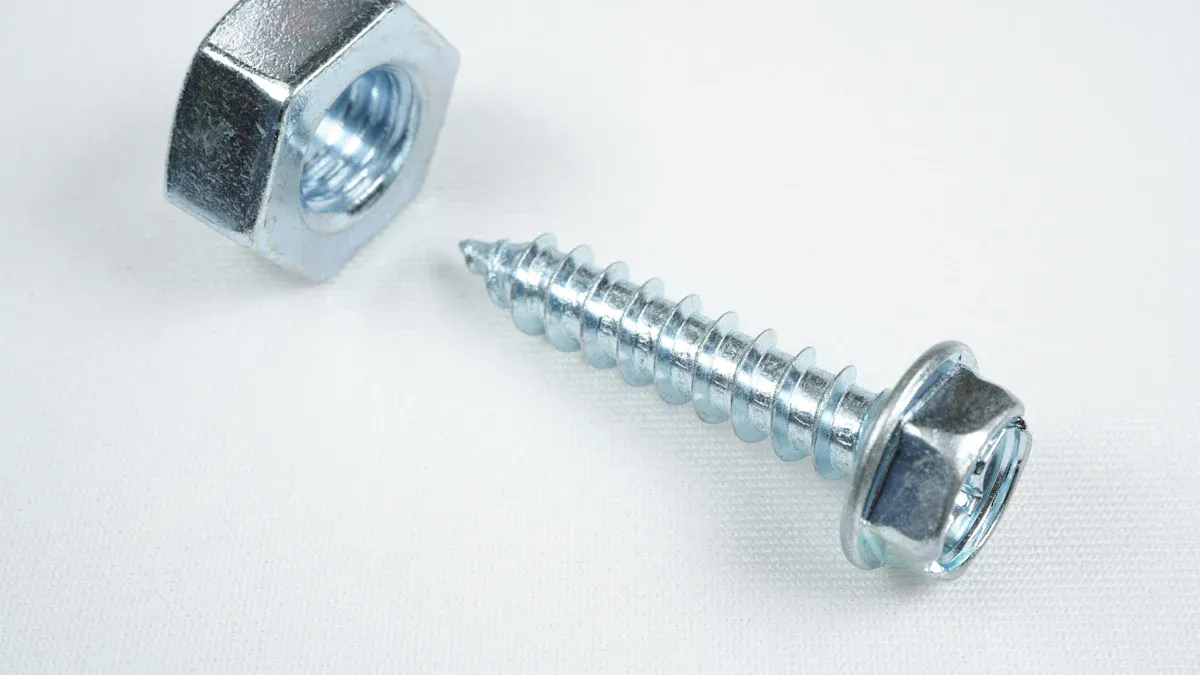
Beyond markings and coatings, the physical shape and form of a bolt reveal the quality of its manufacturing process. A careful hands-on inspection can uncover hidden defects that compromise a fastener’s integrity and performance. Technicians should pay close attention to the threads, flange, and head for signs of precision engineering or, conversely, poor workmanship.
Tip 5: Examine Thread Quality
The threads are the functional heart of any bolt. They create the mechanical lock that holds components together. Flawless threads ensure proper engagement, accurate torque application, and maximum clamping force.
What Clean, Well-Formed Threads Look Like
High-quality threads are smooth, uniform, and precisely shaped. Their profile is not arbitrary; it follows strict engineering standards that define the thread’s angle, pitch, and tolerances. These standards ensure interchangeability and reliable performance.
- ISO 68-1:2023: Defines the basic profile for general-purpose metric screw threads.
- ISO 965 series: Specifies the tolerances, or acceptable deviations, for these threads, ensuring a proper fit between the bolt and nut.
The manufacturing method significantly impacts thread quality and strength. Most high-strength automotive bolts use rolled threads instead of cut threads.
| Характеристика | Накатанная резьба | Нарезанная резьба |
|---|---|---|
| Процесс | Металл холодно деформируется и смещается с помощью матриц. | Металл физически срезается для создания резьбы. |
| Структура зерна | Линии течения зерна следуют контуру резьбы, повышая прочность. | Структура зерна нарушена, создавая точки напряжения. |
| Прочность | Прочнее из-за наклепа и сжимающих напряжений. | Слабее, так как материал удаляется, а зерна срезаются. |
| Чистота поверхности | Более гладкая, полированная поверхность снижает трение. | Могут присутствовать микроскопические задиры или шероховатости от резания. |
| Стоимость | Более эффективен и менее затратен для массового производства. | Медленнее и создает больше отходов материала. |
Накатанная резьба обеспечивает превосходную усталостную прочность, что делает ее предпочтительным выбором для требовательных условий автомобильных применений.
Тревожный признак: Заусенцы и приплюснутые участки
Внимательно осмотрите вершины и впадины резьбы. Наличие заусенцев — мелких острых частиц металла, оставшихся после изготовления — указывает на небрежный процесс. Эти дефекты могут повредить резьбу ответной детали и помешать правильной посадке крепежа.
Хотя отраслевые стандарты допускают незначительные “несплошности”, техник должен использовать профессиональное суждение. Острые заусенцы, ощущаемые ногтем, или приплюснутые участки, нарушающие винтовую линию резьбы, недопустимы для критических применений.
Тревожный признак: Неравномерный шаг резьбы
Расстояние между витками резьбы, известное как шаг, должно быть абсолютно равномерным. Используйте резьбовой шаблон, чтобы убедиться, что он соответствует спецификации болта. Неравномерный шаг — это серьезный производственный дефект, который приведет к заклиниванию болта при установке. Попытка ввернуть болт с неправильным шагом повредит как сам болт, так и резьбовое отверстие, снизив прочность соединения.
Тревожный признак: Признаки повреждения или заводского срыва резьбы
Даже новые болты могут быть повреждены. Ищите зазубрины, вмятины или сплющенные участки на резьбе, которые часто возникают из-за небрежного обращения или упаковки. Также проверьте первые несколько витков на признаки заводского срыва резьбы. Это происходит, когда болт под углом вкручивают в гайку или приспособление во время вторичной обработки, например, покрытия. Это первоначальное повреждение помешает правильному началу установки.
Совет 6: Проверьте целостность фланца и головки
Головка и интегрированный фланец качественных фланцевых болтов так же важны, как и резьба. Они передают зажимное усилие на соединение и обеспечивают поверхность для приложения крутящего момента инструментом.
Важность концентричности фланца
Фланец выполняет критически важную функцию: он действует как встроенная шайба. Увеличивая площадь поверхности под головкой, фланец распределяет зажимную нагрузку более равномерно по закрепляемой детали. Это снижает напряжение в материале компонента и помогает предотвратить ослабление болта из-за вибрации. Для этого фланец должен быть идеально концентричен со стержнем болта и иметь плоскую, равномерную опорную поверхность.
Тревожный признак: Деформированная или неровная поверхность фланца
Качественный фланец должен быть плоским и перпендикулярным оси болта. Деформированный, изогнутый фланец или фланец с видимо неровной или конической поверхностью — серьезный тревожный признак. Неидеальная поверхность не будет равномерно распределять зажимную нагрузку, создавая точки высокого напряжения, которые могут повредить компонент или привести к преждевременному ослаблению. Этот неравномерный контакт также увеличивает трение, что может привести к более низкому, чем ожидалось, зажимному усилию при заданном значении крутящего момента, ставя под угрозу прочность соединения.
Тревожный признак: Трещины или следы напряжения
Внимательно осмотрите область перехода головки в стержень, известную как галтель. Это зона высокого напряжения, и наличие любых трещин является причиной для немедленной отбраковки болта. Эти трещины, часто микроскопические, могут возникать из-за нескольких производственных дефектов:
- Неправильная термообработка: Недостаточный отпуск или нарушенная закалка могут создать внутренние напряжения, ведущие к растрескиванию.
- Некачественная холодная обработка: Чрезмерное усилие при формовке головки может создать микротрещины.
- Дефекты механической обработки: Острые следы инструмента в области галтели действуют как концентраторы напряжения, с которых могут начинаться трещины.
Эти дефекты создают точку катастрофического отказа, и такие болты никогда не должны использоваться.
Тревожный признак: Неправильно сформированная шестигранная головка
Наконец, осмотрите саму шестигранную головку. Грани должны быть четкими, чистыми и правильного размера. Неправильно сформированная шестигранная головка со скругленными углами или несоответствующими размерами указывает на низкое качество оснастки и отсутствие контроля процесса. Это может привести к проскальзыванию ключей или головок при затяжке, что не только повреждает инструмент и болт, но и делает достижение правильного крутящего момента практически невозможным. Качественный крепеж будет иметь точно сформированную головку, обеспечивающую надежное сцепление с инструментом. Эти детали отличают некачественные детали от надежных, качественных фланцевых болтов.
Понимание размеров и посадки болтов
Маркировка и материал болта важны, но его физические размеры определяют, подойдет ли он и будет ли функционировать правильно. Неправильно подобранный крепеж ставит под угрозу целостность и безопасность соединения. Техники должны проверять каждый размер, чтобы обеспечить надежное соединение.
Совет 7: Проверка правильности размеров
Точные измерения — это обязательный шаг при выборе крепежа. Использование правильных инструментов гарантирует, что выбранная деталь соответствует точным требованиям применения.
Измерение диаметра болта
Техник должен точно измерить диаметр болта. Цифровые штангенциркули — наиболее распространенный инструмент для этой задачи. Они обеспечивают быстрое и точное считывание наружного диаметра (по вершинам резьбы) и диаметра стержня (нерезьбовой части). Для применений, требующих наивысшей точности, наружный микрометр обеспечивает превосходную точность.
Определение правильной длины
Длина болта измеряется от нижней стороны головки до конца резьбы. Штангенциркуль идеально подходит для этого измерения. Простая линейка или рулетка могут дать быструю оценку, но им не хватает точности, необходимой для критических применений, где зазор минимален.
Проверка шага резьбы
Шаг резьбы — это расстояние между соседними витками. Резьбовой шаблон — это необходимый инструмент для этой работы. Техник проверяет шаг, выполнив следующие шаги:
- Выберите пластинку шаблона, которая, по-видимому, соответствует резьбе болта.
- Прижмите пластинку к резьбе, чтобы проверить плотное прилегание без зазоров.
- Confirm the fit by ensuring no light passes between the gauge and the threads.
- Read the measurement stamped on the matching leaf to confirm the pitch.
Why “Close Enough” Isn’t Good Enough
Automotive engineering relies on tight tolerances. A fastener that is “close enough” is incorrect. An undersized bolt will not achieve the required clamping force, reducing the joint’s strength. An oversized bolt will not fit or may damage the component’s threads. Using the wrong pitch for nuts and bolts guarantees cross-threading and joint failure. Precision ensures the full strength of the nuts and bolts is realized.
Tip 8: The “Fit and Feel” Test
Beyond measurement, a hands-on test provides valuable feedback on a fastener’s quality. How the nuts and bolts interact reveals much about their manufacturing precision.
Testing Thread Engagement with a Nut
A quality bolt should thread smoothly into a new, high-quality nut. This simple test functions like a “go/no-go” gauge. The nut (the “go” gauge) should turn easily by hand for several rotations. If it binds or feels gritty, the threads are likely poorly formed or damaged.
There is no such thing as a perfect screw thread. Validation is a hand operation with pass/fail results. The thread is designed to function regardless of its malformation.
A quality fastener will have threads within an acceptable tolerance, allowing for smooth engagement. Poor quality nuts and bolts will fail this basic test.
Comparing with a Known OEM Bolt
When possible, a technician should compare a new fastener to the original OEM part. They can check the head markings, length, and flange shape. This direct comparison quickly highlights any discrepancies in quality or dimensions between the two bolts. The OEM part sets the standard for strength and fitment.
Weight and Density Cues
A quality, high-strength fastener feels substantial in hand. If a new bolt feels noticeably lighter than an equivalent OEM part, it may be made from inferior material. This difference in density can be a clue to lower material quality and reduced strength. The weight of nuts and bolts can indicate their material integrity.
How a Quality Bolt Feels in Hand
A well-made bolt feels like a precision tool. Its surfaces are smooth, its edges are crisp, and its threads are clean. There are no sharp burrs or imperfections. This tactile feedback, combined with visual inspection, helps a technician distinguish high-quality nuts and bolts from inferior ones. The overall feel reflects the care taken during manufacturing and is a final check of its potential strength and reliability.
Sourcing and Verification Best Practices
Where a fastener comes from is just as important as its physical markings and material. A technician must source parts from trustworthy suppliers to guarantee authenticity and performance. Following best practices for sourcing and verification is the final step in ensuring joint safety and reliability.
Tip 9: Sourcing from Reputable Suppliers
The supply chain directly impacts the quality of the final part. Choosing the right supplier mitigates the risk of installing a substandard or counterfeit fastener.
Dangers of Unverified Online Marketplaces
Large online marketplaces can be a source of dangerous, counterfeit bolts. These platforms often host anonymous sellers with no accountability. A technician risks purchasing a fastener with fake head markings, inferior material, and incorrect dimensions. These parts lack traceability and pose a significant safety hazard.
Value of Specialized Automotive Fastener Suppliers
Specialized suppliers build their reputations on providing quality fasteners. They have established relationships with trusted manufacturers and understand the technical requirements of automotive applications. These suppliers offer expertise and can provide assurance that their products meet stringent industry standards.
OEM vs. High-Quality Aftermarket Bolts
A technician has two reliable options for sourcing parts. Original Equipment Manufacturer (OEM) bolts are the benchmark for fit and quality. High-quality aftermarket suppliers, however, often produce parts that meet or exceed OEM specifications. A reputable aftermarket fastener can be an excellent, cost-effective alternative to dealer parts.
When to Go Directly to the Dealer
In certain situations, going to the dealer is the best course of action. Technicians should source directly from a dealer for unique, model-specific hardware, especially for critical systems like airbags or seatbelts. This is also the safest choice when a vehicle is still under warranty.
Tip 10: Asking for Proof of Quality
A reputable seller will always be able to provide documentation to support their products’ quality. This proof is a key differentiator between professional suppliers and questionable sellers.
Requesting Certificates of Conformance
A Certificate of Conformance (C of C) is a basic document issued by the seller. It states that the product meets the required specifications and standards. It is a foundational level of quality assurance for any fastener purchase.
Understanding Material Test Reports
A Material Test Report (MTR), or mill cert, offers a much deeper level of verification. This document provides detailed data about the specific batch of material used to make the bolts. Key information includes:
- Material Heat Number: A unique code for full traceability.
- Chemical Analysis: The exact elemental composition of the steel.
- Механические свойства: Test results for tensile strength, yield strength, and hardness.
- Heat Treatment: Details of processes used to achieve the required strength.
How Reputable Sellers Support Their Products
Trustworthy sellers stand behind their quality fasteners. They employ knowledgeable staff who can answer technical questions. They also provide clear documentation and have transparent return policies. This level of support demonstrates confidence in their product line.
Red Flag: Inability to Provide Documentation
A supplier’s refusal or inability to provide a Certificate of Conformance or Material Test Report is a major red flag. It suggests a lack of quality control and no traceability for their product. A technician should never purchase a critical fastener from a source that cannot verify its material and origin.
A technician’s diligence in fastener selection directly impacts vehicle safety and performance. The quality of threaded fasteners is paramount. To ensure reliability, a technician must confirm several key attributes.
- Маркировка: Prioritize bolts with clear strength grade and manufacturer stamps.
- Покрытие: Inspect for a uniform, defect-free coating for corrosion resistance.
- Form: Examine the threads and flange for precise, damage-free construction.
- Источник: Purchase quality flange bolts only from reputable automotive suppliers.
Following these steps ensures that quality flange bolts enhance vehicle reliability and extend its operational lifespan.
Частые вопросы
Can a technician reuse old flange bolts?
Can a technician reuse old flange bolts?
Специалистам следует избегать повторного использования болтов с контролем по моменту затяжки до текучести (TTY). Эти крепежные элементы получают необратимую деформацию (растяжение) при первоначальной установке. Их повторное использование снижает силу зажима и создает риск катастрофического отказа. Специалист всегда должен обращаться к руководству по ремонту автомобиля для получения конкретных указаний по замене крепежных элементов.
Что означает маркировка “10.9” на головке болта?
Что означает маркировка “10.9” на головке болта?
Маркировка “10.9” обозначает класс прочности метрического крепежа. Цифра “10” указывает на минимальное временное сопротивление разрыву в 1040 МПа. Цифра “.9” означает, что предел текучести болта составляет 90% от его временного сопротивления разрыву. Этот класс обозначает высокопрочный крепеж для ответственных соединений в автомобилестроении.
Почему клеймо производителя так важно?
Почему клеймо производителя так важно?
Клеймо производителя обеспечивает прослеживаемость. Оно связывает болт с конкретной производственной партией и данными ее контроля качества. Эта подотчетность гарантирует, что производитель отвечает за заявленную прочность и качество продукции. На немаркированных болтах такой гарантии нет.
Лучше ли оцинкованный болт, чем болт с фосфатным покрытием?
Лучше ли оцинкованный болт, чем болт с фосфатным покрытием?
Каждое покрытие служит для разных целей. Цинкование обеспечивает превосходную коррозионную стойкость. Фосфатирование с масляной пропиткой обеспечивает умеренную защиту от коррозии и естественную смазывающую способность, что помогает достичь точного момента затяжки. Наилучший выбор полностью зависит от конкретных требований к условиям эксплуатации и нагрузке.
Какие инструменты наиболее важны для проверки болтов? (эмодзи молотка и гаечного ключа)
Какие инструменты наиболее важны для проверки болтов? (эмодзи молотка и гаечного ключа)
Для тщательной проверки специалисту необходимы несколько ключевых инструментов.
- Цифровой штангенциркуль: Для точного измерения диаметра и длины болта..
- Резьбомер (шаблон резьбы): Для проверки правильности шага резьбы.
- Увеличительное стекло: Для обнаружения мельчайших трещин, заусенцев или дефектов покрытия.
Можно ли заменить высокопрочный болт из легированной стали на болт из нержавеющей стали?
Можно ли заменить высокопрочный болт из легированной стали на болт из нержавеющей стали?
Специалист должен быть осторожен с заменой. Хотя нержавеющая сталь обладает отличной коррозионной стойкостью, большинство ее типов не соответствуют временному сопротивлению разрыву высококачественного легированного болта (например, класса 10.9 или SAE Grade 8). Использование ее в зоне высоких нагрузок может поставить безопасность под угрозу.
Какой признак является самым тревожным для нового болта? (эмодзи красного флага)
Какой признак является самым тревожным для нового болта? (эмодзи красного флага)
Самый серьезный тревожный признак — полное отсутствие маркировки. Болт без указания класса прочности или клейма производителя — это неизвестная величина. Специалист никогда не должен устанавливать такой крепежный элемент в любом автомобильном узле, так как его материал и прочность не проверены.