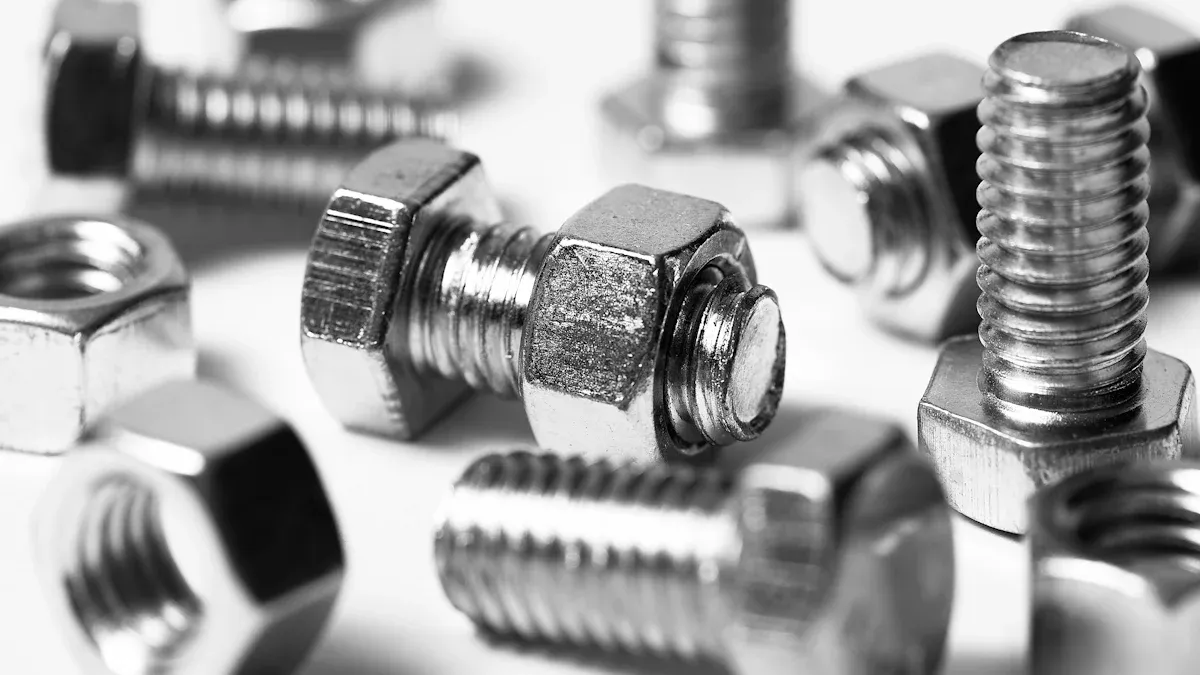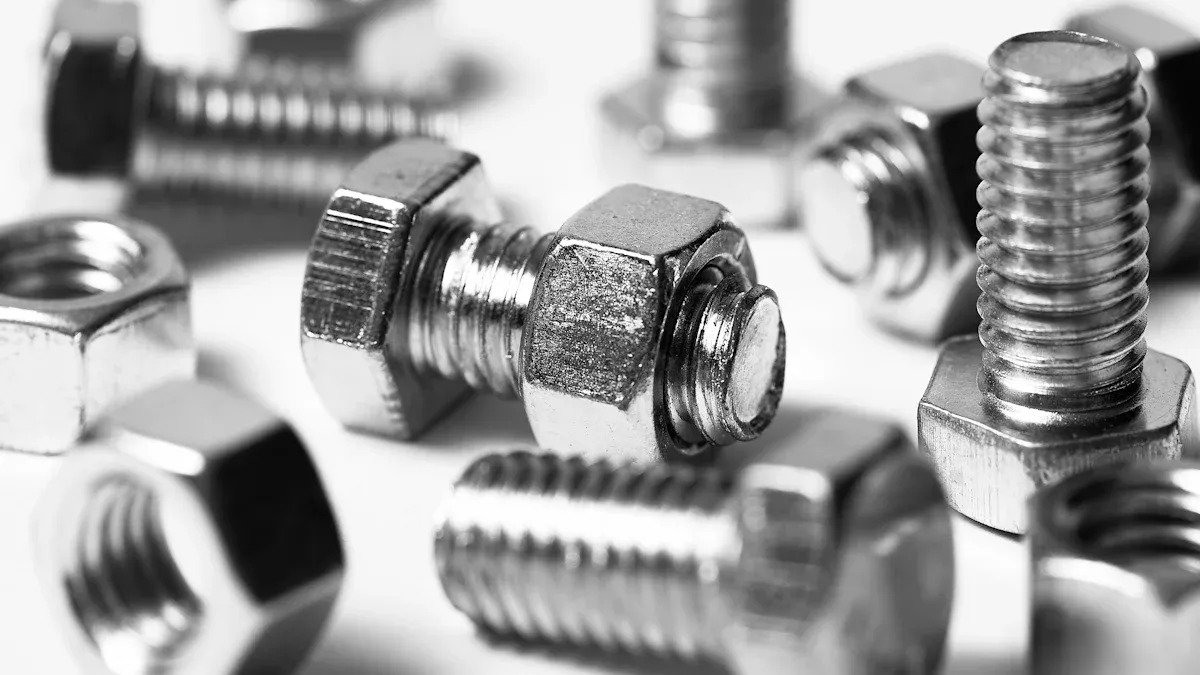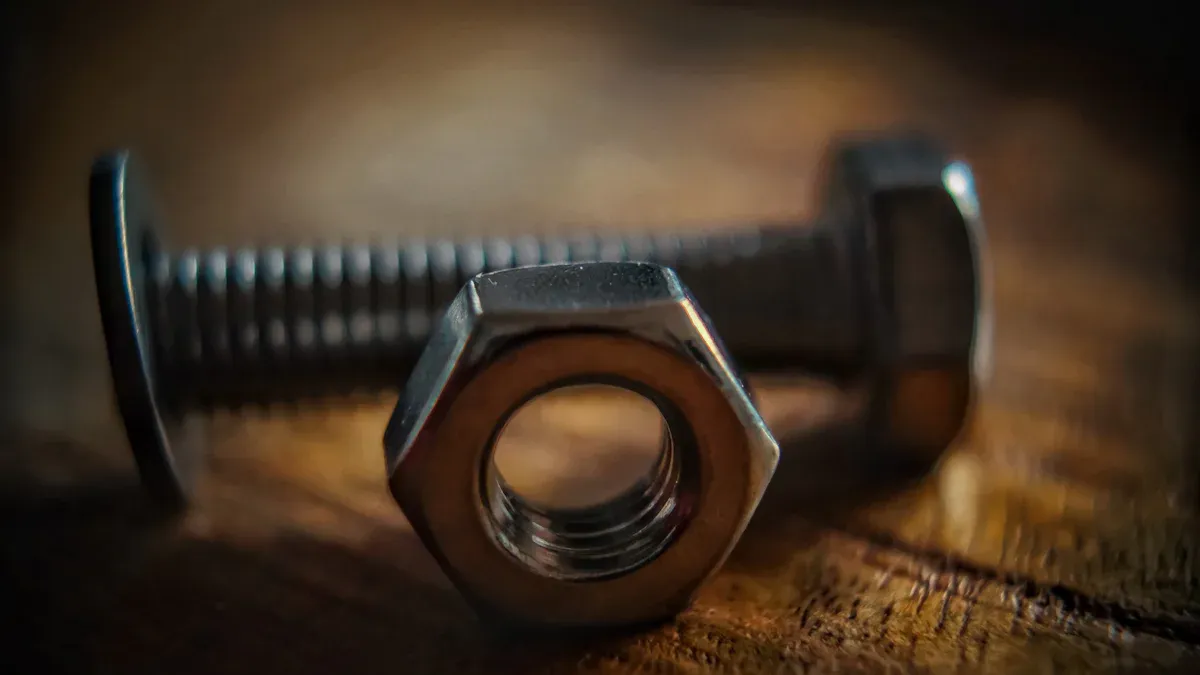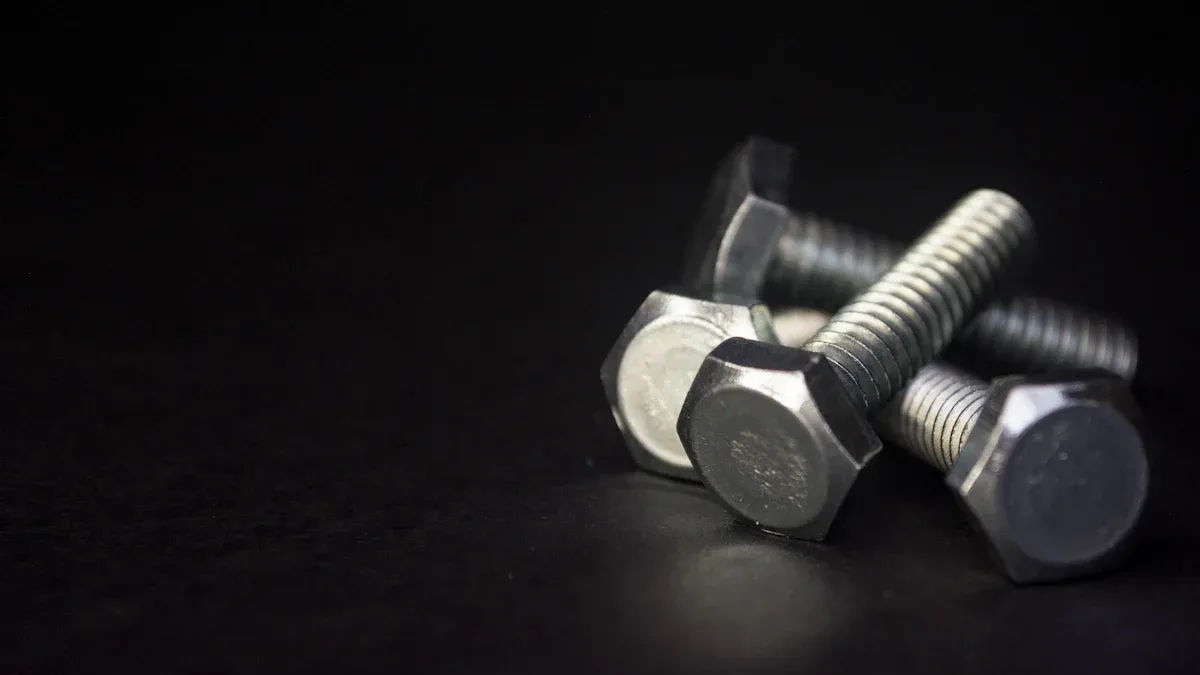
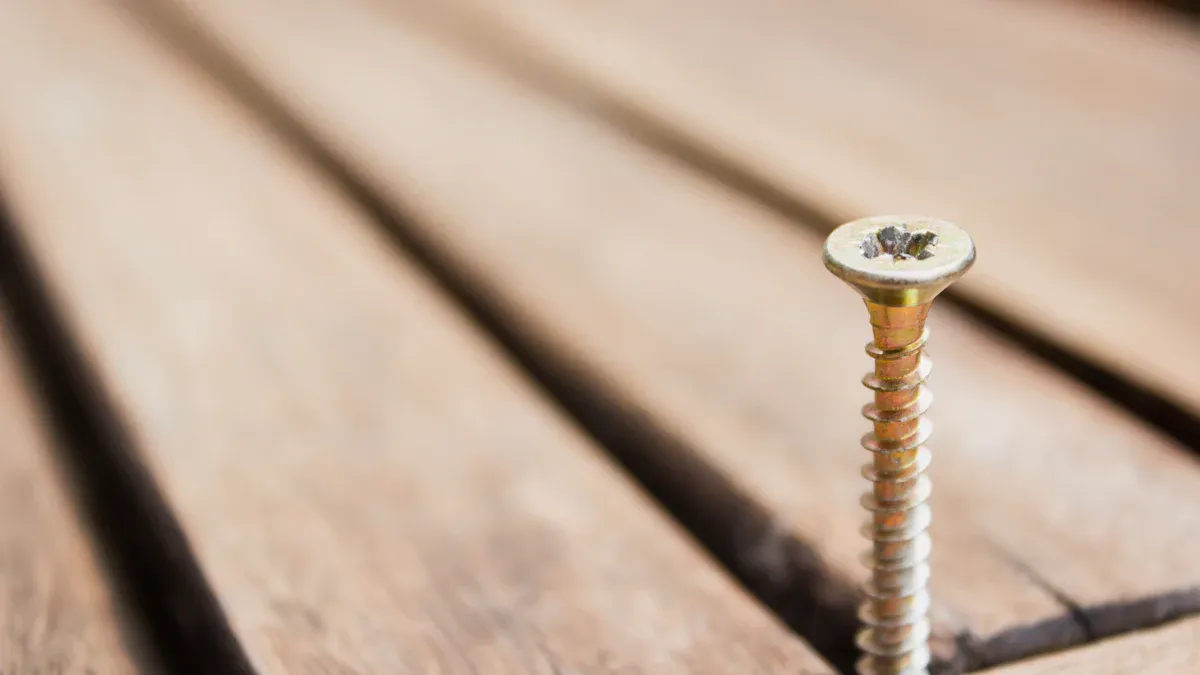
The primary difference in fasteners begins with the болт с цилиндрической головкой. Its design features a smooth, domed head and a square neck that locks into wood, allowing for a secure, one-sided installation. A wide array of bolts exists, from hex and stud bolts to anchor and flange bolts, often produced through литье болтов. Hex bolts dominate the market, offering superior clamping force for structural loads. A производитель крепежных изделий на заказ can also produce нестандартные крепежные элементы for specific needs. In contrast, a lag bolt serves as a heavy-duty screw when a through-hole is not practical. Selecting the right fastener is critical. It ensures project durability and a secure and long-lasting connection for all carriage bolts applications.
What Are Carriage Bolts? Anatomy and Core Function
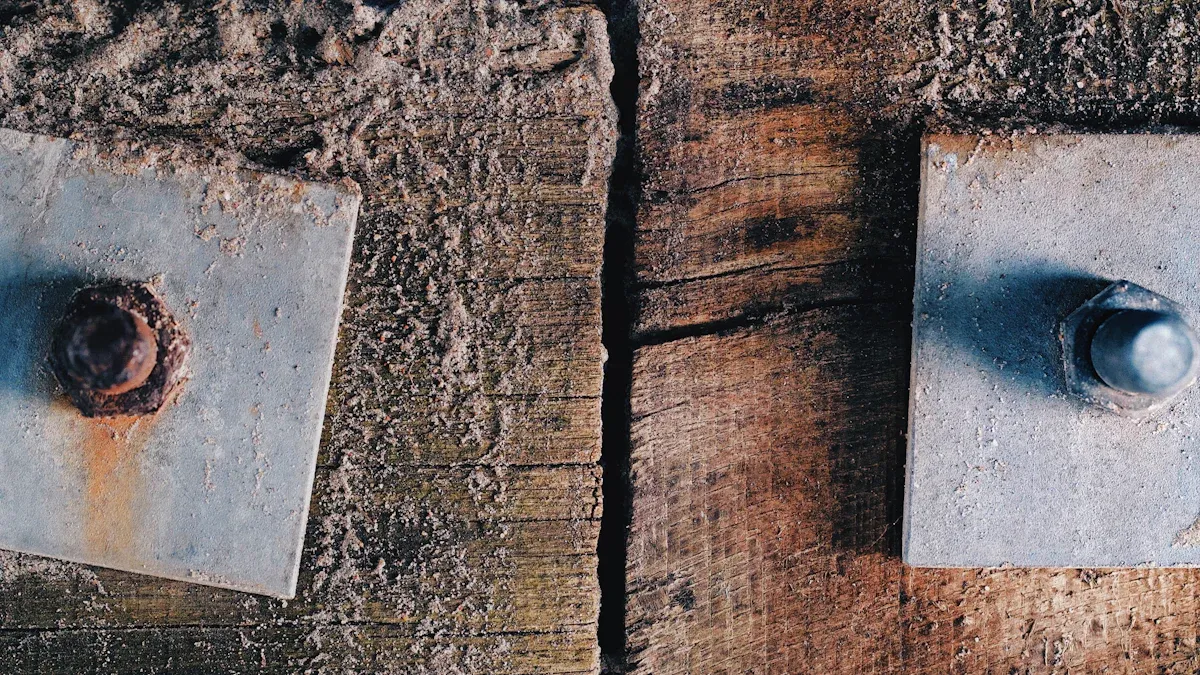
A carriage bolt, sometimes known as a coach bolt, is a unique fastener designed primarily for wood. Its distinct anatomy provides functional advantages that make it the ideal choice for a specific application where other bolts fall short. Understanding its three main components reveals why it performs so well.
The Defining Features of a Carriage Bolt
Гладкая куполообразная головка
The most recognizable feature is the bolt’s head. It is smooth and rounded with no drive slot. This design offers two key advantages: it creates a clean, finished appearance and enhances safety by eliminating sharp edges that could snag clothing or cause injury.
The Square Neck Under the Head
Directly beneath the head is a square-shaped neck. This small section is the key to the bolt’s functionality. When the bolt is hammered into a pre-drilled hole in wood, this square neck bites into the wood fibers. This action locks the bolt in place, preventing it from spinning as the nut is tightened from the other side. Industry standards define the features of these bolts.
- ASME B18.5-1990: This standard covers ‘Round Head, Short Neck’ carriage bolts.
- ASME B18.5-1998: This standard defines ‘Round Head, Ribbed Neck’ carriage bolts, an alternative design.
The Machine-Threaded Shank
The body of the carriage bolt features standard machine threads. These threads are designed to accept a nut, which provides the clamping force. This threaded shank allows for a strong, secure connection when paired with a washer and nut.
How the Carriage Bolt Design Works
The Self-Anchoring Mechanism
The design of a carriage bolt creates a powerful самоблокирующийся механизм. The square neck embeds itself firmly into the surrounding material. This engagement generates significant friction and effectively stops the bolt from spinning under torque. This allows a user to fully tighten the fastener from one side using only a single wrench on the nut.
The Role of a Nut and Washer
While the head and neck provide the anchor, the actual fastening force comes from a nut and washer. The nut is threaded onto the end of the bolt and tightened. A washer is placed between the nut and the material surface. It distributes the clamping pressure over a wider area, preventing the nut from damaging the wood.
Требуемый диаметр твердосплавного сверла Always use a washer with a carriage bolt. It protects the material surface and ensures a more secure and durable connection by distributing the load evenly.
Ideal Applications for Carriage Bolts
The unique design of carriage bolts lends them to projects where wood is the primary material. Their versatility makes them a go-to fastener for builders and DIY enthusiasts alike.
Wood-to-Wood Fastening
Fastening wood to wood is the most common use for a coach bolt. The square neck grips wood exceptionally well, making these bolts perfect for assembling frames, beams, and posts.
Wood-to-Metal Fastening
These bolts also excel at joining wood to a metal plate. In this scenario, the bolt is passed through a square hole in the metal component and then through the wood. The square neck locks into the metal, preventing rotation while the nut is tightened against the wood.
Projects Prioritizing Safety and Aesthetics
The smooth, low-profile head is a major benefit in projects where safety and appearance are critical. Common examples include:
- Outdoor Installations: Assembling patio furniture, benches, and fixing fence panels where a snag-free surface is desired.
- Playground Equipment: Securing components on swing sets and climbing structures, where the smooth head reduces the risk of scratches.
- Decorative Projects: Building gates, pergolas, or even rustic furniture where the bolt head contributes to a clean, professional look.
The Main Difference: Carriage Bolt vs. Hex Bolt
While both carriage bolts and hex bolts create a secure connection, their designs serve fundamentally different purposes. The primary difference lies in the head style, which dictates the installation method, torque capacity, and ideal application. Understanding the pros and cons of each helps a builder select the correct fastener for the job.
Head Style and Installation Method
The most obvious distinction between these two bolts is their head. This single feature changes the entire installation process and the tools required.
Domed Head vs. Six-Sided Head
A carriage bolt features a smooth, domed head with no drive pattern. This design provides a safe, snag-free surface that is aesthetically pleasing. In contrast, a hex bolt has a six-sided (hexagonal) head. This head is designed to be gripped by a wrench or socket, allowing a user to apply significant rotational force.
One-Sided vs. Two-Sided Wrench Access
The head style directly impacts the installation method. A coach bolt offers one of its main advantages here: one-sided installation. The square neck locks into the wood, preventing the bolt from spinning. This allows a user to tighten the nut from the opposite side with a single wrench. Hex bolts require two-sided access. A user must hold the bolt head with one wrench while tightening the nut with another.
This difference has a major impact on installation speed.
- Болты с квадратным подголовком: Installation is quick and efficient. A user places the bolt into a pre-drilled hole, taps it with a hammer to set the neck, and secures it with a nut.
- Шестигранные болты: Assembly demands more time. The process requires aligning the hole and using two tools simultaneously to achieve a tight connection.
A Comparison of Strength and Torque
The ability to apply torque is directly related to a bolt’s clamping force and overall strength. In this area, the hex bolt has a clear advantage.
Why Hex Bolts Provide Higher Clamping Force
Hex bolts create a stronger connection because a user can apply much higher torque. With wrenches on both the head and the nut, a user can tighten the fastener to precise specifications without risk of stripping. This makes hex bolts the superior choice for applications involving heavy structural loads where maximum clamping force is non-negotiable.
Torque Limitations of a Carriage Bolt
The main weakness of a carriage bolt is its reliance on the material it is set in. The square neck bites into wood to resist rotation. If a user applies too much torque to the nut, the square neck can strip the wood fibers. The bolt will then spin freely, making further tightening impossible. This is one of the key disadvantages of using a coach bolt in high-stress applications.
Project Showdown: When to Use Each
Choosing the right bolt is critical for a project’s safety and longevity. The decision comes down to balancing the need for strength with the desire for safety and a clean finish.
Use Carriage Bolts for Decks, Fences, and Furniture
Use a carriage bolt for wood-based projects where a smooth, low-profile head is a priority. The absence of sharp edges makes them ideal for surfaces that people will touch or brush against. Common applications include:
- Deck railings and stairs
- Wooden playground equipment
- Outdoor benches and picnic tables
- Fence panels and gates
- Garage doors
Code Alert: 📝 When building decks, always consult local building codes. For railing posts, codes often require a minimum of two carriage bolts per post. Always use washers under the nut to prevent crushing the wood and distribute the load.
Use Hex Bolts for Machinery and Structural Framing
Use hex bolts when sheer strength and clamping force are the most important factors. Their ability to be torqued to high values makes them essential for structural integrity. These bolts are the standard for:
- Building framing and construction
- Automotive frames and engine mounts
- Heavy machinery assembly
- Dock and pier construction
In these scenarios, the functional strength of the connection far outweighs any aesthetic considerations.
Carriage Bolt vs. Lag Bolt (Lag Screw)
A builder’s choice between a carriage bolt and a lag bolt hinges on one critical factor: access to both sides of the material. While both are staples in wood construction, their fundamental fastening mechanisms create a clear difference in application and performance. A lag bolt, technically a heavy-duty screw, offers distinct advantages in situations where a through-bolt is impractical.
Fastening Mechanism: Through-Bolt vs. Self-Tapping
The primary distinction lies in how each fastener secures itself. A carriage bolt passes through the material and is secured with a nut, while a lag bolt threads directly into the wood itself.
The Need for a Through-Hole
A carriage bolt, or coach bolt, is a type of through-bolt. Its installation requires a hole drilled completely through all materials being joined. The bolt is then inserted, and a washer and nut are threaded onto the end to create the clamping force. This mechanism offers excellent strength and is ideal for connections that may need future adjustment or disassembly.
Threading Directly into Wood
A lag bolt functions as a self-tapping screw. It has sharp, coarse threads and a pointed tip designed to cut its own threads as it is driven into a pilot hole. This creates a secure and self-contained fastening solution without the need for a nut. The installation process is often faster because it eliminates the step of attaching a nut.
- Through-Bolt (Carriage Bolt): Relies on a separate nut for clamping force and requires access to both sides of the connection.
- Self-Tapping (Lag Bolt): Establishes its own threads within the wood and only requires access to one side.
Understanding Strength Characteristics
Evaluating the pros and cons of each fastener involves looking at how they handle different types of forces. Their strength profiles are suited for different structural demands.
Shear Strength Comparison
Shear strength is the ability of a bolt to resist forces that try to slice it sideways. Both bolts perform well under shear loads. However, a properly installed through-bolt often provides superior shear strength. Its unthreaded shank bears the load across the entire shear plane, whereas a lag bolt’s strength is determined by the smaller root diameter of its threads.
Pull-Out Strength Comparison
Pull-out strength, or withdrawal resistance, is where the lag bolt excels. Its deep, widely spaced threads provide strong holding power by gripping a large volume of wood fiber. This makes it extremely difficult to pull a lag bolt straight out of the wood. A carriage bolt has virtually no natural pull-out resistance; its ability to resist withdrawal depends entirely on the washer and nut on the opposing side.
Важное примечание: ⚠️ The pull-out strength of a lag bolt is highly dependent on the size of the pilot hole and the density of the wood. Always follow manufacturer recommendations for pilot hole diameter to achieve maximum grip.
Deciding Which Bolt to Use
The right choice depends entirely on the specific requirements of the structural connection.
When a Through-Hole is Not Possible
A builder should use a lag bolt in any situation where it is impossible to access the back side of the material to install a washer and nut. This is the most common reason for choosing a lag bolt over other bolts. It provides a robust connection using only one-sided access.
Fastening Heavy Lumber and Ledger Boards
Lag bolts are the standard fastener for many heavy-duty applications. Their exceptional pull-out strength makes them the go-to choice for attaching deck ledger boards to the side of a house, securing large beams, or fastening thick posts to a foundation. These are critical structural joints where failure is not an option.
Assembling Large-Scale Wood Structures
Both bolts find use in large structures like pergolas, pavilions, and timber-framed buildings.
- Lag Bolts: A builder uses these for making a strong connection where one piece of timber attaches perpendicularly to another, such as fastening a rafter to a top plate.
- Carriage Bolts: A builder uses these for joining parallel members, like sandwiching two beams around a central post, where the smooth head provides a clean finish and the through-connection offers immense clamping force.
Exploring Other Types of Fasteners for Your Project
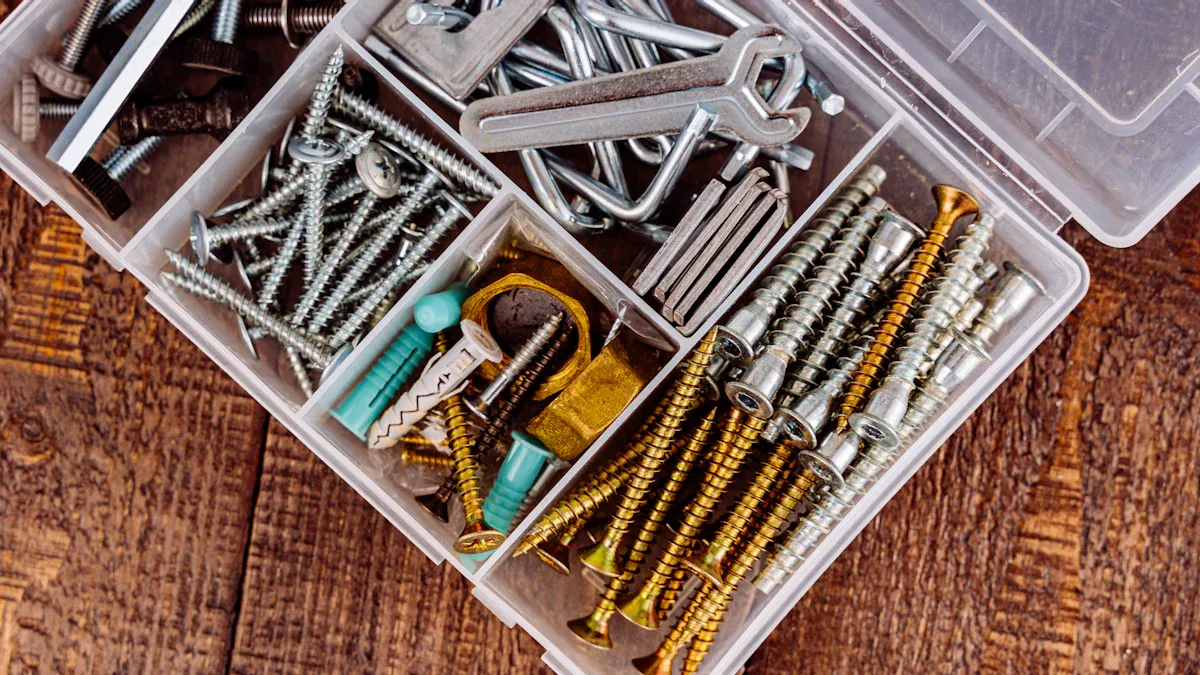
While the carriage bolt is a cornerstone of wood construction, a project’s success often depends on selecting from other types of fasteners. The difference between a good and a great result can be the choice of a specialized bolt or screw. Modern engineering offers a wide array of options, each designed for a specific application.
Carriage Bolts vs. Structural Screws
The Rise of Modern Engineered Screws
Modern structural screws have emerged as a powerful alternative to traditional bolts. These engineered fasteners feature aggressive threads and specialized tips that часто устраняют необходимость предварительного сверления.. Их конструкция обеспечивает исключительную прочность на вырыв и сдвиг, что делает их популярным выбором в современном строительстве благодаря эффективности и производительности.
Скорость монтажа vs. Надежность зажима
Основное преимущество структурных шурупов — скорость монтажа. Их установка происходит значительно быстрее, чем каретных болтов, сокращая трудозатраты и расходы на крупных проектах. Сравнительный хронометраж наглядно демонстрирует эту эффективность::
| Тип крепежа | Среднее время монтажа |
|---|---|
| Шуруп ThruLOK | 11 секунд |
| Кареточный болт | Каретный болт |
1 минута.
Однако каретные болты по-прежнему обеспечивают превосходную надежность зажима. Сквозная конструкция с гайкой и шайбой создает более прочное и регулируемое соединение, что предпочтительно для сборки несущих элементов, которые в будущем могут потребовать подтяжки.
Каретные болты vs. Соединительные (бочкообразные) болты
Достижение чистовой отделки с двух сторон.
Соединительные болты (также известные как бочкообразные) состоят из цилиндра с внутренней резьбой (шпильки) и винта с наружной резьбой. При соединении они образуют аккуратную низкопрофильную головку с обеих сторон материала. Это дает явное эстетическое преимущество перед каретными болтами, которые оставляют открытую гайку и шайбу с одной стороны.
Применение в столярном деле и тонкой обработке дерева
- Чистовая отделка с двух сторон делает соединительные болты идеальными для высококлассных столярных работ. Их универсальность очевидна в тех случаях, где критичен внешний вид. Типичные области применения включают:
- Сборку дверок и панелей шкафов
- Крепление ручек и фурнитуры
Изготовление мебели и рукояток для ножей
Специализированный крепеж: J-образные и U-образные болты
Понимание анкерных болтов.
J-образные и U-образные болты — это другие типы крепежа, предназначенные для анкеровки и фиксации. Эти болты определяются своей формой. J-образный болт имеет крюк на одном конце, а U-образный болт по форме напоминает букву «U». Оба имеют резьбу на концах для гаек и необходимы для создания прочных, надежных соединений с различными основаниями.
Специфическое применение в бетонных работах и креплении труб.
- Эти специализированные болты выполняют критически важные функции, с которыми не справятся стандартные болты. Их применение узкоспециализированно и жизненно важно для структурной целостности. Эти материалы J-образные болты:. в основном используются как фундаментные болты.
- Загнутый конец погружается в свежий бетон для анкеровки стальных колонн, опор освещения и тяжелого оборудования, обеспечивая высокое сопротивление вырывным усилиям. U-образные болты:Это стандартное решение для крепления цилиндрических объектов. Они используются для фиксации труб, кабелепроводов или кабелей к стенам, а также играют ключевую роль в автомобильной промышленности для крепления элементов подвески. Прочность этих болтов определяется их классом (Класс 2, 5 или 8.
), который должен соответствовать нагрузочным требованиям задачи.
Изучение других типов крепежа открывает мир решений, выходящих за рамки стандартных болтов, гарантируя, что каждое соединение оптимизировано по прочности, скорости монтажа или внешнему виду.
Материал, покрытия и размеры каретных болтов.
Выбор правильного материала и размера для каретных болтов так же важен, как и выбор самого типа болта. Материал определяет долговечность болта и его устойчивость к воздействию окружающей среды. Класс определяет его прочность, а правильный размер обеспечивает надежное и эффективное соединение. Эта универсальность делает их пригодными для широкого спектра проектов.
Выбор правильного материала.
Условия вашего проекта диктуют наилучший материал для крепежа. Каждый вариант предлагает разный уровень защиты от коррозии.
Оцинкованная сталь для внутреннего использования Оцинкованные стальные болты покрыты тонким слоем цинка. Это покрытие обеспечивает. минимальную коррозионную стойкость. Такой крепеж лучше всего подходит для сухих, климатически контролируемых. внутренних помещений.
Его следует избегать для любых наружных работ или проектов с высокой влажностью, так как тонкий цинковый слой не выдерживает длительного воздействия влаги и быстро ржавеет.
Горячеоцинкованная сталь для наружного использования.
| Класс прочности | Стандартный | Горячее цинкование наносит гораздо более толстый и защитный слой цинка по сравнению со стандартным покрытием. Этот процесс обеспечивает хорошую защиту от коррозии для наружных применений, таких как настилы и ограждения. Разные марки цинкования предлагают разный уровень защиты. | Метод покрытия |
|---|---|---|---|
| Ключевые свойства | G90 | Горячее цинкование | ASTM A653 |
| 0.90 унций/фут² цинка; хорошая защита от наружной коррозии | G90 | Горячее цинкование | G60 |
| 0.60 унций/фут² цинка; умеренная коррозионная стойкость | EG | ASTM A879 | Электролитическое цинкование |
Нержавеющая сталь для устойчивости к коррозии
Тонкое покрытие; гладкая отделка, ограниченная долговечность на открытом воздухе Нержавеющая сталь содержит хром, что придает ей. естественную устойчивость к ржавчине. Это делает ее идеальной для морских сред и наружных применений с высокой влажностью. Хотя и более дорогие, болты из нержавеющей стали обеспечивают превосходную долгосрочную ценность благодаря отличной коррозионной стойкости.:
- Солевые испытания демонстрируют их превосходную производительность: Горячеоцинкованная сталь:.
- 500–1000 часов до появления красной ржавчины. >1500 часов без признаков ржавчины.
- Нержавеющая сталь марки 316: >2000 часов без признаков ржавчины.
Кремнистая бронза для морских условий
Для максимального срока службы в агрессивных соленых средах кремнистая бронза является премиальным выбором. Эти болты обладают исключительной стойкостью к коррозии от соли и химикатов, что делает их лучшим выбором для судостроения и прибрежного строительства.
Понимание классов и прочности болтов
Класс болта указывает на его предел прочности на растяжение, то есть какое усилие на разрыв он может выдержать.
Значение классов болтов (Класс 2, 5, 8)
Головки болтов часто маркируются радиальными линиями для обозначения их класса.
- Класс 2: Отсутствие маркировки. Это стандартный болт из низкоуглеродистой стали малой прочности для легких нагрузок.
- Класс 5: Три радиальные линии. Это болт средней прочности из закаленной стали.
- Класс 8: Шесть радиальных линий. Это высокопрочный болт для ответственных конструкционных нагрузок.
Соответствие класса болта нагрузке вашего проекта
Строитель должен подбирать класс болта в соответствии с требованиями проекта. Используйте болты класса 2 для неконструкционных проектов, например, для сборки садового ящика. Для конструкционных соединений, таких как каркас настила или игрового оборудования, рекомендуется минимум класс 5 для обеспечения безопасности и надежности.
Как правильно подобрать размер подвесного (каретного) болта
Правильный подбор размера обеспечивает максимальную силу зажима болта без излишней длины или недостаточной длины.
Измерение диаметра и длины
Размер болта определяется его диаметром и длиной. Диаметр — это толщина стержня. Длина подвесного болта измеряется от нижней стороны куполообразной головки до конца резьбы.
Учет толщины материала, шайбы и гайки
Совет по подбору длины: Чтобы найти правильную длину, сложите толщину всех соединяемых материалов. Затем добавьте толщину шайбы и высоту гайки. Наконец, добавьте примерно 1/4 дюйма (6 мм), чтобы обеспечить выход нескольких витков резьбы за затянутую гайку.
Пошаговое руководство по установке для каждого типа болта
Правильная установка необходима для того, чтобы любое крепежное изделие работало в соответствии с проектом. Следование правильной процедуре обеспечивает надежное соединение и предотвращает повреждение материала. Это руководство охватывает шаги по установке подвесных, шестигранных и лаговых болтов.
Как правильно установить подвесной (каретный) болт
Подвесной болт обеспечивает надежную установку с одной стороны, что идеально подходит для деревянных конструкций.
Сверление отверстия правильного диаметра
Сначала необходимо просверлить чистое отверстие в материалах. Для установки подвесного болта рекомендуемый размер сверла равен диаметру самого болта. Например, болт диаметром 1/2 дюйма требует сверла 1/2 дюйма. Это обеспечивает плотную посадку стержня.
Установка квадратного подголовка в древесину
Правильная установка квадратного подголовка предотвращает проворачивание болта при затяжке.
- Вставьте подвесной болт в предварительно просверленное отверстие.
- Легко постучите по головке болта молотком или резиновой киянкой. Это действие начинает вдавливать квадратный подголовок в древесные волокна..
- Наденьте шайбу и наверните гайку на конец болта. При затягивании гайки она полностью втянет квадратный подголовок в древесину, надежно его фиксируя.
Затягивание с шайбой и гайкой
После установки подголовка можно завершить монтаж. Используйте гаечный ключ или головку для затягивания гайки. Продолжайте затяжку до тех пор, пока соединение не станет прочным. Шайба критически важна, так она распределяет нагрузку и предотвращает повреждение поверхности древесины гайкой.
Как правильно установить шестигранный болт
Шестигранные болты ценятся за высокую силу зажима, что требует установки с двух сторон.
Совмещение материалов и сверление отверстия
Следует совместить материалы и просверлить отверстие немного больше диаметра болта для облегчения вставки. Для прочного соединения необходимо чистое, прямое отверстие.
Использование двух ключей для надежной затяжки
Установка требует двух инструментов. Один ключ удерживает головку болта неподвижно, в то время как вторым ключом затягивают гайку. Такой двухсторонний подход позволяет приложить значительный крутящий момент.
Достижение правильного момента затяжки без перетяжки
Правильный момент затяжки обеспечивает максимальную силу зажима. Однако эти значения являются оценочными, так как такие факторы, как смазка и текстура поверхности, могут изменить результат.
Совет по моменту затяжки: 📝 Для некритичных применений можно ориентироваться на стандартные таблицы моментов затяжки. Для болта класса 5 диаметром 1/2″ целевой момент составляет около 57 фунт-футов. Всегда избегайте перетяжки, чтобы предотвратить срыв резьбы или повреждение болтов.
Как правильно установить лаговый болт (шуруп)
Лаговый болт — это тяжелый шуруп, который вкручивается непосредственно в древесину, что делает его идеальным, когда сквозное отверстие не подходит.
Подбор размера и сверление правильного направляющего отверстия
Сверление направляющего отверстия крайне важно для лагового болта, особенно в твердой древесине, чтобы предотвратить раскалывание. Направляющее отверстие имеет два диаметра: один для гладкой части стержня и меньший — для резьбовой части.
| Диаметр лагового болта | Диаметр направляющего отверстия под резьбу |
|---|---|
| 3⁄8″ | 15⁄64″ |
| 1⁄2″ | 5⁄16″ |
| 5⁄8″ | 13⁄32″ |
| 3⁄4″ | 1⁄2″ |
Вкручивание лагового болта с помощью трещотки
Лаговый болт можно вкрутить в направляющее отверстие с помощью головки с воротком или трещотки. Инструмент обеспечивает необходимое усилие для вкручивания крупного крепежа в древесину, создавая прочную самонарезающую резьбу.
Использование шайбы для распределения нагрузки
Всегда размещайте шайбу под головкой глухаря перед его забиванием. Шайба предотвращает раздавливание древесных волокон шестигранной головкой и распределяет clamping force по большей площади поверхности, обеспечивая надежное крепление во всех применениях кареточных болтов.
Распространенные ошибки и способы их избежать
Даже лучшие крепежные элементы могут выйти из строя при неправильном использовании. Строитель может избежать дорогостоящих переделок и угроз безопасности, понимая распространенные ошибки. Выбор правильного крепежа и его корректная установка являются фундаментом успеха проекта.
Выбор неподходящего крепежа для материала
Тип требуемого болта определяется соединяемым материалом. Несоответствие между крепежом и материалом может привести к немедленному разрушению или долговременной структурной слабости.
Почему кареточные болты не работают в закаленной стали
Главное преимущество кареточного болта — его квадратная шейка, которая вгрызается в мягкие материалы, такие как дерево, предотвращая проворачивание. Эта конструкция становится одним из основных недостатков при использовании с твердыми материалами. Квадратная шейка не может внедриться в закаленную сталь. Это мешает блокировке болта, заставляя его свободно вращаться при попытке затянуть гайку. Для стальных применений необходимо плотно подогнанное квадратное отверстие, но даже в этом случае, радиус перехода между шейкой и головкой может помешать плотному прилеганию болта.
Риски использования неподходящего болта для нагрузки
Использование неправильного крепежа для конкретной нагрузки может иметь катастрофические последствия. Класс прочности болта указывает на его силу, а замена высокопрочного крепежа на более низкий класс может привести к отказу компонента, серьезной травме или даже смерти..
Задокументированный пример из практики подчеркивает этот риск:
- Проблема: Болты на комбайне постоянно гнулись, вызывая дорогостоящие простои.
- Причина: Расследование показало, что резьбовая часть болта была неправильно размещена в плоскости среза, что значительно снизило его прочность.
- Решение: Использование болтов с более короткой резьбовой частью решило проблему, обеспечив восприятие нагрузки более прочным, нерезьбовым стержнем.
Ошибки монтажа
Правильная техника установки так же критична, как и выбор болта. Простые ошибки при сборке могут поставить под угрозу целостность всего соединения.
Важность отверстия правильного размера
Сверление отверстия правильного размера крайне важно. Для кареточные болты в древесине слишком большое отверстие снижает силу сцепления квадратной шейки. С другой стороны, слишком маленькое отверстие значительно увеличивает риск раскалывания древесины при установке. Оба сценария ослабляют соединение.
Последствия чрезмерной или недостаточной затяжки
Применение правильного крутящего момента — это балансирование. Недостаточная затяжка оставляет соединение слабым и подверженным ослаблению из-за вибрации. Чрезмерная затяжка может сорвать резьбу, сломать болт или раздавить материал. В случае кареточного болта чрезмерный момент затяжки также может сорвать древесину вокруг квадратной шейки, что приведет к бесполезному проворачиванию болта.
Забыть использовать шайбы
Пропуск шайбы — распространенная, но критическая ошибка. Шайбы выполняют несколько жизненно важных функций, защищающих целостность соединения.
- Они распределяют clamping force по большей площади.
- Они защищают поверхность материала от повреждений при затяжке.
- Специализированные стопорные шайбы помогают предотвратить ослабление гайки со временем.
Когда шайба не используется,, сосредоточенное усилие от гайки может раздавить более мягкие материалы, такие как дерево. Эта деформация может привести к ослаблению соединения, ставя под угрозу всю конструкцию.
Строитель выбирает кареточные болты для деревянных проектов, где важна гладкая поверхность. Основное различие в том, что шестигранных болтов обеспечивают превосходное clamping force для конструкционных работ. Строитель использует глухарь для тяжелых условий эксплуатации, где сквозное отверстие не подходит. Выбор правильного крепежа, будь то кареточный болт или глухарь, обеспечивает долговечность проекта. Правильно установленный кареточный болт создает надежное соединение, гарантируя профессиональный результат.
Частые вопросы
Можно ли использовать кареточные болты в металле?
Да, строитель может использовать кареточные болты в металле. В металле должно быть квадратное отверстие, соответствующее шейке болта. Это фиксирует болт, предотвращая вращение. Гладкая головка обеспечивает аккуратный вид, но основное отличие — необходимость в предварительно сформированном квадратном отверстии.
В чем разница между шурупом-глухарем и кареточным болтом?
Основное различие между шурупом-глухарем и кареточным болтом заключается в способе их установки. Кареточный болт проходит через отверстие и фиксируется гайкой. Шуруп-глухарь — это тяжелый шуруп, который вкручивается непосредственно в дерево без гайки.
В чем разница между глухарями и шурупами-глухарями?
Функциональной разницы между глухарями и шурупами-глухарями нет. Эти термины используются в отрасли взаимозаменяемо для описания одного и того же тяжелого крепежного элемента. Оба имеют шестигранную головку и крупную резьбу для вкручивания непосредственно в направляющие отверстия в древесине.
Почему мой кареточный болт проворачивается при затяжке?
Кареточный болт проворачивается, если его квадратная шейка не может зацепиться за материал. Это часто происходит, если отверстие слишком велико или материал слишком тверд. Чрезмерная затяжка также может сорвать древесину, из-за чего болт теряет сцепление и свободно вращается.
Всегда ли мне нужна шайба с колесным болтом?
Да, строитель всегда должен использовать шайбу под гайкой. Шайба распределяет clamping force по большей площади. Это предотвращает раздавливание древесины гайкой и помогает сохранять надежное соединение с течением времени. Разница в долговечности соединения значительна.
Можно ли повторно использовать кареточные болты?
Строитель часто может повторно использовать кареточные болты в некритичных применениях, если резьба не повреждена. Для структурных соединений рекомендуется использовать новые крепежные элементы. Это обеспечивает максимальную прочность и надежность, поскольку старые болты могут иметь скрытые напряжения или коррозию.