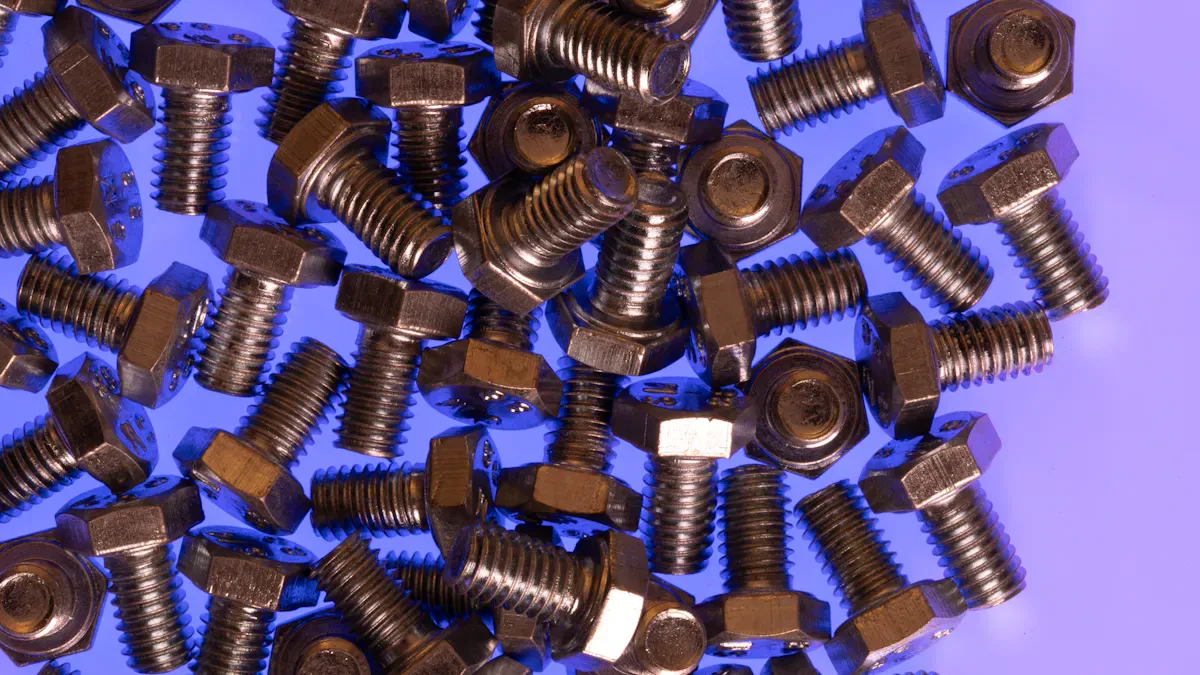

The most reliable method for hanging things on the wall is anchoring directly into a wall stud. This approach supports significant heavy loads. When a stud is unavailable, a strong hollow wall anchor becomes essential. A heavy-duty toggle bolt or a modern drywall anchor provides the strongest hold. For solid masonry, robust Анкерные болты are the correct solution. Projects like hanging shelves may need specific hardware, sometimes even специальные анкерные болты от производитель крепежных изделий на заказ.
Примечание: Selecting an anchor with a weight rating that exceeds the item’s load is critical. This prevents wall damage and ensures a secure installation when using any type of анкеров для полых стен.
The Gold Standard: Anchoring Directly into Wall Studs
Driving a fastener directly into a wall stud is the most secure method for hanging heavy items. Studs provide the structural backbone necessary to support significant weight, bypassing the weaknesses of hollow drywall. This direct connection transfers the object’s weight into the building’s frame, ensuring a safe and durable installation.
Why Studs Are Best for Heavy Loads
Understanding Wall Structure
Interior walls consist of a wooden or metal frame covered by drywall panels. The vertical framing members are the studs. Drywall itself has very little structural strength. A fastener driven into a stud anchors into solid wood, creating a connection with high load-bearing capacity. The International Residential Code (IRC) guides construction standards, ensuring wall integrity. These standards typically dictate stud spacing:
- 16 inches on center: This is the most common spacing in modern construction, offering an excellent balance of strength and material efficiency.
- 24 inches on center: This wider spacing is also acceptable, often found in older homes or for some non-load-bearing partitions.
Load-Bearing vs. Non-Load-Bearing Walls
Load-bearing walls support the weight of the structure above them, such as a second floor or the roof. Non-load-bearing walls only divide interior space. While anchoring into a stud in either wall type is strong, load-bearing walls offer the absolute maximum support. Identifying a load-bearing wall often requires examining the building’s blueprints or consulting a professional.
How to Reliably Locate Wall Studs
Using an Electronic Stud Finder
An electronic stud finder is the most efficient tool for this task. It works by detecting changes in density behind the drywall. The user slides the device across the wall, and it signals when it passes over a stud’s edge or center.
The Magnetic Stud Finder Method
A simpler tool, the magnetic stud finder, uses a powerful magnet to locate the metal screws or nails that attach the drywall to the studs. Moving the magnet across the wall will cause it to stick at each fastener location, revealing the stud line.
The Tap and Measurement Technique
One can locate studs by tapping gently on the wall with a knuckle. The wall will produce a hollow sound between studs and a solid, dull thud when tapping over a stud. Once a stud is found, others can be located by measuring 16 or 24 inches to the left or right.
Finding Studs Near Electrical Boxes
Electrical outlet and switch boxes are typically mounted to the side of a stud for support. This makes the area directly to the left or right of an electrical box a highly probable location for a stud.
Essential Fasteners for Mounting to Studs
Choosing the Right Lag Screws
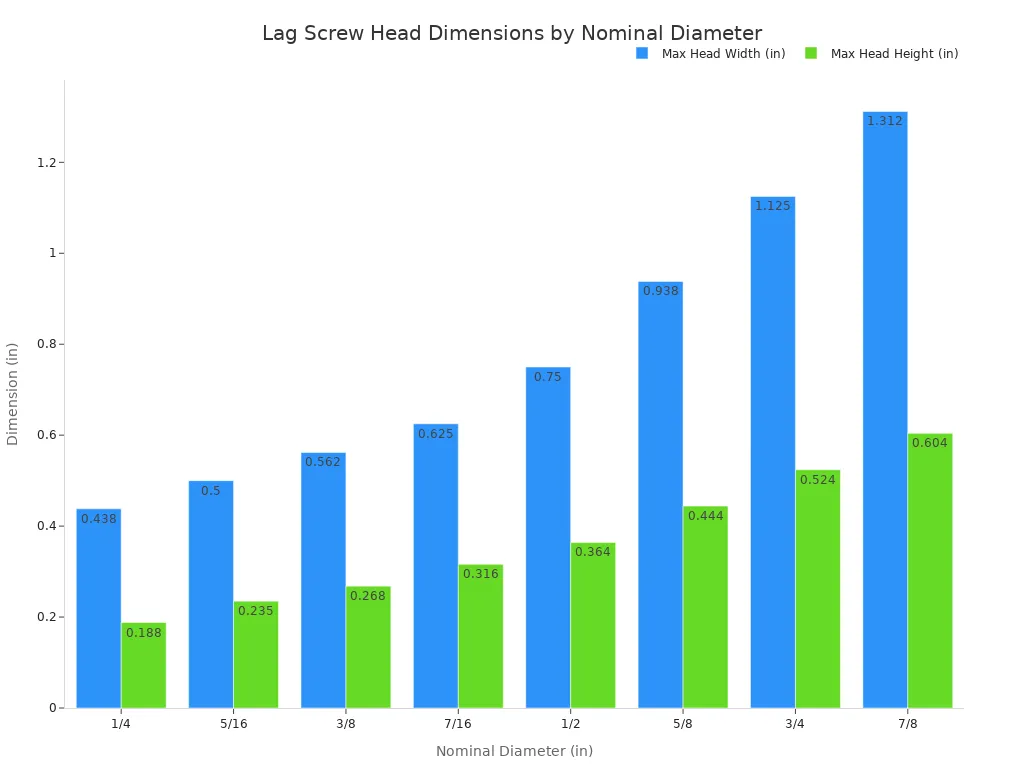
Lag screws are the ideal fastener for mounting heavy loads to wood studs. These large, heavy-duty screws have coarse threads and a hexagonal head. A 3/8-inch diameter lag screw is a common starting point, but the project’s needs determine the correct size. The fastener must be long enough to penetrate the drywall and embed deeply into the stud. For corrosive environments, hot-dip galvanized or stainless steel options provide superior resistance.
When to Use Heavy-Duty Wood Screws
For moderately heavy items, a heavy-duty wood screw can be a suitable fastener. These screws are thinner than lag screws but still offer a strong hold when driven into a stud. They are a good fastener choice when a lag screw would be excessive.
Why Pilot Holes Are Non-Negotiable
Drilling a pilot hole before driving a large fastener like a lag screw is critical. A pilot hole clears a path for the fastener, preventing the wood stud from splitting under pressure. This ensures the screw threads grip fresh wood, maximizing the connection’s strength and stability.
Step-by-Step: Installing a Lag Screw into a Stud
Proper installation is crucial for a lag screw to achieve its maximum holding power. Following a systematic process ensures the connection is secure and the wall stud remains undamaged. This guide outlines the essential steps for a professional-grade installation.
Контрольный список инструментов и материалов
Assembling the correct tools and materials beforehand streamlines the installation process. A well-prepared workspace prevents delays and ensures a safe, efficient job.
- Средства индивидуальной защиты: Safety glasses, gloves
- Marking Tools: Pencil, tape measure, level
- Сверление: Power drill, drill bits (for pilot hole)
- Driving Tools: Socket wrench or ratchet with the correct socket size, impact driver (optional)
- Fasteners: Lag screw of appropriate length and diameter, washer
Marking and Drilling the Pilot Hole
Creating a precise pilot hole is the most critical step. It allows the lag screw’s threads to grip the wood firmly without splitting it.
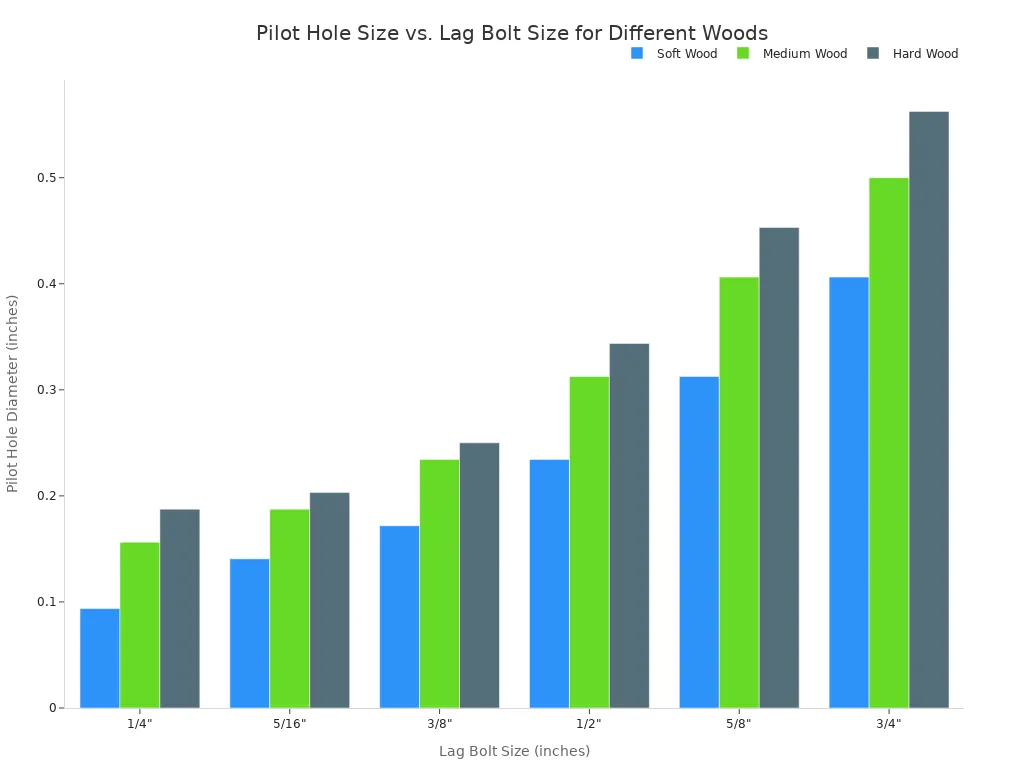
First, a user marks the exact mounting location on the wall, ensuring it is centered on the stud. The pilot hole’s diameter depends on the lag screw’s size and the wood’s hardness. A harder wood requires a larger pilot hole for the same size fastener.
| Lag Bolt Size | Quick Pilot Hole Size (Most Situations) |
|---|---|
| 1/4″ | 5/32″ |
| 5/16″ | 3/16″ |
| 3/8″ | 15/64″ (≈6,0 мм) |
| 1/2″ | 5/16″ |
The user drills the pilot hole to a depth equal to the screw’s intended embedment. Clearing wood chips from the hole is important for a clean installation. This preparation ensures the fastener will engage the wood properly.
Driving the Lag Screw Securely
With the pilot hole prepared, the final step is driving the fastener. A user should place a washer over the lag screw before insertion. The washer helps distribute the load evenly across the surface of the mounted item.
Требуемый диаметр твердосплавного сверла Start driving the lag screw by hand for a few turns to ensure it is not cross-threaded. This simple action prevents damage to the wood fibers.
A socket wrench or ratchet provides excellent control for tightening the fastener. An impact driver can speed up the initial driving process. However, the final turns should be done by hand. This manual control prevents over-torquing, which can snap the head off the fastener or strip the wood, compromising the connection’s strength. The screw is secure when the head sits snugly against the washer and the mounted object.
Heavy-Duty Drywall Anchor Alternatives for Hollow Walls
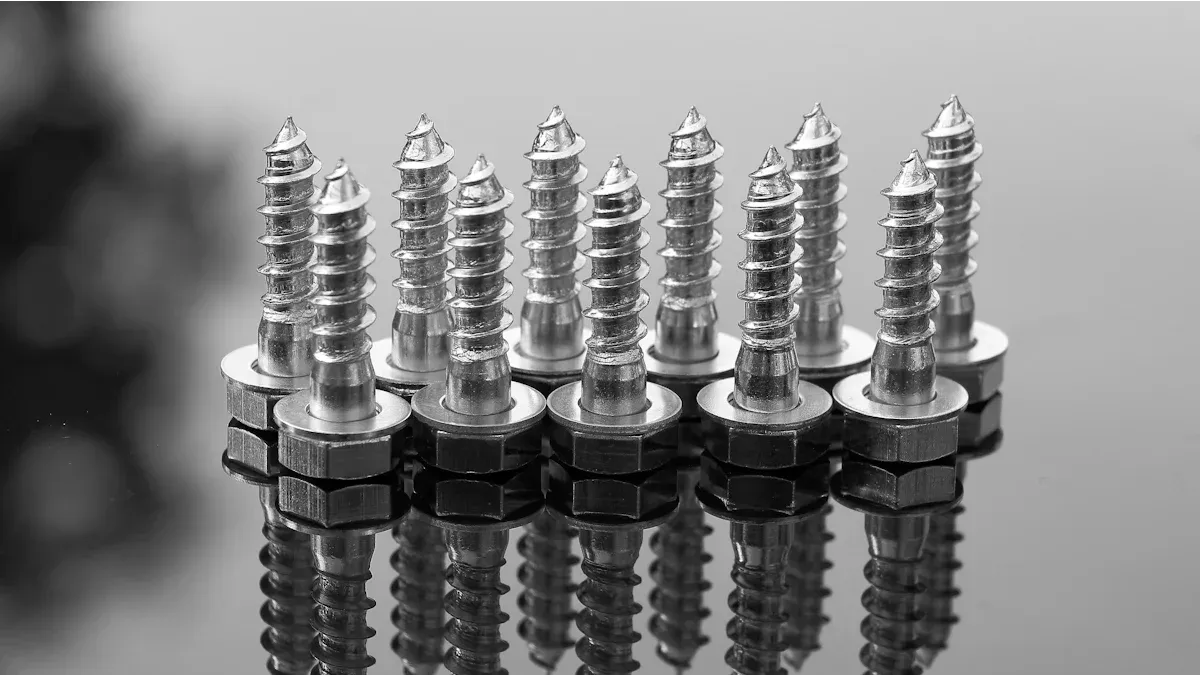
When a wall stud is not available, a user must rely on a specialized анкер для полых стен to support an object. The anchor’s design is critical because it must distribute the item’s weight over a wide area of the drywall. Several types of anchors offer reliable solutions, from classic designs to modern, high-strength options. Choosing the correct drywall anchor ensures a secure mount and prevents damage to the wall surface.
Toggle Bolts: The Classic Hollow Wall Solution
Toggle bolts have long been a trusted solution for mounting items to hollow walls. This fastener consists of a machine bolt and a spring-loaded, wing-like toggle. The design provides a substantial holding capacity by bracing against the back of the drywall.
How Traditional Toggle Bolts Work
A toggle bolt functions by passing its folded wings through a pre-drilled hole in the wall. Once inside the wall cavity, the spring-loaded wings expand. As a user tightens the bolt, the wings pull tight against the interior wall surface. This action clamps the drywall between the toggle wings and the mounted object, creating a very secure connection capable of supporting significant weight.
Пошаговое руководство по установке
Proper installation is key to a toggle bolt’s effectiveness. A user should follow these steps carefully.
- Сверление отверстия: Пользователь сверлит отверстие в гипсокартоне. Отверстие должно быть достаточно большим, чтобы через него прошёл сложенный анкер-бабочка.
- Сборка болта: Пользователь снимает крылья-бабочку с болта. Затем он продевает болт через монтажный кронштейн подвешиваемого предмета. В завершение он снова навинчивает крылья-бабочку на конец болта.
- Установка анкера: Пользователь прижимает крылья к болту. Он проталкивает всю сборку через отверстие в стене. Отчётливый щелчок указывает на то, что крылья раскрылись внутри полости стены.
- Затяжка крепёжного элемента: Пользователь тянет болт наружу, чтобы крылья оставались зацепленными за тыльную сторону стены. Он затягивает болт отвёрткой до плотной фиксации.
Важное примечание: Пользователь не может извлечь болт, не уронив анкер внутрь стены. Предмет должен быть прикреплён к болту до его установки.
Распространённые ошибки, которых следует избегать
Несколько типичных ошибок могут снизить прочность крепления анкером-бабочкой. Избегание этих ошибок крайне важно для надёжного монтажа.
- Неправильный размер отверстия: Частой ошибкой является сверление слишком большого отверстия. Это мешает крыльям анкера зацепиться за тыльную сторону стены, что резко снижает прочность крепления.
- Чрезмерная затяжка болта: Приложение слишком большого усилия может привести к смятию гипсокартона вокруг болта. Это ослабляет сцепление анкера и может привести к его отказу.
- Пропуск примерки: Перед окончательным монтажом пользователю следует проверить, что механизм анкера плавно проходит через отверстие. Неустранённые мелкие заклинивания могут испортить установку.
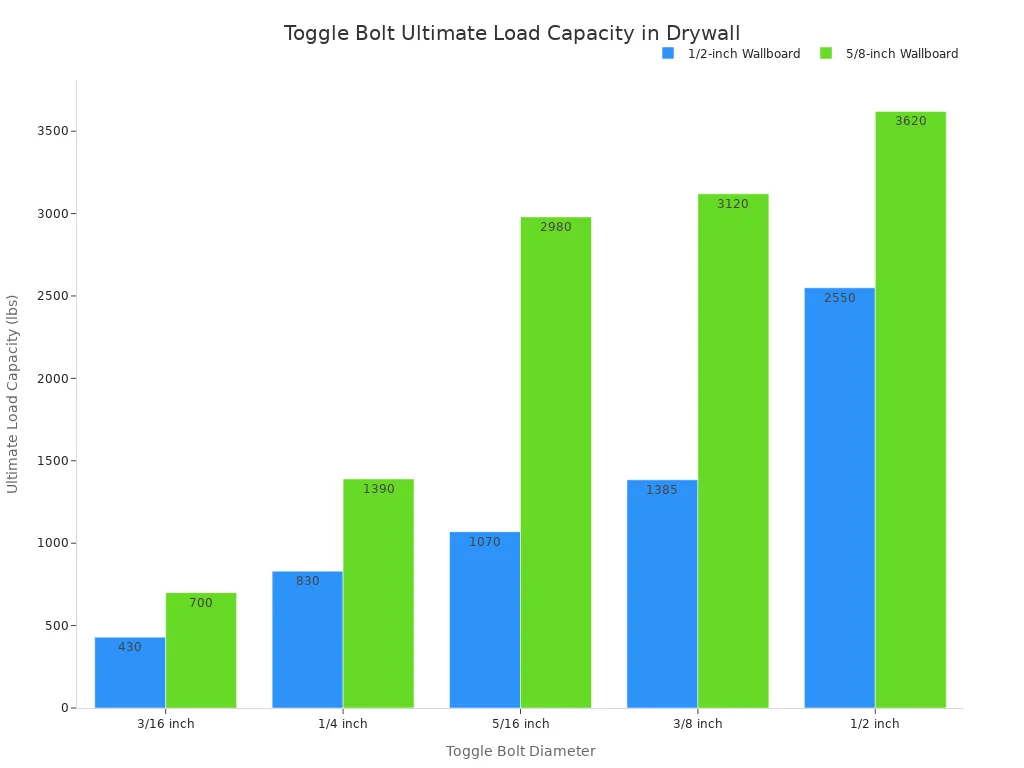
Несущая способность анкера-бабочки увеличивается с его диаметром и толщиной гипсокартона.
| Диаметр анкера-бабочки | Предельная нагрузка в стеновой панели 1/2 дюйма (фунты) | Предельная нагрузка в стеновой панели 5/8 дюйма (фунты) |
|---|---|---|
| 3/16 дюйма | 430 | 700 |
| 1/4 дюйма. | 830 | 1390 |
| 5/16 дюйма | 1070 | 2980 |
| 3/8 дюйма (≈9,5 мм) | 1385 | 3120 |
| на 1/2 дюйма (≈12,7 мм) | 2550 | 3620 |
Примечание: Рекомендуемая безопасная рабочая нагрузка составляет 1/4 от указанных предельных значений.
Отрывные анкеры (Snap Toggles): Современный высокопрочный анкер для гипсокартона
Отрывные анкеры представляют собой значительную эволюцию в технологии анкеров для полых стен. Они обладают превосходной прочностью и более удобным процессом установки по сравнению с традиционными анкерами-бабочками, что делает их одними из самых прочных анкеров для гипсокартона.
Преимущества анкера Toggler SNAPTOGGLE
Анкер Toggler SNAPTOGGLE обеспечивает несколько ключевых преимуществ благодаря своей уникальной конструкции. Эти особенности способствуют его исключительной производительности и простоте использования.
- Запатентованная конструкция ремня: Эта конструкция позволяет быстро и легко выполнить установку. Она также обеспечивает непревзойдённую удерживающую способность.
- Цельный металлический канал: Прочный металлический канал устойчив к вибрации и ударам. Эта особенность значительно повышает долгосрочную стабильность анкера.
- Наименьшее монтажное отверстие: Для каждого размера болта этот анкер для гипсокартона требует минимально возможного монтажного отверстия. Это сохраняет структурную целостность стены, укрепляя точку крепления.
- Центрирование болта: Болт центрируется в канале. Это предотвращает врезание резьбы в гипсокартон, что позволяет избежать повреждения основания.
Сравнение прочности: Отрывные и традиционные анкеры-бабочки
Отрывные анкеры могут выдерживать нагрузку до двух раз больше, чем старомодные анкеры-бабочки. Их конструкция более эффективно распределяет вес по гипсокартону. В таблице ниже показана сертифицированная прочность на вырыв в гипсокартоне стандартной толщины.
| Толщина гипсокартона | Значение прочности на вырыв (фунты) |
|---|---|
| Гипсокартон 1/2″ | 265 |
| Гипсокартон 5/8″ | 356 |
Эти значения представляют собой усилие, необходимое для прямого вытягивания анкера из стены. Это делает их отличным выбором для тяжёлых нагрузок.
Как установить отрывной анкер (Snap Toggle)
Установка отрывного анкера — это простой процесс, который позволяет извлекать и повторно вставлять болт.
- Сверление отверстия: Пользователь сверлит отверстие диаметром 1/2 дюйма в нужном месте.
- Установка канала: Он удерживает металлический канал плоско вдоль пластиковых ремней. Пользователь продевает канал через отверстие.
- Фиксация анкера: Пользователь держит концы ремней и тянет их до тех пор, пока канал не ляжет вплотную к тыльной стороне стены. Он сдвигает пластиковый колпачок по ремням до плотного прилегания к внешней поверхности стены.
- Отрыв ремней: Он отламывает ремни на уровне фланца колпачка. Анкер теперь установлен.
- Установите предмет: Пользователь помещает свой предмет над анкером и ввинчивает прилагаемый болт. Он затягивает крепёж до надёжной фиксации.
Анкеры Молли (Металлические распорные анкеры)
Анкер Молли, также известный как настенный анкер Молли, представляет собой тип металлического распорного анкера, предназначенного для полых стен. Он обеспечивает постоянную резьбовую точку крепления, что делает его идеальным для предметов, которые может потребоваться снимать и устанавливать повторно.
Как анкеры Молли раскрываются и зацепляются
Настенный анкер Молли состоит из винта, вставленного в металлическую гильзу. Когда пользователь закручивает винт, боковые стороны гильзы сжимаются внутрь. Это заставляет гильзу складываться и расширяться за гипсокартоном, образуя лапки, которые цепляются за внутреннюю поверхность. После установки винт можно выкрутить и снова вкрутить в закреплённую гильзу.
Заострённые и незаострённые анкеры Молли
Анкеры Молли бывают двух основных разновидностей.
- Заострённые: Этот тип имеет острый наконечник. Пользователь может забить его непосредственно в гипсокартон без предварительного сверления направляющего отверстия. Это ускоряет установку для лёгких и средних нагрузок.
- Незаострённые: Этот тип требует предварительно просверленного направляющего отверстия. Он обычно используется для более тяжёлых нагрузок или более твёрдых материалов стен, таких как штукатурка, так как обеспечивает более аккуратную установку и более прочное крепление.
Лучшее применение для нагрузок средней тяжести
Настенный анкер Молли — отличный выбор для предметов средней тяжести. Типичные области применения включают подвешивание полотенцесушителей, карнизов для штор, тяжёлых рам для картин и небольших полок. Постоянная резьбовая втулка является ключевым преимуществом для любого применения, где объект может временно сниматься.
Как правильно установить и закрепить анкер Молли
Правильная установка этого анкера для полых стен имеет решающее значение для его работы.
- Подготовка отверстия: Для дюбеля без острия пользователь сверлит пилотное отверстие указанного диаметра. Для дюбеля с острием он аккуратно вбивает анкер в гипсокартон молотком до тех пор, пока головка не окажется заподлицо с поверхностью.
- Установка анкера: Пользователь вдавливает весь анкерный узел в отверстие до тех пор, пока головка не окажется заподлицо со стеной.
- Фиксация анкера: Он использует отвертку, чтобы повернуть винт по часовой стрелке. Будет ощущаться сопротивление, когда гильза начнет расширяться. Необходимо продолжать закручивать, пока винт не будет затянут очень плотно. Это действие полностью раскрывает лапки анкера за стеной.
- Завершение установки: Затем пользователь поворачивает винт против часовой стрелки, чтобы выкрутить его. Расширенная гильза остается в стене в качестве постоянного анкера. Затем можно разместить предмет над гильзой и вкрутить винт обратно для его крепления.
Мощные решения для сплошных стен (кирпич, бетон, каменная кладка)

Крепление предметов к сплошным стенам, таким как кирпич, бетон или каменная кладка, требует анкеров, способных выдерживать огромные нагрузки. В отличие от пустотелых стен, эти материалы представляют собой плотный, не поддающийся субстрат. Правильный крепеж создаст мощную механическую связь с кладкой, обеспечивая превосходную поддержку для действительно тяжелых грузов.
Распорные анкеры для экстремально тяжелых нагрузок
Распорные анкеры являются первоклассным выбором для крепления очень тяжелых объектов к бетону и каменной кладке. Этот крепеж обеспечивает исключительную удерживающую способность за счет надежного распорного механизма.
Как распорные анкеры расширяются для сцепления
Распорный анкер состоит из резьбового болта внутри расширяемой металлической гильзы. Когда пользователь затягивает гайку или головку болта, она втягивает конический конус в гильзу. Это действие заставляет гильзу расширяться наружу, плотно прижимая ее к стенкам предварительно просверленного отверстия и создавая огромное трение.
Когда выбирать распорный анкер
Пользователь должен выбирать распорный анкер для требовательных применений, где недопустим отказ. Это основной крепеж как для жилых, так и для коммерческих проектов, требующих высокой несущей способности. Типичные области применения включают:
- Жилые помещения: Крепление поручней к бетонным ступеням, монтаж больших стеллажей в гараже и крепление уличных светильников к кирпичным стенам.
- Коммерческие объекты: Крепление стальных опор к блочным стенам, монтаж легкого оборудования и анкеровка защитных ограждений к бетонным полам.
Пошаговое руководство по установке
- Просверлите отверстие в кладке, соответствующее диаметру анкера.
- Очистите отверстие от всей пыли и мусора с помощью кисти или сжатого воздуха.
- Вбейте узел распорного анкера в отверстие до тех пор, пока шайба не окажется заподлицо с поверхностью.
- Затяните гайку гаечным ключом. Это подтянет болт и расширит гильзу для надежной фиксации.
Техника безопасности при сверлении кладки
Безопасность прежде всего: Всегда надевайте защитные очки и перчатки при сверлении кладки. Перфоратор необходим для эффективного сверления бетона. Использование обычной дрели будет неэффективным и может привести к перегоранию двигателя.
Анкерные гильзы и шурупы с шестигранной головкой (Lag Screws)
Комбинация анкерной гильзы и шурупа с шестигранной головкой предлагает еще один надежный метод анкеровки в сплошные стены. Эта двухкомпонентная система универсальна и эффективна для многих применений.
Как работают вместе анкерная гильза и шуруп
Анкерная гильза — это металлическая или пластиковая втулка с ребрами на внешней стороне. Пользователь вставляет гильзу в предварительно просверленное отверстие. Когда он вкручивает шуруп с шестигранной головкой в гильзу, гильза расширяется, и ее ребра врезаются в окружающую кладку, создавая надежную точку крепления для крепежа.
Выбор между пластиковыми и цинковыми (Zamac) гильзами
- Пластиковые гильзы: Подходят для легких нагрузок в кирпиче или бетоне.
- Цинковые гильзы (Zamac): Этот цинковый сплав обеспечивает гораздо большую прочность. Пользователь должен выбирать цинковую гильзу для анкеровки средних и тяжелых нагрузок.
Руководство по установке в кирпич или бетон
- Просверлите пилотное отверстие диаметром и на глубину, указанные для анкерной гильзы.
- Вставьте гильзу и аккуратно вбейте ее до уровня поверхности стены.
- Поместите предмет над отверстием, вставьте через него шуруп с шестигранной головкой и вкрутите крепеж в гильзу до плотной затяжки.
Бетонные шурупы (типа Tapcon)
Бетонные шурупы, часто известные под торговой маркой Tapcon, являются самонарезающими крепежными элементами, которые нарезают собственную резьбу непосредственно в кладке.
Преимущества самонарезающих бетонных шурупов
Эти шурупы обеспечивают быстрый и удобный монтаж. Они не требуют отдельного анкерного элемента, что упрощает процесс. Их также можно удалить, что делает их идеальными для временных креплений. В таблице ниже показаны ключевые различия между этим крепежом и традиционными распорными анкерами.
| Характеристика | Винты по бетону | Традиционные анкеры |
|---|---|---|
| Монтаж | Легче и быстрее; одноэтапный процесс после сверления. | Более сложный; требует вставки и установки анкера. |
| **Извлечение** | Легко удаляются без повреждения основного материала. | Трудно удалить; часто это постоянная установка. |
| Возможность повторного использования | Некоторые типы можно использовать повторно в новом отверстии. | Не предназначены для повторного использования; рассчитаны на одноразовое применение. |
| Уровень навыка | Проще для домашних мастеров и менее опытных установщиков. | Требует больше навыков для правильной установки. |
Ограничения по весу и наилучшие области применения
Бетонные шурупы лучше всего подходят для легких и средних нагрузок. Они отлично подходят для крепления электрических коробок, хомутов для кабелепроводов и легких полок. Они не предназначены для структурных соединений или поддержки динамических нагрузок.
Как установить бетонные шурупы
- С помощью перфоратора просверлите пилотное отверстие специальным твердосплавным сверлом, рекомендованным производителем шурупа.
- Очистите отверстие от всей пыли и мусора.
- Заверните шуруп с помощью дрели или ударного шуруповерта до плотной посадки. Не перетягивайте.
Инновационные и специальные альтернативы анкерам
Помимо традиционных анкеров, существует несколько инновационных решений, способных решить конкретные задачи монтажа. Эти альтернативы варьируются от структурных усилителей, перекрывающих стойки, до простых, не требующих инструментов крюков для более легких предметов. Понимание этих вариантов дает пользователю полный набор инструментов для любого проекта по навешиванию.
Использование монтажной пластины для перекрытия стоек
Что такое монтажная пластина?
Монтажная пластина — это жесткая панель, обычно изготовлен из металла, который крепится к нескольким стойкам стены. Распространенные материалы включают необработанную сталь и коррозионностойкую нержавеющую сталь. Пластина создает прочную поверхность для монтажа объекта. Она эффективно распределяет вес объекта по жесткой конструкции каркаса здания, а не полагается на одну точку крепления.
Когда использовать монтажную пластину
Монтажную пластину следует рассмотреть, когда желаемое место для тяжелого предмета находится между стойками. Пластина обеспечивает надежную опору и дополнительную площадь поверхности, более эффективно распределяя вес. Это отличное решение для таких проектов, как:
- Крепление больших плоских телевизоров
- Установка тяжелых стеллажных систем
Как установить монтажную пластину
- Найдите и отметьте положение как минимум двух стоек стены.
- Расположите монтажную пластину на стене, убедившись, что она перекрывает отмеченные места стоек. Используйте уровень, чтобы убедиться в ее горизонтальности.
- Закрепите пластину на стойках с помощью мощных шурупов-глухарей. Следует сначала просверлить направляющие отверстия, чтобы избежать раскалывания древесины.
- Установите объект непосредственно на закрепленную металлическую пластину в соответствии с инструкциями к изделию.
Быстрые и простые решения: Monkey Hooks и OOK Hangers
Для быстрых задач по подвешиванию, не связанных с большими нагрузками, специальные крючки предлагают простую альтернативу, не требующую инструментов.
Как работают Monkey Hooks
Monkey Hook — это изогнутый кусок жесткой стальной проволоки. Пользователь вдавливает его острый самосверлящий наконечник в гипсокартон. Затем поворачивает крючок, пока изогнутая часть не упрется в заднюю сторону стены, оставляя крючок видимым спереди. Установка не требует инструментов.
Весовые ограничения вешалок для картин
Эти крючки предназначены для предметов легкого и среднего веса. Их грузоподъемность зависит от толщины гипсокартона.
| Тип гипсокартона | Предел нагрузки |
|---|---|
| Бытовой (1/2 дюйма) | 16 кг |
| Коммерческий (5/8 дюйма) | 23 кг |
Лучшие случаи применения для быстрого подвешивания
Эти подвесы идеальны для быстрого крепления картин, небольших зеркал и настенного декора. Их главное преимущество — скорость и простота, что делает их популярным выбором для арендаторов или тех, кто часто меняет декор.
Клеевые решения: Command Strips и крючки
Клеевые полоски предоставляют метод крепления без повреждений, но имеют существенные ограничения.
Понимание весовых рейтингов для клеевых средств
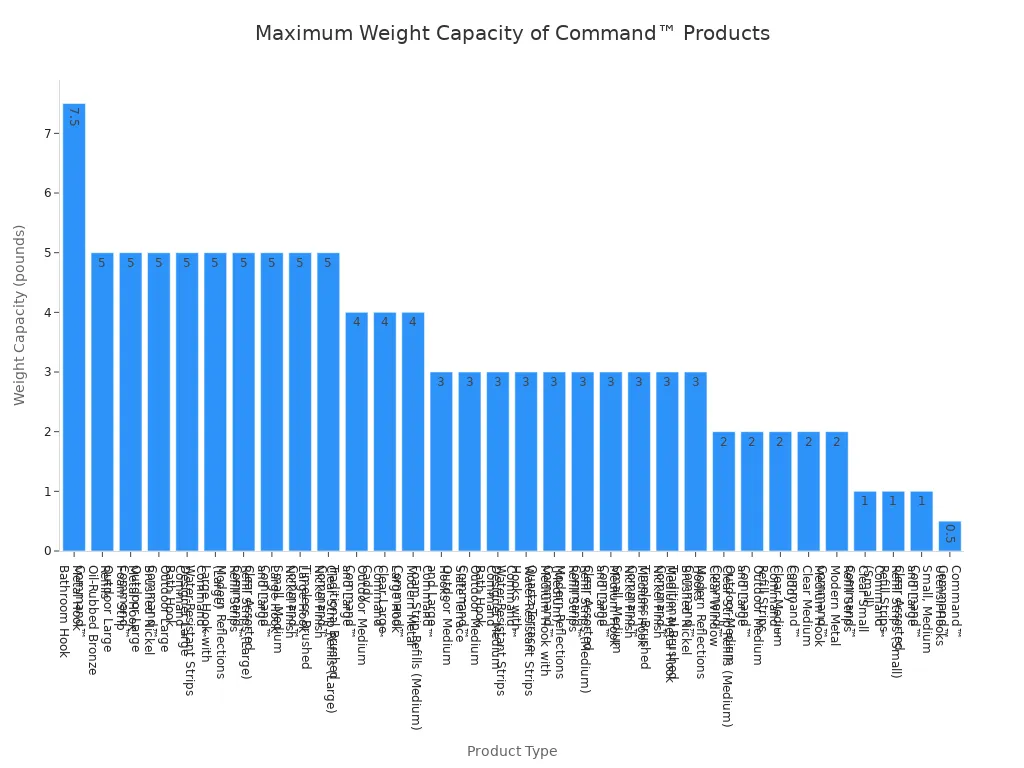
Грузоподъемность клеевых продуктов, таких как Command™ Strips, сильно варьируется. Небольшой крючок для утвари может выдержать только 0,23 кг, в то время как более крупный крючок для ванной может выдерживать до 3,4 кг. Пользователь всегда должен проверять указанный на упаковке конкретного продукта предел нагрузки.
Подготовка поверхности для надежного сцепления
Требуемый диаметр твердосплавного сверла Для надежного крепления необходимо очистить поверхность стены изопропиловым спиртом перед нанесением полоски. Это удаляет пыль и жир, которые могут помешать адгезии.
Ограничения для действительно тяжелых нагрузок
Клеевые решения не подходят для тяжелых или ценных предметов. Перепады температуры, влажность и текстура поверхности могут повлиять на прочность сцепления. Их лучше всего использовать для легких декоративных предметов, где отказ крепления не приведет к значительному ущербу или травме.
Как выбрать правильную альтернативу для вашего проекта
Выбор правильного крепежа — критически важное решение, которое напрямую влияет на безопасность и устойчивость вашей установки. Пользователь должен систематически оценивать стену, объект и варианты креплений. Этот процесс гарантирует, что выбранная фурнитура сможет безопасно выдерживать предполагаемую нагрузку в течение многих лет.
Шаг 1: Оцените тип вашей стены
Перед выбором крепежа пользователь должен сначала определить материал стены. Разные материалы имеют совершенно разные структурные свойства. Крепеж, предназначенный для гипсокартона, не подойдет для бетона, а дюбель для каменной кладки разрушит полую стену.
Простукивание: Гипсокартон против штукатурки против каменной кладки
Самый простой первоначальный тест заключается в простукивании поверхности стены. Издаваемый звук дает ценные подсказки о материале под краской. Пользователь может прислушаться к явным различиям для предварительной оценки.
| Тип стены | Как определить (без повреждений) |
|---|---|
| Гипсокартон | Простукивание создает полый, похожий на бумагу звук между стойками. |
| Штукатурка | Поверхность очень твердая, и простукивание создает более плотный, менее резонансный стук по сравнению с гипсокартоном. |
| Кирпич или каменная кладка | Поверхность чрезвычайно твердая и не поддается. Стук не создает эха. |
| Бетон | Стена кажется неподатливой и часто прохладной на ощупь. |
| Деревянная стойка | Простукивание над стойкой за гипсокартоном создает сплошной, плотный звук. |
Использование сверла для проверки твердости
Чтобы подтвердить материал стены, пользователь может просверлить небольшое пробное отверстие в незаметном месте. Сопротивление сверла и производимая пыль дают окончательное доказательство.
- Мелкий белый порошок: Это указывает на гипсокартон. Сверло пройдет с очень небольшим сопротивлением.
- Зернистая, песчаная или красноватая пыль: Это сигнализирует о штукатурке или каменной кладке, такой как кирпич. Сверло встретит значительное сопротивление.
- Серая, похожая на цемент пыль: Это явный признак бетона. Обычное сверло не справится; необходим перфоратор.
Шаг 2: Рассчитайте общий вес нагрузки
Точное определение веса, который должен выдерживать крепёж, крайне важно. Занижение нагрузки — частая причина неудач. Пользователь должен учитывать как вес объекта, так и типы усилий, которые он будет оказывать на стену.
Объяснение динамических и статических нагрузок
Пользователь должен понимать разницу между двумя типами нагрузок.
- Статическая нагрузка: Это постоянный, неизменный вес неподвижного объекта, например, тяжёлого зеркала или произведения искусства.
- Динамическая нагрузка: Это относится к силам, которые меняются из-за движения, вибрации или взаимодействия. Кронштейн для настенного телевизора с поворотом, вешалка для одежды или полки, с которых часто убирают и на которые кладут предметы, — всё это подвержено динамическим нагрузкам. Эти силы могут быть значительно больше, чем просто вес объекта.
Например, турник создаёт значительную динамическую нагрузку при каждом использовании. Сила — это не только вес человека, но и импульс от его движения.
Важность запаса прочности
Пользователь никогда не должен выбирать крепёж, рассчитанный ровно на вес объекта. Применение запаса прочности крайне важно для учёта динамических сил, неидеальности стены и долговременной усталости материала.
Требуемый диаметр твердосплавного сверла Лучшей профессиональной практикой является выбор крепежа, рассчитанного как минимум на четырёхкратный статический вес объекта. Для динамических нагрузок этот коэффициент безопасности должен быть ещё выше.
Такой подход создаёт буфер, который гарантирует, что крепёж выдержит непредвиденные нагрузки. Например, если полка весит 20 фунтов и на ней будет 50 фунтов книг, общая статическая нагрузка составляет 70 фунтов. Применение 4-кратного запаса прочности означает, что пользователь должен выбрать крепёж с суммарной нагрузкой не менее 280 фунтов.
Сравнительная таблица: Крепёж vs. Стена vs. Вес
Эта таблица служит кратким справочником, помогающим пользователю подобрать правильный крепёж для конкретных нужд проекта. Диапазоны нагрузок являются типовыми оценками; пользователь всегда должен проверять конкретные характеристики, указанные производителем крепежа.
| Тип и название крепежа | Идеальный материал стены | Типичный максимальный диапазон нагрузки (гипсокартон 1/2") | Ключевое требование к установке |
|---|---|---|---|
| Анкер-бабочка | Гипсокартон, Штукатурка | 50–100 фунтов | Требуется большое отверстие; болт нельзя извлечь из стены. |
| Откидной анкер (Snap Toggle) | Гипсокартон, Штукатурка | 100–265+ фунтов | Требуется меньшее отверстие; болт можно извлечь и вставить обратно. |
| Распорный анкер (Molly Bolt) | Гипсокартон, Штукатурка | 25–50 фунтов | Создаёт постоянную резьбовую втулку для многократного монтажа. |
| Рукавный анкер | Бетон, Кирпич, Кладка | Н/Д (Чрезвычайно высокая) | Требуется перфоратор и точная глубина отверстия для кладки. |
| Анкерная гильза и шуруп (Lag Shield & Screw) | Бетон, Кирпич, Кладка | Н/Д (Высокая) | Для более тяжёлых нагрузок выбирайте гильзу из цинкового сплава (металлическую). |
| Винт для бетона (Concrete Screw) | Бетон, Кирпич | Н/Д (Средняя) | Требуется специальное твердосплавное сверло; не перетягивайте. |
Критически важные меры безопасности и лучшие практики монтажа
Выбор правильного крепежа — только половина дела; правильная установка имеет первостепенное значение для безопасности и производительности. Пользователь должен понимать силы, действующие на крепёж, использовать соответствующие инструменты и распознавать типичные точки отказа. Следование профессиональным лучшим практикам предотвращает повреждение стен и обеспечивает надёжное крепление объекта.
Понимание весовых характеристик крепежа
Характеристики производителя дают важные ориентиры, но пользователь должен понимать, что означают эти цифры. Силы, действующие на крепёж, не всегда прямолинейны. Правильный выбор крепежа учитывает как направление, так и тип нагрузки.
Прочность на срез vs. Прочность на растяжение
На любой настенный крепёж действуют две основные силы. Понимание разницы между ними — ключ к выбору правильной фурнитуры.
- Прочность на разрыв: Это измеряет способность крепежа противостоять силе, вытягивающей его прямо из стены. Растение, висящее на потолочном крюке создаёт чистую растягивающую нагрузку.
- Прочность на срез: Это измеряет способность крепежа противостоять направленной вниз силе, которая пытается его "срезать". Вес тяжёлого зеркала, висящего плоско на стене, создаёт нагрузку на срез.
Большинство тяжёлых предметов создают комбинацию обеих сил. Испытания производителя определяют предельную прочность на растяжение и срез, часто измеряемую в фунтах на квадратный дюйм (psi).
Почему важны характеристики производителя
Пользователь всегда должен доверять заявленной производителем грузоподъёмности. Эти характеристики не произвольны; они основаны на контролируемых испытаниях. Для промышленного применения эти испытания часто следуют строгим государственным и отраслевым стандартам, таким как стандарты Управления по охране труда (OSHA). Например, OSHA может требовать, чтобы определённые крепления выдерживали до 5000 фунтов для оборудования, обеспечивающего безопасность жизни. Хотя это крайность для домашнего использования, это подчёркивает важность сертифицированных характеристик. Выбор крепежа с сертифицированной нагрузкой, значительно превышающей вес объекта, обеспечивает критически важный запас прочности.
Необходимые инструменты для надёжного монтажа
Использование правильных инструментов не подлежит обсуждению для безопасного монтажа. Правильное оборудование гарантирует, что отверстие будет правильного размера, крепёж будет правильно установлен, а монтажник останется в безопасности.
Правильная дрель и свёрла
Электродрель необходима. Для кладки требуется перфоратор, чтобы создать чистое отверстие без чрезмерных усилий. Пользователь должен использовать точный размер сверла, указанный производителем крепежа. Изношенное сверло может создать отверстие меньшего размера, что приведёт к неудачной установке.
Использование динамометрического ключа или торцевого ключа
Для мощных креплений, таких как шурупы с шестигранной головкой (lag screws) и гильзовые анкеры, торцевой или динамометрический ключ обеспечивает необходимое усилие и контроль. Динамометрический ключ идеален, так как позволяет пользователю затянуть крепёж в точном соответствии со спецификацией производителя, не перетягивая его.
Средства индивидуальной защиты (СИЗ)
Безопасность прежде всего! 👷 Всегда носите соответствующее Средство Индивидуальной Защиты (СИЗ). Защитные очки оберегают глаза от пыли и осколков. Перчатки защищают руки во время сверления и монтажа.
Типичные точки отказа и как их предотвратить
Большинство отказов крепежа происходят из-за неправильной установки, а не из-за бракованного продукта. Пользователь может избежать этих проблем, уделяя пристальное внимание деталям в процессе монтажа.
Чрезмерное затягивание анкера
Приложение слишком большого усилия при затяжке крепежа — распространенная ошибка. Чрезмерное натяжение может сорвать резьбу, сломать головку болта или раздавить гипсокартон, серьезно ослабив соединение. Пользователь должен затягивать крепеж до плотного прилегания, после чего остановиться.
Сверление отверстия неправильного размера
Это частая причина неудач. Отверстие слишком большого размера не позволит анкеру надежно зацепиться. Отверстие слишком маленького размера не позволит правильно установить анкер. Пользователь всегда должен перепроверять требуемый размер отверстия и использовать острый сверло правильного размера для соответствующего крепежа.
Игнорирование плохого состояния стены
Прочность анкера зависит только от материала, в который он установлен. Пользователь никогда не должен устанавливать мощный крепеж в гипсокартон, который является мягким, рыхлым или поврежденным водой. Если состояние стены плохое, пользователь должен отремонтировать участок или выбрать другое место для монтажа, обеспечивающее прочное основание. Правильный крепеж требует прочной основы.
Пользователь всегда должен отдавать приоритет креплению к стойке стены для максимальной надежности. Если стойка недоступна, современный анкер для гипсокартона, такой как откидной анкер (snap toggle), предлагает мощное решение. Это одни из самых прочных анкеров для гипсокартона. Для полнотелой кладки, гильзовые анкеры обеспечивают наиболее надежное крепление. Перед началом работы пользователь должен определить тип стены и выбрать анкер для полых стен или другой крепеж, рассчитанный на нагрузку, значительно превышающую общий вес предмета. Правильная установка любого анкера для полых стен критически важна; всегда сверлите отверстие правильного размера и избегайте чрезмерной затяжки крепежа.
Частые вопросы
Какой самый прочный анкер для полого гипсокартона?
Откидной анкер (snap toggle), как правило, обеспечивает наибольшую несущую способность в полых стенах. Его металлический канал распределяет вес по большой площади за гипсокартоном. Эта конструкция обеспечивает превосходную прочность по сравнению с традиционными откидными или распорными анкерами для поддержки тяжелых предметов.
Можно ли повторно использовать традиционный откидной болт?
Нет, традиционный откидной болт повторно использовать нельзя. Как только винт выкручен, подпружиненные крылья отваливаются внутри полости стены. Предмет должен быть прикреплен к болту до того, как анкер будет вставлен в стену.
Всегда ли необходимо предварительное отверстие для анкеров?
Да, предварительное отверстие критически важно для большинства мощных анкеров. Оно предотвращает раскалывание деревянных стоек при использовании шурупов-глухарей. Для кладки оно создает точное отверстие, необходимое для правильного расширения и зацепления в материале гильзового анкера или анкерной втулки.
Что делать пользователю, если он неожиданно наткнулся на стойку?
Попасть в стойку — хороший результат. Пользователю следует отказаться от анкера для полых стен. Затем он может использовать прочный шуруп по дереву или шуруп-глухарь, чтобы напрямую прикрепить предмет к стойке, что обеспечит гораздо более надежный монтаж.
Какой вес на самом деле может выдержать крючок на клейкой ленте?
Грузоподъемность крючка на клейкой ленте значительно варьируется в зависимости от продукта. Пользователь всегда должен проверять упаковку производителя на предмет конкретного номинального веса. Эти крючки подходят только для очень легких предметов и никогда не должны использоваться для тяжелых или ценных объектов.
Почему для бетона или кирпича необходим перфоратор?
Перфоратор необходим для работы с кладкой, поскольку он сочетает вращение с быстрыми ударными движениями. Эта мощная комбинация разрушает твердый материал, позволяя сверлу продвигаться. Стандартная дрель не обладает необходимой силой для эффективного проникновения в бетон.