Sunk Head Anchor Stainless Steel

Sunk Head Anchor Stainless Steel

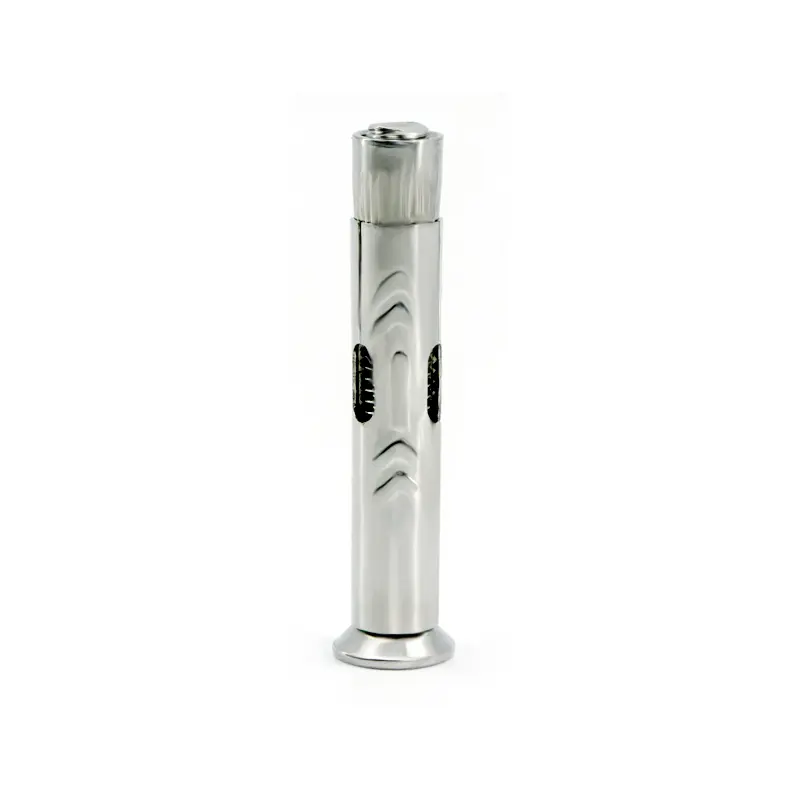
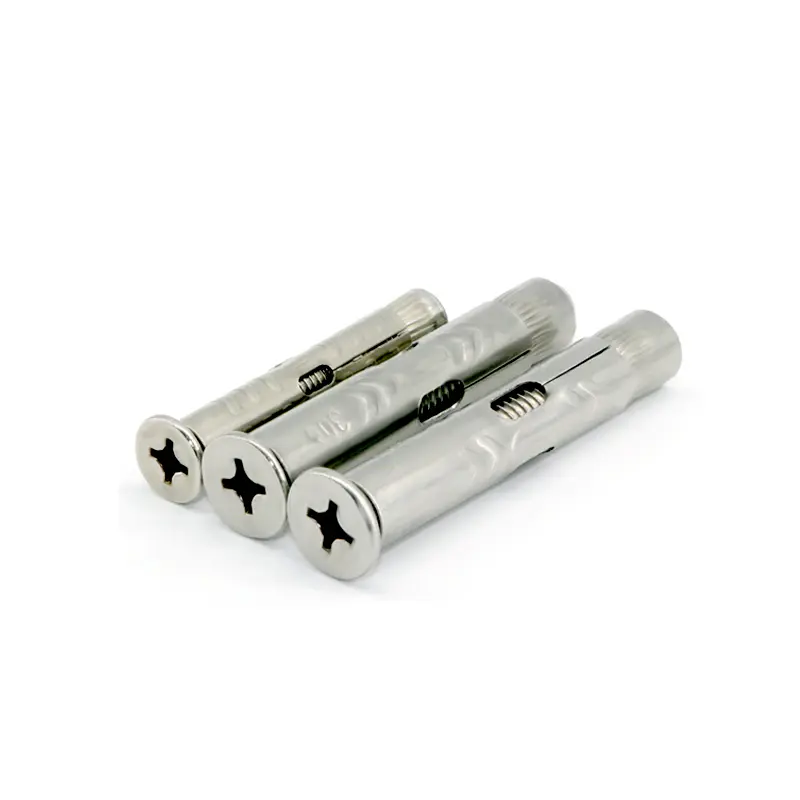
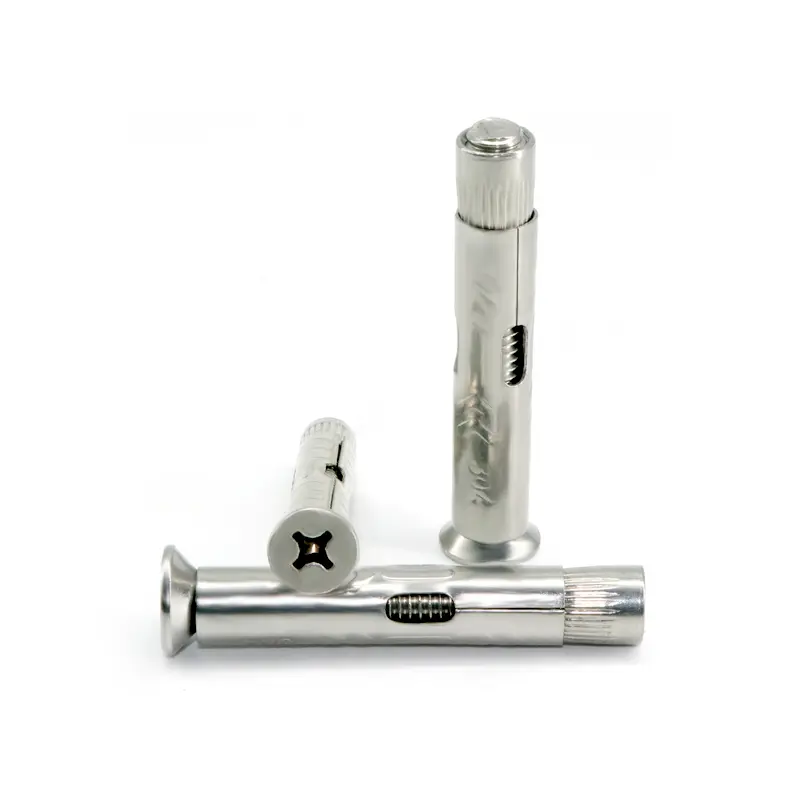
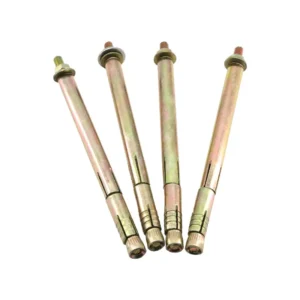
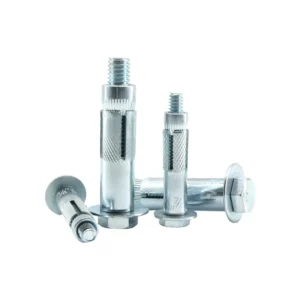
The Duojia Stainless Steel Sunk Head Anchor is a sleeve-type expansion anchor specifically designed for providing a strong, reliable, and flush-mounted fixing in solid base materials such as concrete, brick, and masonry. Its key features are the countersunk (“sunk”) flat head with a cross (Phillips) drive, which allows for a smooth, professional finish, and its stainless steel construction, which provides superior corrosion resistance. This makes the anchor an ideal choice for both indoor and outdoor applications, including environments with high humidity or exposure to corrosive elements.

Clarification on Anchor Type

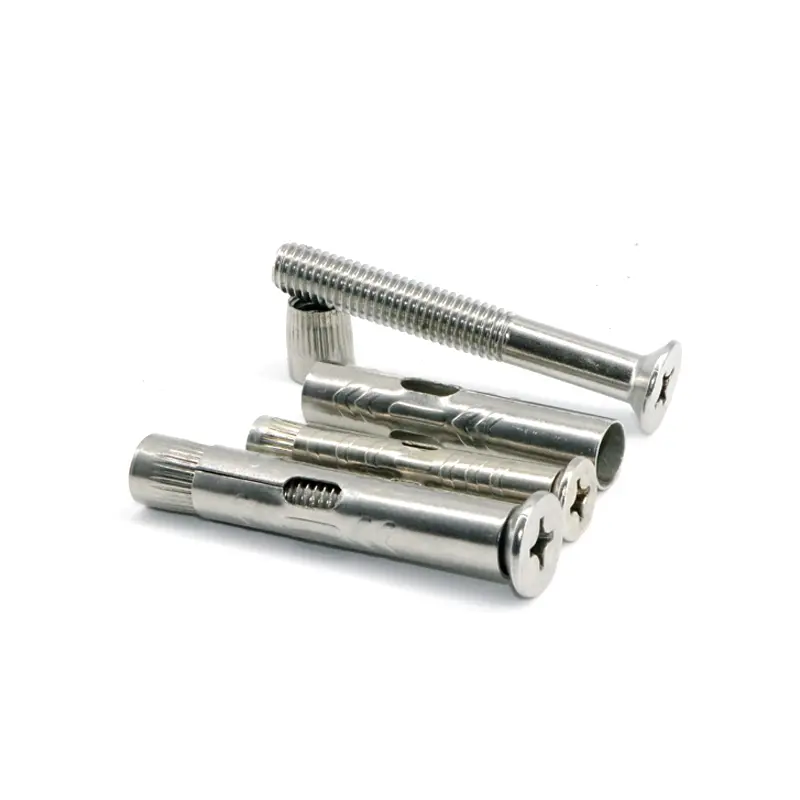
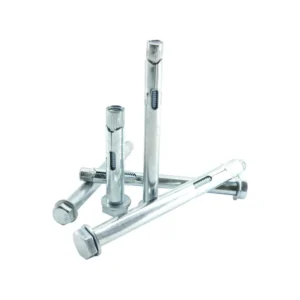
This product is a variation of a sleeve anchor. The assembly consists of a countersunk head screw, a split expansion sleeve, and a conical expander nut at the base. It is a “through-fixing” anchor, meaning it is designed to be installed through the fixture and into the base material in one step.

Product Mechanism and Installation

The anchor works by expanding its sleeve to create a friction-hold against the walls of the drilled hole in the concrete or masonry.

  • Mechanism: The anchor is inserted into a pre-drilled hole. When the countersunk screw is tightened, it pulls the conical expander nut up into the sleeve. This action forces the sections of the sleeve to expand outwards, pressing firmly against the surrounding base material and creating a secure, load-bearing anchor point.
  • Installation Process:
    1. Select the correct anchor size for your application and fixture.
    2. Drill a hole into the concrete or masonry base material that matches the diameter of the anchor. Ensure the hole is drilled to the required depth.
    3. Thoroughly clean the hole of all dust and debris using a brush and blower. This step is critical for achieving maximum holding power.
    4. For a perfectly flush finish, it is recommended to use a countersink bit to create a slight bevel in the surface of the base material that matches the angle of the anchor’s head.
    5. Place your fixture in position, align its hole with the hole in the base material, and insert the entire anchor assembly through the fixture and into the hole until the head is flush.
    6. Use a suitable cross-head (Phillips) screwdriver to tighten the screw. Continue tightening until firm resistance is met, which indicates the anchor is fully expanded and secure.

Product Parameters

Parameter ItemSpecification Description
Product NameSunk Head Anchor Stainless Steel
Brand NameDuojia
Place of OriginHebei, China
MaterialStainless Steel
Surface TreatmentPlain (Uncoated Stainless Steel)
Available SizesM6-M20
Strength GradesA2-70 (e.g., Type 304), A4-70, A4-80 (e.g., Type 316), etc.
Measurement SystemMetric
ApplicationHeavy Industry, General Industry, Construction, Furniture
CertificationsISO9001, ISO14001, ISO45001, SGS
Packaging OptionsSmall Pack + Carton + Pallet; Bag/Box with Pallet

Key Features

  • Superior Corrosion Resistance: Made from high-quality stainless steel (such as Type 304), making it suitable for outdoor use, marine environments, and areas with high humidity.
  • Flush-Mount Finish: The countersunk flat head allows the anchor to sit perfectly flush with the surface of the fixture, providing a clean, aesthetic, and snag-free finish.
  • Reliable Holding Power: The expansion sleeve mechanism provides a strong and secure anchor point in solid materials like concrete and masonry.
  • Through-Fixing Design: Simplifies installation by allowing the anchor to be installed directly through the item being fastened.
  • Standard Drive: The cross (Phillips) head allows for easy installation using a common screwdriver.

Common Applications

This anchor is widely used in construction, industrial settings, and furniture manufacturing where a strong, corrosion-resistant, and flush fixing is required.

  • Attaching fixtures, brackets, and plates to concrete or masonry walls and floors.
  • Securing machinery and equipment in industrial environments.
  • Mounting cabinets, tables, and other furniture components.
  • Installing door and window frames.
  • Fastening handrails, balustrades, and structural supports where a smooth surface is important.