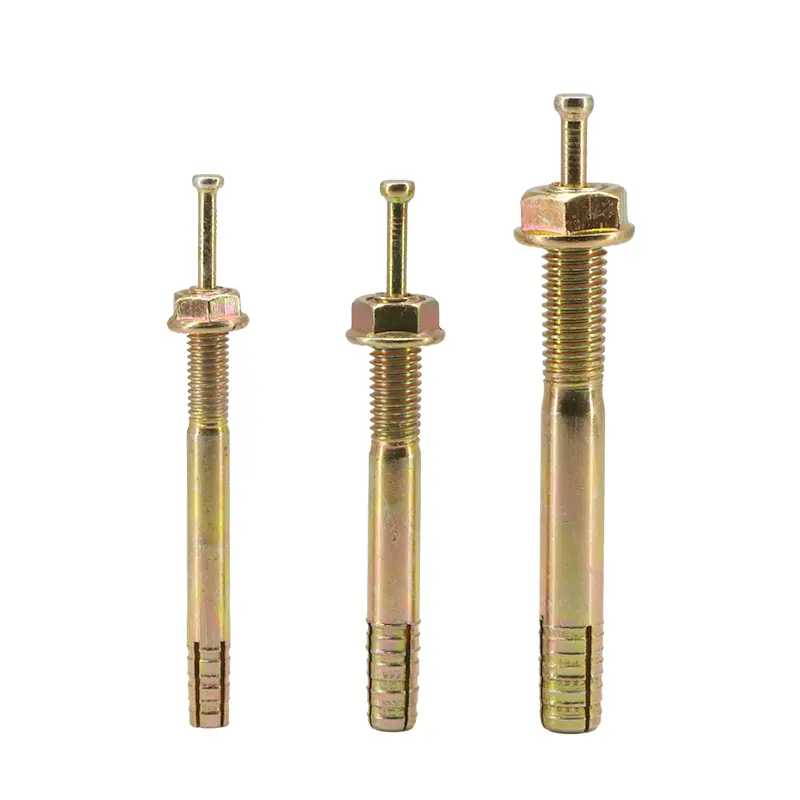
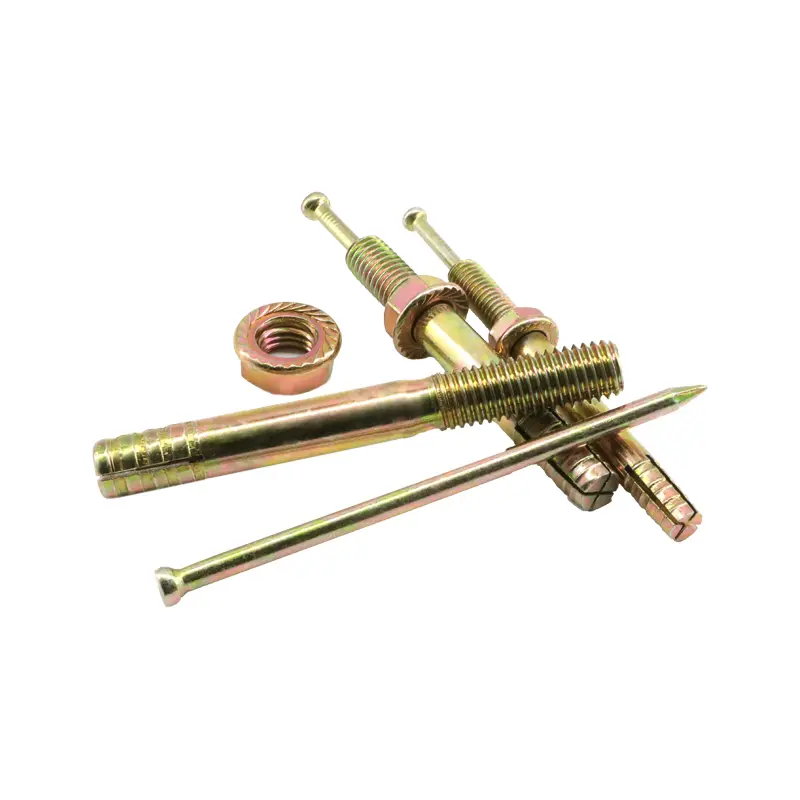
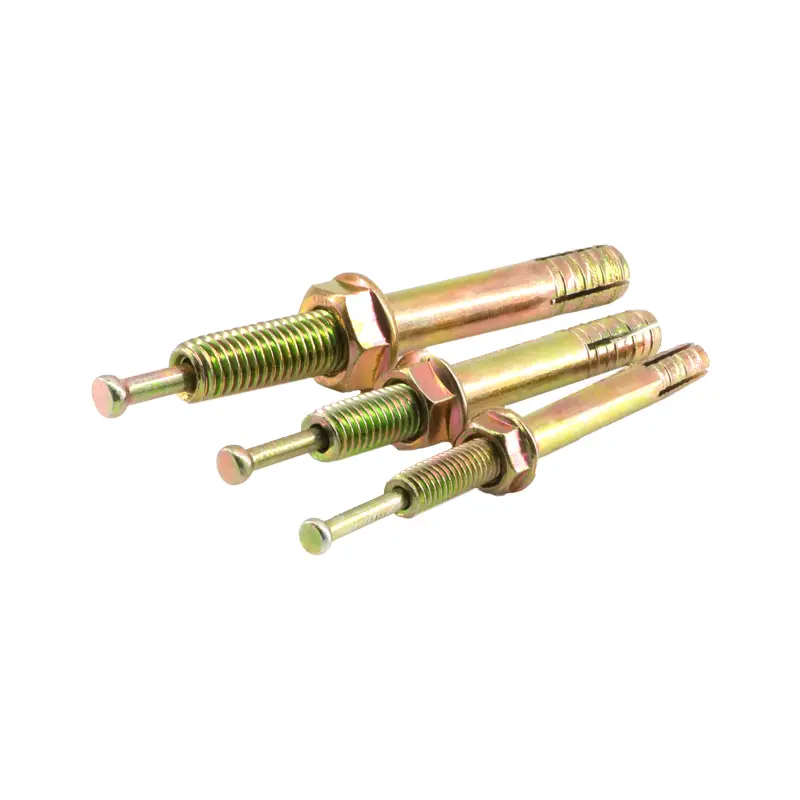
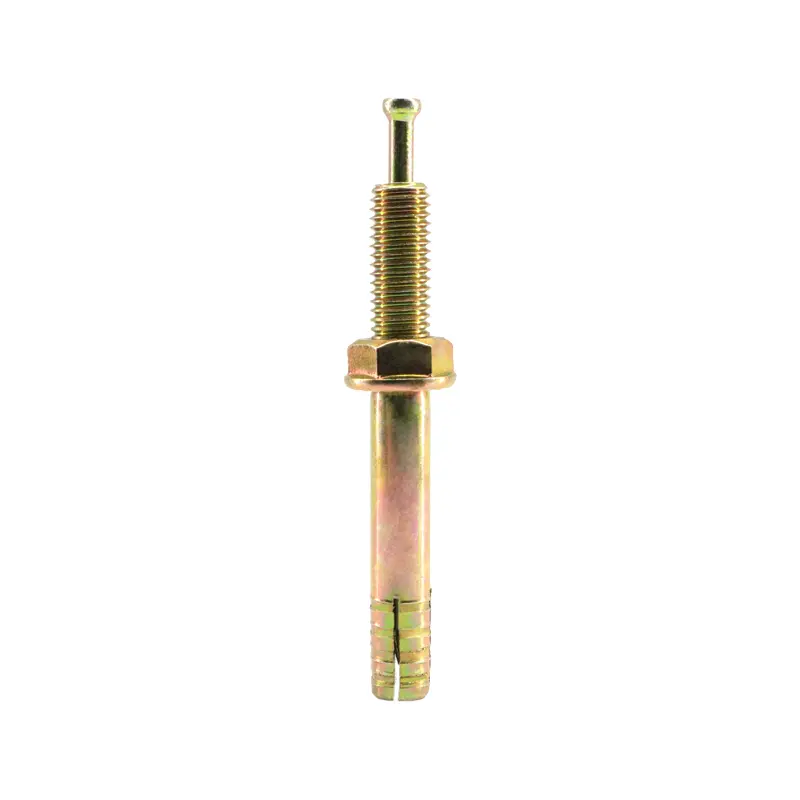
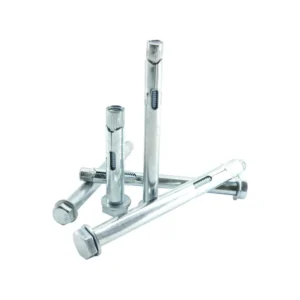
Galvanized anchor ball

Galvanized anchor ball

The Duojia Galvanized Hit Anchor, also known in the industry as a Drop-In Anchor, is a heavy-duty, impact-set expansion anchor designed for creating a permanent and reliable female threaded socket in solid base materials like concrete. Characterized by its unique internal “ball” plug and robust carbon steel body, this anchor is installed quickly by striking it with a hammer and setting tool. The product features a Yellow Zinc Plated (YZP) finish, providing good corrosion and rust resistance for a wide range of indoor industrial, construction, and infrastructure applications.

Clarification on Anchor Type

This product is a female-threaded expansion anchor. This means the anchor itself is a socket that is permanently set into the concrete. A separate, correctly sized machine bolt or threaded rod is then screwed into the anchor to fasten a fixture. This is different from male-threaded anchors (like wedge anchors or sleeve anchors) where the stud is part of the anchor itself. The “ball” mentioned in the product name refers to the internal expansion plug that is driven down to set the anchor.

Product Mechanism and Installation

The anchor’s holding power comes from the friction created by its expansion against the walls of the drilled hole.

  • Mechanism: The anchor consists of two main components:
    1. The Anchor Body: A cylindrical, slotted steel shell that is internally tapered. The top of the body has an internal machine thread.
    2. The Expansion Plug (Ball): A solid steel plug located inside the tapered section of the body.

    When the plug is driven down into the tapered body with force, it causes the slotted sections of the anchor body to expand outwards, pressing firmly against the surrounding concrete.

  • Installation Process:
    1. Drill a hole in the concrete to the specified diameter and depth for the anchor size being used.
    2. Thoroughly clean the hole of all dust and debris using a wire brush and a blower. This step is critical for achieving the anchor’s full load capacity.
    3. Drop the anchor body into the clean hole, with the threaded end facing up.
    4. Insert a dedicated setting tool into the anchor. The setting tool is a steel punch designed to rest on the top of the internal expansion plug.
    5. Using a hammer, strike the end of the setting tool firmly until the shoulder of the tool makes contact with the top lip of the anchor body. This indicates that the plug has been driven down completely and the anchor is fully expanded.
    6. The anchor is now permanently set. A bolt or threaded rod can be screwed into the internal threads to attach the desired fixture.

Product Parameters

Parameter ItemSpecification Description
Product NameHit Anchor Ball-YZP
Brand NameDuojia
Place of OriginHebei, China
MaterialCarbon Steel
Surface TreatmentYellow Zinc Plated (YZP)
Available SizesM6-M20 (This refers to the internal thread size)
Strength Grades4.8, 8.8, 10.9, 12.9 etc.
Measurement SystemMetric
ApplicationHeavy Industry, General Industry, Construction
CertificationsISO9001, ISO14001, ISO45001, SGS
Packaging OptionsSmall Pack + Carton + Pallet; Bag/Box with Pallet

Key Features

  • Rapid Impact Installation: The hammer-set design allows for extremely fast and simple installation, ideal for projects with numerous anchor points.
  • Permanent Female Thread: Creates a strong, reliable, and reusable threaded socket in concrete for attaching fixtures with standard metric bolts.
  • Flush Installation: The anchor sits flush with or just below the concrete surface, allowing for easy fixture placement and removal without an obstructing stud.
  • Good Corrosion Resistance: The Yellow Zinc Plating (YZP) provides a protective barrier against rust, making it suitable for dry and damp indoor environments.
  • Pre-Setting Functionality: The anchor can be installed in advance, before the fixture is ready to be mounted.

Common Applications

The Hit Anchor is a versatile fastener used extensively in construction and industrial maintenance for medium- to heavy-duty loads.
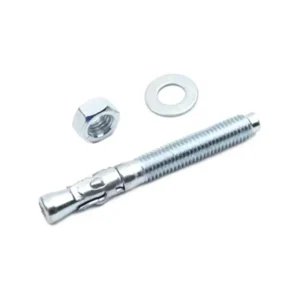
  • Suspending threaded rods for hanging pipes, HVAC ductwork, fire sprinkler systems, and cable trays.
  • Anchoring machinery feet and industrial equipment to concrete floors.
  • Securing handrails, guardrails, and structural steel brackets.
  • Fastening shelving and racking systems in warehouses.